
Quick Take
- DNA reveals the mosquito evolved in the Mediterranean over 1,000 years ago, not in the London Underground.
- These insects thrived in ancient agricultural societies long before modern subway systems were ever constructed.
- Understanding their evolution helps scientists predict how viruses like West Nile jump from birds to humans.
During the Second World War, one particular insect became the scourge of soldiers and citizens alike. Called the London Underground mosquito, this mosquito liked to feast on Londoners escaping German bombing runs. As people hid underground in the railway tunnels, so too did these mosquitoes. Despite the relatively dour conditions, the mosquitoes seemed so well-adapted to the London Underground that people assumed they must have evolved in the region. However, a new study, published in Science, has debunked one of the longer-running myths in London society about these insects.
It turns out that these London Underground mosquitoes likely evolved in the Mediterranean basin over a thousand years ago. A persistent belief of evolutionary biologists was that these mosquitoes evolved from the bird-biting pipiens form in response to rapid human development. Some doubts, however, remained. That is, until a newer generation of scientists reached a surprising conclusion. Let’s learn more about the London Underground mosquito. We will discuss why people thought it was a rapidly evolved creature adapted to the British Isles, and how new research debunks that myth in favor of a more measured, but equally fascinating perspective.
The British Bomber

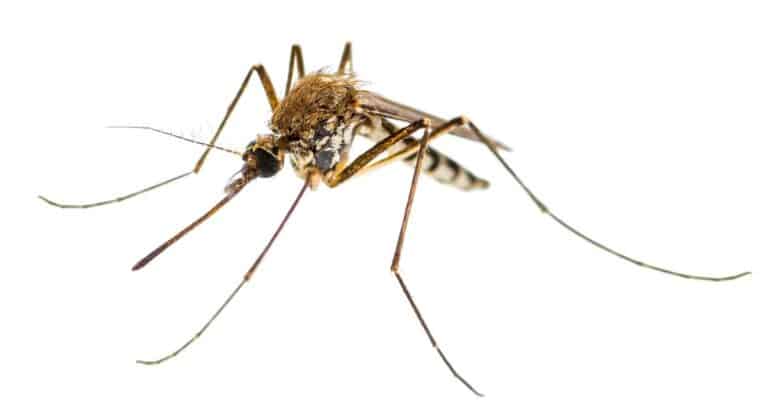
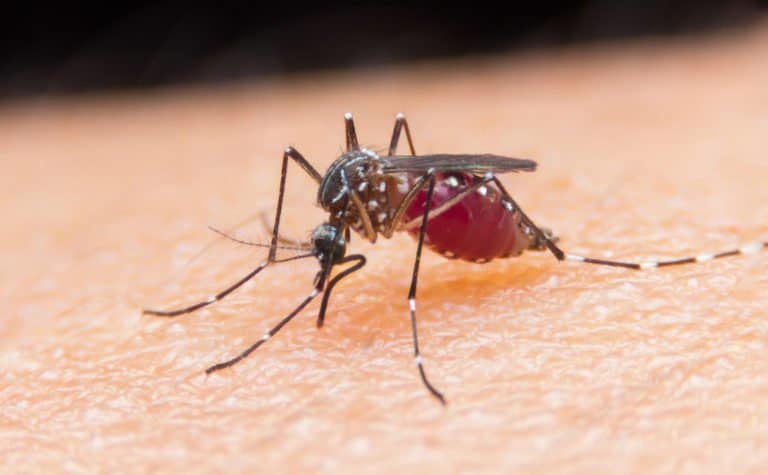
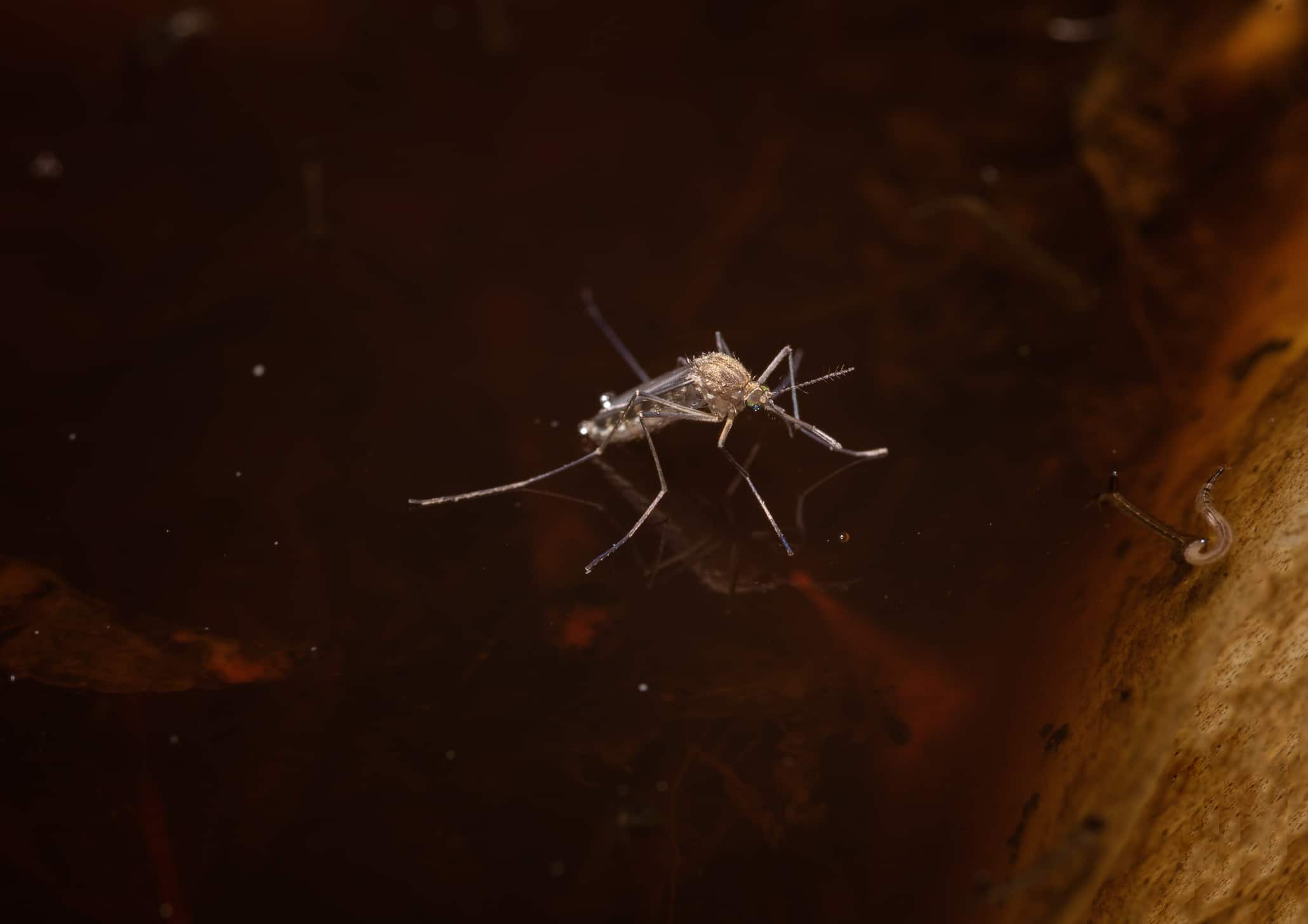
The London Underground mosquito doesn’t hibernate and has a penchant for human blood.
©Gwoeii/Shutterstock.com
World War Two was a chaotic time in London. The city faced relentless and unpredictable bombing campaigns from German planes, sending the citizens into the London Underground in search of safety and shelter. Once they got down there, however, they were confronted with a smaller, blood-sucking bomber: the London Underground Mosquito.
Known as the molestus form of the common mosquito, Culex pipiens, the London Underground mosquito seemed to have some special benefits conferred upon it thanks to its subterranean habitat. Unlike common house mosquitoes, the Underground mosquito was active year-round. Furthermore, it managed to thrive in the steady warmth of the railway tunnels. It also had a distinct penchant for human blood, far more than other mosquitoes, which typically bite birds.
The London Underground provided a distinct and undoubtedly isolated environment. This led evolutionary biologists to some insightful avenues that seemed correct. These mosquitoes appeared to have adapted with breakneck speed. The thinking around them pointed to a sub-century period evolution, losing their need for an initial blood meal to lay the first batch of eggs, forgoing hibernation, and even shifting mating habits. All these factors contributed to a tidy picture of “peripatric speciation,” whereby an isolated population enters a new niche and evolves in undeniable ways. Or so they thought.
Dispelling the Disinformation
While some evolutionary biologists subscribed to the theory of peripatric speciation for these London Underground mosquitoes, other scientists remained skeptical. Now, with the advent of modern DNA sequencing technology, the suspicious scientists were able to uncover the truth surrounding the origin of this subterranean mosquito species. The new study, published in the journal Science, suggests that “molestus probably evolved in Ancient Egypt, living above ground alongside humans in early agricultural societies of the Middle East.”
To sequence the genome of this mosquito, scientists scoured different collections in the United Kingdom to get a better understanding of the creature’s history. As the co-author of the study and Senior Group Leader at the Wellcome Sanger Institute, Dr. Mara Lawniczak, said, “Through the wonderfully rich historic insect collections at the Natural History Museum and the expertise of team member Petra Korlević, we were able to contribute genomic data from Culex specimens collected in London through the 1900s.
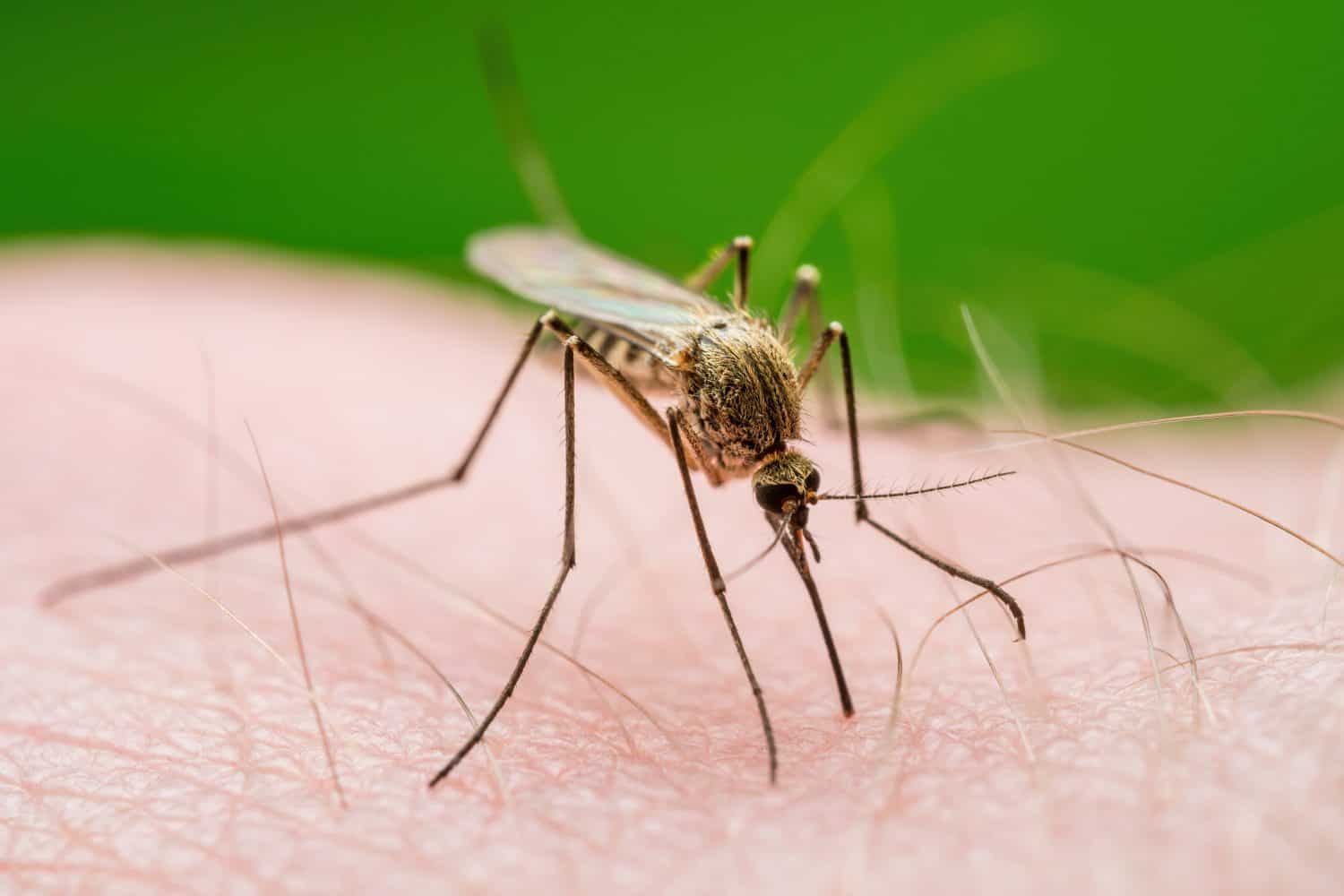
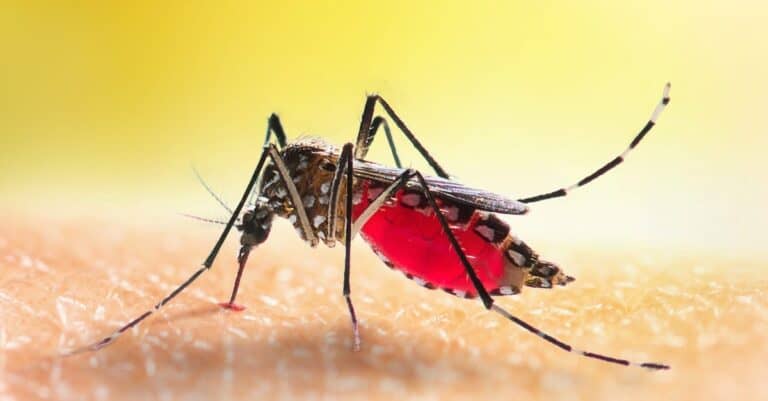
A new study suggests that London Underground mosquitoes likely evolved in Ancient Egypt, living above ground in early agricultural societies.
©nechaevkon/Shutterstock.com
Dr. Lawniczak explained that her team’s findings pointed to a much older origin story. She said, “These genomic data from old specimens helped confirm that the notorious London Underground mosquito is a form that evolved long ago, way before underground human transportation existed at all.”
Insect Implications
This new study, published in Science, has undoubtedly helped to dispel a species origin myth. It also helps scientists better understand how diseases like West Nile virus spread. Case in point: mosquitoes are more likely to transfer viruses between species if they bite both types of hosts. This new study helps affirm the idea that breeding between “human-biting molestus and bird-biting pipiens transfers genes that create these indiscriminate biters and might have led to the increased spread of the virus to humans over the past two decades.”
Such species hybridization is more likely in large cities. It suggests that people packed into dense, urban areas are at a higher risk of contracting diseases like West Nile virus. As Linda McBride, lead author of the latest study, stated, the findings explain movement between regions. She said, “Our work provides new insight into how this mosquito varies genetically from place to place, insight that we think will help us better understand the role this species plays in transmitting West Nile virus from birds to humans.”