
Quick Take
- Pets with a Save This Life microchip no longer have information stored in a database.
- Pets do not need a new microchip to be covered. Instead, contacting another company with the microchip number is all that is needed to protect them.
- Save This Life did not contact customers when it was closing, so many may not know their pets are not protected if they run away.
- Microchipped cats and dogs have a significantly higher return-to-home rate than those that are not microchipped.
When a cat or dog is adopted from a shelter or rescue organization, it is standard practice to microchip these fur babies. If the animal ever escapes, contact information is on file to help reunite the pet with its owner so it does not languish in a shelter.
What happens if one of these microchip companies goes out of business? In short, the database containing personal information is deleted, and pets are no longer protected. This is what happened when one firm behind IDs folded, leaving many pet parents wondering if their pet’s microchip is useless.
Save This Life Went Out of Business With “Little Notice”
Every pet parent’s nightmare is their cat or dog going missing. On top of the emotional turmoil, owners are often overwhelmed by the number of shelters and rescues in a region, each of which needs to be contacted.
Before the 1980s, locating a lost pet was nearly impossible. Unless a cat or dog was wearing a collar with a tag that contained current owner information, found pets generally went unreturned. When microchips were invented, this innovation changed the game in how many pets were able to be reunited with their families each year.
Save This Life went out of business in 2025, and the fallout for pets has been devastating.
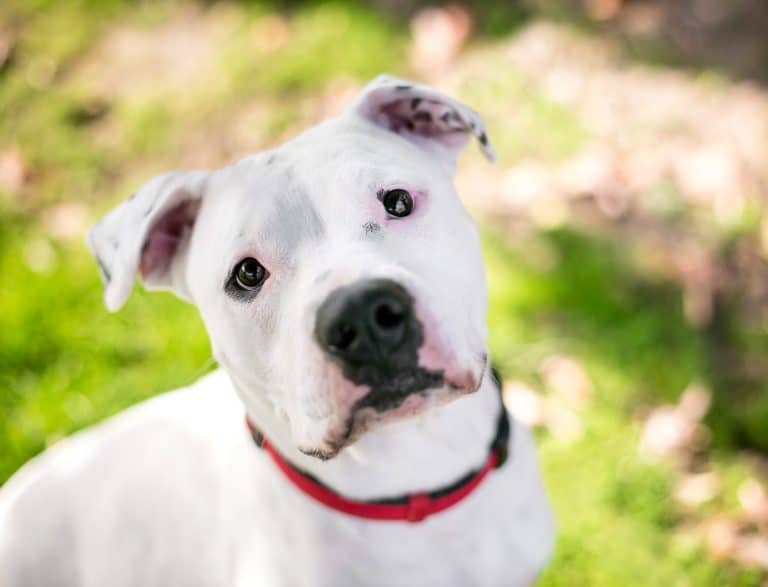
©RossHelen/Shutterstock.com
Unfortunately, not all of these microchip companies last. One of the most recent to shut its doors was Save This Life. According to Miriam Laibson, microchip registry director at 24PetWatch, “the shutdown happened with little notice.” Owners of pets in the database were not adequately informed of the closure.
“This happened with very little notice to pet owners, veterinarians, and shelter partners,” Laibson explains to WKRC. “Unfortunately, because there was not great communication that went out from Save This Life, there are many pet parents who I’m sure do not realize still that their pets are not protected.”
When Save This Life went out of business in February 2025, the news did not make headlines. In the year since its closure, there has been a ripple effect. In the Cincinnati region alone, 65 dogs with chips that were registered with Save This Life have been rescued. Of those, half were returned to their owners. The other half remained at shelters until adopted, and as of February 2026, six have yet to find a family.
The closure of Save This Life has left many pets with microchips that contain no information. Fortunately, there are solutions to remedy this problem.
What Can Be Done for Pets with Microchips from Save This Life?
It is a scary thought to know that the microchip implanted in a dog or cat is virtually useless. The solution to this problem is quite easy and does not involve surgery to remove the microchip from Save This Life.
Pet parents simply need to locate the microchip number and then can register their personal information with another company.
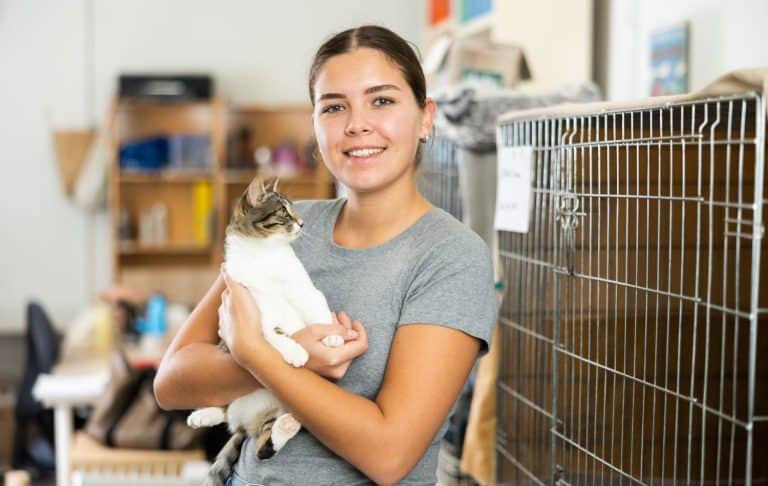
©olgagorovenko/Shutterstock.com
Microchips store personal information about the pet and its owner. That is their singular goal. The microchips do not vary across different company platforms. Instead, different companies store personal information in databases. This means that for those who have a microchip from Save This Life, all that is needed to make their cat or dog safe again is to contact another company.
The new company will request the microchip number and may charge a nominal fee to transfer the information. But with a quick phone call, all the information needed to safely return fur babies to their owners after a rescue can be restored.
How Pet Parents Can Tell If Their Pets Have Microchips from Save This Life
When a cat or dog is microchipped, pet parents receive a pamphlet explaining the chip, the number to call to update personal information (if necessary), and an ID tag with the microchip number. By having this information in hand, it is the easiest and most accurate way of knowing if a microchip was included in the Save This Life database.
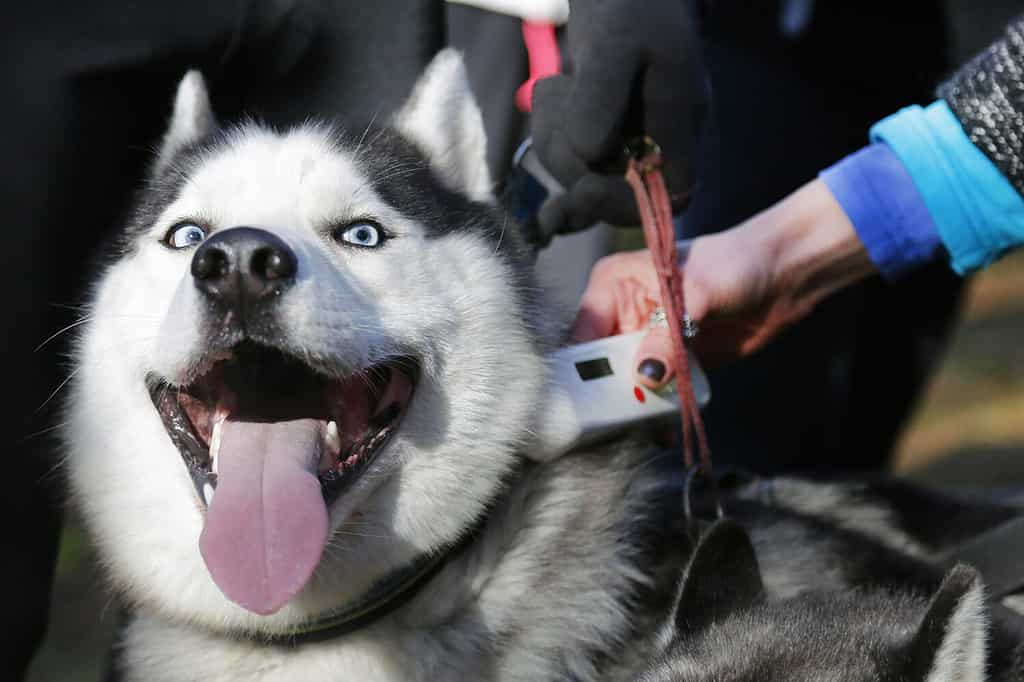
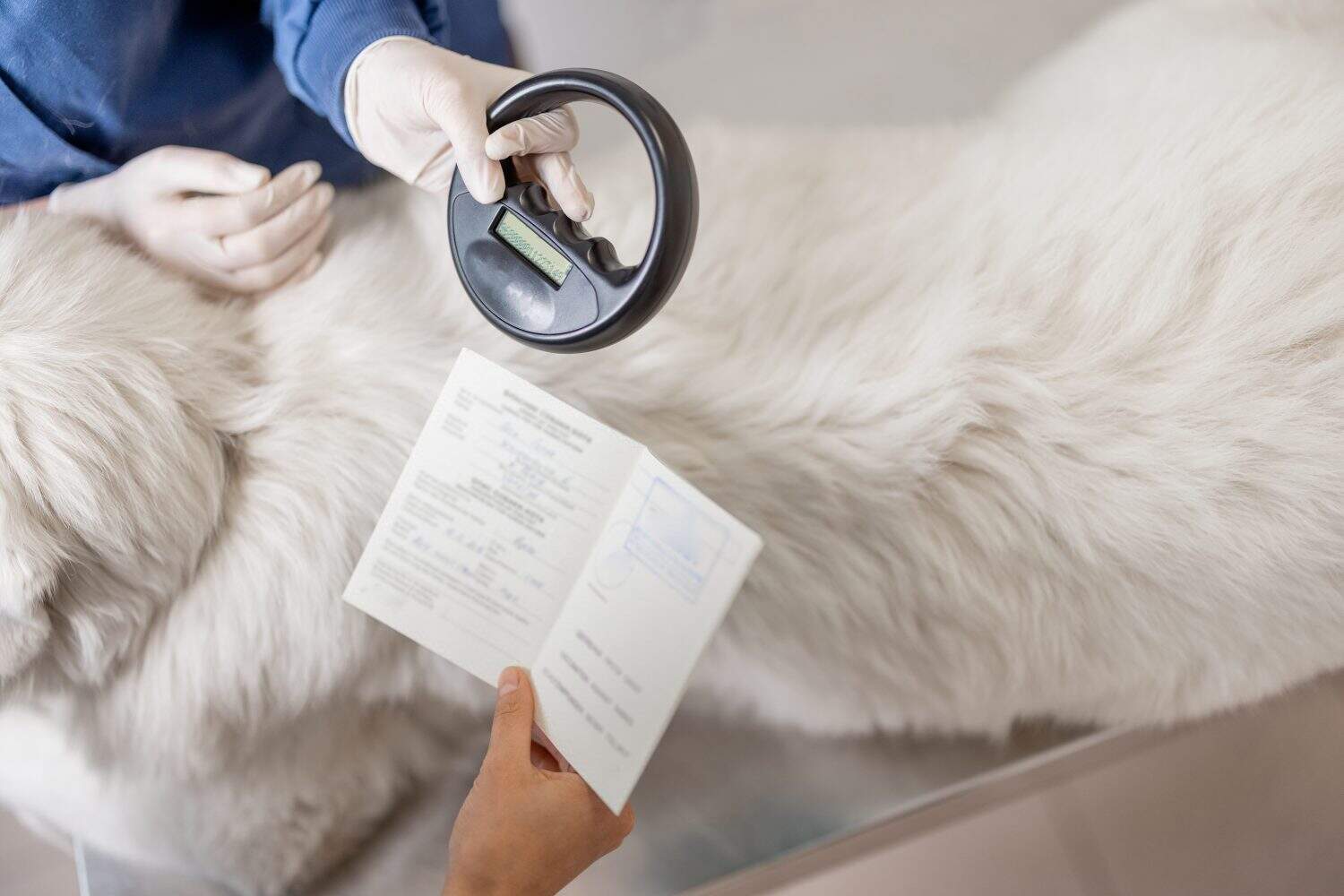
The microchip number is a good place to start to see if the chip belongs to Save This Life or another microchip company.
©Migle Narbutaite/Shutterstock.com
For many, this information gets misplaced. If tag information is still accessible, however, there are clues that point to the microchip belonging to Save This Life. The first is the microchip number itself. If it begins with 991 or 900164, this could be a Save This Life microchip. There is a caveat to just relying on the numbers, though. Another microchip company, 911PetChip, which is still in business, also has microchips that start with 991. Therefore, it may be worth a call to 911PetChip to see if the microchip is one of theirs or not.
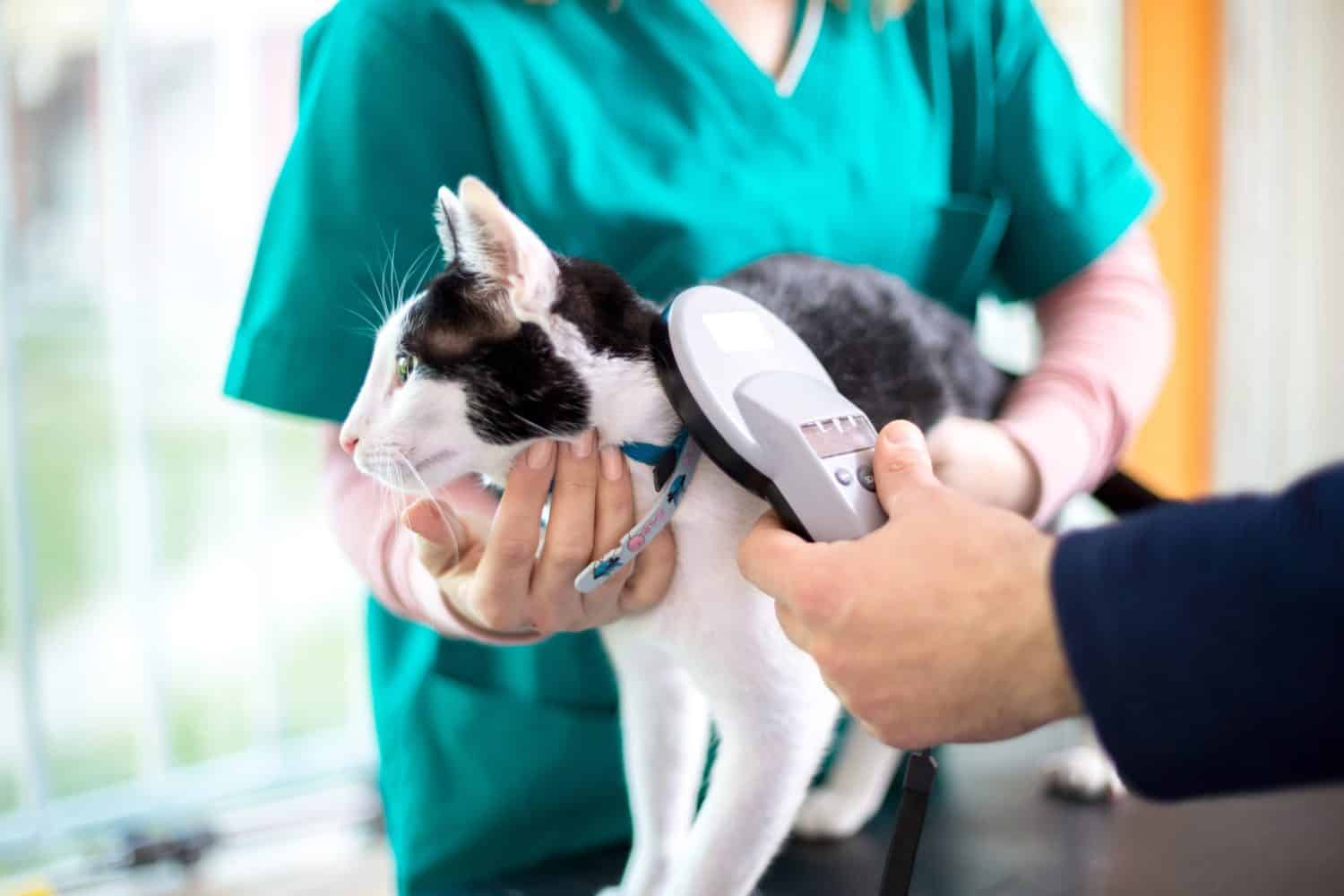
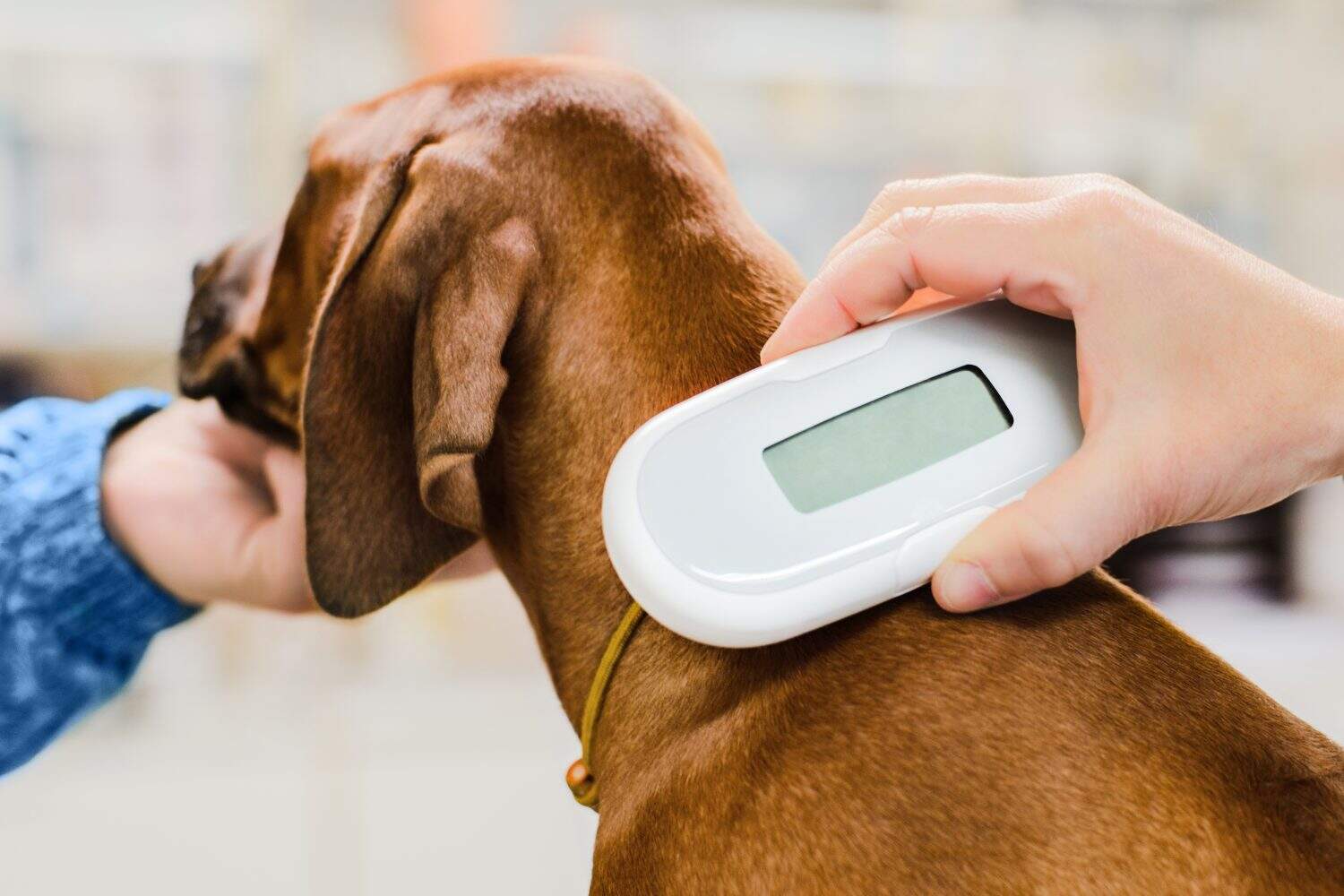
If an animal was chipped at a veterinary practice, they may have the information on file about who the microchip belongs to. But if all else fails, simply bringing the cat or dog to the vet, a shelter, or another location with a pet microchip scanner will instantly let pet parents know whether the microchip is with a company that is still in operation or with Save This Life.
Microchips Are So Important for Reuniting Lost Pets
Each year, 1.7 million cats and dogs go missing from their homes. Without microchips, it is up to pet parents to scour animal shelters and rescues to see if their beloved pet was found by one of these organizations. But with 10-day holds in most shelters, if a cat or dog is temporarily being housed there, it may be adopted before the heartbroken family even realizes the pet was up for adoption.
Thanks to microchips, pet parents stand a much better chance of being reunited with their fur babies. The first chips were used in the mid-1980s. By 2016, they were legally required for pets. With so many cats and dogs being chipped, more are making it back to their loving homes.
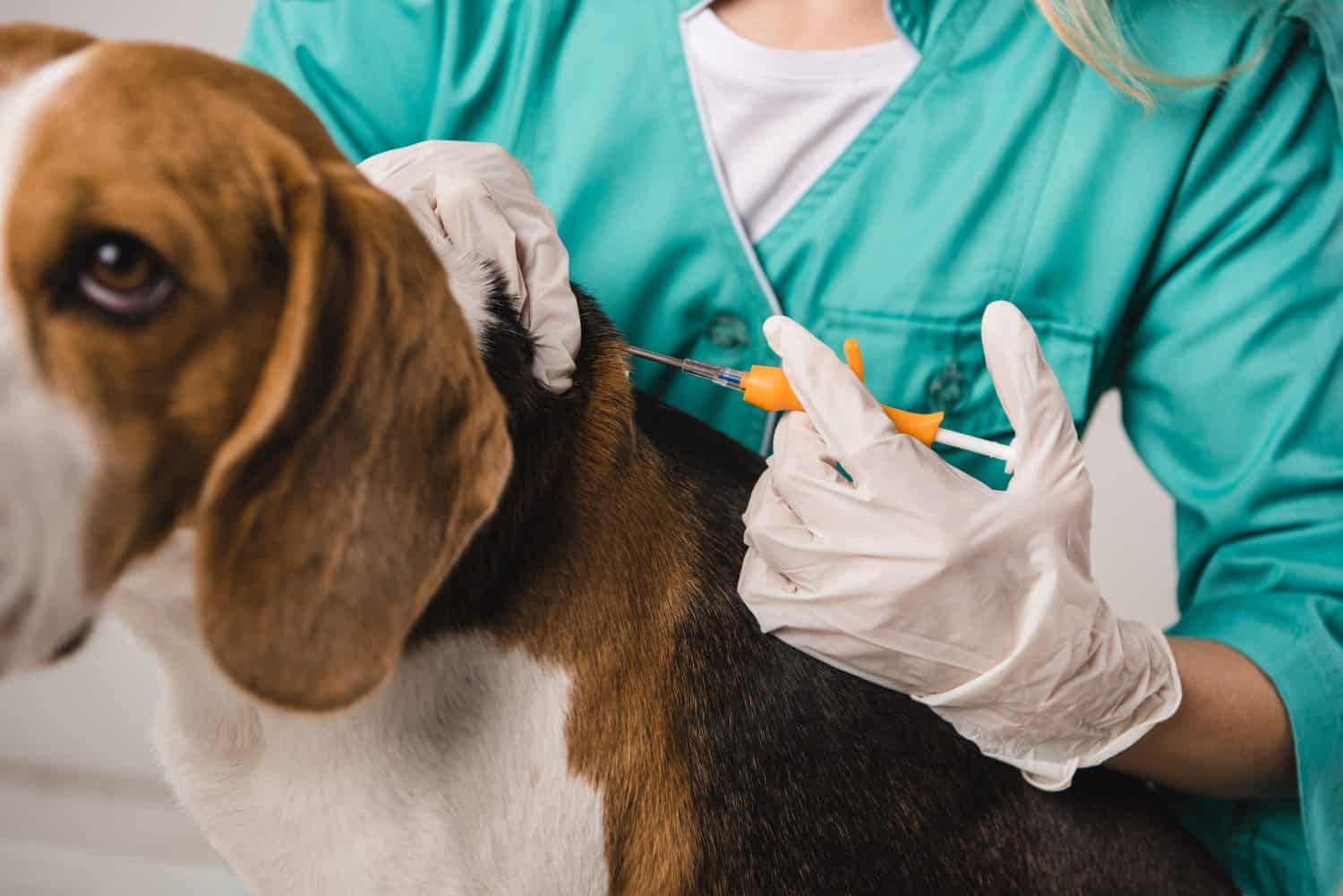
Microchipping pets is the most effective way to return them if they go missing.
©LightField Studios/Shutterstock.com
The numbers do not lie. Dogs who are chipped have a 52% chance of being returned to their family. Compared to unchipped dogs, chipped dogs have a 238% higher chance of being reunited.
The same rings true for cats. Of those who are chipped, 38% are reunited with their families. While this number is lower than for dogs, it’s still a no-brainer to microchip cats. This is because chipped cats have a 2000% greater chance of being returned home than unchipped cats.
For those who are on the fence about getting a cat or dog chipped, the procedure is quick, painless, and fairly inexpensive. However, the value of peace of mind knowing a fur baby is likely to be returned safely if lost is priceless.
Why Waiting for a Crisis to Act Is Asking for Trouble
For pet parents who know their pets were chipped with a Save This Life microchip, waiting until there is a crisis is too late. Instead, it is best to be proactive and share personal information with a company that has been in the industry for decades and has solid reviews, in the event that something occurs.
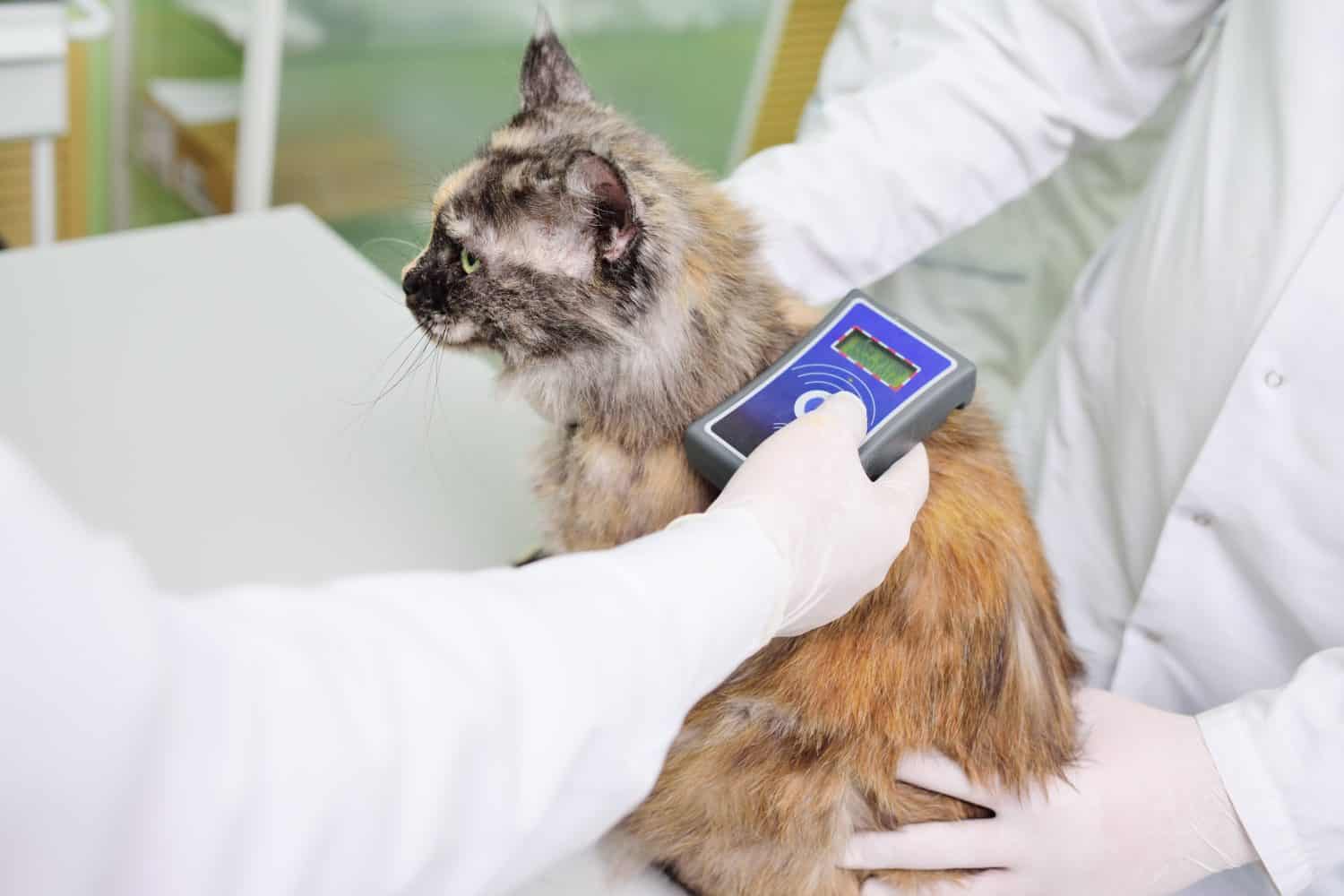
Do not delay in updating personal information if your pet has a Save This Life microchip.
©Evgeniy Kalinovskiy/Shutterstock.com
With so many pets lost each year, microchipping is the key to getting them home. But having a microchip alone is not enough for the safety of your beloved dog or a cat. The personal information in the microchip needs to be up to date. For pets with Save This Life, if information is not transferred to another service, the microchip reader will simply return a blank screen. Consequently, it is the same as not having your pet microchipped at all.
If you think your pet may be chipped through Save This Life, reach out to another company and transfer the microchip information. All it takes is one phone call to restore peace of mind and know that if your best furry companion is ever picked up by a rescue or shelter, they will be returned without delay.