
Quick Take
- Your blood type silently determines how often mosquitoes choose you over everyone else in the yard. See blood type preferences →
- One smell you produce every few seconds is a mosquito's most powerful homing signal, and there is no way to turn it off. Explore the CO2 signal →
- That perfume you're wearing outdoors might be doing the mosquitoes' job for them, but one swap is all it takes to fix it. Find repelling scents →
- The bacteria living on your skin give mosquitoes a reason to pick you specifically, and diversity is your best defense against them. Discover the skin bacteria link →
While many of us might seek to attract butterflies, bees, or pollinating beetles, we don’t want to attract mosquitoes. Unfortunately, some scents that lure helpful insects may also attract flying pests. This summer and fall, eliminating the smells that attract mosquitoes to your backyard or to your body can improve your chances of winning the insect battle. Check out the list below to find out what you can do to keep mosquitoes away.
Common Types of Mosquitoes
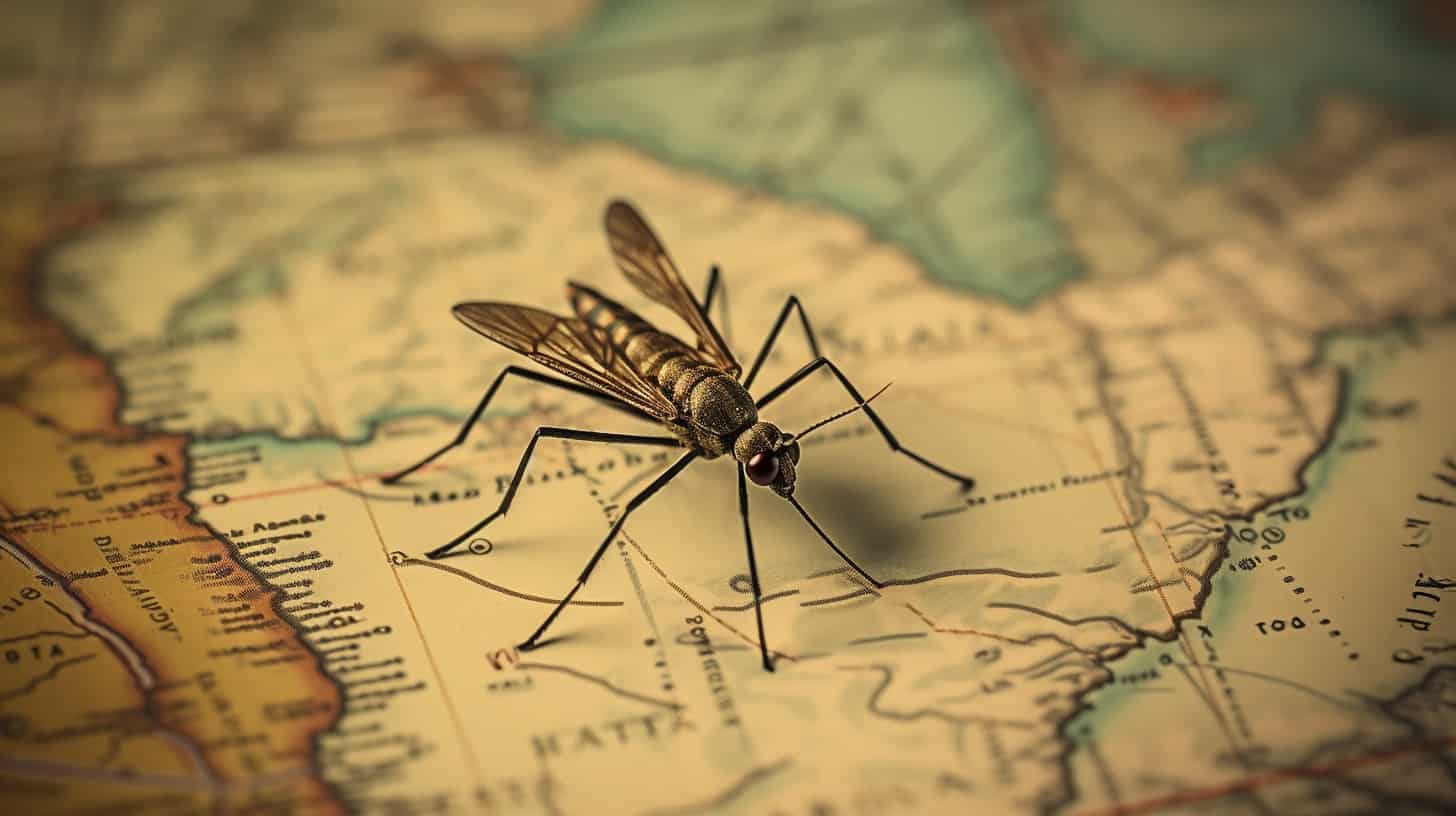
Whether you’re aware of the differences or not, several species of mosquitoes make their home in the United States. According to the CDC, some of the 200-plus mosquito species are mere nuisances, while others are dangerous, thanks to the diseases, parasites, and infections they carry.
Around 12 species of mosquitoes are known to carry germs that spread these diseases, while the rest are annoying, rather than dangerous. These conditions may include malaria, West Nile virus, Zika, chikungunya, dengue, and others.
The most common mosquitoes in the U.S. that carry diseases include:
- Aedes species mosquitoes (Aedes aegypti)
- Culex species mosquitoes (Culex pipiens, Culex tarsalis, and Culex quinquefasciatus)
- Anopheles species mosquitoes (Anopheles freeborni and Anopheles quadrimaculatus)
So, protecting yourself against these annoying insects may prove the healthiest thing you do all year.
©iStock.com/panom
The Most Attractive Smells to Mosquitoes
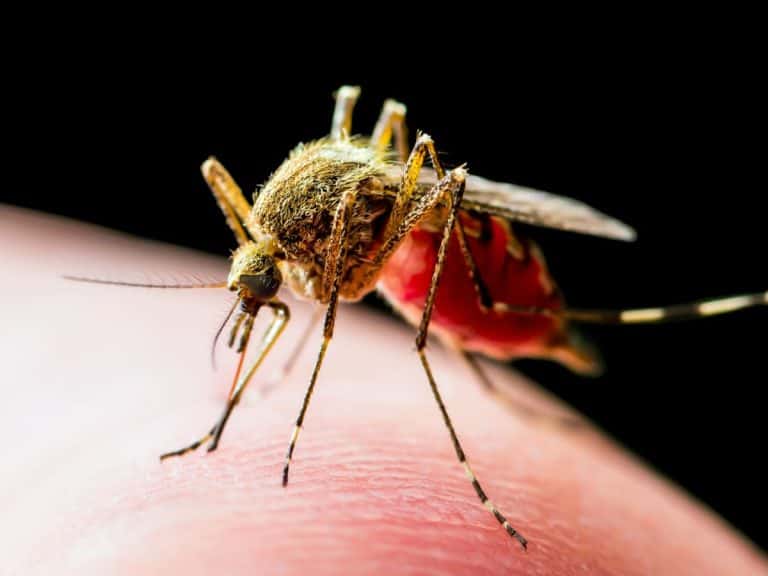
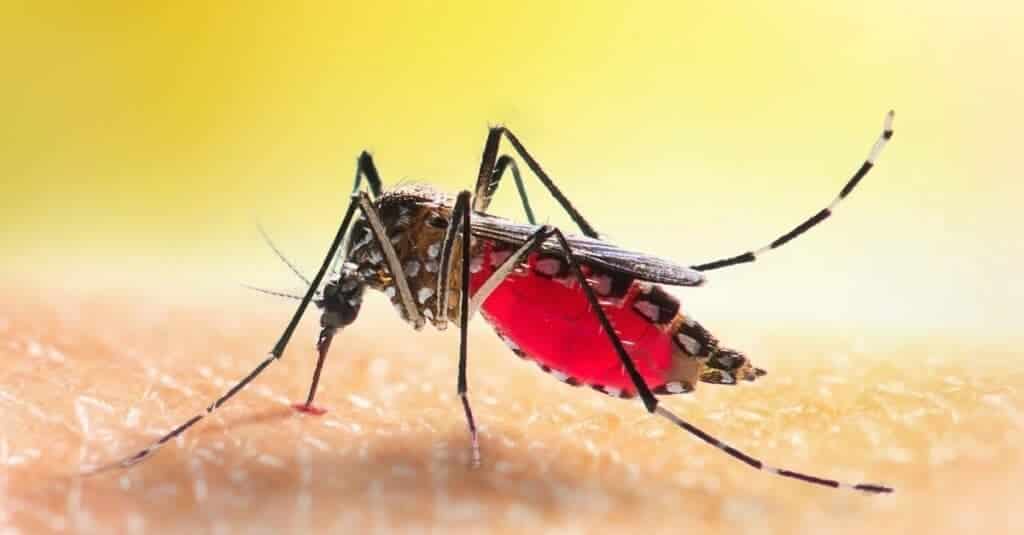
Female mosquitoes hunt human blood. These little insects use odor to find and choose their prey. The scents may vary from species to species, which results in some folks being bitten regularly while others aren’t. It comes down to geography, your personal aromas (natural or otherwise), and the species of mosquitoes in your area at the time.
Carbon Dioxide
Unfortunately, one smell that attracts mosquitoes is something you can’t help but produce: carbon dioxide. The air that you exhale every second or so as you breathe pushes out a signal to mosquitoes and draws them in. Any mosquito within a 30 to 100-foot radius is bound to come your way, as they use their maxillary palps — appendages near the mouth — to detect this gas.
Every human and animal releases CO2, meaning any living animal could attract these flying pests looking for a snack. You can’t stop breathing, obviously, so you’ll likely want to find some natural insect deterrents to help. People who are pregnant, overweight, or who exercise frequently produce more carbon dioxide, so beware. Female Aedes aegypti mosquitoes are particularly drawn to the scent of CO2 plus the chemicals 2-ketoglutaric and lactic acid that emanate from the skin.

One of the main smells that attract mosquitoes to humans is something we can’t help but create: carbon dioxide.
©greenbutterfly/Shutterstock.com
Blood Type
Some studies have shown that mosquitoes actually have a blood type preference. These little vampires of the insect kingdom may prefer the scents of those with Type O blood — at least according to some preliminary studies — which is, of course, the most common blood type in the world. If you’ve got Type A flowing through your veins, though, you’re in luck. Mosquitoes land on people with type O blood nearly twice as often as people with type A in their blood. Those with type B generally fall in between.
People with Type O blood would best be served by using some bug spray. Light-colored, long-sleeved shirts and long pants are also recommended when going outdoors.
Fragrances
Many colognes and perfumes, body sprays, and scented soaps and lotions attract mosquitoes. While there are a number of floral scents that attract mosquitoes, there are some flowers they avoid, so you don’t have to give up wearing these aromas outdoors. Just skip the roses and gardenias and pick lavender instead.
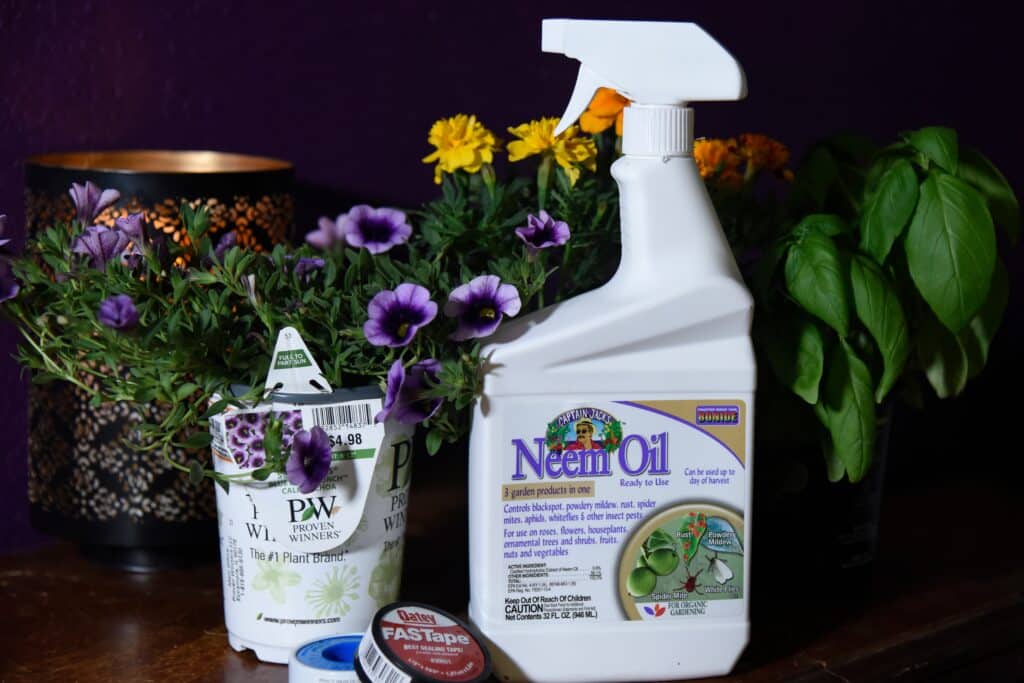
Neem oil spray is easy to make and can also be bought commercially from a number of retailers.
©Wild As Light/Shutterstock.com
Fragrance Tips to Keep Mosquitoes at Bay
Many of your favorite floral fragrances may attract these pesky insects, but several essential oils keep them at bay. Create your own fragrance for outdoor use from:
- Lavender
- Citronella
- Lemon
- Eucalyptus
- Cinnamon
- Thyme
- Greek catmint
- Tea tree
- Neem oil
- Soybean oil
- Geraniol
- Peppermint
Skin Bacteria and Human Sweat
According to research, those dabs of “Miss Dior” behind the ear aren’t the only things pulling mosquitoes toward your tender flesh. These bugs also love the smell of the tiny microorganisms and bacteria that live in the trillions on your outer layer of skin. These bacteria serve an important function: protecting you from harmful bacteria that could make you sick.
Your skin bacteria thrive on sweat, which is partially what gives you the smell mosquitoes love. Your skin’s unique scent is caused by skin bacteria breaking down proteins and fats in your sweat. That’s why some colognes smell amazing on your partner and terrible on your sibling.

©RealPeopleStudio/Shutterstock.com
Additionally, each human’s unique microbiome, which includes all of the microorganisms of the human body, attracts these pests to us. That means one person’s natural aroma may draw more mosquitoes than another. Apparently, the more diverse your biome, the less attractive you are to these flying pests. Scientists have yet to figure out how to control this and cultivate higher diversity, so you’re best off applying some lavender oil in the meantime.
Ways to Avoid Mosquitoes
Beyond the four scents that attract mosquitoes, other measures can help you keep mosquitoes away. you may opt for fully natural solutions like essential oils or go with devices or chemicals.
- Mosquitoes avoid certain essential oils, as noted in the list of fragrance tips above. Be sure to keep away from your pets, though, as many of these oils can cause health issues for them.
- If possible, avoid products containing DEET, as this compound may cause health issues. Other commercially available insect repellents are effective and safer.
- Light a citronella candle. As you gather around the campfire, picnic table, or firepit, this scent will help keep the mosquitoes away.
- Use fans and keep the air moving. Mosquitoes find it hard to land during “high” winds.
- Dispose of any standing water. Mosquitoes breed in stagnant pools, laying their eggs here to hatch.
- Stay indoors at dusk and dawn. These are the times many mosquito species, including those that transmit West Nile Virus, are most active, though some species such as Aedes aegypti bite during the day as well.
- Plant lavender, peppermint, and lemon balm plants around the yard where you like to hang out. Since mosquitoes avoid these, they’ll be less prone to crashing your outdoor parties.