
Quick Take
- Fish skin outperforms traditional wound dressings in a way that surprises even doctors, and there is a biological reason that explains why. See why it outperforms →
- There's a critical processing step tilapia skin must go through before it can safely touch a wound. Skipping it leads to serious consequences. Explore the safety process →
- The structural reason tilapia skin bonds so well with human tissue isn't what most people would guess. Discover the collagen secret →
- Tilapia's most surprising application has nothing to do with wounds. In fact, it directly tackles one of the world's biggest environmental problems. See the environmental use →
The management of wounds and burns in both humans and animals is constantly evolving, as doctors strive to find the optimum material for the task. As is often the case, nature may hold the answer. Increasingly, biological dressings are recognized as a superior alternative to anything that humans can make. A leading example is the skin from the Nile tilapia fish. This article explores why tilapia skin dressings are so beneficial and what this remarkable material may offer.
What are Nile Tilapia?
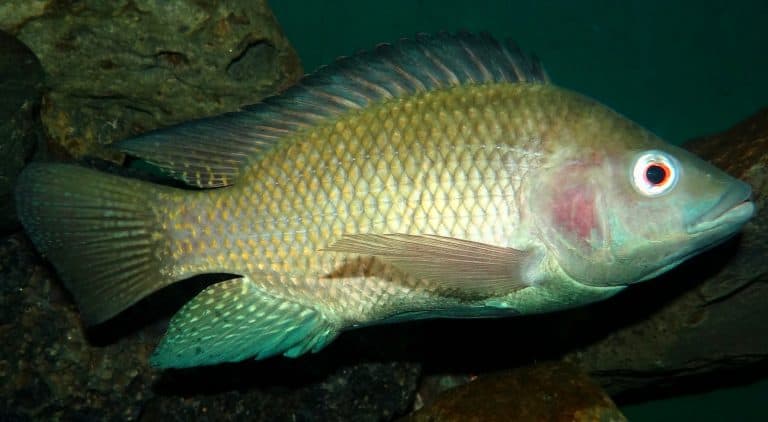
The Nile tilapia (Oreochromis niloticus) is a cichlid fish native to parts of Africa. It’s found in most types of freshwater habitats, including, as its name suggests, the Nile River. They tend to spend their time around submerged branches, plants, and floating matter where they find shelter and food (plants, plankton, detritus, and insect larvae).

Nile tilapia have been farmed for thousands of years.
©neenawat khenyothaa/Shutterstock.com
Humans have farmed tilapia for thousands of years; in fact, the practice dates back to Ancient Egypt. As of 2021, between 9 and 14 billion of these fish were farmed annually, making them one of the most farmed fish in the world. They are consumed worldwide, with the main importer being the United States.
Why Is Tilapia Skin a Good Dressing?
Tilapia skin is both easily available and inexpensive. Should it prove useful as a wound dressing for animals and humans, it could easily be scaled up. It contains biocompatible type I collagen, a useful biomaterial for tissue repair and regeneration.
Safety is not a concern, as tilapia skin carries no risk of transmitting viral or prion diseases and is relatively easy to sterilize. It also adheres to wounds longer than alternatives such as paraffin gauze dressings, which helps reduce scarring, pain, and infection risk.
Tilapia skin has a natural analgesic effect and strong antimicrobial resistance. Its protein structure closely resembles that of mammalian skin, and its high porosity promotes wound healing.
Additionally, tilapia skin is rich in Omega-3 polyunsaturated fatty acids, which inhibit inflammation.
Other Uses of Tilapia Skin
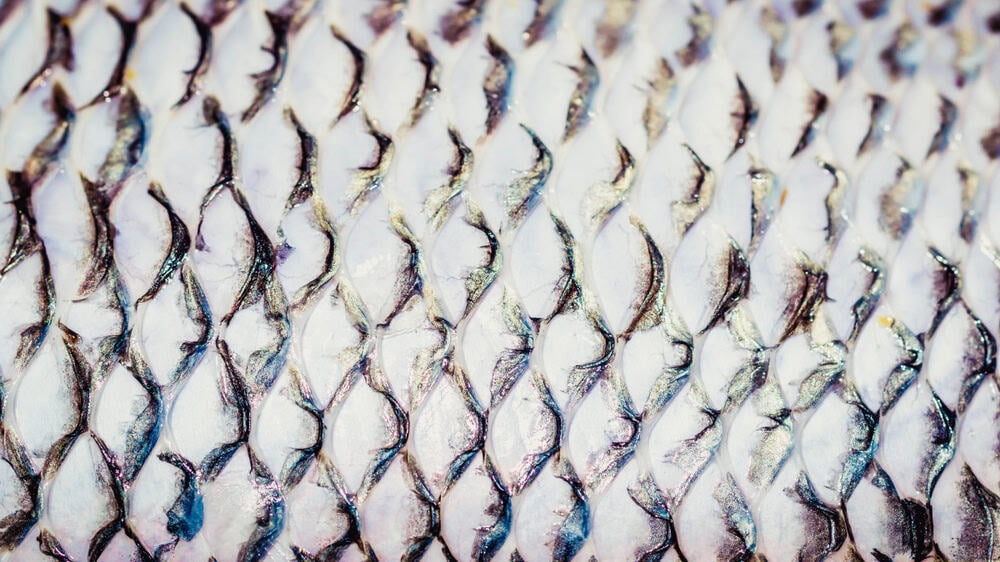
Plastic waste is an ongoing global environmental concern. Scientists have discovered that the collagen in tilapia scales could be used to create sustainable polymers. Recent research has demonstrated that tilapia scales can be used to create biodegradable plastics, offering a promising, eco-friendly alternative to conventional plastics. This discovery is particularly noteworthy given that so much of our plastic waste ends up in rivers and seas.