
Quick Take
- One California national park holds an avian diversity record that no other in the country can match, though it's probably not the one you're picturing. See the record-holder →
- A lake that can't support a single fish somehow fuels one of the most jaw-dropping bird spectacles in North America every summer. Discover the alkaline spectacle →
- The Salton Sea looks inhospitable, but summer unlocks a bird species you can find almost nowhere else within U.S. borders. Spot the yellow-footed gull →
- Desert birding in summer sounds miserable, but one timing trick turns Joshua Tree into the most rewarding stop on this list. Beat the desert heat →
- Northern California's most productive birding destination near the Oregon border is also its least-visited, a fact that serious birders are quietly taking advantage of. Explore the hidden gem →
California is a special state for a number of reasons, one being that it contains some of the most ecologically improbable and species-diverse birding on the planet. Summer is an amazing time of year to visit California, especially for birdwatching. During this season, a surprising number of the state’s best locations fill with rare and fascinating species worth observing.
Whether you’re new to birdwatching or it’s a long-time passion, California summers will not disappoint. Here are ten of the best Cali spots to see all of your favorite birds.
Point Reyes National Seashore
If there’s a single place you need to go for California birding, it’s likely Point Reyes National Seashore. Resting about 30 miles northwest of San Francisco, the park actually holds the record for the greatest avian diversity of any national park in the country.
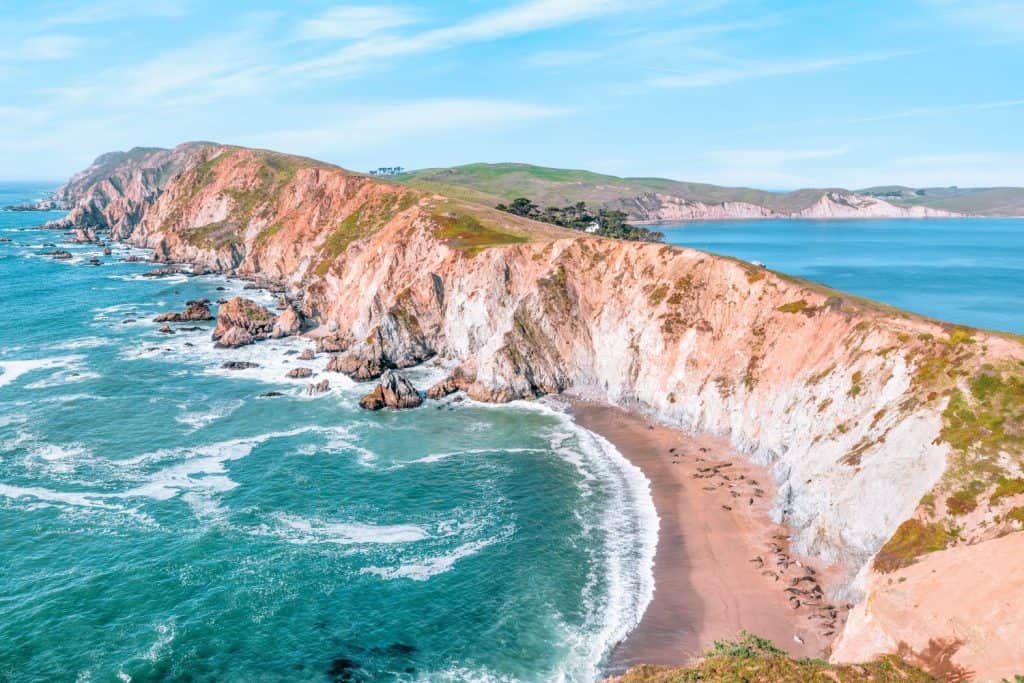
With its coastal location, Point Reyes has a wide mix of seabirds and inland species.
©UVL/Shutterstock.com
Nearly 490 species, which is over 50% of all North American bird species, have been observed in this singular location. With nearby Pacific waters and estuaries, Point Reyes has a wide diversity of land and water birds alike. Plus, in summer, Allen’s and Anna’s hummingbirds appear, alongside brown pelicans, Western grebes, black-shouldered kites, and Caspian terns. It’s a beautiful place for a birdwatching picnic!
Mono Lake Tufa State Natural Reserve
This ancient alkaline lake hidden in the Eastern Sierra Mountains just east of Yosemite is incapable of supporting fish. However, it has plenty of brine shrimp and alkali flies that feed millions of birds every single year.
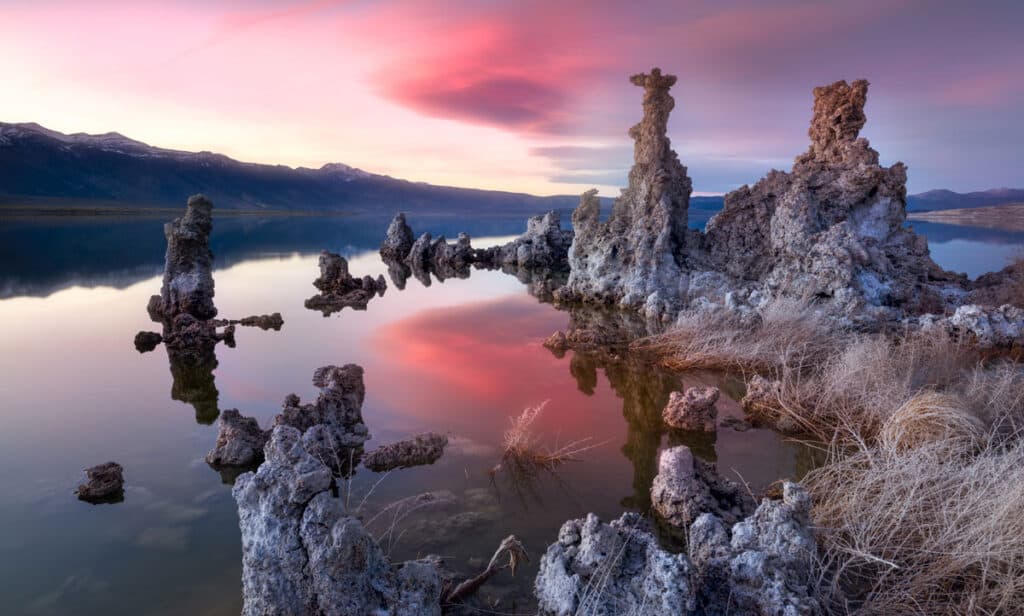
Mono Lake is a lake with very high salinity levels and no shortage of birdwatching.
©iStock.com/XIN WANG
In summer, up to 80,000 Wilson’s phalaropes descend on the lake, especially in July and August, to molt and double their body weight before flying to South America. About 50,000 California gulls also nest on the lake’s islands, comprising one of the largest California gull rookeries in the world, with about 25% of the global population nesting here. More than 300 species have been recorded in the Mono Basin, and the scenery alone is worth the drive.
Elkhorn Slough
Tucked along Monterey Bay near the town of Moss Landing, Elkhorn Slough is a premier coastal birding destination in the western United States, given its accessible, scenic boardwalk. Over 340 species have been recorded here, including many migratory birds and several rare and endangered species.
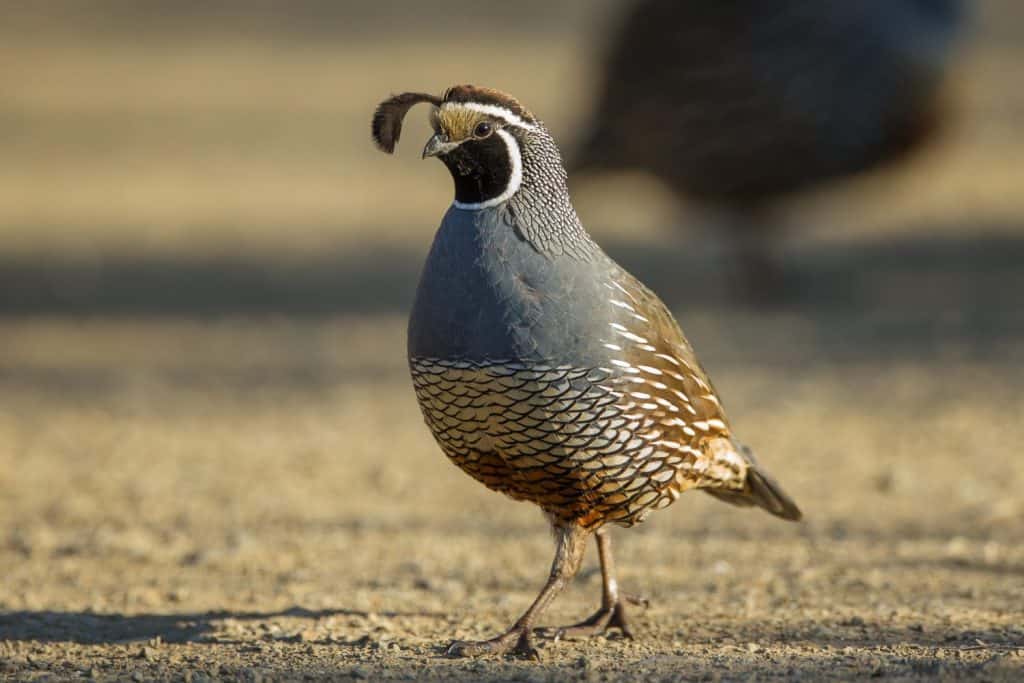
With both water and trails, Elkhorn Slough offers birdwatchers many different species.
©Keneva Photography/Shutterstock.com
The slough’s unique mix of tidal flats and open water draws many birds worth watching, including brown pelicans, snowy plovers, white-tailed kites, and elegant terns, while the five miles of reserve trails may contain California quails, chestnut-backed chickadees, wrentits, and oak titmice.
Bolsa Chica Ecological Reserve
Running alongside the Pacific Coast Highway in Huntington Beach specifically, the Bolsa Chica Ecological Reserve is the largest saltwater marsh on the California coast and one of the most accessible birding sites in all of Southern California.
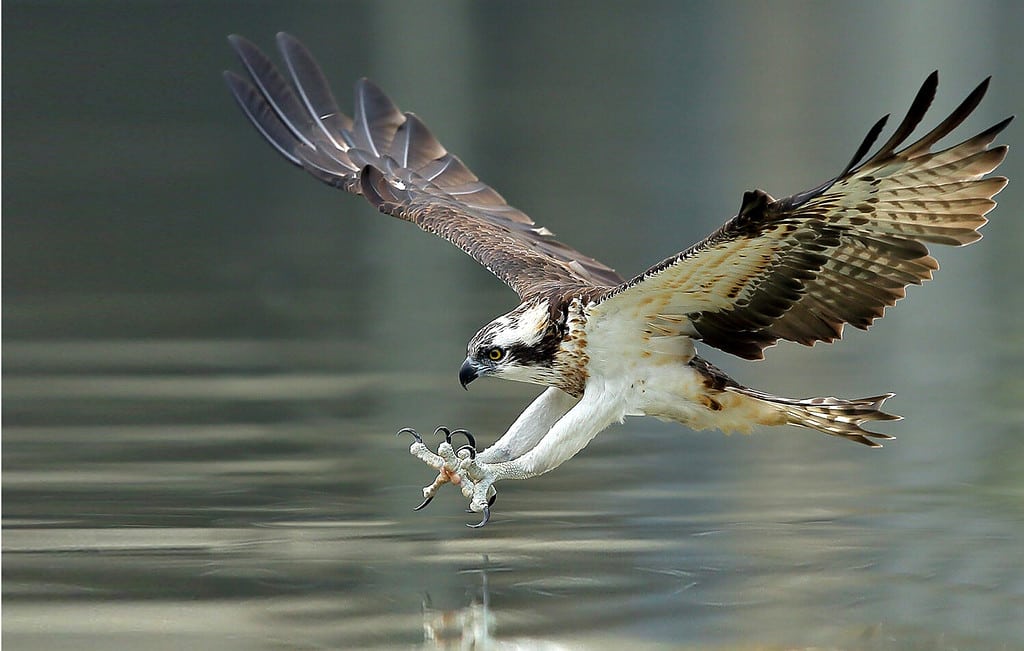
Ospreys are just one of the species you might see at this Southern California reserve.
©Wang LiQiang/Shutterstock.com
Up to 321 distinct bird species have been recorded here in the past decade alone, with summertime bringing terns to nest at the reserve. American white pelicans, great blue herons, snowy egrets, many osprey, and black-necked stilts are common, and a looped trail with boardwalks makes this an ideal spot for photographers or those who want up close looks at these iconic birds.
Salton Sea
The Salton Sea in the Imperial Valley isn’t the first place you might think birds would congregate, but it rewards birders willing to tolerate the summer heat, as it has species found almost nowhere else in the United States.
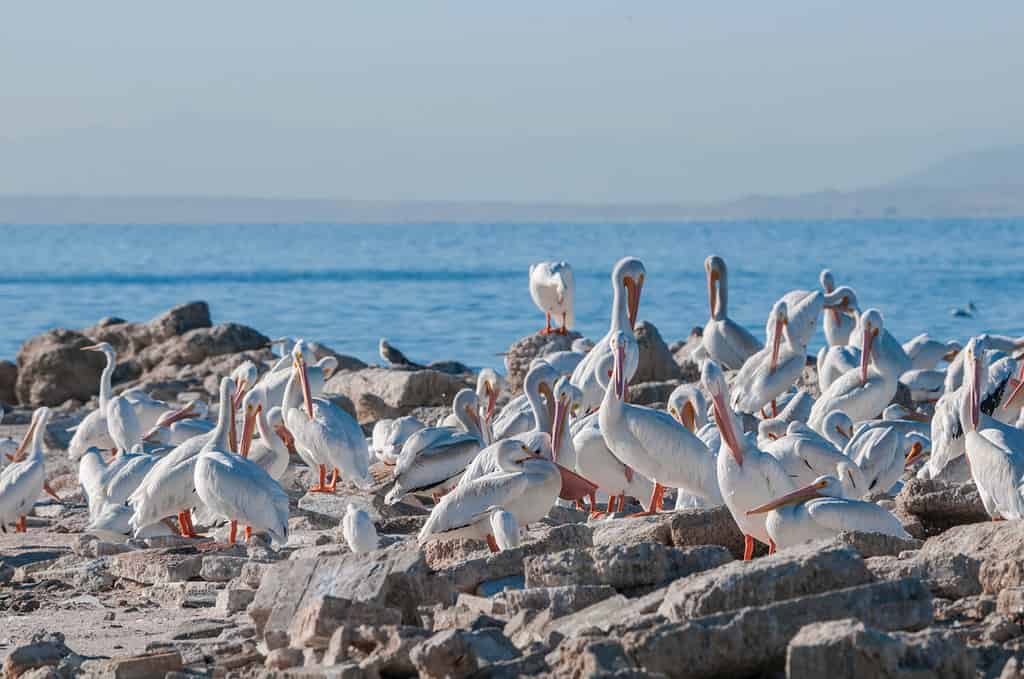
Pelicans are common at the Salton Sea, with the yellow-footed gull especially rare.
©Nick Pecker/Shutterstock.com
Summer at the Salton Sea is one of the only times and places you can reliably find the yellow-footed gull within U.S. borders. The sea also hosts adorable burrowing owls, multiple tern species, pelicans, and more than 100 other bird species on a busy day. If you plan an excursion here, just remember summer temperatures can be brutal; make sure to bring water!
Humboldt Bay National Wildlife Refuge
California’s northern coast is an underrated spot for birders, and Humboldt Bay is a top choice. This globally designated Important Bird Area has over 316 species documented across its varied, gorgeous habitats.
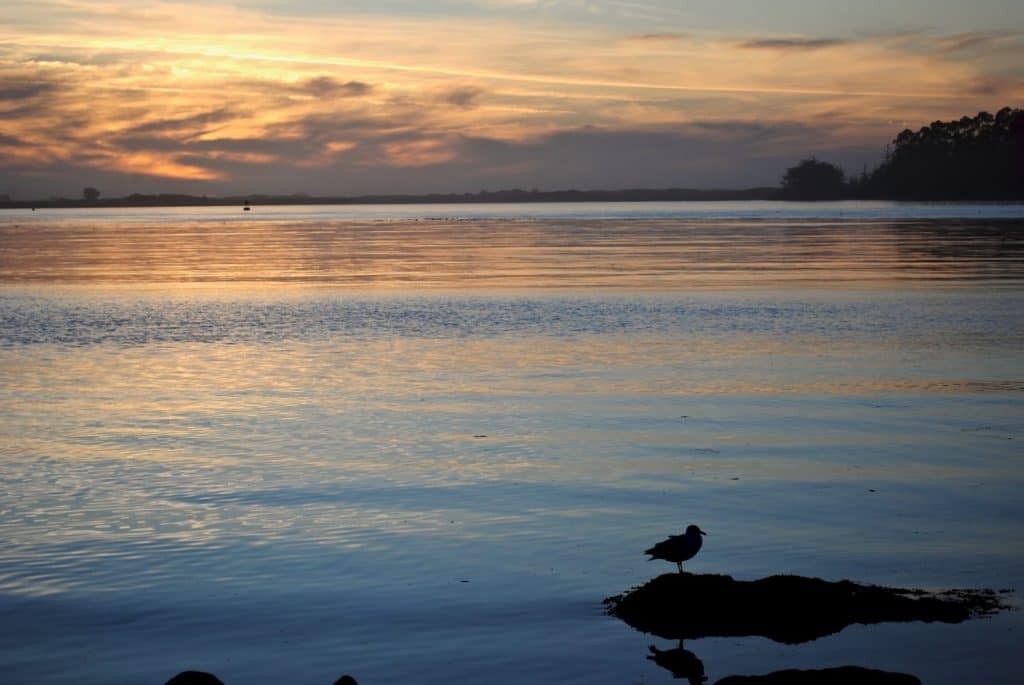
Opting for a kayak rental is a great way to explore Humboldt Bay’s bird populations.
©EWY Media/Shutterstock.com
Summertime brings just about every bird you can think of, including terns, cormorants, brown pelicans, and resident egrets and herons, along with migratory songbirds. Kayaking the bay through local rentals is a unique way to both greet these birds and see Humboldt Bay in a new light.
Yosemite National Park
Most visitors to Yosemite aren’t necessarily there for birdwatching, but maybe they should be. The park’s huge range of elevation means you’re birding through multiple ecosystems in one day, with the largest variety of residents occurring in summer.
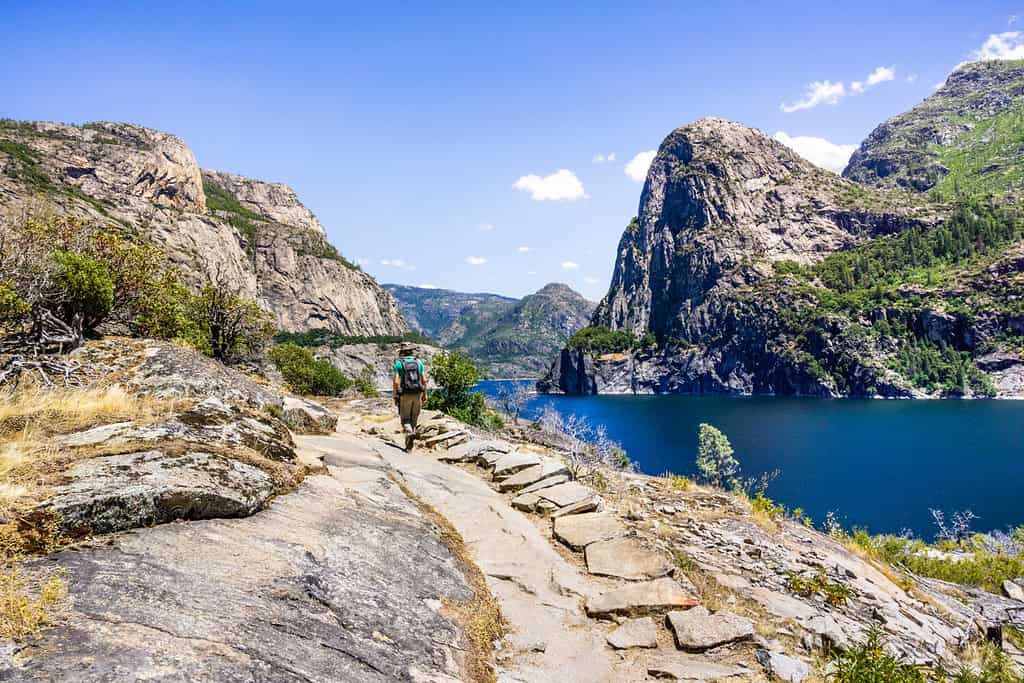
With so many changes in elevation, there are plenty of birds to see in Yosemite.
©Sundry Photography/Shutterstock.com
American dippers, Steller’s jays, peregrine falcons, and pileated woodpeckers are common, with songbirds and rarer species seen along trails and in woodlands. Enjoy a full day at this beloved national park, as there’s much more to see beyond the birds.
Morro Bay Estuary
Morro Rock hosts one of the most productive birding estuary systems on California’s Central Coast. Morro Bay itself supports over 200 bird species, both migratory and otherwise, and in summer the area is alive with elegant terns, marbled godwits, long-billed curlews, and a large number of shorebirds.
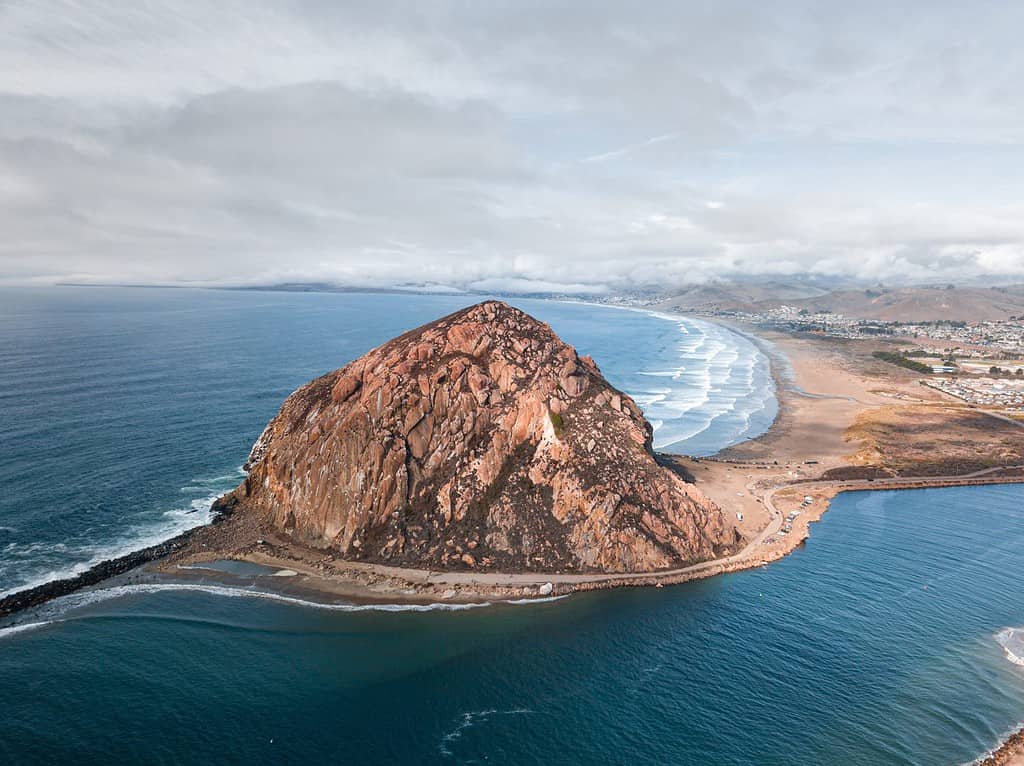
Morro Rock hosts many nesting bird species, year after year.
©Magargee Films/Shutterstock.com
Peregrine falcons also nest annually on Morro Rock alongside gulls, and the bluff trail at nearby Montaña de Oro State Park is highly recommended for its excellent views of even more rare species. The compact, walkable birding hotspot pairs well with the town’s excellent seafood, so be sure to plan accordingly.
Lake Earl Wildlife Area
Just south of the Oregon border near coastal Crescent City, the Lake Earl Wildlife Area is one of Northern California’s most productive and least-visited birding destinations, which may appeal to those hoping to avoid a crowd (pro tip: skip Yosemite if that’s the case!).
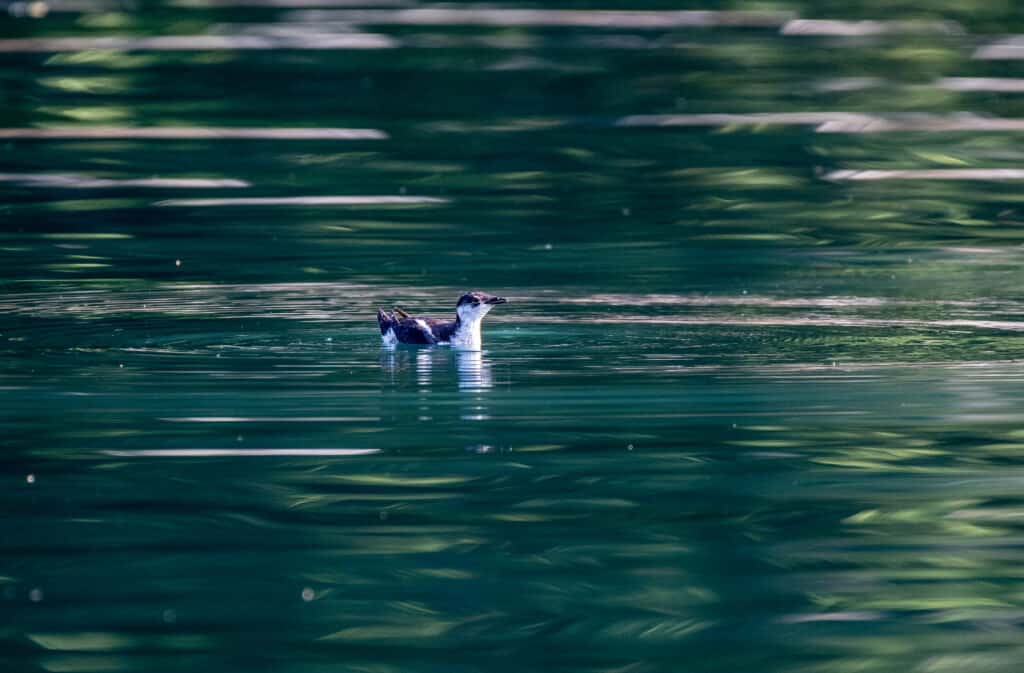
The rare marbled murrelet is often sighted in the Lake Earl Wildlife Area, making it a great spot for avid birders.
©John Yunker/Shutterstock.com
The lake itself and its surrounding wetlands are perfect for sighting bald eagles, ospreys, pelicans, and plenty of shorebirds and waterfowl, with an assortment of forested, Pacific coastline hikes. Summer breeding birds in the surrounding forest include the rare and elusive marbled murrelet, so be sure to look closely in the surrounding old-growth trees.
Joshua Tree National Park
Desert birding in summer may not be at the top of your list, but Joshua Tree is perfect for the early riser seeking encounters that are impossible elsewhere in California. In summer, the desert specialty birds come out in full force, some of which include Scott’s oriole, ladder-backed woodpeckers, phainopepla, greater roadrunners, and black-throated sparrows.
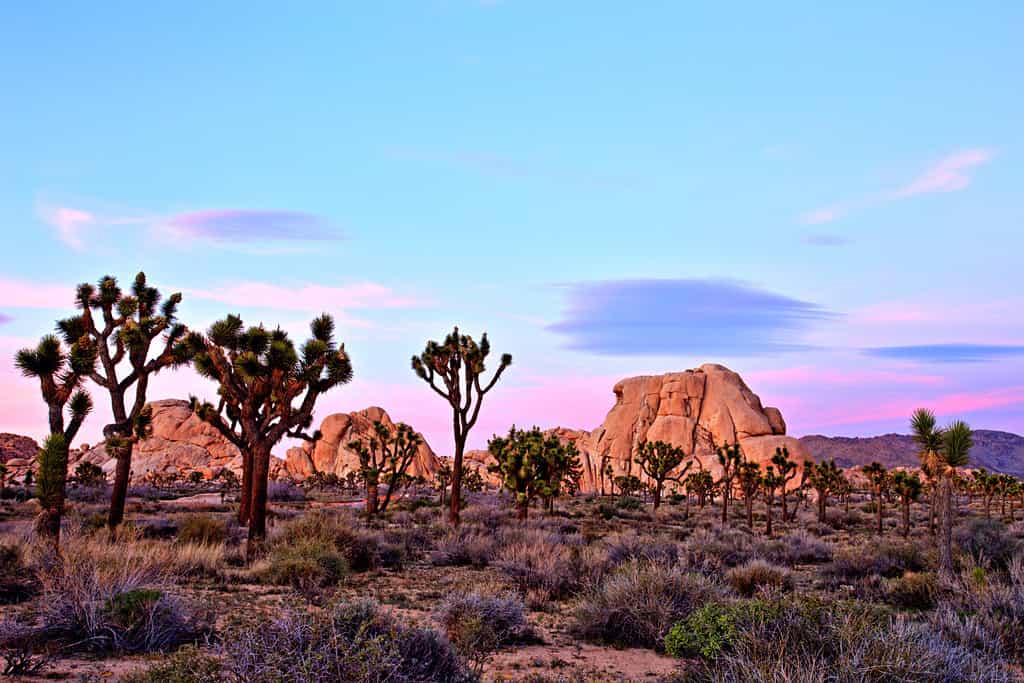
The beauty of Joshua Tree is unmatched, and its birding is, too.
©RomanSlavik.com/Shutterstock.com
If you want to visit this park, go at dawn, with plans to wrap up your visit by late morning. It will get too hot to tolerate otherwise, but the charming towns surrounding Joshua Tree will have a nice cup of coffee waiting for you at any number of family-owned diners.