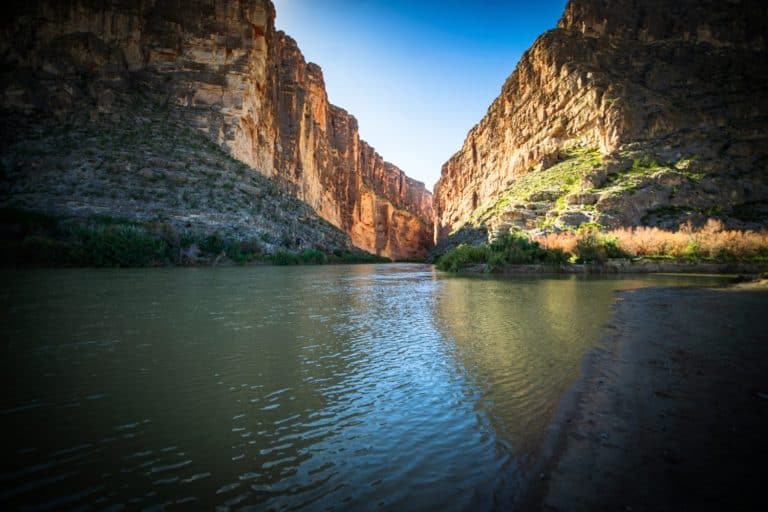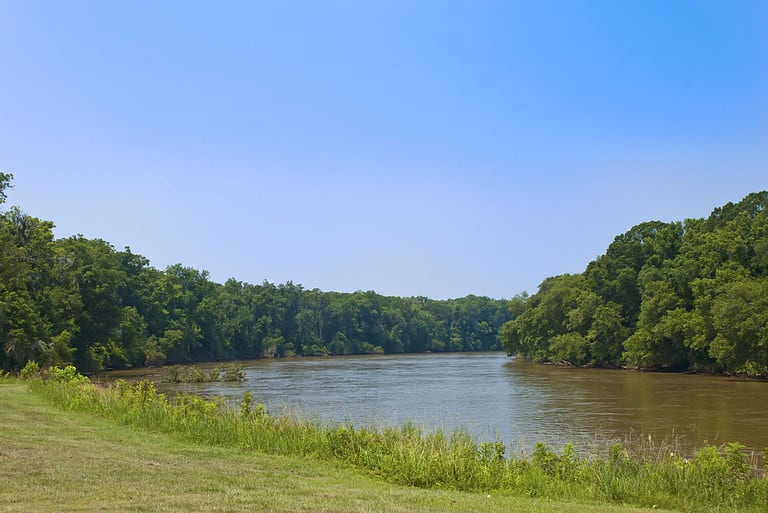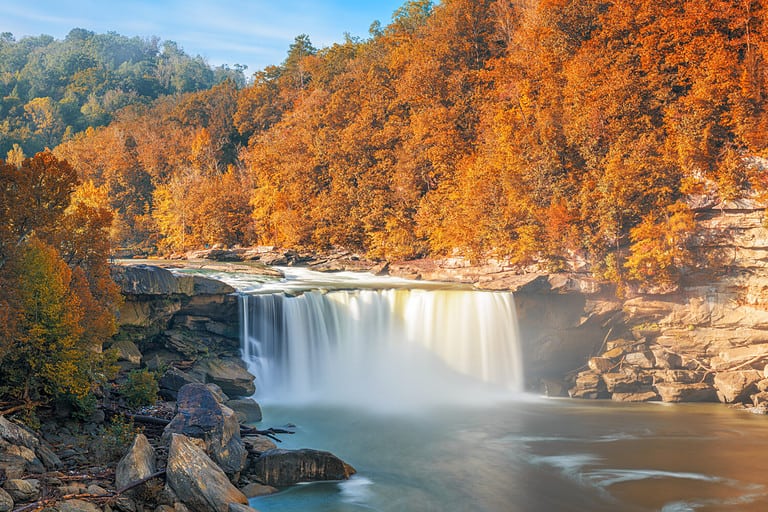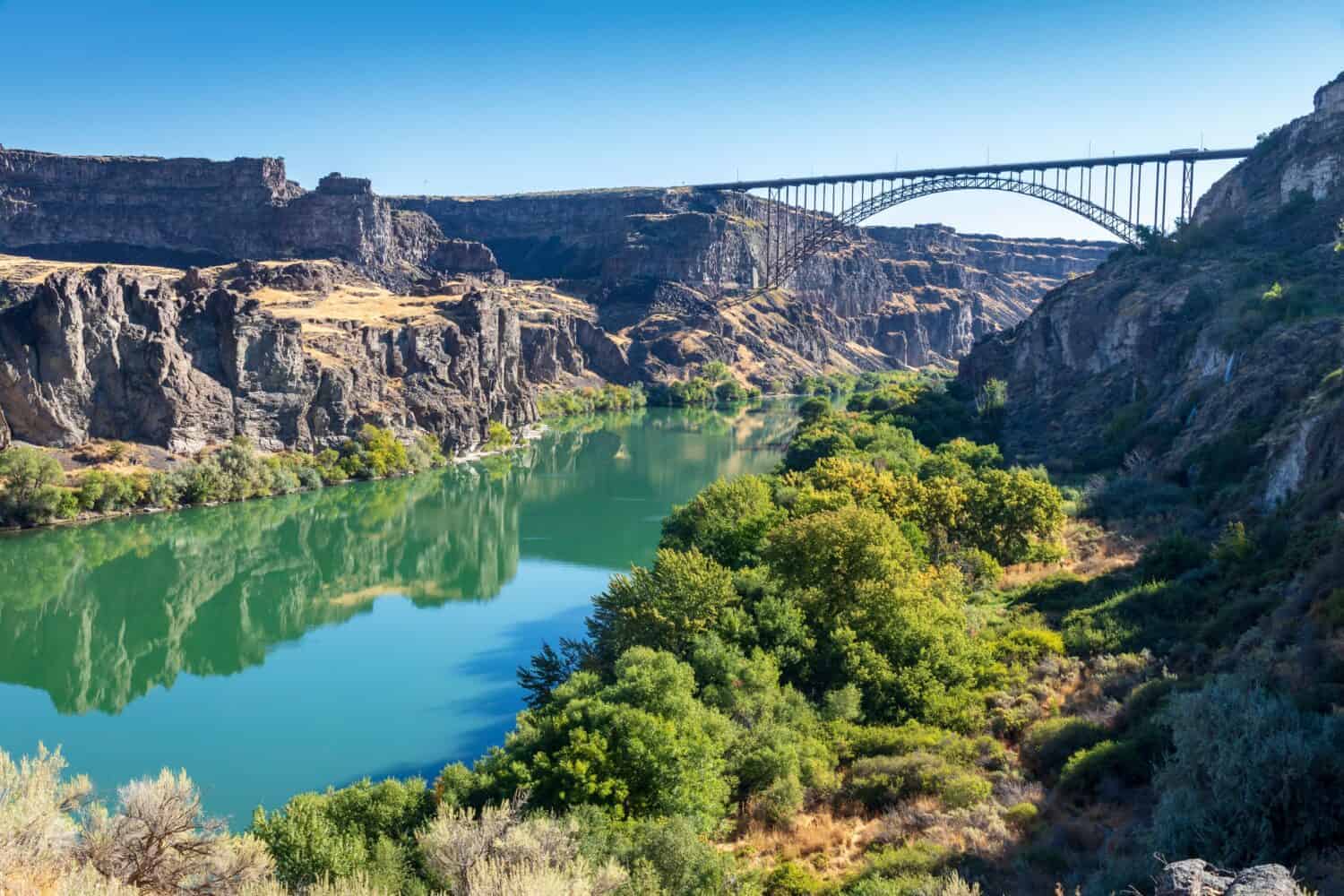

The Snake River originates in Yellow Stone National Park, flowing across Idaho, up the Idaho/Oregon border (a stretch that includes Hell’s Canyon, the deepest river gorge in all of North America), then extending all the way across Oregon and meeting up with the Columbia River before spilling into the Pacific Ocean. It’s a more than 1,000-mile expanse of river that flows through diverse geographical ranges, such as steep canyons, agricultural plains, and forested mountain regions. Humans use the Snake River for myriad recreational purposes such as rafting, kayaking, scenic float trips, fishing, boating, wildlife viewing; as well as commercial purposes like hydropower dams and irrigation, with its water supporting farms, towns, and ecosystems across Wyoming, Idaho, Oregon, and Washington.
While some snakes do live along the banks and in the surrounding habitats of the river, the river itself is not infested with snakes, as the name might suggest (the name actually comes from a miscommunication between the Shoshone Indians and American settlers, who mistook an S-shaped Shoshone hand symbol to mean snake). But there are certainly plenty of fish to be found in the fresh waters of the Snake River. The clear, cold headwaters and slower, warmer lower reaches provide habitat for a wide variety of native fish. Read on to learn all about them!
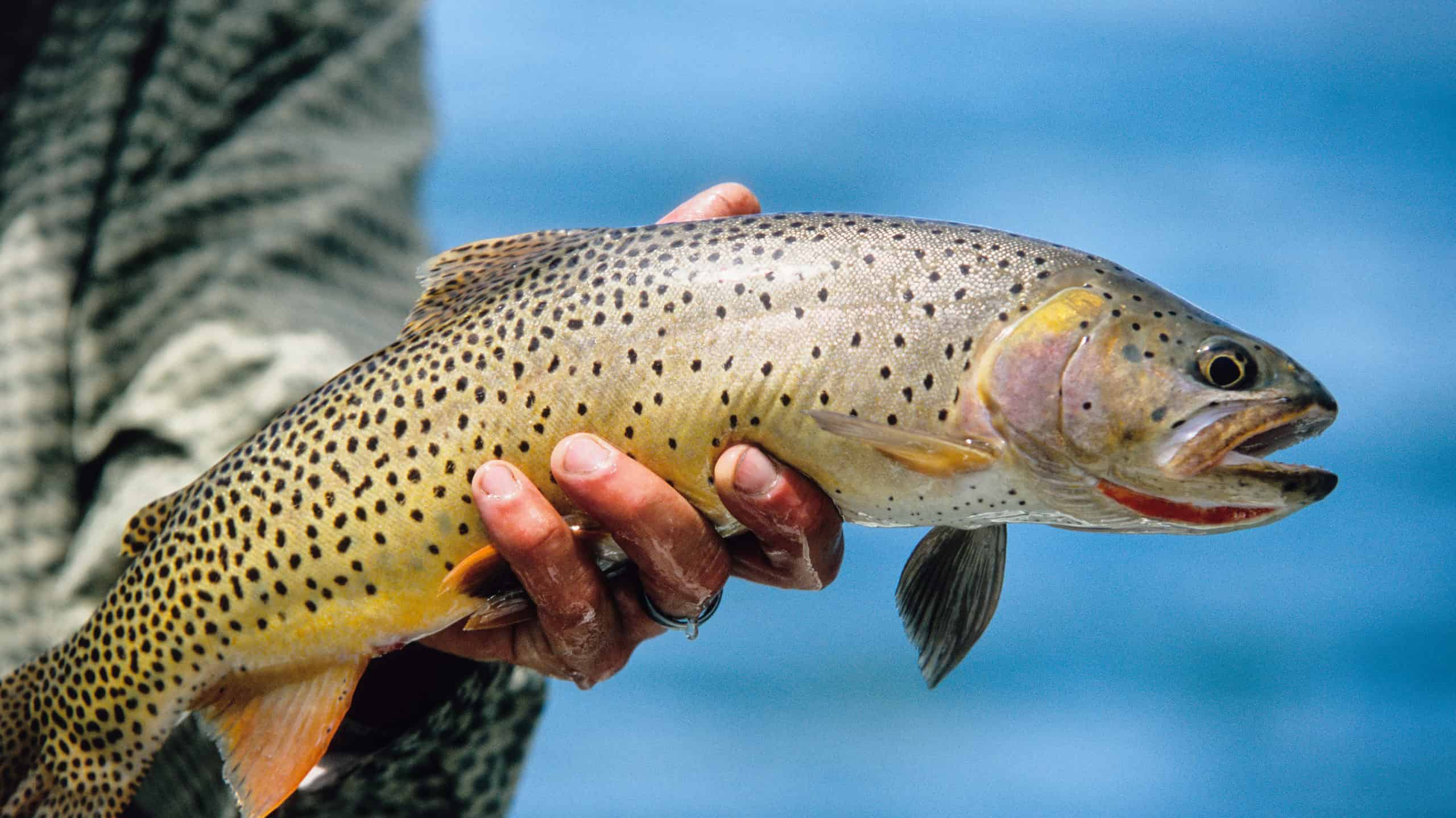
Fine-Spotted Cutthroat Trout
©iStock.com/KevinCass
The fine-spotted cutthroat trout is the signature native trout of the upper Snake River. It’s differentiated from other cutthroat subspecies by its golden body, freckled with hundreds of tiny dark spots. This trout is a prized sport fish (though usually catch and release to protect the native population), generally ranging in length from one to two feet. They are most often found in the cold, clear mountain streams and main river channels in Wyoming and eastern Idaho.
Mountain Whitefish
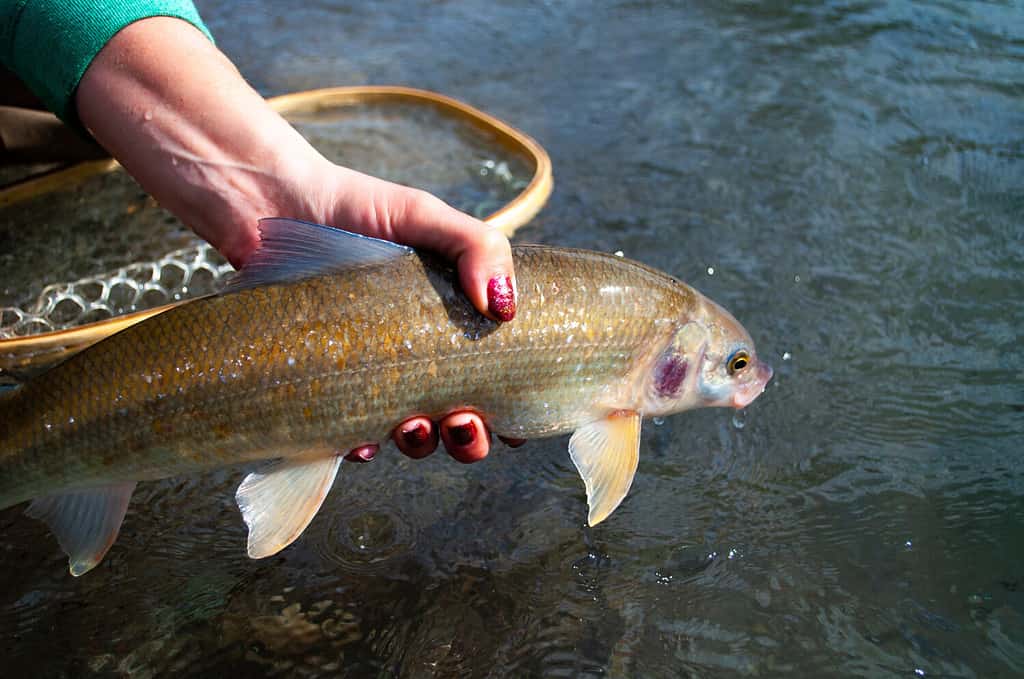
Mountain whitefish are terrific indicators of a water’s cleanliness.
©Jennifer de Graaf/Shutterstock.com
Though perhaps not as flashy as the fine-spotted cutthroat trout, the graceful and silvery mountain whitefish is another Snake River native. More common in the cool rivers and lakes of the upper Snake, mountain whitefish are excellent indicators of clean water, which they greatly prefer. So, if you see mountain whitefish, you can pretty safely assume that portion of the river is clean and healthy. Perhaps their preference for pure environments is what makes the whitefish such good eatin’, especially when smoked.
Utah Sucker
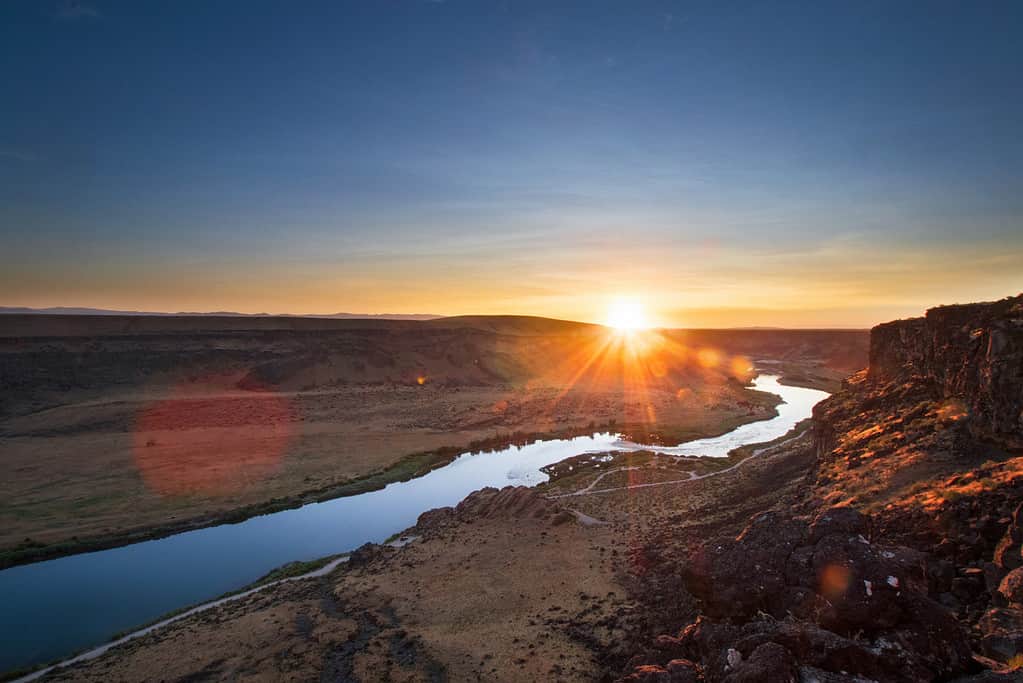
beautiful sunset over the snake river in idaho
©graphicphoto/iStock via Getty Images
The broad-bodied, bronze-hued Utah sucker is one of the Snake River’s most adaptable bottom feeders, subsisting on algae, plant materials, and small invertebrates it scavenges from the riverbed in the deep pools, slow runs, and gravel-bottomed stretches it inhabits. Able to grow to just over two feet, the Utah sucker is not a common sport fish, which is good news for the river itself because the sucker is ecologically important, acting as a key recycler as it cleans the riverbed, grazing algae from between rocks with its thick, fleshy, vacuum-esque lips.
Longnose Dace
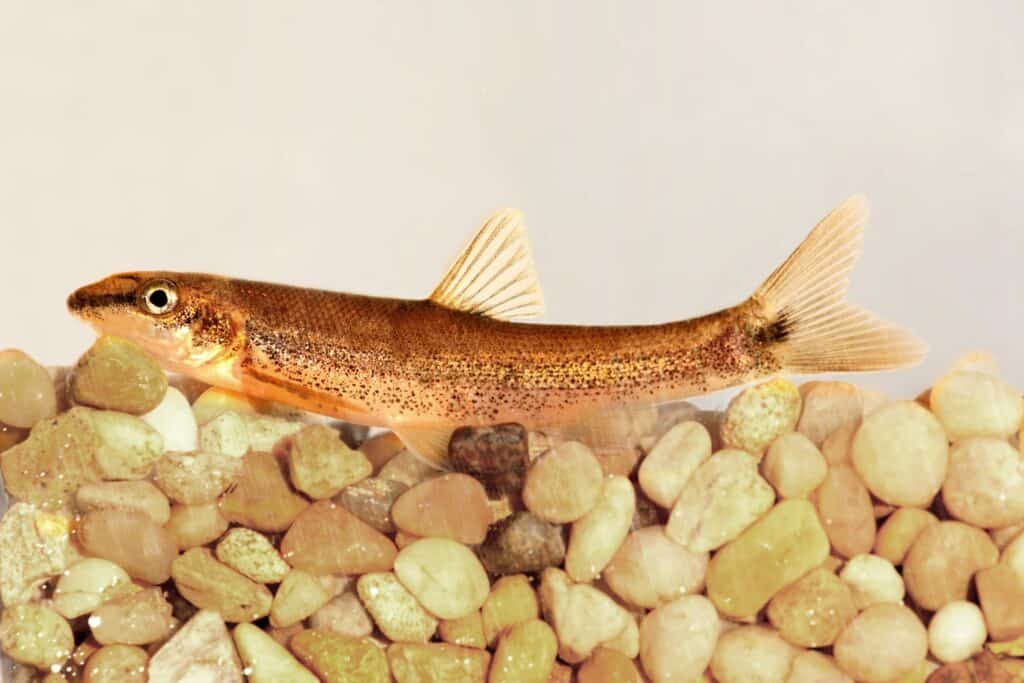
Longnose dace have been known to inhabit areas where few other fish can survive.
©Steve Byland/Shutterstock.com
The longnose dace is one of the most widespread and resilient native minnows in North America. At 2-4 inches, the longnose dace is too small for sport fishing, but they are vital forage fish for larger predators. They prefer shallow riffles and rocky shorelines with fast currents; however, these little guys are known for being incredibly tough, capable of withstanding various harsh environments. They’ve been found thriving in icy mountain creeks, warm desert streams, and even turbulent whitewater sections where few other fish can survive.
Redside Shiner
©Ansel B/Shutterstock.com
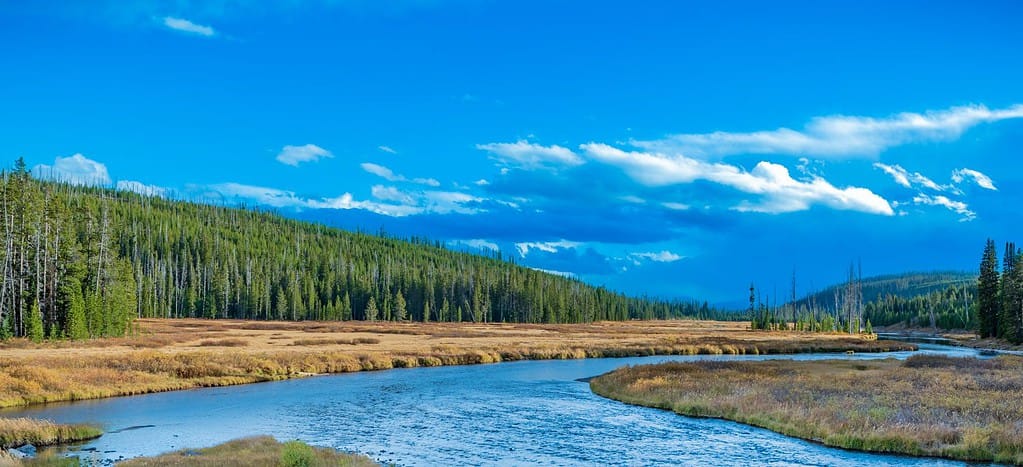
The redside shiner adds color to the Snake’s waters, with their flashy red and silver bodies. During mating season, male redsides develop brilliant red stripes along their sides (hence the moniker: redside), which is said to make them one of the more striking fish in the entire western U.S. While they themselves feed on small insects, zooplankton, and algae, they are common prey for the Snake’s many trout. You can find them in the slower pools, side channels, and calmer edges of the river.
Paiute Sculpin
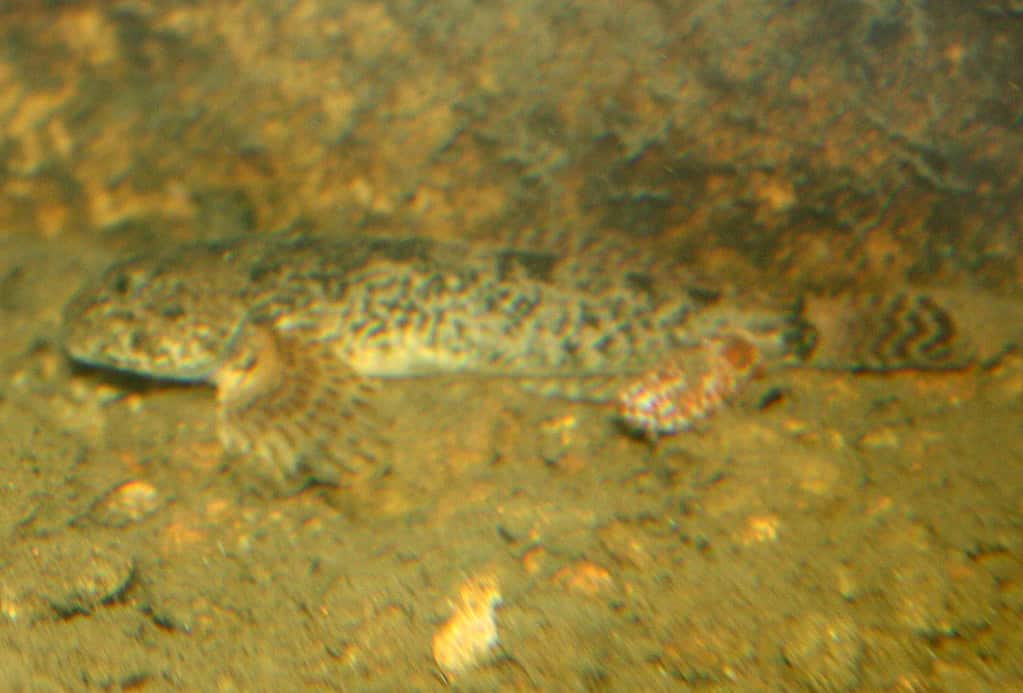
The Paiute sculpin “walks” along the bottom of the river on its large fins.
The Paiute sculpin lives hidden among the cobbles and riffles of the upper Snake in its cold, rocky streams and river margins. At just 2-4 inches, they are important prey for trout and whitefish. The Paiute sculpin feeds on aquatic insect larvae, crustaceans, and tiny snails along the bottom of the river. Interestingly, sculpins do not have swim bladders (the internal, gas-filled organs that maintain buoyancy in most fish), so they are unable to float along the bottom while they forage for food. Instead, they “walk” along the river bottom using their oversized fins.
Mottled Sculpin
©vagabond54/Shutterstock.com
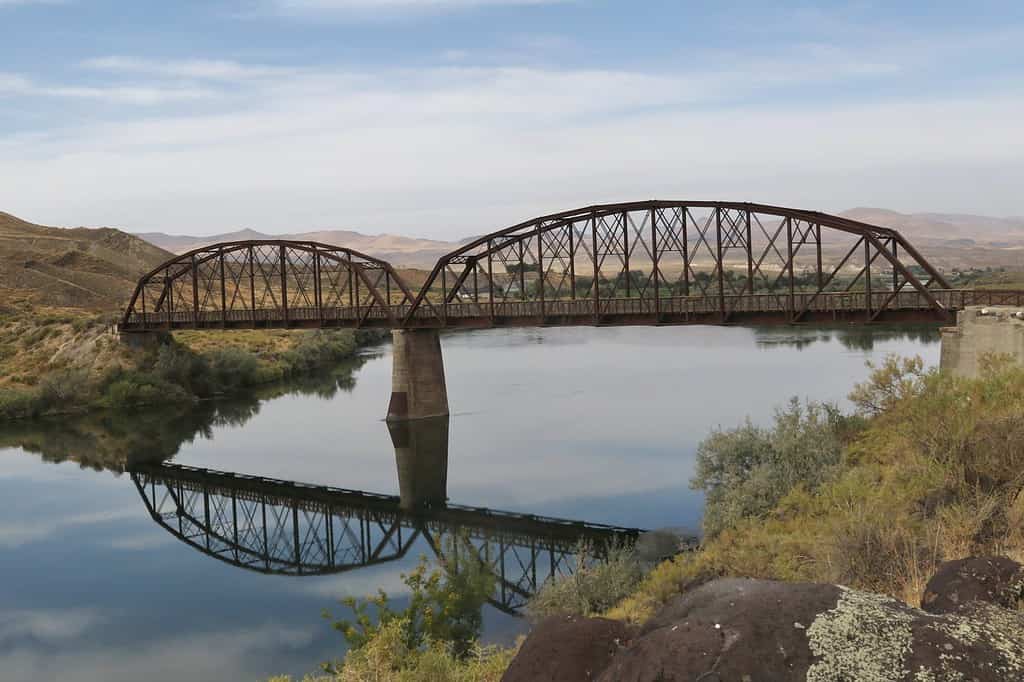
Closely related to the Paiute sculpin, the mottled sculpin is another widespread bottom-dweller in the Snake system, preferring cold, rocky riffles and spring-fed creeks. Just a shade larger than their Paiute cousins, the mottled sculpin is too small for anglers and is a key prey for larger fish. The mottled sculpin is one of the very few small fish known to be “parental fish,” with the males guarding nests of eggs stuck to the undersides of rocks until they hatch.
Speckled Dace
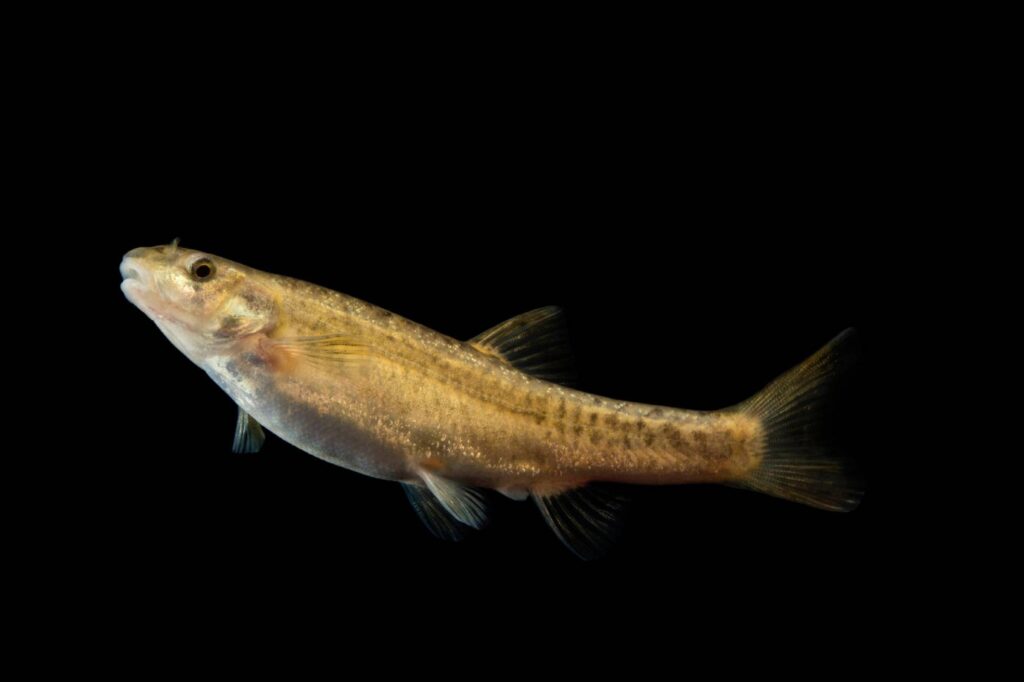
Speckled dace are master adapters, able to acclimate to many different environments.
©Usha Roy/Shutterstock.com
The speckled dace is one of the most abundant small fish in the Snake River basin and can survive in surprisingly harsh conditions, from the clear mountain creeks to the silty desert channels. They are master adapters, with localized forms spread all over the west, each calibrated to its own stream’s temperature, chemistry, and flow. At just 2-3 inches, they are not a sport fish, but they feed on algae, detritus, and small invertebrates, and larger fish feed on them, making them an important part of the food web.
Utah Chub
©Kris Wiktor/Shutterstock.com
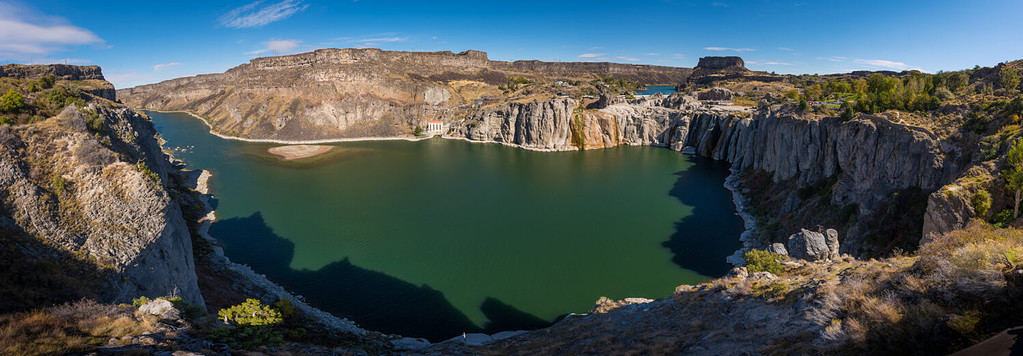
The Utah chub is found in the slow-moving waters, ponds, and backwaters of the mid and lower Snake River. They can grow up to a foot in length, though are rarely targeted for sport fishing. Utah chubs are known for their environmental resilience, able to tolerate low oxygen, warm temperatures, and even slightly salty waters, all conditions that would kill most trout in just a matter of hours.
Bluehead Sucker
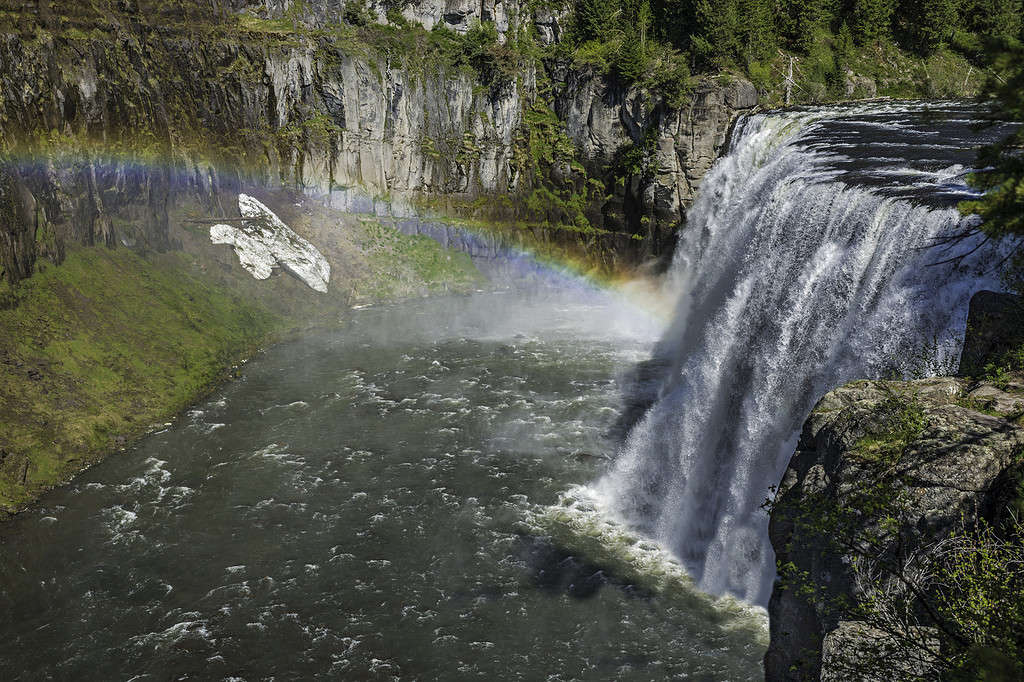
Upper Mesa Falls is on the Henrys Fork of the Snake River in the Caribou-Targhee National Forest.
©Gerald Corsi/iStock via Getty Images
The bluehead sucker is a striking native with a slate-colored head, most vivid during spawning season in the spring and summer. It has a streamlined body, built for strong currents. They reside in fast-flowing sections of the river with cobble or gravel beds. The bluehead sucker scrapes algae and biofilm from these rocky beds with their specialized mouths, which form a perfectly round disc, allowing them to latch onto rocks like a suction cup, keeping them in place against the fast currents as they feed.
Leatherside Chub
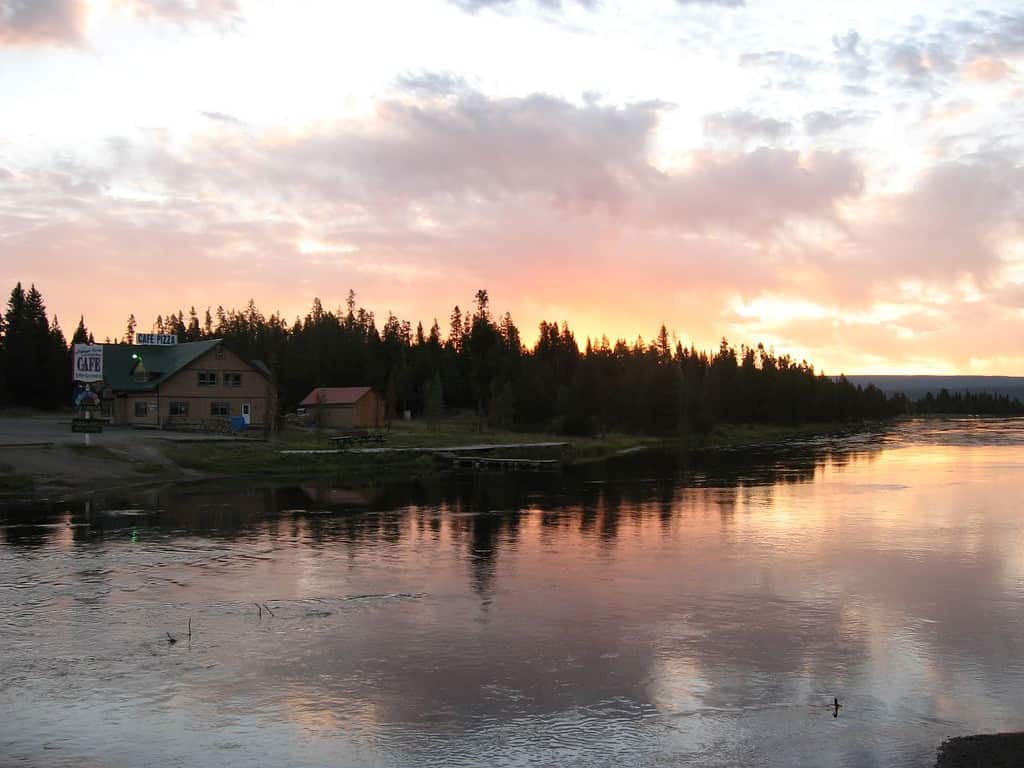
Endemic to the upper Snake River and Great Basin, the leatherside chub is a rare native minnow now considered a species of conservation concern, causing it to be protected in some areas, though it’s not targeted as a sport fish regardless. Living on a diet of insects, small crustaceans, and algae, the small chub resides mostly in moderate-flowing streams with gravel and vegetation. The leatherside chub gets its name from its smooth, leathery skin texture, which is a result of reduced scales that help it swim efficiently through swift water. Unlike the Utah chub, who can thrive just about anywhere, the presence of a leatherside chub indicates a healthy, undisturbed stream.
Snake River Inhabitants
Together, these small, medium, and large-sized natives form the backbone of the Snake River ecosystem, feeding larger fish and birds, recycling nutrients, and signaling the health of the watershed. They’re not all glamorous game fish, but their diversity is what keeps the Snake River alive and thriving from its alpine headwaters to its desert canyons, ensuring that the river remains not just a place for recreation, but a living, breathing system that literally connects the mountains to the sea.