
Quick Take
- Calling lobsters immortal is technically wrong, though the real distinction makes the truth even stranger. Understand the distinction →
- One enzyme in a lobster's body does something human biology simply cannot do, and scientists still don't fully understand its limits. See how telomerase works →
- The bigger a lobster grows, the more biologically powerful it becomes, reversing the pattern of aging seen in almost everything else alive. Explore reversed aging →
- There's a theorized final chapter to a lobster's life, though no lobster has ever lived long enough to prove it exists. See the unsolved theory →
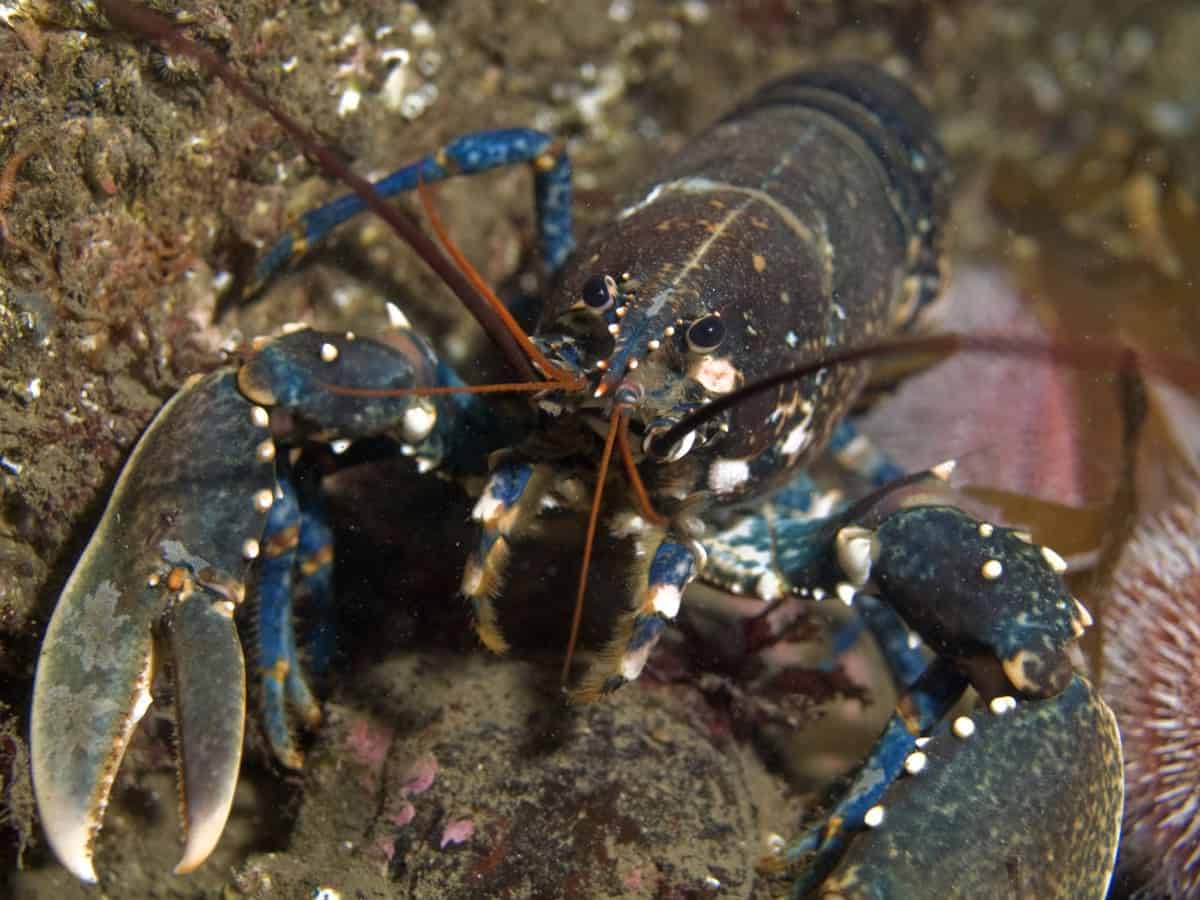
Not long ago, a restaurateur made headlines by releasing a lobster that had spent two decades in captivity. Weighing an astonishing 22 pounds and estimated to be 132 years old, the crustacean became the center of an unusual debate: could such an old animal adapt and survive in its wild home after freedom?
Continue reading
Those concerns were quickly met by specialists familiar with lobster biology. They pointed out that, at such a size, very few natural predators would dare to take on this oversized resident of the sea. But the story of this old lobster only gets stranger the closer you look.
A Body Built Against Time
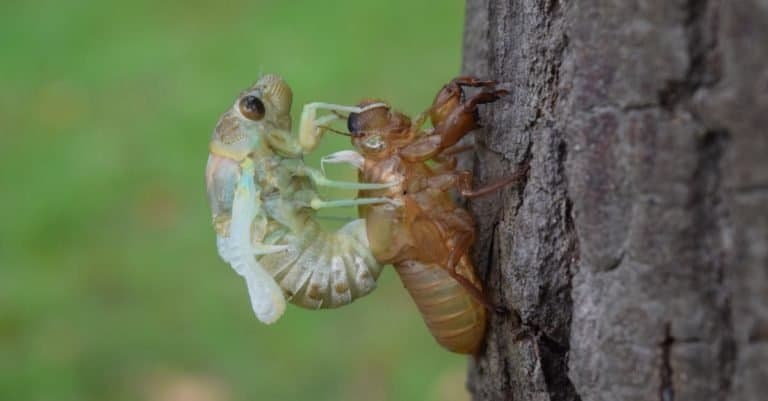
The lobster, it turns out, does not age in the way mammals do. Instead, its body holds a remarkable trick: a constant supply of an enzyme called telomerase. This enzyme is key, it allows the lobster to continually renew its cells. As a result, lobsters don’t face the typical decline that marks old age in most species. They simply keep growing, shedding their exoskeletons through molting, and with each molt, expanding both in size and in reproductive potential.
The bigger the lobster gets, the more fertile it becomes. Some have called this phenomenon “biological eternity,” a state where an animal appears untouched by the aging process that governs nearly all other life.
When Immortality Meets Reality
Yet, calling the lobster “immortal” is not quite accurate. Immortality suggests something that cannot die, but, as chefs and seafood lovers well know, lobsters often meet their end in the kitchen. The term “eternal” fits more closely with what the science reveals: while lobsters do not succumb to old age the way humans do, they are very much at the mercy of chance.
Accidents, hungry predators (at least when they’re younger), and, more frequently, humans, are the real threats. In nature, they might only be vulnerable when small, but in captivity or in the wrong place at the wrong time, even a giant can be unlucky.
The Unanswered Question at the End of the Line
Still, there may be a limit built into even the lobster’s life cycle. Each time a lobster molts, it sheds and rebuilds its protective shell. Scientists have speculated that, after enough cycles, an older lobster’s exoskeleton may begin to deteriorate, making future molts impossible or dangerous. However, this is a mystery that remains unsolved. To date, no lobster has been found old enough, nor its shell damaged enough, to confirm this final chapter.
The lobster‘s unusual relationship with aging does more than intrigue seafood fans, it invites us to rethink the boundaries of life and longevity in the animal kingdom. In a world where time is often the ultimate constraint, the lobster quietly challenges what we think we know about growing old.