
Quick Take
- The USDA's wildfire justification for building roads through protected forests has a major scientific problem. See the scientific problem →
- 89% of forest fires share one common ignition factor, and the USDA's plan could make it far worse. See the ignition findings →
- Over 2,100 endangered species could be caught in the middle of a fire management debate that scientists say is built on a flawed premise. See what species are at risk →
- The rule being targeted survived 25 years of legal battles. So what is different this time? See the legal debate →
For over 25 years, 44 million acres within the National Forest System have been protected and untouched by infrastructure, thanks to the 2001 Roadless Area Conservation Rule. However, that may change after the USDA announced plans to rescind the Roadless Rule, citing fire management as the reason.
Continue reading
USDA Takes Steps to Rescind the 2001 Roadless Area Conservation Rule
On August 18, 2026, the United States Department of Agriculture announced it would be repealing the 2001 Roadless Area Conservation Rule. According to Agriculture Secretary Brooke Rollins, the move aims to prevent forest fires across the country.
“Our forests can’t afford another decade of inaction,” Rollins said in a statement via the USDA. “Across the country, we’ve watched preventable conditions– overgrown stands, insect outbreaks, and disease– turn healthy landscapes into tinderboxes… Today, we filed a proposal to restore authority to local forest managers who know the land best, removing the barriers that have kept them from doing the work the land demands.”
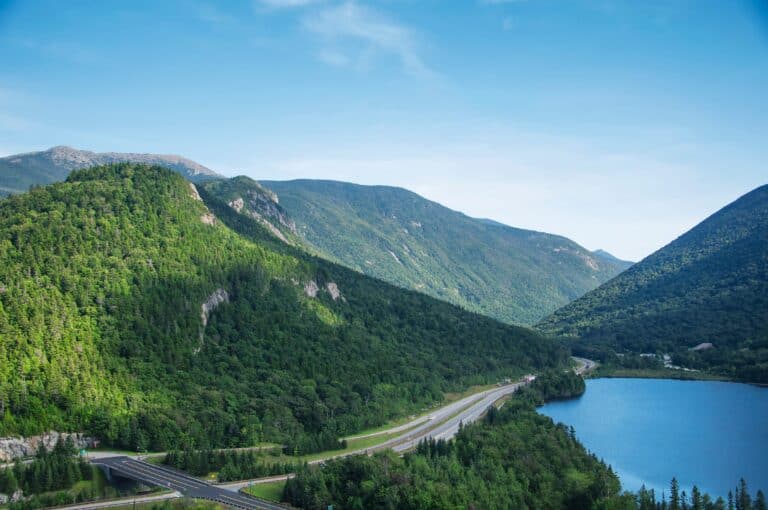
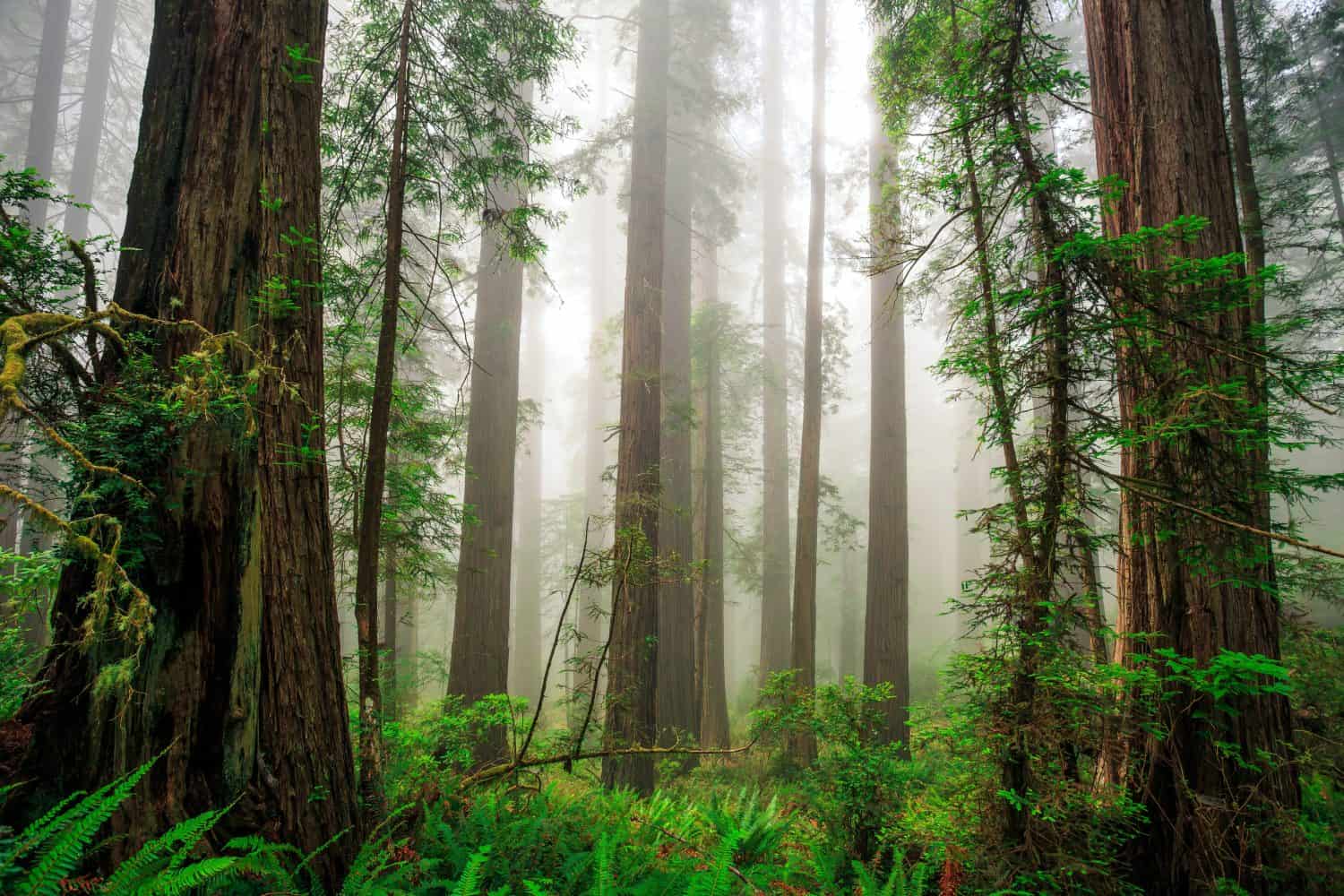
If the Roadless Rule is rescinded, millions of acres of untouched forest will be under road construction.
©photojohn830/Shutterstock.com
The USDA states that the Roadless Rule has limited the Forest Service’s efforts to effectively fight forest fires. Additionally, the restrictions on creating roads through untouched forest landscapes have prohibited “critical active management work.”
Rescinding the Roadless Rule will eliminate the national designation of roadless areas. However, the USDA states it will not directly participate in road construction or timber harvesting; those decisions will be left to local national forest managers.
States affected by rolling back the Roadless Rule include:
- Alaska
- Arizona
- California
- Montana
- Nevada
- New Mexico
- Oregon
- Utah
- Washington
- Wyoming
Colorado and Idaho are not included in this list because road regulations in those states follow state-specific guidelines.
The USDA will make its final decision on rescinding the Roadless Rule after collecting public comments through the end of September 2026.
Why Was the 2001 Roadless Area Conservation Rule Created?
The 2001 Roadless Area Conservation Rule was created to ensure that 44 million acres within the National Forest System would remain untouched. (This is approximately 30% of the 193 million acres within the NFS.) These regions that are protected under the Roadless Rule were selected not only for their beauty but also for their biodiversity.
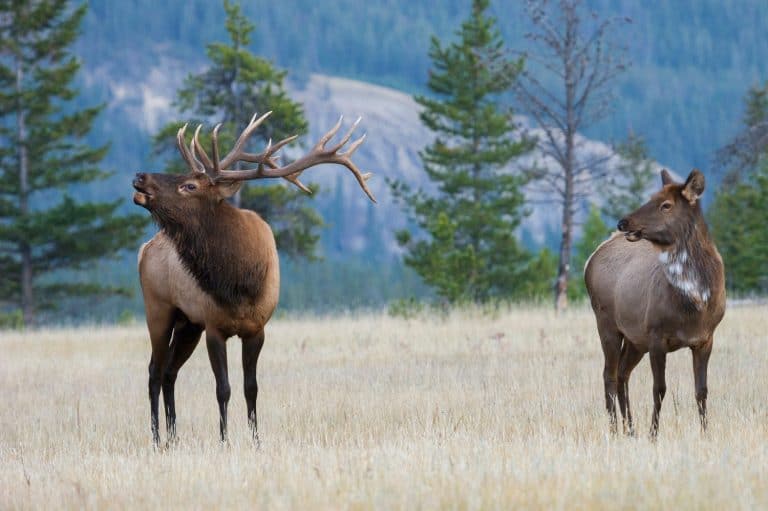
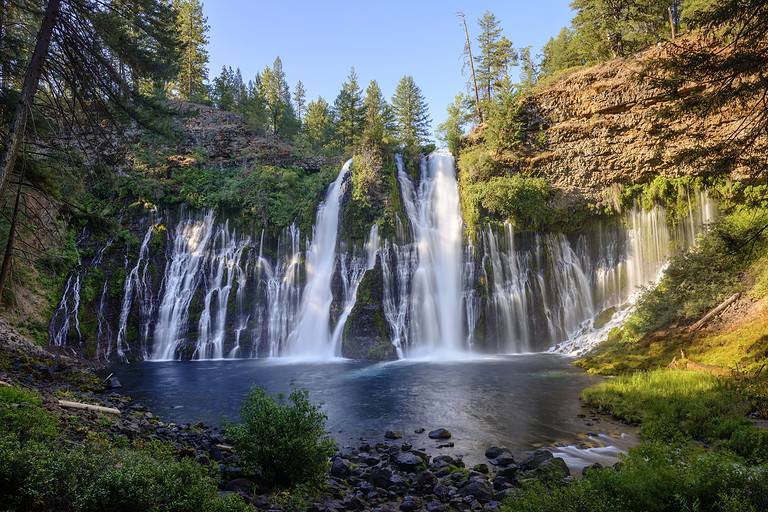
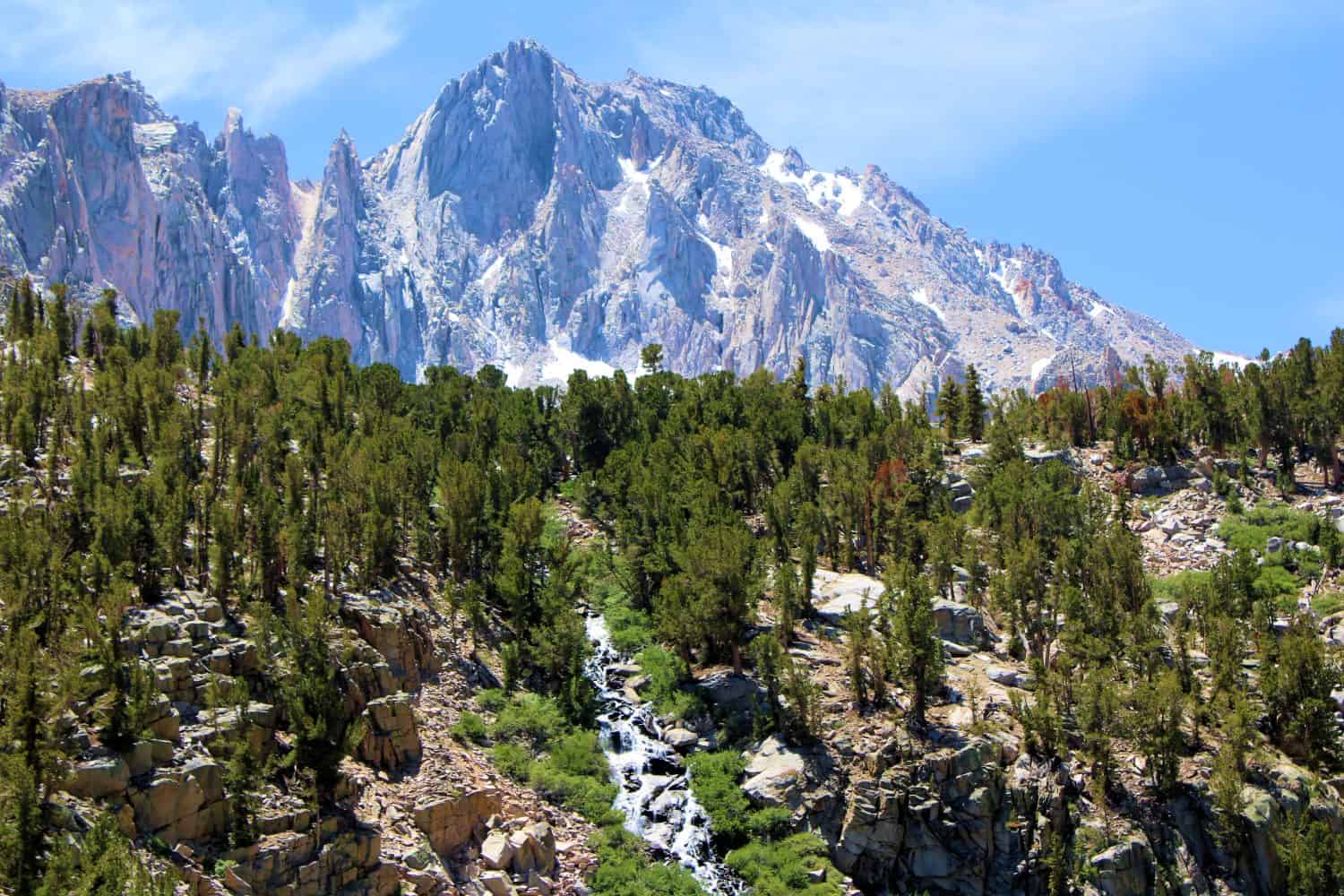
Endangered and threatened species live within the areas protected by the Roadless Rule.
©Ethan Daniels/Shutterstock.com
These are not the only reasons millions of acres of forest land have been protected. Other reasons include:
- Protect the habitat of over 2,100 endangered or threatened species
- Ensure that over 350 municipal watersheds that bring clean water to millions of Americans remain untouched
- Protect the environment from erosion and pollution that creating roads would bring
- Keep outdoor recreation spots from being spoiled by infrastructure
When the Roadless Rule was presented to the public, as well as to conservation and industry groups, it received widespread support. The rule represented a compromise, allowing forests to remain untouched while permitting infrastructure expansion in other areas.
Study Shows More Roads Lead to More Fire Activity
The USDA states that more roads would help to decrease fire danger across the National Forest System. However, a recent study suggests the opposite is true.
According to a 2025 study, adding roads through the National Forest System would increase the number of wildfires. Wildfire data from 1992 to 2024 show that wildfires were four times more likely to occur within 165 feet of a roadway than in forests without roads.
Greg Aplet, Senior Forest Ecologist at The Wilderness Society and the study’s lead author, stated that these results were “consistent across the entire National Forest System.”
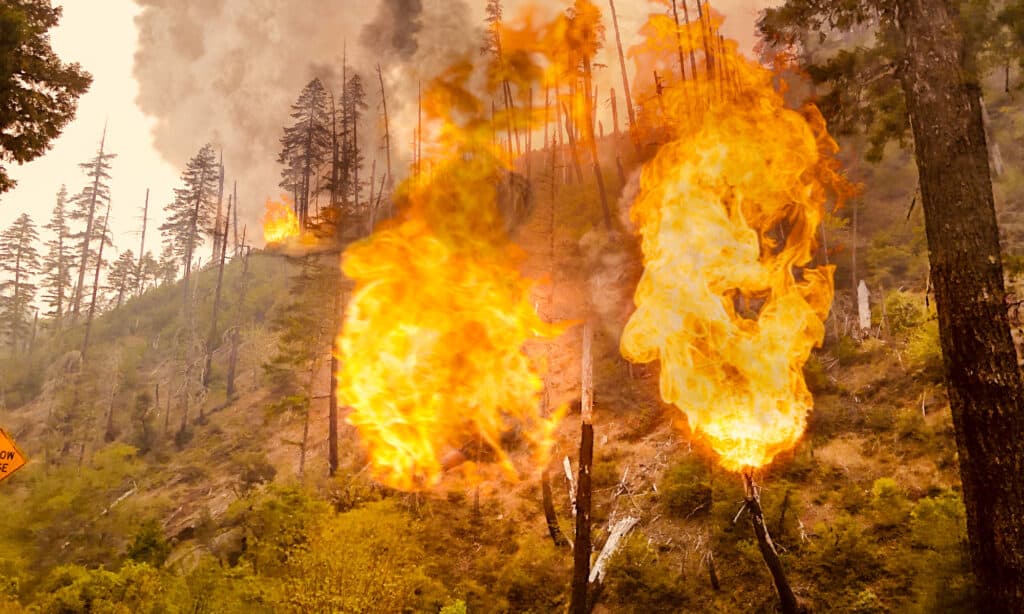
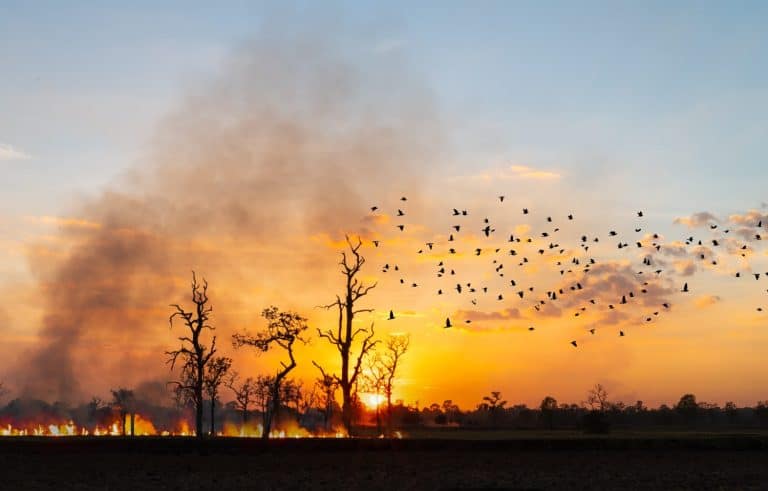
Forest fires are more likely to start in areas near roads rather than away from them.
©iStock.com/MichaelPenhallow
“The big surprise was just how stark the differences were,” Aplet stated in a press release.
As the distance between roadways and forest increases, the chances of a wildfire starting decrease dramatically.
Fewer fires are ignited in areas farther from roads because of how most forest fires start. Most forest fires (89%) are human-caused. Therefore, the more traffic and the more access people have to untouched regions of the National Forest System, the more fires will be started.
What Advocates and Detractors Are Saying
There are strong feelings on both sides over whether to rescind the 2001 Roadless Area Conservation Rule. Supporters believe it is the answer the National Forest System needs to gain the upper hand in firefighting. However, those who strongly oppose it believe that not only will wildfires not be stopped, but wildlife will be lost in the process.
According to Agriculture Secretary Brooke Rollins, the time to act is now to prevent “another decade of inaction.”
“For too long, outdated restrictions have kept tens of millions of forested acres off-limits to the very treatments that improve forest health and reduce wildfire risk to our communities,” Rollins said in a statement via the USDA. “It’s time to turn the page on the failed roadless rule and return our forests to health and productivity.”
Forest Service Chief Tom Schultz echoes Rollins’s opinion.
“Active forest management is not an option. It’s essential,” Schultz explained in a statement via the USDA. “More than 40% of inventoried roadless areas, primarily in the West, have high or very high wildfire hazard potential. And only 5% of those areas have received hazardous fuels reduction treatments since 2014.”
However, detractors argue that roads will not improve conditions and will negatively affect wildlife. According to Matt Dietz, The Wilderness Society’s lead ecologist, species protected under the Endangered Species Act live in the same places proposed roads would be built.
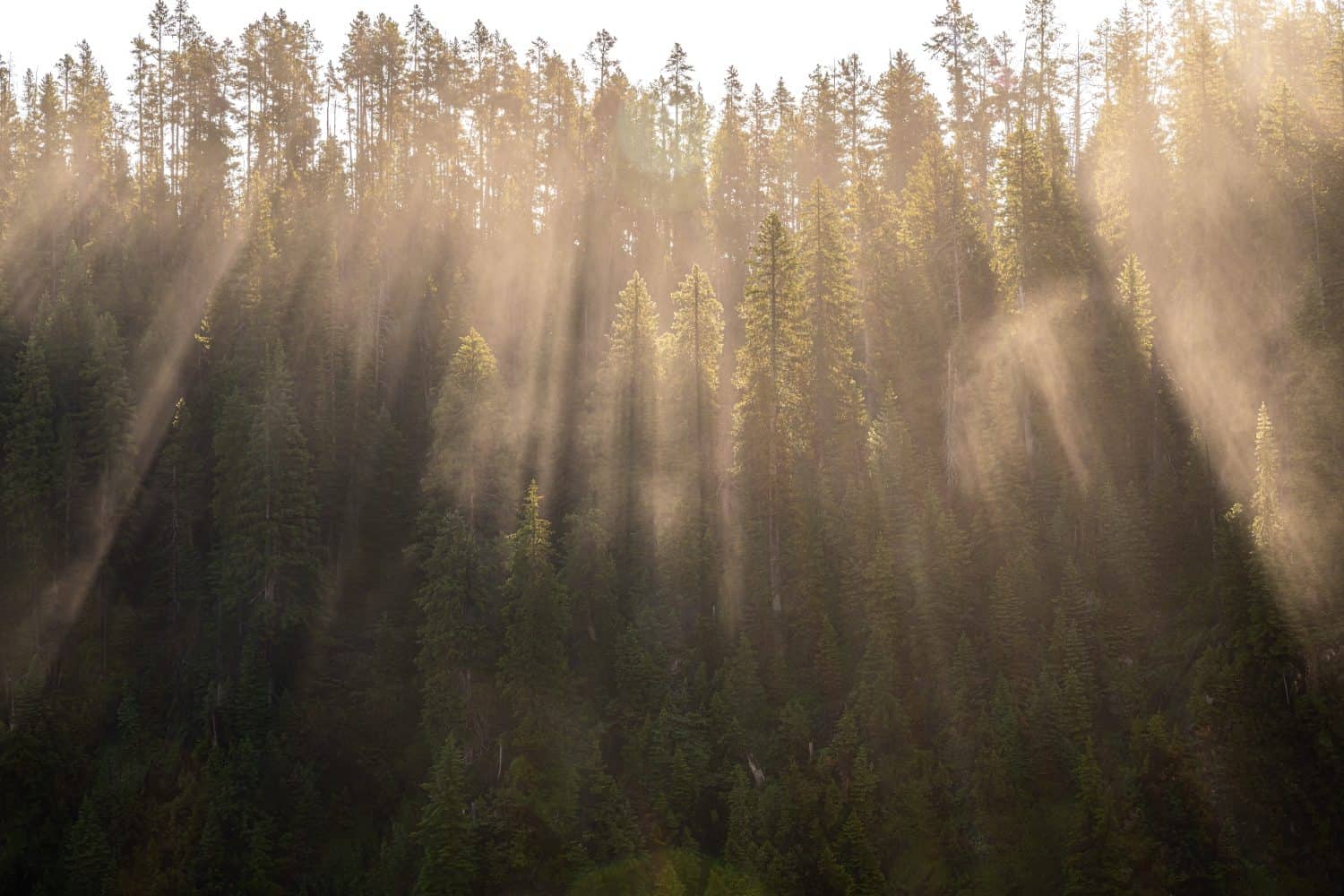
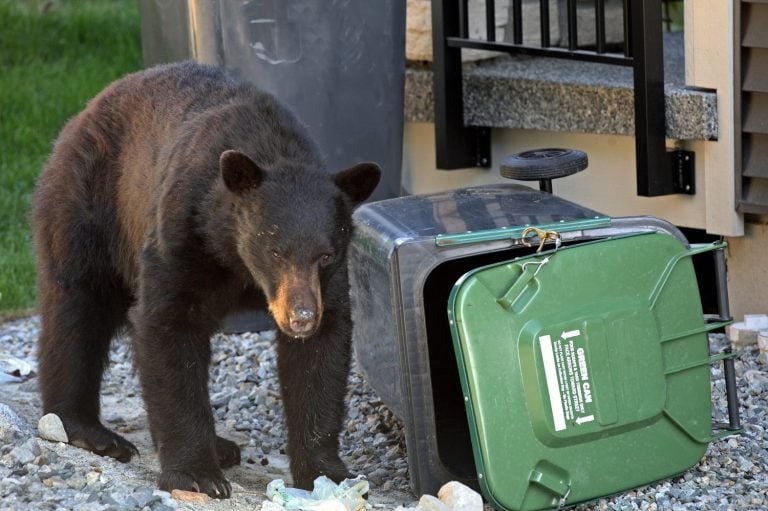
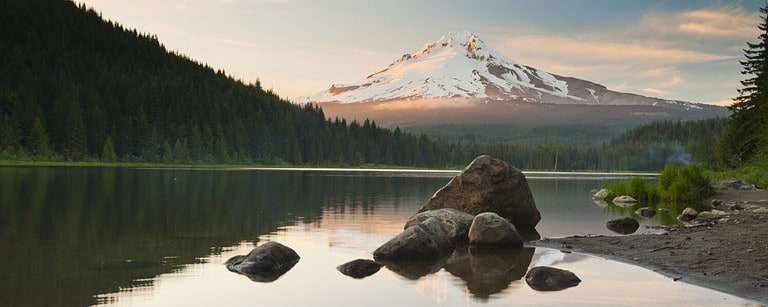
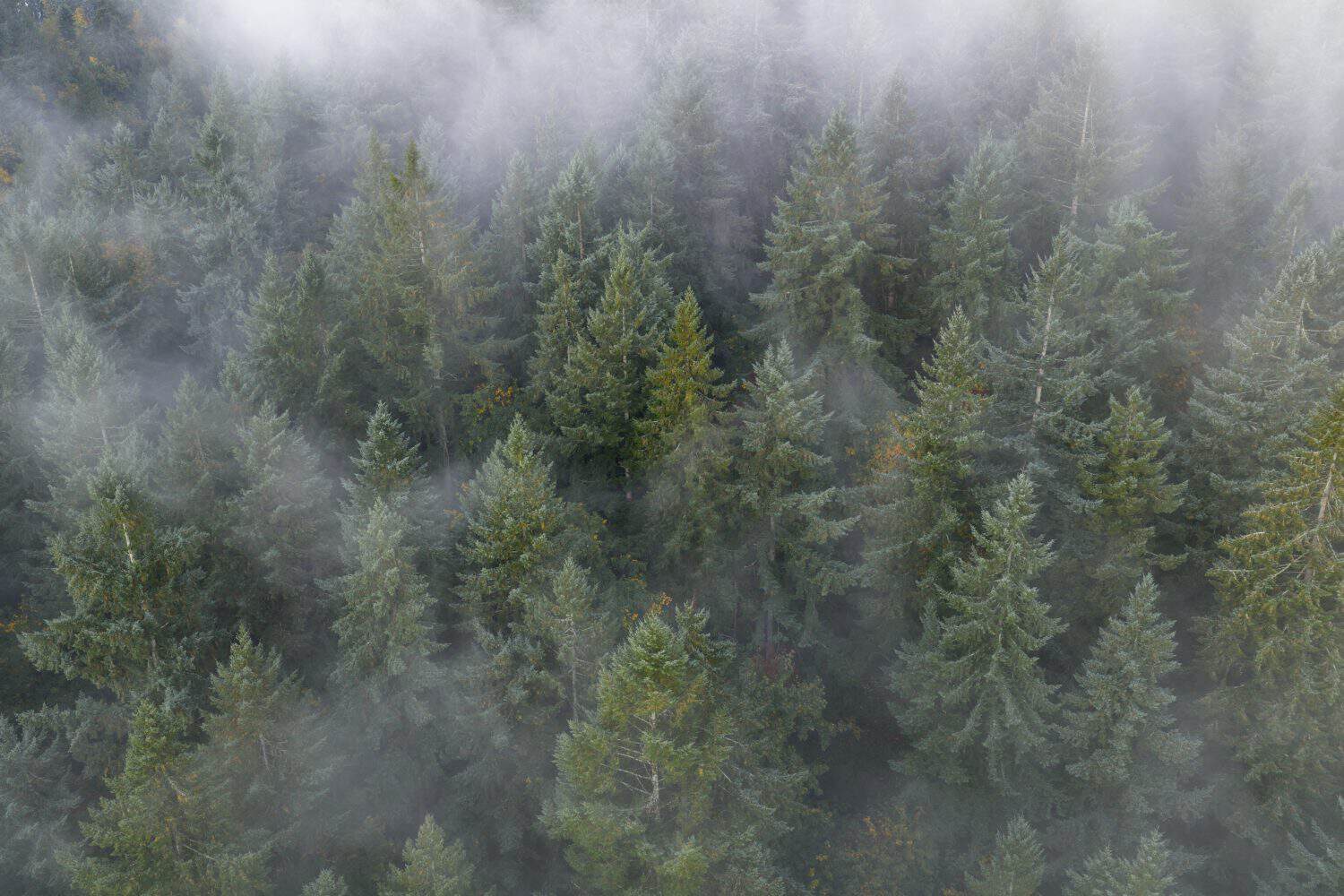
Both detractors and advocates feel very strongly about repealing the Roadless Rule.
©Kelly vanDellen/Shutterstock.com
“Even though roadless areas only make up 2% [of land in the lower 48 states],” Dietz said in a statement via The Wilderness Society, “they contain the habitat of 57% of vulnerable species.”
Earthjustice President Abigail Dillen, whose organization has fought fiercely to defend the 2001 Roadless Area Conservation Rule, says the Roadless Rule has been instrumental in preserving habitats and the climate since its enactment.
“For 25 years, the Roadless Rule has kept our wildest forests intact. The benefits have been incalculable for people, for water, for wildlife, and for the climate,” Dillen explained in a statement from Earthjustice. “Scientists, wildland firefighters, and hundreds of thousands of Americans have fiercely opposed this attack on our public lands. Earthjustice has successfully defended the Roadless Rule for a quarter century, and we are not going to stop now.”
The USDA is accepting public comments on the issue until midnight on September 21, 2026. After considering public comments, the USDA will decide whether the Roadless Rule will remain in place or be rescinded to allow for the construction of public roads.