
Quick Take
- The predator-prey relationship between sharks and humans is almost perfectly backwards from what most people believe, and the real numbers are staggering enough to upend that assumption entirely. See the real numbers →
- Sharks have a sixth sense that no human possesses, a fact that changes everything about how we should think of them as predators. Discover their sixth sense →
- Coral reefs depend on sharks in a way that scientists only recently confirmed, and what happens without them is quietly alarming. See what's at stake →
For those not aware, July 14th marks Shark Awareness Day. It is a chance to learn more about some of the most misunderstood animals on Earth. For years, movies have portrayed sharks as vicious killing machines that lurk below the waves, waiting patiently for their next victim. However, this is far from the truth. These fears keep people out of the water and lead to the unfair slaughter of these lovely creatures, so it’s time to dispel some of the more common shark myths.
We hope that this guide will provide some startling facts, such as the reality that although sharks accidentally kill a handful of people per year, an estimated 100 million sharks are killed annually through fishing, bycatch, and the global shark fin trade. It’s a disturbing reality, and something needs to change. Let’s correct some of these misconceptions and tell you more about the wonder of sharks.
Myth #1: Sharks Are Constantly Hunting Humans
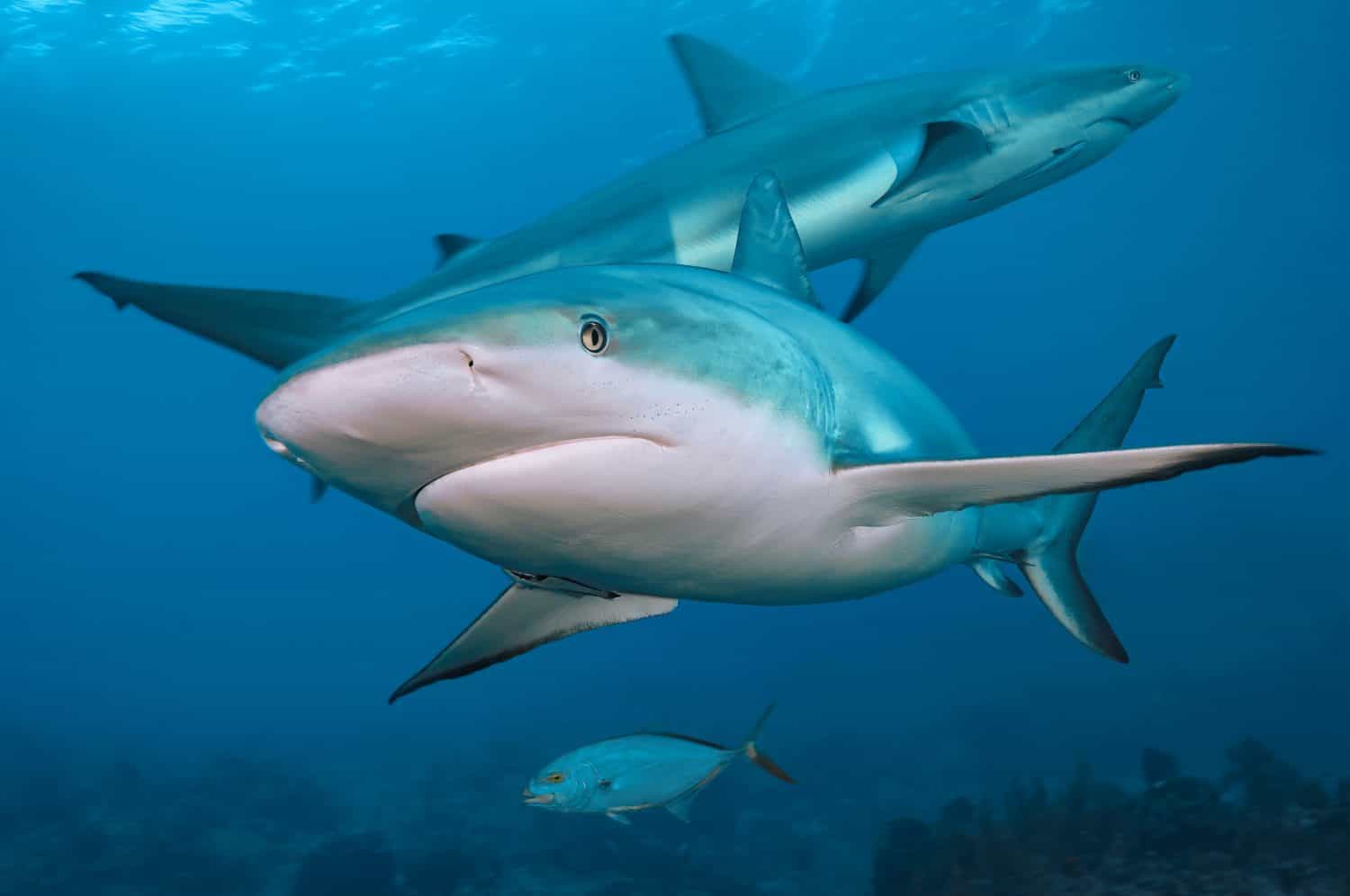
One of the most dangerous shark myths is that these aquatic creatures are constantly on the hunt to hurt or kill humans they find swimming in the water. Nothing could be further from the truth. In fact, humans aren’t even considered to be prey to sharks. Depending on the species, sharks primarily feed on fish, squid, crustaceans, seals, sea lions, and other marine animals.
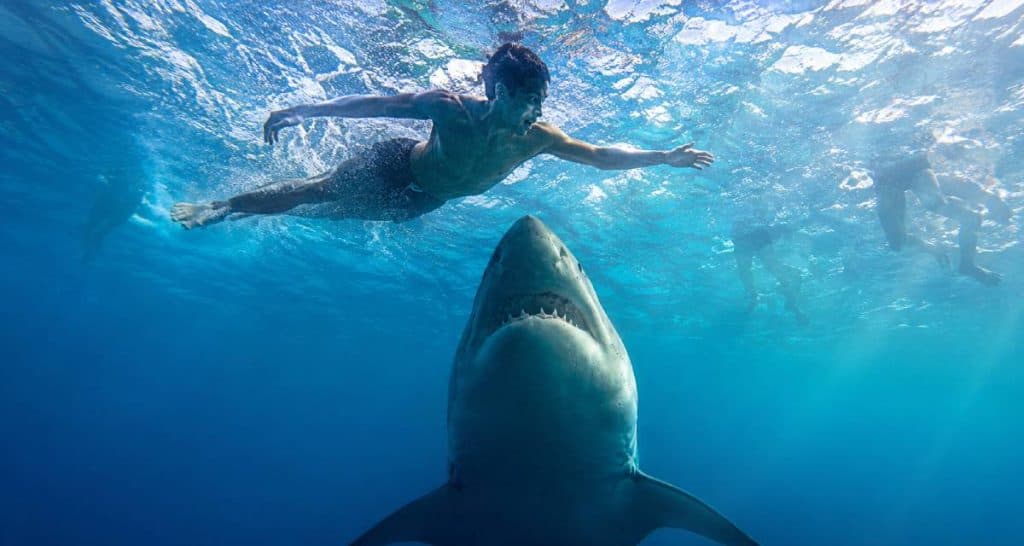
When the rare shark bite does occur, experts believe it’s often a case of mistaken identity. In murky waters or from below, a surfer or swimmer may resemble a seal or an actual prey animal. Once a shark realizes its mistake, it’s unlikely to continue the attack.
Consider the numbers. Millions of people enter the ocean every year. They swim, surf, paddleboard, snorkel, and dive in waters inhabited by sharks. Yet serious shark attacks remain extremely rare. You’re more likely to be injured by driving a car or riding a bike than you are to ever encounter a shark in the wild.
Myth 2: All Sharks Are Giant Man-Eaters
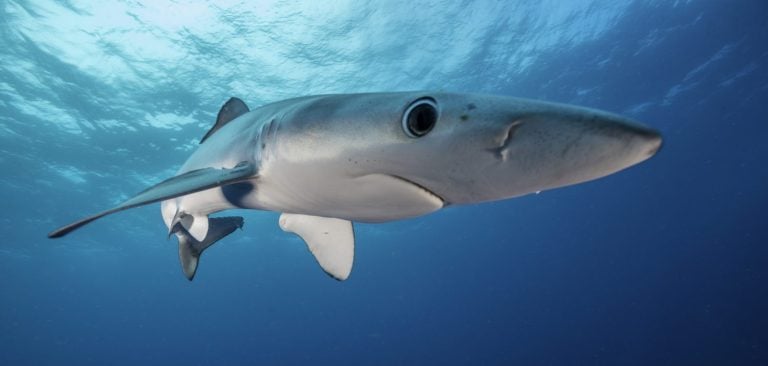
When people think of sharks, they often imagine a massive great white shark cruising through deep blue water. Again, this is a misconception often perpetrated by the movies. Yes, great whites are impressive predators, but they only represent one of more than 500 known shark species. Sharks come in an astonishing variety of shapes and sizes.
Some species are small enough to fit comfortably in your hands. The dwarf lanternshark, for example, grows to only about eight inches long. At the other end of the spectrum is the enormous whale shark, which can exceed 40 feet in length and weigh tens of thousands of pounds. Despite its size, the whale shark is generally gentle and primarily feeds on plankton, tiny fish, and microscopic organisms. It may seem scary at first, but it’s no threat to humans.
Other unusual shark species include:
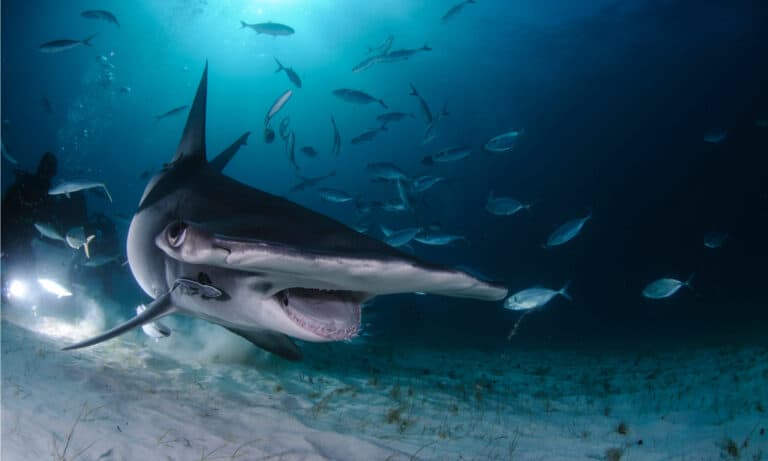
- Hammerhead sharks are known for their distinctive head shape.
- Wobbegong sharks, which camouflage themselves on the seafloor.
- Thresher sharks, which use their long tails to stun prey.
- Nurse sharks, which are slow-moving bottom dwellers, are often encountered by divers.
- Greenland sharks are among the longest-living vertebrates on Earth.
This incredible diversity demonstrates that there is no such thing as a “typical” shark.
Myth 3: Sharks Are Mindless Killing Machines
Another of the shark myths that needs to go is the idea that sharks are not intelligent creatures, but rather primitive animals driven solely by instinct. Be aware that modern research paints a much more complex picture.
Scientists have discovered that many shark species exhibit sophisticated behaviors and surprising intelligence. Some species can learn from experience and remember solutions to problems. Researchers have observed sharks navigating mazes, recognizing patterns, and adapting their behavior based on previous encounters.
Rather than living solitary lives, some sharks also show remarkable social behavior. They form groups, establish social hierarchies, and often interact with the same individuals repeatedly. Sharks also differ in personality; some are bolder and more adventurous, while others are cautious and reserved.
Shark Senses
Most sharks don’t simply glide through the water mindlessly. Instead, they are very intelligent creatures, often guided by their extraordinary senses. Many people know that sharks have an excellent sense of smell. Some can even detect tiny chemicals in the water. This sense allows them to locate food over long distances. But that’s not all.
Many sharks also have a keen sense of hearing. They are particularly sensitive to low-frequency sounds. Injured fish often emit vibrations that can attract nearby sharks. Also, though some sharks are primarily guided by their sense of smell, others have excellent eyesight that they often use. Some species can see well in low light, allowing them to hunt during dawn, dusk, and nighttime hours.
Sharks also use additional senses, like the lateral line system. Like many other fish, sharks use the lateral line to detect movements and vibrations in the water, which helps them to detect prey even when visibility is poor. Finally, there’s the sense of electroreception. Many sharks possess special organs called ampullae of Lorenzini that enable them to detect tiny electrical fields generated by living organisms. This sense even helps them to locate hidden prey beneath the sand. It’s one of the many reasons that many sharks are considered to be apex predators.
Sharks Are Important to Ecosystems
As mentioned, sharks are apex predators, which means they occupy the top level of many ocean food chains. This is important because they help to regulate prey populations and maintain ecological balance.
To see how necessary this is, consider what would happen if a major predator disappeared from an ecosystem. Without natural predators, prey populations can grow unchecked, triggering cascading effects that impact the ocean and the world at large.
Sharks Help Protect Coral Reefs
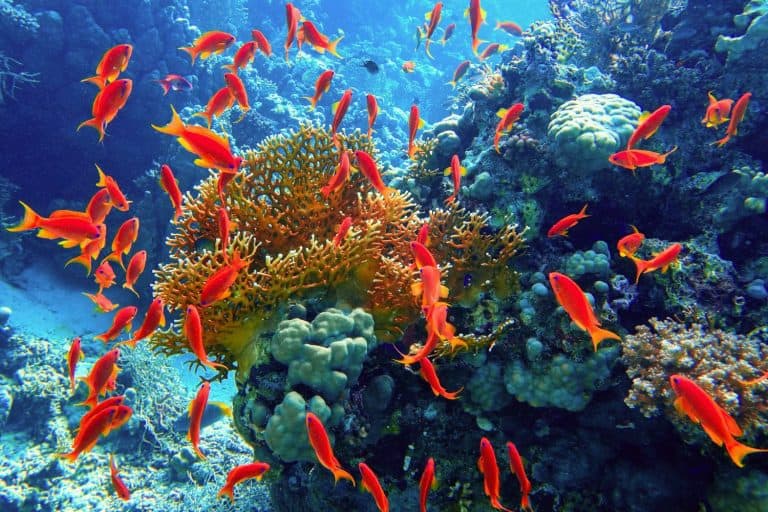
Coral reefs are among the most biodiverse ecosystems on Earth, and sharks play an important role in maintaining their health. When shark populations remain stable, they help to regulate fish communities that typically interact with coral systems. Researchers have found that reefs with healthy shark populations often exhibit stronger ecological stability than reefs where sharks have been heavily depleted. As it is, many coral reefs face threats from pollution, climate change, and acidification, so you can see how avoiding shark myths and remembering the benefits of sharks can be so crucial.
Sharks Keep the Oceans Healthier
By targeting weak, sick, or injured animals, they help maintain healthier populations of prey species. This may seem simple, but the influence extends throughout the larger ecosystem.
The Threat of Humans
Sharks face a variety of threats, from climate change to habitat destruction caused by coral reef degradation. However, the most significant threat to sharks is human beings.
Humans cause many issues. Sometimes the damage is intentional; other times, it’s accidental. Either way, it’s not fair to the sharks.
Current threats include, but are not limited to:
Commercial Fishing – Many sharks around the world are intentionally targeted for their meat, fins, liver oil, and cartilage.
Shark Finning – In some parts of the world, sharks are killed primarily for their fins, which are used in shark fin soup and other products. It’s a sad reality that many sharks die for this single, terrible purpose.
Bycatch – Many sharks die accidentally when they become entangled in fishing gear intended for other species.
Habitat Loss – Coastal development, pollution, and environmental degradation threaten important shark habitats.
These are all issues we need to address as a global population. By working together, we can reduce the threats and let the creatures of the oceans have their peace. If shark populations disappeared, there would be ripple effects throughout the ecosystem.
How to Avoid Shark Fear
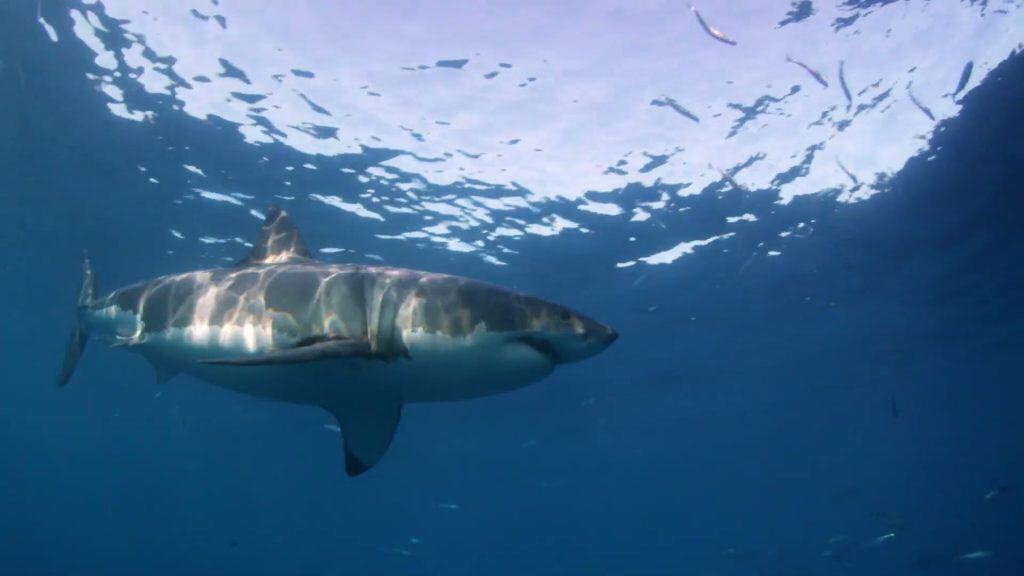
The best way to stay safe in the water and help sharks at the same time is to dispel the popular shark myths and educate yourself on how to be safe in the water. You can reduce the risk to all people and marine creatures involved by following the expert-created rules:
Swim in groups – Sharks are more likely to approach or be confused by an individual swimming alone than by groups. Many sharks may mistake a single swimmer for an injured seal, which is why they may attack.
Avoid swimming at dawn or dusk – This safety tip is two-fold. For one, if you’re swimming when it’s dark, it’s likely that the shark will be more confused about what you are when they spot you. Plus, many shark species are most active during these periods.
Stay away from fishing activity – Areas where fish are being cleaned, or bait is present, can attract sharks.
Avoid wearing shiny jewelry – in some cases, its reflections can resemble fish scales in the water.
Pay attention to local advisories – Lifeguards and local authorities monitor conditions and can provide valuable information. You don’t want to ignore advice, get attacked, and allow shark myths to proliferate.
Avoid entering water with open wounds – Although sharks are not actively searching for humans, they do often feed on injured sea life. If you’re bleeding in the water, the shark may become confused and mistake you for injured prey.
Do Your Part to Help Shark Populations
Now that you know about the shark myths, use Shark Awareness Day as a reminder to do your part to help these wonderful aquatic creatures. Every person can make a difference and help sharks thrive. You can do your part by supporting sustainable seafood, reducing plastic pollution, participating in citizen science, advocating for marine protected areas, and supporting conservation programs like the Shark Conservation Fund, among other solutions.
By seeing the reality about sharks, you can tell others that sharks are far less dangerous than many people assume. When we share the world with our animal counterparts, we make the planet a better place.