
Quick Take
- Scorpions don't always inject venom when they sting, which turns out to reveal something surprising about how they actually use their stingers. See how stingers work →
- A scorpion sting can feel like a bee sting, or it can feel like something far worse. The difference comes down to one key factor most people overlook. Understand sting severity →
- Most people treat scorpion stings the wrong way by focusing on the wrong symptoms. Here's what actually signals danger. Spot the danger signs →
- Unlike nearly every other venomous creature, scorpions have a built-in advantage when they strike repeatedly, and this advantage changes how dangerous an encounter can be. Learn about repeated stings →
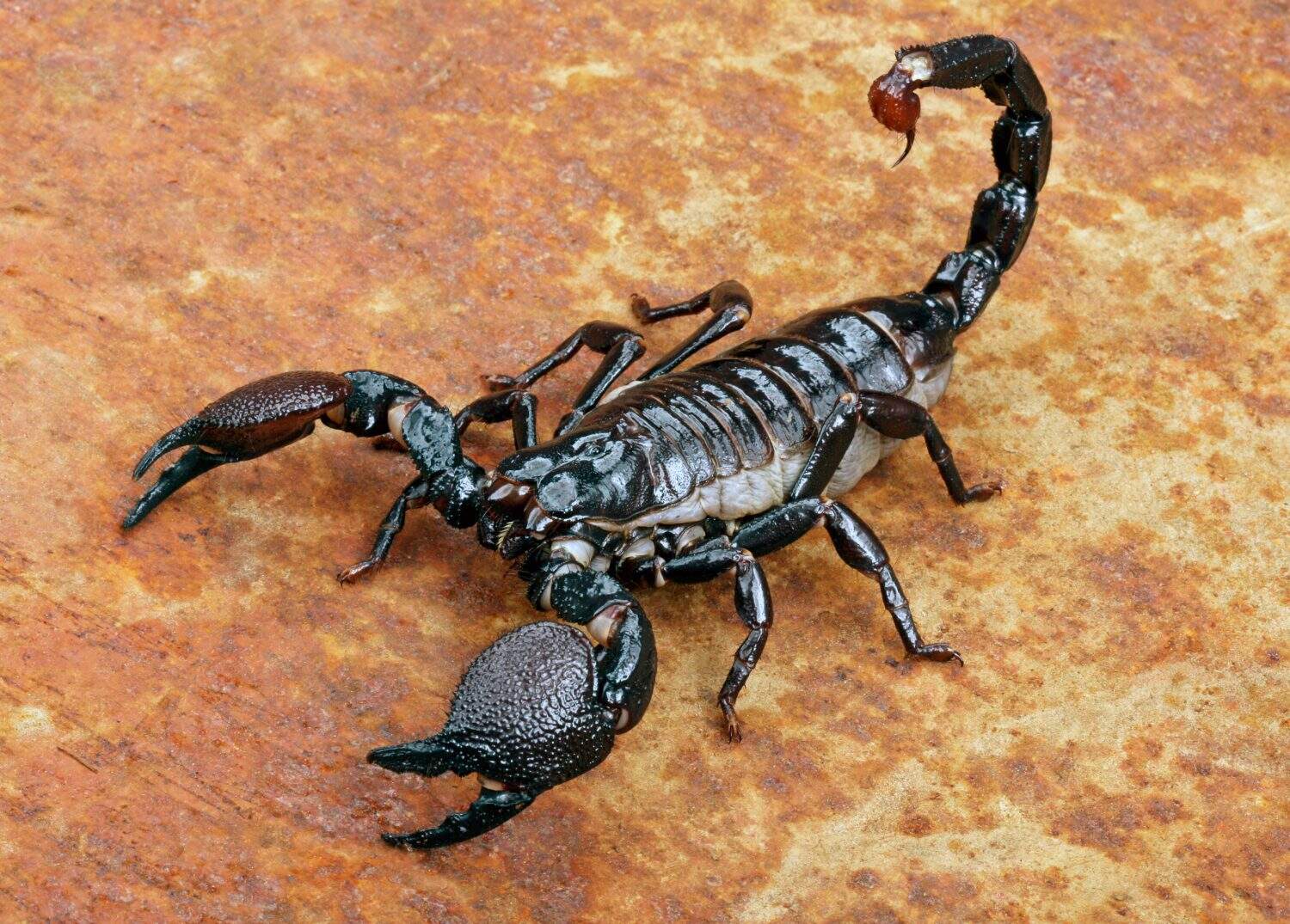
Scorpions are tiny animals, but they are among the scariest. Their sharp stingers inject venom that can be extremely dangerous for other wild animals and humans alike. But have you ever considered how they work? This Instagram post by @growthology.ig shows a video of a scorpion using its stinger.
Continue reading
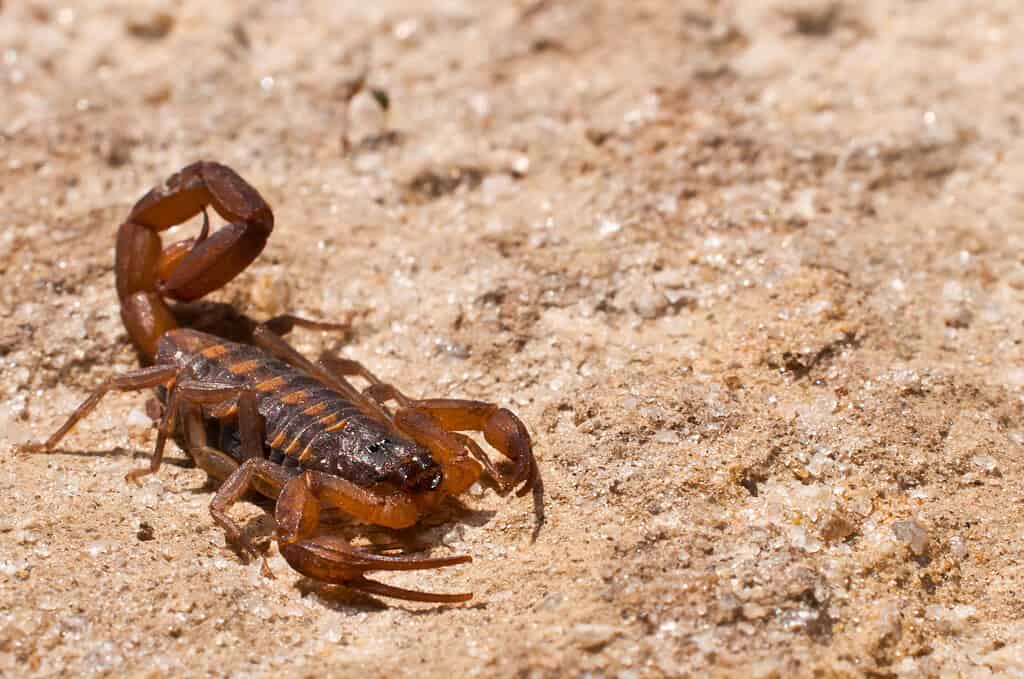
Out of the roughly 2,500 species of scorpion, only about 25 to 30 species have venom that can be fatal to humans.
©JasonOndreicka/iStock via Getty Images
How Scorpion Stingers Work
Scorpion stings are one of the best defenses and attacks in the animal kingdom. Scorpions use their tails as a powerful tool to subdue prey or defend themselves from predators, demonstrating the strength of these small animals. Scorpions produce venom that they use to immobilize their prey. Their prey includes insects, spiders, and small animals. They also use their venom to defend themselves when threatened or cornered. While they are terrifying, the scorpion is often more scared of humans than we are of it. Scorpions don’t typically chase humans or sting them deliberately; most stings occur when the scorpion is surprised. Scorpions do not always inject venom; sometimes, they use ‘dry stings’ (stings without venom) to deter threats. As shown in the video above, scorpions can sting multiple times. Unlike bees, scorpions do not lose their stinger after using it, meaning they can sting repeatedly.
What To Do If Stung
The pain caused by a scorpion sting depends on the species. Some species cause mild pain similar to a bee sting, while others have venom potent enough to cause pain comparable to a stab wound. The Arizona bark scorpion is one example, and its venom can cause severe pain, abnormal muscle activity, and difficulty breathing. If you are stung, it’s important to remain calm and put as much distance as possible between you and the scorpion. You should then wash the area with soap and water before placing a cool compress, like an ice pack, on the wound to help with pain. If the species has weak venom, over-the-counter pain medication can help relieve the pain. However, for more dangerous species, you should seek professional medical care. Monitor yourself for systemic symptoms, such as difficulty breathing or swallowing, nausea, muscle twitching, or confusion, rather than focusing only on pain at the sting site.