
Quick Take
- Elephants aren't built for mountains, yet hundreds of them regularly scale a 6,500-foot peak. The reason why turns out to be more urgent than anyone expected. See why they climb →
- Camera traps confirmed conservationists' hopes, though the breakdown of exactly who's using the corridor, and how heavily, surprised even the researchers. See the camera results →
- Getting 368 strangers to give up their own land for elephants required more than goodwill, and the deal struck here went well beyond that, potentially becoming a blueprint that other countries are watching closely. See the compensation deal →
- A conservationist not involved in the project issued a quiet warning: the window to protect similar corridors across Tanzania is closing faster than most people realize. Read the urgent warning →
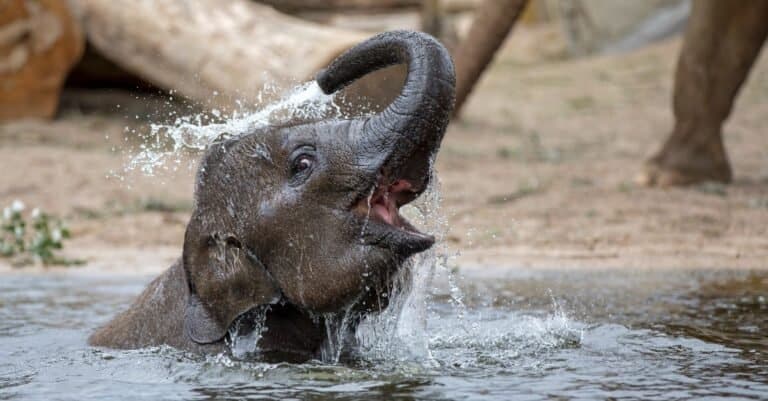
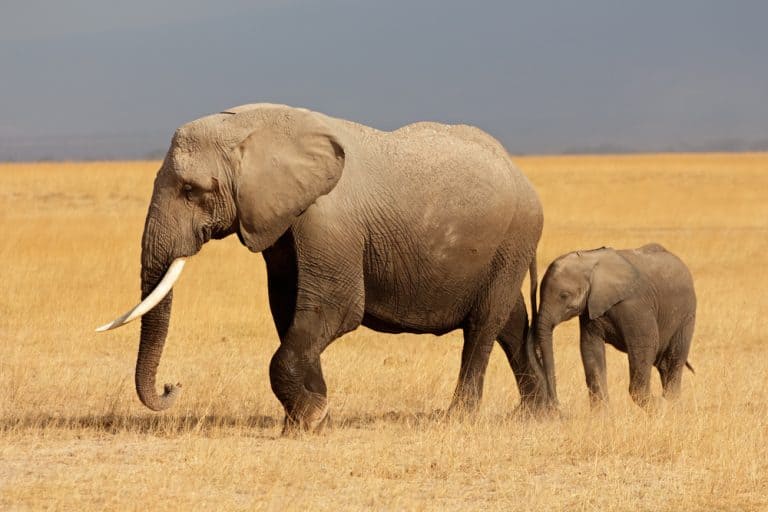
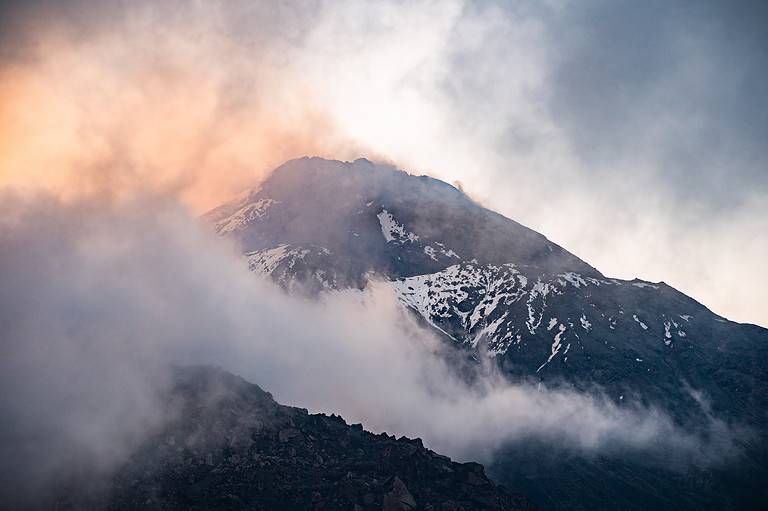
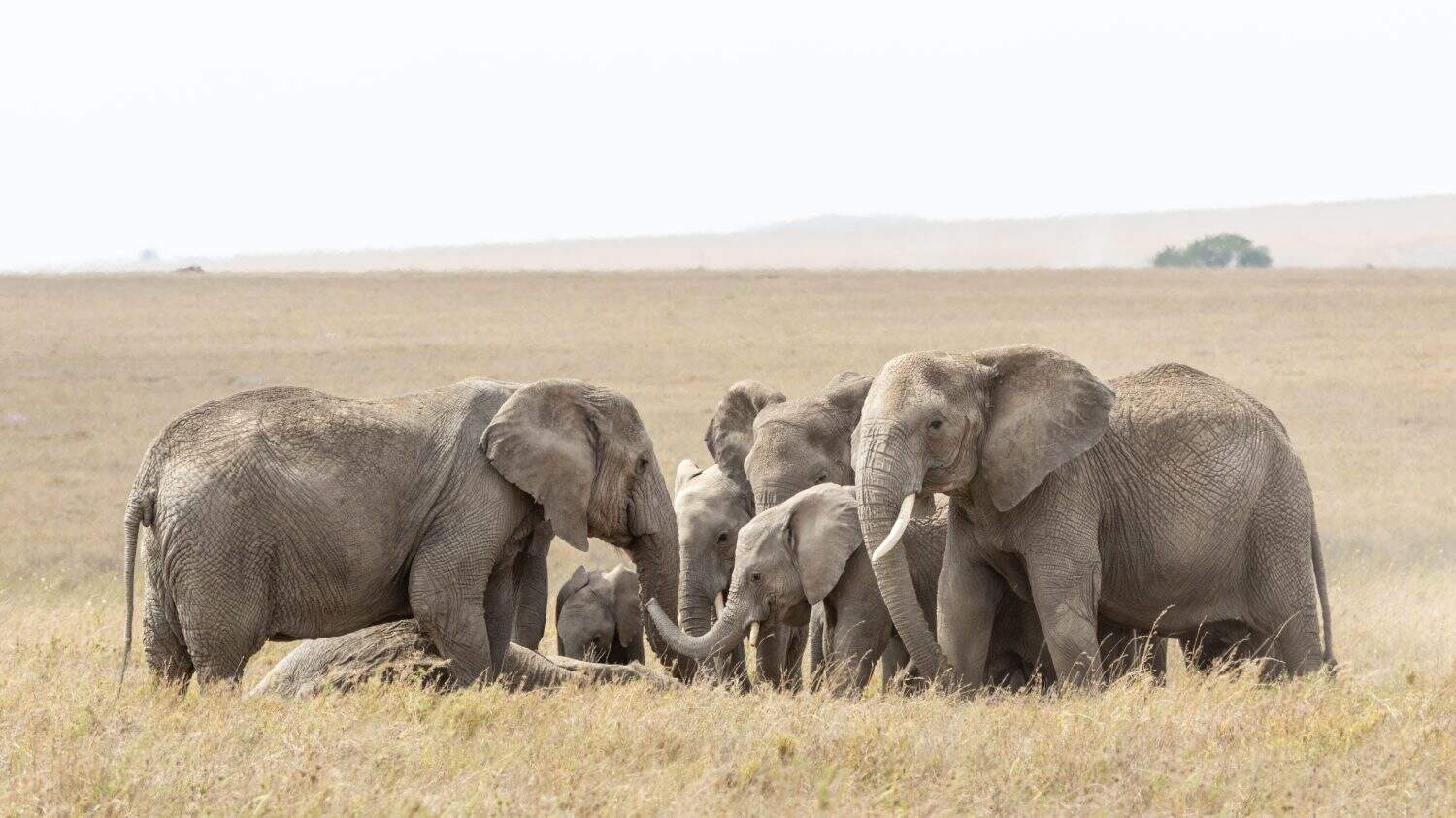
Up to 1,000 African savanna elephants spend part of their time climbing the steep, forested slopes of Tanzania’s Udzungwa Mountains, which rise to about 6,500 feet. For decades, that migration meant crossing the Kilombero Valley below, farmland that had been closing in on the route for 50 years. In April 2025, the Tanzanian government made that crossing official, designating the Nyerere-Udzungwa Wildlife Corridor as the country’s first legally protected wildlife corridor, according to the World Land Trust. The corridor itself runs about 14 kilometers long and 200 meters wide.
Camera traps installed along the corridor’s 14-kilometer length have since confirmed what conservationists hoped: the elephants are using it.
What The Cameras Found
Starting in November 2023, the Southern Tanzania Elephant Program and its partners placed 59 cameras at roughly 500-meter intervals along the corridor, which links Nyerere National Park and the Magombera Nature Forest Reserve to Udzungwa Mountains National Park. Over the first 15 months, the cameras recorded at least 1,440 mammals passing through, and 529 of them, nearly 37 percent, were elephants, according to Good Good Good. Bushbuck, buffalo, serval, honey badgers, Sykes’ monkeys and Cape clawless otters also showed up on camera, evidence the corridor serves far more than one species.
Why Elephants Bother Climbing At All
Elephants aren’t built for mountains the way goats are, but Trevor Jones of the Southern Tanzania Elephant Program says they manage steep slopes better than people might expect, calling the population “a very adaptive” one that simply “goes everywhere” it needs to. The climb is less about scenery than survival. As seasons shift between wet and dry, food and water availability changes across the mountains’ habitats, from montane forest down to lowland forest, miombo woodland and open bush. Native bamboo growing around 2,000 meters up gives elephants a reliable food source during droughts, and the mountains also hold salt licks that supply minerals they can’t get elsewhere.
Land Given Up, And What Comes Next
None of this worked without local cooperation. Across the villages of Sole, Mang’ula and Kanyenja, 368 landowners agreed to set aside between 1,000 and 2,000 square meters each of their own land for the corridor, and were compensated roughly 2.2 billion Tanzanian shillings, or about $880,000, in return. Officials say residents will also benefit from new employment and income projects tied to the corridor’s upkeep.
Not everyone involved sees the work as finished. George Lohay of the Grumeti Fund, who was not part of this project, said similar corridors elsewhere in Tanzania need the same legal protection soon, warning that “the window of opportunity to officially demarcate them is closing” within roughly the next decade. For now, though, the Kilombero corridor stands as proof that a legally protected pathway, chosen and maintained with the people who live along it, can keep a mountain-climbing elephant population connected to the valley it still depends on.
The corridor’s early numbers also matter beyond Tanzania. Wildlife corridors elsewhere often go unprotected for years while surrounding land is sold off or farmed, so a documented case where a designated route is already being used this heavily, by this many species, gives conservationists concrete evidence to bring to other governments weighing similar protections.