Quick Take
- Climate change is devastating Arctic wildlife, yet thousands of whales are actually thriving because of it. See the whale surge →
- A tiny fish most people have never heard of is the secret behind one of the ocean's most dramatic wildlife surges. Meet the secret prey →
- The Arctic is warming at a rate that makes the rest of the planet look stable, and this is changing who lives there in ways no one predicted. See how fast it's warming →
- History offers a warning about what happens after whales discover a feeding bonanza like this, and the warning is not encouraging. Explore the historical warning →
Climate change is altering the planet as air and ocean temperatures rise. This trend tends to harm plants and animals as their habitats change. But some whales are actually benefitting, as warming seas turn Greenland waters into a whale-feeding hotspot.
Warming Seas Have Turned Greenland into a Feeding Hotspot for Baleen Whales
At a time when climate change brings only bad news to terrestrial and ocean-dwelling animals, some good news has emerged. Baleen whales have located a feeding hotspot in the Greenland Sea that, until recently, was inaccessible. It is only because of ice melt that thousands of whales are migrating to areas off the East Greenland coast to get their fill of prey.
According to a new study published in Frontiers of Marine Science, baleen whales are coming to East Greenland for a feeding frenzy. Where decreasing sea ice has typically meant the decline of species in and near the Arctic, this is not the case for common minke whales, humpback whales, and fin whales, according to the study’s author, Professor Mads Peter Heide-Jørgensen of the Greenland Institute of Natural Resources. Ice melt has led to these whales thriving.
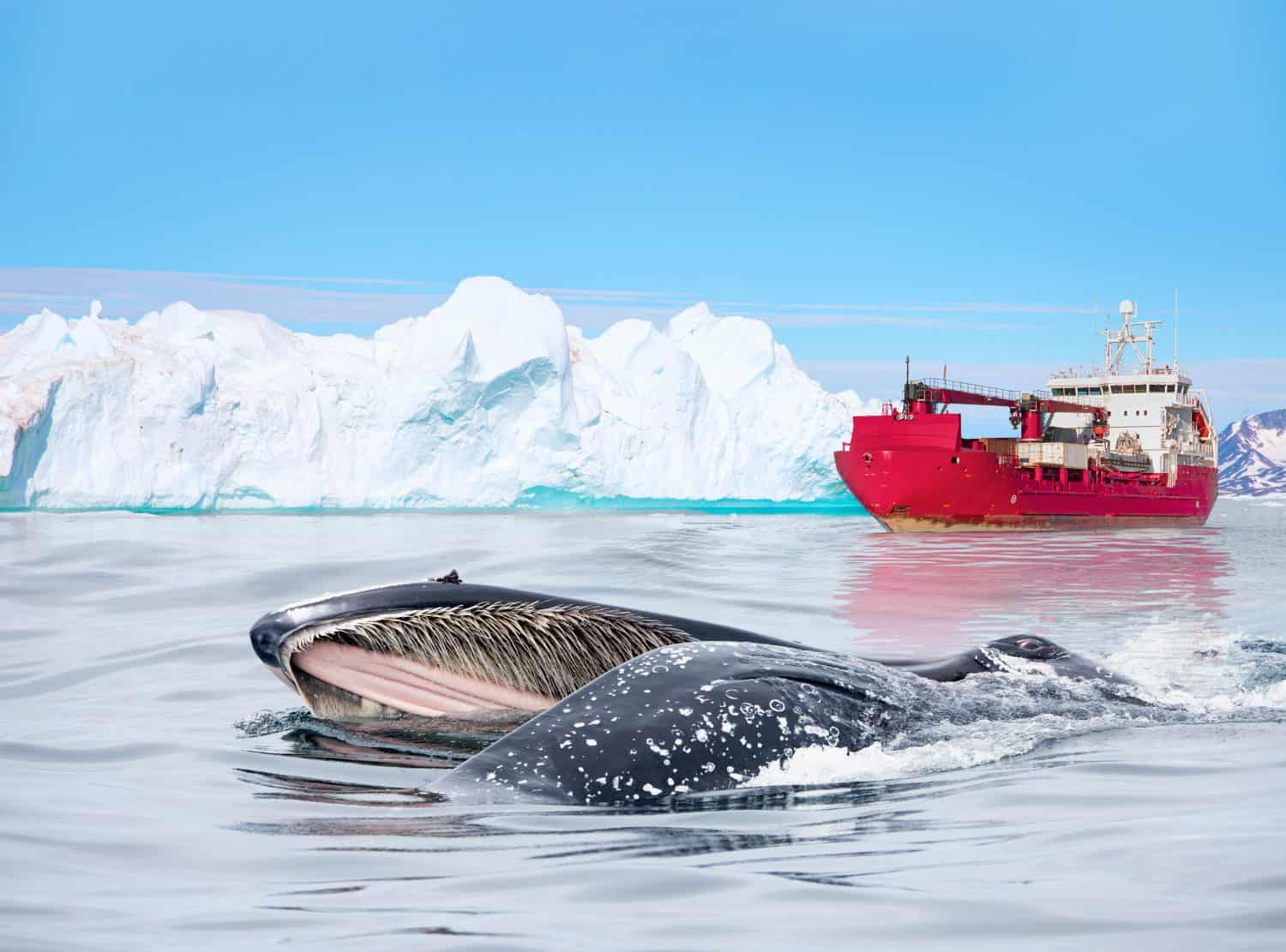
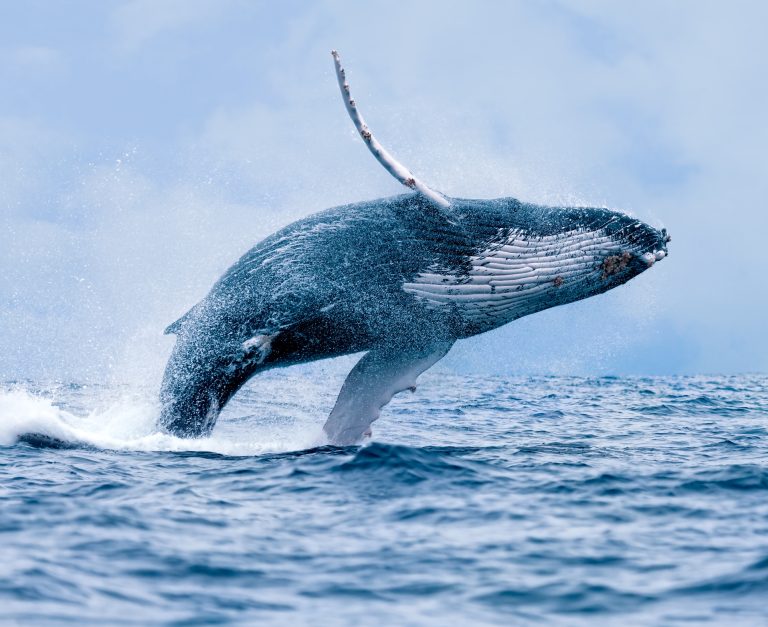
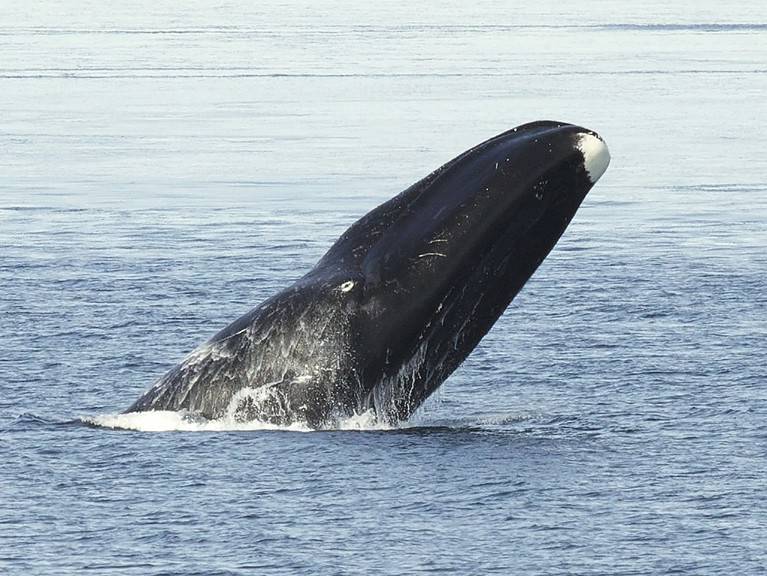
Melting ice sheets have brought baleen whales to regions of the Greenland Sea where they have never before been seen.
©muratart/Shutterstock.com
“Here we show that rising ocean temperatures and declining sea ice cover have facilitated the widespread occurrence of baleen whales along the East Greenland coast, as far north as 70°N,” Heide-Jørgensen explained in a press release. “This has led to regular mixed ‘feeding frenzies’ of fin whales, humpback whales and common minke whales—species that historically were only rarely observed in coastal East Greenland.”
To assess the correlation between sea ice melt and the increase in baleen whales, aircraft surveys were conducted in August 2015 and 2024 to count how many whales were off the coast of East Greenland. Inuit hunters provided first-hand accounts of whale observations between 2023 and 2025. Tagged baleen whales were tracked between 2019 and 2025, and North Atlantic Sighting Surveys since 1987 were compiled.
When the data were placed into a mathematical formula using sea surface temperature, salinity, and ice pack concentration, it became clear that as the ice pack melted, more baleen whales came to the region. In the summer of 2024 alone, 4,000 humpback whales, 6,000 fin whales, and 6,000 minke whales were observed in the Greenland Sea. All these whales were there for one reason: an abundance of food they had not had before.
What Prey is Bringing Baleen Whales to Greenland?
As temperatures in the Greenland Sea have warmed since the 1990s, capelin has steadily expanded its range into the region. As the ice shelf has moved and retreated north, so have the fish, which have now consistently been coming to the region since the 2000s.
However, only after significant ice melt could whales such as fin whales, humpback whales, and common minke whales follow the fish. Now that they have, the whales are repeatedly coming to East Greenland to get their fill of prey.
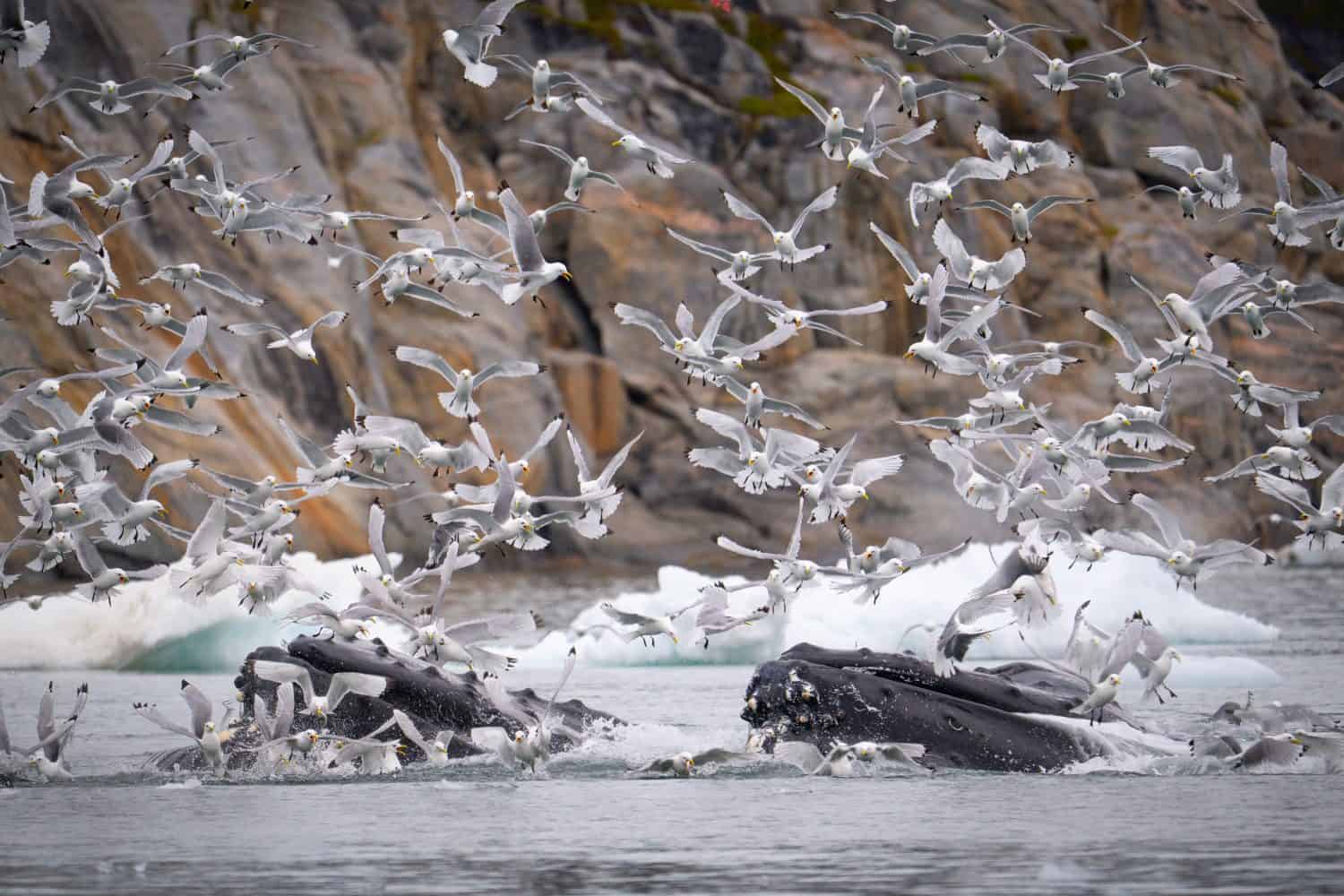
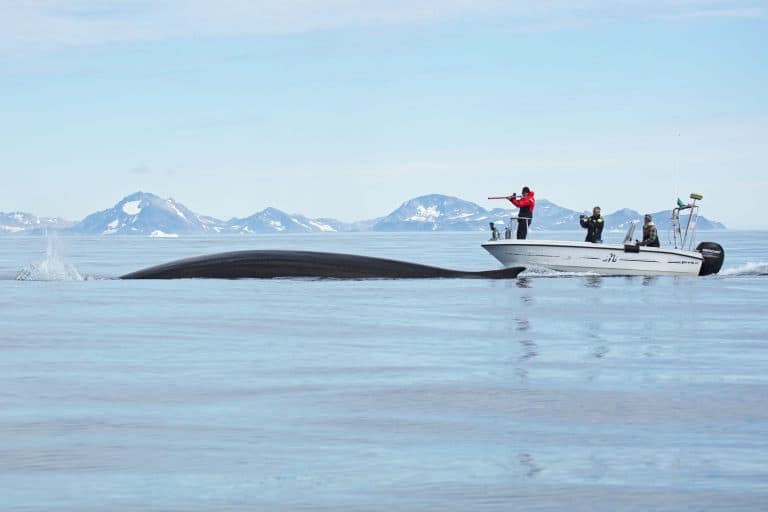
Capelin are driving baleen whales into a feeding frenzy.
©Fabien Chesneau/Shutterstock.com
According to the study, the lack of competition from commercial fisheries in East Greenland for capelin has proven beneficial for these whales. This means that, for now, the thousands of whales exploring and feeding in uncharted ocean territory can do so without the threat of boat strikes or retaliatory killing by the fishing industry.
Arctic Ocean is One of the Fastest-Warming Places on Earth
The Earth is warming more and more each year. Since the Industrial Revolution, the Earth has warmed by 2.6°F. This has caused substantial changes to climates worldwide and led to the loss of different species of flora and fauna over the last century or more.
The average global temperature increase has affected the Arctic differently. Instead of increasing at the same rate as the rest of the planet, it is warming much faster. The Arctic (which includes the Greenland Sea) has warmed by 5.4°F. That is more than double the increase anywhere else on the planet. While this has benefited baleen whales in recent years, it likely cannot be sustained at this rate.
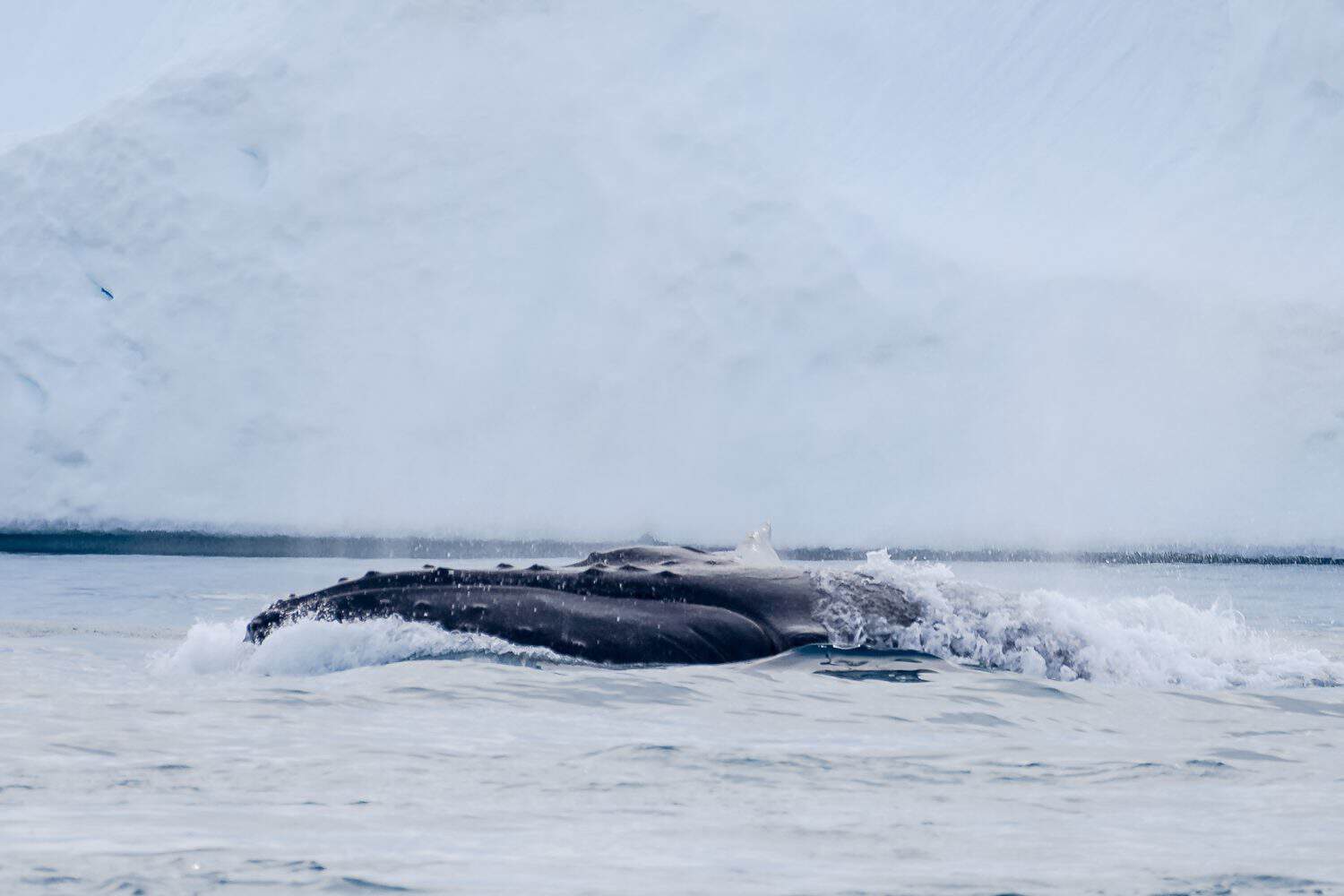
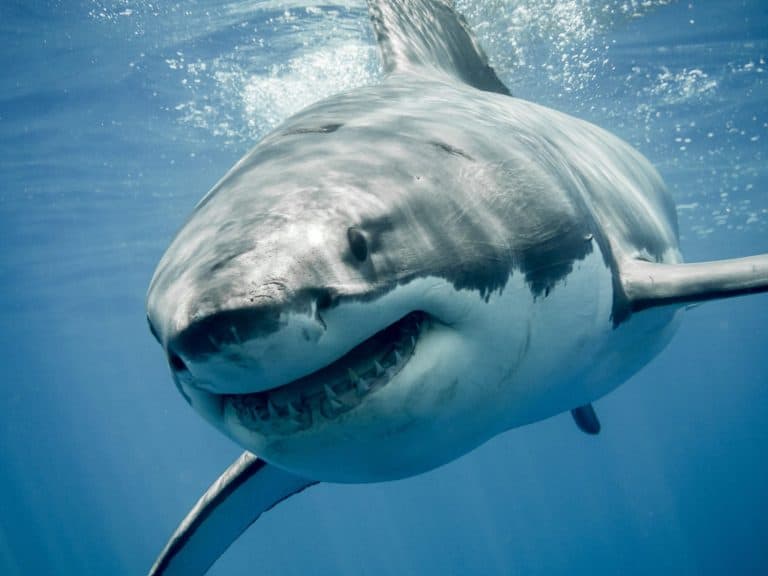
As the Arctic warms faster than anywhere else on the planet, it is unclear how long the feeding frenzy off Greenland’s coast can last.
©Tetris Awakening/Shutterstock.com
In the Arctic, as more ice melts, more light hits the water’s surface. This triggers phytoplankton blooms. These blooms differ from the ice algae the plankton eat. They are less nutritious. However, when both are present, they create a surplus of food for plankton, which translates into a surplus of food for baleen whales.
Unfortunately, with extreme ice melt, experts believe there will be little to no ice algae in the future. This means plankton will have to rely on phytoplankton blooms that occur during an intense blooming period, only to disappear shortly thereafter. Phytoplankton is not as nutritious as ice algae. Therefore, the plankton that eat the phytoplankton will not be as nutritious for the whales that consume them.
Can Rising Ocean Temperatures Sustain Baleen Whales Long Term?
As things stand, climate change has, to some extent, benefited baleen whales. Had the sea temperatures in and near Greenland not gone up substantially in recent years, the whales would not have been capable of following abundant amounts of capelin into the region.
During the last major climate change event, which was the Pleistocene–Holocene transition, a very similar scenario unfolded. Between 7,000 and 12,000 years ago, global temperatures warmed rapidly. Baleen whales moved into oceans they had not previously explored because of ice coverage.
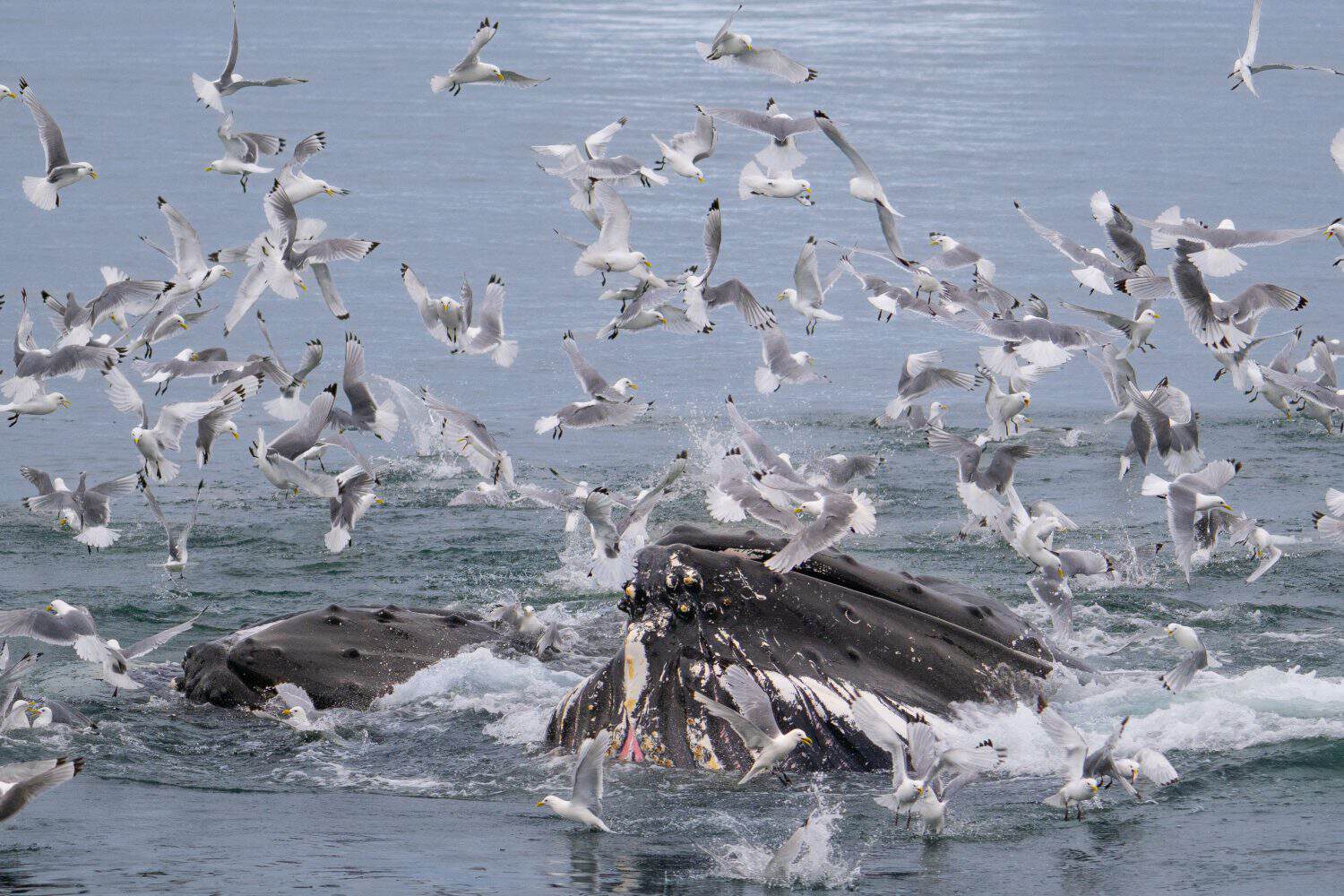
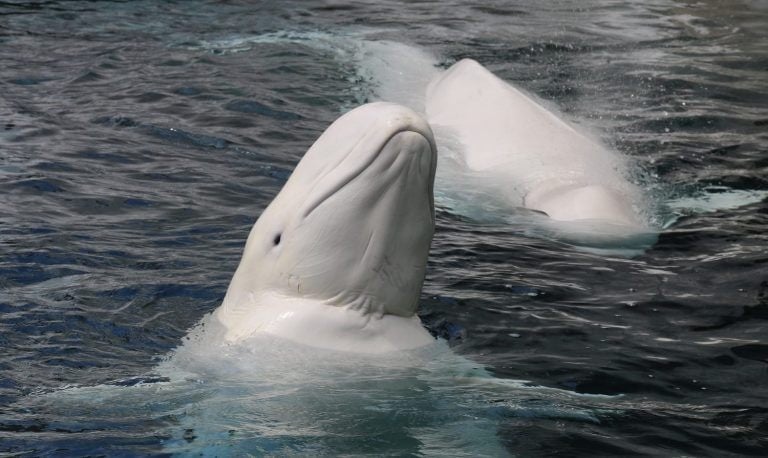
With ocean temperatures rising at unprecedented rates, it is not clear if what is happening off of Greenland’s coast is sustainable.
©Fabien Chesneau/Shutterstock.com
According to a 2022 study, prey increased for the whales, mostly in the Southern Ocean. However, while there was a period of increased prey availability, in the millennia after the Pleistocene–Holocene transition, there were “decreases in abundance” of prey. This decline affected all marine animals.
Current climate change is predicted to be substantially warmer than during the Pleistocene–Holocene transition. Ice-free summers are likely to become the norm. If this happens, it is unclear how long prey that brings baleen whales into Arctic regions will remain abundant. Consequently, the future for all whales, not just baleen, remains in the balance.