
Quick Take
- Three brothers walked farther than any African mammal on record, and the route they took makes the distance even harder to believe. See the full route →
- Wild dogs have a counterintuitive survival trick for crossing highways and villages that mirrors exactly how they dodge lions. How dogs cross human terrain →
- The brothers backtracked hundreds of kilometers mid-journey, and that detour may be the most revealing part of the whole story. Explore the detour details →
- A single epic journey doesn't prove what conservationists hoped it would, and instead it reveals something more complicated about wild dog survival. What the journey really shows →
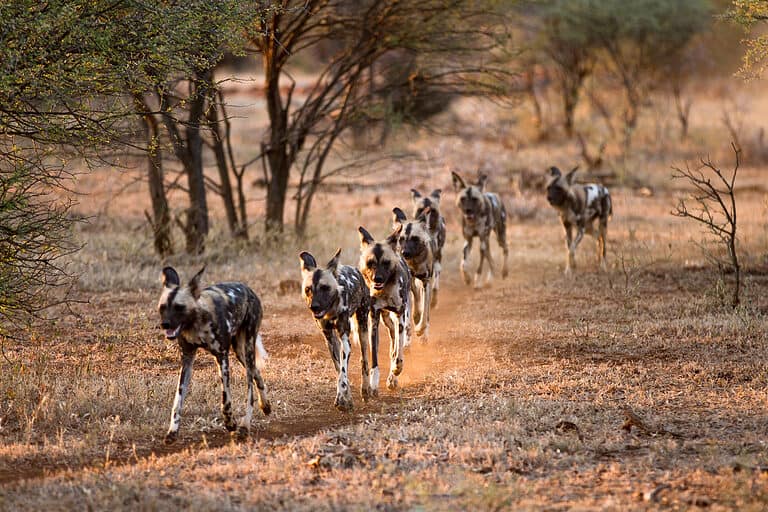
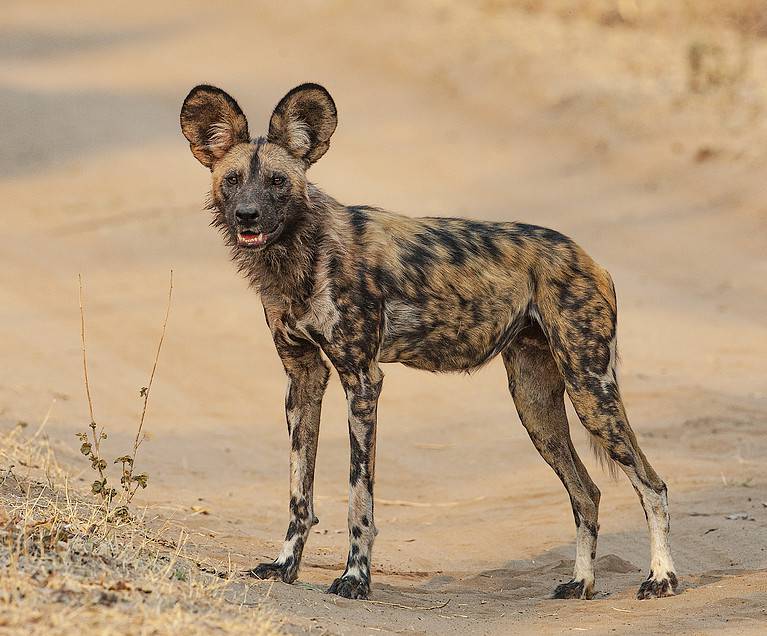
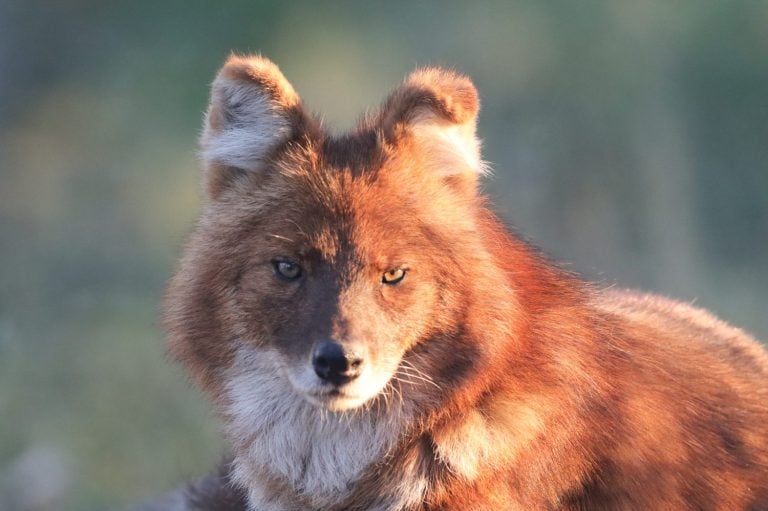
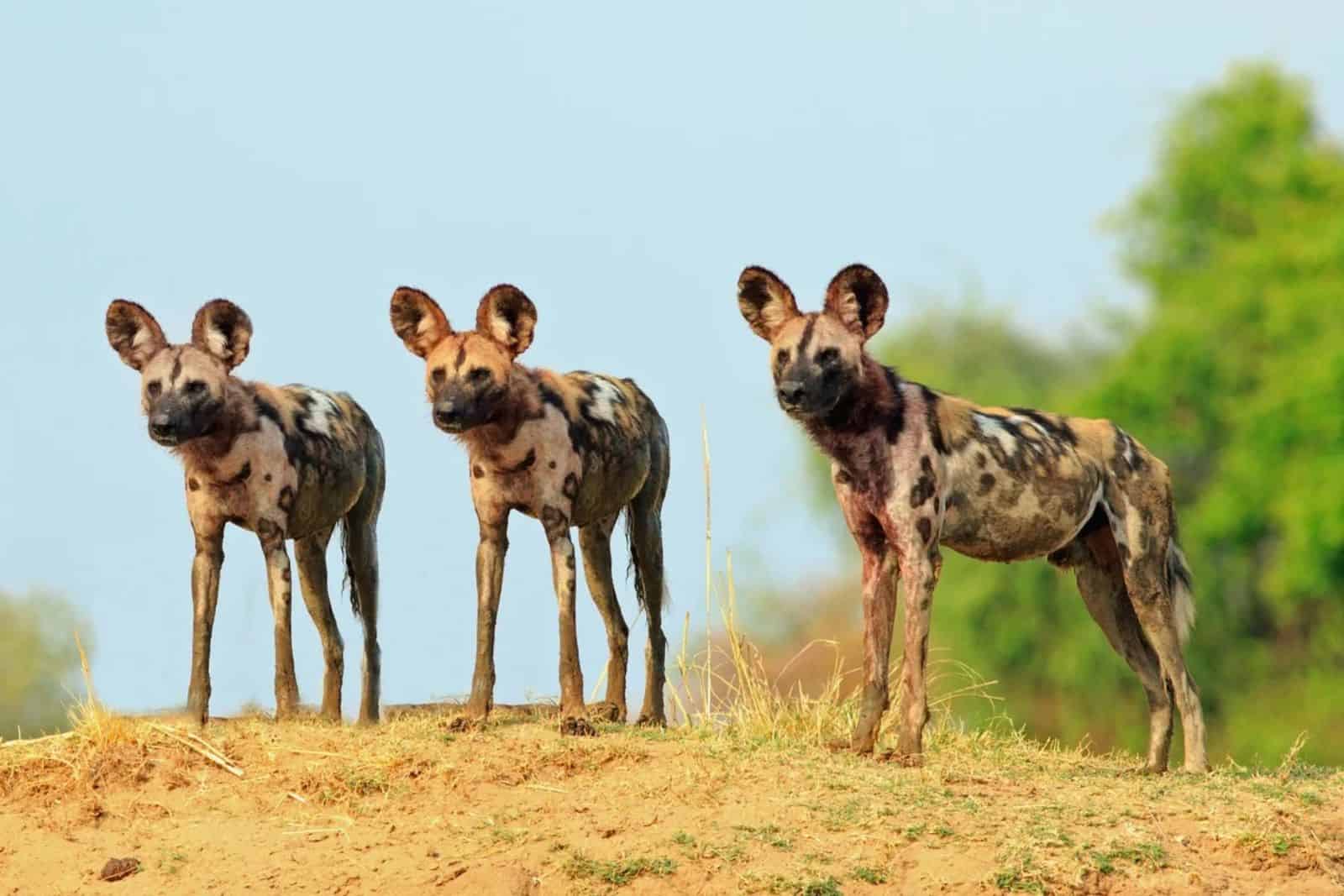
In July 2025, three brothers left the Mayukuyuku pack in Zambia’s Kafue National Park, each fitted with a GPS collar by researchers who have tracked wild dogs across the country for more than 15 years. Nine months later, in April 2026, the trio settled into a new territory in the Luangwa Valley, more than 1,300 miles from where they started. Along the way they had covered 4,126 kilometers, 2,564 miles, the longest dispersal ever recorded for any African mammal, according to Mongabay.
Their route was anything but straight.
A Route That Crossed Cities, Rivers and a Mountain Range
The brothers repeatedly climbed and descended the Great Rift Valley escarpment, swam or skirted major rivers, and crossed busy roads as they moved east out of Kafue’s protected woodlands. They headed north toward Zambia’s industrial Copperbelt region, passing near the cities of Kabwe, Kitwe and Ndola, likely searching for habitat similar to what they’d left behind.
Near Ndola, they turned around entirely and retraced roughly 200 kilometers of their own path before continuing on toward the Luangwa Valley. Other dispersing dogs tracked in the same study, including a separate group of sisters that left Kafue around the same time, followed similarly roundabout paths through unprotected land, crossing into Mozambique before finding their way home, as other reports on the study note.
Why Young Males Leave the Pack At All
In a typical pack, only the dominant male and female breed, so subordinate adults have little chance of raising pups unless they strike out on their own. Researcher Scott Creel, who has studied Zambia’s wild dogs for 16 years with the Zambian Carnivore Programme, says that’s exactly what drove the Mayukuyuku brothers to go looking elsewhere. The journey is dangerous: wild dogs from unfamiliar packs can fight to the death when they meet, so finding mates without finding trouble takes real luck.
Outside protected parks, the dogs shift into what researchers call a faster, straighter travel style, covering ground quickly and resting in thickets or rocky cover rather than lingering in the open. It’s close to the same behavior wild dogs use to slip past a pride of lions, applied instead to slipping past a highway or a village.
What It Means for Connecting Wild Dog Populations
The brothers’ trek was one of four long-distance journeys the study tracked, together covering 9,863 kilometers, published in the journal Ecology. Researchers are careful to say that distance alone doesn’t prove these far-flung populations are regularly exchanging genes or members; a single epic journey is still a rare event, not routine traffic.
But it does show that corridors linking Zambia’s scattered protected areas still function, even as roads, farms and growing cities stand in the way. African wild dogs are endangered, with roughly 6,600 adults left in the wild, so every successful dispersal matters. Not every journey ends well. Some of the dogs tracked in the wider study died in wire snares near the end of similarly long treks, a reminder that the same unprotected land that offers a path to new mates also carries real risk.