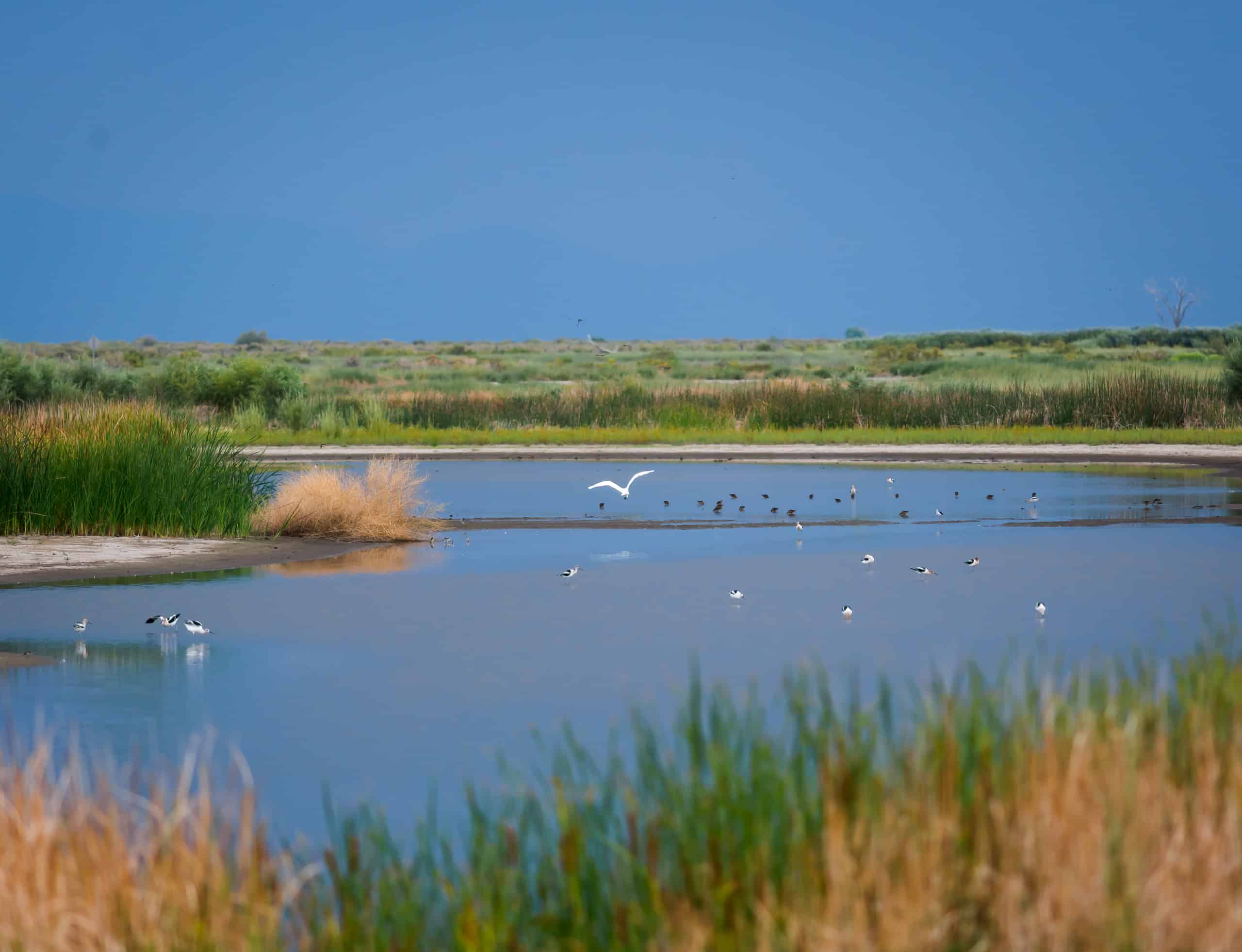

Although much of Nevada is arid desert land there are pockets of wetlands where ducks and waterfowl congregate. Sometimes this creates a better duck hunting situation since the migrating ducks have fewer options they end up all in one place. Despite the drought conditions in the southwest this year the duck hunting season is expected to bring migratory birds in to the same popular national refuges like the Stillwater National Wildlife Refuge, Ruby Lake, Ash Meadows and Pahranagat. So grab your lanyard full of callers and read on to find out everything you need to know about duck hunting season in Nevada including season dates, bag limits and more!
What Kinds of Ducks are in Nevada?
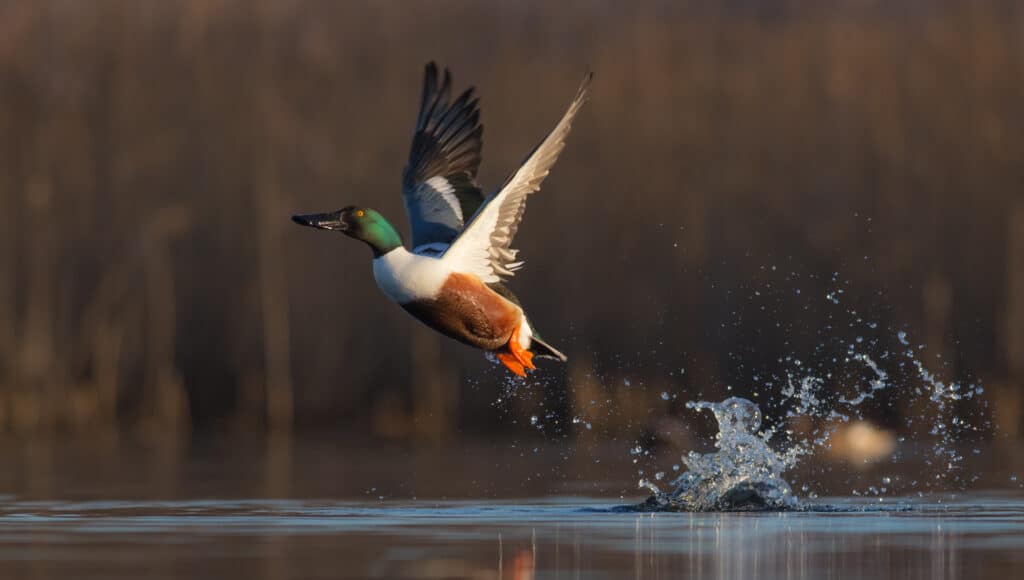
Some of the most common duck species in Nevada include the Northern Shoveler.
©Simonas Minkevicius/Shutterstock.com
Nevada is in the middle of the Pacific Flyway with ducks stopping to rest and feed along the waterways in the state. Some of the most common duck species in Nevada include:
- Mallard
- Gadwall
- Green-winged teal
- Northern pintail
- Northern shovelers
- Mergansers
- Coot
Where Can you Duck Hunt in Nevada?
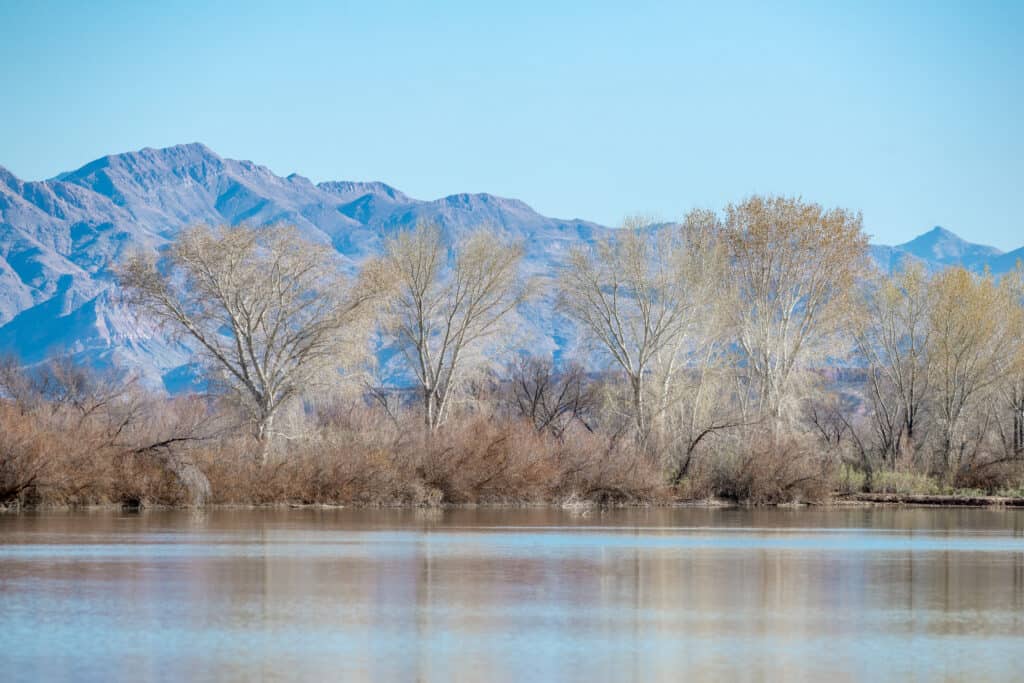
In Nevada you can hunt in some of the Wildlife Management Areas (WMA) like Overton WMA in Moapa Valley.
©Dominic Gentilcore PhD/Shutterstock.com
In Nevada you can hunt in some of the Wildlife Management Areas (WMA) like Overton WMA in Moapa Valley and at some National Wildlife Refuges (NWR) like the most popular Stillwater NWR about an hour east of Reno. Waterfowlers can set up blinds in fields, along the shore of rivers or in the marshes surrounding lakes of private land with the owner’s permission as well.
What are the Hunting Zones in Nevada?
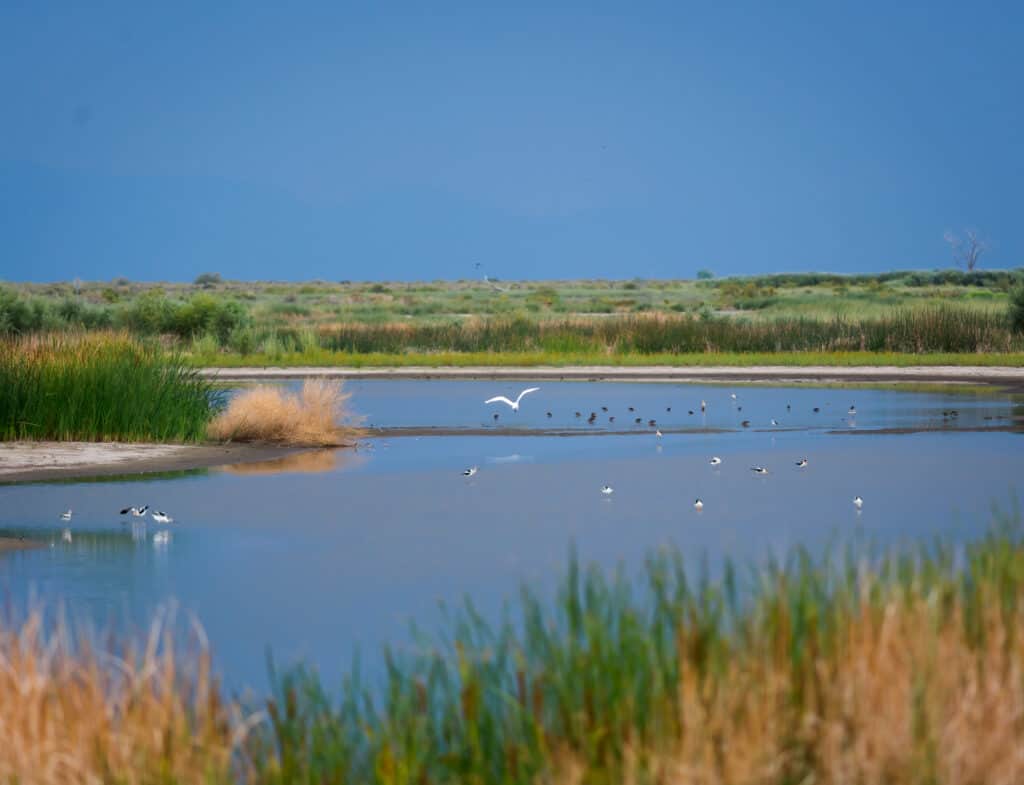
Nevada is divided into four zones with different seasons for each zone to allow for staggered opening dates.
©Dominic Gentilcore PhD/Shutterstock.com
Nevada is divided into four zones with different seasons for each zone to allow for staggered opening dates and to account for the cooler temps in the north and the timing of the ducks’ migrations. The Northeast Zone includes the counties of: Elko, Eureka, Lander & White Pine Counties. The Northwest Zone is Carson City, Churchill, Douglas, Humboldt, Lyon, Mineral, Pershing, Storey & Washoe counties. Finally, the southern Nevada counties of Esmeralda, Lincoln, Nye and Clark are in the South Zone.
Duck Hunting Season Dates in Nevada
| Species | Northeast Zone | Northwest Zone | South Zone (except the Moapa Valley | South Zone (Moapa Valley) |
| Ducks and Mergansers | September 24, 2022 – November 29, 2022 December 10, 2022 – January 16, 2023 | October 15, 2022 – January 8, 2023 January 11, 2023– January 29, 2023 | October 15, 2022 – October 23, 2022 October 26, 2022– January 29, 2023 | October 29, 2022 – January 29, 2023 |
| Scaup | September 24, 2022 – November 29, 2022 December 10, 2022 – December 28, 2022 | November 3, 2022 – January 8, 2023 January 11, 2023– January 29, 2023 | November 5, 2022 – January 29, 2023 | November 5, 2022 – January 29, 2023 |
Other Season Dates
| Northeast Zone | Northwest Zone | South Zone (including the Moapa Valley portion of the Overton WMA) | South Zone (Moapa Valley portion of the Overton WMA) | |
| Special Youth Waterfowl Hunt | September 17 & 18, 2022 | October 1, 2022 & February 11, 2023 | February 11 & 12, 2023 | October 22, 2022 |
| Falconry Seasons for Migratory Game Birds | September 24, 2022 – November 29, 2022 December 10, 2022 – January 16, 2023 | October 15, 2022 – January 8, 2023 January 11, 2023– January 29, 2023 | October 15, 2022 – October 23, 2022 October 26, 2022– January 29, 2023 | October 29, 2022 – January 29, 2023 |
Bag Limits and Possession Limits for Duck Hunting in Nevada
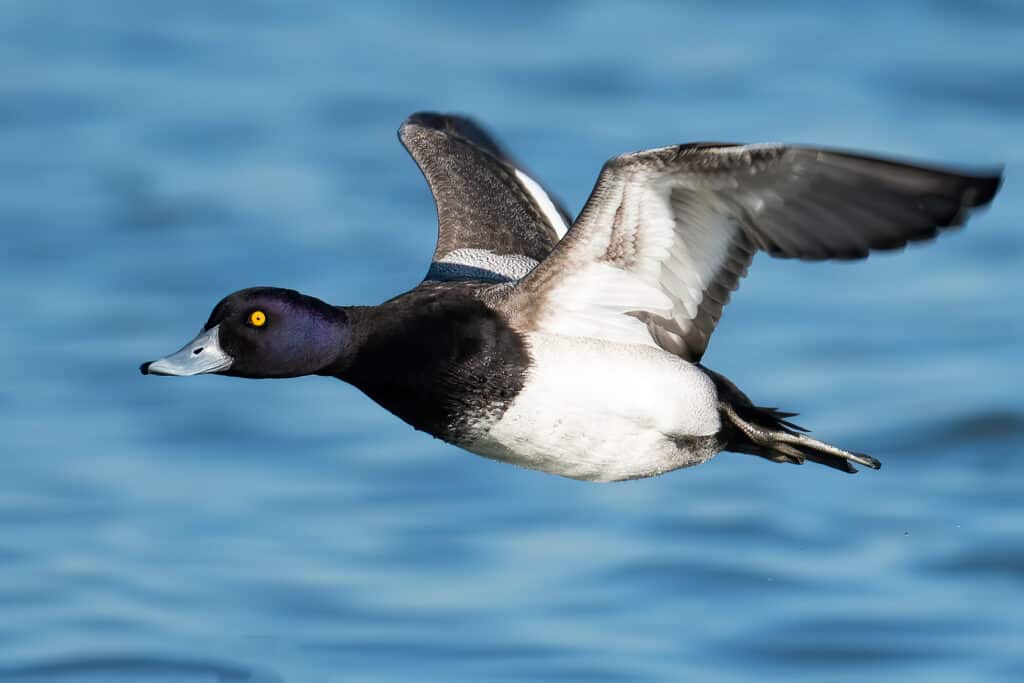
The bag limit for ducks in Nevada is 7 ducks of any species.
©Brian E. Kushner/Shutterstock.com
The bag limit for ducks in Nevada is 7 ducks but can not include more than 1 pintail, 2 hen mallards or Mexican ducks, 2 redheads or 2 canvasback. Specific bag limits and possession limits are as follows:
| Species | Bag Limits | Possession Limits |
| Ducks | 7 | 21 |
| Mergansers | 7 | 21 |
| Scaup (included within the general 7 duck limit) | 2 | 6 |
What are the Shooting Hours?
The shooting hours in Nevada are ½ hour before sunrise to sunset. One of the exciting aspects of duck hunting is getting up early, sometimes really early, to get to your sight and set up. You want to have plenty of time to lay your decoy spread, set up your blind and get your gear ready for the first shot at opening.
Gear up! What is the Best Gear for Duck Hunting?
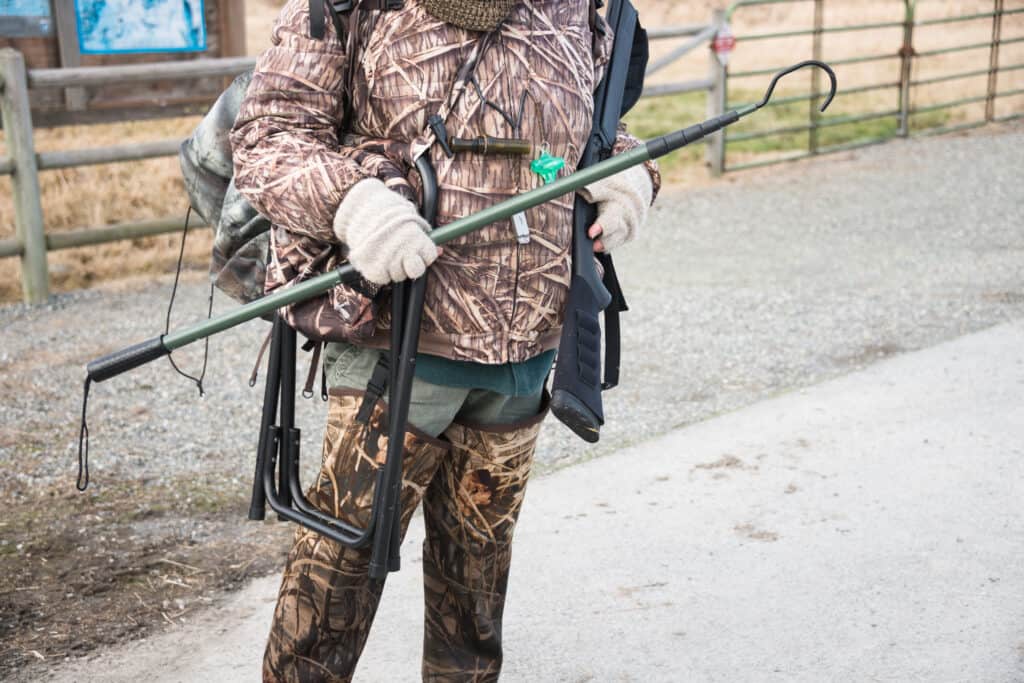
The right gear can make a big difference between a miserable cold, wet, duckless day and a well prepared exciting day of meeting your bag limit.
©Denise Lett/Shutterstock.com
You can keep it simple or go all out when it comes to gear. Here is a starter list of gear you might need for duck hunting season in Nevada:
- Shotgun: a 12 gauge or 20 gauge, can only hold three shells.
- Gun case/bag/sleeve, waterproof is a must.
- Shells: 3” shells are common, depends on the duck species you are targeting, shot must be nontoxic.
- Decoys: Spend some time choosing the best decoys you can afford. Not only do today’s decoys look so realistic they come in various poses to create an inviting scene for passing ducks. You can start with a spread of a dozen decoys with a mix of males and females and work your way up to more complex set ups. Experiment and have fun with it!
- Duck callers: If you start now you might be ready for the World Championship Duck Calling Contest which is held in Stuttgart Arkansas every year. While having a good caller is important, practicing how to use it is even more important. Many hunters will have a lanyard with multiple callers to be ready for different species.
What is the Best Kind of Blind?
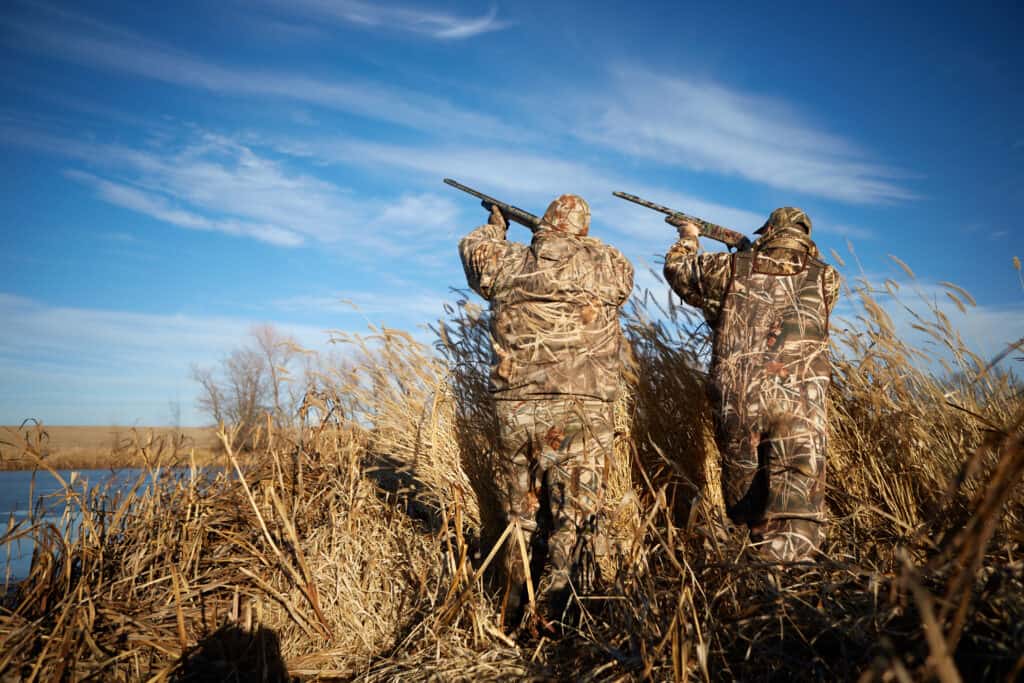
Take the time to scout the area you want to hunt and monitor the movement and rhythms of the waterfowl prior to setting up your blind.
©CLP Media/Shutterstock.com
The right blind depends on the conditions of your hunt. Will you be hunting alone? With a group? Are you hunting in a flooded field, pass hunting along a river or hunting in shallow marshes like you find in the Stillwater NWR? You can choose from a commercial blind that pops up like an A-frame or a sleeping-bag like layout. If you are hunting with a group you may want to take out a duck boat with a built-in boat blind. The most important thing for any blind is to make sure it is camouflaged…really camouflaged!
What Should you Wear for Duck Hunting?
- Waders and Boots: Remember much of duck hunting is in cool, wet and muddy conditions. Having a very comfortable pair of warm boots is one of the most important things you will need to wear. Waders are also important especially if you plan on retrieving your ducks as well. You can get one-piece boot-wader combos which are great for keeping moisture out of your boots.
- Camo: Decide where you plan on hunting before you purchase your camo, you want it to match the habitat you will be in as closely as possible. The camo options today are so much more detailed with photo-quality fabrics that are even made for different seasons.
- Life vest or PFD: If you will be hunting from a boat, kayak or canoe be sure to wear a life vest. Look for a life vest made specifically for duck hunting so you have the range of motion needed to make quick shots.
Hunting with your Dog
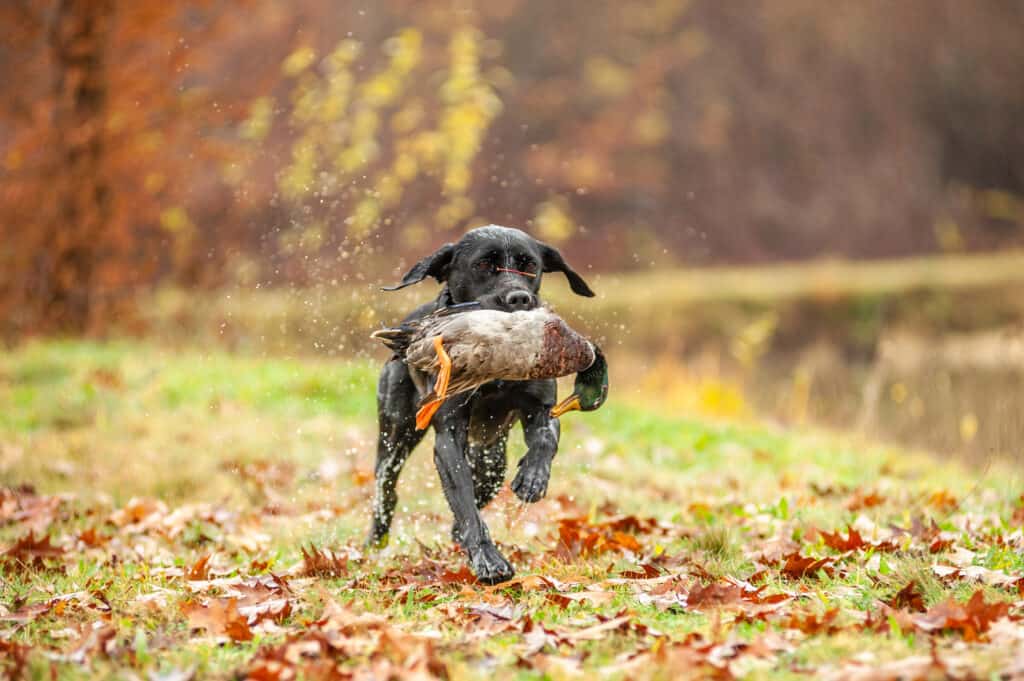
Plan ahead for hunts with your dog and be sure to bring plenty of food/water/treats for the duration of the hunt.
©Anna Pozzi – Zoophotos/Shutterstock.com
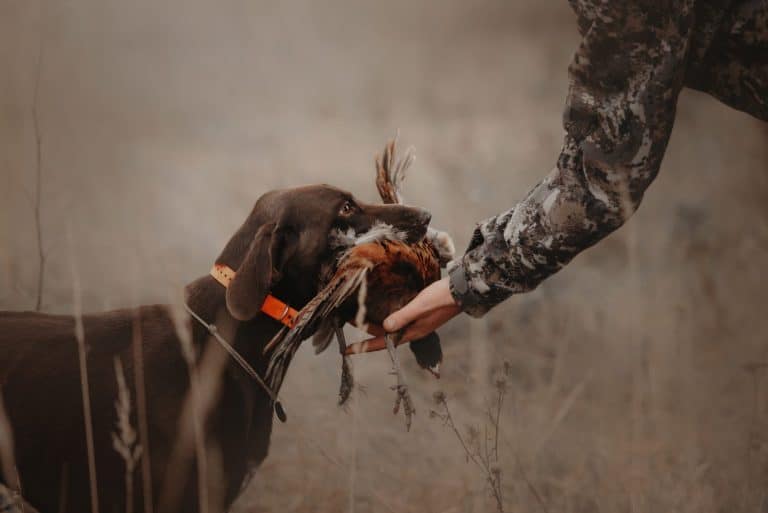
Having a hunting companion like a gun dog can be very rewarding. Some dog breeds live to hunt and look forward to spending days in the field with their owners. The most common dog breeds used in duck hunting are Labrador retrievers, golden retrievers, pointers and spaniels. Plan ahead for hunts with your dog and be sure to bring plenty of food/water/treats for the duration of the hunt. You can get a nice insulated dog vest for your pup for chillier hunts. Remember to always have a first aid kit with dog specific items as well.
Factors for Success
While the best conditions for duck hunting are usually cool, wet and overcast, that doesn’t sound much like Nevada.
©iStock.com/photosbyjimn
Three of the biggest factors for success are your blind location, your decoy spread and the weather. Do your research, create the best optimal conditions for an epic hunt. Read the weekly harvest reports and migration patterns. Be ready with a variety of decoys and experiment with different spread figurations. While the best conditions for duck hunting are usually cool, wet and overcast, that doesn’t sound much like Nevada. So be ready for warmer dry days and strategize how to scout the ducks versus waiting for them to come to you. As you get more experienced you will be able to tweak what’s working and adjust what’s not.
Where are the Best Places to Duck Hunt in Nevada?

The Stillwater National Wildlife Refuge has the largest congregation of ducks and waterfowl in Nevada.
©Dominic Gentilcore PhD/Shutterstock.com
The Stillwater National Wildlife Refuge has the largest congregation of ducks and waterfowl in Nevada. There are miles of shallow marshes to set up blinds or bring in floating blinds. The Overton Wildlife Management Area and Key Pitman WMA are two other popular locations for duck hunting in Nevada. Overton WMA is just north of Lake Mead* along the Muddy River. Key Pitman is a little over 100 miles north of Vegas.
*Due to the recent droughts, be sure to check the parks for closures and conditions.
Meet the Species: 3 of the Most Common Ducks in Nevada
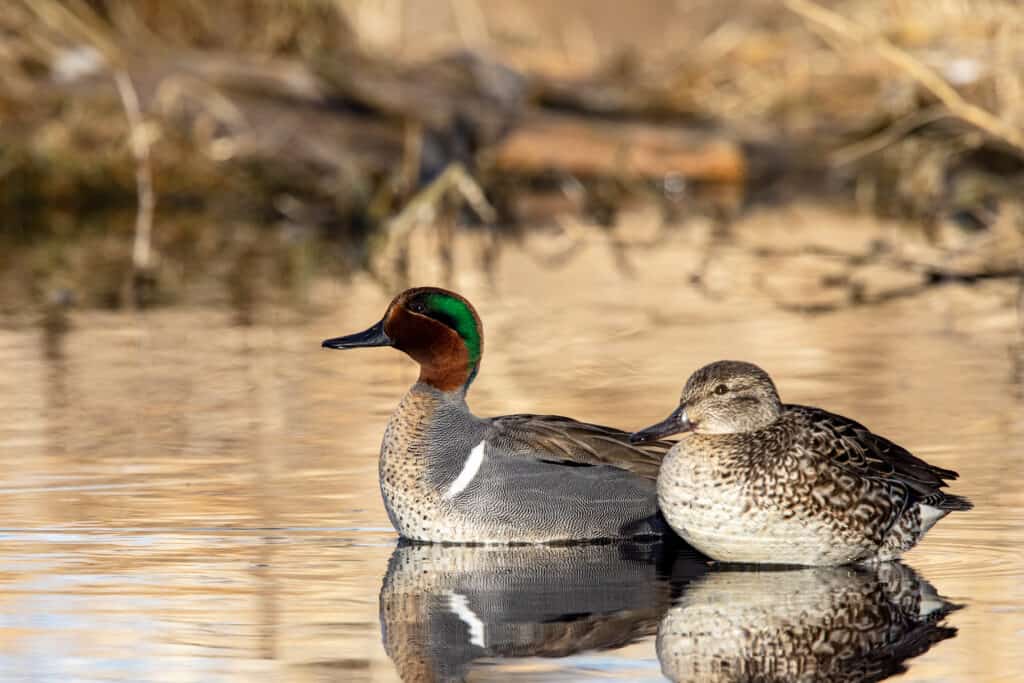
The most striking feature of the green-winged teal is the matching green crescent on their heads and green patch on their wings.
©J Edwards Photography/Shutterstock.com
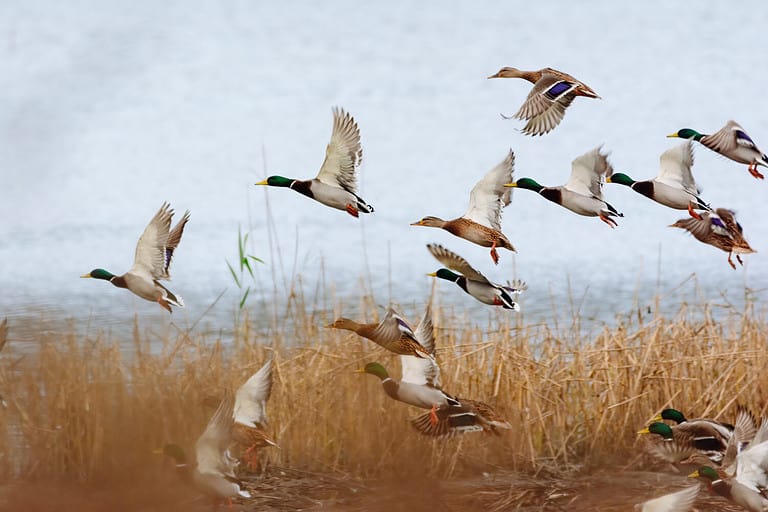
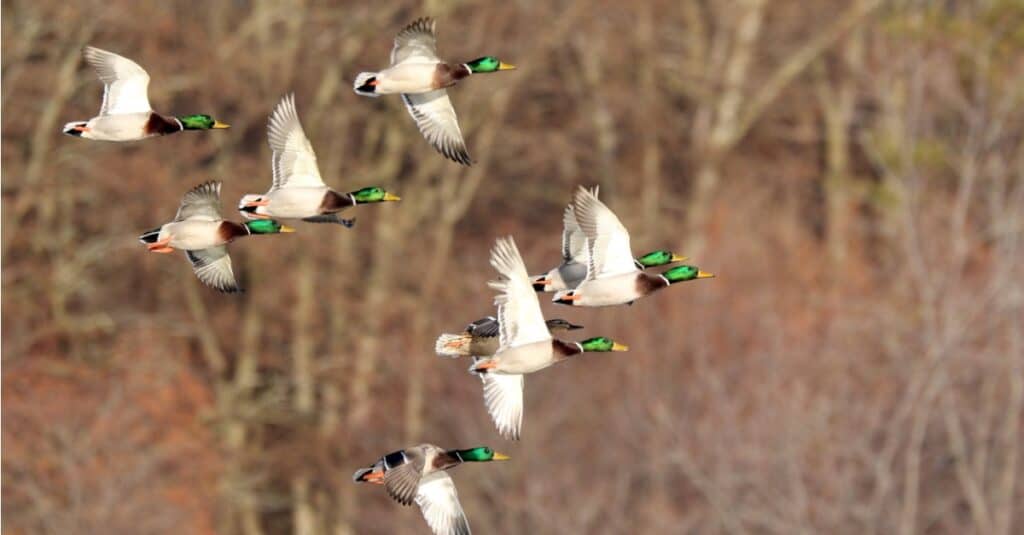
- Mallard: Sometimes called greenheads due to the bright iridescent green heads of the males, these are the most common duck in North America. The males also have a classic yellow beak and orange legs.
- Gadwall: Not nearly as colorful as the mallard but the males have an intricate pattern of mixed feathers. The males and females look similar in coloration and have a white patch on their wings.
- Green-winged teal: The most striking feature of the green-winged teal is the matching green crescent on their heads and green patch on their wings. They are the smallest of the dabbling ducks in North America.
Up Next
- 10 Incredible Duck Facts
- The 10 Biggest Lakes in Nevada
- Scorpions in Las Vegas, Nevada