
Quick Take
- Six duck species spend winter as neighbors, but when spring hits their paths couldn't look more different. See species compared →
- GPS trackers on 95 ducks exposed something researchers didn't expect about how migration duration compares across wildly different species. See the methodology →
- Conservationists may be protecting the wrong places, and this research points to overlooked hotspots that could change how entire flyways are managed. Discover overlooked hotspots →
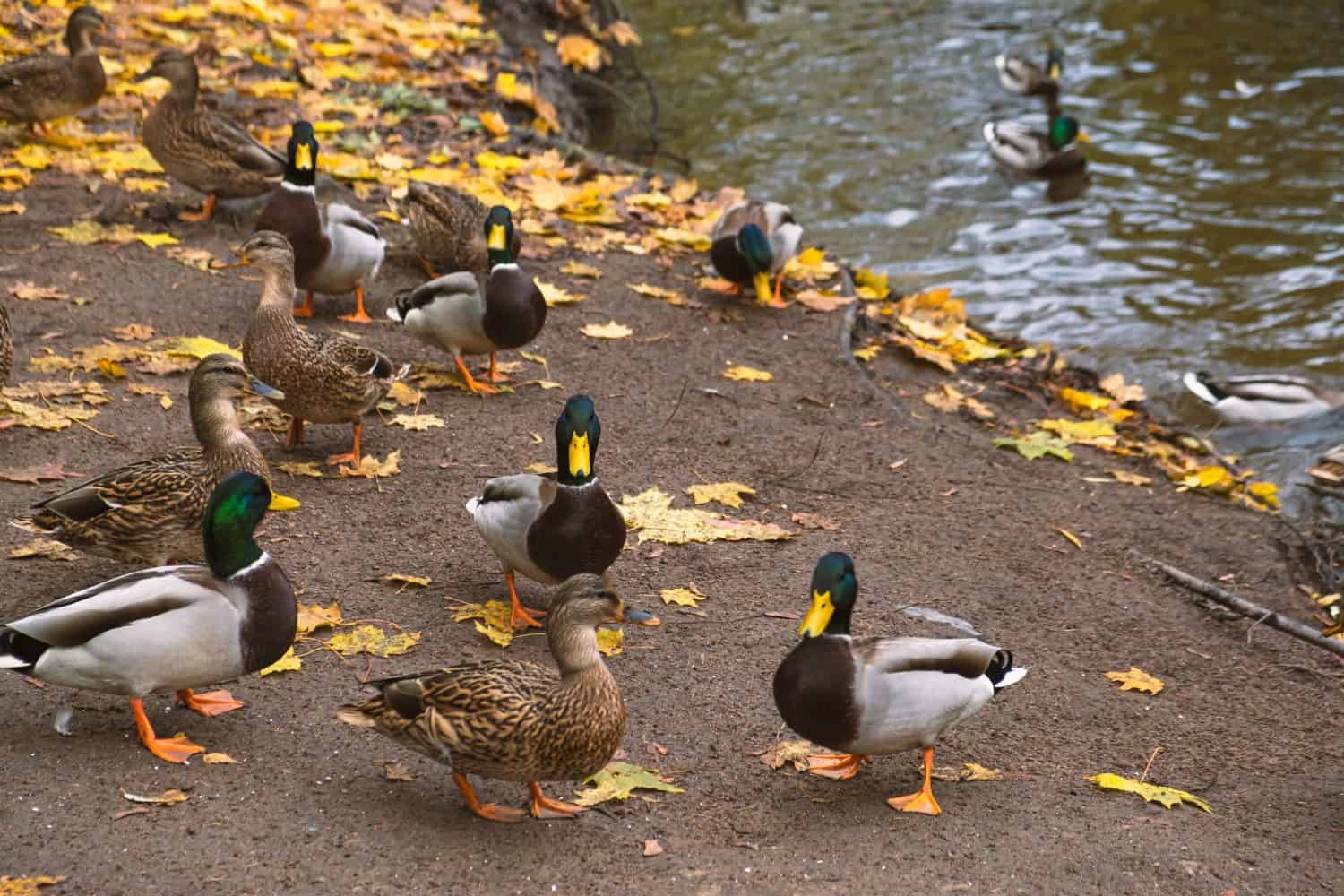
The wintertime in South Korea may look dreary and inhospitable, but it is actually a time when various species of waterfowl thrive. Ducks in particular spend the winter together in South Korea. Once spring arrives, however, those various species migrate north in different ways. A new study from South Korean researchers detailed the movements and habits of six duck species during winter and how those tendencies change when it comes time for yearly migration.
Think of the South Korean wintering grounds like something of a meetup. Various dabbling duck species arrive and spend the season side by side. When it comes time to migrate for spring, however, the different species adopt different traveling strategies. While northern pintails fly long and fast, other species like mallards move in shorter bursts with lower intensity. Let’s learn more about this latest study, what it tells us about migration strategies, and how this research could help inform improved conservation for wetland management.
The Research
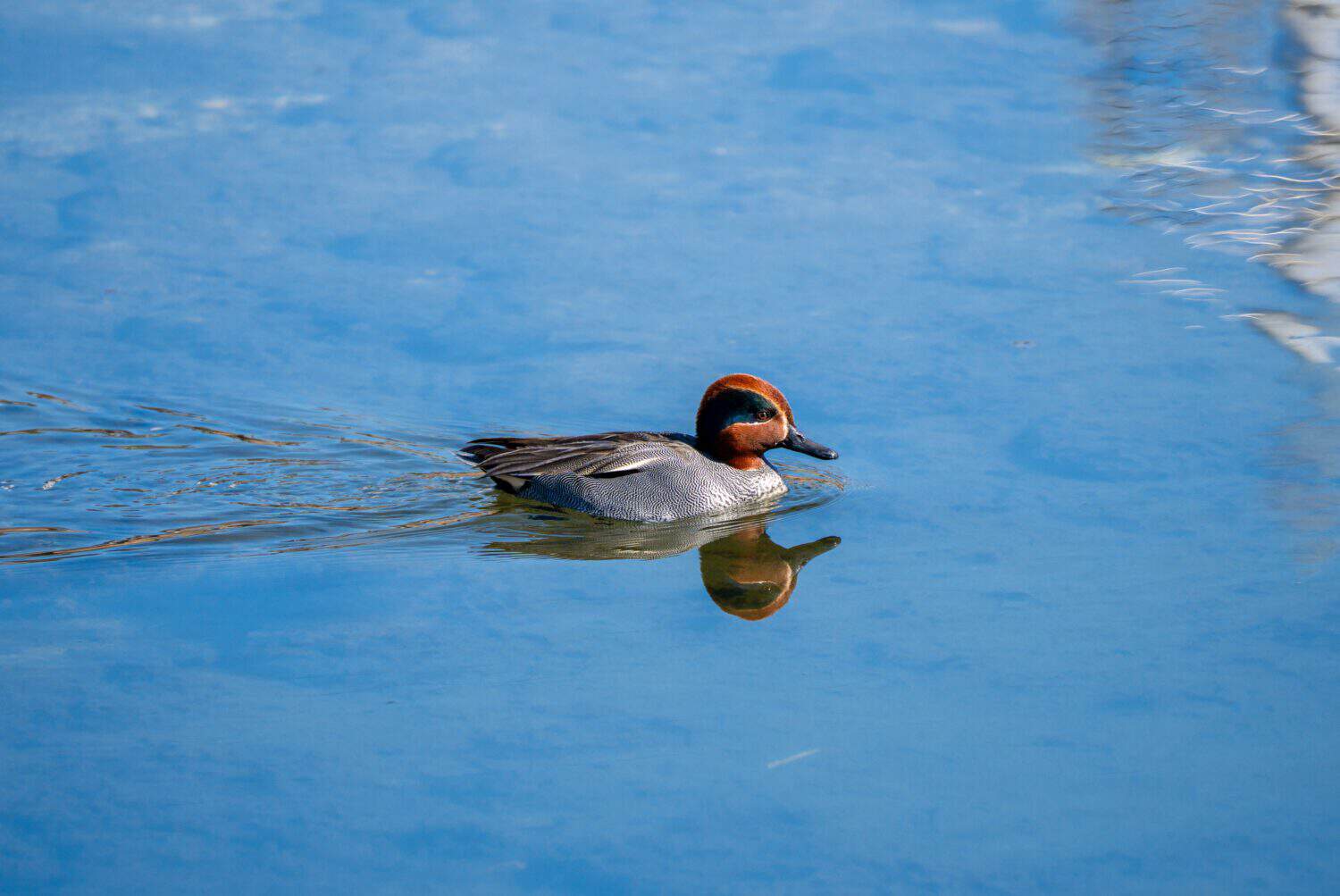
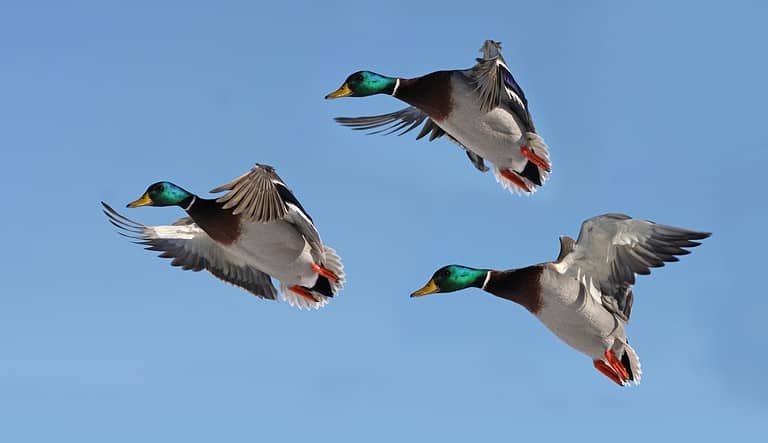
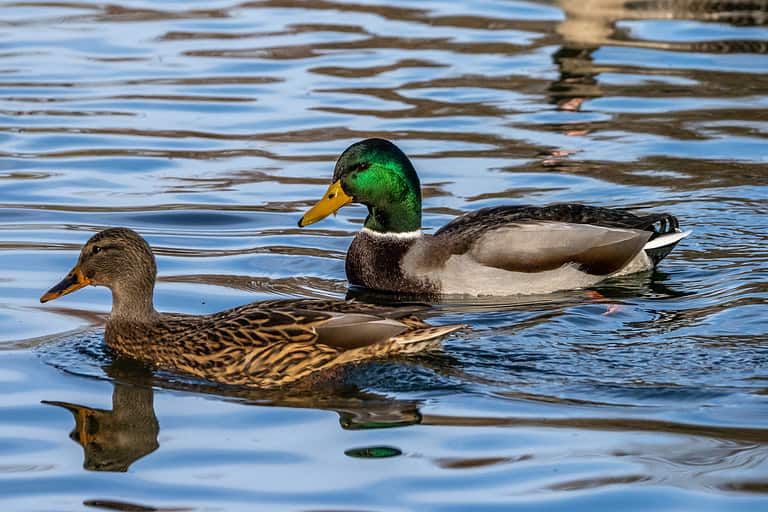
Several duck species may overwinter in South Korea, but each adopts a different strategy when it comes to springtime migration.
©woongjin/Shutterstock.com
Recently, a team of researchers published a study in the journal BMC Zoology, titled “Contrasting northward migration strategies and stopover use among sympatric dabbling ducks from a shared wintering region.” It involves the study of six species of ducks, how they spend winters together in South Korea, and what they do when it comes to springtime migration.
To conduct their research, the team, led by Hyung-Kyu Nam and colleagues, attached GPS tracking devices to 95 individuals from six duck species: Baikal teal, northern pintail, Eurasian teal, mallard, Eurasian wigeon, and eastern spot-billed duck. Each of these duck species winters in South Korea. Once temperatures warm and the frost melts, these ducks migrate north through various different strategies. Researchers used technology to track them.
Doing so required a careful mix of statistical models and biological insight. The team used distribution-specific generalized linear mixed models to track movements and tendencies. In turn, these models identified differences in each species’ migration distance, migration speed, daily distance, latitudinal shift, and night movement. In simpler terms, the researchers tracked individual birds across different flight paths. By using a distribution-specific generalized linear model, they could ascertain the shape of the data, the group differences, and the bigger patterns at play.
Suffice it to say that the results were surprising.
The Results
The researchers found that different ducks that spend the winter together have considerably different migration strategies in the springtime. Interestingly, they also found that the actual duration of each species’ migration did not differ significantly. However, not every piece of data was clear-cut. The number of stopovers each species took, the latitudinal shift between these stopovers, and the straightness of migration routes were harder to pin down. This suggests that some parts of migration behavior require further data analysis.
With that being said, the researchers did discover some key migration differences. They found that while northern pintail and Baikal teal migrate long distances, they do so quickly. Meanwhile, species like the mallard and eastern spot-billed duck have much shorter, low-intensity movements. Indeed, Baikal teal ducks had the largest maximum daily movements. Meanwhile, Eurasian wigeon ducks took the record for the longest stopover durations. In contrast, northern pintails and Eurasian teals had the highest number of stopovers. It seems that each species has a kind of innate migration strategy that balances time and energy expenditure according to physiological constraints.
Furthermore, the researchers found that the location of duck migration stopovers provided insights regarding the overall migration network. Their work showed that stopover sites had the highest concentration in the southern part of the Russian Far East, as well as along the Yellow Sea coast in northeastern China. It seems that these two regions serve as staging grounds for ducks as they make their long springtime migration journeys. Ultimately, the data suggest that while different species adhere to their own migration strategies, there was no strong statistical evidence of coordinated connectivity between species.
Conservation Implications
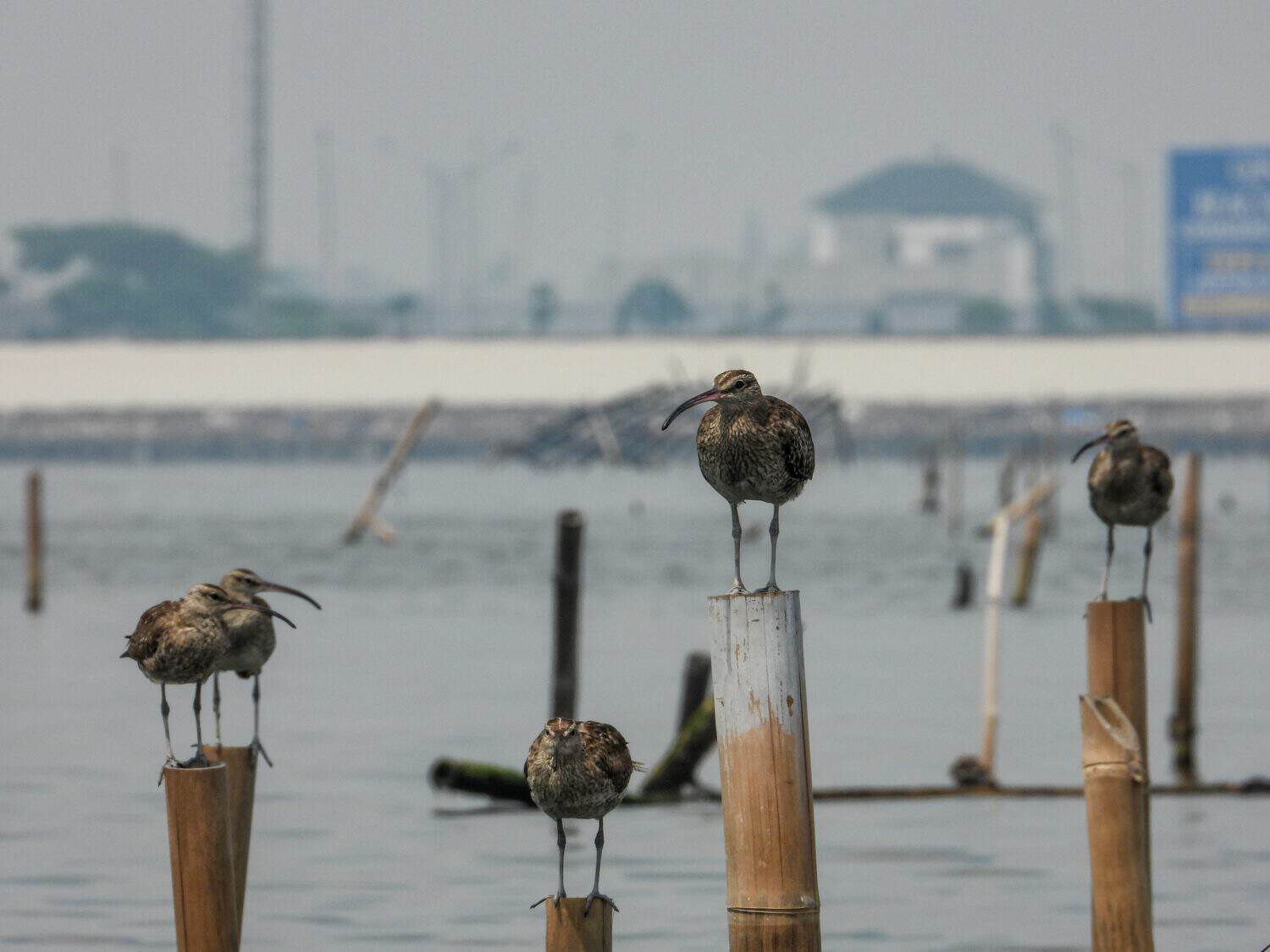
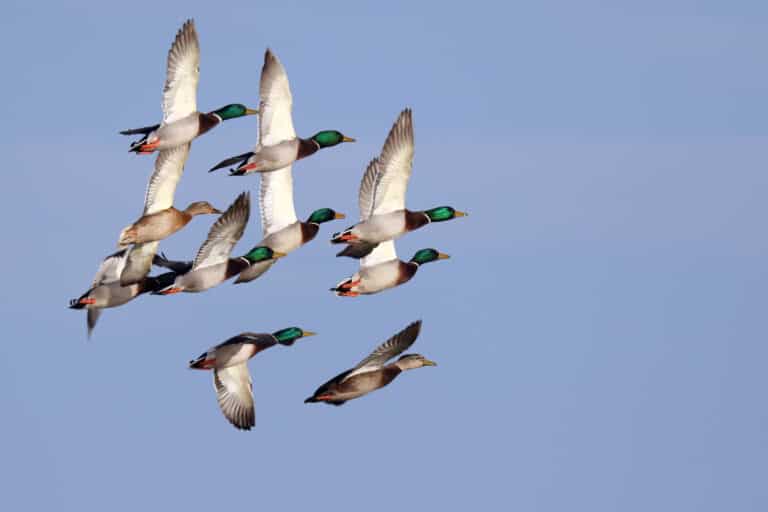
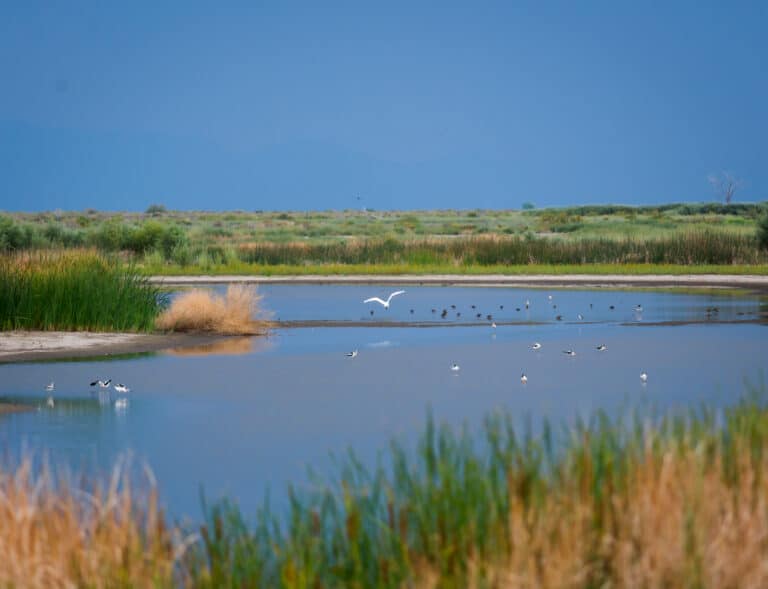
Findings like these can help conservationists create more nuanced, targeted strategies for species protection.
©Cendrawasih Panji/Shutterstock.com
The findings are one thing, but the implications are another. The researchers believe that their findings could have serious ramifications for species conservation along the East Asian-Australasian Flyway. Moreover, the researchers believe that the concentrated zones used for duck stopovers should be prioritized for conservation efforts.
Instead of treating all duck migration in the region as a single current, the researchers suggest a more refined approach to conservation planning. With an understanding of how each duck species moves through Asia, conservationists can better protect their historical migration routes. The problem with many conservation techniques is that they are too broad in their approach. Research like this, however, provides more nuanced frameworks for understanding and protecting long-distance travelers.