Quick Take
- A spider from the same group as tarantulas was hiding somewhere scientists never thought to look, and it took a single headtorch beam at night to crack it open. See the nighttime find →
- The spider built a home designed to survive underwater, and its construction technique is unlike anything seen in the species' closest relatives. Explore its algae home →
- One overlooked patch of coastal rock, previously dismissed as too boring to survey, ended up rewriting what scientists know about an entire country's biodiversity. Mauritius biodiversity impact →
- Researchers almost misidentified this spider as a species last seen in 1892, and the reason they doubted themselves reveals just how thin the line between rediscovery and new discovery really is. How they ruled out misidentification →
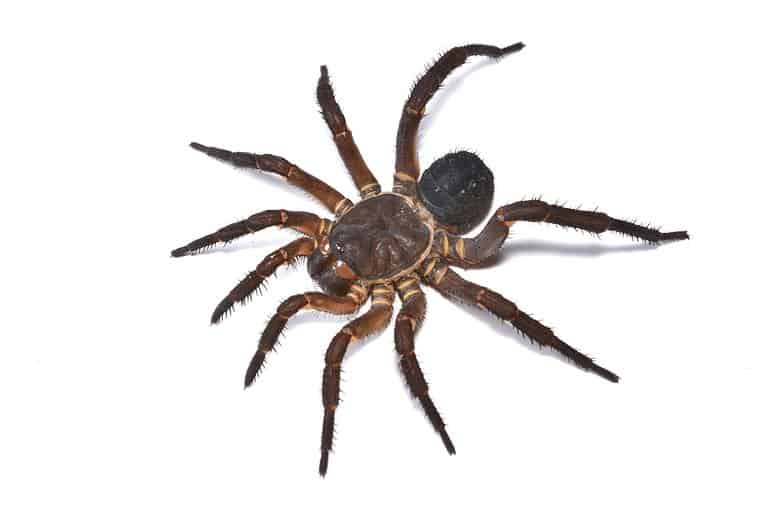
Recently, a team of researchers discovered a new type of trapdoor spider on the periphery of Ilot Vacoas, a small island off the coast of Mauritius. Researchers first spotted the spider in 2023 during conservation work related to the Mauritius Island Restoration Programme.
Perhaps what made this spider hitherto undiscovered by science was its preferred location: the intertidal zone. Researchers discovered that the spider builds homes in tubes within the island’s algae bedrock. To protect itself from splashing water, the trapdoor spider seals the entrance to its home with a mixture of silk, sand, and algae. Now, after several years of careful study, this spider has a name: the Mauritian tidal trapdoor spider. It makes its home on land and can survive submerged at sea. Let’s learn more about this newly discovered species, how researchers happened to discover it, and how careful study deepened our understanding of Mauritius’s spider biodiversity.
Intertidal Entities
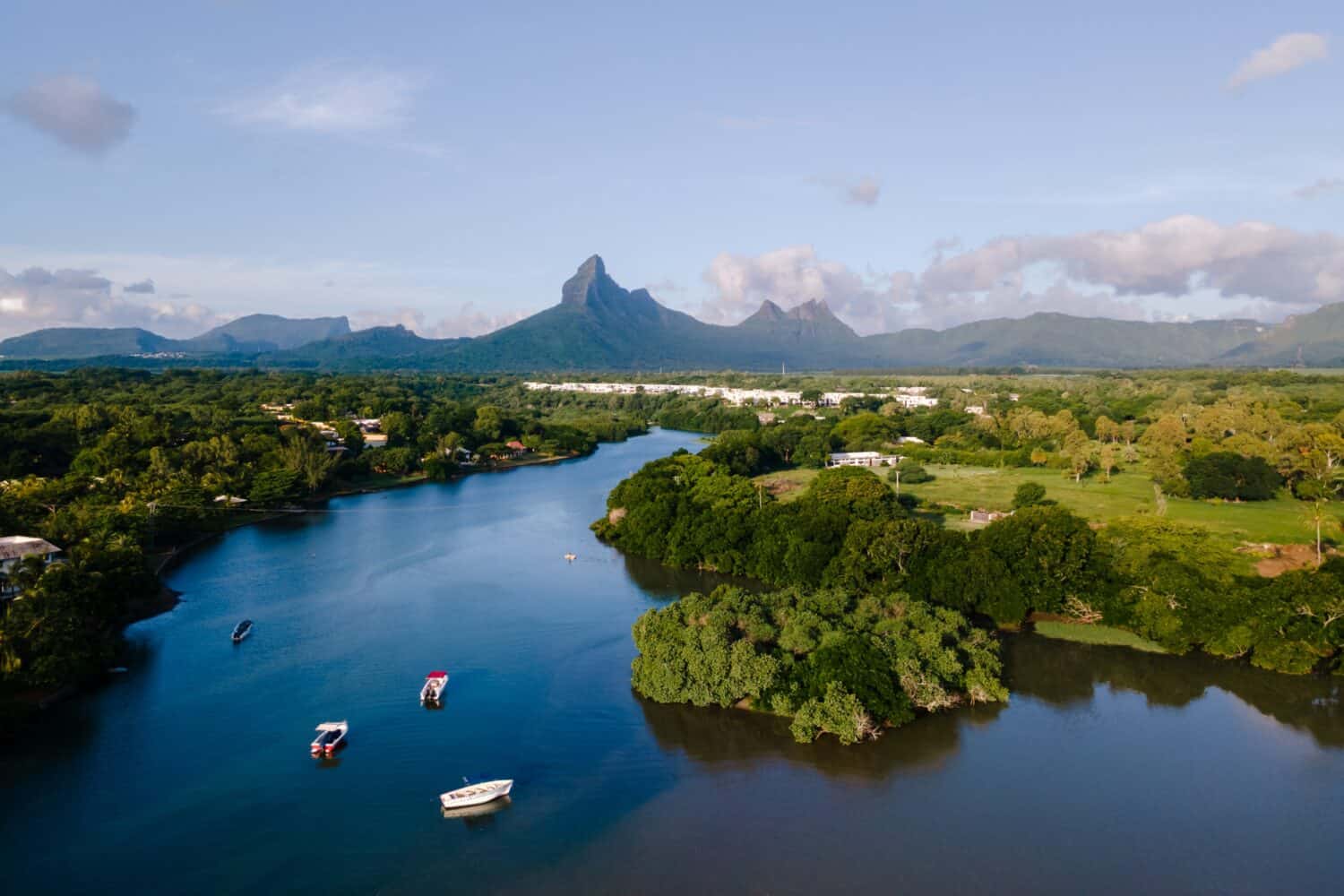
Night-time reptile surveys on Mauritius and its surrounding islands led to the discovery of a new trapdoor spider species.
©fokke baarssen/Shutterstock.com
Back in 2023, researchers were doing conservation work as part of the Mauritius Island Restoration Programme. This partnership between Durrell Wildlife Conservation Trust, Mauritian Wildlife Foundation, and the National Parks and Conservation Service led researchers to a small, one-hectare island next door called Ilot Vacoas. It was there that they first spotted a curious spider, hidden among the tubes of algae on the shore’s intertidal zone.
Dr. Max Tercel, an entomologist who recently completed his PhD with Cardiff University, led the team that made the discovery. As Tercel explained to Durrell.org, he had surveyed every habitat on the small island except one: a stretch of coastal rock without much vegetation. At first glance, it didn’t look like the type of place to contain wonders, but sometimes, the most fascinating things hide in the most mundane of places.
It was already night by the time Tercel set his sights on the nondescript coastal zone. As he told Durrell.org, “It was dark by then, and I was carefully searching through crevices with my headtorch when, to my astonishment, I noticed a familiar pattern: a spider’s legs extending from its burrow, something I’d only ever seen before in lush forests and grasslands.”
Sounding the Alarm (of Discovery)
Shocked by what he saw and aware of its implications, Dr. Max Tercel called Nik Cole, the Mauritius Country Manager at Durrell Wildlife Conservation Trust. As Cole describes it, he best remembers shouting. He told Durrell.org, “The thing I remember most is Max screaming at me to come over because he’d just seen a mygalomorph — a trapdoor spider. I couldn’t believe something from the same group as tarantulas could be living in a place like this.”
Like good scientists, however, both Tercel and Cole knew they had to confirm their potential discovery. This led to Cole staying up all night, repositioning his cell phone to get a signal. This way, he could search for any past evidence of this intertidal zone trapdoor spider. Cole said, “At first we thought we might have found Tigidia mauriciana, which was first described in 1892 and had only ever been detected once.”
The fact-finding mission turned up no prior records. It appeared that the research team had really discovered a new species despite decades of night-time reptile surveys on Mauritius and its surrounding islands.
The Mauritian Tidal Trapdoor Spider
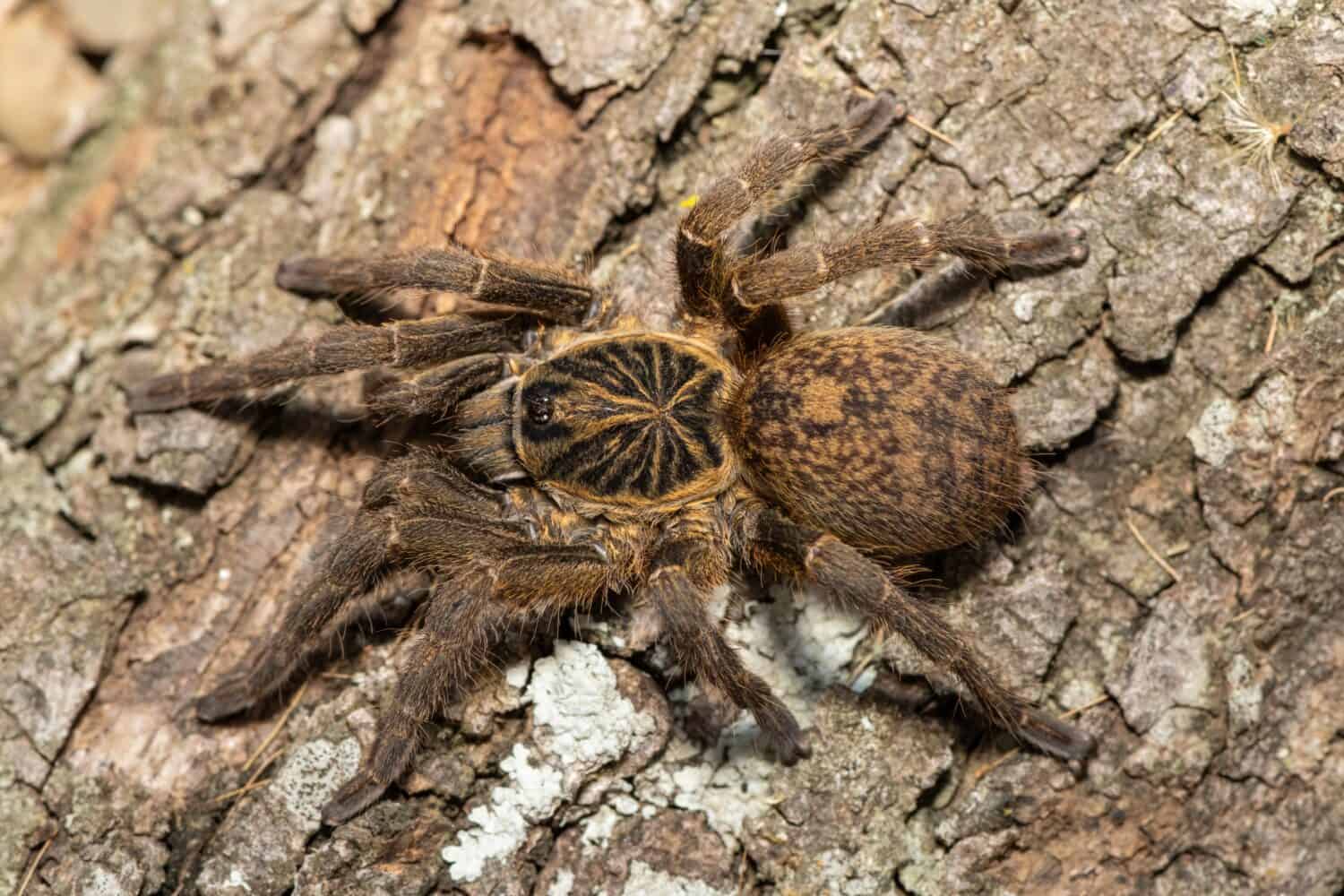
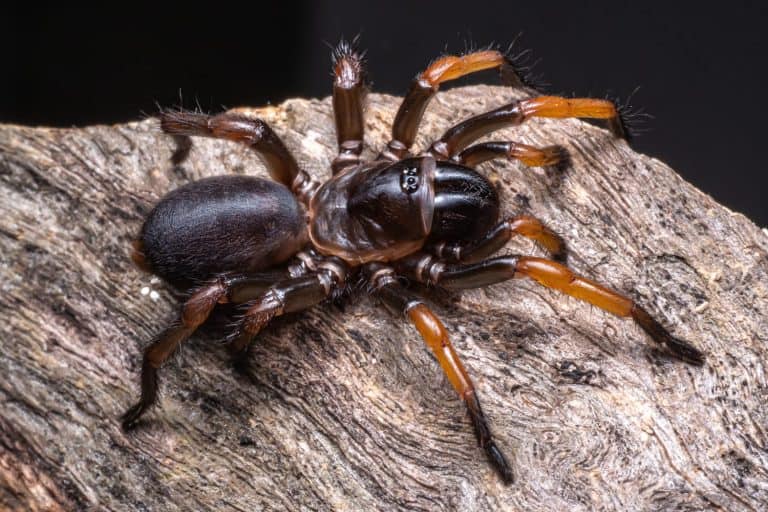
Trapdoor spiders typically live in grasslands and forests. The newly discovered trapdoor spider species prefers an intertidal zone of algae.
©Craig Cordier/Shutterstock.com
The spider has since been formally described. Named Idioctis marevallum, or the Mauritian tidal trapdoor spider, the discovery appears in the April 2026 issue of the journal Arachnology. Remarkably, following its initial discovery, researchers found more tidal trapdoor spiders on Ile aux Fouquets, another small island off the coast of Mauritius.
Those involved with the survey, discovery, and subsequent formal description highlight the effectiveness of the team’s collaboration. As Arachnologist Danniella Sherwood, who led the study formally describing the spider, said, “This paper is an amazing example of what modern scientific collaboration should look like. The fact that one of the newly recorded species was also new to science was the icing on the cake.”
The greater surveys targeting wildlife on Mauritius and its satellite islands did more than just find a new species. They also identified spider species previously unrecorded in Mauritius. This increased the known spider diversity of the country by more than 25%. Vikash Tatayah, Conservation Director of the Mauritian Wildlife Foundation, expressed amazement at the discovery of a new species in a place that has seen considerable loss of biodiversity. He told Durrell.org, “This finding supports the urgent need to preserve and restore as many nooks and crannies in the country as possible, since they may still harbour species new to science.”