
Duck hunting is a popular and traditional outdoor activity in North Dakota, attracting thousands of residents and nonresident hunters yearly. It contributes to the state’s economy by generating revenue from license sales, tourism, and hunting spending. Furthermore, the hitting revenue also helps pay for conservation.
According to the North Dakota Game and Fish Department, the state has a diverse and abundant duck population, with an estimated 3.4 million breeding ducks in 2022, up 16% from 2021.
Many varieties are open for hunting, as well as many areas to hunt around the state.
In this article, we’ll take a look at the regulations surrounding the duck hunting season in North Dakota.
Duck Hunting Season Dates in North Dakota
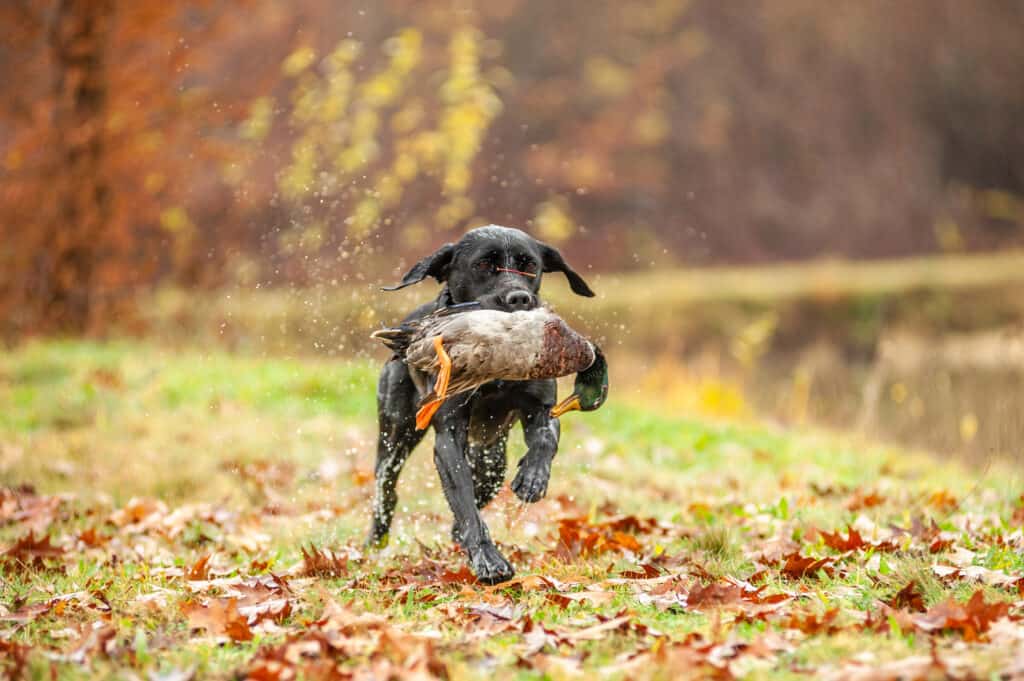
The date for duck hunting in North Dakota varies based on duck species, hunting zone, and your resident status.
©Anna Pozzi – Zoophotos/Shutterstock.com
Duck hunting season dates in North Dakota vary heavily depending on the specific duck, your residency status, and your hunting zone. For residents, the regular duck season might open on September 23, 2023, and close on December 2, 2023, in Unit 1, on December 9, 2023, in Unit 2, and on January 6, 2024, in Unit 3.
For non-residents, the regular duck season might open on September 30, 2023, and close on the same dates as residents in each unit. Nonresidents can only hunt for a maximum of 14 consecutive days in one unit or two seven-day periods in two different units.
The exact dates have yet to be signed, so these are only estimations. We recommend keeping an eye on the North Dakota Game and Fish website.
The bonus blue-winged teal season might be from September 23 to October 1, 2023, for both residents and nonresidents in all units.
The veteran/active military personnel waterfowl season might be on September 16-17, 2023, for both residents and nonresidents who are veterans or active duty members of the U.S. Armed Forces. Practically all varieties of waterfowl are available for hunting during this season.
North Dakota Bag Limits
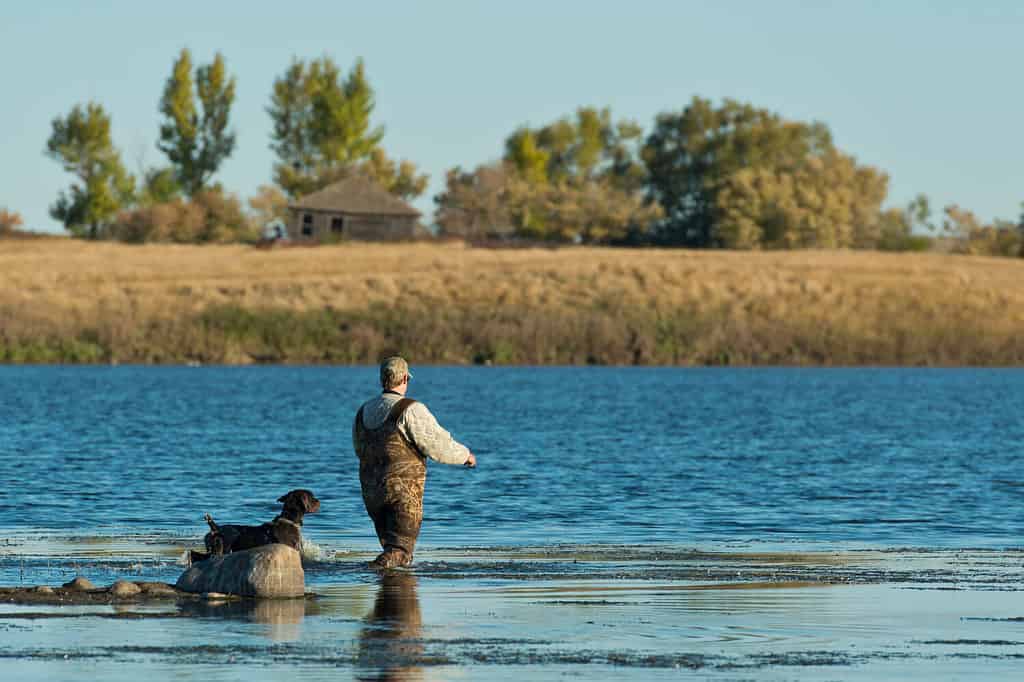
You may take up to six ducks per day, but from there, it gets a bit complicated.
©Steve Oehlenschlager/Shutterstock.com
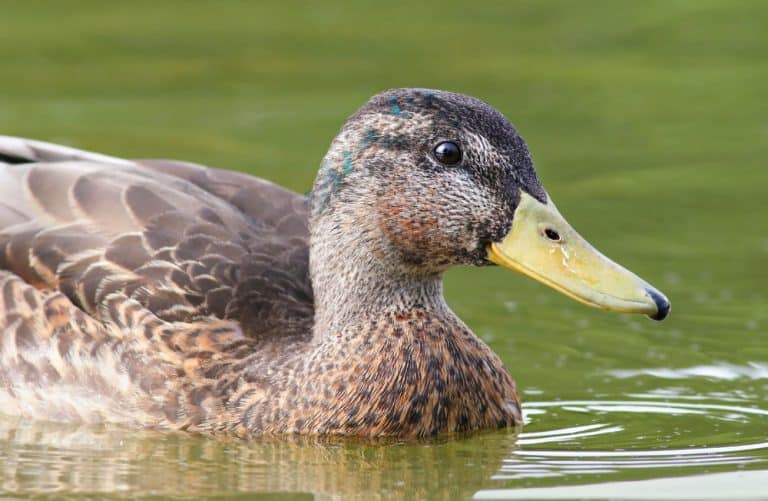
Currently, the daily limit for ducks is six. However, there are specific limits on different species and genders. You may get no more than five mallards, and only two may be hens. Three wood ducks, two redheads, two canvasbacks, one scaup, and one pintail are also allowed.
The daily limit for coots is 15, and there aren’t any specific regulations on the type.
The possession limit for ducks and coots is three times the daily limit. Be sure you’re keeping your numbers below that.
North Dakota License Requirements
There are many documents required to hunt ducks in North Dakota. These include:
- Harvest Information Program (HIP) Registration: This is a free survey you must complete. It collects information on migratory bird hunters and harvests. You must register for this survey each year that you hunt to report your harvest. You can register online or by phone. Once you receive a confirmation number, write it on your license.
- Fishing, Hunting, and Furbearer Certificate: This is proof of residency for resident hunters. It is extremely inexpensive and can be purchased online. Nonresident hunters do not need it.
- Small Game License: All resident hunters over the age of 16 much of have a small game license. It isn’t terribly expensive and can be purchased online or at licensed vendors.
- General Game and Habitat License: You must also purchase this license if you are a resident or nonresident over 16. It costs more for nonresidents than it does for residents. It helps fund wildlife management and habitat conservation.
- Federal Migratory Bird Stamp: The federal government requires everyone hunting ducks to have a “duck stamp.” It helps fund federal wetland conservation and restoration projects for migratory birds like ducks.
- Nonresident Waterfowl License: If you don’t live in North Dakota, you must purchase a nonresident waterfowl license. Several types are available, such as one for statewide hunting and one for specific zones. The prices vary depending on the exact license you want.
A special nonresident youth small game and waterfowl license is available for nonresident hunters under 16. It allows them to hunt with a “resident” license if accompanied by a parent, guardian, or other authorized adult. However, this license is only available to youth from a state with reciprocity with North Dakota.
North Dakota Duck Hunting Special Seasons
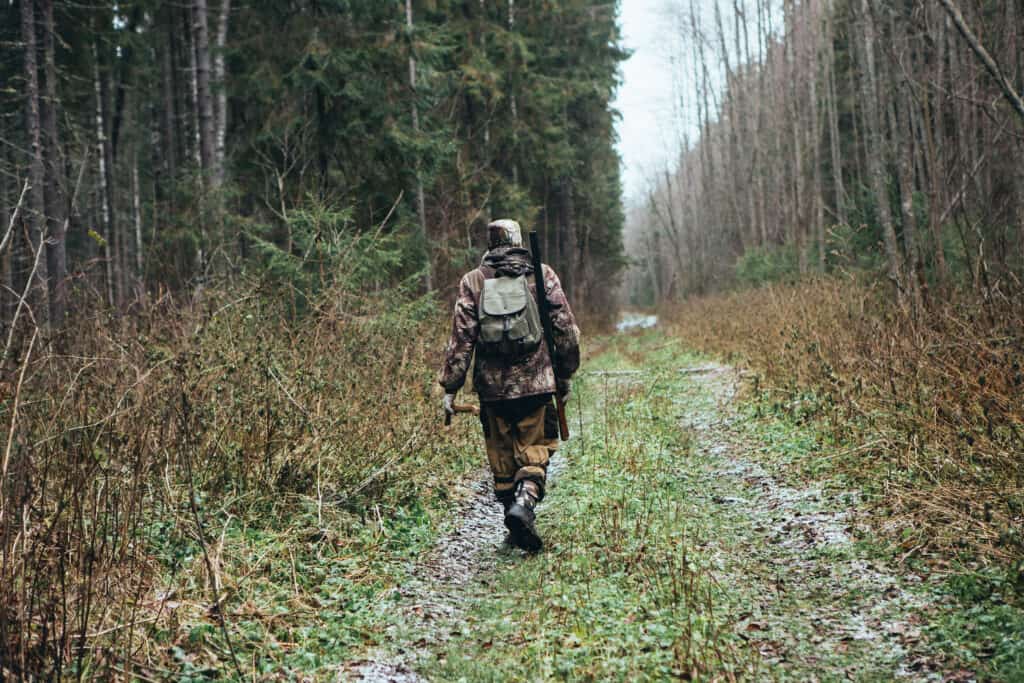
North Dakota offers some special seasons for specific age groups.
©Scharfsin/Shutterstock.com
Several special seasons and zones are available for specific duck hunters in North Dakota.
The Youth Waterfowl Season allows hunters under the age of 16 to hunt ducks and coots from September 16 to September 17 with an adult mentor. The youth must have a valid license and HIP registration, and the adult mentor must also have a valid license. The daily limit and possession limit are the same as the regular season.
The Nonresident Waterfowl Hunting Zones restrict where and when nonresident hunters can hunt waterfowl. Hunters must select their hunting zone according to certain rules and regulations. For instance, they may only hunt in Zone 1 or Zone 2 for one seven-day period. Then, they may hunt in Zone 3 for another seven-day period.
Alternatively, they can hunt in Zone 4 for 14 full days. Nonresident hunters cannot hunt in more than one zone per day or switch zones during a seven-day period.
Other Important Regulations
On top of the season dates and bag limits, there are several other important regulations you need to follow, too. These include:
- Shooting hours: You can only hunt ducks from one-half hour before sunrise to sunset on each day of the season. To ensure you’re in compliance, be sure to look at the official sunrise and sunset times for the day you are hunting. Don’t rely on your eyes.
- Nontoxic shot: You must only use a nontoxic shot, which includes steel, bismuth, tungsten, and other approved materials. Lead shots and other toxic materials are banned, as they can poison other waterfowl. Be sure you’re using an approved material.
- Tagging and transporting: Tagging and transporting your ducks properly is extremely important. You must attach a tag with your name, address, and license number to any ducks you leave with another person or somewhere besides your residency. You must also keep one fully feathered wing attached to each duck until it is processed. This helps identify the species and gender of the duck should you get stopped.
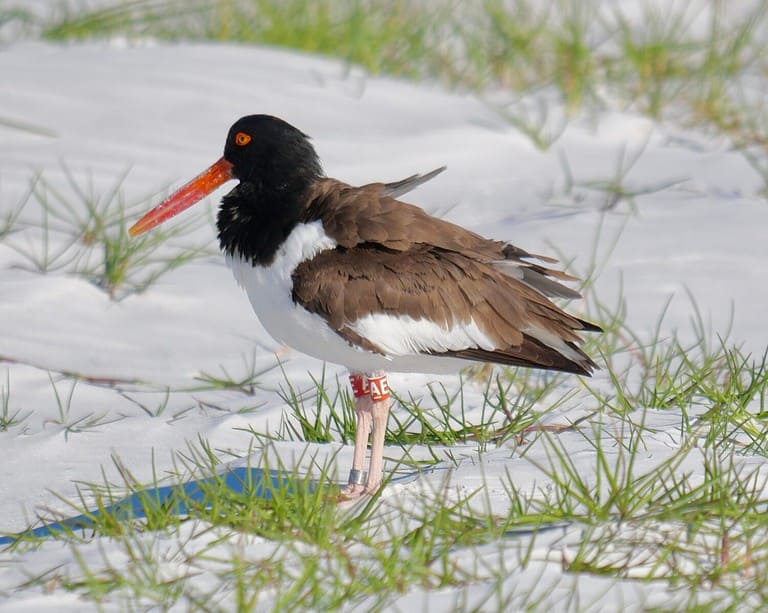
- Reporting of banded birds: Banded birds are used to study the duck population, including the percentage of ducks taken during hunting season. Therefore, you should not avoid taking banded birds. They can be targeted just like any other duck. However, you need to report the bird was taken online or by calling the U.S. Fish and Wildlife Service. You are allowed to keep the collar as a souvenir, as the department does not need it back. However, you must be able to provide some simple information on the bird, such as the band number, date, location, and species. This information helps the department keep up with the bird population and monitor their migration.
Can You Hunt Duck in North Dakota?
You can hunt ducks in North Dakota during the duck hunting season. There are many requirements, such as having correct paperwork and staying under the bag limit. You’ll need to follow all rules and regulations while hunting.
North Dakota is very friendly to nonresident hunters, who can hunt for 14 days within the state each season. Therefore, it is a great spot to hunt waterfowl.
When Does Duck Hunting Season Start in North Dakota?
Duck hunting season has differing dates depending on the exact season. Regular duck hunting season will likely open on September 23, 2023. However, the date hasn’t officially been announced yet, only “tentative” dates.