
Quick Take
- Three great white sharks all surfaced off the same stretch of coastline on the same night, and none of them were close to each other. See all three sharks →
- The dots on OCEARCH's shark tracking map don't show where a shark swam. They show something far more specific and easy to miss. See how tracking works →
- One of these sharks wintered somewhere so far from the Atlantic that most people wouldn't guess it was even possible.
- Both sharks swam within 20 miles of crowded New Jersey beaches last June, and nobody on shore had any idea. Follow their coastal path →
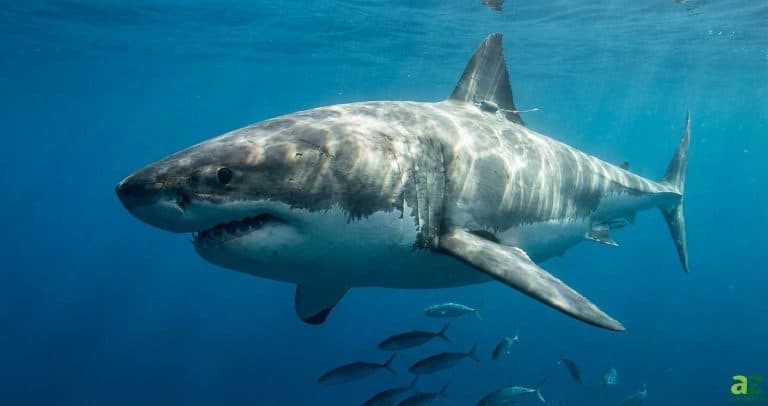
Somewhere out past the edge of the coastal seafloor on Halloween night, a shark’s fin broke the surface just long enough for a satellite to catch it.
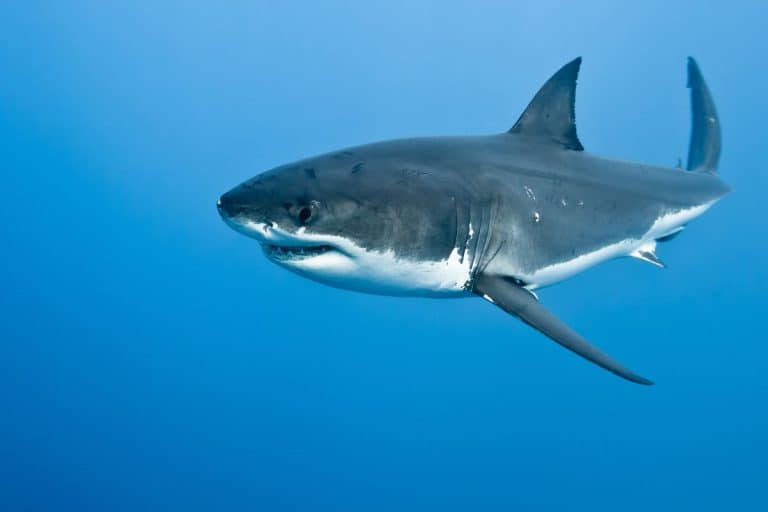
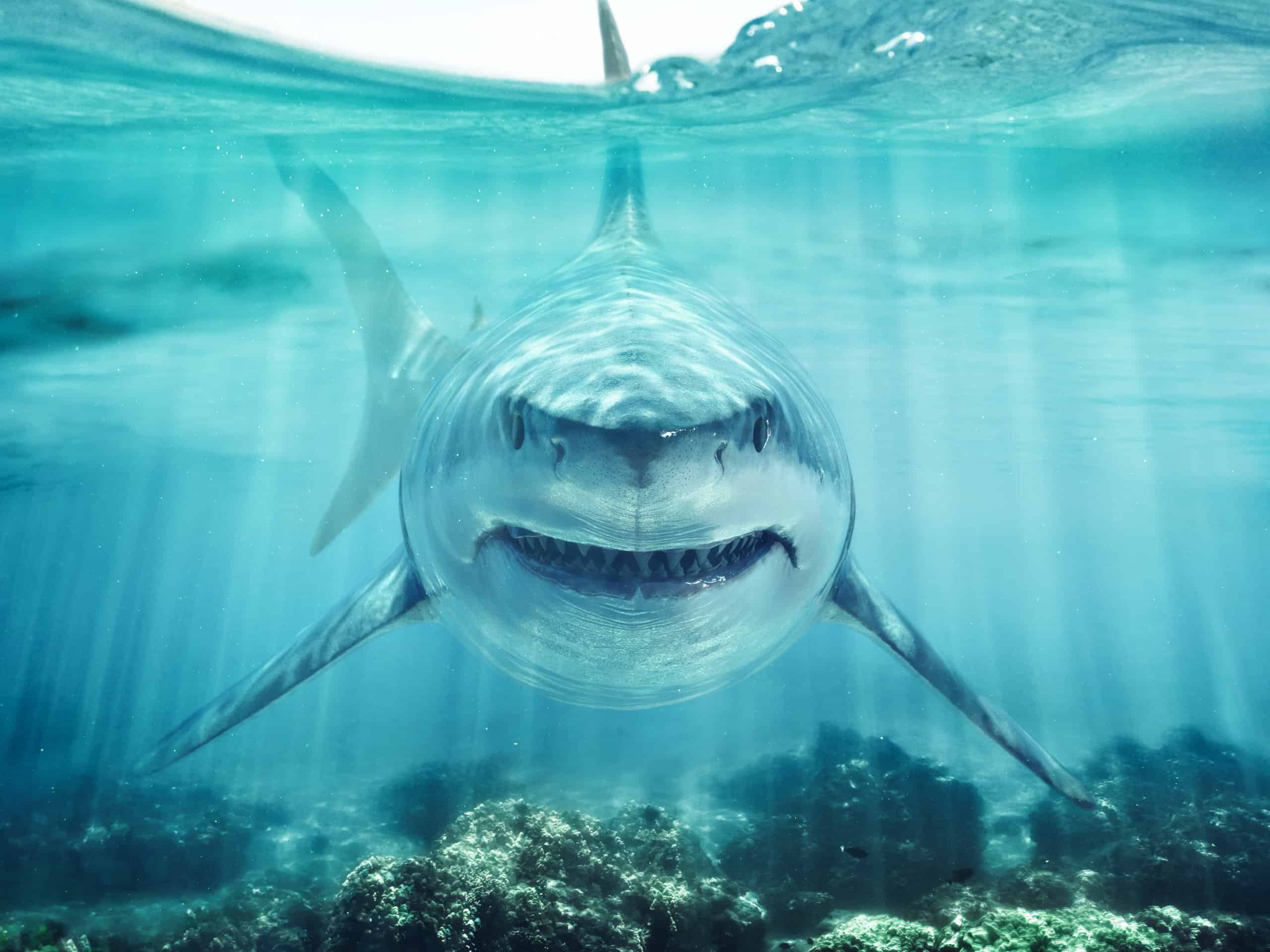
The fin belonged to a female great white shark named Ernst. As Dan Radel reported for the Asbury Park Press, that moment placed her more than 100 miles off the New Jersey coast, southeast of the Hudson Canyon, a deep notch in the seafloor that tuna fishermen know well. Ernst weighed 1,009 pounds and measured 12 feet when the research nonprofit OCEARCH caught her at Mahone Bay, Nova Scotia, on October 4, 2025. She was logged that day as not yet fully grown, which for a female great white means she still has a long way to go: they can reach around 20 feet.
Three Sharks, One Night
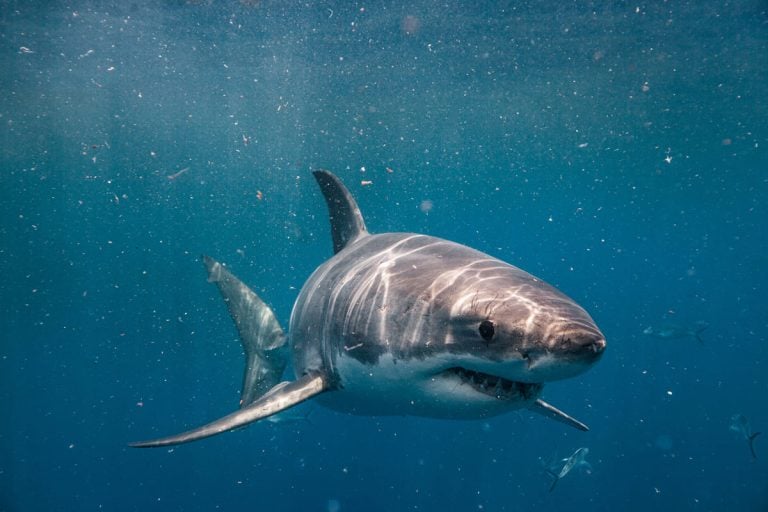
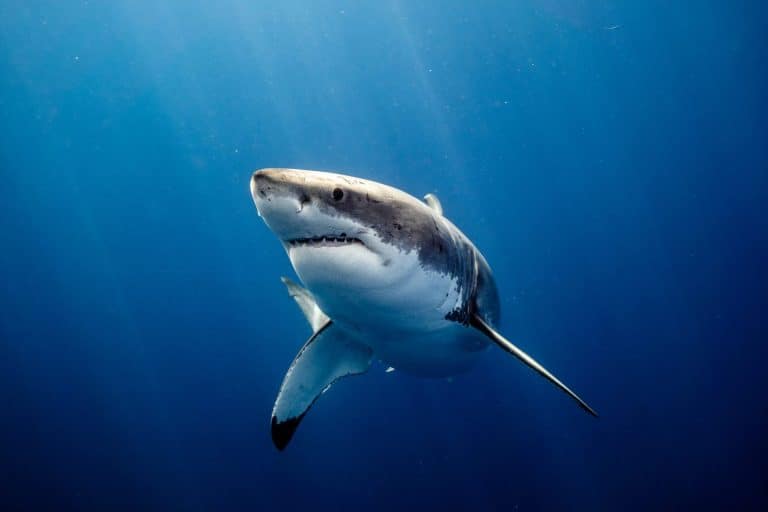
Ernst wasn’t the only one checking in. Cayo is a younger female, tagged in the same Nova Scotia bay back in July 2025, when she measured 10 feet 3 inches and weighed 689 pounds. She showed up more than 50 miles southeast of Atlantic City on Saturday, October 31, one of several times she’d been spotted off New Jersey without ever coming close to the beach. By Sunday morning she was already south of Virginia.
©Digital Storm/Shutterstock.com
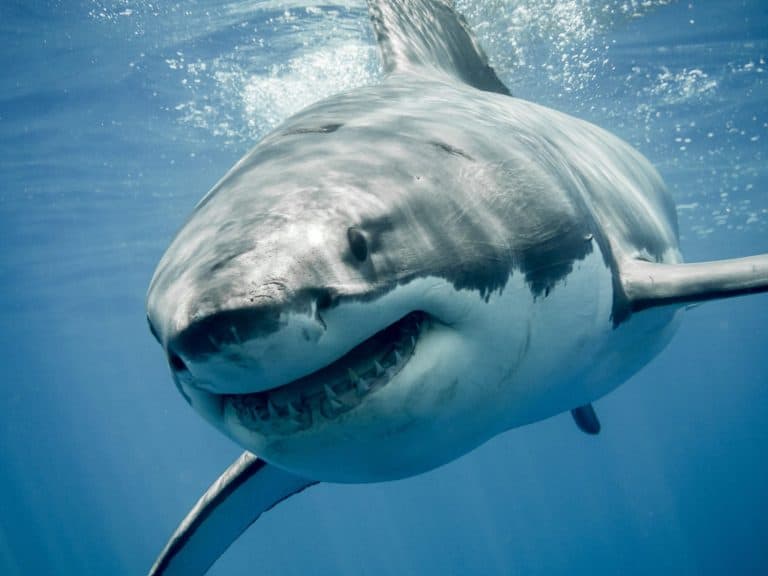
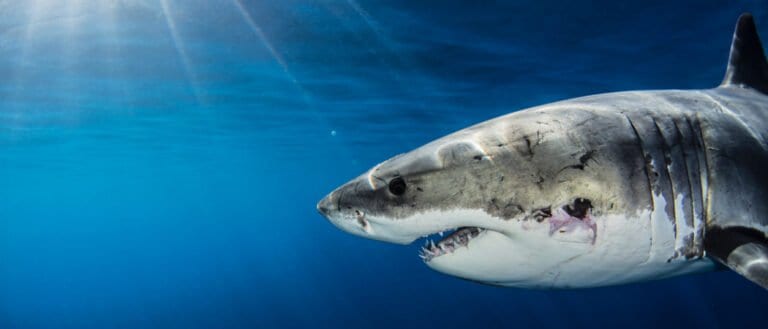
The third shark, Nori, was tagged on the same day and in the same spot as Ernst. On Halloween night she was southeast of Montauk Point, way out at the far tip of Long Island, and she looked to be heading south as well.
How These Check-Ins Actually Work
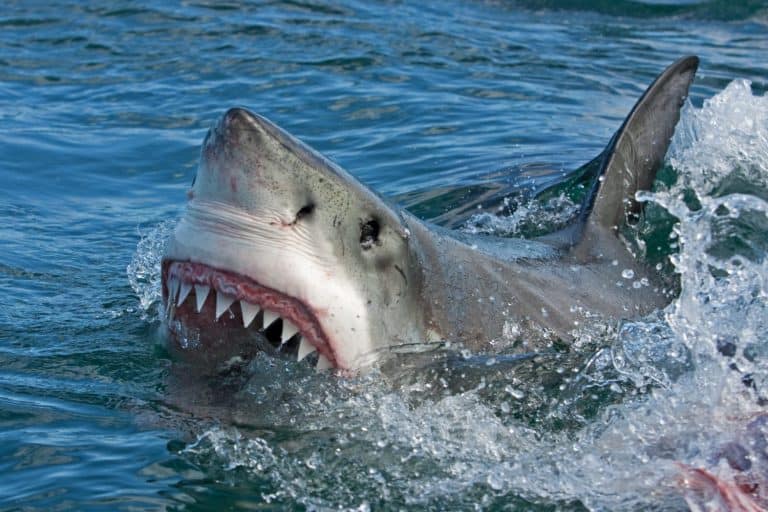
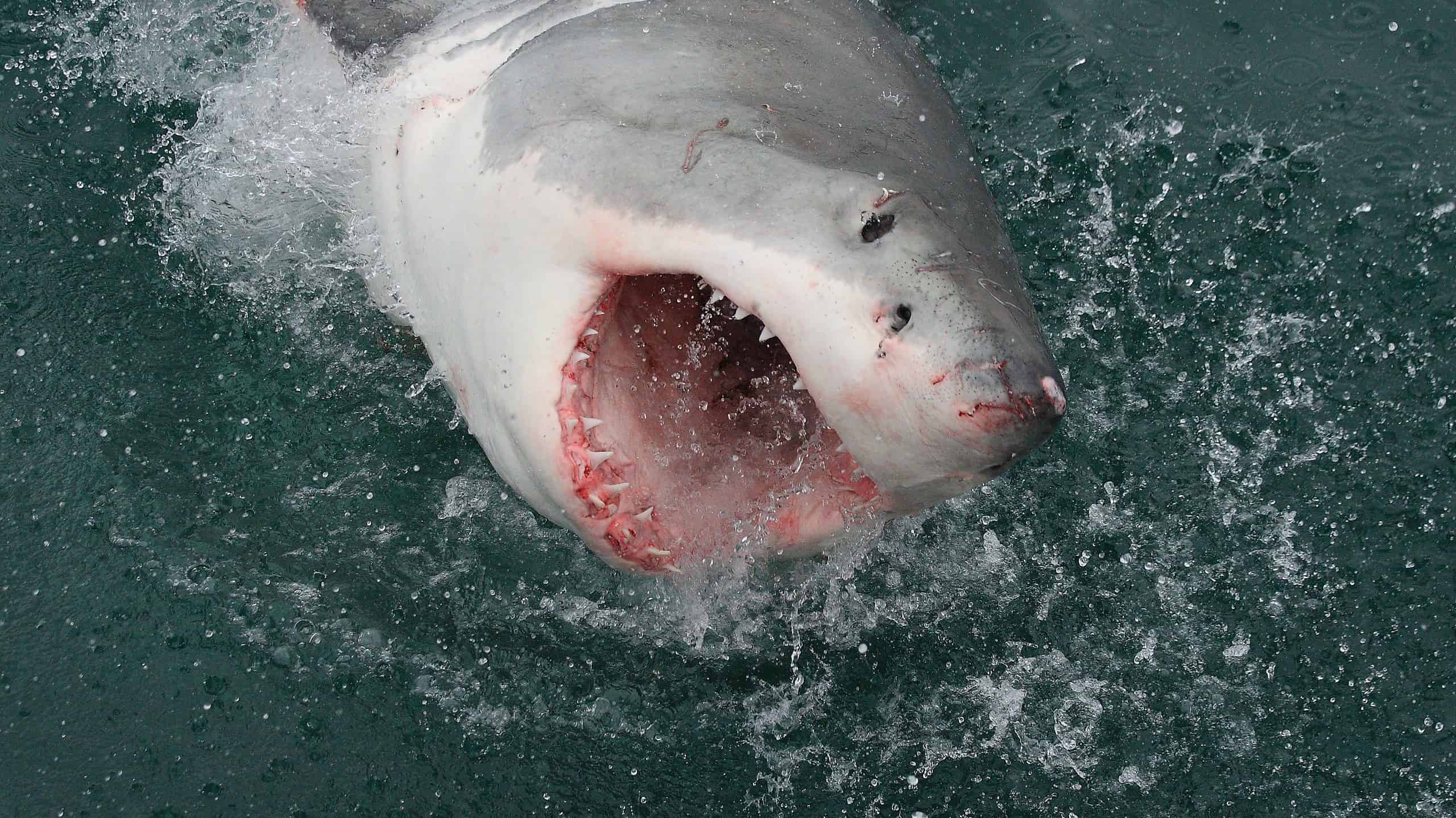
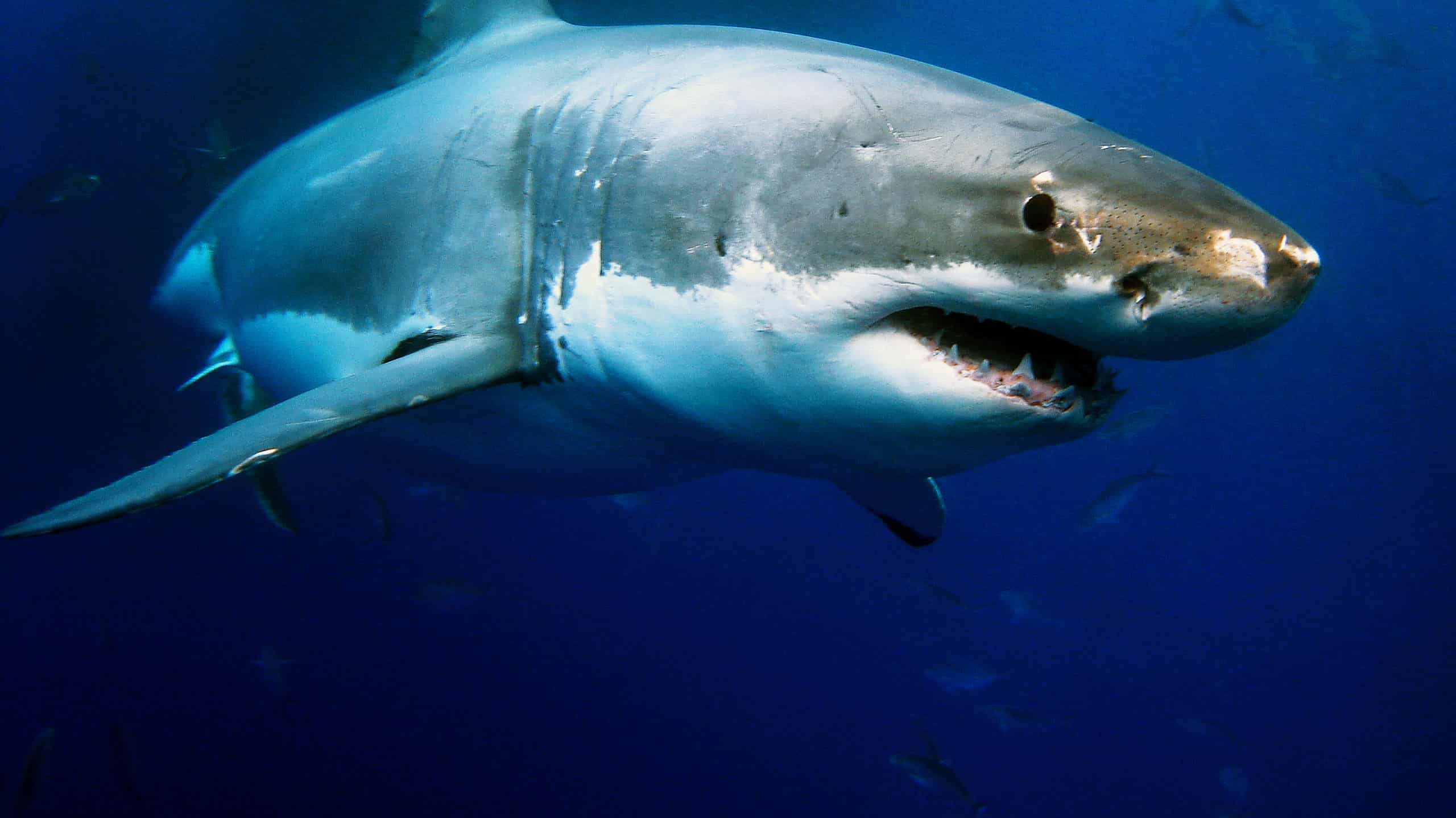
The tracking tag sits on the shark’s back fin and talks to satellites, which means it only works when that fin is out of the water. The shark has to hold it at the surface for about 90 seconds for the tag to send enough information to pin down her location. So the dots on OCEARCH’s tracking map aren’t a path the shark swam. They’re just the handful of moments she happened to swim shallow enough, for long enough, to be noticed. Cayo’s jump from Atlantic City to Virginia is really one shark surfacing twice, with a whole night of swimming in between that nobody actually saw.
©iStock.com/Whitepointer
Why They’re Heading South Now
Heading south every fall isn’t new behavior. Two centuries of great white shark records from the western North Atlantic show the same pattern repeating every year. [The sharks tend to stay between Massachusetts and New Jersey in summer and move down to Florida for winter]src, spreading out thinly along the whole coast each spring and fall as they travel between the two.

©webguzs from Getty Images, vladoskan from Getty Images, and Serdarbayraktar from Getty Images Signature/ via Canva.com
What sets that shift in motion in late October is the water temperature. Great whites generally stick to water between 54 and 75°F, and the Nova Scotia bay where Ernst and Nori were caught and tagged cools below that range as fall goes on. The water further south doesn’t: grown sharks spend the cold months in [deeper water stretching from the Carolinas to Florida, where it stays milder and there’s no shortage of fish and smaller sharks to eat]src. Summer up in Canada is seal season. Winter down south is the rest of the year’s groceries.
Ernst and Cayo have both taken that pattern further than most sharks bother to. Cayo swam around Florida last winter and ended up in the Gulf off the state’s west coast, while Ernst kept going all the way to Chandeleur Sound, near New Orleans.
Then, come spring, they turn around and do the whole thing in reverse. Ernst swam back up the coast and came within about 20 miles of Beach Haven, New Jersey, in June. Nori spent the winter off South Carolina and passed about 20 miles off Long Beach Island on her way back north. Both sharks were swimming off the same beaches people were standing on, and nobody knew it until a fin broke the surface. The next time Ernst’s does, she could be off the Carolinas, or most of the way back to New Orleans.