
Every American state experiences winter to some degree, but few bear the brunt of freezing temperatures and environmental shifts like Minnesota. Indeed, this midwestern state bordering Canada is high enough in latitude to experience stunning, even dangerous shifts in climate and temperature. As anyone who lives in Minnesota will tell you, winter comes on hard and fast and doesn’t let up easily. Autumnal leaves quickly shed from the trees, the ground freezes over, and snow begins to fall. Humans have homes to endure the inhospitable Minnesota winters, but animals have to prepare for the blistering cold in their own ways.
Winter brings drastic changes in behavior for every level of the animal kingdom. While some animals begin a process of stockpiling food for long, semi-conscious states like hibernation, others undergo physiological changes to endure winter while awake, day in and day out. On the other end of the spectrum, creatures like some bird species simply can’t tolerate the cold, so they leave the state as soon as possible to head to greener, warmer pastures. Winter is an unavoidable part of living on Earth, and every animal—either through adaptation or technology—has developed ways to handle the cold and lack of food, managing to survive until spring brings new hope. Now that we’ve reached November, let’s explore the survival strategies that help Minnesota’s wildlife thrive as the cold months set in.
Mammals
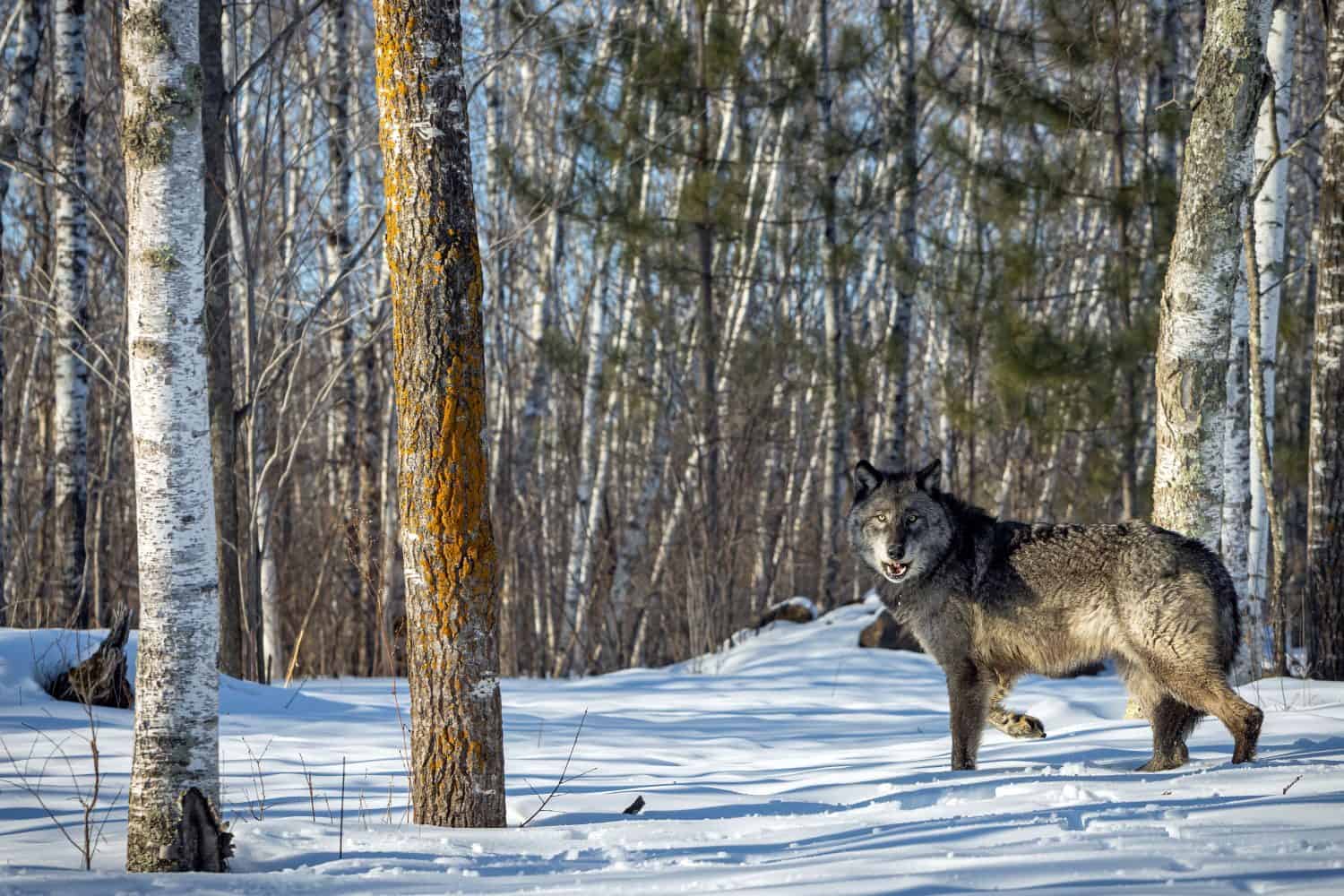
Mammals undergo different changes to prepare for winter. Predators like wolves tend to grow thicker coats and switch their diet to smaller, more common winter game like voles, squirrels, and mice.
©PVminer2/Shutterstock.com
Suffice it to say that mammals in Minnesota transform in a variety of ways when it comes time to prepare for winter. While some larger mammals, like bears, pack on calories before entering a hibernation-like state called torpor, others physically transform in other ways to endure the cold. Deer, for example, grow thicker coats and shift their diets. The smallest of Minnesota mammals also change: squirrels stock up on nuts, and chipmunks prepare for a comatose-like state similar to that of bears.
Bears
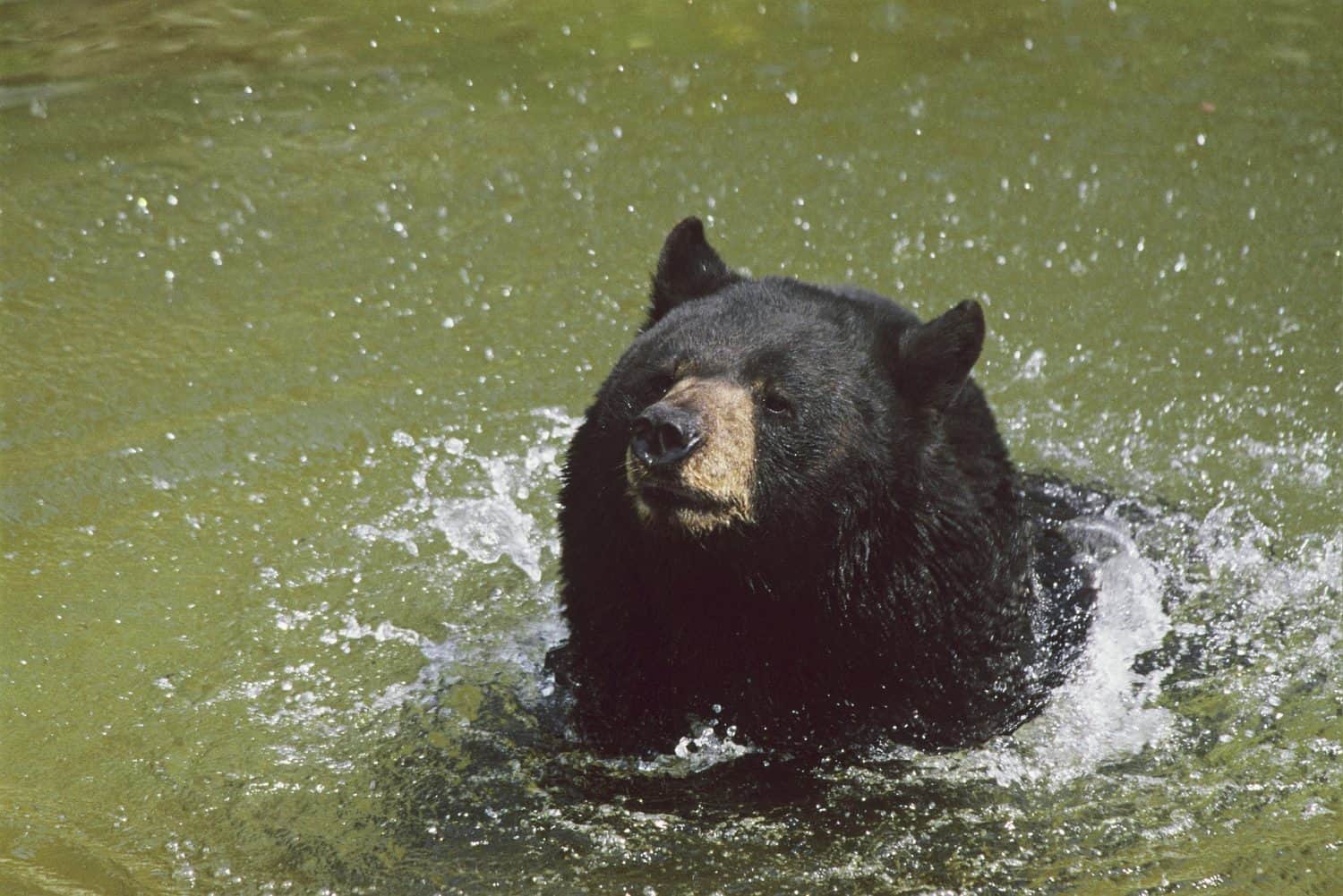
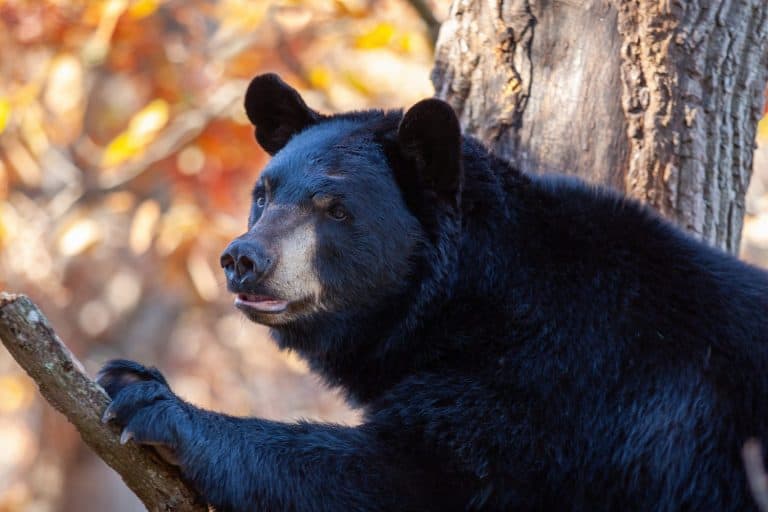
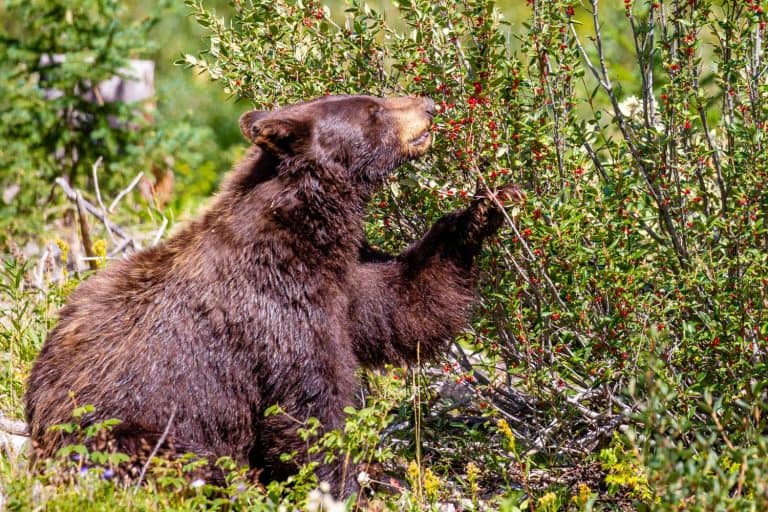
Bears consume up to 25,000 calories a day in preparation for winter.
©Jeffrey Wiles/Shutterstock.com
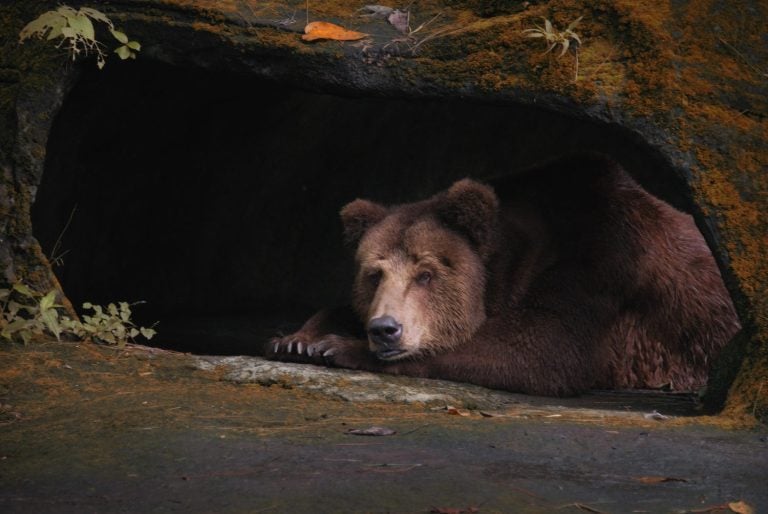
The last vestiges of fall may still be in the Minnesota air, but bears are already busy preparing for the winter. During this liminal period between fall and winter, bears start packing on the pounds as much as possible. This calorie cramming is due to a state called hyperphagia, which shifts their mindset into bulking as much as possible. During the fall months, American black bears in Minnesota eat as much as 12,000 to 25,000 calories per day to pack on fat and retain it through their winter hibernation-like torpor. In this semi-waking state that can last up to seven months, a bear’s body temperature drops between two and four degrees. While in their dens—made of nests, excavations, and tree roots—bears refrain almost entirely from eating, drinking, or expelling waste.
Their compulsive search for food also makes bears far less afraid of entering human-occupied areas. Such behavior results in an increase in bear confrontations and attacks each year during the fall. In a few weeks, however, black bears will settle down and enter their dens to begin winter torpor. Pregnant black bears and mother bears with cubs enter dens first. Male black bears soon follow. It should be noted that torpor is temperature dependent. While Minnesota endures pretty consistently cold winters, other states warm quicker, resulting in a shorter torpor period.
White-Tailed Deer

White-tailed deer grow thicker fur and switch food sources, as well as stick to herd structures near more consistent food sources.
©Carol Hamilton/Shutterstock.com
Bears may increase their body fat to basically sleep through the winter, but white-tailed deer don’t have that luxury. They must withstand the blistering temperatures, frozen ground, and falling snow day in and day out. To do this, white-tailed deer undergo certain behavioral and physiological changes. They shift from grazing on grasses and plants to specifically eating buds. Winter months bring snow, which can make steady travel more difficult, so white-tailed deer tend to herd up together near available food sources or in places with suitable windbreaks. When food is scarce, they rely on the fat reserves they have built up during the more abundant summer months.
White-tailed deer may be found across North America, but in places like Minnesota, they undergo distinct physiological changes to prepare for winter. They grow thicker coats for the cold months. The heavy fur on the outside of these coats is hollow. Much like the insulation in a house, the deer’s hollow but thick fur traps air inside each follicle. This stored air inside each strand of hair insulates their bodies by acting as a sort of buffer between the warm internal organs and the blisteringly cold outside air. Interestingly, bedding down in a snow bluff can have the same effect. Feathery, fresh snow can act as insulation for white-tailed deer.
Smaller Mammals
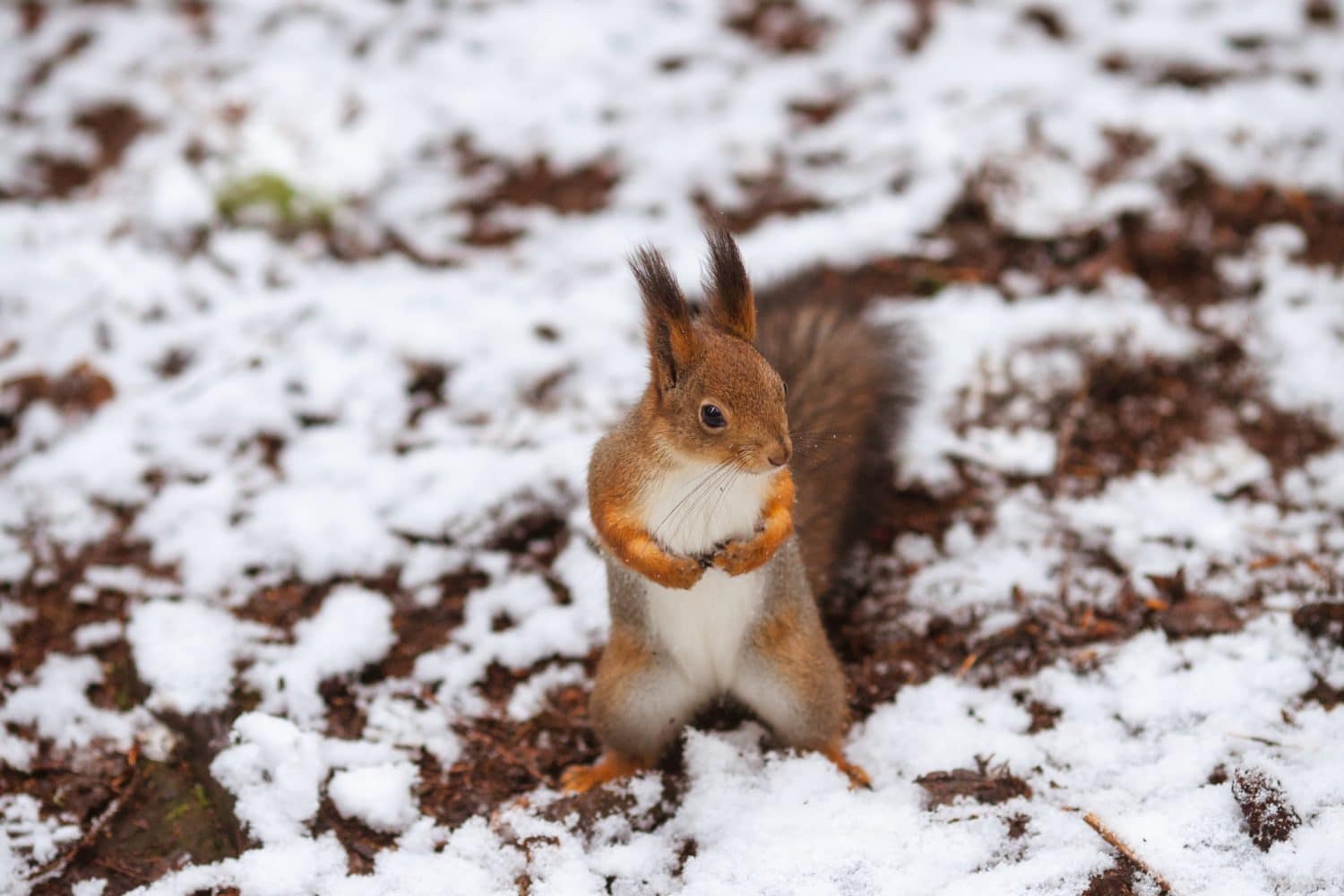
Small mammals like squirrels store food, while chipmunks enter a hibernation-like state to endure the long winter.
©solomonphotos/Shutterstock.com
Rodents have arguably the widest variety of preparation techniques for the long and cold Minnesota winter. Smaller mammals like eastern gray squirrels and fox squirrels stay busy during the autumn months by gathering and storing nuts in select spots throughout their territory. This way, they have food stores to rely on when winter arrives. Even if one cache is gone or spoiled, they can fall back on several more repositories full of nutritious nuts. This strategy is called scatter hoarding. They manage to find all these old food storage locations through a mixture of memory and scent detection, even under a blanket of snow.
Chipmunks may look like squirrels, but they are more similar to bears in how they prepare for winter. Chipmunks bury themselves along with their food; they dig extensive underground burrows and hovels. In these tunnels, they enter a hibernation-like state called torpor. This allows them to intermittently wake up and eat stored food before going back to the prolonged, semi-waking state.
Raccoons and skunks also prepare for winter. While they don’t hibernate outright, they do slow down before entering extended periods of sleepiness. During this time, they utilize stored fat and cozy dens to survive the harsh, months-long winter.
Marine Life
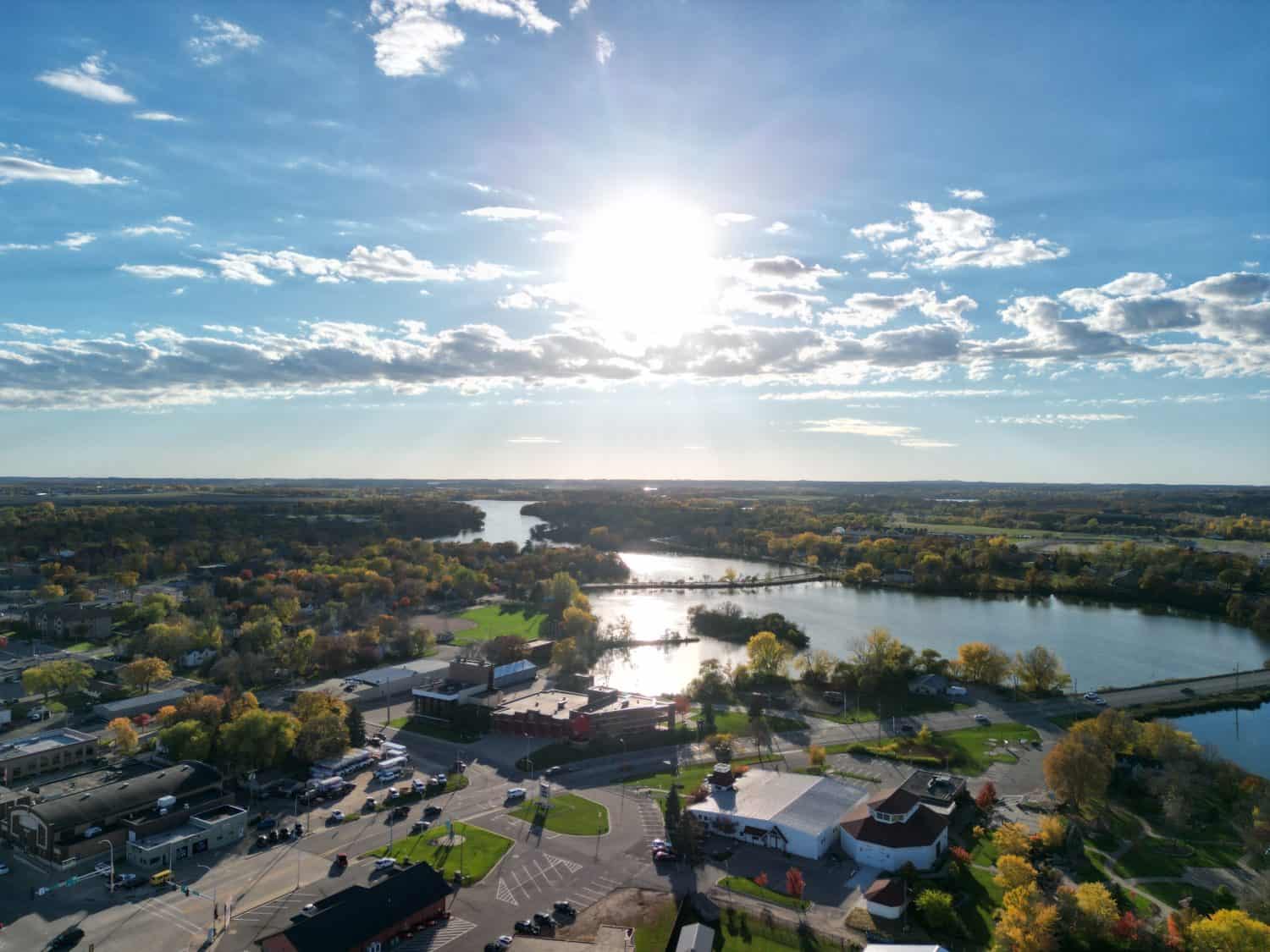
Minnesota is the land of 10,000 lakes with plenty of marine life.
©Kortez Gillings/Shutterstock.com
The winter in Minnesota is pretty hard for animals on land, but creatures in the water don’t necessarily have it much easier. Plus, Minnesota is the land of 10,000 lakes. Each of these water sources contains marine life that needs specific strategies to survive the state’s often brutal winters. Luckily for aquatic life, ice forms only on the surface of these lakes, with liquid remaining underneath. The heaviest, warmest water sinks to the bottom, where fish and other aquatic animals tend to congregate during winter.
Fish
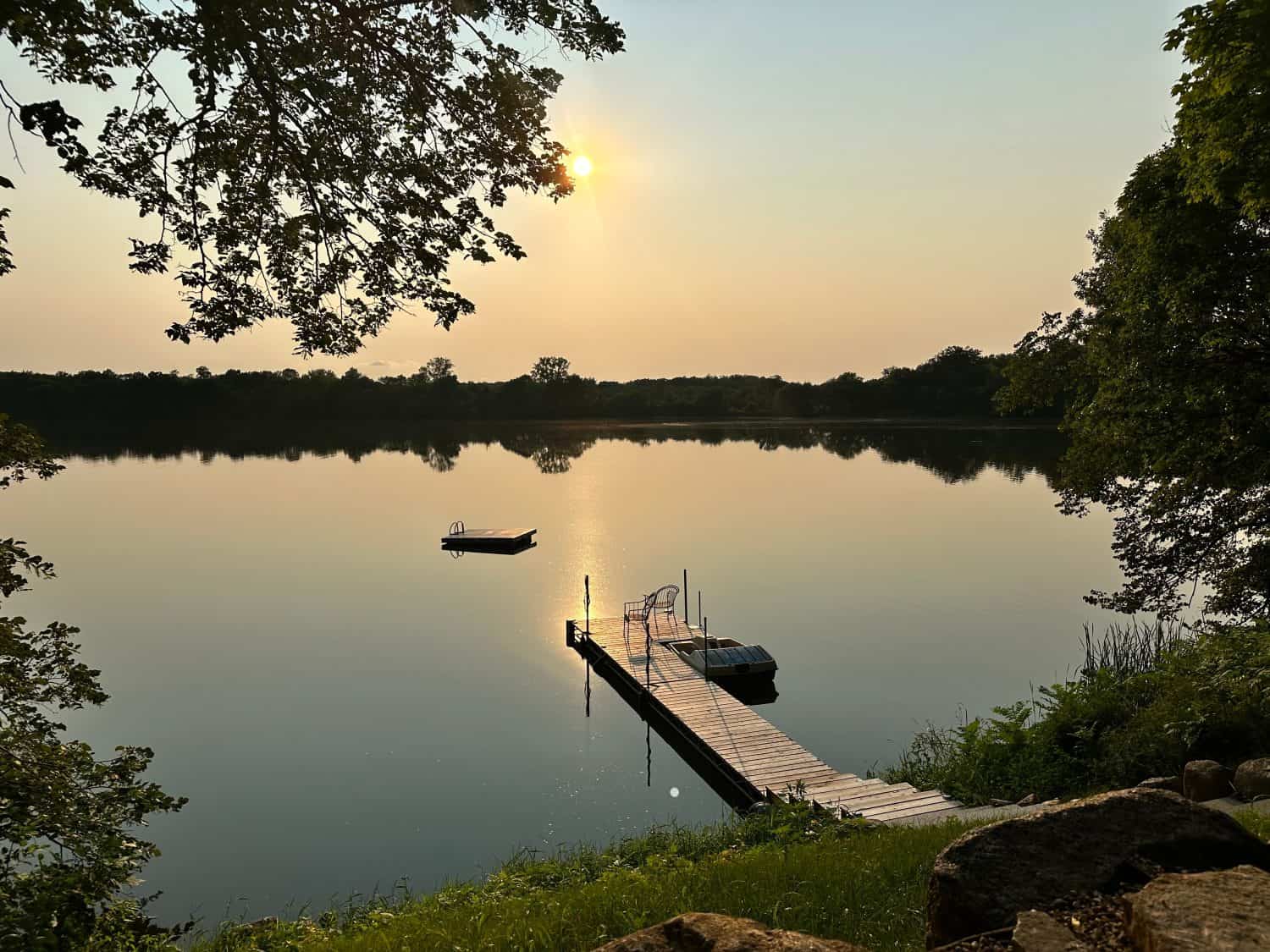
Fish tend to congregate at lower depths where the water is warmer.
©Jayme Leigh/Shutterstock.com
As previously mentioned, certain species of fish move to deeper depths where the oxygen is richer and the temperatures are warmer. Some species, such as walleyes, northern pike, and yellow perch, also congregate under rocks and ledges. These fish tend to slow down on their food intake, but not entirely. They still snatch up slow-moving prey. Other species, like sunfish and crappie, move to backwater areas with vegetation, giving them easy access to both shelter and food. When the winter is milder or warmer, fish can be negatively affected. The temperature signals their hormonal shifts, so if winter ends too early or doesn’t get cold enough, there will often be a mismatch between the fish and their food sources.
Amphibians
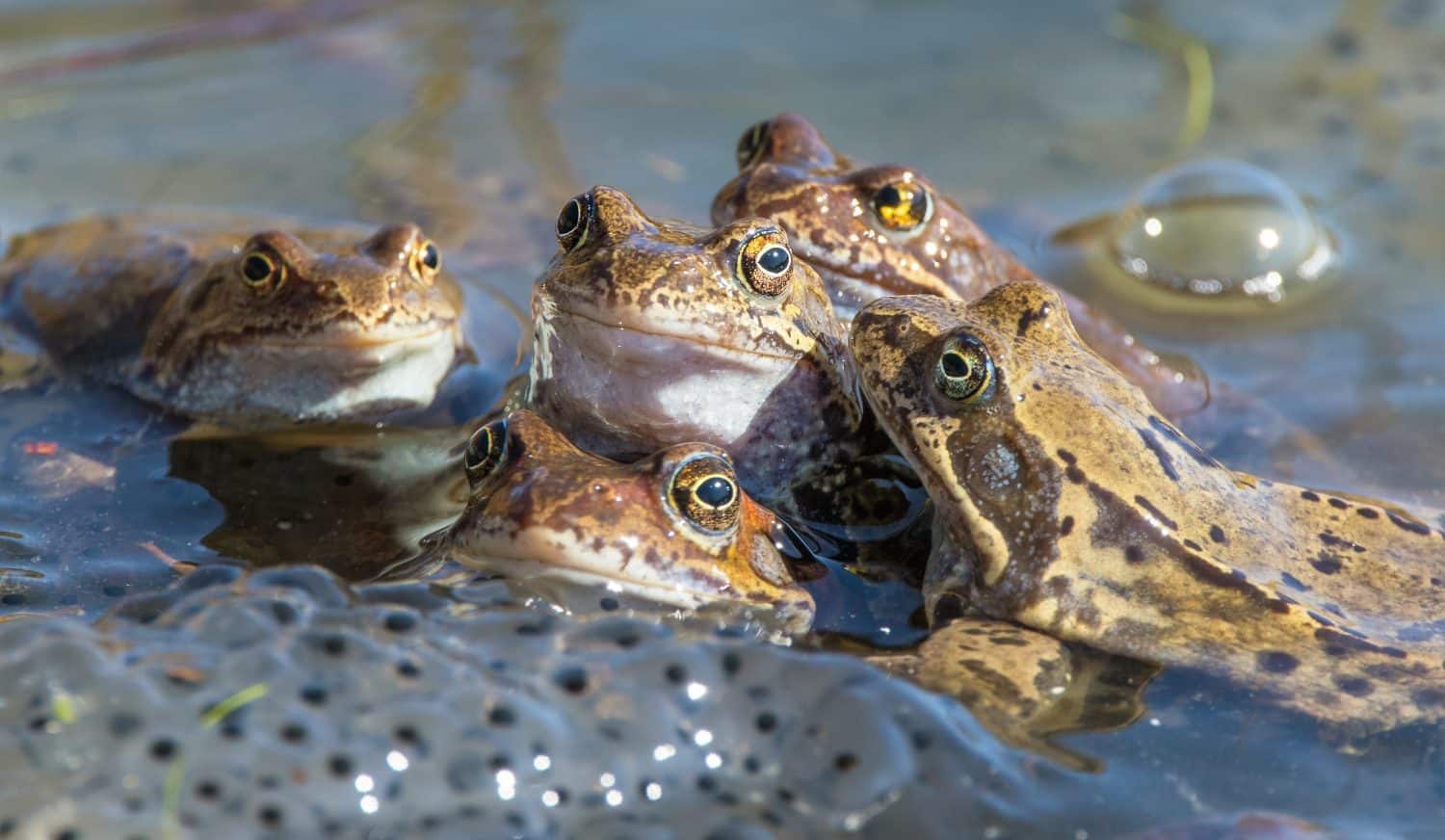
Frogs enter a state similar to suspended animation, where parts of their bodies freeze until the spring.
©Daniel Prudek/Shutterstock.com
November is a time when Minnesota amphibians begin preparing for winter. Practically all amphibians look for refuge from winter, which they find in the mud. Frogs like wood frogs and green frogs dig deep into the mud at the bottom of lakes and ponds. There, they undergo a fascinating process in which many of their bodily functions pause. So much of these frogs’ bodies shut down that they practically enter a state of suspended animation. Glucose acts as an organic antifreeze for some parts of their bodies, which freeze solid before defrosting and coming alive again with the warmth of spring.
While turtles are technically classified as reptiles, they share many characteristics with amphibians. During the inhospitable Minnesota winters, turtles such as snapping turtles and painted turtles also bury themselves in the mud. Instead of entering states of suspended animation, however, these turtle species remain active. They accomplish this through the use of specialized membranes in their throats and cloacae. Through a process called cutaneous respiration, these turtles can absorb oxygen through their skin to keep breathing even underwater.
Birds
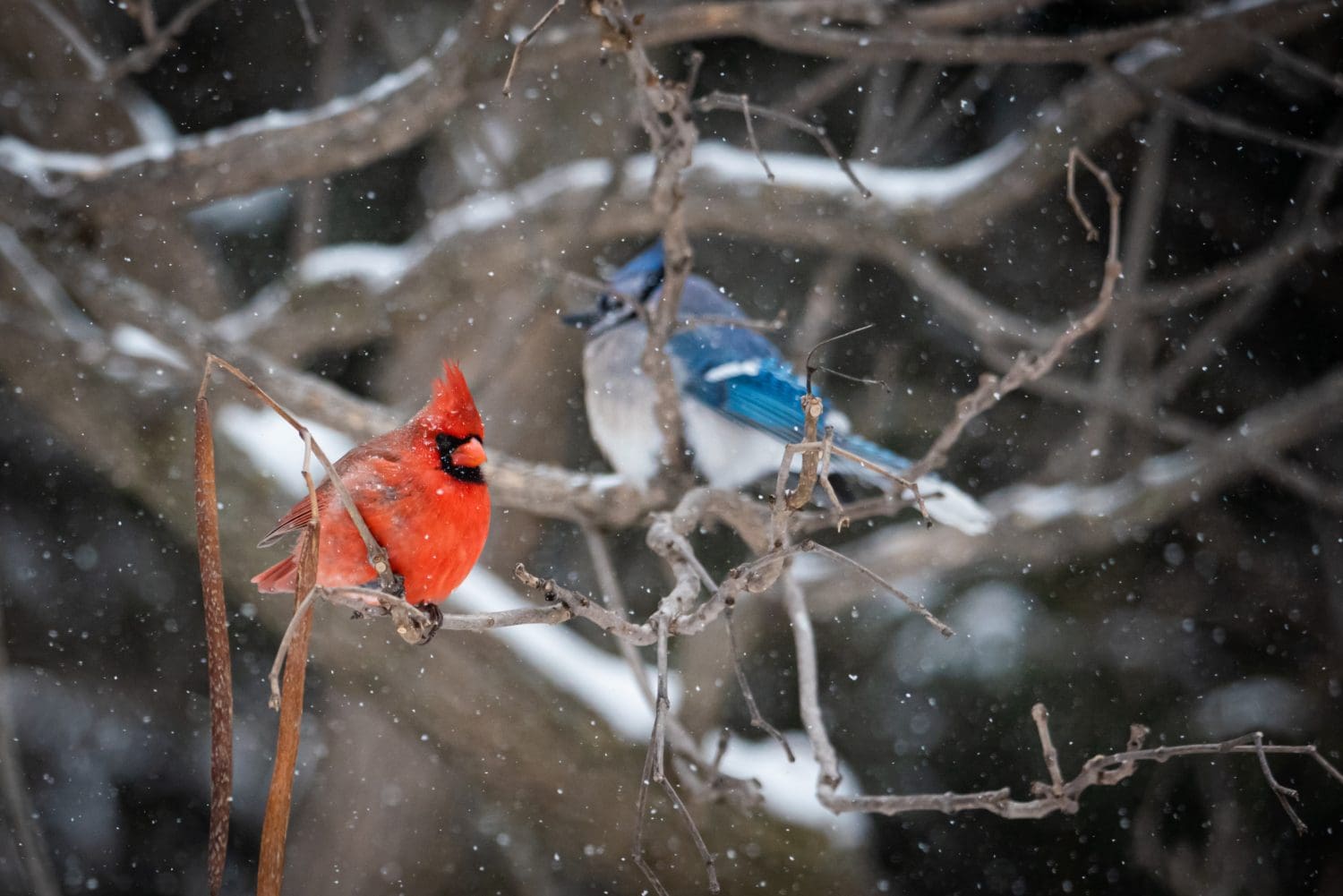
Birds like blue jays manage to find food sources even in the dead of winter.
©Debra Anderson/Shutterstock.com
While mammals and marine life endure the brutal Minnesota winter, some species of birds have the luxury of avoiding it almost completely. Indeed, the state experiences a great migration of birds during the late fall and early winter months. By November, many of the state’s summer avian residents have departed. While songbirds like warblers and orioles are gone, species like Canadian geese and mallards begin congregating to fly in large flocks southward.
For some birds, like juncos and redpolls, however, the Minnesota winter is actually temperate compared to their usual Arctic tundra environment. They appear in Minnesota during this time, where the state’s harsh winter feels like fall for them. Yet, there are even hardier birds in the state, like black-capped chickadees. These birds survive in Minnesota all winter long by entering a state of regulated hypothermia each night. Other birds that last through the season include woodpeckers and blue jays. Both have their own strategies for finding scarce food sources in the dead of winter.
Insects
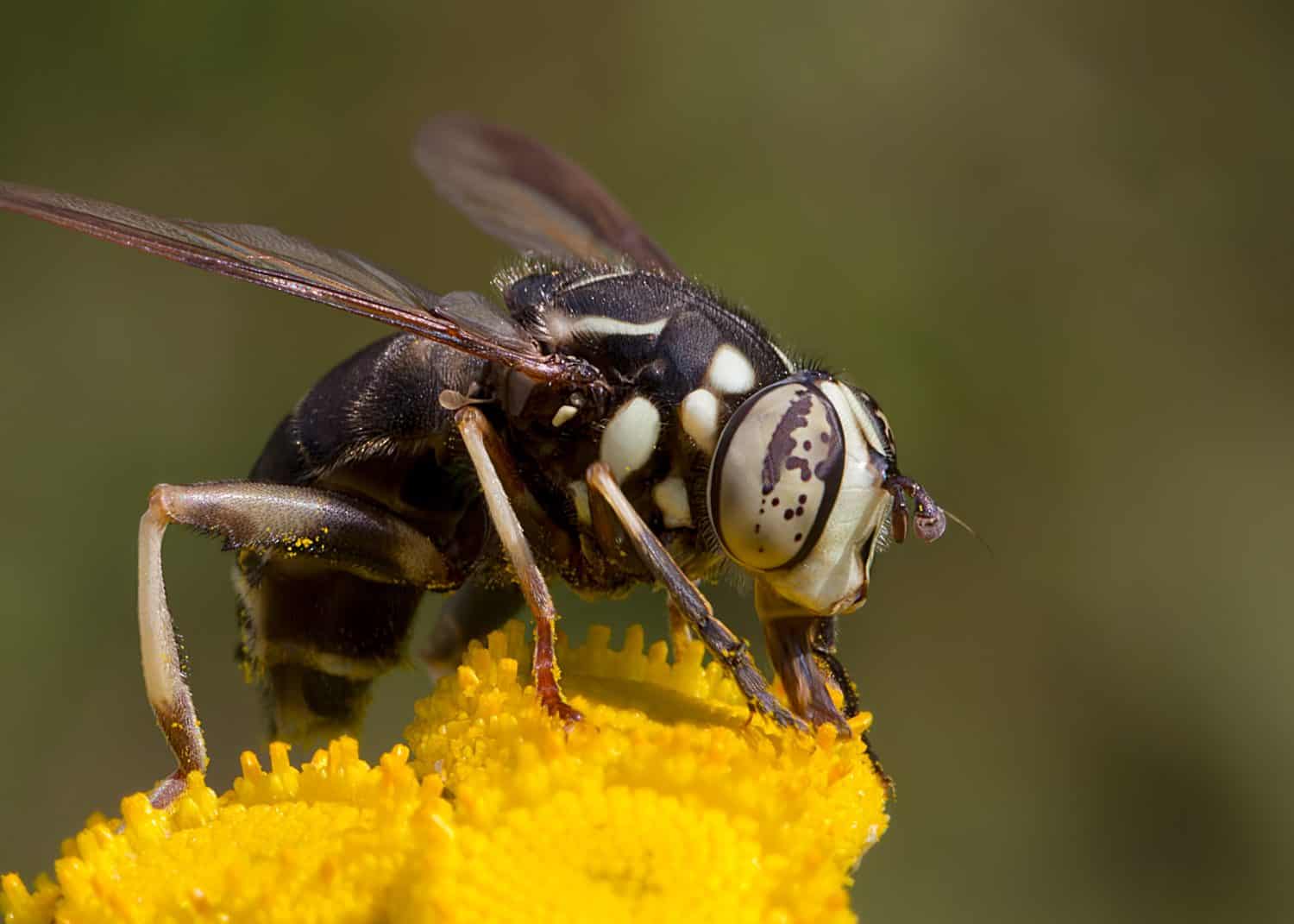
Insects adopt strategies ranging from migration to metabolism slowing to endure the long Minnesota winter.
©Larry Eiden/Shutterstock.com
Come winter, insects seem to almost disappear, especially in Minnesota. Remarkably, an untold number of insects hides amid the landscape enduring the long, cold months. Alternatively, species like monarch butterflies begin their migration south. Moths often overwinter as well, but other insect species like bees stick around long after the butterflies have gone. Honeybee colonies survive the long winter by tightly clustering around their queen in their hives to produce heat. Remarkably, this allows beehives to maintain fairly consistent temperatures. Even in the middle of a snowstorm, honeybees can keep the cores of their hives at a comfortable 90 degrees Fahrenheit. Native solitary bees don’t have this luxury. They typically endure by sealing themselves inside stems or soil. As for ants, they typically seal off the entrances to their colonies, travel deep into their tunnels, and slow their metabolism to a crawl.