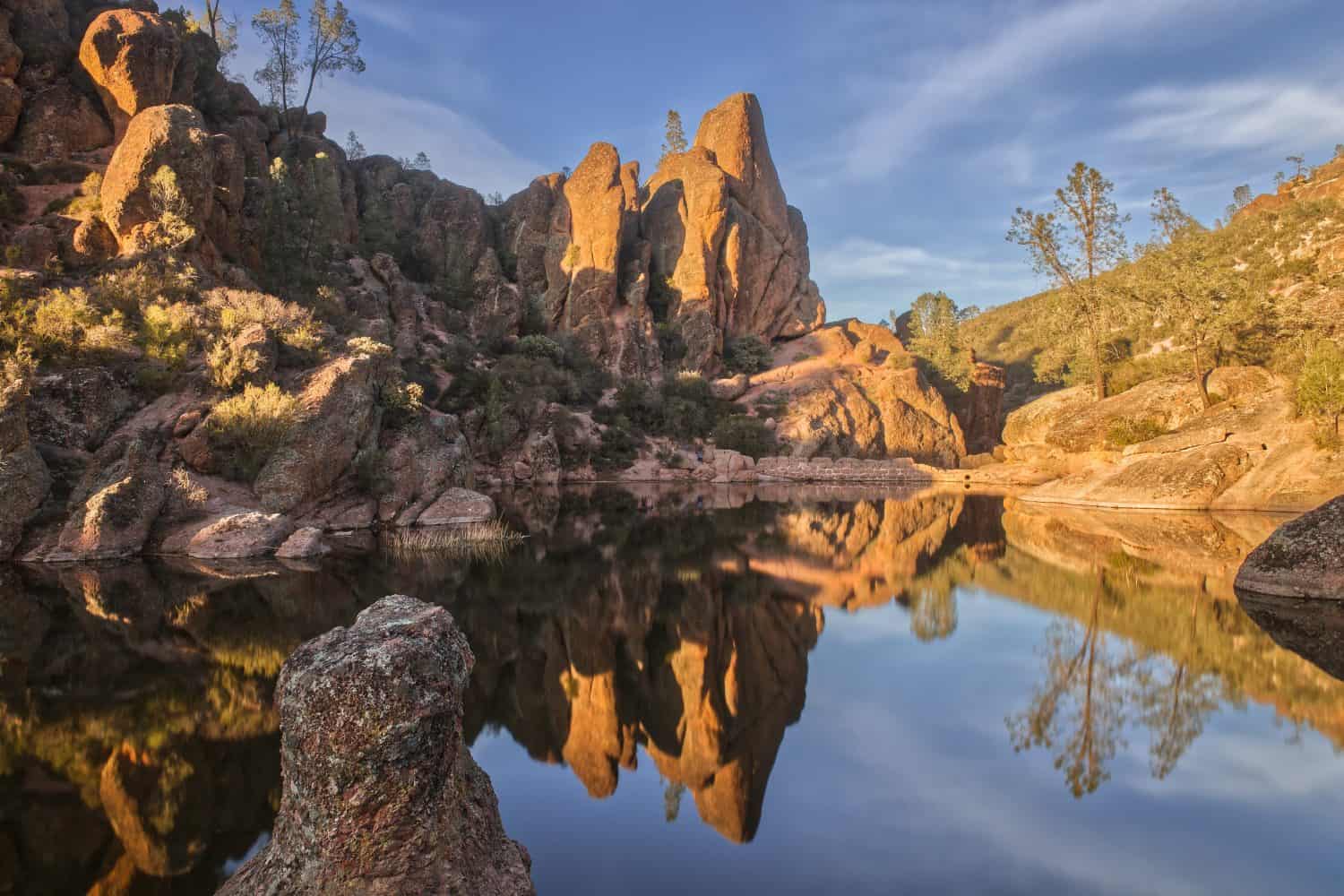

Pinnacles National Park was established as a national monument at the turn of the 20th century for good reason. As part of an extinct volcano, it features ample talus caves that house over a dozen species of bats. Only 80 miles south of San Jose and situated within the Salinas Valley, Pinnacles National Park is one of the most unique locations in California.
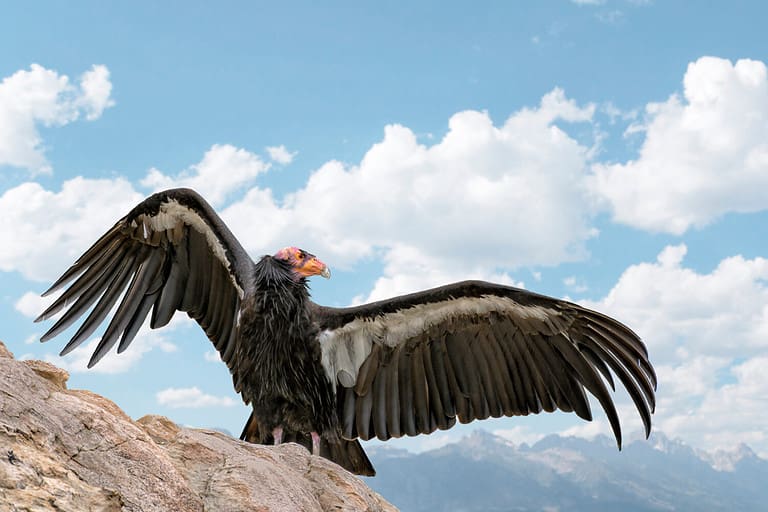
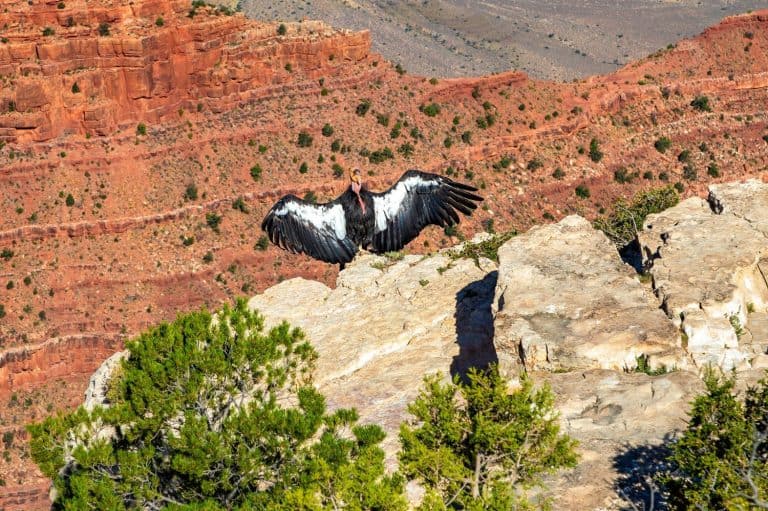
Not only does the park’s complex cave system host dozens of bat species, but the park also contains habitats for prairie falcons. It is also a release site for the famed California Condor, with many of these birds of prey regularly seen flying above the park. All in all, Pinnacles National Park has some of the most unique geological features anywhere in North America. It also has some interesting animals that use these fascinating formations to their advantage. Let’s learn more about them.
Striped Skunk
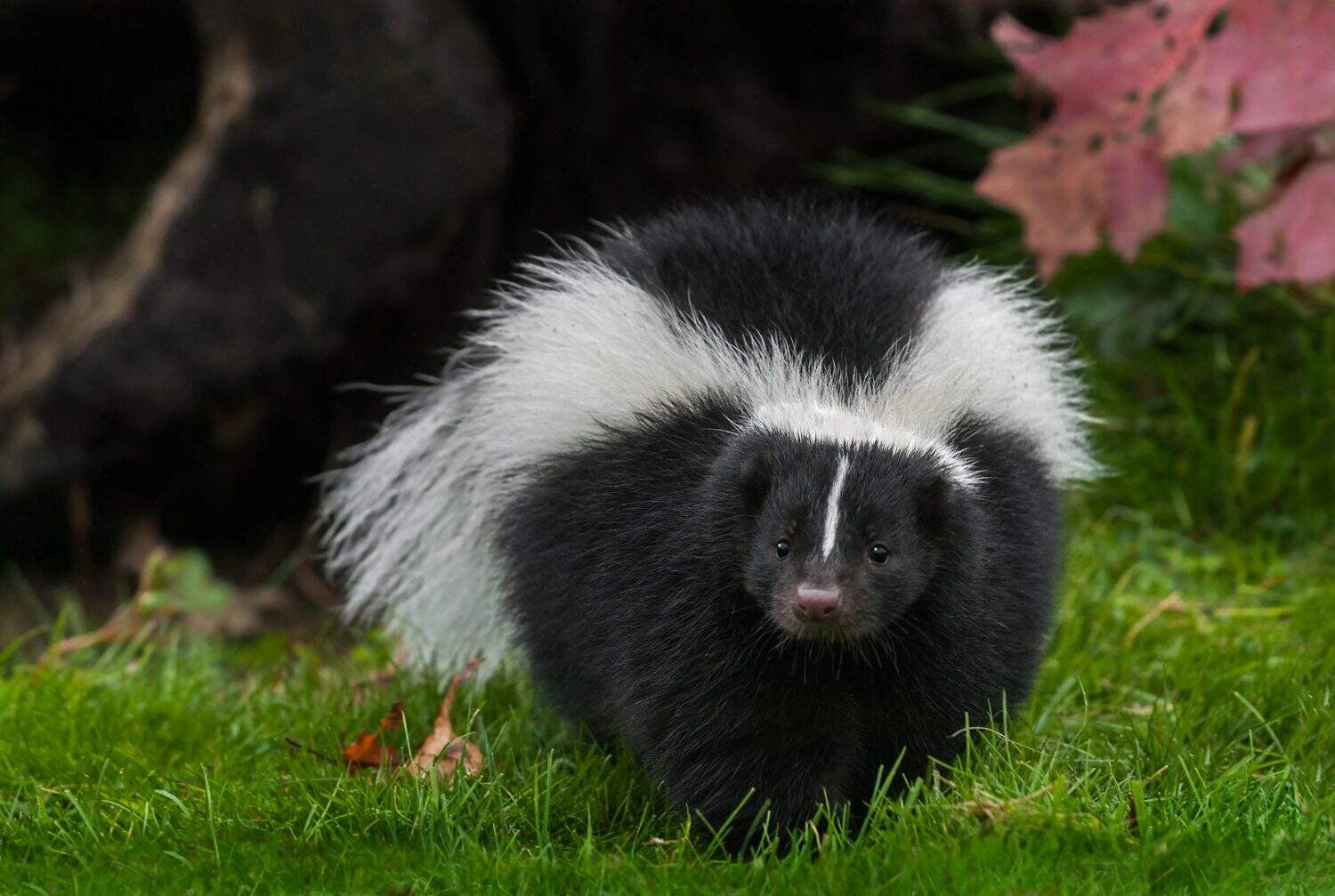
Stripked Skunks are common in this California national park, but hard to spot because they prefer to hunt under the cover of night.
©Holly Kuchera/Shutterstock.com
The striking striped skunk is one of those creatures you only want to spot from afar. Indeed, it’s all too easy to end up on the wrong end of a skunk interaction. If you happen to get sprayed, you’ll likely spend hours trying to remove the pungent smell via tomato juice. Luckily, striped skunks are almost never seen during the daytime. They prefer to hunt at night, opportunistically feeding on insects, amphibians, small mammals, and fruits.
They are characterized by small heads and big, vibrant, black-and-white coats. Visitors to Pinnacles National Park usually sense their presence through the tracks they leave in soil or leaf litter, or more pungently, the strong aroma they emit when threatened. People are wary of skunks but these nocturnal mammals are typically harmless unless cornered or disturbed. They are most often found in areas with plenty of rocky outcrops, fallen logs, and thick bushes. These areas include parts of Bear Gulch and Chalone Canyon, as well as the southern foothills of the park.
Big-Eared Kangaroo Rat
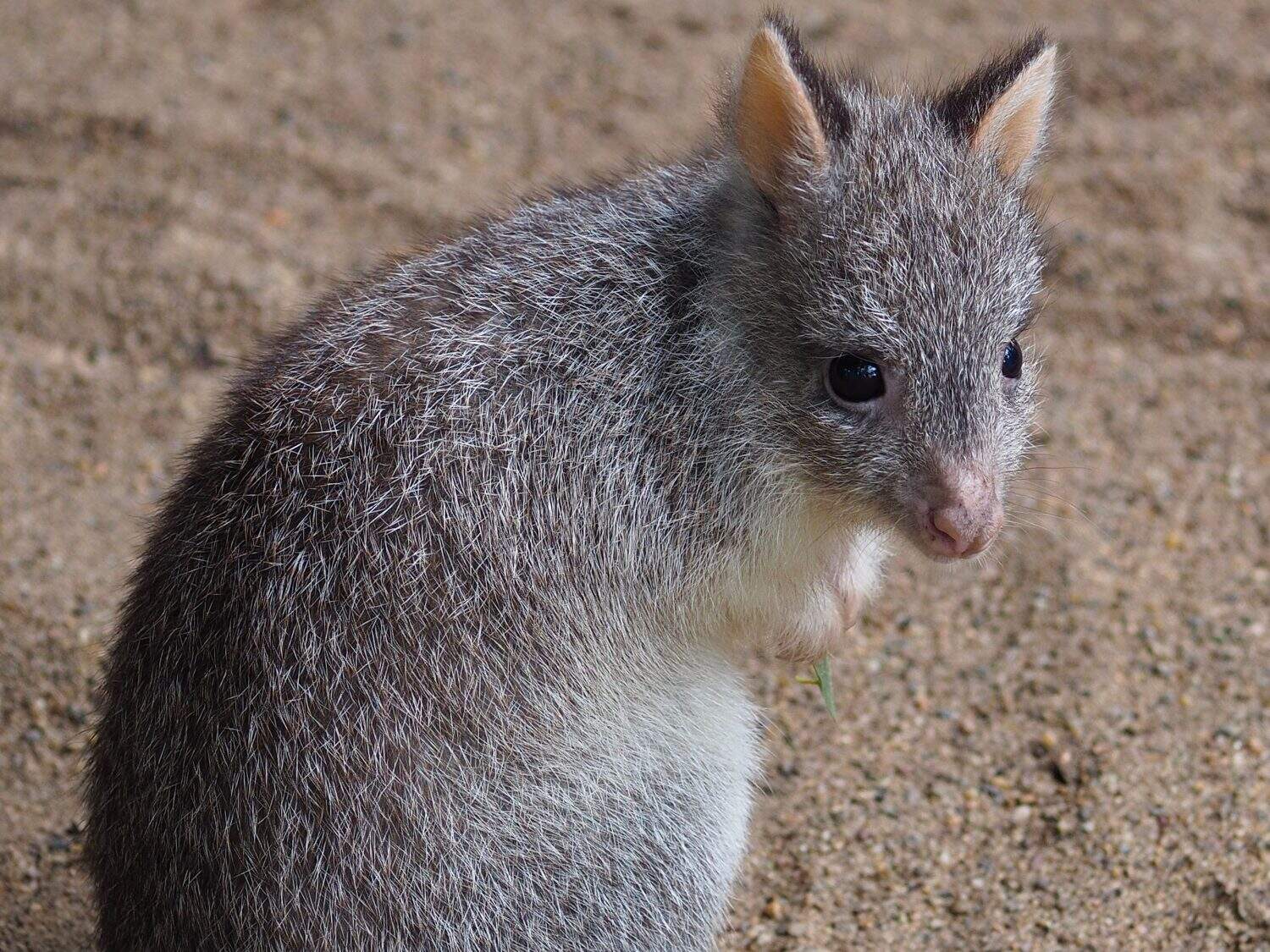
They are one of the rarest rodents that can be spotted in this rocky California national park.
©Andreas Ruhz/Shutterstock.com
Big-eared kangaroo rats are one of the rarer rodents found in Pinnacles National Park, characterized by their big ears and kangaroo-like facial structures. The park may be filled with more typical California rodents like brush rabbits and deer mice, but big-eared kangaroo rats are one of its most adorable small mammals. Well-adapted to arid habitats, these rats mostly forage for seeds, eating some and storing the rest in underground burrows.
They don’t need much water, and they can easily bounce away from large predators using their large hind legs. As such, they are one of the most prized animals to see in the park. Mostly, big-eared kangaroo rats are restricted to the Carrizo Plain nearby, found among dry, sandy soils with sparse vegetation. However, they venture into the national park once in a while.
Blainville’s Horned Lizard
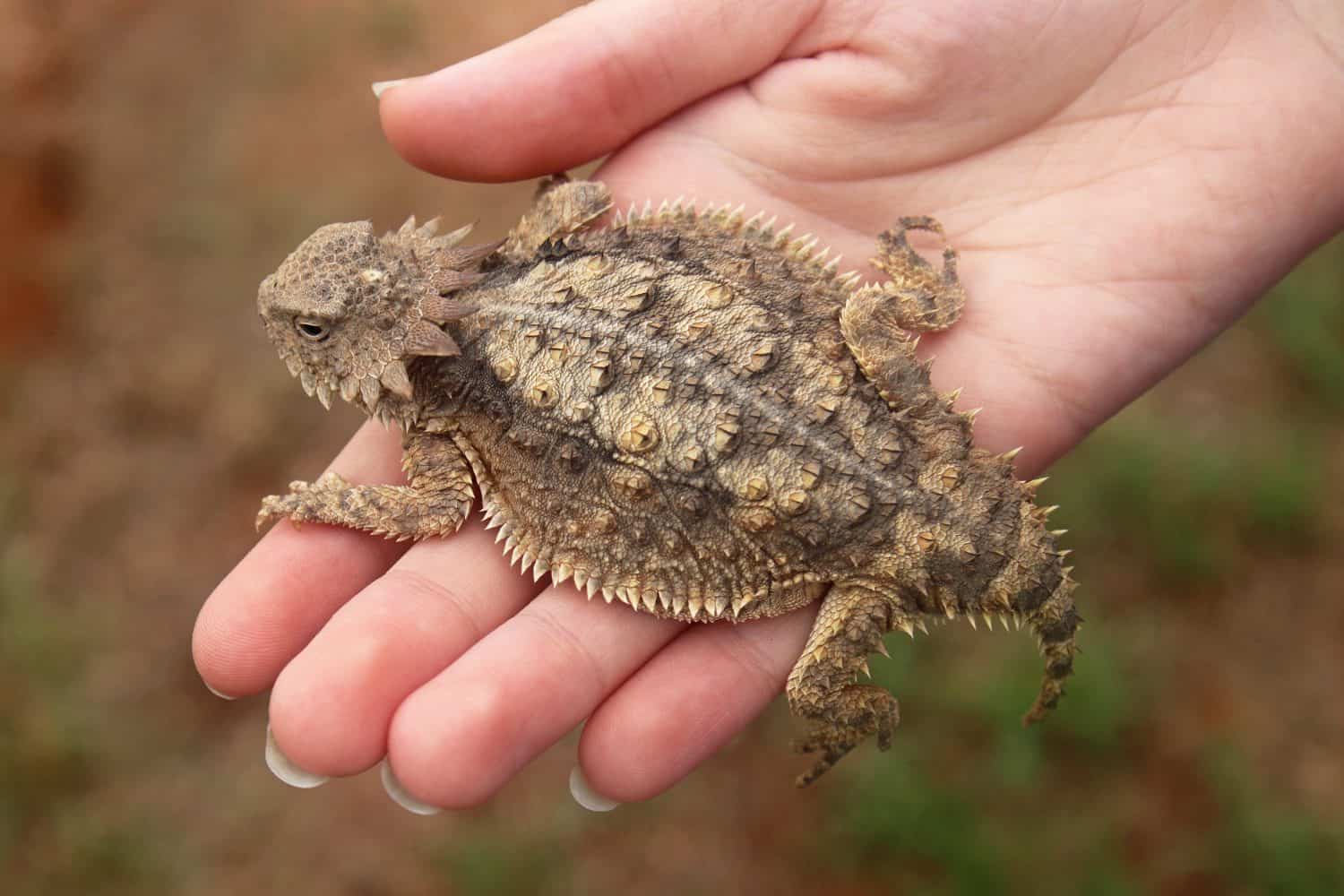
Blainville’s horned lizards can squirt blood from their eyes as a defense against predators.
©Creeping Things/Shutterstock.com
One of the most striking-looking reptiles found in Pinnacles National Park is undoubtedly the Blainville’s horned lizard. Spikey, striped, and bumpy, these horned lizards easily blend in with leaf litter, rocks, and soil in the lower elevations of the park. These little guys are so good at camouflaging, park visitors likely lay eyes on them without ever realizing it. Blainville’s horned lizards are typically found in areas with lower chaparral slopes, foothills, and grasslands, where they enjoy open areas and feed on small insects like ants. Such areas include Balconies and Juniper Canyon. Perhaps the most remarkable thing about these lizards, however, is that they can squirt blood from their eyes as a defense against predators!
California Ground Squirrel
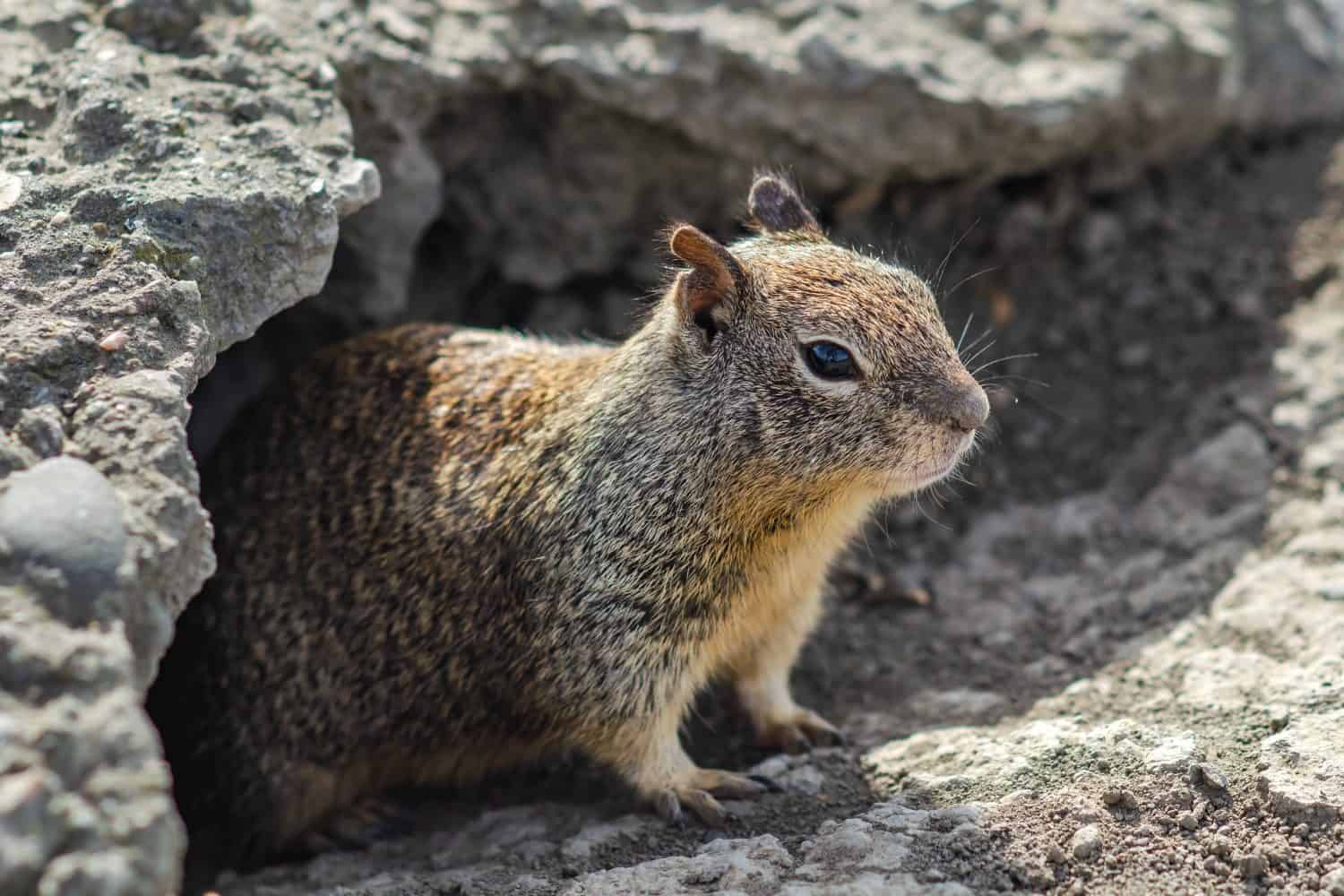
California ground squirrels rely on complex systems of underground burrows to live, store food, and stay abreast of dangerous predators.
©Iv-olga/Shutterstock.com
No list of animals that live in a California national park would be complete without mentioning the California ground squirrel. These small rodents feed on seeds, nuts, and even insects when they aren’t hunkered down in their complex, underground burrow systems. They are most often seen in small groups, standing upright and on the lookout for predators. A common sight in the park, visitors typically see them in the High Peaks Area, Juniper Canyon, and Balconies Cliffs. They prefer open grasslands and the edges of oak woodlands because they offer plenty of space to build burrows.
Bobcat
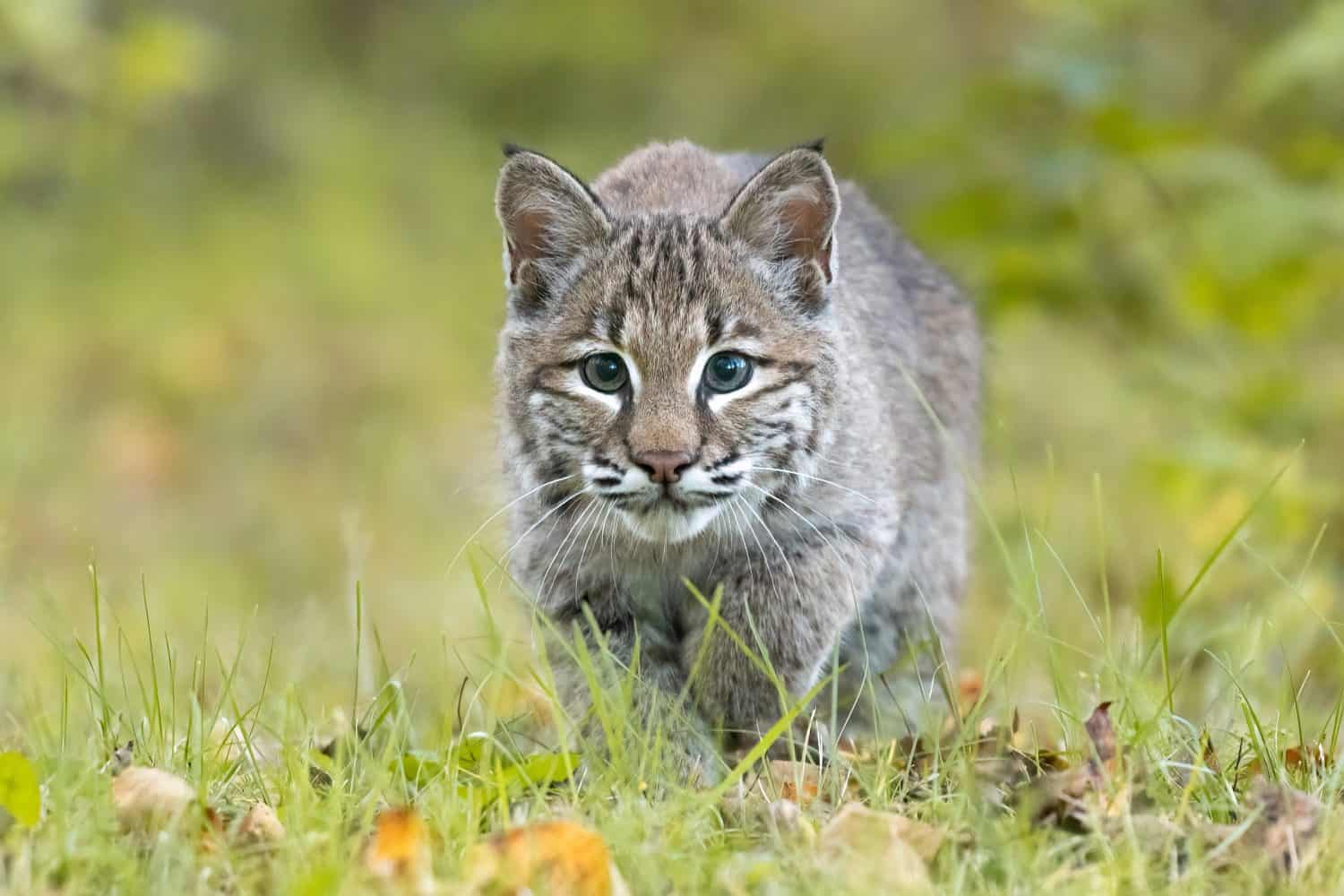
Bobcats are hard to see, but many visitors to the park see their scat and paw prints in the dirt.
©Travis Potter/Shutterstock.com
Even though bobcats can be found in Pinnacles National Park in pretty abundant numbers, don’t be surprised if you never see one when you visit the park. These incredibly secretive animals prefer to move under the cover of twilight, using the dawn and dusk hours to hunt for small mammals, reptiles, and even insects. Bobcats are solitary and territorial, making them even harder to see than other medium-sized wildcats. While people are unlikely to see them in the flesh, bobcat scat and paw prints are a common sight. Within the park, bobcats stick to rocky cliffs, chaparral slopes, and the bottoms of canyons. In particular, these cats are most often found in the High Peaks, Balconies cliffs, and Juniper Canyon areas.
Western Rattlesnake
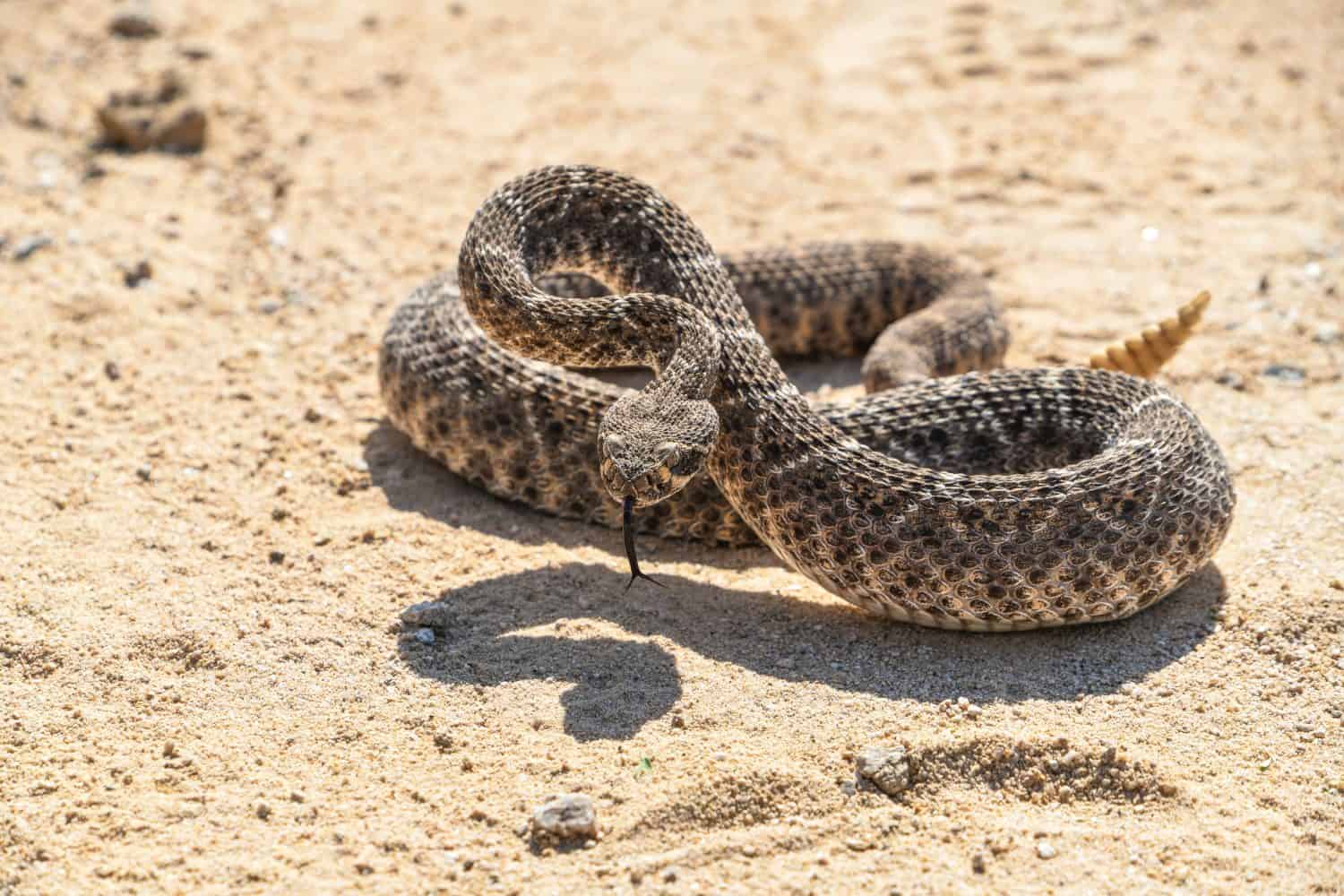
Western rattlesnakes may be venomous but typically aren’t dangerous unless stepped on or directly threatened.
©Clint H/Shutterstock.com
A relatively common sight in Pinnacles National Park that most visitors would rather avoid is the western rattlesnake. These venomous pit vipers are most commonly found in the Balconies cliffs and High Peaks areas of the park. They usually aren’t aggressive unless provoked or accidentally stepped on, but they can be incredibly dangerous. Luckily, rattlesnakes will usually shake their rattle before they strike to warn threats to back away quickly.
Lesser Goldfinch
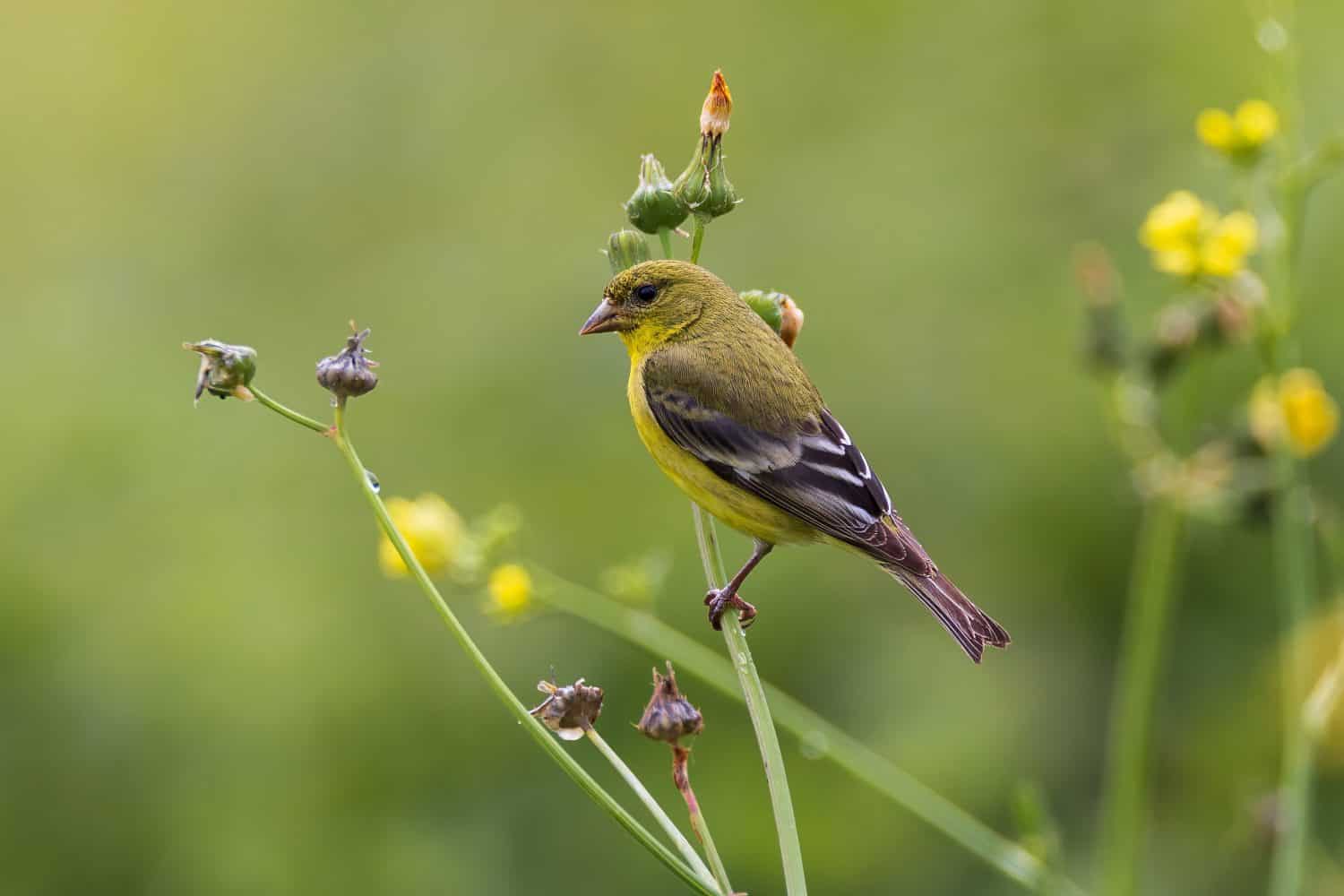
Lesser goldfinches are an integral part of ecosystems because they disperse so many seeds.
©Matt Krofcheck/Shutterstock.com
As integral parts of the Pinnacles ecosystem, lesser goldfinches help disperse seeds throughout riparian and woodland habitats. They are most active during the day, when visitors can sometimes see them darting between shrubs and tree branches. However, they can often be heard before they’re seen due to their cheerful, high-pitched calls. When it comes to specific locations within the park, lesser goldfinches tend to stick to areas around Juniper Canyon, Bear Gulch, and Balconies Cliffs. There, they forage for seeds from thistles and other native plants. Seeing one is a relatively rare but welcome sight thanks to their mustard-yellow chests, black and white back feathers, and short, sharp beaks.
Western Toad
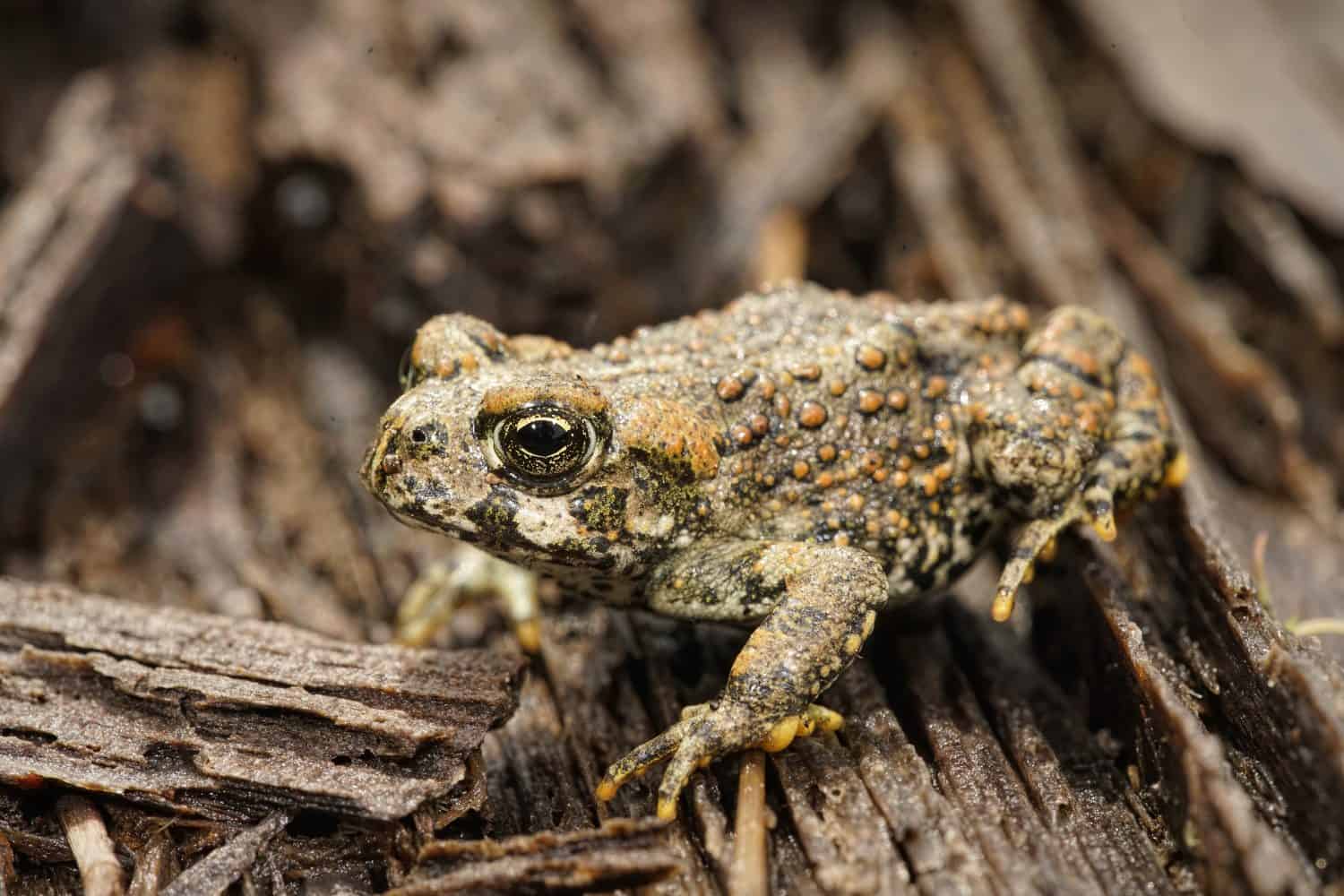
Visitors to the park have the best chance at spotting western toads if they visit moist areas during the spring and early summer.
©HWall/Shutterstock.com
One of the more interesting-looking amphibians found in Pinnacles National Park is the western toad. They are typically spotted by visitors in areas with plenty of moisture via creeks, springs, and even ponds. While they are usually nocturnal, preferring to hunt insects and spiders at night, western toads can sometimes be seen in the daytime, or at least, heard. Visitors have the best chance at spotting them around Bear Gulch Creek and Chalone Creek.
California Quail
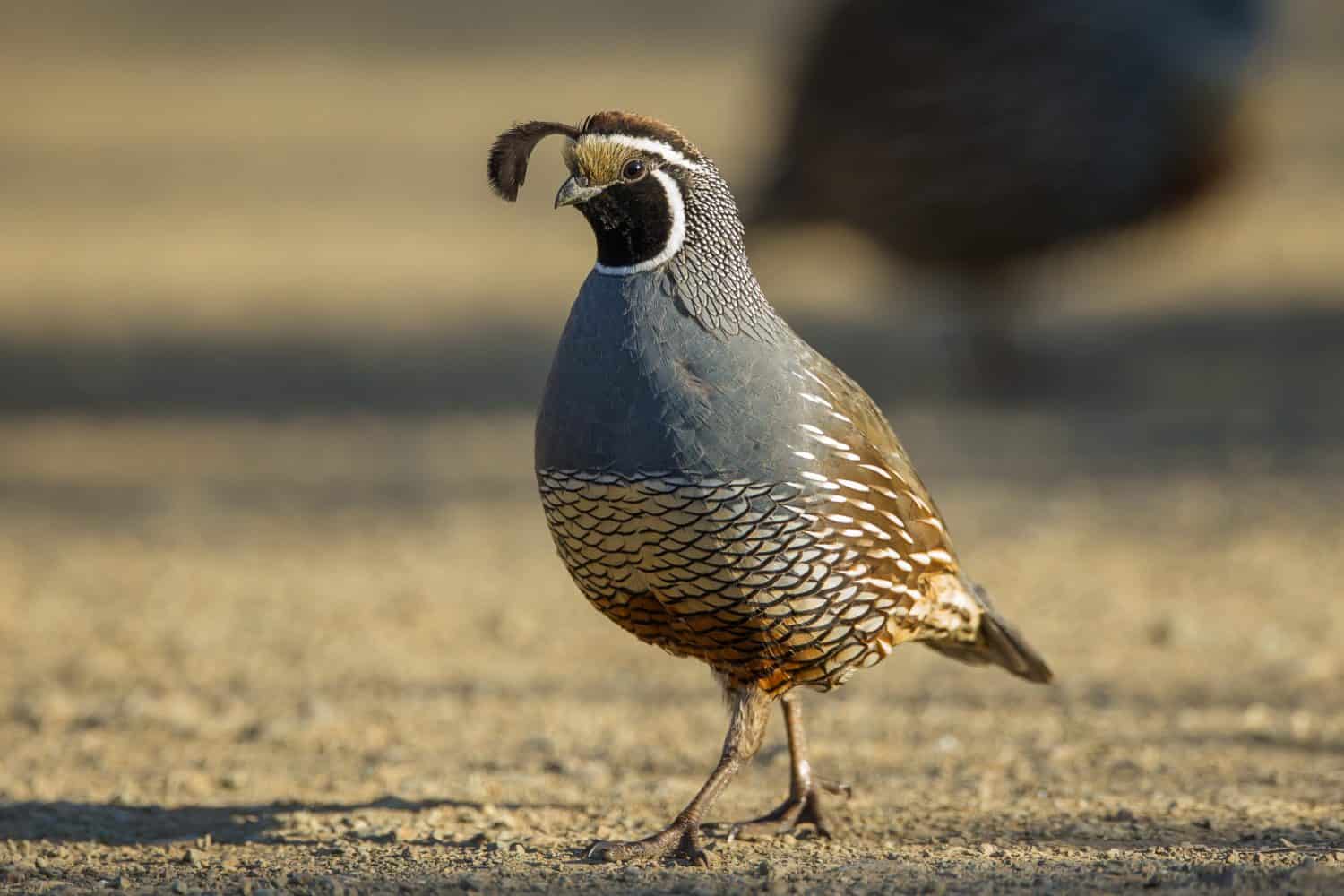
These ground-dwelling quails stick to the areas with oak woodlands, chaparrals, and scrub foliage.
©Keneva Photography/Shutterstock.com
California quails are a pretty common sight in Pinnacles National Park. These rotund, ground-dwelling birds prefer areas with chaparral, oak woodlands, and scrub. In particular, park visitors often see them around the lower Bear Gulch area, Juniper Canyon, and the Balconies foothills. There, they wander around the ground feeding on seeds, leaves, and even small insects.
Northern Flicker
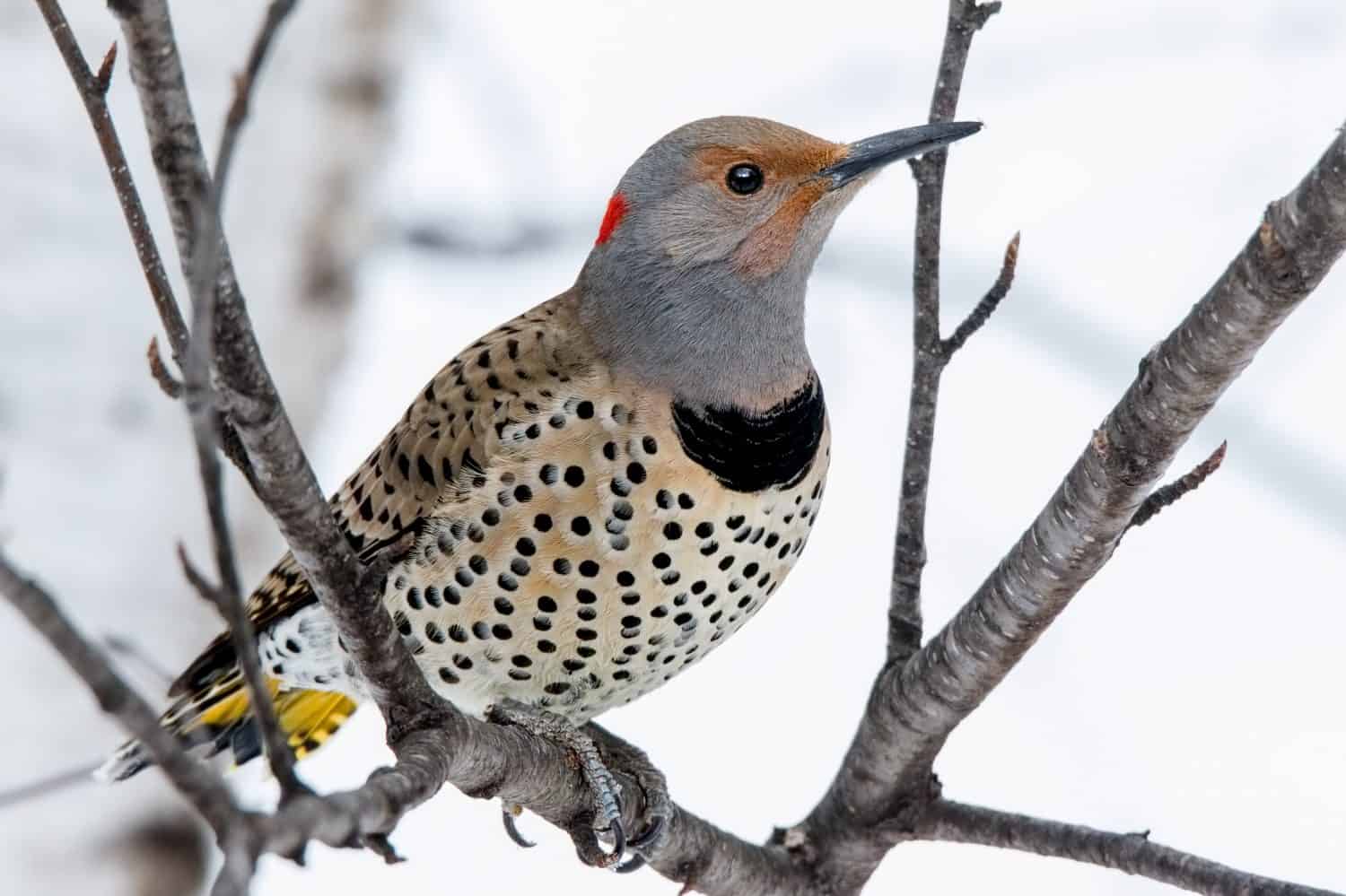
These commonly found woodpeckers spend a fair amount of time on the ground hunting for insects.
©Larry Eiden/Shutterstock.com
One of the most commonly found woodpeckers in Pinnacles National Park is also the most vibrant: the northern flicker. These woodpeckers spend a sizable part of their lives on the ground foraging for ants and other insects. Visitors have the best chance of seeing them in Bear Gulch Canyon, Juniper Canyon, and around the Balconies Foothills.
Canyon Wren
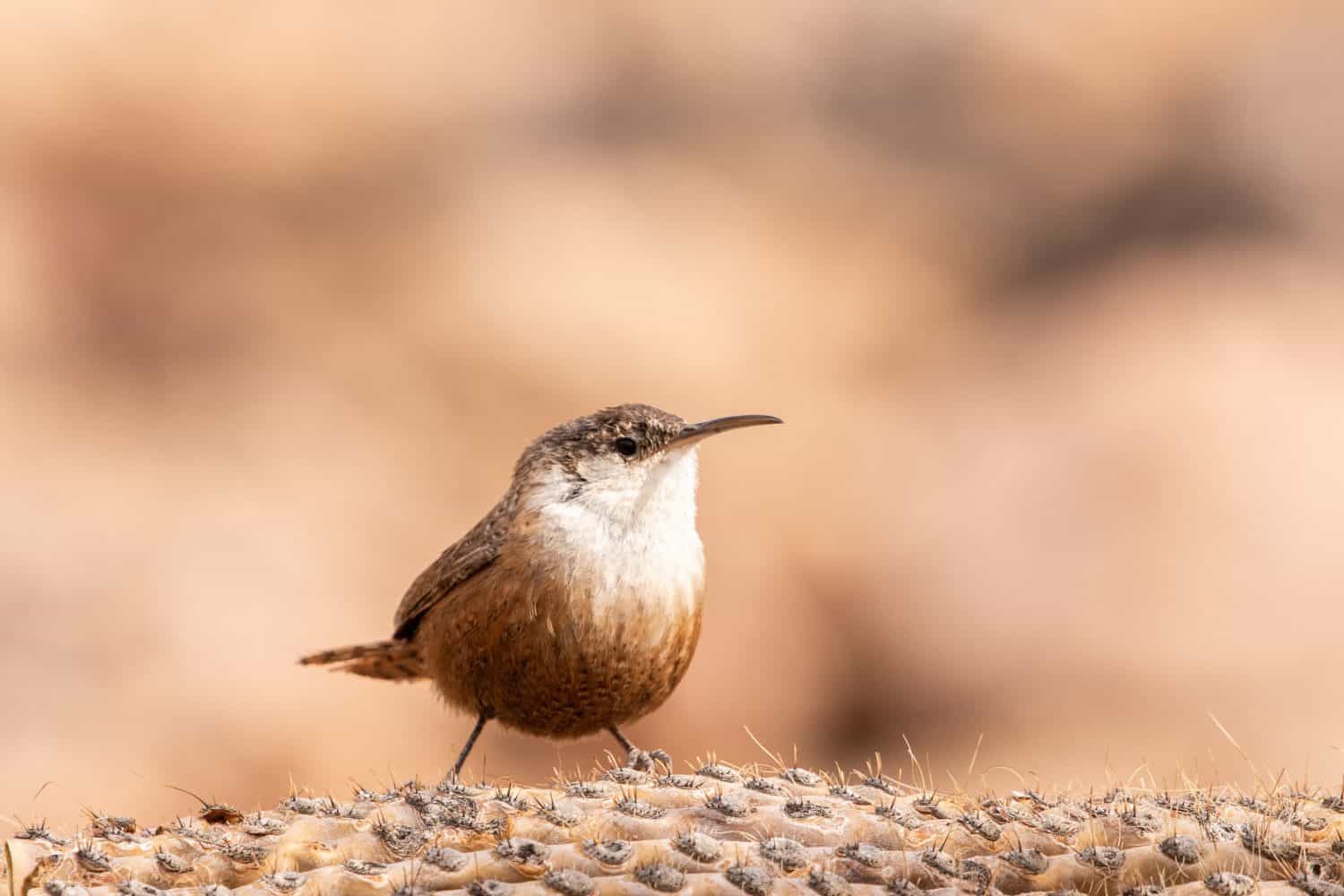
Canyon Wrens have white throats and brownish-gold bellies.
©Griffin Gillespie/Shutterstock.com
These small, brownish gold-bellied songbirds are best known for their cascading calls and are frequently sighted throughout the park. Canyon wrens are typically seen in areas with steep rock cliffs, large canyons, and screes, all of which provide ample nesting locations and camouflage from predators. In particular, visitors often spot these striking songbirds in the Balconies Cliffs, High Peaks, and Juniper Canyon.
California Towhee
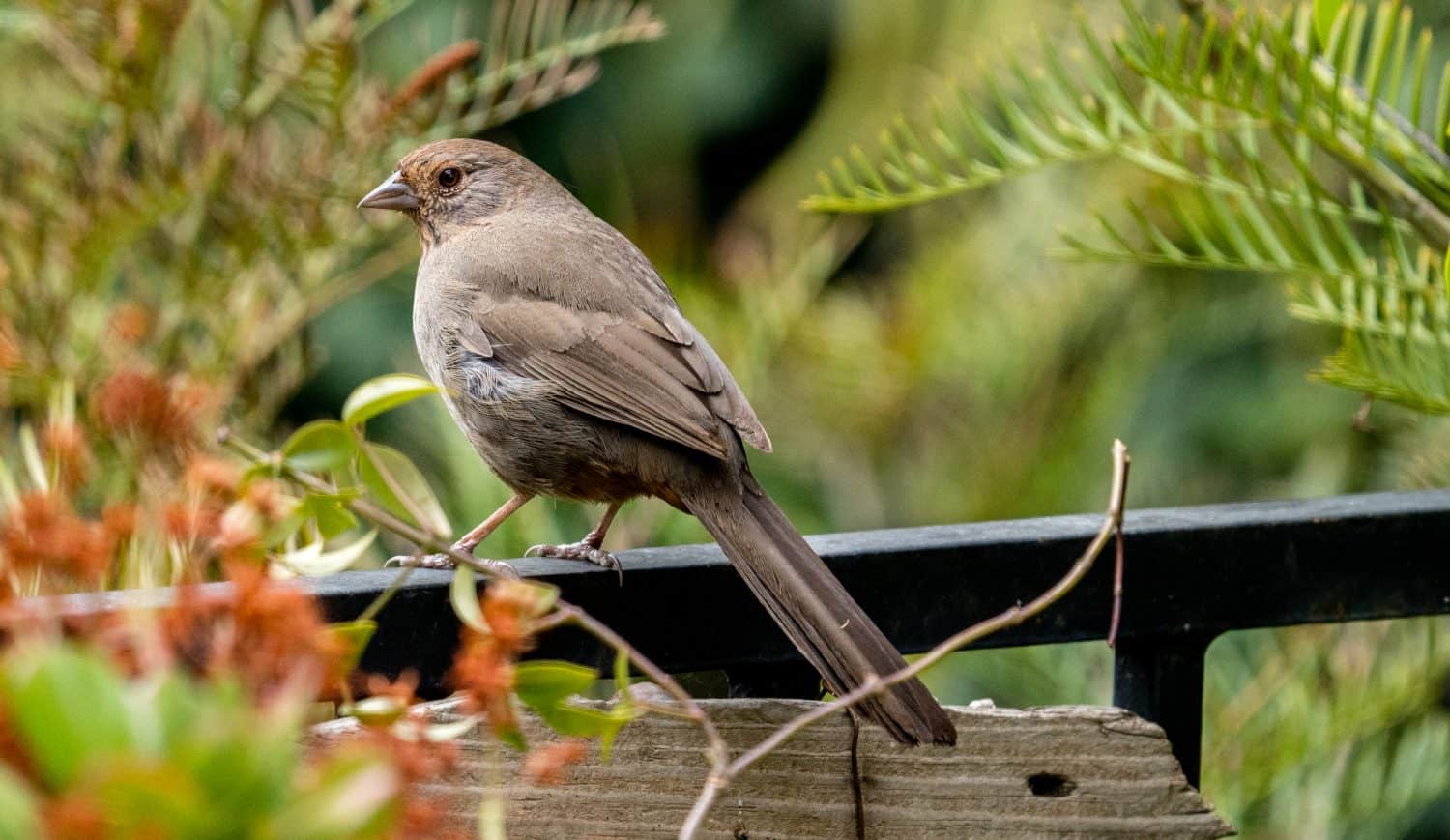
These sedentary birds are common to the area but like to stay hidden amidst the chaparral’s brush and low-hanging branches.
©clayton harrison/Shutterstock.com
California towhees are one of the most commonly seen birds in Pinnacles National Park. A ground-dwelling type of songbird, towhees have brownish-gray bodies and noticeably long tails. They are an important part of the ecosystem because they both control insect populations and help disperse seeds. While they are a staple of the national park, they are pretty secretive. Towhees stay low to the ground and stick to areas with plenty of brush and low branches.
As such, they are more often heard than seen. Lucky hikers may spot them darting between bushes along the park’s chaparral trails in Bear Gulch Canyon, Juniper Canyon, and along the trail edges near the park’s Balconies area.
Gopher Snake
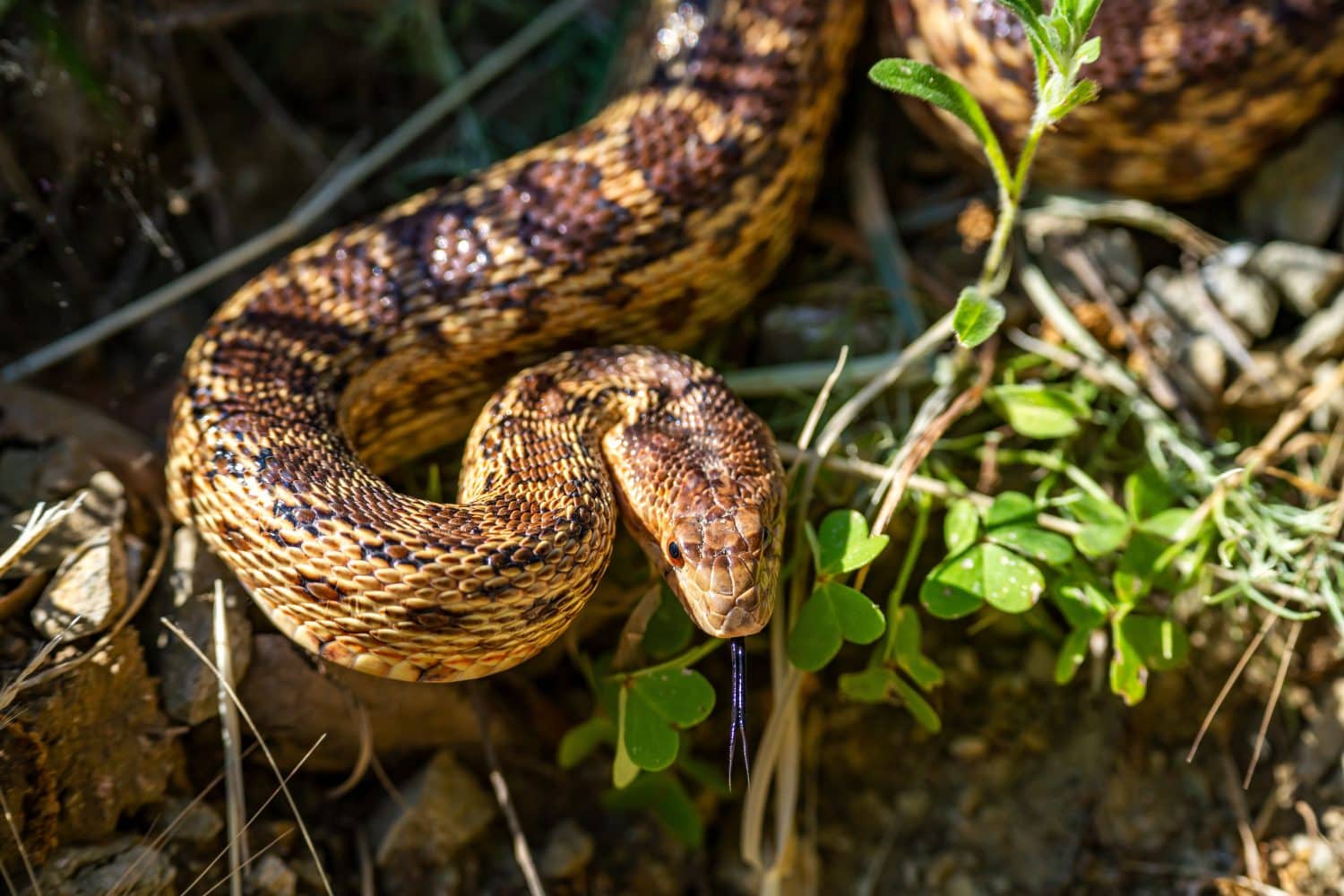
Unlike other small snakes, gopher snakes are pretty active during the daytime. Hikers sometimes see them basking on rocks in the park’s moist areas.
©Iv-olga/Shutterstock.com
Gopher snakes may look pretty threatening, but they are harmless when it comes to humans. They are, however, a serious predator to smaller creatures like amphibians, earthworms, and insects. Gopher snakes are small enough to be preyed upon by larger animals like birds of prey, raccoons, and even larger snakes. These snakes are found most commonly in moist areas around streams, springs, and ponds. Most snakes stay low-key during the daytime, but gopher snakes are pretty active around high noon. People see them basking on rocks near Bear Gulch Canyon, and in the riparian zones along Chalone Creek.
Acorn Woodpecker
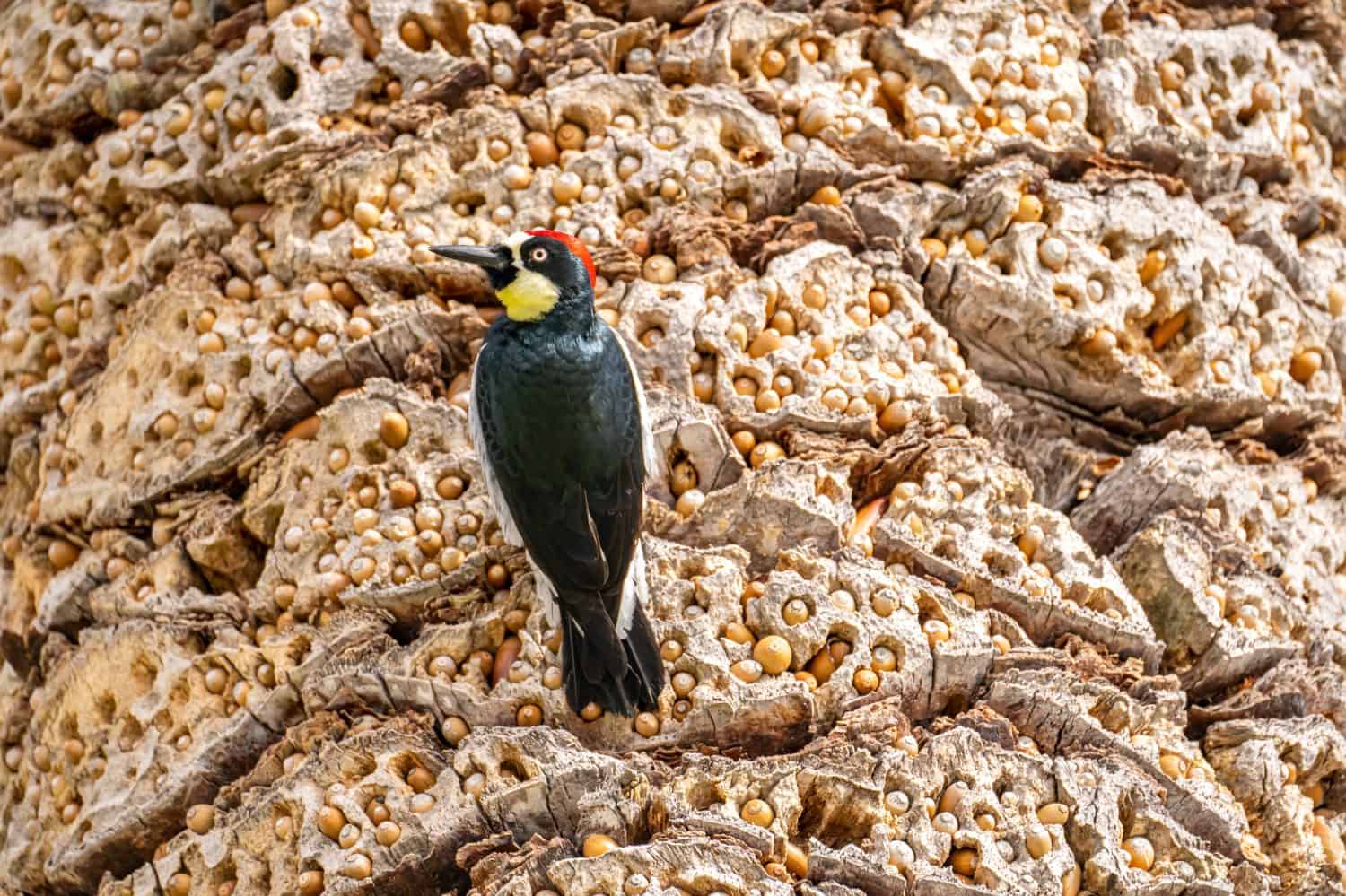
These vibrant-looking woodpeckers drill hundreds of holes into wood structures or trees, which they fill with enough acorns to last them the long winter.
©Iv-olga/Shutterstock.com
Acorn woodpeckers are a common type of bird found in this national park. They are characterized by black bodies, yellow chins, and red feathers on the tops of their heads. Relatively social birds, acorn woodpeckers are best known for their granaries—trees or other wooden structures filled with holes that the birds use to store acorns. They are more easily heard than seen, as they sometimes emit loud “waka-waka” calls. When they are spotted, park visitors usually see them around oak woodlands in Juniper Canyon, Bear Gulch Canyon, and the Balconies area. As a general rule, acorn woodpeckers stick to areas with plenty of blue oaks, valley oaks, and live oaks.
Three-Spined Stickleback
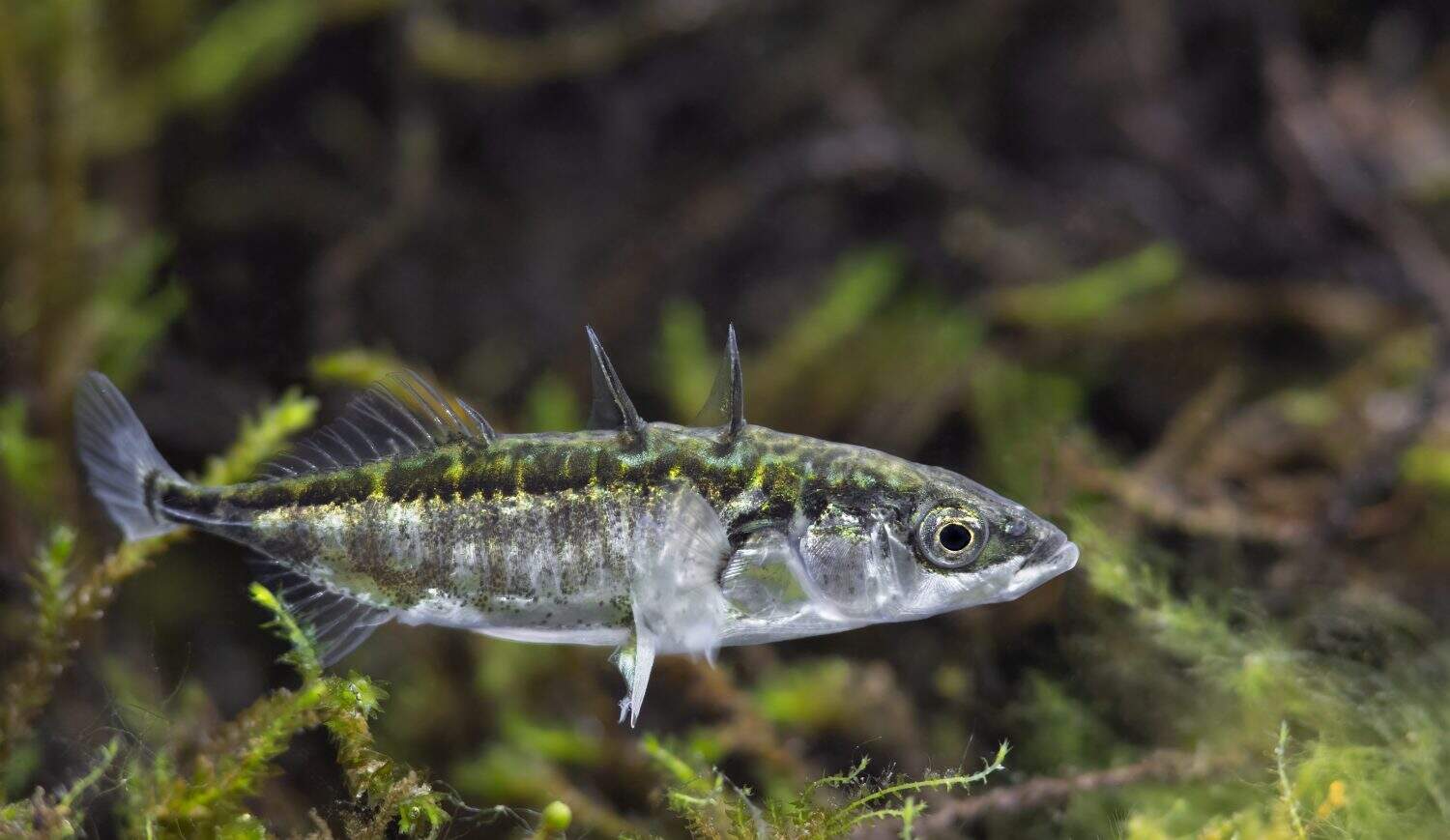
Three-spined sticklebacks are the only native fish species in Pinnacles National Park.
©Justas in the wilderness/Shutterstock.com
The three-spined stickleback is one of the more unique-looking fish in California’s Pinnacles National Park. This fish features three thorn-like spines protruding from its back and is the only native fish species in the park. People see these spiny fish most often in areas along Bear Gulch and the South Wilderness Trails. While other fish sometimes swim up the Salinas River during floods, native three-spined sticklebacks are in the park year-round.
Green Sunfish
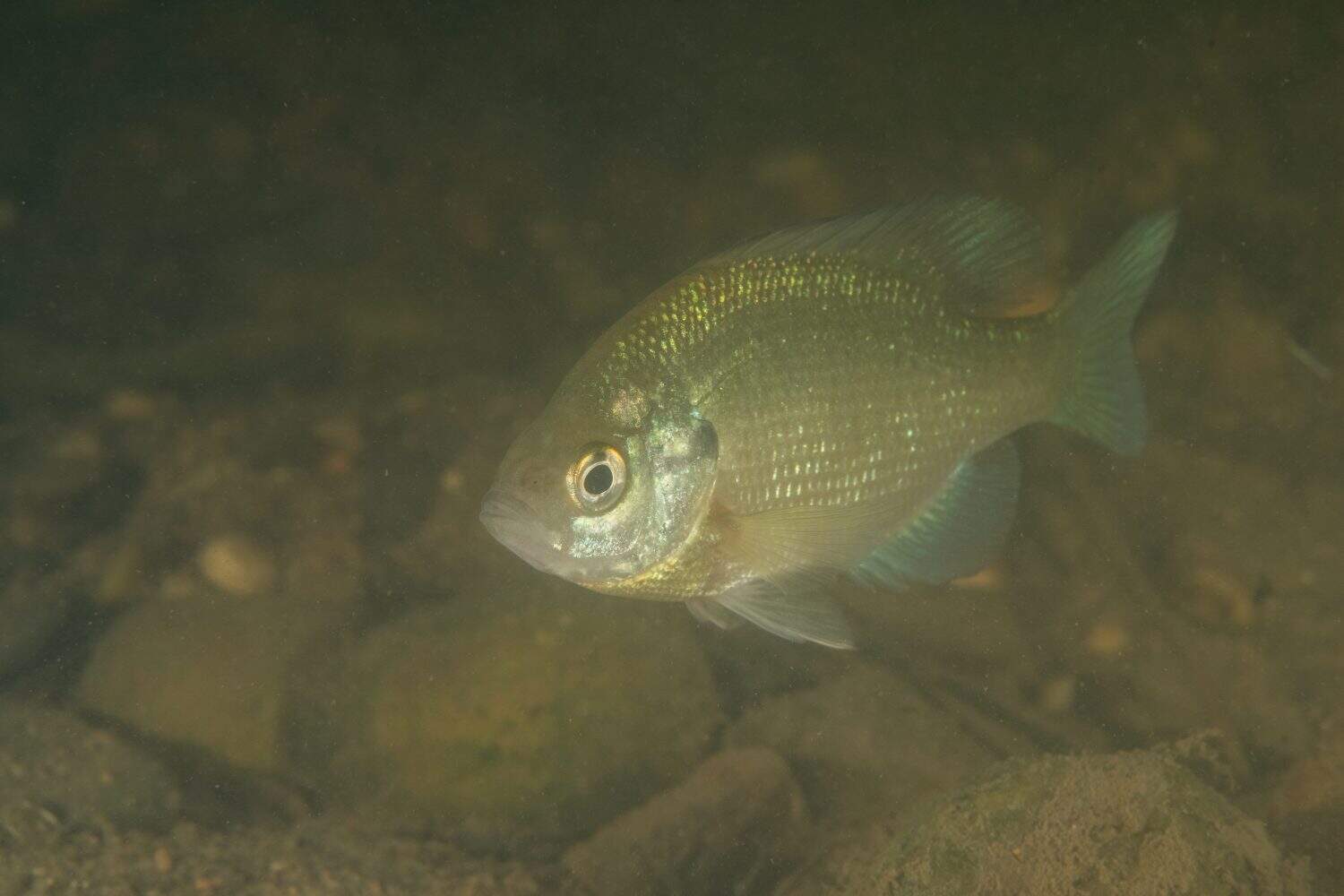
Park officials used electroshock techniques to reduce the number of invasive green sunfish during the mid-1990s.
©Griffin Gillespie/Shutterstock.com
In the mid-1990s, non-native fish like green sunfish found their way into Pinnacles via the streams. Unfortunately, they posed a serious threat to the area’s red-legged frog population. Park officials were forced to remove them using electroshock techniques. While they aren’t found in abundance, like in decades past, green sunfish are still sometimes spotted around Pinnacles National Park.
Mosquitofish
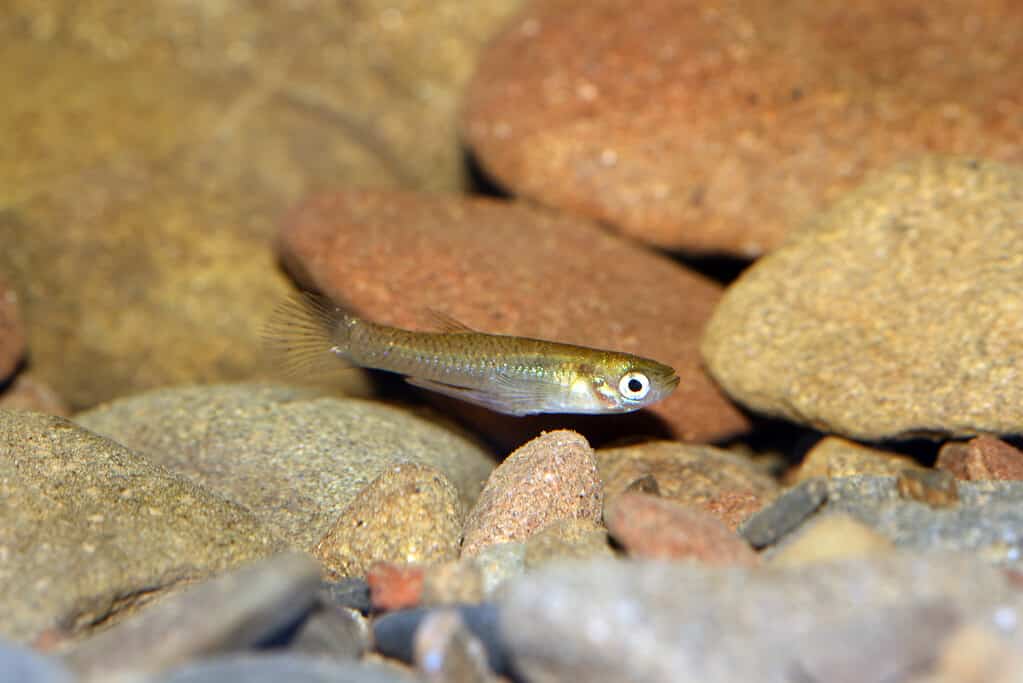
These small freshwater fish are the only invasive fish species that currently have widespread presence in the national park.
©angeluisma/iStock via Getty Images
Mosquitofish are another type of invasive fish found in Pinnacles National Park. A relatively small freshwater fish, the mosquitofish is so named for its diet of mosquito larvae. While they also pose a minor threat to the park’s red-legged frog population, eradicating these invasive fish remains impractical and, therefore, a low priority for park officials.
Mule Deer
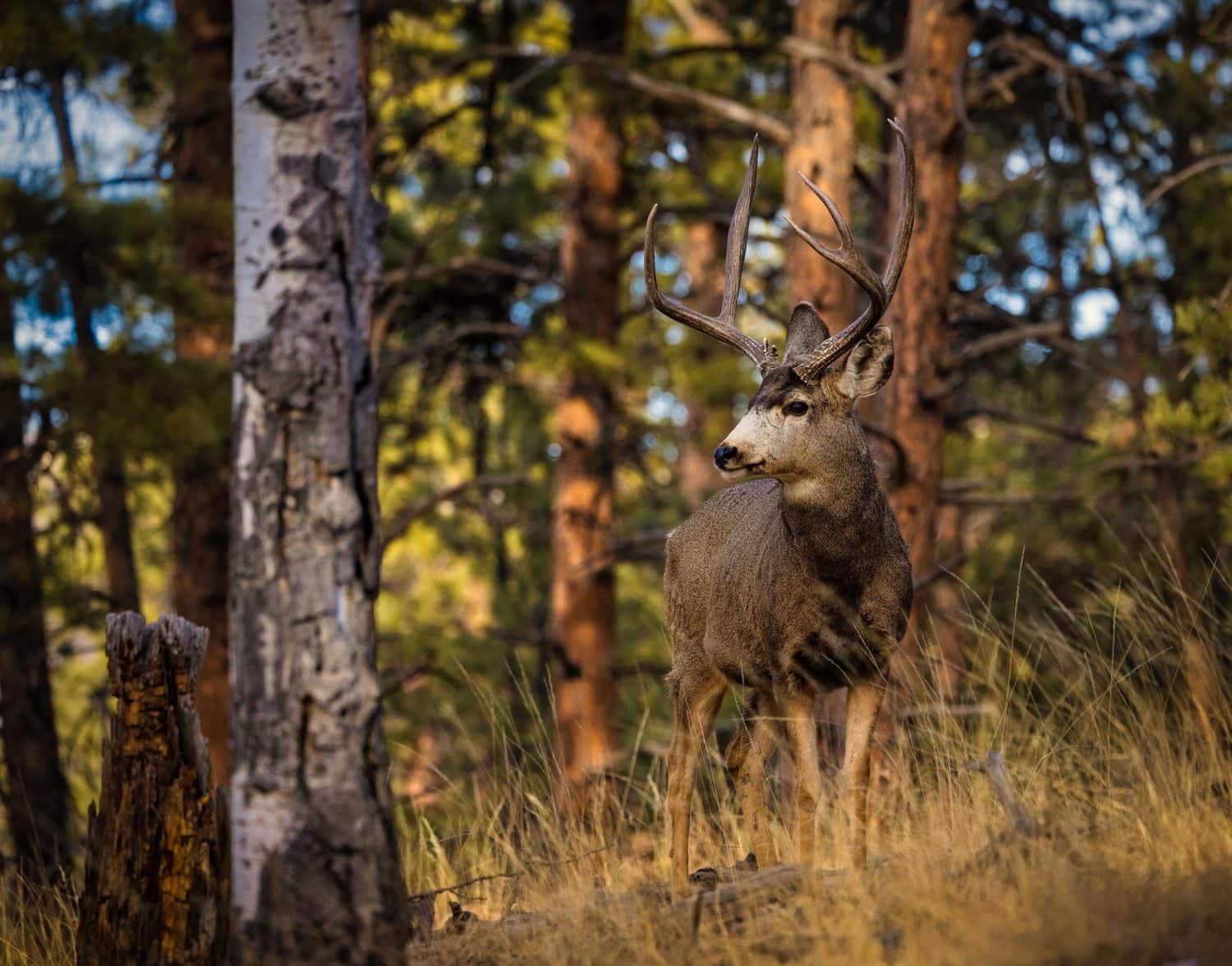
Mule deer tend to stick to areas with lower elevation, including the Bear Gulch Reservoir Area and Moses Spring.
©John Boland/Shutterstock.com
One of the largest mammals found in this vibrant California national Park is the mule deer. Characterized by black-tipped tails and bifurcated antlers in males, mule deer can be found in the lower elevations of the park. Most often, visitors see mule deer in the Bear Gulch Reservoir Area near Moses Spring or around the campgrounds near Bench Trails. While they tend to stick to lower elevations, mule deer have been spotted amidst the park’s higher peaks, such as Condor Gulch and Juniper Canyon. Though they sometimes venture out midday, mule deer are most active during the early morning and evening hours.
Gray Fox
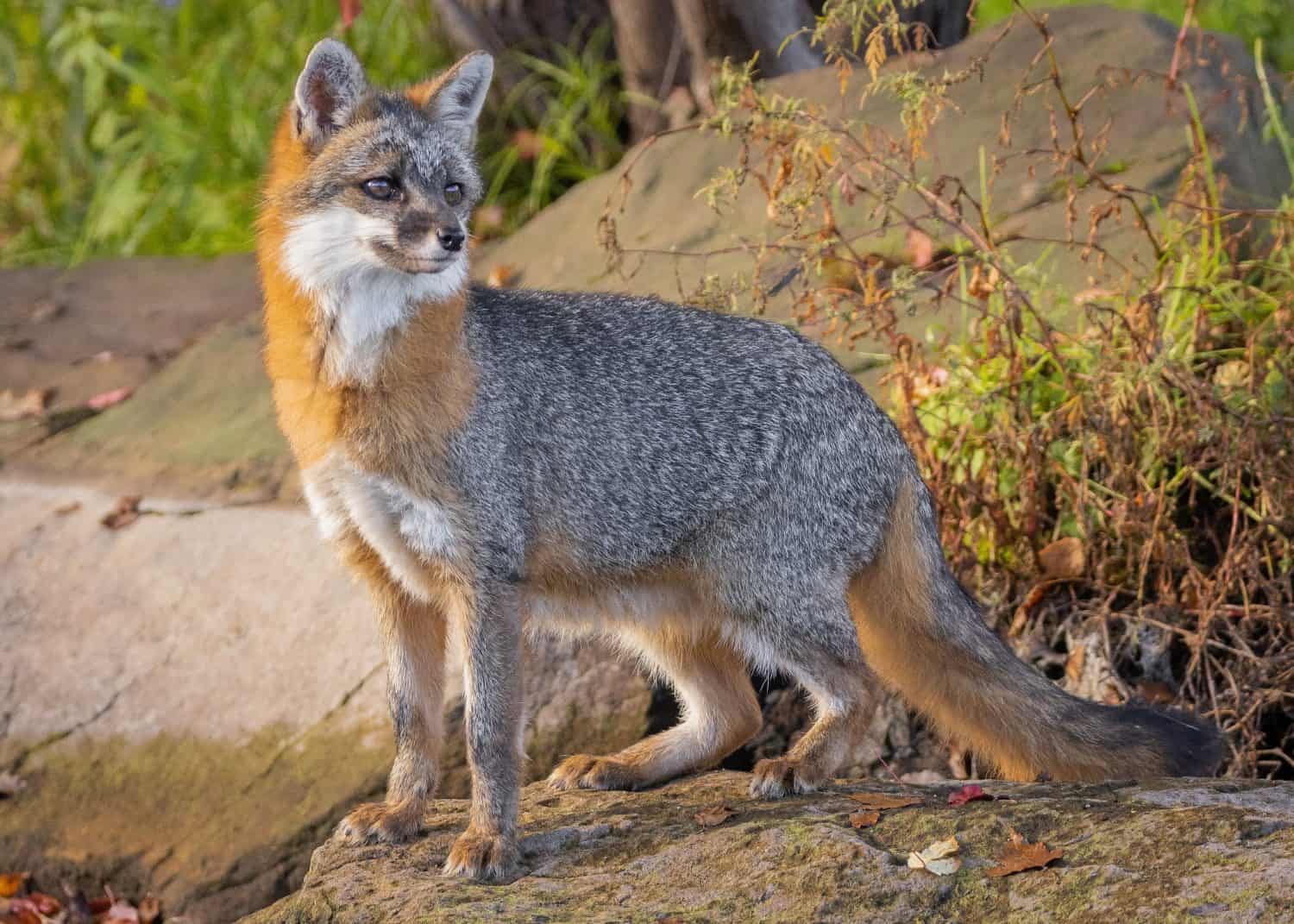
Gray foxes may be sneaky, but they can be seen all across Pinnacles National Park, most often during dawn and dusk.
©Travis Potter/Shutterstock.com
One of the most widely distributed omnivorous mammals in the western hemisphere, gray foxes are characterized by grizzled upper parts, black stripes running down the length of their tails, and skulls that feature widely separated temporal ridges in a ‘U’ shape. They also have angular, pointed ears. As for their presence in Pinnacles National Park, gray foxes can be found around the Campground and Bench Trails, as well as the Bear Gulch Caves and Reservoir Area.
On the west side of the park, people see them around the Balconies Cliffs and Juniper Canyon. Sometimes, visitors even spot them around the Old Pinnacles Trail. They may be a common mammal in the park, but they are elusive. Sightings usually occur during dusk or dawn. Otherwise, you’re more likely to hear them than spot them.
Brush Rabbit

A species of cottontail, brush rabbits have short legs and tails as well as black whiskers that sometimes feature white tips.
©Leonard Provoid/Shutterstock.com
Brush rabbits, also called Californian brush rabbits, are a species of cottontail rabbit found in the western coastal parts of North America. They have a pretty wide range, extending from the eastern slopes of the Sierra Nevada all the way to the coast. Somewhat smaller than other cottontails, brush rabbits feature shorter legs and tails. Their whiskers are typically black, but some have white tips. Brush rabbits can be found around Chalone Creek and the Balconies area, where they hide from predators in manzanita and sage. Sometimes, visitors also spot them in the park’s southwestern slopes near Pinnacles Campground. Like other rodents, they are most active during the early morning and evening hours.
Big Brown Bat
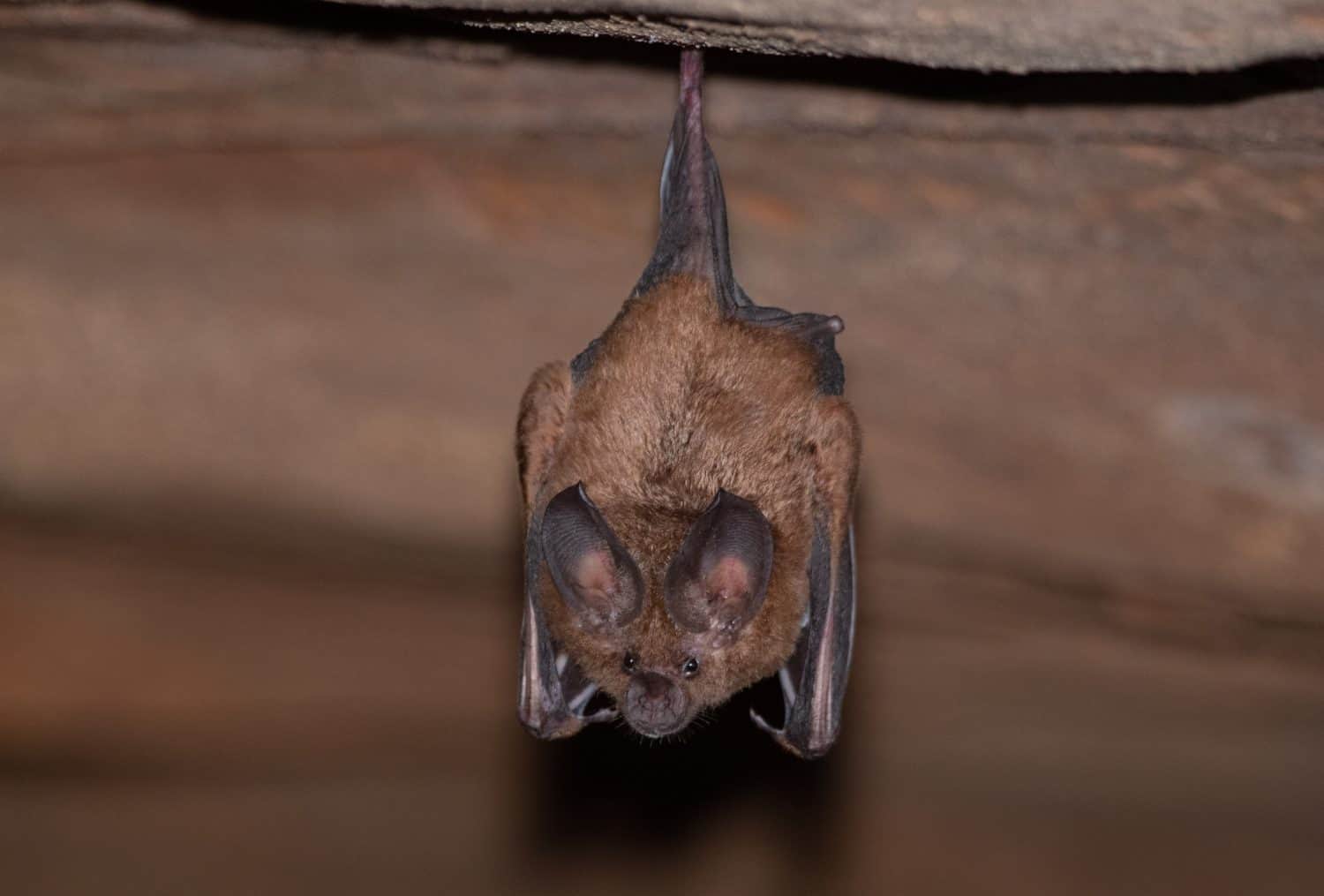
These sizable bats are a mainstay of the park’s many caves and crevices. People often see them around the High Peaks and Balconies Cliffs areas.
©Marcelo Morena/Shutterstock.com
Pinnacles National Park is well-known for its awe-inspiring cave formations, and these areas are full of bats. The big brown bat, for example, is one of the park’s most common bat species. Big and brown, as their name suggests, big brown bats stay dormant during the day before flying out at sunset to feed on the park’s ample populations of beetles, moths, and other flying insects. Unlike smaller species of bats, big brown bats can handle cooler temperatures.
This allows them to stay active farther into the year than other bats. People typically see them in the High Peaks and Balconies Cliffs areas. They are also sometimes found at night along the park’s woodland edges near Chalone Creek. Lucky evening hikers might also spot their silhouettes at night as they fly overhead, often above trails near Bear Gulch Reservoir. Thanks to the park’s unique cave structures, some of the most distinct in the western United States, brown bats serve as a potent symbol of the park’s elusive underground caverns and the creatures that dwell there.