
Quick Take
- A monkey cracking open a soda bottle looks impressive, yet the real question is what it reveals about how macaques actually learn. See how macaques learn →
- One sip of soda isn't a crisis, but the bigger danger has nothing to do with the monkey's health. Discover the real danger →
- Macaques thrive on a surprisingly varied diet, and what happens when humans disrupt it turns out to be more serious than it looks. Explore their natural diet →
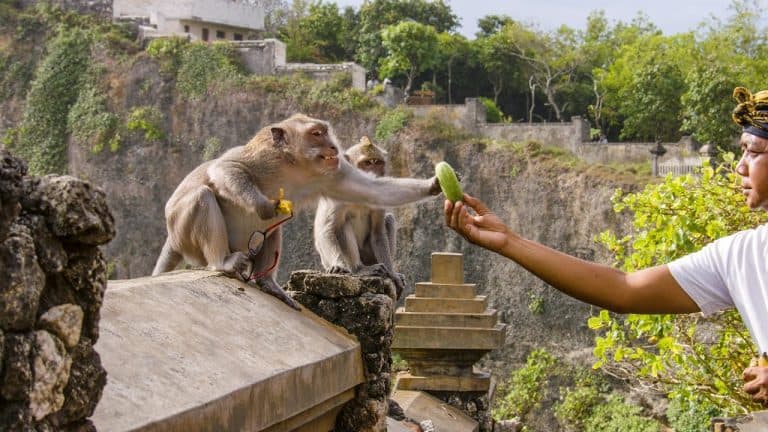
- That friendly, food-grabbing monkey is cuter than it is harmless, and wildlife experts have serious reasons for treating it that way. See why experts warn us →
Some monkeys have become remarkably good at helping themselves to human food, but this macaque takes things a step further. In a hilarious encounter caught on camera, the monkey gets hold of a bottle of orange soda, opens it, and starts drinking while a crowd watches. And apparently, one bottle isn’t enough.
When the person filming opens another soda, the macaque immediately takes an interest. Nearby onlookers intervene before the animal can make off with a second drink. Undeterred, the monkey turns its attention to someone else’s cookies. It’s an entertaining display of opportunistic behavior, but it also raises an important question: Is soda actually safe for monkeys to drink?
Watch This Monkey Help Itself to a Bottle of Soda
The most impressive part of the encounter might be how comfortable the monkey appears handling the bottle. Macaques have dexterous hands and impressive problem-solving abilities, which can help them figure out how to access food and drinks left within reach. In areas where monkeys regularly encounter tourists, some become particularly skilled at taking advantage of opportunities for an easy snack.
Can Monkeys Safely Drink Soda?
Although the monkey in the video seems perfectly happy with its stolen beverage, soda is not a healthy choice for primates. Most regular soft drinks contain substantial amounts of added sugar, which can contribute to weight gain, dental problems, and metabolic issues when consumed frequently. Caffeinated varieties introduce another concern, since caffeine can affect the nervous system and heart rate.
A monkey taking a few swallows of soda isn’t necessarily facing an immediate medical emergency, but that doesn’t make the drink appropriate for its diet. Wild primates obtain most of their hydration from water and moisture-rich foods. Giving them sugary beverages can also encourage them to approach people in search of more, potentially creating dangerous encounters for both animals and humans.
What Do Macaques Normally Eat?
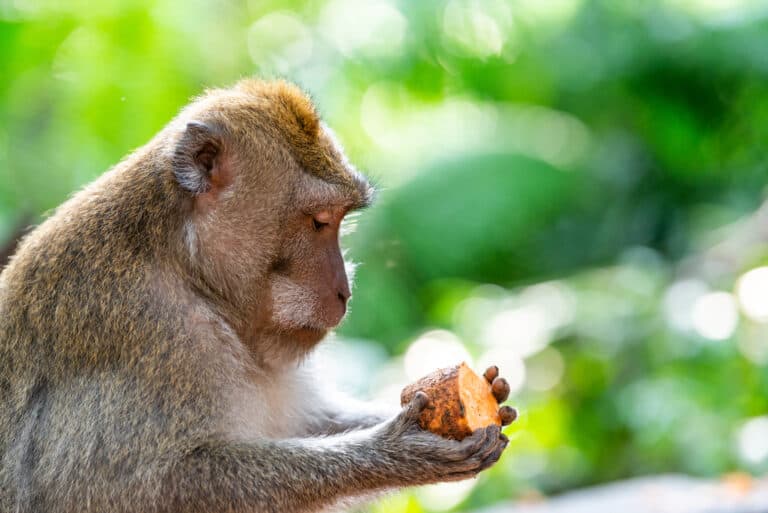
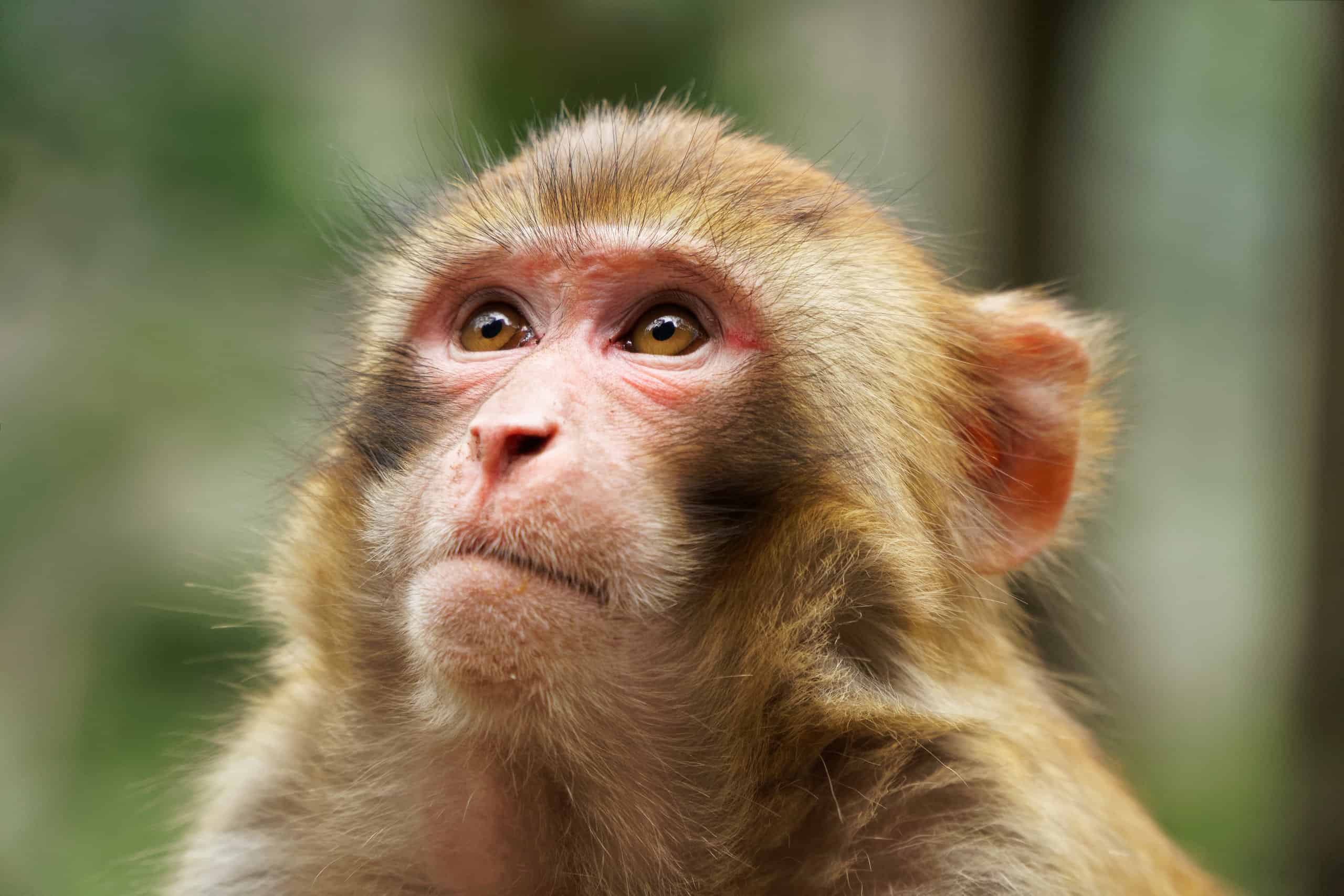
Macaques are adaptable omnivores that eat a wide variety of natural foods.
©iStock.com/3yephotography
Macaques are omnivores with remarkably flexible diets. Depending on the species and habitat, they consume fruits, seeds, leaves, flowers, insects, and occasionally small animals. Their ability to take advantage of different food sources helps explain why these monkeys thrive in environments ranging from dense forests to busy cities.
Living close to people introduces an entirely different menu. Macaques in tourist destinations and urban areas may raid garbage bins, steal packaged snacks, or approach visitors carrying food. These calorie-rich foods can displace healthier natural options, while repeated feeding and food theft can make monkeys increasingly bold around humans. That’s why wildlife authorities generally discourage visitors from feeding wild monkeys, even when the animals appear friendly.
How Do Monkeys Learn to Steal Human Food?
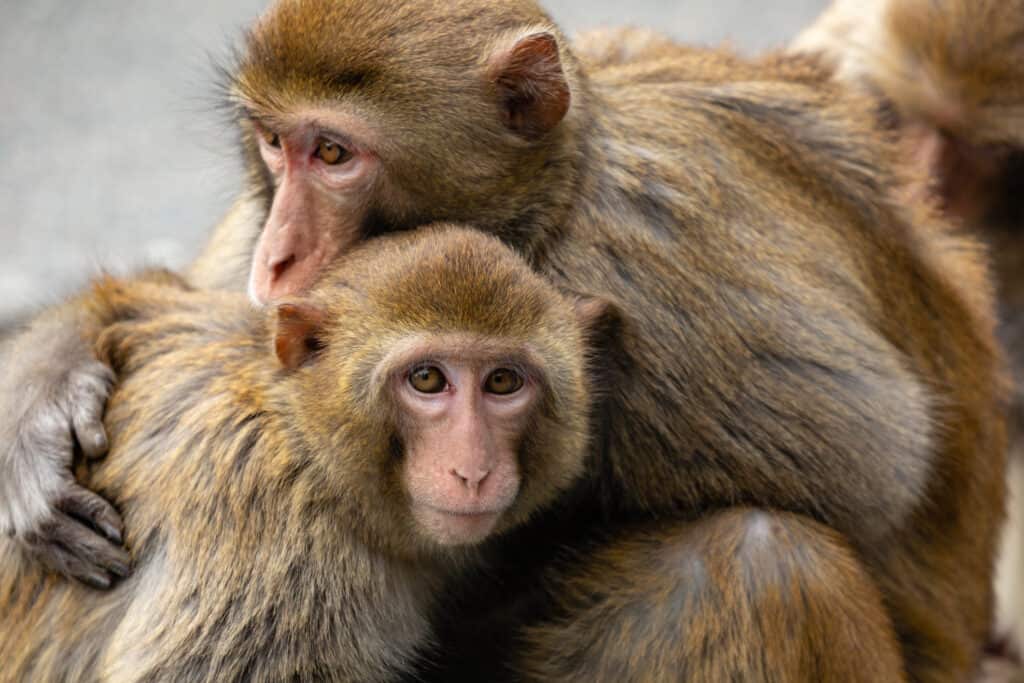
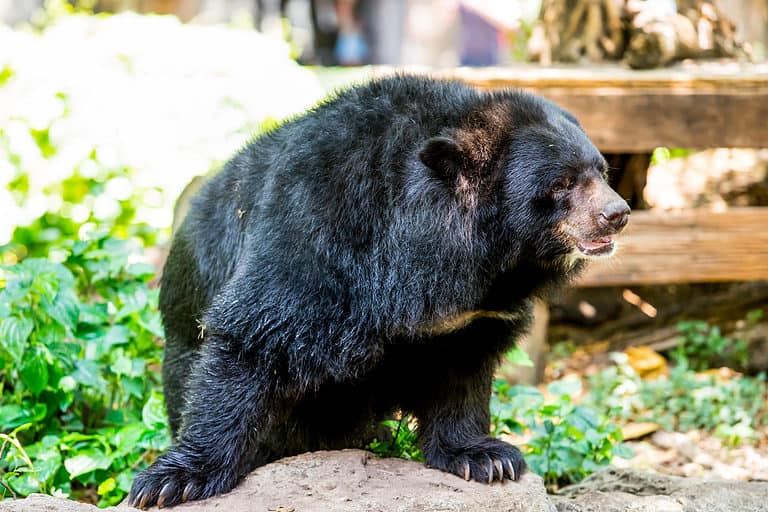
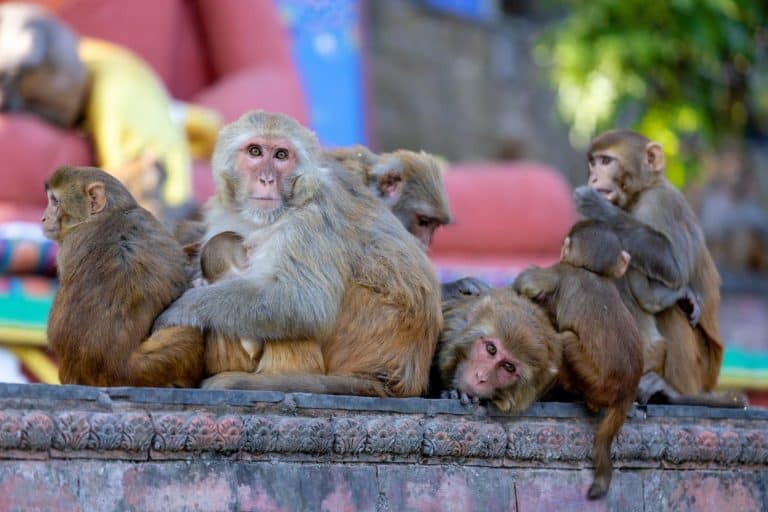
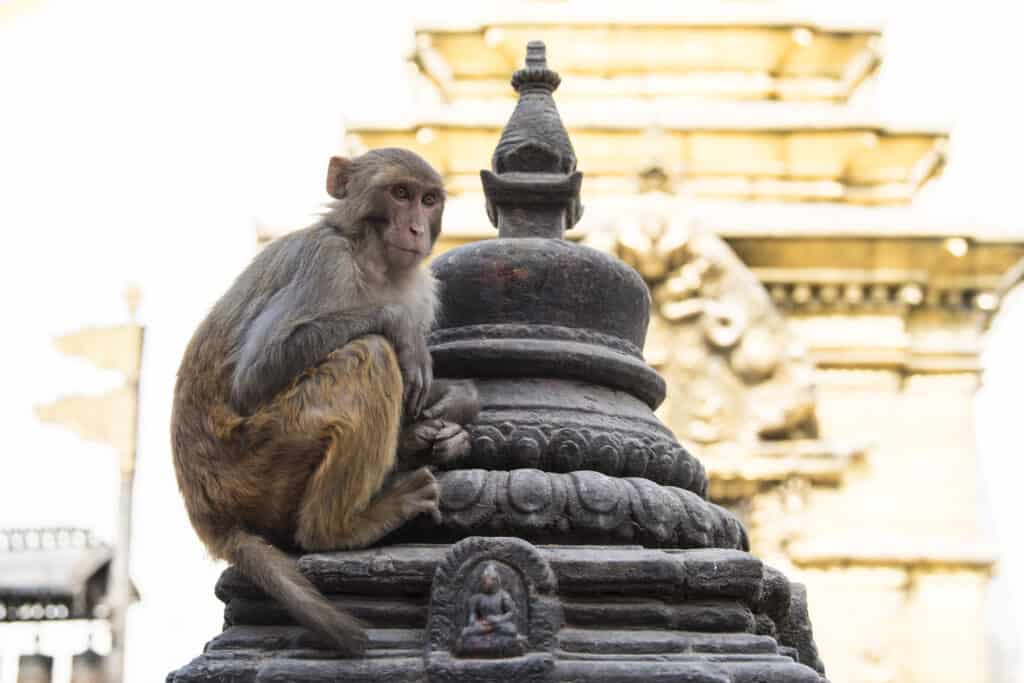
Macaques are highly social animals capable of learning from their own experiences and observing others.
©iStock.com/Zane Michael Cooper
There’s another fascinating possibility behind the monkey’s behavior: learned experience. Macaques are intelligent, social primates capable of solving problems, remembering successful strategies, and learning by watching other members of their group. Researchers have documented socially transmitted behaviors in several macaque populations, including food-handling techniques that spread among individuals over time.
That doesn’t mean the soda-drinking monkey necessarily learned its trick from another macaque. It could have figured out how to open bottles through trial and error or previous encounters with people. Without knowing the animal’s history, there’s no way to say for certain. What the video does demonstrate is just how quickly an adaptable monkey can turn an ordinary human object into an opportunity for food or drink.
Why Feeding Wild Monkeys Can Cause Problems
As funny as this encounter looks, encouraging wild monkeys to take food from people can have serious consequences. Animals that associate humans with easy meals may become more persistent, approach visitors more closely, or behave aggressively when food isn’t available. Close encounters can also result in bites, scratches, and the transmission of certain diseases.
The safest approach is to observe monkeys from a respectful distance, keep food and drinks secured, and never deliberately offer them snacks. After all, these animals are perfectly capable of finding their own meals in suitable habitats. And judging by this macaque’s determination, it certainly doesn’t need any encouragement to go looking for another bottle of soda.