
Quick Take
- One wolf howls, triggering something instinctive that makes the other unable to stay silent. Watch the duet →
- The 'alpha wolf' you've heard about almost certainly doesn't exist the way you think it does. Debunking the alpha myth →
- A wolf's howl can travel farther than most people realize, and the reason it's built that way is stranger still.
- Wolves bark, whimper, and growl too, but each sound carries a very different message than you'd expect. Explore wolf vocalizations →
What these wolves lack in perfect harmony, they more than make up for in volume. In this fantastic clip, we get to hear Silas and Nikai, two captive-born gray wolves that serve as ambassadors at the Wolf Conservation Center in South Salem, New York. Once one gets going, the other joins in, turning a single howl into a full-blown duet.
Don’t Miss This Beautiful Duet
How Do Wolves Normally Behave?
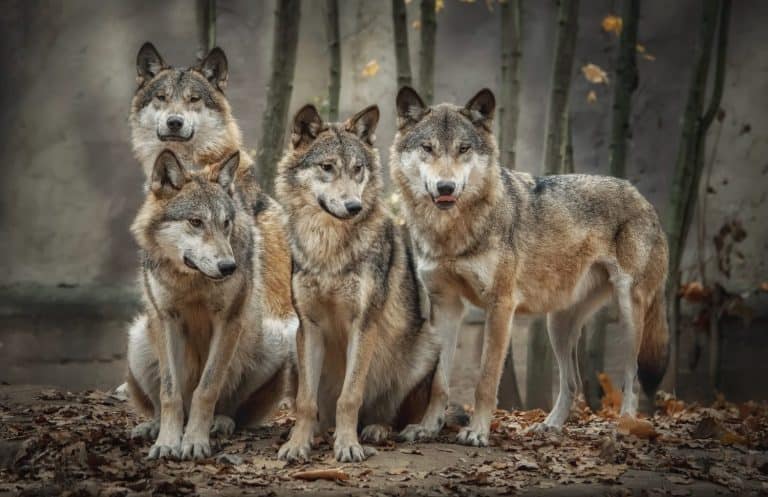
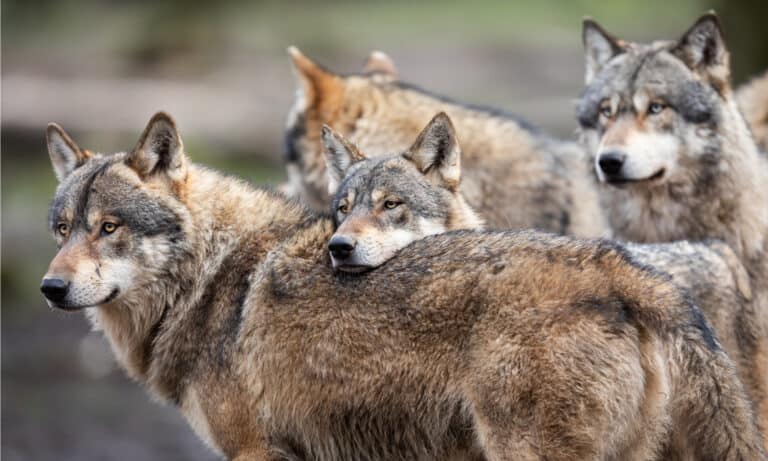
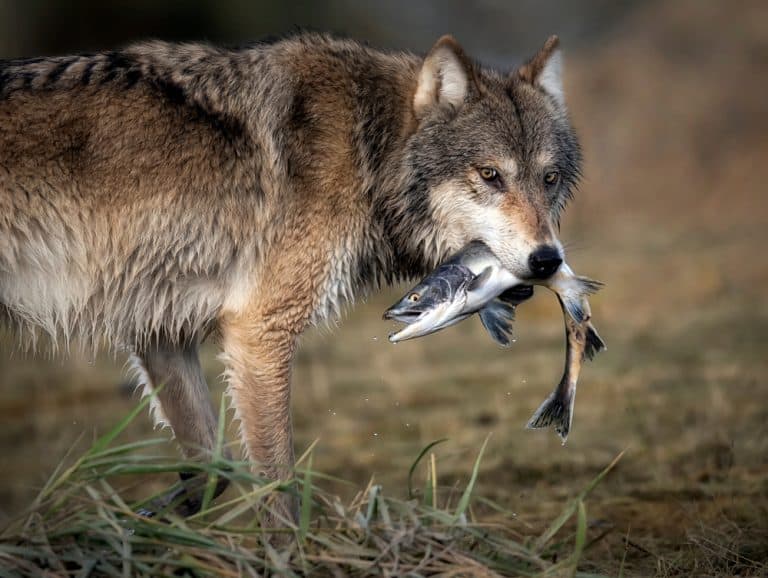
Gray wolves are highly social animals that usually live in family groups called packs. A typical wild pack consists of the parent wolves and their offspring, although pack size and structure can vary considerably depending on prey, habitat, births, deaths, and dispersal. Some packs contain only a few wolves, while unusually large packs can exceed 20 members.
The pack works together to hunt, raise pups, defend territory, and protect food. Young wolves often leave their birth pack when they are around one or two years old to search for a mate and establish territory of their own, although some remain with their family longer. The familiar idea of an “alpha wolf” constantly fighting its way to the top is largely based on observations of unrelated captive wolves. In the wild, the leaders are usually simply the parents. They are dominant over their offspring for much the same reason human parents are in charge of their children. It is a family, not a furry corporate ladder.
What Sounds Can Wolves Make?
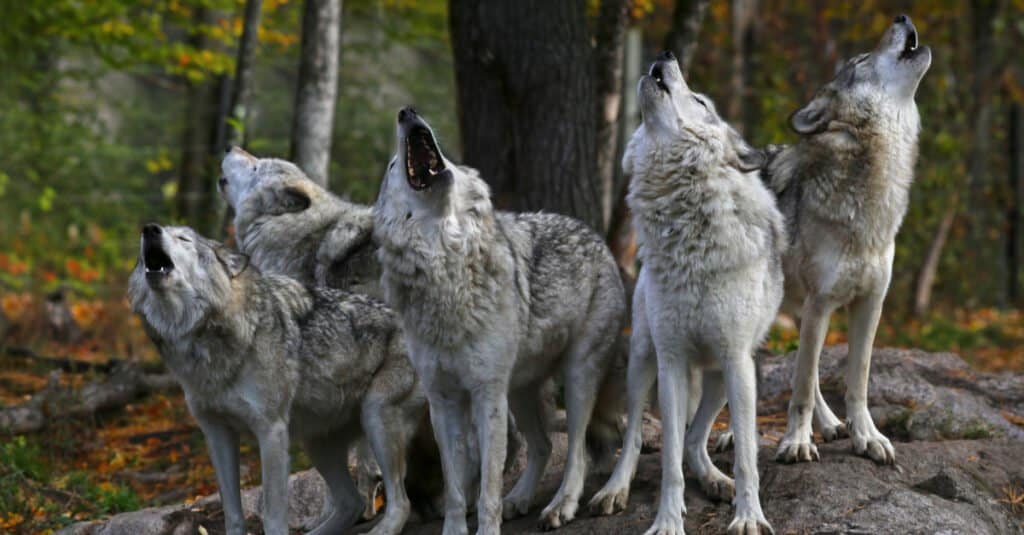
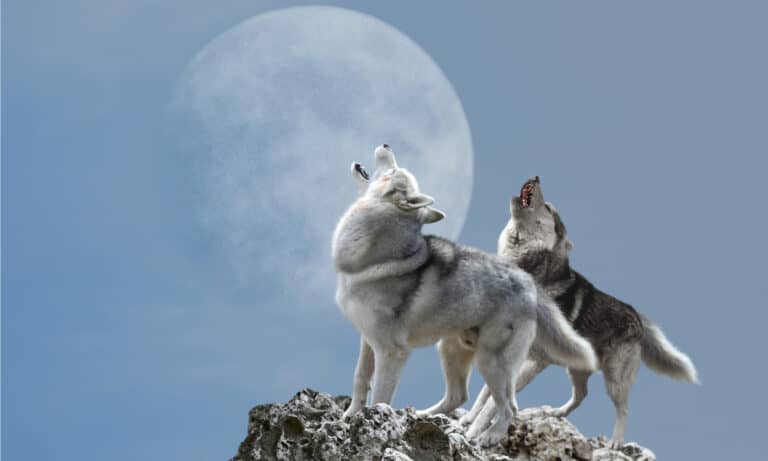
Contrary to myths, wolves have no connection to the phases of the moon.
©Alexander Sviridov/Shutterstock.com
Wolves have excellent hearing, and vocal communication is an important part of pack life. Their vocalizations are generally divided into four broad categories: barking, whimpering, growling, and howling. A wolf’s bark is usually short and sharp and can serve as a warning. Whimpers and whines are softer, higher-pitched sounds used in several social situations, including interactions between mothers and pups and submissive encounters between wolves.
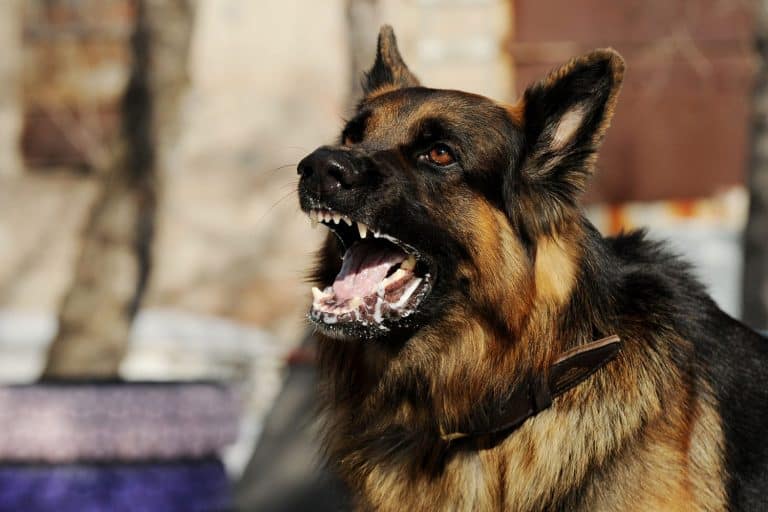
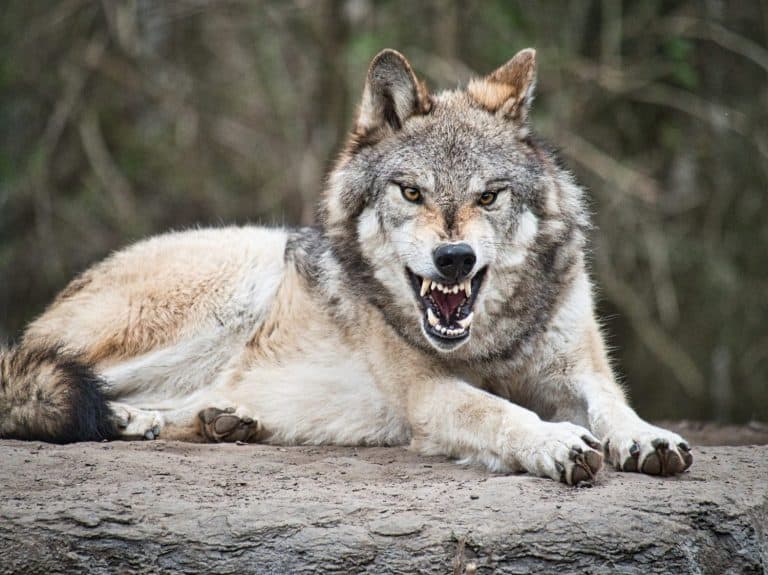
A wolf’s growl is a low, rough sound typically associated with warning, aggression, or conflict. Wolves may growl at another wolf, predator, or other perceived threat. As with domestic dogs, the sound is only one part of the message. Wolves also rely heavily on posture, facial expressions, scent marking, and other body language when communicating.
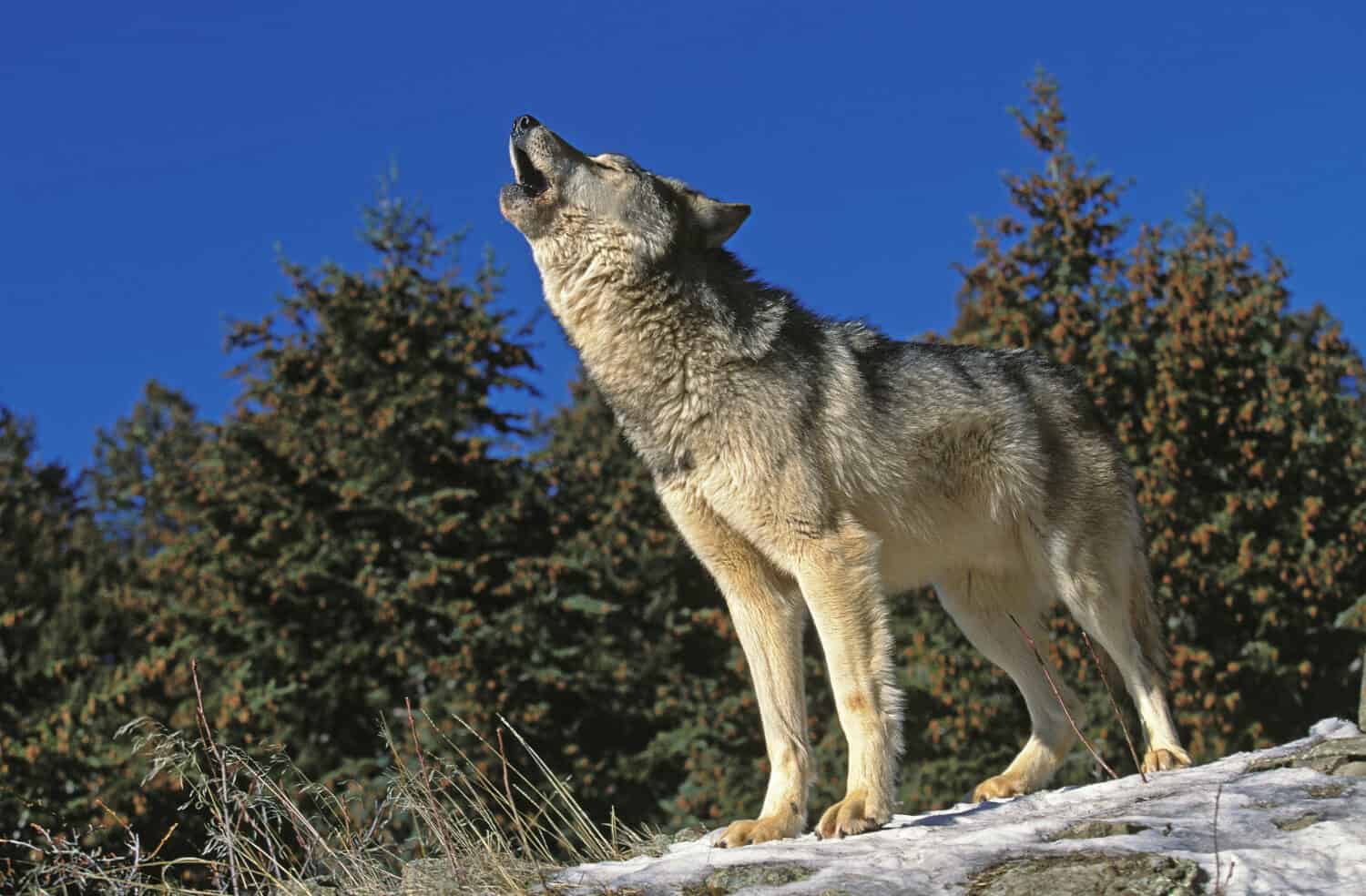
Finally, there is the famous wolf howl. Howling is designed for long-distance communication and can carry for several miles under favorable conditions. Wolves use howls to locate separated pack members, rally the group, defend territory, and warn unfamiliar wolves away. One wolf can also prompt others nearby to join in, creating the kind of chorus heard in this clip. Wolves tend to howl more frequently in the evening and early morning, and a group howling session commonly lasts seconds or minutes rather than anything close to an hour.