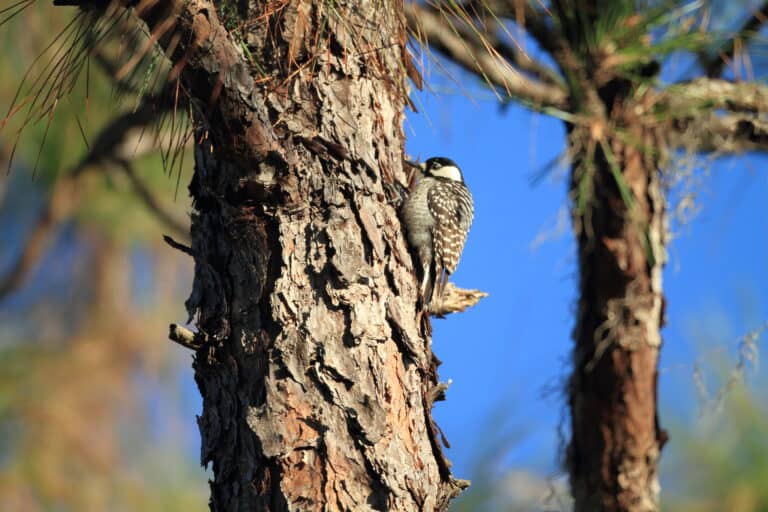

Quick Take
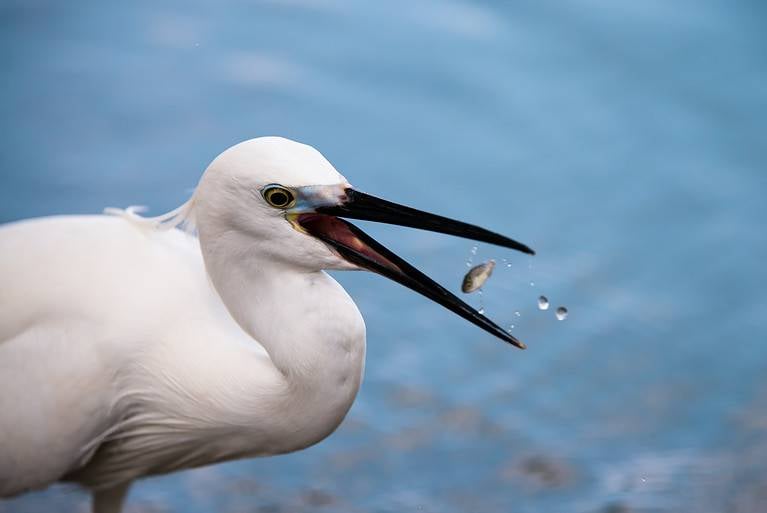
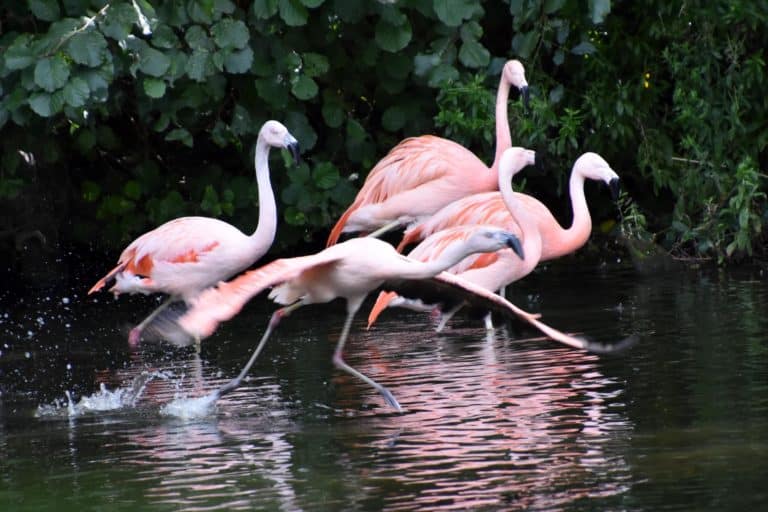
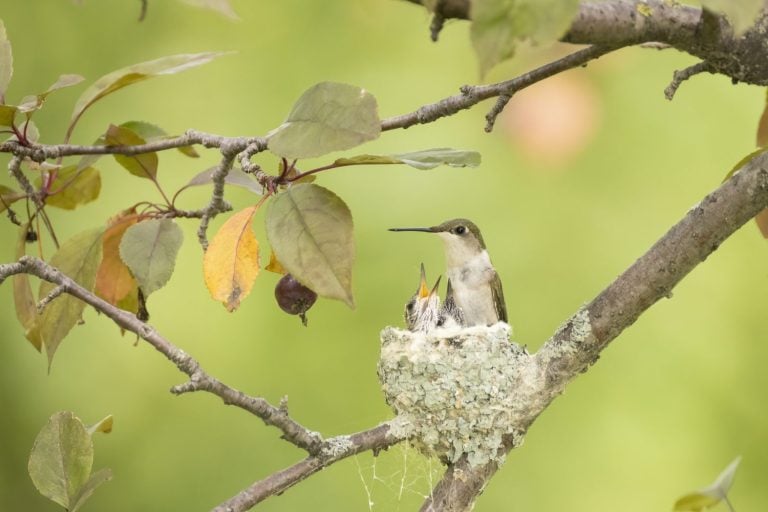
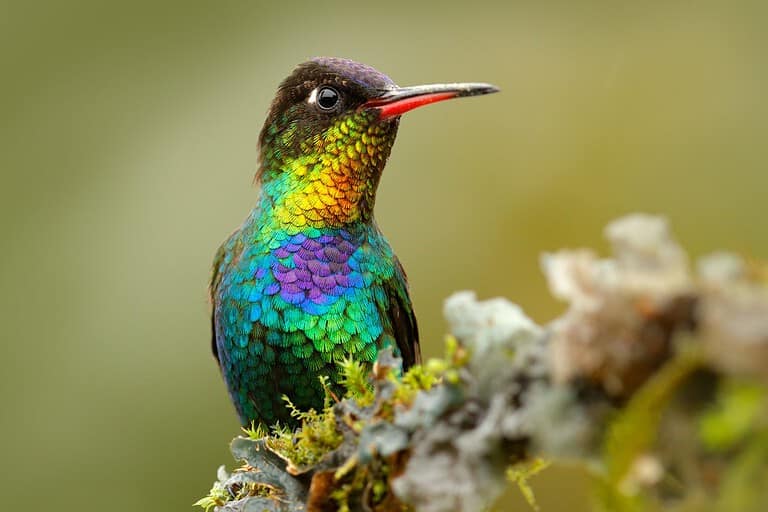
- Although it is among the smallest U.S. states, Connecticut boasts a significant and diverse bird population.
- Over 450 bird species have been documented in Connecticut.
- Connecticut has protections for threatened bird species.
Despite its small size, Connecticut is geographically diverse, from its extensive shoreline along the Long Island Sound to its inland forests in the northwestern part of the state. Connecticut also serves as a critical stopover for millions of birds across hundreds of species, thanks to its location along the Atlantic Flyway, a major migration corridor for birds traveling between their Northern breeding grounds and Southern wintering areas. Because both coastal and inland habitats are concentrated within a small area, Connecticut offers birders the opportunity to observe a wide range of avian species. Continue reading to discover top-notch birding locations in Connecticut.
Greenwich Audubon Center
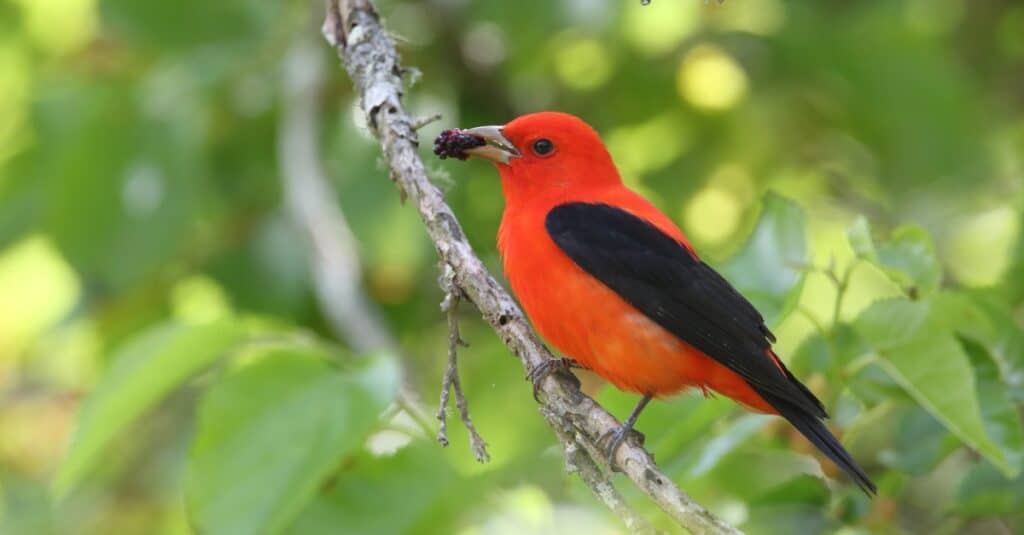
The scarlet tanager can be found at the Greenwich Audubon Center.
©iStock.com/BrianLasenby
Its location near New York City makes the Greenwich Audubon Center a regional destination for New England’s birders. With miles of hiking trails traversing its 686 acres of deciduous forests, swamps, meadows, and river corridors, the center provides habitats for numerous bird species.
Birds commonly seen at the Greenwich Audubon Center include:
- Scarlet Tanager,
- Worm-eating Warbler
- Saw-whet Owl
- Louisiana Waterthrush
- Ruffed Grouse
- Tree Swallow
- Great Crested Flycatcher
- Baltimore Oriole,
- Yellow-throated Vireo
- Dark-eyed Junco
- Sharp-shinned Hawk
- Osprey
White Memorial Conservation Center
The White Memorial Conservation Center in Litchfield, Connecticut, consists of over 4,000 acres of marshes, bogs, forests, and lakes that provide habitats for migratory and resident bird populations. With over 20 miles of trails, the center provides numerous locations for birdwatchers to observe a variety of bird species in their natural setting.
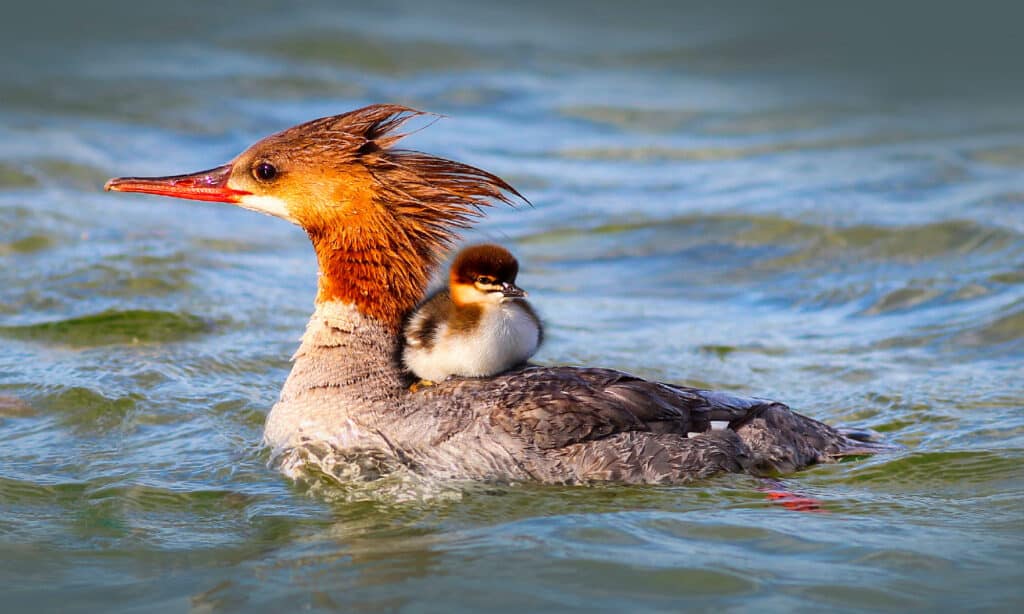
A common merganser swims while her chick enjoys the ride.
©iStock.com/Anna39
More than 246 species of birds have been recorded at White Memorial including:
- American kestrel
- Cooper’s hawk
- Sharp-shinned hawk
- Downy Woodpecker
- Blue-winged Teal
- American black duck
- Common Merganser
- Hooded Merganser
- Osprey
- Mute swan
- Red-winged blackbird
- Wild Turkey
- Barred Owl
- Screech Owl
- Saw-whet Owl
- Great Horned Owl
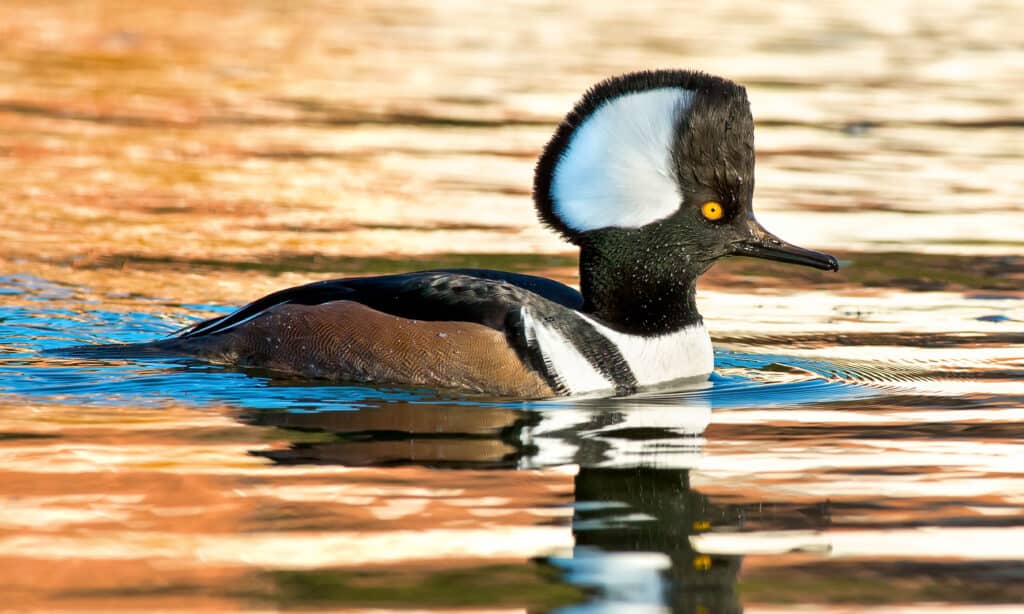
Hooded mergansers can be viewed from fall to early spring at White Memorial Conservation Center.
©Paul Reeves Photography/Shutterstock.com
Hammonasset Beach State Park
Hammonasset Beach State Park is a globally recognized Important Bird Area (IBA) and arguably Connecticut’s top birding location. Its diverse habitats, including salt marshes, dunes, grasslands, and beaches, serve as critical stopover points for migrating shorebirds, raptors, and songbirds. Hosting over 250 species annually, the park also provides essential breeding grounds for numerous species.
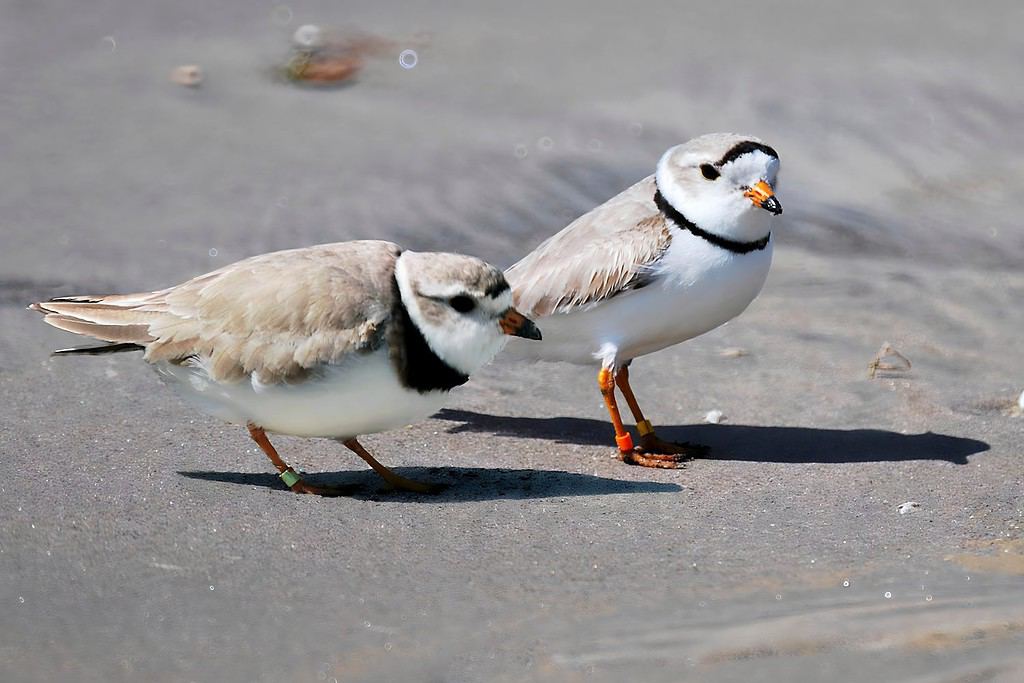
Piping plovers, classified as a threatened species, are known to nest at Hammonasset Beach State Park.
©Susana Miranda/Shutterstock.com
The park is open year-round and features dedicated nature trails, such as the Willard’s Island Nature Trail, and an observation deck at the Meigs Point Nature Center.
Birds frequently seen at Hammonasset Beach State Park include:
- American Oystercatcher
- Herring Gull
- Ring-billed Gull,
- Great Black-backed Gull
- Killdeer
- Willets
- Least Sandpiper
- Semipalmated Sandpiper
- Piping Plover
- Osprey
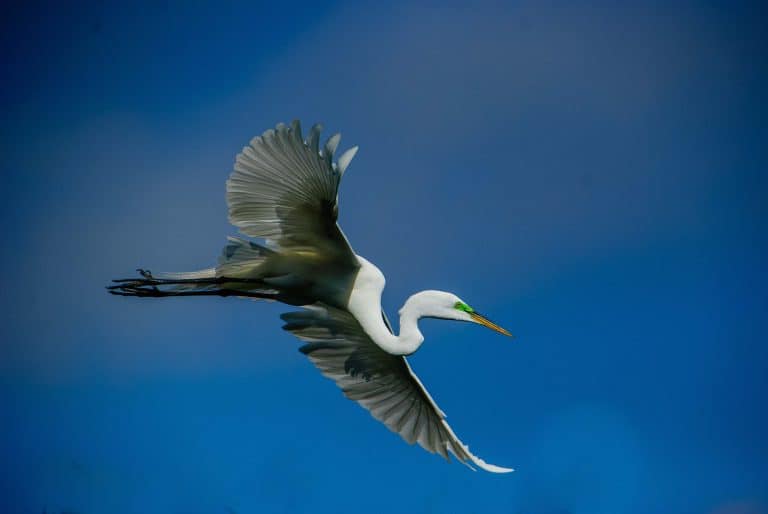
- Great Egret
- Snowy Egret
- Red-winged Blackbird
- Downy Woodpecker
Sherwood Island State Park
Another fabulous bird-watching location is Sherwood Island State Park. Consisting of 235 acres in Westport, Connecticut, Sherwood Island is Connecticut’s oldest state park. Sherwood Island’s diverse habitats, including dunes, tidal marshes, beaches, and coastal forests, support numerous species of waterfowl and raptors year-round, while also playing host to a variety of migratory songbirds.
The beach and dunes are excellent locations for spotting winter songbirds, while the coastal forest provides homes for a variety of raptors.
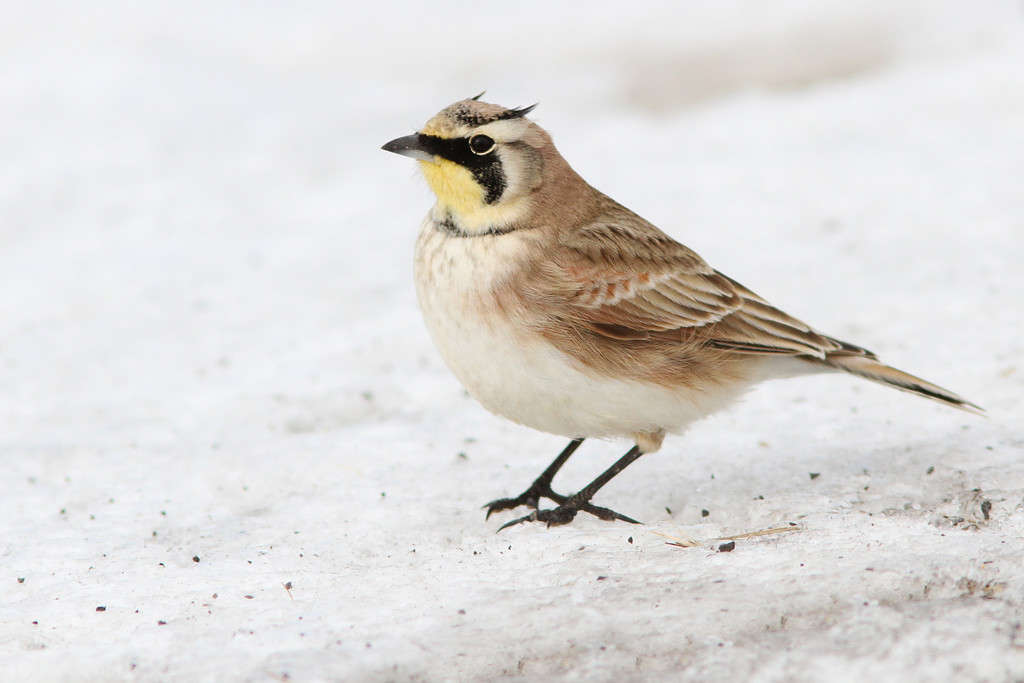
The horned lark is a common sight at Sherwood Island State Park.
©mirceax/iStock via Getty Images
Birds to look for at Sherwood Island State Park include:
- Snow Bunting
- Horned Lark
- American Pipit
- Lesser Black-backed Gull
- Great Horned Owl
- Red-tailed Hawk
- Sharp-shinned Hawk
- Ash-throated Flycatcher
- Horned Lark
- Brant
- Scaup
- Bufflehead
- Red-breasted Merganser
- Hooded Merganser
- Northern Gannet
- Yellow-rumped Warbler
- Blue-winged Warbler
- Nashville Warbler
- Black-throated Blue Warbler
East Rock Park
East Rock Park, a 425-acre park in New Haven, serves as a critical urban oasis for migrating songbirds. The park includes woodlands, wetlands, and a river corridor that support year-round residents such as raptors and waterfowl. Although the park is open year-round, spring is its most active season. Birding areas in the park include the Mill River Trail, Trowbridge Drive, and the Archery Field.
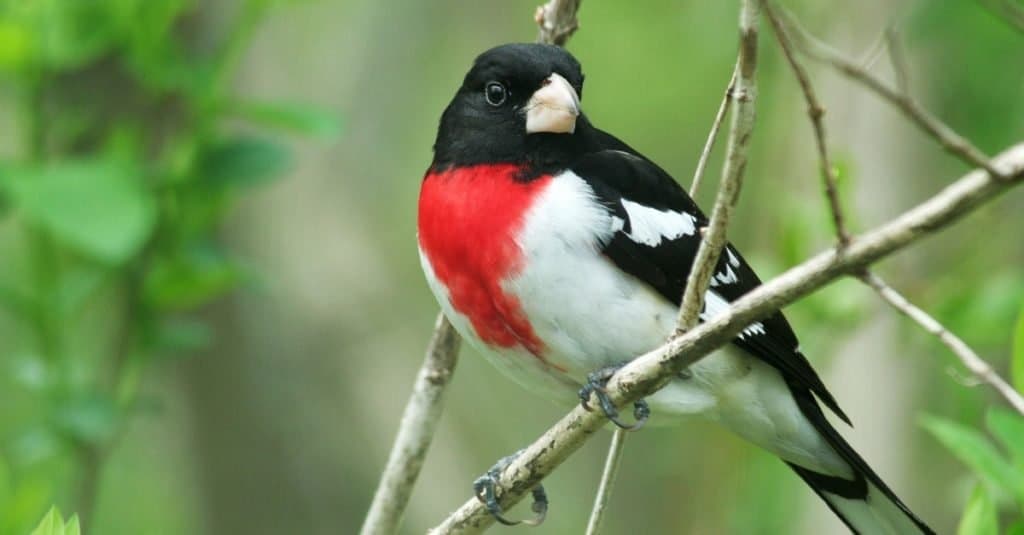
The Rose-breasted grosbeak is a spring and fall visitor at East Rock Park.
©Jayne Gulbrand/Shutterstock.com
Although spring migration is a popular time to visit East Rock Park, a variety of birds can be seen throughout the year, including:
- Hermit Thrush
- Worm-eating Warbler
- Prothonotary Warbler
- Blackburnian Warbler
- Cape May Warbler
- Great Crested Flycatcher
- Rose-breasted Grosbeak
- Blue Grosbeak
- Summer Tanager
- Chuck-will’s Widow
Stewart B. McKinney National Wildlife Refuge: The Coastal Center at Milford Point
Milford Point is a coastal bird sanctuary consisting of barrier beaches, tidal wetlands, and sandbars, which serve as vital stopover points for migratory shorebirds and as nesting grounds for protected species such as piping plovers, least terns, and American oystercatchers. Because it is a protected nesting site, visitors are required to stay out of roped-off areas to protect vulnerable species.
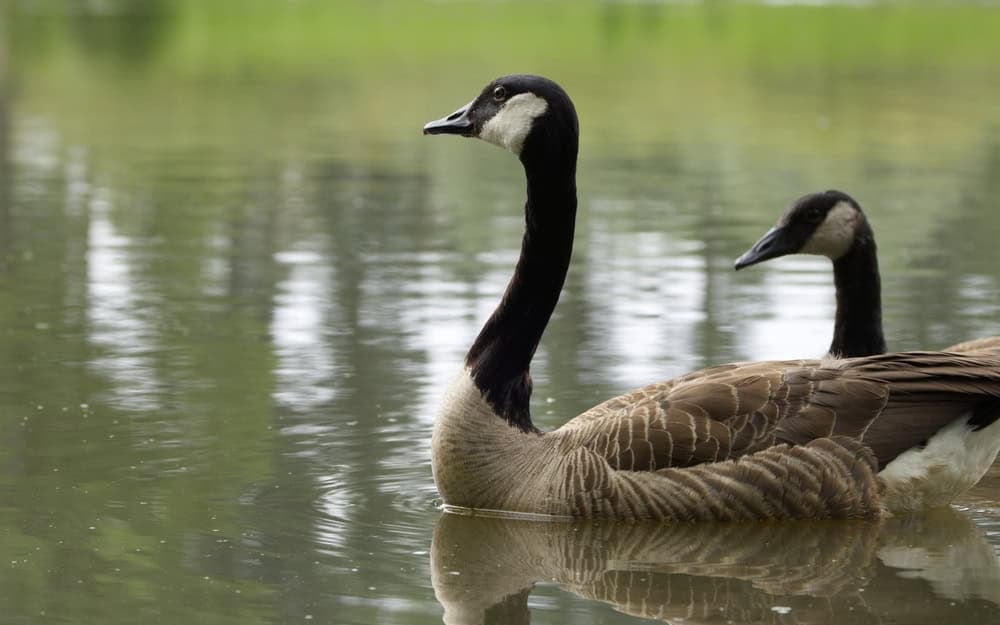
Canada geese can be seen at Milford Point.
©ournature_is_amazing/Shutterstock.com
In addition to the ground-nesting birds mentioned, birders can view:
- Canada Goose
- Red-throated Loon
- Long-tailed Duck
- Osprey
- Bald Eagle
- Peregrine Falcon
- Horned Lark
- Glossy Ibis