
Quick Take
- Most birders skip Arizona in summer, and that is exactly why serious birders love it.
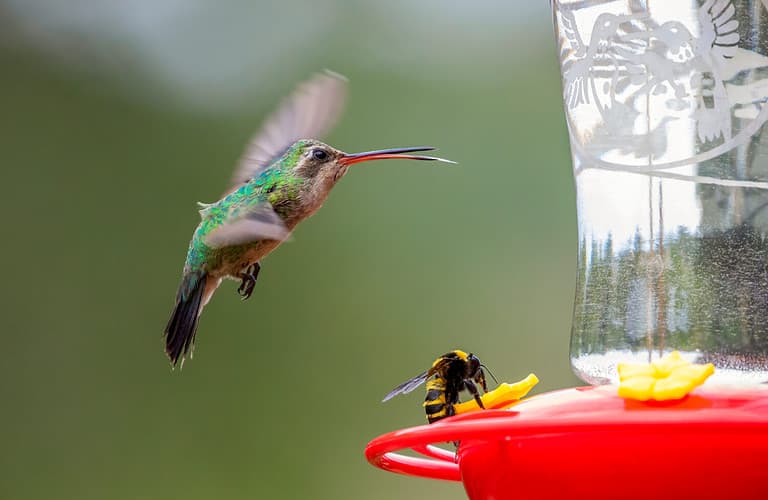
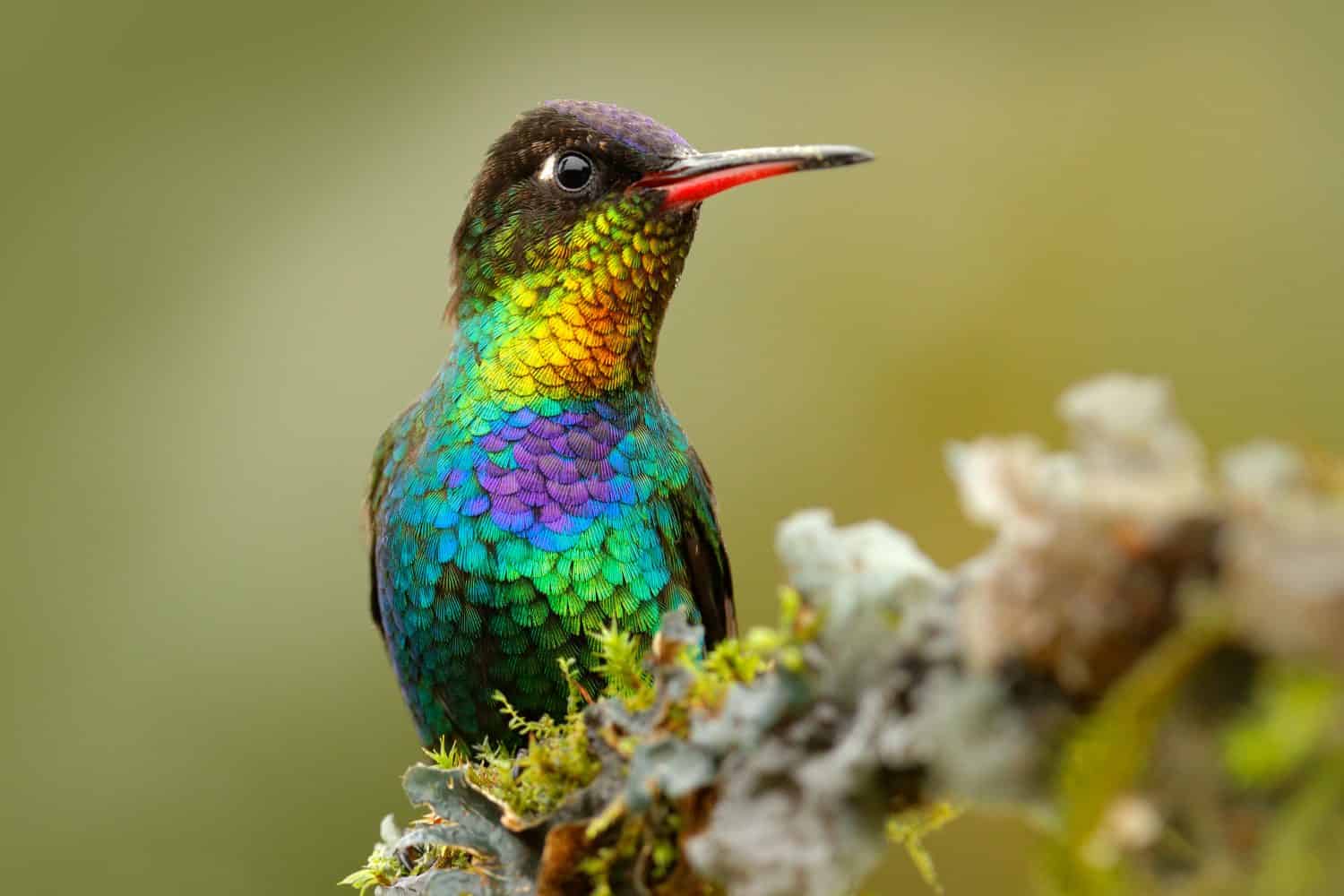
- One spot in southeastern Arizona has earned an official title as the hummingbird capital of the United States, yet most people have never heard of it. Visit the hummingbird capital →
- There's a bird in Arizona you can't see anywhere else in the entire country, though spotting it requires knowing exactly where to go. Find the Mexican chickadee →
- Arizona's worst summer weather actually triggers a secret second peak birding season, one that most visitors miss entirely. Discover monsoon birding season →
While many avoid Arizona in the summertime due to excessive temperatures, dedicated birders know that this sweltering season one of the most spectacular times to birdwatch in this state, especially in the southeast. The birds here don’t hide from the heat, and its cooler mountain canyons make Arizona one of the most ecologically diverse birding destinations on the continent.
When four major ecosystems collide in one state, multiple species overlap, making for an exceptionally biodiverse area that draws birders from around the world. Arizona regularly ranks among the top states for its total bird species, and summer brings even more avian residents, including some tropical visitors that make the season even more rewarding.
So where, exactly, should you go if you’re hoping to birdwatch in Arizona this summer? Here are the best spots to visit, along with specific species. Get ready to cross some rare birds off of your list!
Madera Canyon
If you only make one birding stop in Arizona, make it Madera Canyon, which is tucked into the northern slopes of the Santa Rita Mountains just south of Tucson. The canyon is home to over 250 species of birds, including 15 hummingbird species, and draws visitors from around the world in search of rare species, such as the elegant trogon, elf owl, sulphur-bellied flycatcher, red-faced warbler, and painted redstart.
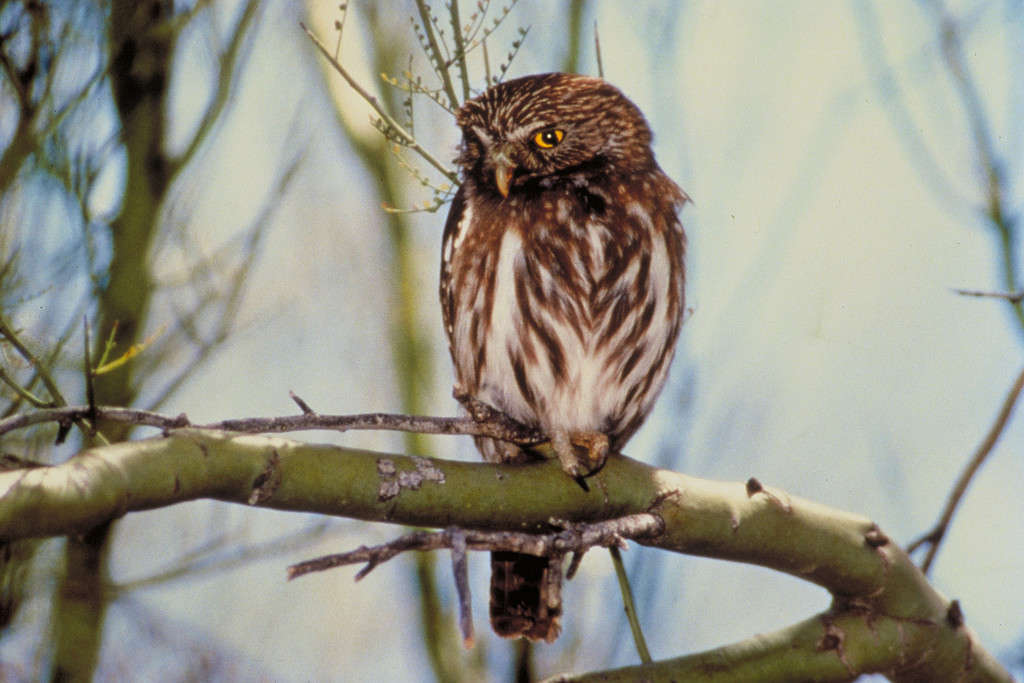
Madera Canyon has many bird species within it, and the Santa Rita Lodge maintains hummingbird feeding stations.
©Miles, Bob, Public domain, via Wikimedia Commons – Original / License
The canyon’s elevation means you can search for birds across multiple ecosystems in a single morning: Proctor Road, the Madera Picnic Area, and, for hummingbirds specifically, the Santa Rita Lodge maintains feeding stations and covered viewing platforms where you can watch up to 15 species. No matter what bird you’re looking for, chances are you’ll find it here!
Ramsey Canyon Preserve
Roughly an hour southeast of Madera Canyon in the Huachuca Mountains, Ramsey Canyon Preserve has earned a reputation as the hummingbird capital of the United States. More than a dozen hummingbird species can be seen here, drawn in by the ecological uniqueness of deserts blending with plants from the Rocky Mountains and the Sierra Madre. The Nature Conservancy’s 300-acre preserve has excellent birding opportunities from April through September, with so many hummingbirds alongside sulphur-bellied flycatcher, dusky-capped flycatcher, painted redstart, the Arizona woodpecker, and spotted towhee.
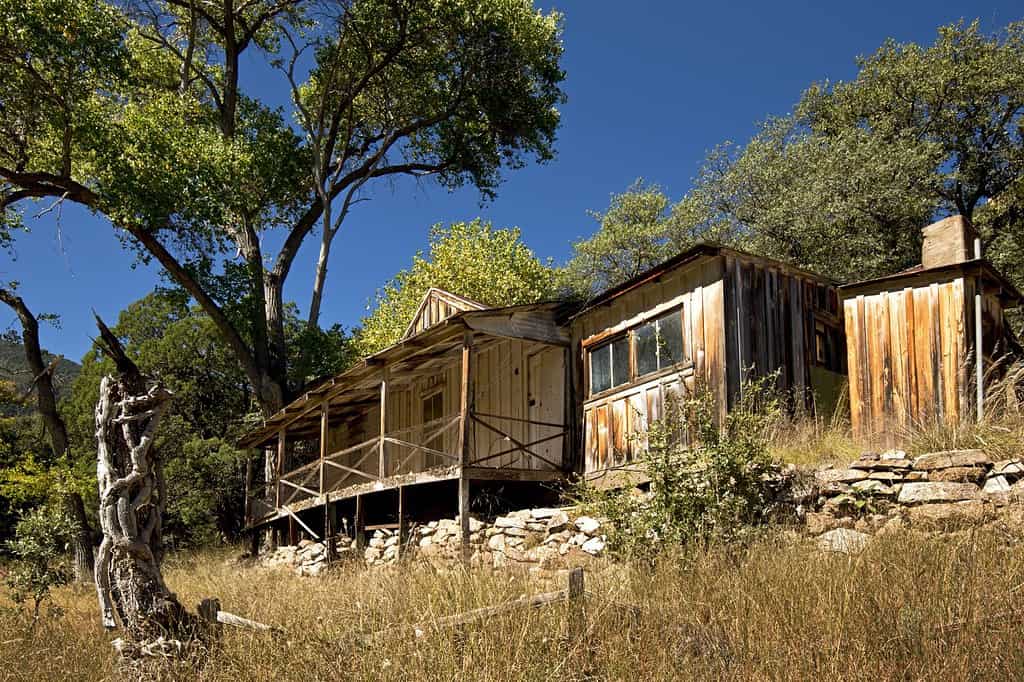
There are historic buildings within Ramsey Canyon Preserve, alongside birdwatching opportunities.
©Mark Baldwin/Shutterstock.com
Another important place of note is the Southeastern Arizona Bird Observatory, which conducts ongoing studies. Visitors can sometimes watch researchers capture and release hummingbirds up close, which is a fascinating experience for those able to time it right.
San Pedro Riparian National Conservation Area
Hummingbirds adore the San Pedro Riparian National Conservation Area, and for good reason. Managed by the Bureau of Land Management just east of Sierra Vista, this area includes cottonwood and willow forests along 40 miles of the San Pedro River. It is one of the most biodiverse birding spots in the country, with over 375 documented bird species, including 100 that breed here.
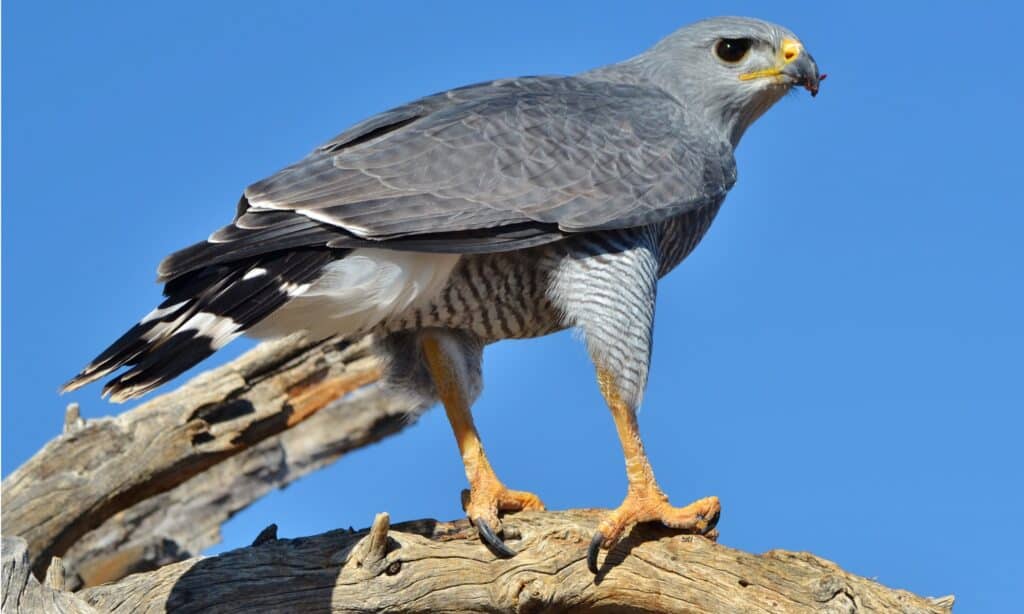
This Arizona birdwatching location is vital for the gray hawk, and it nests here every year.
©iStock.com/mjf795
In summer, vermilion flycatchers are hard to miss, alongside nesting summer tanagers, yellow and Lucy’s warblers, blue grosbeaks, and yellow-breasted chats. The gray hawk also nests in the nearby Fremont Cottonwoods, and this area is a primary stronghold for the species in the United States. The San Pedro House, a 1930s ranch house turned visitor center, serves as your primary trailhead, with guided bird walks happening Saturday mornings and twice monthly on Wednesday mornings.
Patagonia-Sonoita Creek Preserve and Paton Center
The small artsy town of Patagonia is also fantastic for birding, as there are two exceptional spots incredibly close by. The Patagonia-Sonoita Creek Preserve, which is managed by The Nature Conservancy, protects a rare forest along Sonoita Creek. This is where over 270 species of birds have been spotted, including violet-crowned hummingbirds, thick-billed kingbirds, zone-tailed hawks, and green kingfishers. Three miles of easy walking trails are available, with guided walks departing every Saturday morning at 9 a.m.
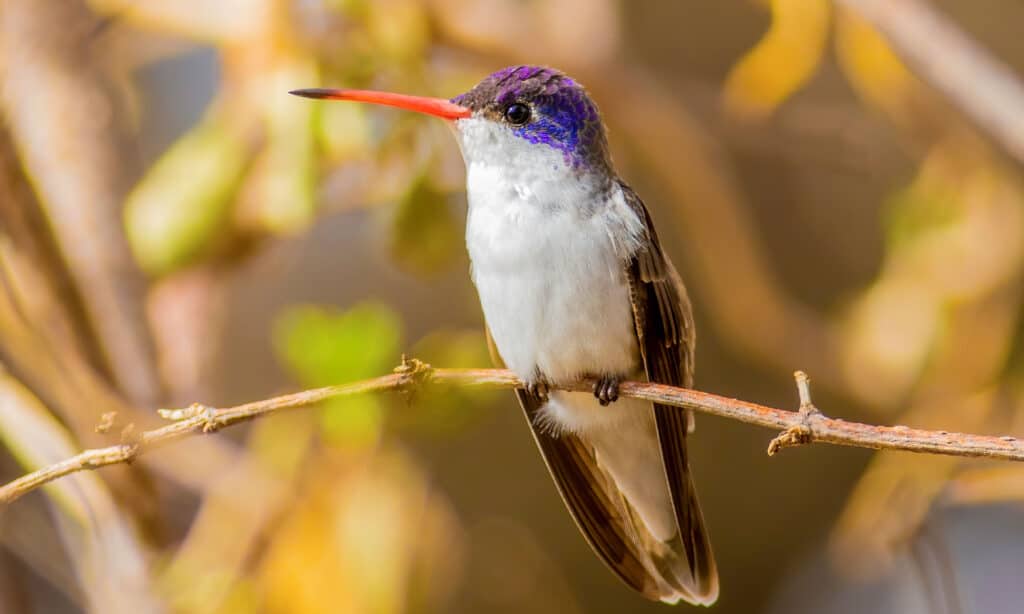
Violet-crowned hummingbirds are regular visitors of the Paton Center for Hummingbirds.
©Matthew Jolley/Shutterstock.com
Nearby, the Paton Center for Hummingbirds, operated by the Tucson Audubon Society, maintains some of the busiest hummingbird feeders in the state. You’re more than welcome to sit and watch, as these tiny birds are always hungry.
Chiricahua Mountains and Cave Creek Canyon
For birders willing to make a drive to the far southeastern corner of the state near the New Mexico border, the Chiricahua Mountains contain some of the most sought-after bird species in North America. The area is especially important for the elegant trogon, Mexican chickadee (which is found nowhere else in the U.S.) red-faced warbler, olive warbler, zone-tailed hawk, and juniper titmouse.
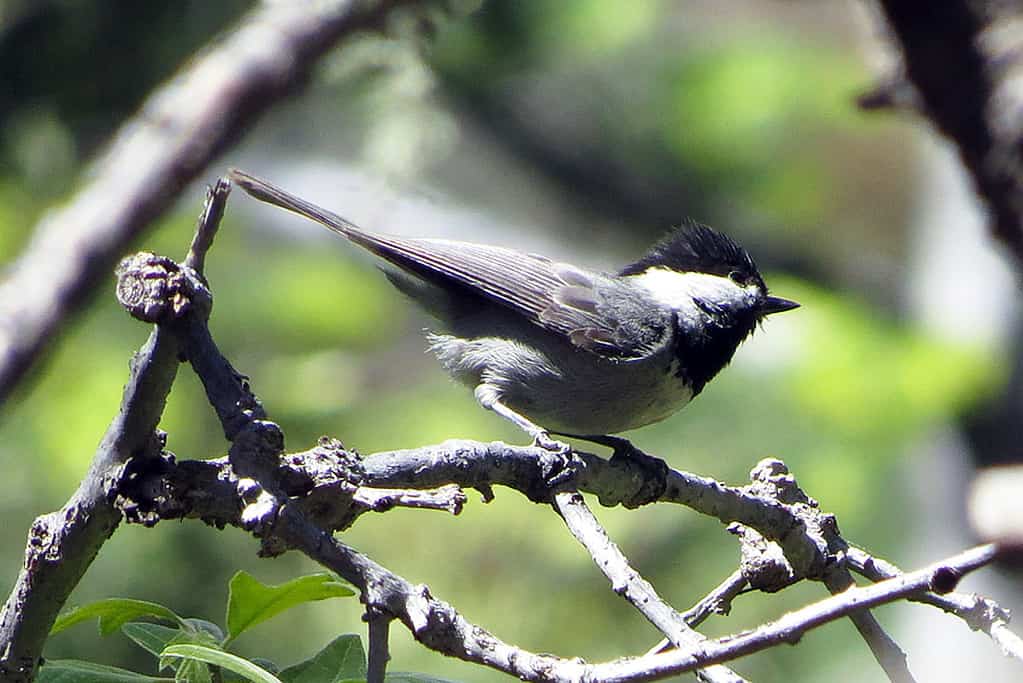
The Mexican chickadee is only seen in the Chiricahua Mountains, making this a great spot to consider.
Cave Creek Canyon, which is accessed from the small community of Portal, is the primary entry point, and the birding along the canyon road itself before you even reach a trailhead is often just as good.
Remember that July and August often bring summer monsoon thunderstorms, storms that cool temperatures and trigger what locals call a second spring in southeast Arizona, complete with blooming wildflowers that attract fresh waves of hummingbirds and butterflies. This monsoon effect is one of Arizona’s best-kept birding secrets, turning late summer into a second peak season, which is why summer birdwatching in this state is always worth braving the heat.