
Quick Take
- One of Florida's most legendary birdwatching spots is challenging to reach, yet serious birders still call it a Shangri-La. Explore this remote paradise →
- A wildlife refuge sitting next to a rocket launch site quietly holds one of the last safe havens for a federally threatened bird. Discover the scrub-jay refuge →
- Florida built an official 500-location birdwatching trail, and the emblem they chose to mark it reveals exactly which bird to chase first. See the trail's signature bird →
While some of us observe birds casually, true birdwatching is a completely separate arena. This dedicated lifestyle includes sub-communities, drama, ranking boards, and a tightly-guarded collection of ideal locations for spotting that rare bird. Any birder worth their feathers knows that a birdwatching tour of the United States wouldn’t be complete without a visit to Florida.
Come for the weather, but stay for the birds, as the Sunshine State has birds not found anywhere else in the United States. Florida also has the longest coastline of any Lower 48 state. With ample beaches, abundant wildlife, and 516 recorded bird species, birdwatching in Florida can lead you to some of the most beautiful birds in the world. It even has a sort of Appalachian Trail for birdwatching called the Great Florida Birding Trail, a string of over 500 protected locations.
Dry Tortugas National Park
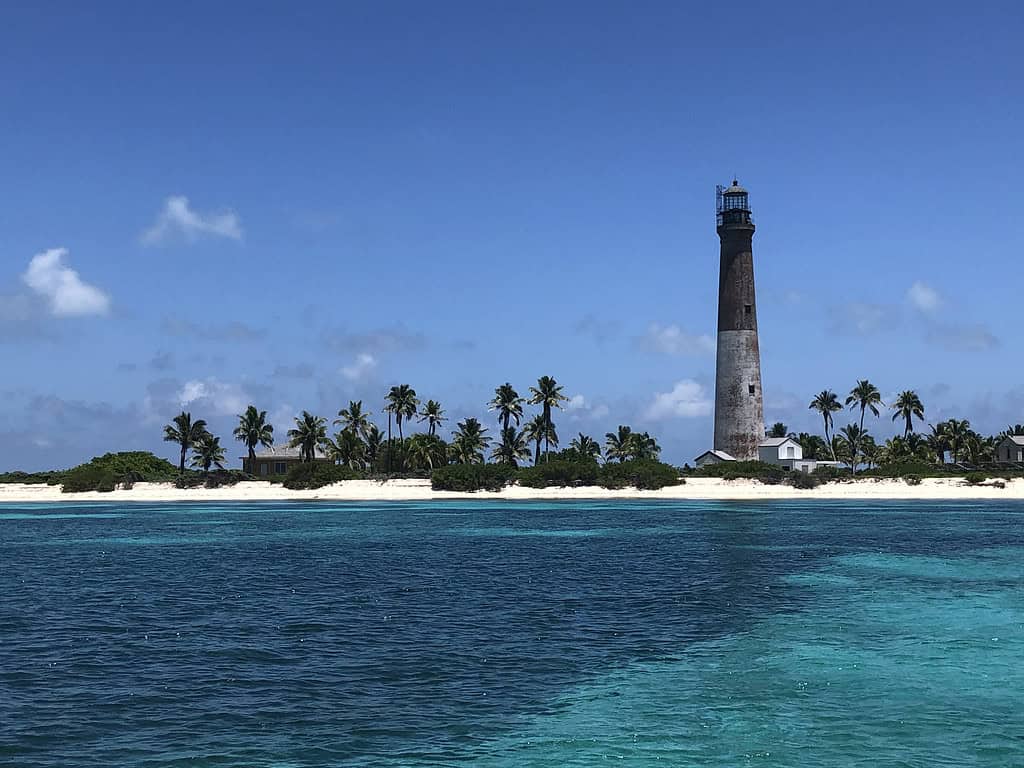
Dry Tortugas National Park is only accessible by boat or seaplane, but it hosts an impressive collection of northbound birds.
©Valentina Suarez/iStock via Getty Images
Dry Tortugas National Park is Shangri-La for true birders. This incredible protected area is just a few tiny islands about 70 miles west of Key West. It is not for casual birders, as it’s accessible only by boat or seaplane. It serves as an integral pit stop for northbound birds during the summer months. Indeed, thousands of Sooty Terns can be spotted, as well as Brown Noddies, Black Noddies, and Masked Boobies. One of the more common birds found in this area is the Magnificent Frigatebird. Males of this species have large red gular sacs which they inflate to attract mates.
Everglades National Park
Whereas Dry Tortugas National Park requires some intense travel to reach, Everglades National Park is less than an hour from the Miami Airport. Just a quick drive down the park’s main road will treat visitors to an impressive variety of birds, especially in the summertime. While places in the park like Snake Bight Trail feature woodland species, including White-crowned Pigeons and Black-whiskered Vireos, the park’s ponds feature Ibises, Wood Storks, Roseate Spoonbills, and Herons. Rarer but no less impressive sights include Short-tailed Hawks, Bronzed Cowbirds, and Swallow-tailed Kites.
Audubon Corkscrew Swamp Sanctuary
On the other side of the state’s peninsula sits Audubon Corkscrew Swamp Sanctuary. A little out of the way compared to the Everglades, this sanctuary features an old-growth forest and the Audubon stamp of approval. This swamp sanctuary is one of the gateways for the Great Florida Birding Trail. Besides being an important breeding ground for wetland birds like Wood Storks, it also features wintering Passerines and Painted Buntings. Deeper in the sanctuary, people can see wading species like Yellow-crowned Night Herons, Great Egrets, as well as specialist birds like Limpkins, Barred Owls, and Swallow-tailed Kites.
Merritt Island National Wildlife Refuge
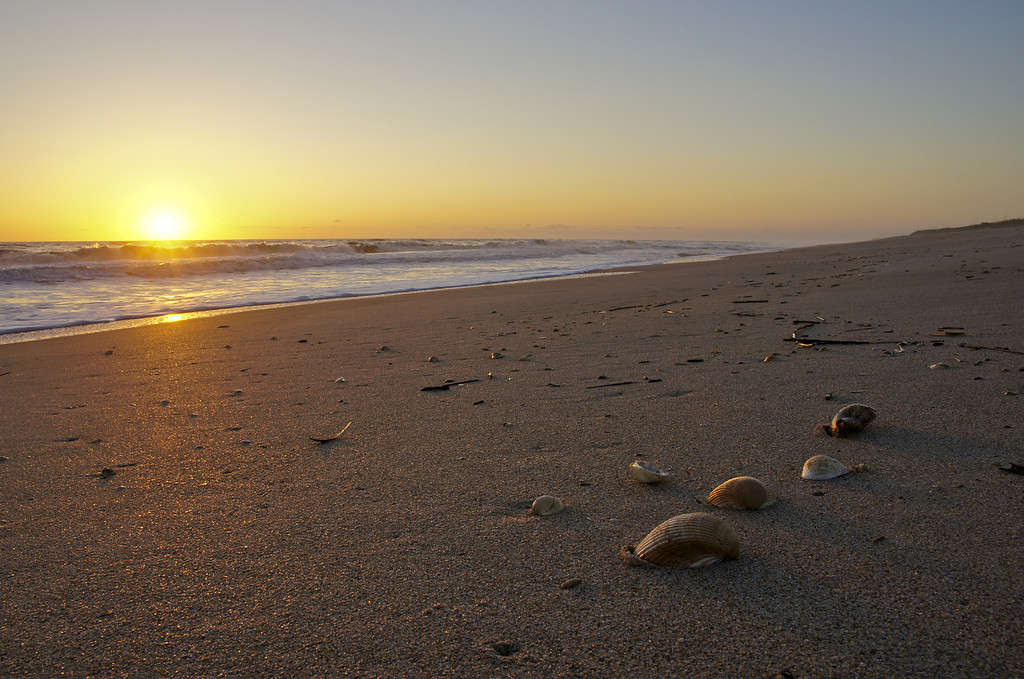
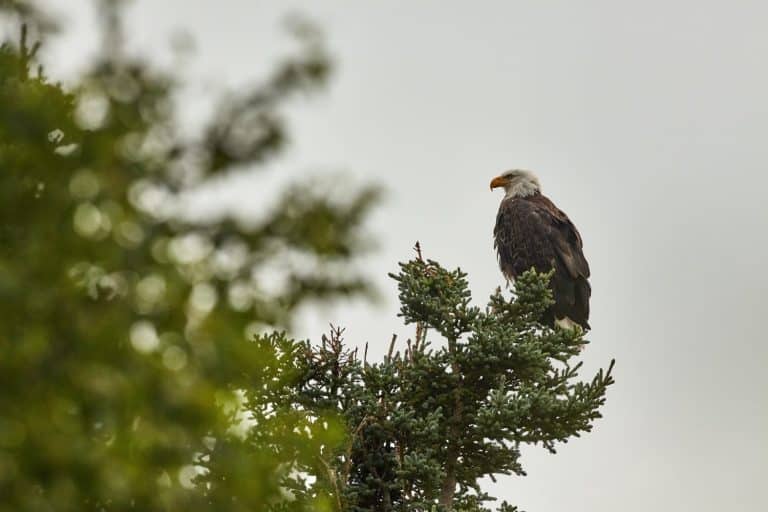
Merrit Island National Wildlife Refuge has recorded over 350 bird species, including Roseate Spoonbills, Florida Scrub-Jays, and Bald Eagles.
©Bkamprath/ via Getty Images
The Merritt Island National Wildlife Refuge sits just next to the Kennedy Space Center and features more than 350 bird species. Birds are attracted to the area’s wide variety of habitats, including sandy beaches, palmetto scrub, hardwood forest, and both salt and freshwater wetlands. Visitors are likely to see various types of waterfowl as well as wading birds like Herons, Roseate Spoonbills, and Egrets. Bald Eagles are also commonly seen throughout the refuge. Most notably, the Merritt Island National Wildlife Refuge is one of the last strongholds for the Florida Scrub-Jay, a federally threatened species. As expected, the closer you get to the coast, the more likely you are to see different types of terns and gulls.
Apalachicola National Forest
One of the only places to spot the endangered Red-cockaded Woodpecker is the Apalachicola National Forest. Spread across nearly 600,000 acres, it remains Florida’s largest national forest and home to many coveted bird species. These include Brown-headed Nuthatches and Bachman’s Sparrows. The extensive pine woods also shelter dozens of species typical of the Florida Panhandle, including Swallow-tailed Kites, Red-headed Woodpeckers, and Northern Parulas. More rarely, the lucky birdwatcher will spot Swainson’s Warblers.
Great Florida Birding Trail
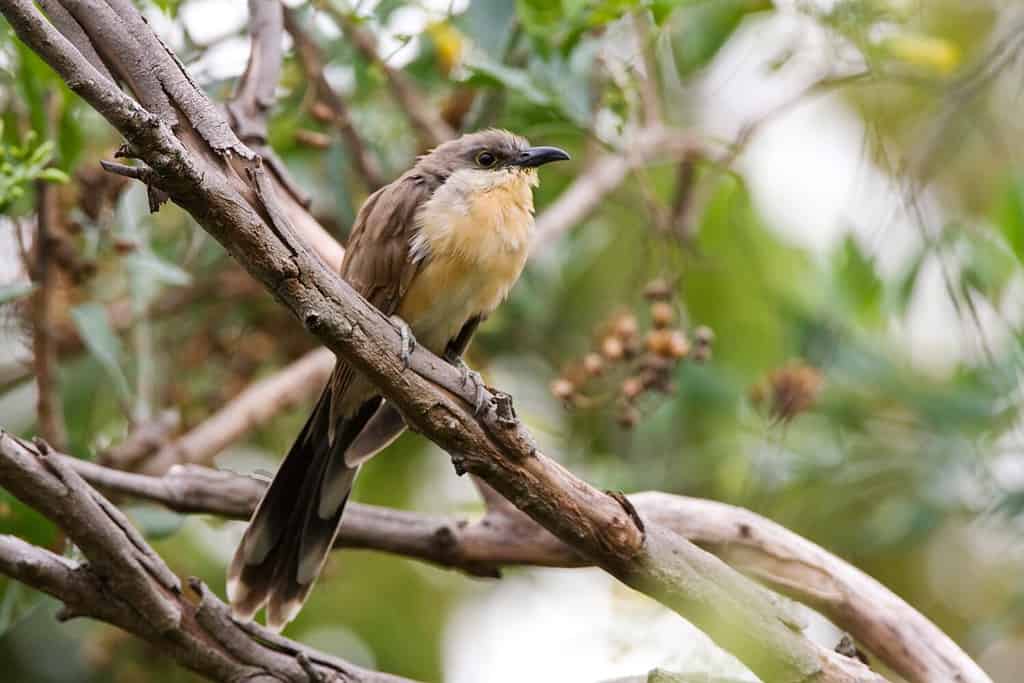
Mangrove Cuckoos are notoriously shy and typically only found in mangrove forests during the summertime.
©Traveller MG/Shutterstock.com
There are so many great locations for birdwatching in Florida that the state created an official trail to organize them called the Great Florida Birding Trail. It features over 500 places throughout the state. It was created by the Florida Fish and Wildlife Conservation Commission in collaboration with the Florida Department of Transportation and is modeled after the Great Texas Coastal Birding Trail. Road signs featuring a Swallow-tailed Kite emblem guide birders along the trail.
Following the entire length of the trail is no easy feat, but it is a surefire way to see all the state’s prominent birds. While most of Florida’s birds can be seen year-round, the most exotic, tropical birds are usually only found during the summertime. These include Swallow-tailed Kites (as seen on the trail logo), Gray Kingbirds, Limpkins, and Reddish Egrets. Perhaps the most coveted sights, however, are Mangrove Cuckoos and Antillean Nighthawks. While Mangrove Cuckoos are notoriously shy and only found in mangrove forests during the summer, Antillean Nighthawks can only be seen at dusk in the Florida Keys.
Whatever type of bird you’re looking for, Florida is likely the best state in the country to find it. Happy Birding!