
Quick Take
- When discussing insect poop, entomologists often refer to their solid waste as “frass.”
- Frass analysis can help researchers uncover the diets of ladybugs in natural settings.
- Ladybugs that consume aphids tend to produce more waste.
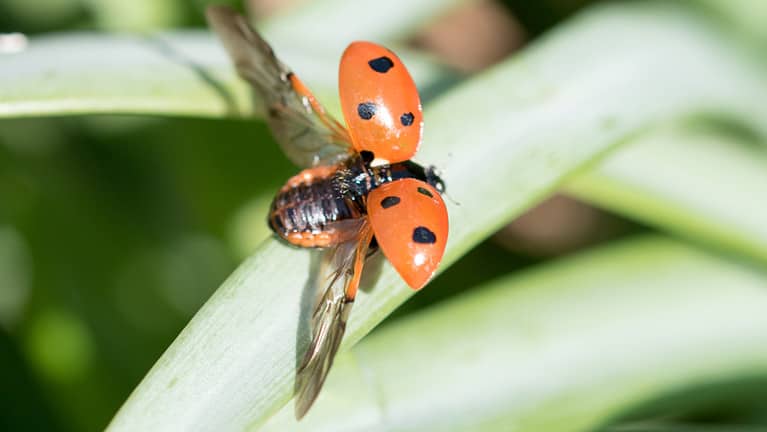
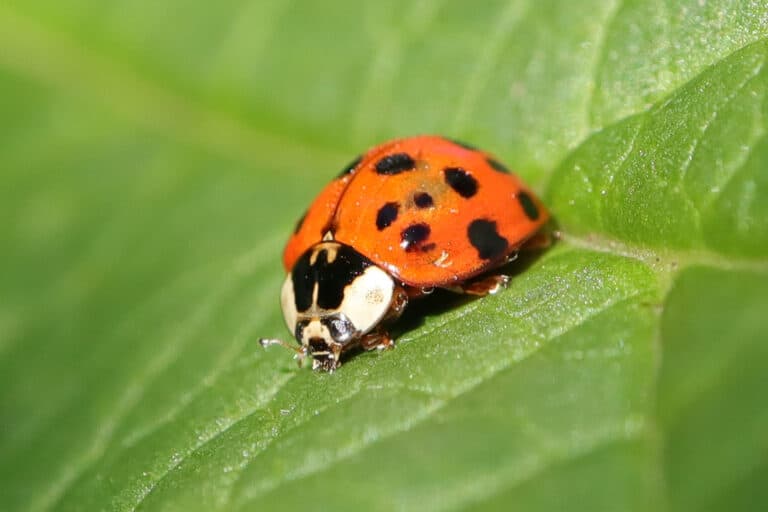
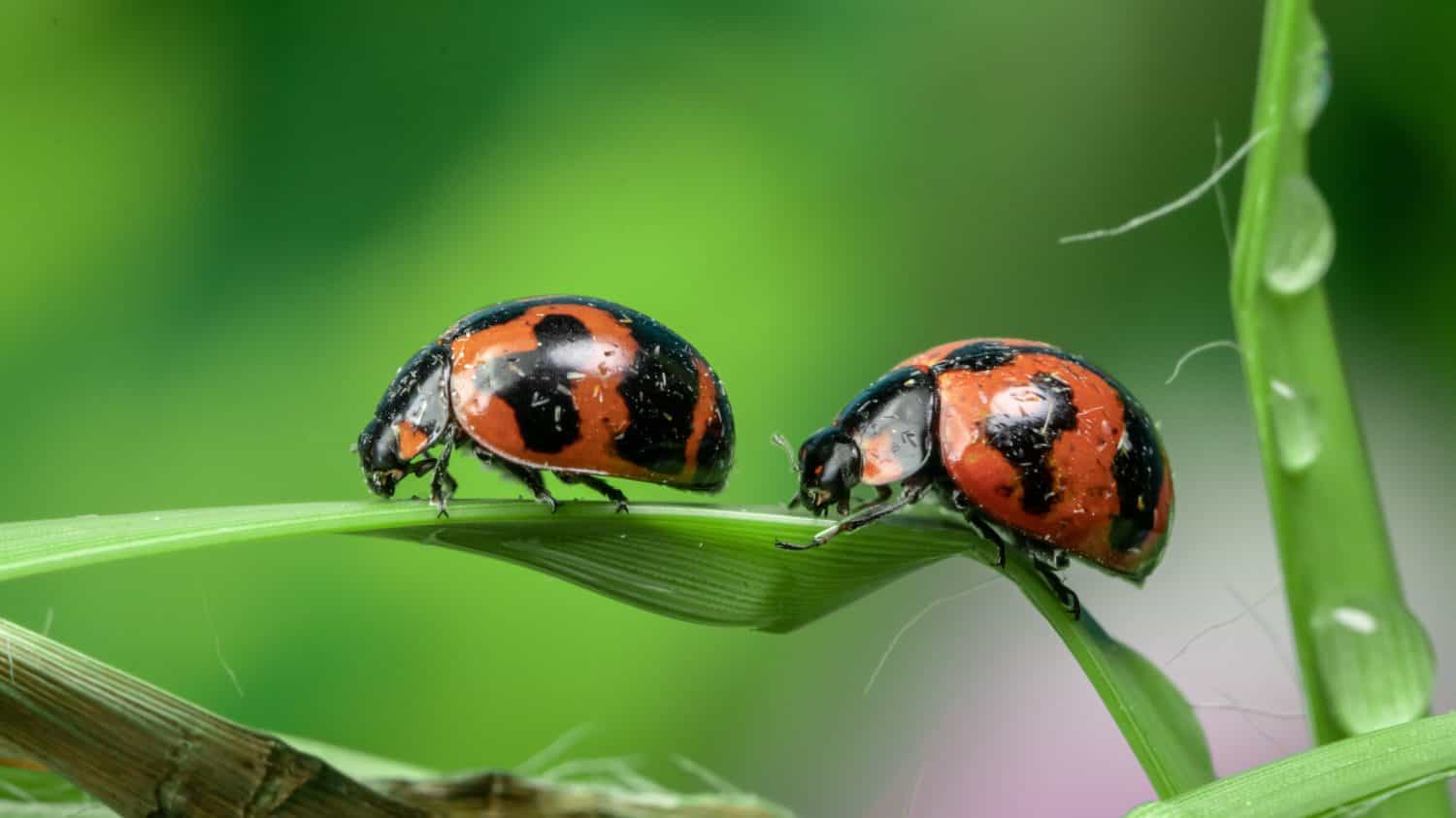
Ladybugs, ladybirds, and lady beetles all refer to beetles in the family Coccinellidae. Although they are technically not bugs, people in the U.S. call them ladybugs, while those in the U.K. primarily call them ladybirds. There are nearly 500 species of lady beetles in North America. They can be red, orange, yellow, and even black. Some have spots and some do not. However, most lady beetles have round or oval bodies, partially covered heads, short antennae, and are less than 0.39 inches long. Like most beetles, they have two sets of wings. The outer wings, or elytra, are hardened to protect the fragile flight wings underneath. Most lady beetles are predators, feeding on aphids, mites, and scale bugs. And since ladybugs eat, they excrete waste. Read on to learn everything you need to know about ladybug poop.
What Is Frass?
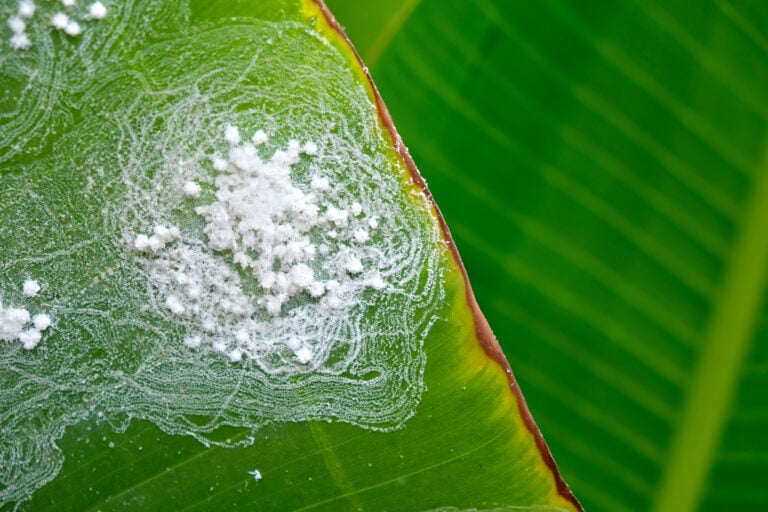
When discussing insect poop, entomologists often use the word “frass.” Frass generally refers to solid insect excrement. Examining insect frass deposited on plant foliage is one way scientists can determine whether plants are suffering from insect parasitism, as well as which insects are responsible. Frass analysis can also help researchers uncover the diets of predatory insects, such as lady beetles, in natural settings. For example, one study analyzing the frass of the seven-spot ladybird found that they eat a wider variety of foods than expected, including pollen and fungal spores.
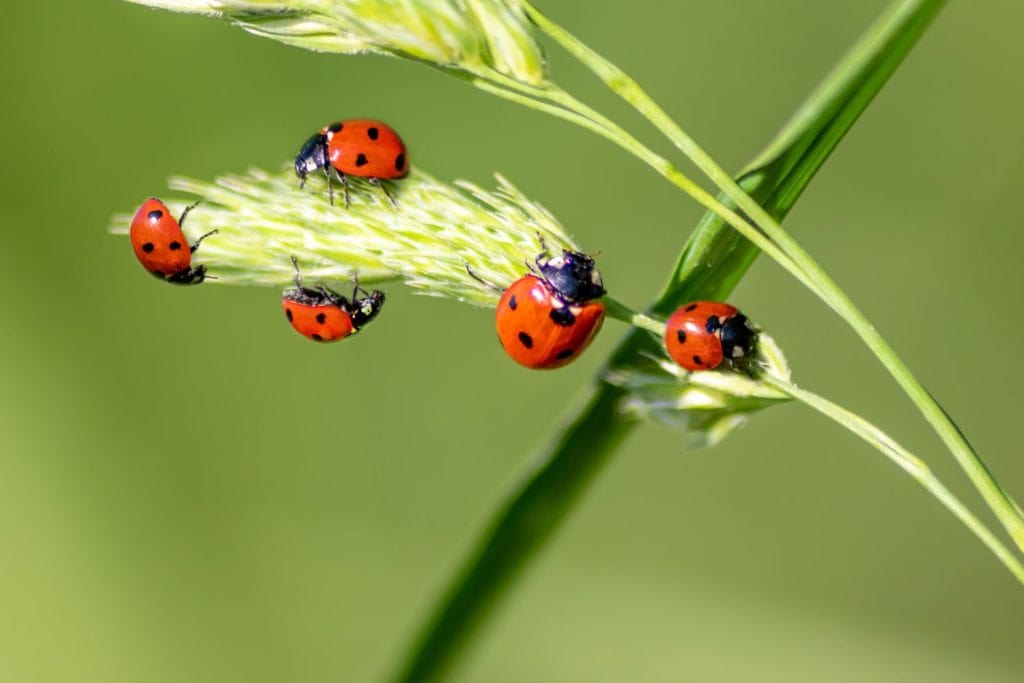
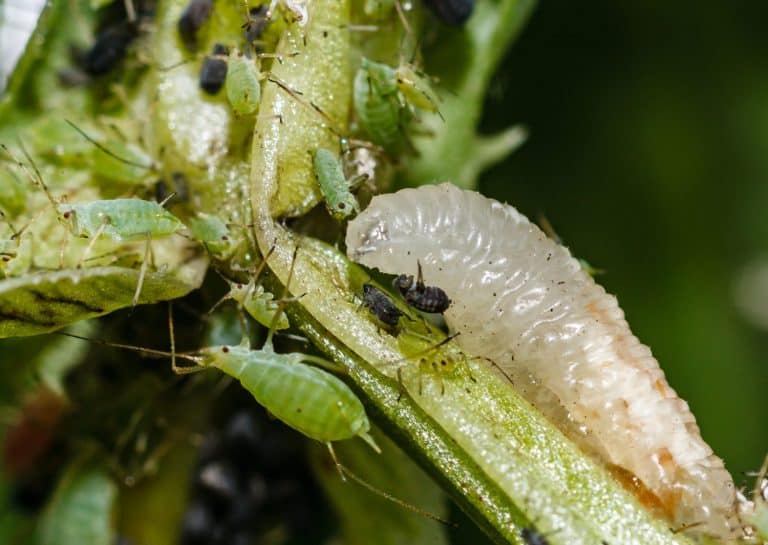
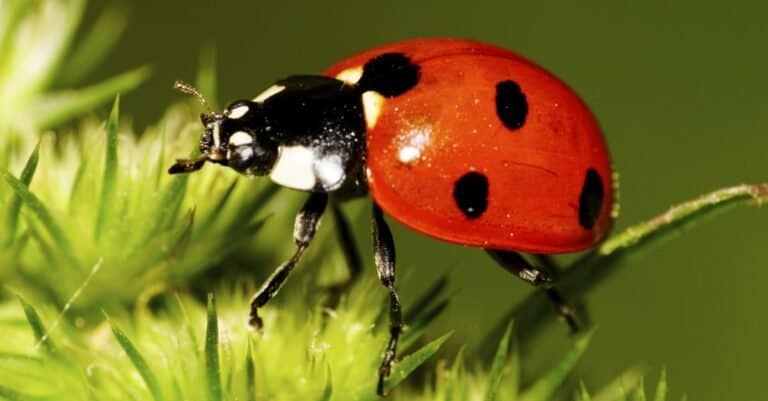
Ladybugs can detect chemical cues in aphid waste that lead them to their prey.
©sunakri/Shutterstock.com
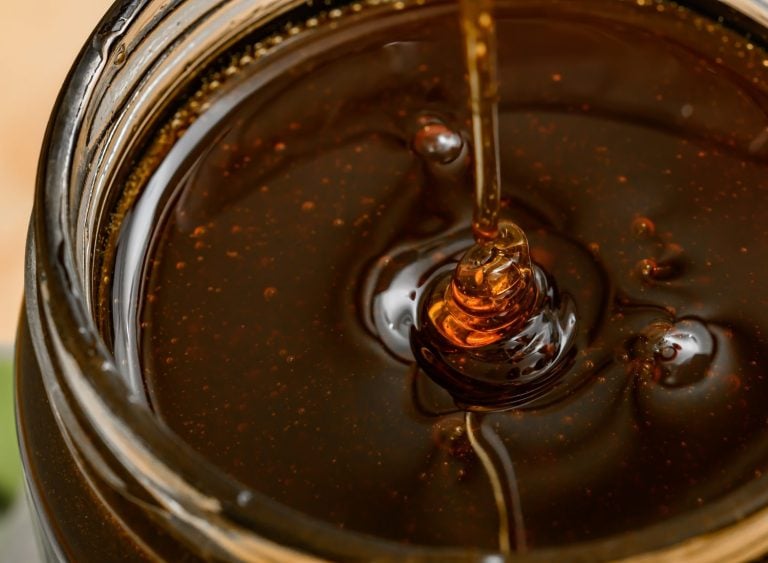
Predators and parasitoids often use cues in the frass of herbivorous insects to locate suitable hosts. In fact, aphid waste, or honeydew, and its accompanying chemical signals lead adult lady beetles and lady beetle larvae toward their prey. Pheromones in frass can signal an insect’s location to those of the same species, or tell others there is a predator nearby. Aphids can also detect the scent of lady beetles, including cues associated with their droppings.
Ladybug Digestion
The abdomen contains a ladybug’s digestive organs. The digestive system consists of three sections: the foregut, midgut, and hindgut. Most digestion occurs in the midgut. In carnivorous insects, a larger midgut allows them to retain their ingested food longer for more thorough nutrient absorption.
Their waste is excreted from the hindgut, which includes the ileum, rectum, and rectal canal. Although their musculature is weak in the midgut, ileum, and rectum, it is stronger in the rectal canal to expel excrement.
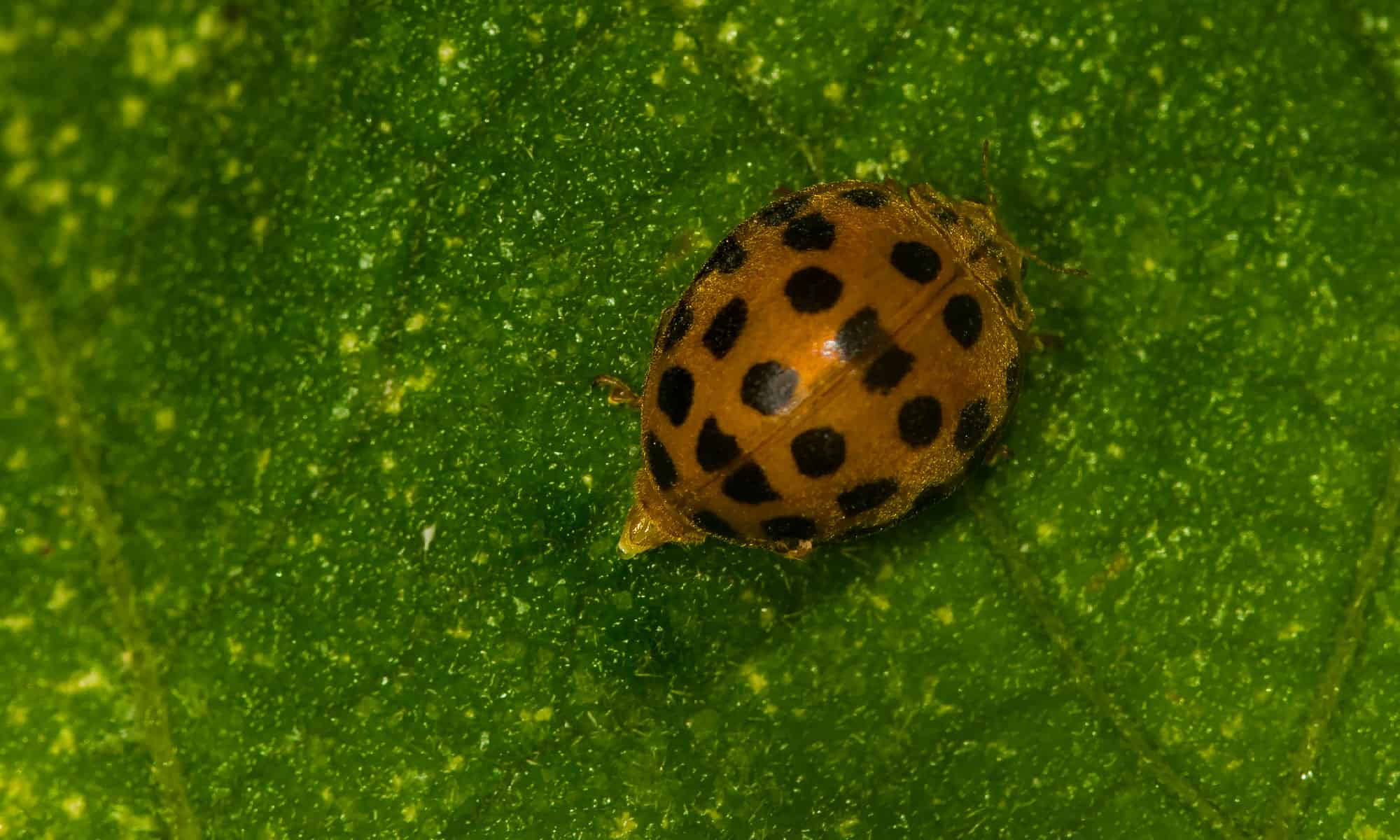
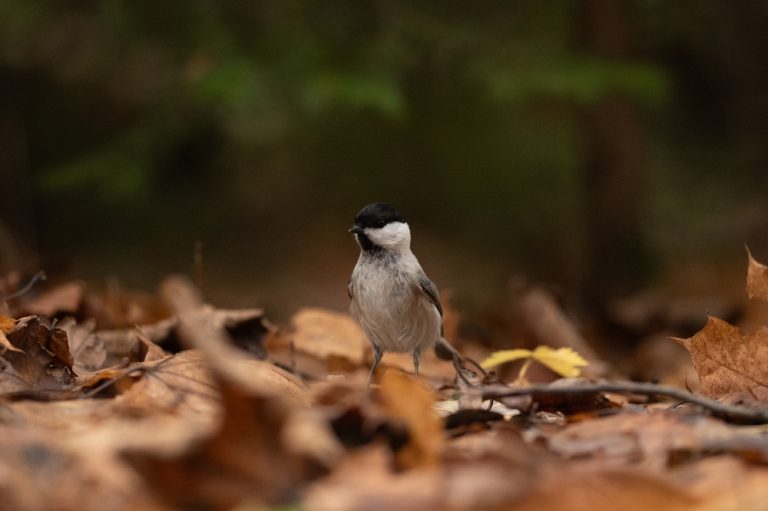
Ladybug poop is frequently brown, but the color can vary depending on diet.
©iStock.com/Jolkesky
What Does Ladybug Poop Look Like?
Ladybug poop is visible to the naked eye. It is relatively solid and shaped like little pellets. Their poop is frequently a shade of brown, but the color can vary depending on the beetle’s diet. Researchers analyzing ladybug frass found that not all pellets contained fragments of their prey. However, frass from ladybugs that consumed aphids often contained legs and antennae, and was generally larger and darker than frass pellets without such fragments. Lady beetles that consume aphids also tend to produce more waste.
A single ladybug does not excrete enough waste for its feces to have a perceptible scent to humans. However, when they feel threatened, some species emit a yellow discharge through their leg joints that has a foul odor even humans can smell. This defense mechanism keeps predators from trying to eat them.