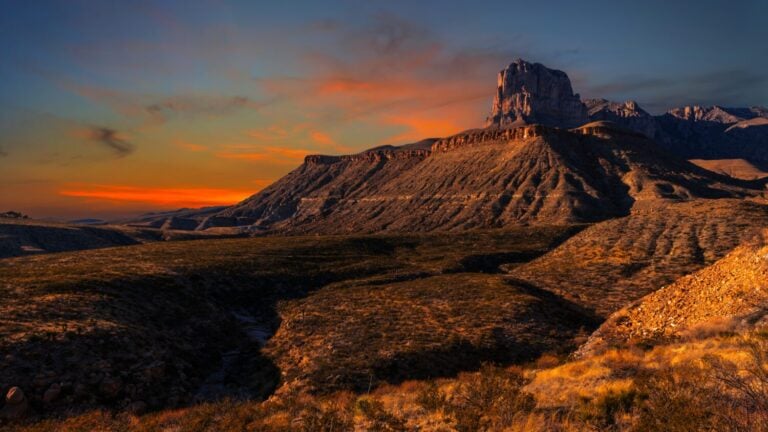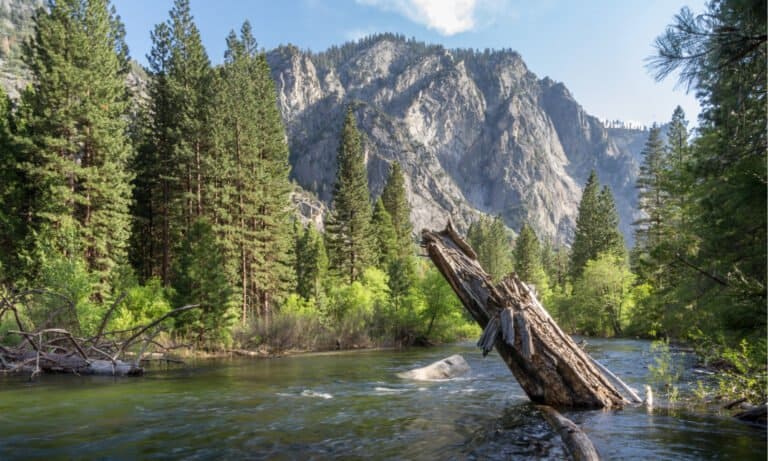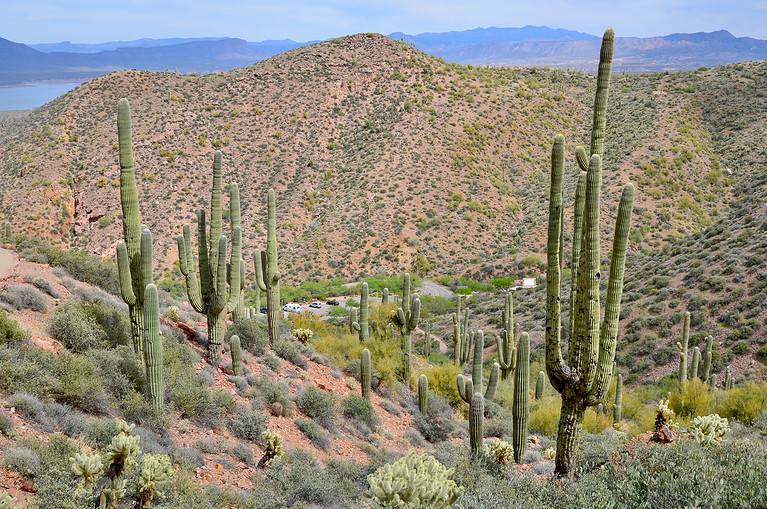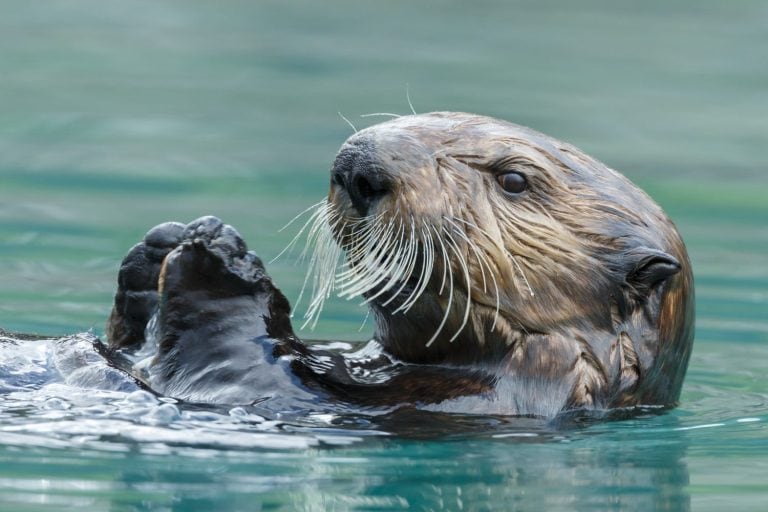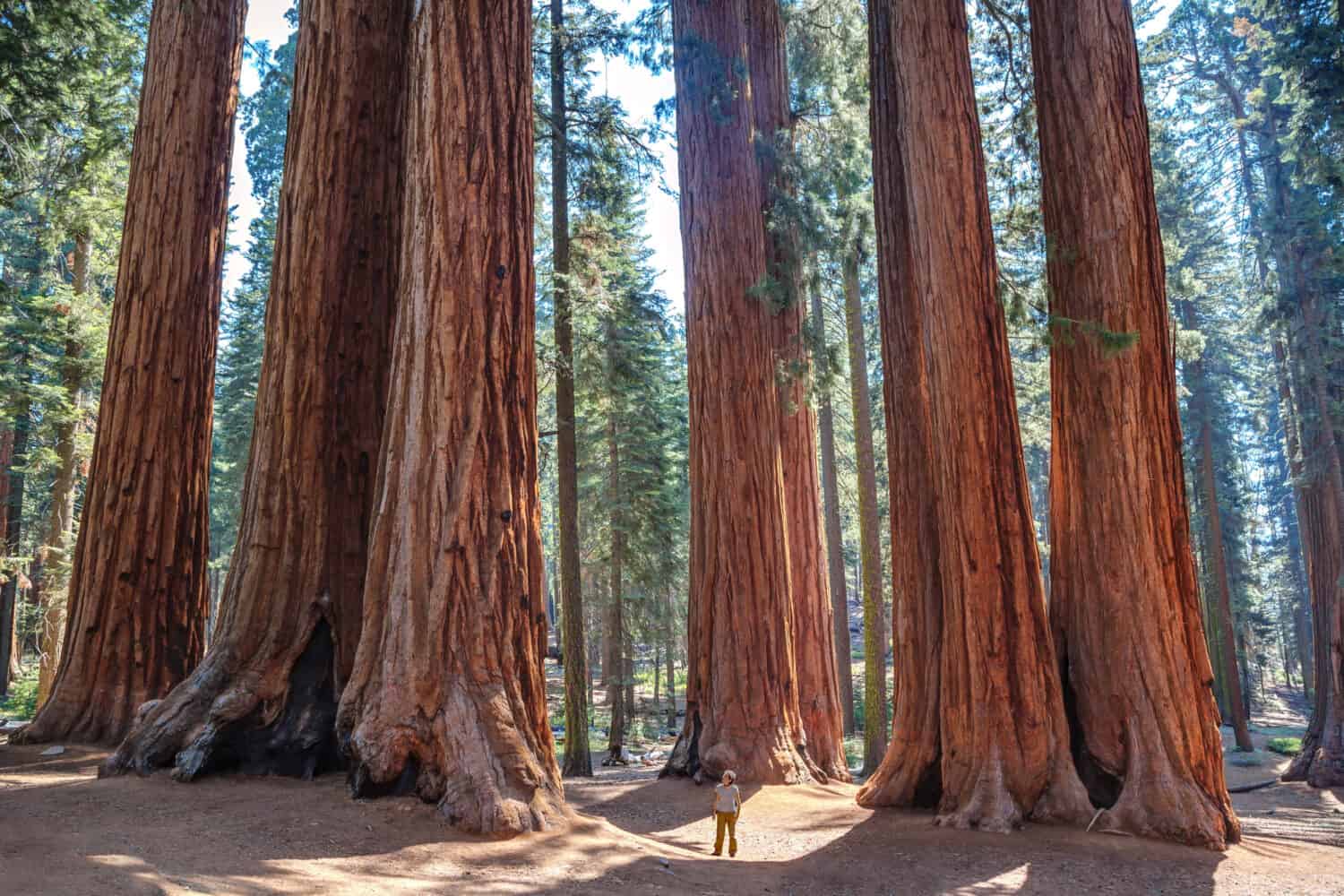

High in California’s Sierra Nevada, Sequoia National Park rises from oak-studded foothills to icy alpine ridges. It’s a land of extremes: roaring rivers, granite peaks, and forests so vast that even light seems to slow beneath the redwood canopy. The park’s namesake giants, the sequoias, stand witness to millennia of change, and around their roots thrives an astonishing mix of life. From trout in mountain streams to bears among wildflowers, Sequoia’s wildlife is a living reflection of the Sierra’s layered world.
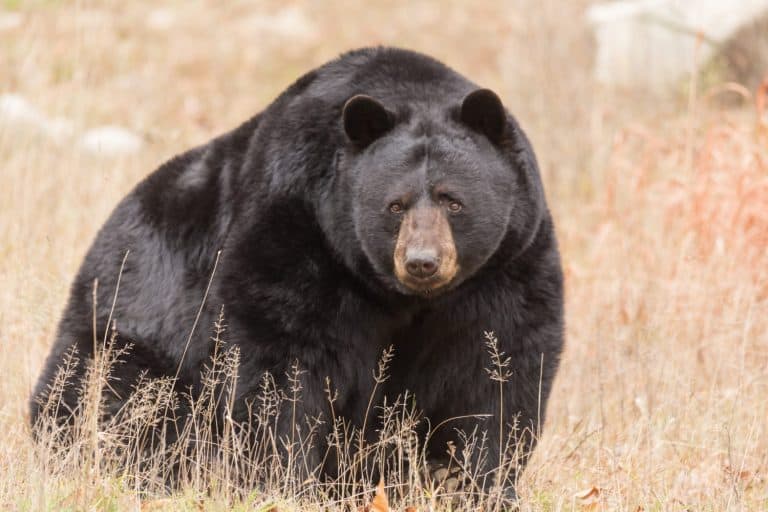
American Black Bear (Ursus americanus)

American Black Bear (Ursus americanus)
©Tom Reichner/Shutterstock.com
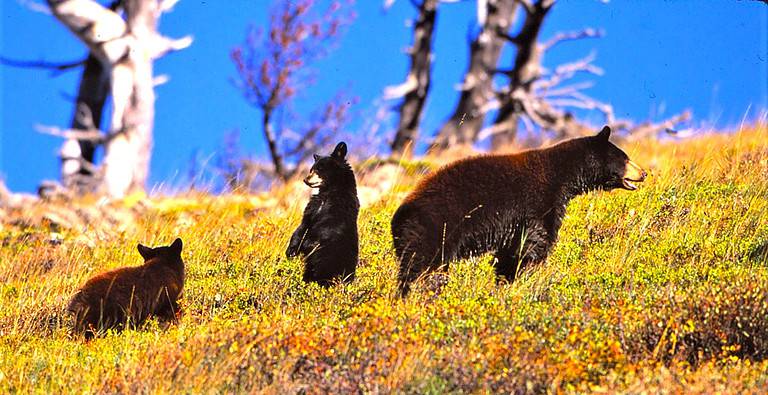
The black bear is Sequoia’s most iconic resident, though its color ranges from cinnamon brown to deep chocolate. Intelligent and adaptable, it feeds on berries, acorns, insects, and the occasional carcass. In late summer, bears gorge on manzanita berries and grubs to build fat for winter denning. Visitors often glimpse them near Giant Forest or Crescent Meadow, turning over logs in search of ants. Despite their size, bears are shy and avoid confrontation—unless food is left unattended.
Steller’s Jay (Cyanocitta stelleri)
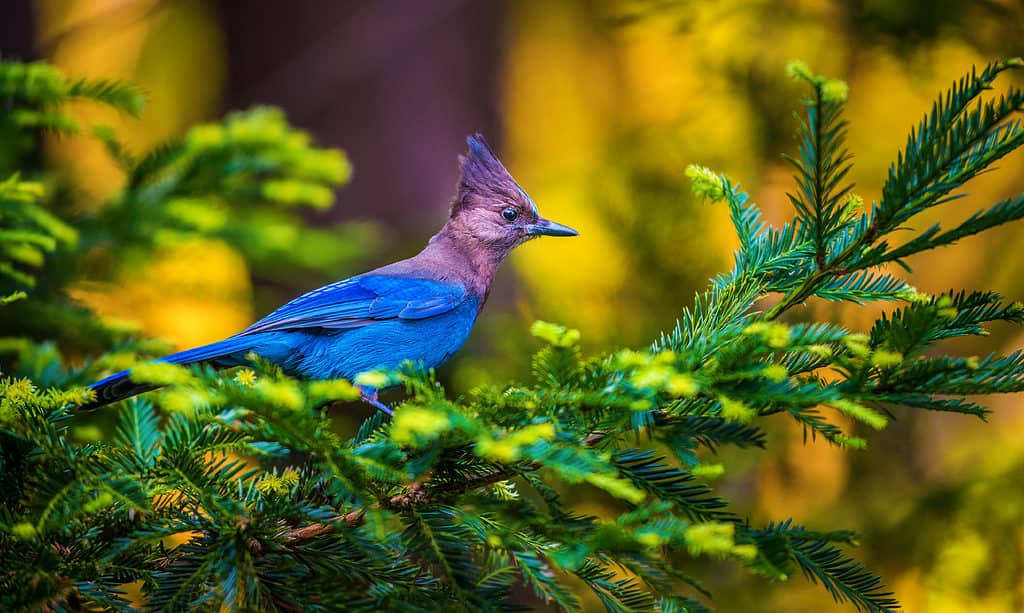
Steller’s Jay (Cyanocitta stelleri)
©iStock.com/kwiktor
Brilliant blue and endlessly curious, the Steller’s jay is the park’s loudest gossip. Found around campsites and trailheads, it mimics other birds — and sometimes car alarms — in its raspy voice. These jays cache pine nuts and acorns in the soil, often forgetting them and thus helping new trees sprout. Their boldness makes them both beloved and notorious, as they often dart down to steal crumbs from unattended picnic tables.
Sierra Nevada Bighorn Sheep (Ovis canadensis sierrae)
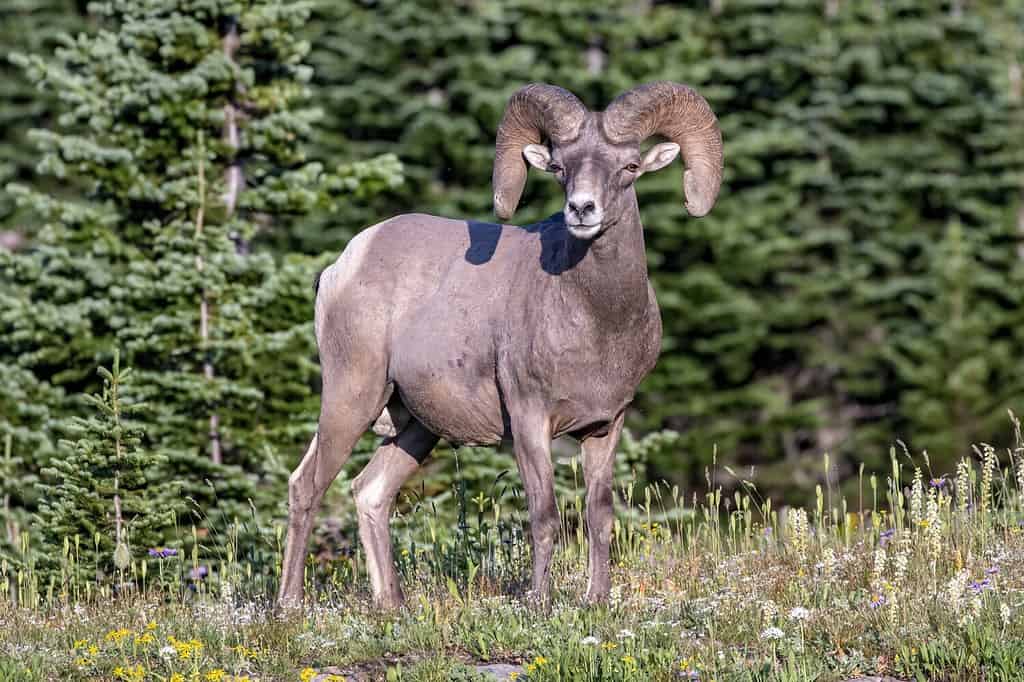
Sierra Nevada Bighorn Sheep (Ovis canadensis sierrae)
©Wirestock Creators/Shutterstock.com
In the high country near Mount Langley, the endangered Sierra Nevada bighorn sheep cling to cliffs and talus slopes. Agile and wary, they navigate ridges where few predators follow. They feed on alpine grasses and sedges, and their tan coats blend perfectly into the granite. Seeing one against a skyline of peaks is a rare reward — a glimpse of an ancient species reclaiming its mountain home.
Mountain Yellow-Legged Frog (Rana sierrae)
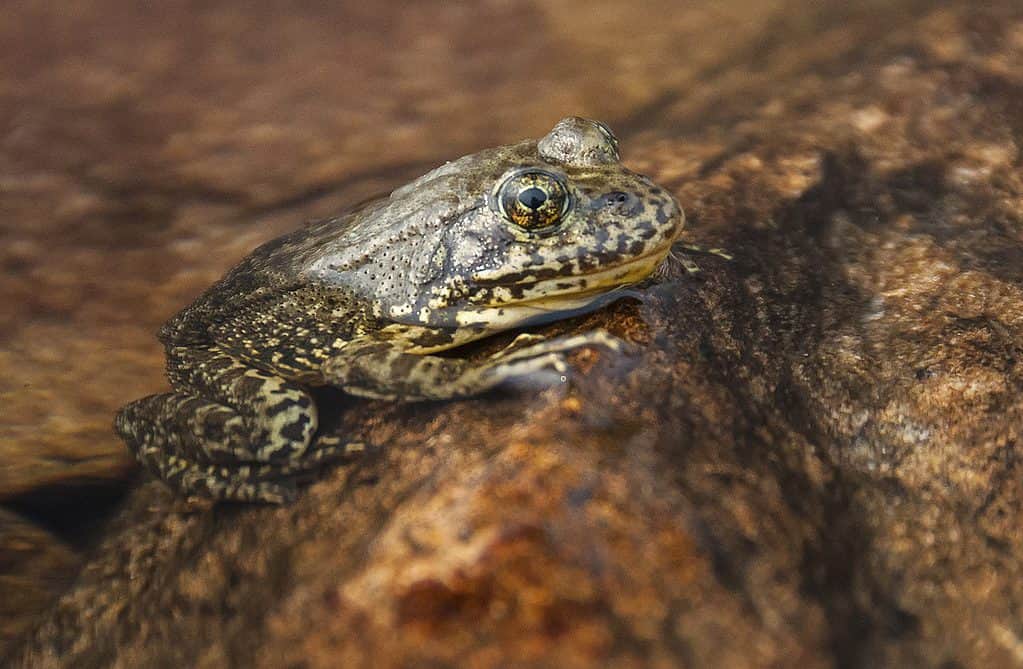
Mountain Yellow-Legged Frog (Rana sierrae)
©USFWS Pacific Southwest Region from Sacramento, US / public domain – Original / License
This small, golden-eyed amphibian once thrived in Sequoia’s cold lakes and streams. Now endangered, the mountain yellow-legged frog struggles against habitat loss and disease. It spends most of its life near water, feeding on insects and small invertebrates. Conservationists have reintroduced populations in alpine basins like those near Pear Lake, where their soft croaks echo at dusk over still water.
Western Gray Squirrel (Sciurus griseus)
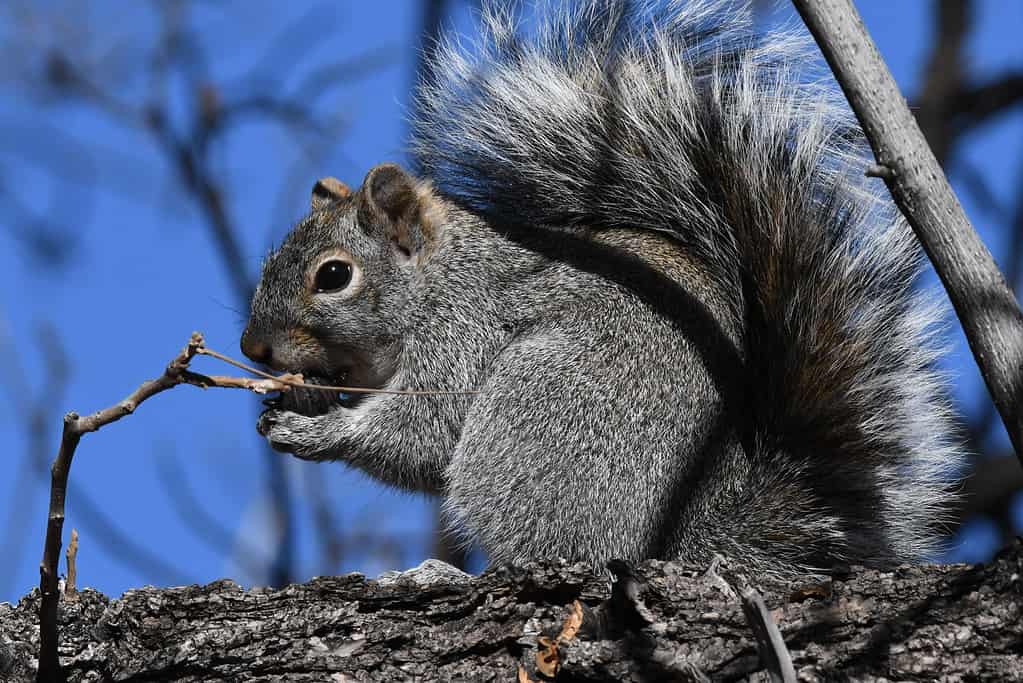
Western Gray Squirrel (Sciurus griseus)
©Gilbert S. Grant/Shutterstock.com
With its long silver tail and expressive face, the western gray squirrel is a familiar flash among sequoia trunks. These agile climbers feast on pine nuts, acorns, and fungi. They help forests regenerate by burying seeds, many of which they never reclaim. Early morning visitors often hear their sharp chatter from branches above, scolding intruders or rivals with theatrical indignation.
California Mule Deer (Odocoileus hemionus californicus)
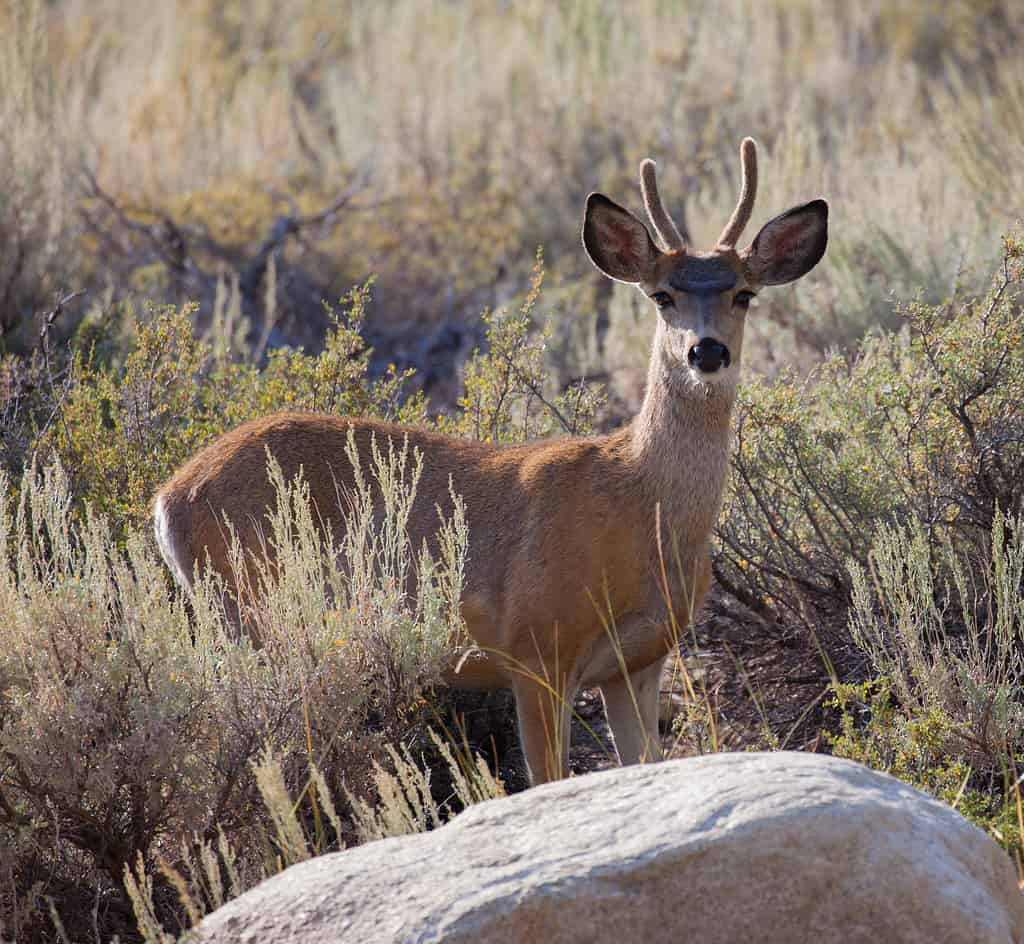
California Mule Deer (Odocoileus hemionus californicus)
©epantha/iStock via Getty Images
The mule deer is a constant presence from the oak foothills to the mountain meadows. Its oversized ears twist toward every sound, and its careful gait leaves soft prints in forest dust. Deer feed on tender shoots, wildflowers, and shrubs, moving between elevations as the seasons change. In autumn, their coats darken and males grow antlers for sparring — a quiet pageant of the Sierra’s rhythm.
Pacific Fisher (Pekania pennanti)
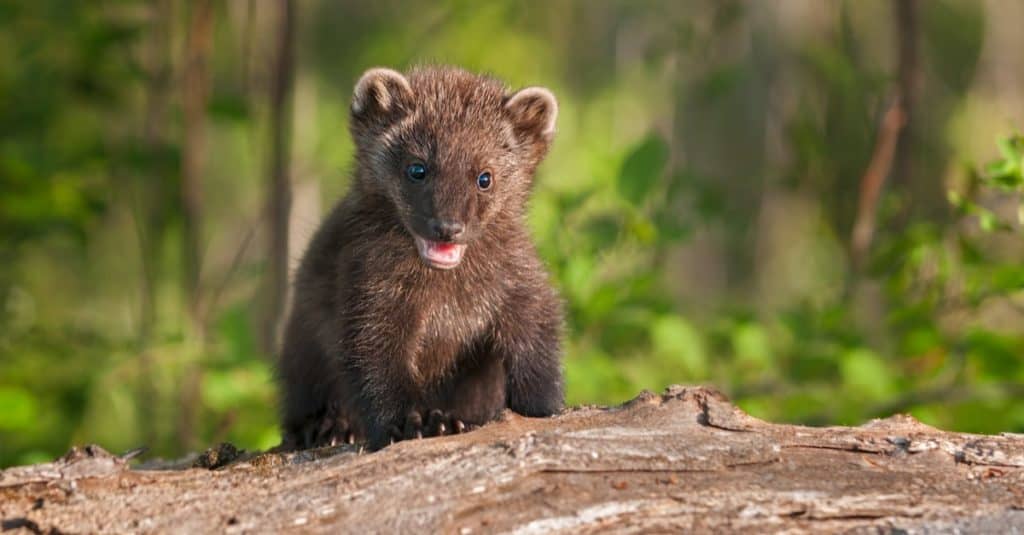
Pacific Fisher (Pekania pennanti)
©Holly Kuchera/Shutterstock.com
Elusive and nocturnal, the Pacific fisher prowls deep within the park’s mixed conifer forests. About the size of a large house cat, it hunts squirrels, rabbits, and occasionally porcupines. Once nearly wiped out by logging and trapping, fishers are returning to Sequoia thanks to reintroduction efforts. They move silently through branches at night, ghosts among the sequoias.
Rainbow Trout (Oncorhynchus mykiss)
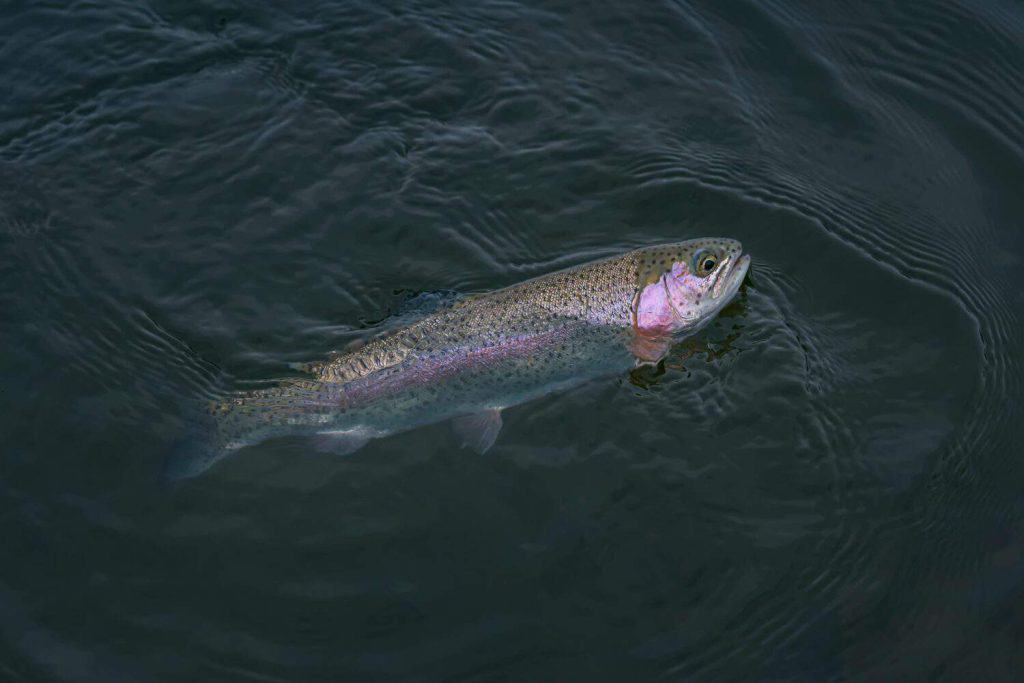
Rainbow Trout (Oncorhynchus mykiss)
©FedBul / Shutterstock.com
Cold mountain streams like the Kaweah and Marble Fork are home to rainbow trout — quick, shimmering streaks of silver and pink. They feed on aquatic insects and smaller fish, thriving in clear, oxygen-rich waters. Anglers may spot them rising to the surface at dusk, their ripples glinting under alpine twilight. In late spring, they spawn in gravel beds fed by snowmelt.
Northern Pacific Rattlesnake (Crotalus oreganus oreganus)
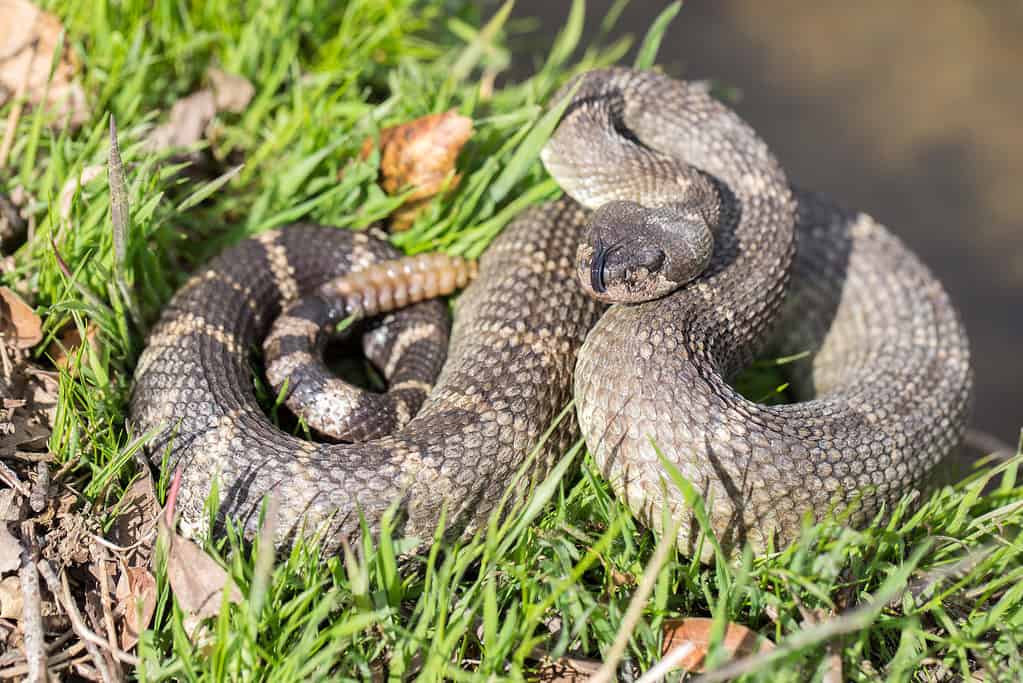
Northern Pacific Rattlesnake (Crotalus oreganus oreganus)
©iStock.com/yhelfman
Warming itself on sunlit granite, the northern Pacific rattlesnake blends perfectly with the park’s foothill rocks. This venomous snake preys on rodents and lizards, helping control populations that would otherwise overrun the grasslands. It is patient and remains coiled, striking quickly only when threatened. The soft buzz of its rattle is both warning and reassurance — a voice asking for space, not conflict.
Great Gray Owl (Strix nebulosa)
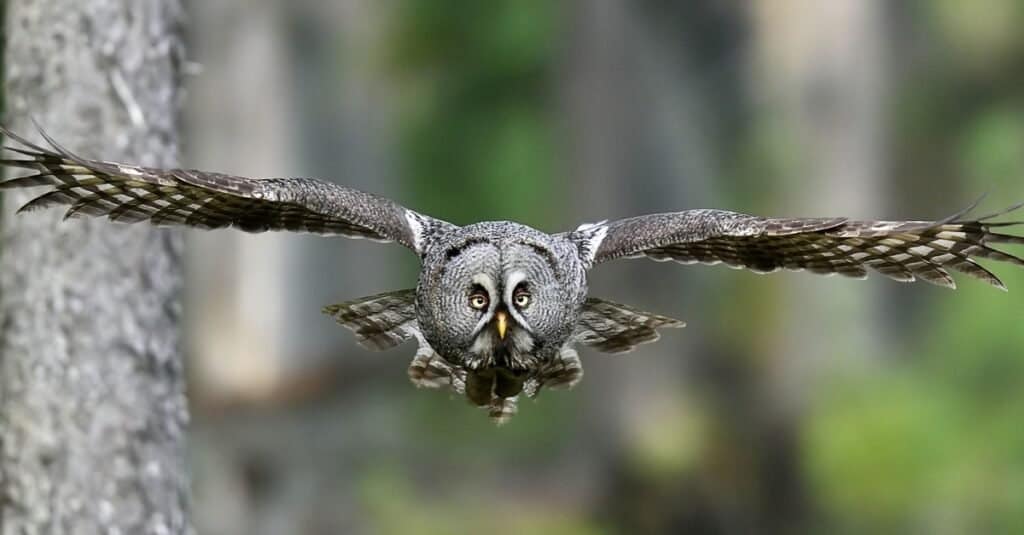
Great Gray Owl (Strix nebulosa)
©Erik Mandre/Shutterstock.com
Rare and regal, the great gray owl haunts Sequoia’s montane meadows. Nearly silent in flight, it hunts voles and mice under moonlight. Its wide, disc-shaped face focuses sound so precisely that it can detect prey moving beneath the snow. In winter, it perches on fallen logs or low branches, its yellow eyes glowing against the dusk. A sighting feels like crossing paths with an apparition.
Western Fence Lizard (Sceloporus occidentalis)
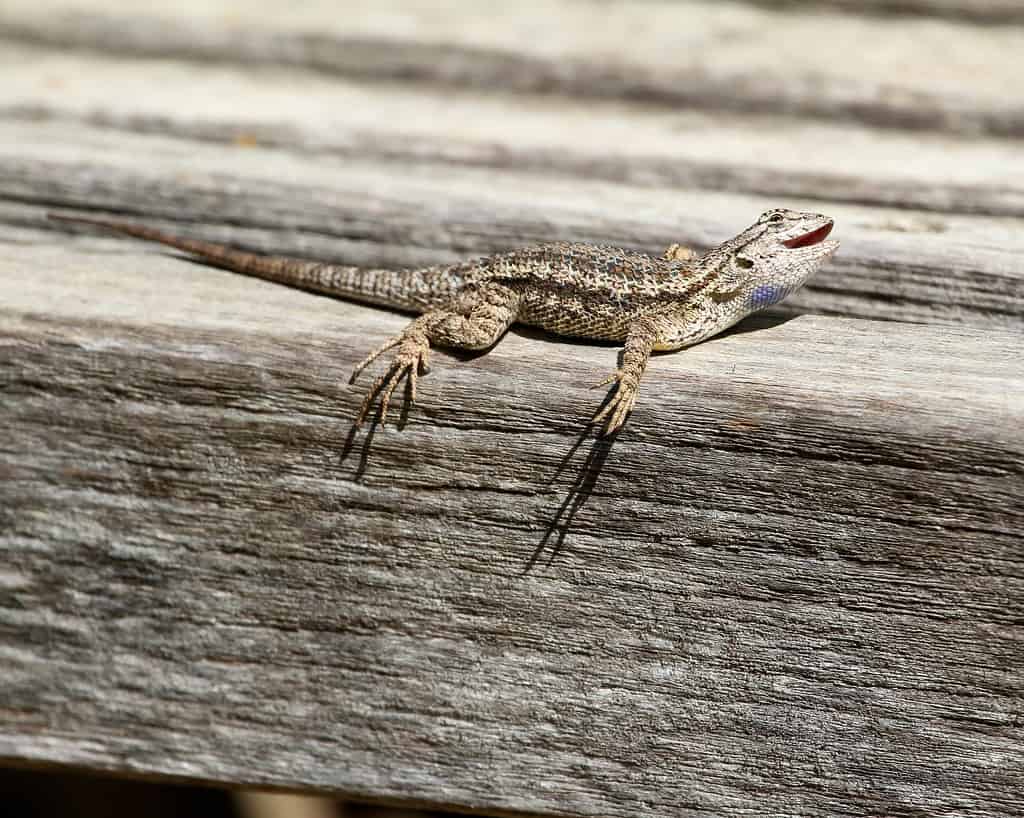
Western Fence Lizard (Sceloporus occidentalis)
©A. Viduetsky/Shutterstock.com
Often called the “blue-belly,” the western fence lizard darts across sun-warmed boulders throughout Sequoia’s foothills. Males flash bright blue undersides during courtship displays. Beyond their lively presence, these lizards serve a quiet public health role: their blood kills the bacteria that cause Lyme disease, reducing transmission in the region. Watching them perform push-ups on granite is a familiar pleasure of any Sierra hike.
American Dipper (Cinclus mexicanus)
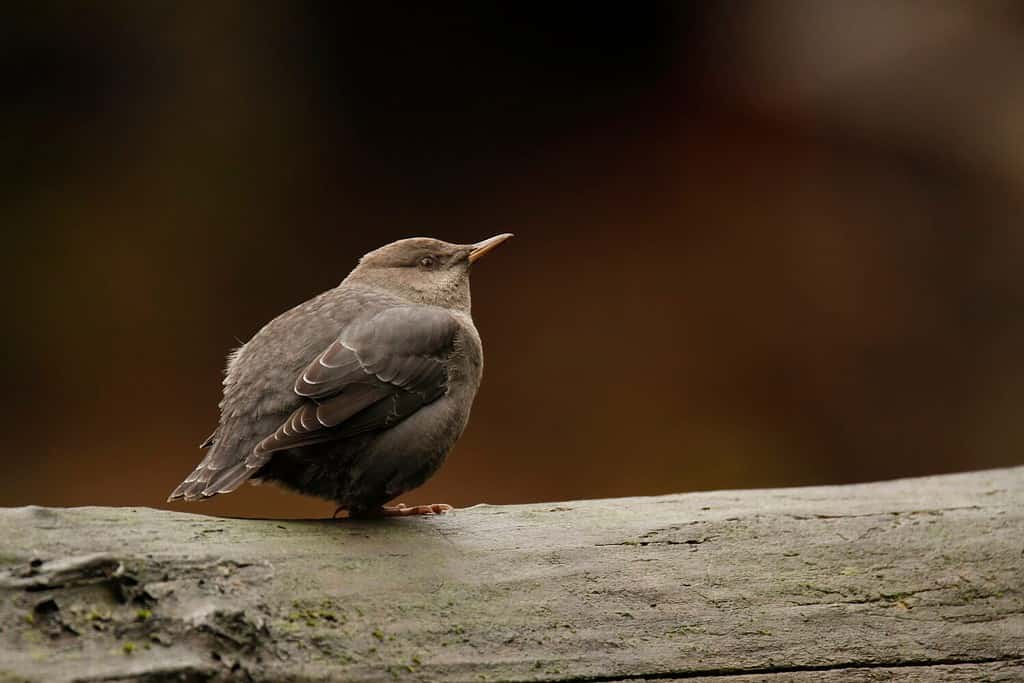
American Dipper (Cinclus mexicanus)
©ShayneKayePhoto/Shutterstock.com
Along rushing streams, the American dipper — a small gray bird — bobs and dives into icy water in search of insects and larvae. The only songbird that swims can walk underwater against the current. Its cheerful song carries over waterfalls, a brave melody against the roar of snowmelt. Dippers nest behind cascades, hidden in mist and moss.
Douglas Squirrel (Tamiasciurus douglasii)
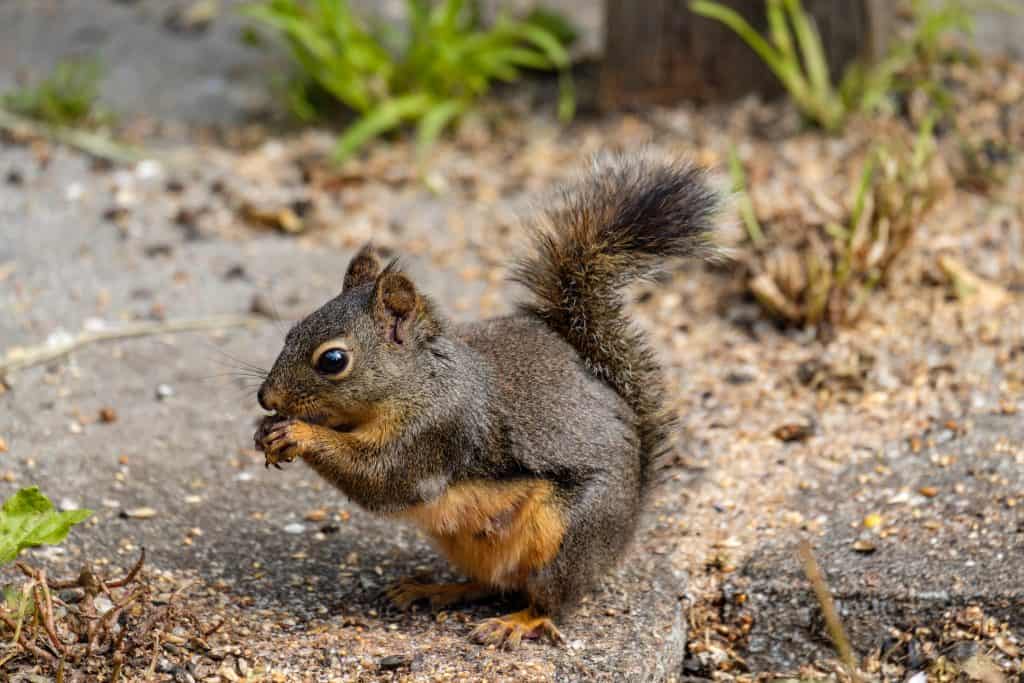
Douglas Squirrel (Tamiasciurus douglasii)
©StoneMonkeyswk/Shutterstock.com
Known locally as the “chickaree,” this small, fiery squirrel defends its territory with loud, scolding trills. It collects and caches cones beneath logs, its energetic behavior echoing through the forest. Douglas squirrels are critical for spreading fungal spores that nourish tree roots, making them unwitting gardeners of the sequoia groves they inhabit.
Sierra Nevada Red Fox (Vulpes vulpes necator)
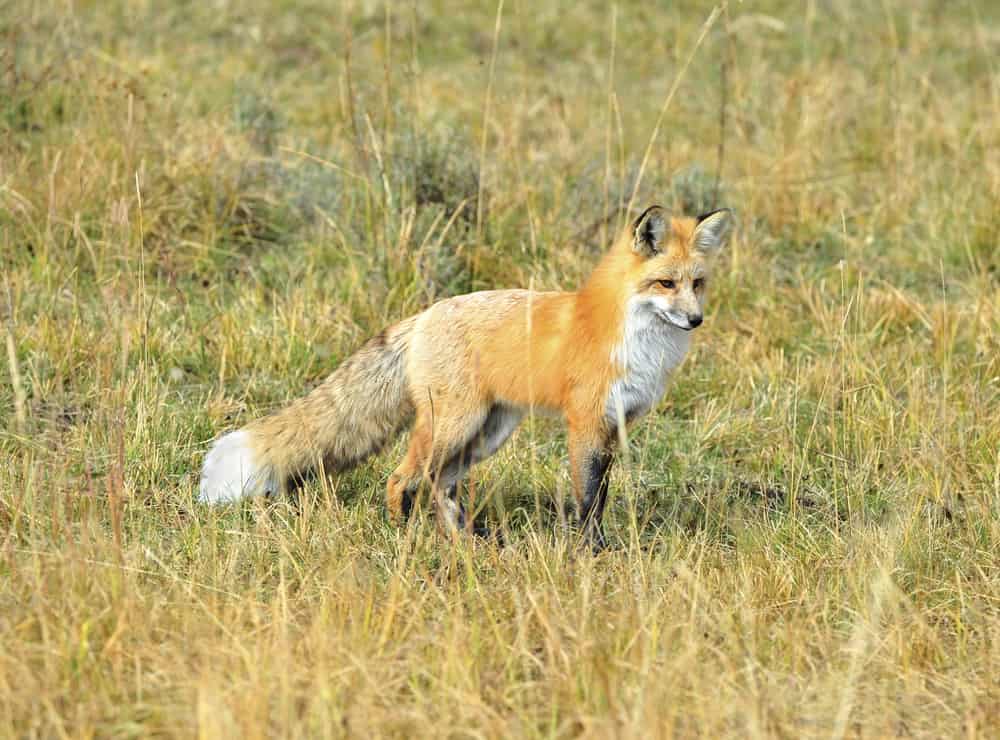
Sierra Nevada Red Fox (Vulpes vulpes necator)
©worldswildlifewonders/Shutterstock.com
Once thought extinct in California, the Sierra Nevada red fox has reappeared in Sequoia’s high alpine zones. Slender, with a thick orange coat and dark legs, it hunts pikas and ground squirrels among the rocks. These foxes endure long, harsh winters by burrowing into snow dens. Every sighting is precious — a reminder that wilderness still holds surprises.
Mountain Kingsnake (Lampropeltis zonata multicincta)
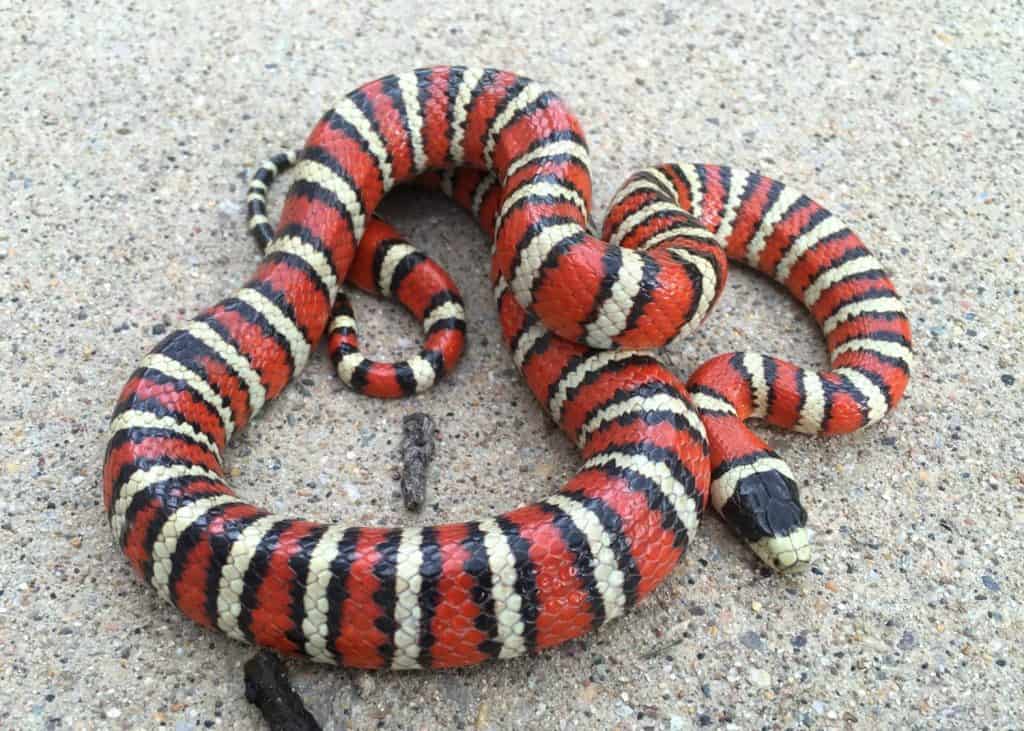
Mountain Kingsnake (Lampropeltis zonata multicincta)
©Matt Jeppson/Shutterstock.com
Banded in red, black, and white, the mountain kingsnake looks dangerous but is harmless and shy. It mimics the pattern of venomous coral snakes for protection, though none live this far west. These constrictors feed on lizards, small rodents, and even other snakes. Seeing one curled across a trail at dawn feels like catching a flash of living jewelry.
Brown Creeper (Certhia americana)
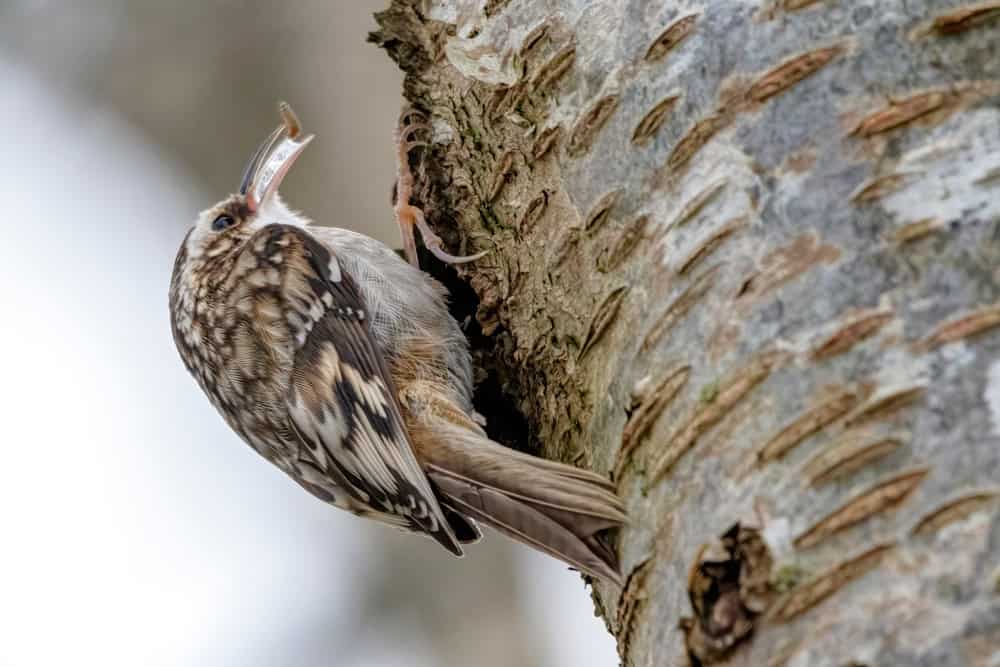
Brown Creeper (Certhia americana)
©JamesChen/Shutterstock.com
Small and subtle, the brown creeper spirals up tree trunks, probing bark with its curved bill for insects. Its mottled feathers make it nearly invisible against the sequoias. When it finishes one tree, it flutters down to the base of another and begins climbing again — a rhythmic, almost meditative cycle repeated across the forest each day.
Sierra Nevada Yellow-Legged Frog (Rana sierrae)
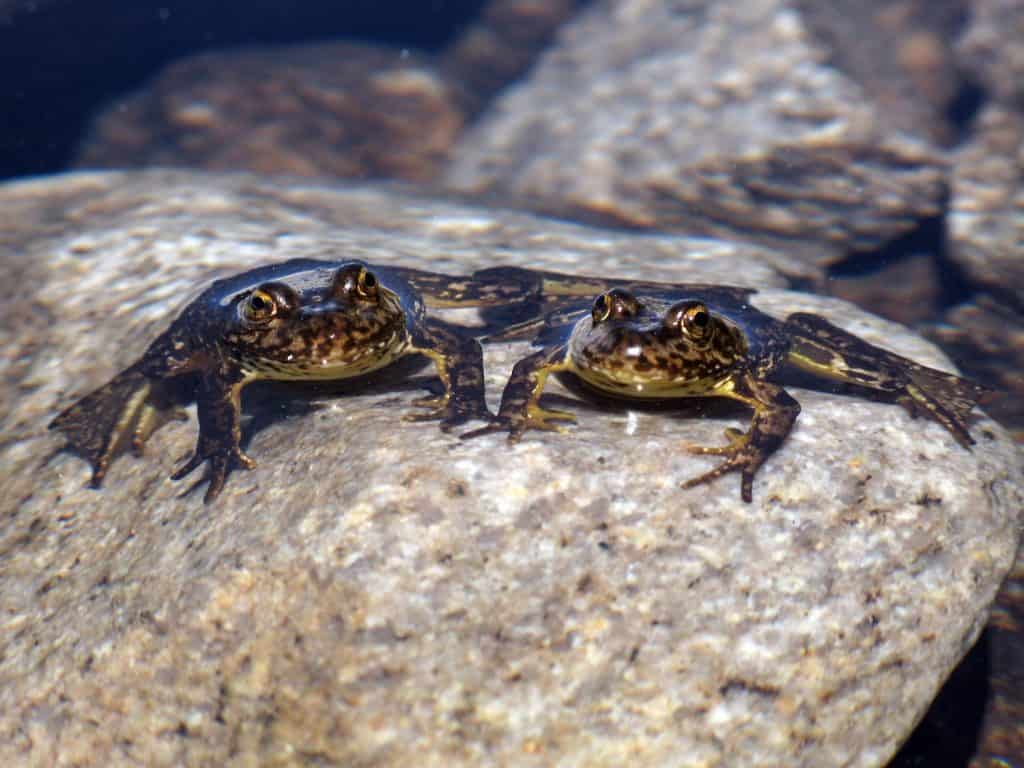
Sierra Nevada Yellow-Legged Frog (Rana sierrae)
©Jason Mintzer/Shutterstock.com
Another of Sequoia’s fragile treasures, this high-altitude frog is a sign of the park’s ongoing restoration work. Once decimated by non-native fish and fungal disease, it’s now slowly reclaiming alpine lakes. Its return signals cleaner water and a recovering ecosystem — a quiet triumph beneath the granite peaks.
Western Tanager (Piranga ludoviciana)

Western Tanager (Piranga ludoviciana)
©vagabond54/Shutterstock.com
A splash of color among green pines, the western tanager stands out with its yellow body and red-orange head. Feeding on insects and fruit, it migrates from Central America to breed in Sequoia’s forests each summer. Its whistled song and bright plumage seem almost tropical amid the cool mountain air.
As twilight falls in Sequoia National Park, the forest changes tempo. Bats flit through the canopy, frogs croon by alpine lakes, and the scent of pine mingles with the cold. Here, life persists in every form — fur, feather, scale, and fin — woven into a living ecosystem older than memory. Beneath the world’s tallest trees, the stillness is not silence but breath: the steady, patient rhythm of a wilderness still very much alive.