Tiger Shark - Photo 1
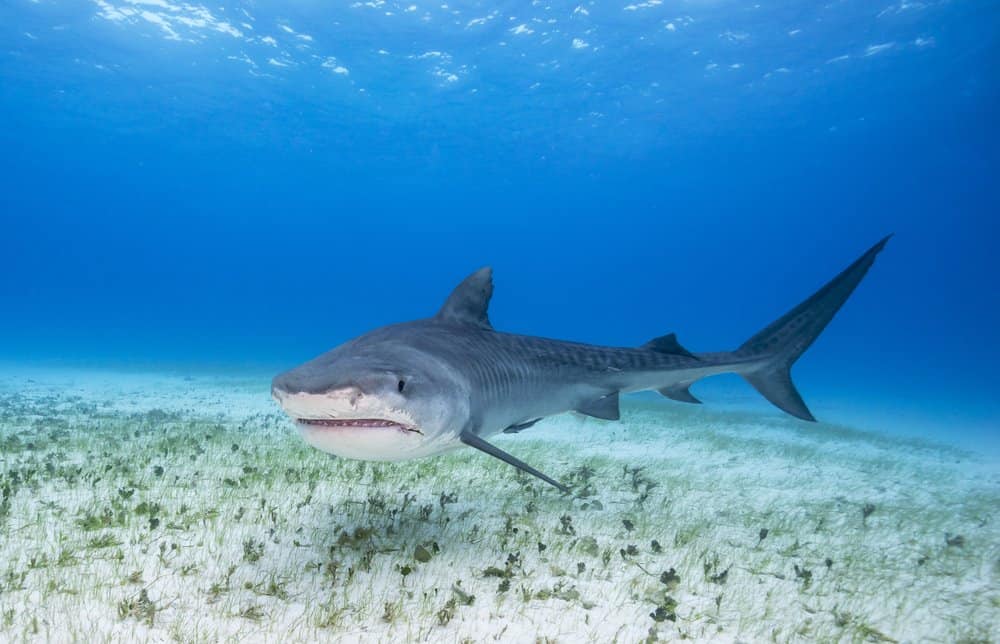
Tiger Sharks change their location according to the temperature of the water.
wildestanimal/Shutterstock.com

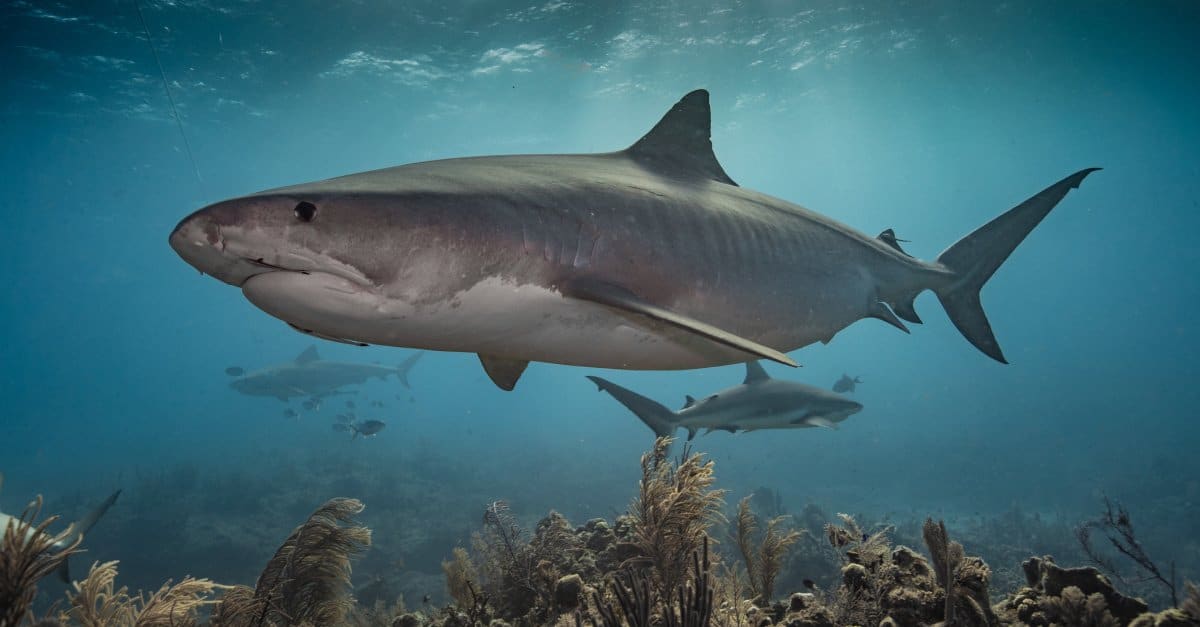
Galeocerdo cuvier
Tiger Sharks change their location according to the temperature of the water.
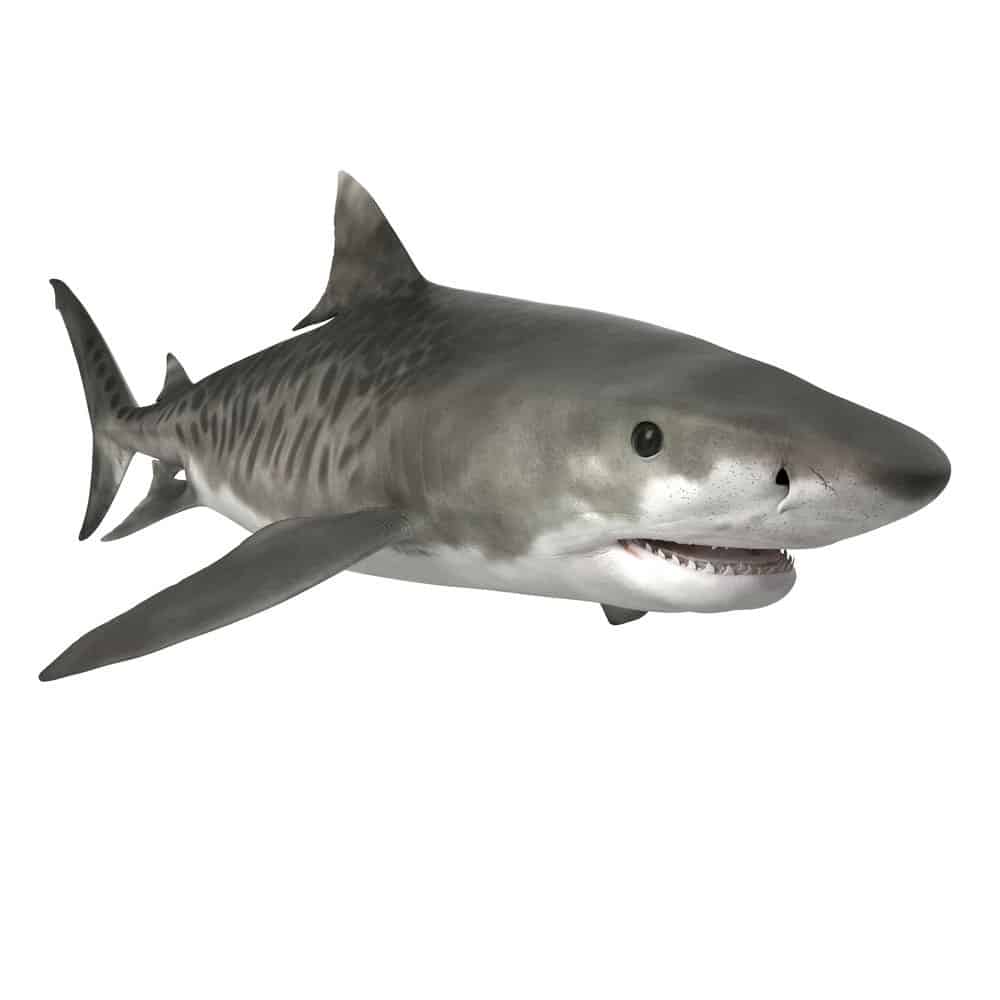
Albert kok - License Information.

Tiger Shark
Albert kok - License Information.
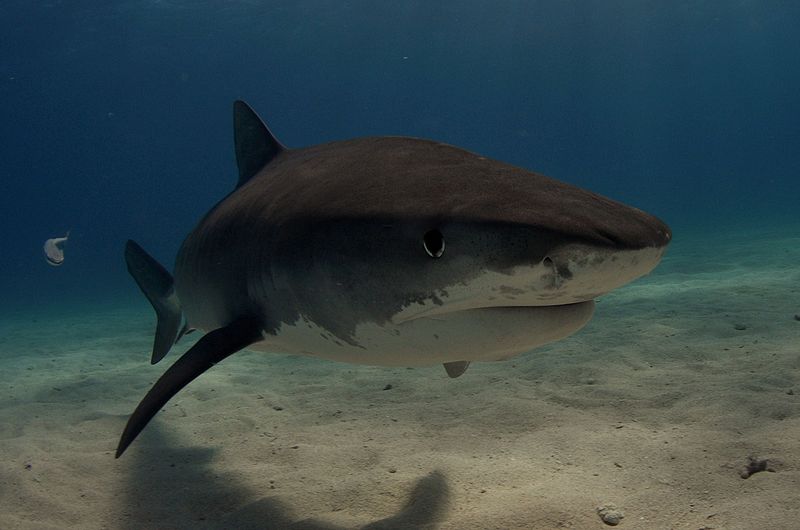
Tiger Shark
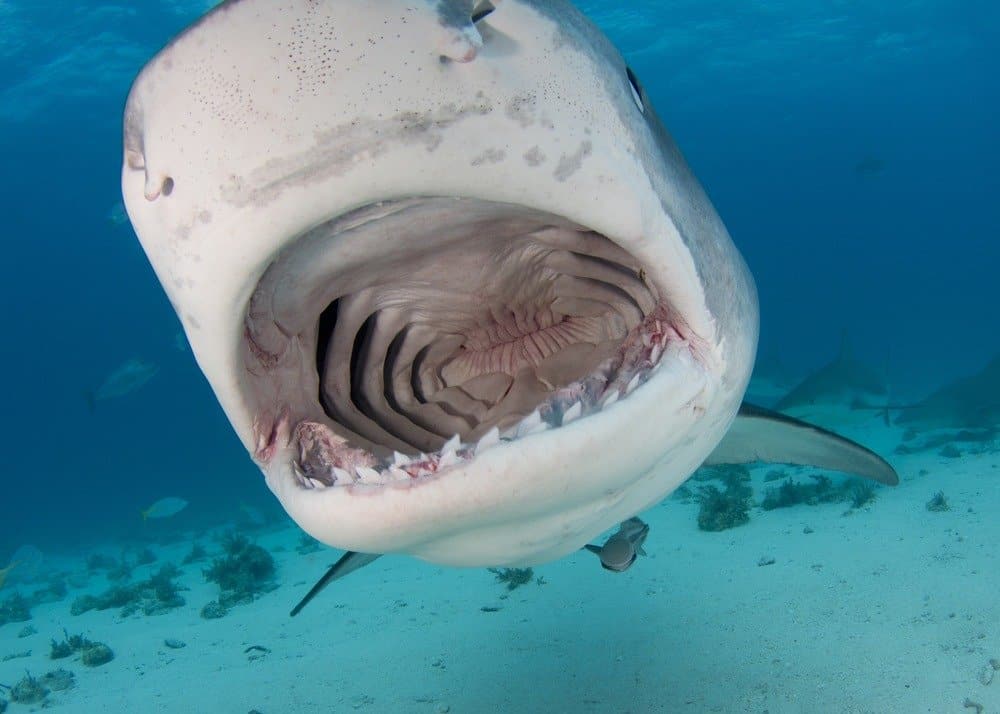

Tiger shark
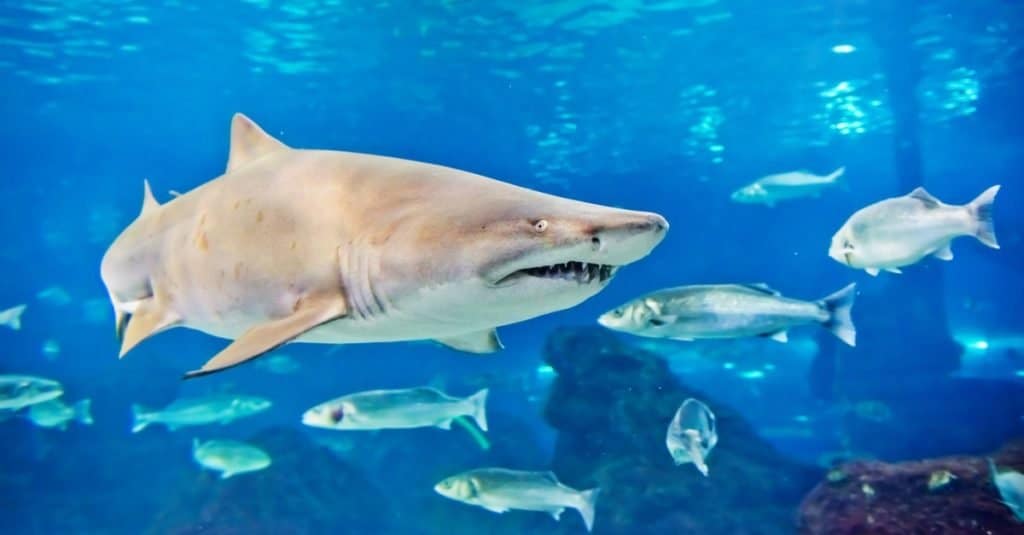
Sand tiger shark (Carcharias taurus) swimming with other fish in an aquarium.
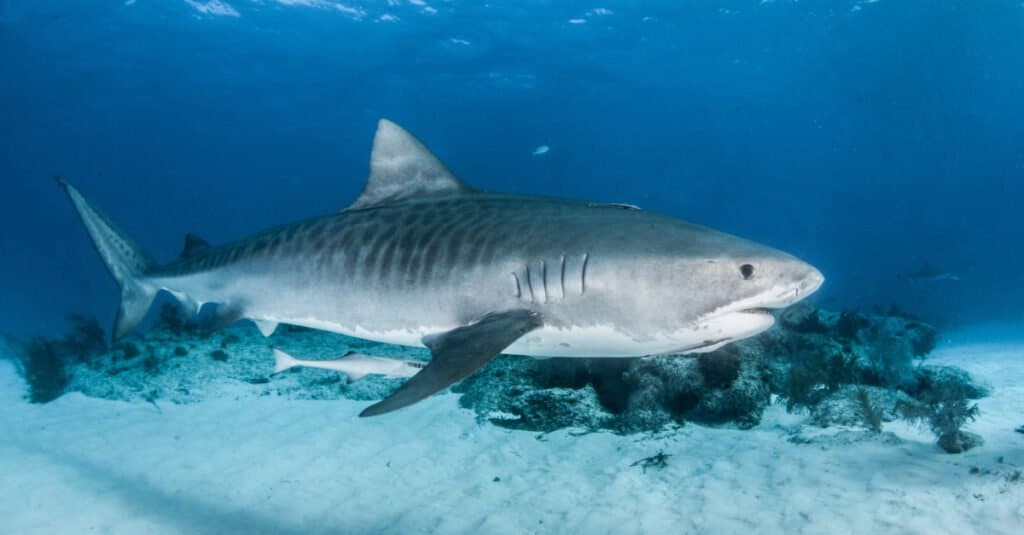
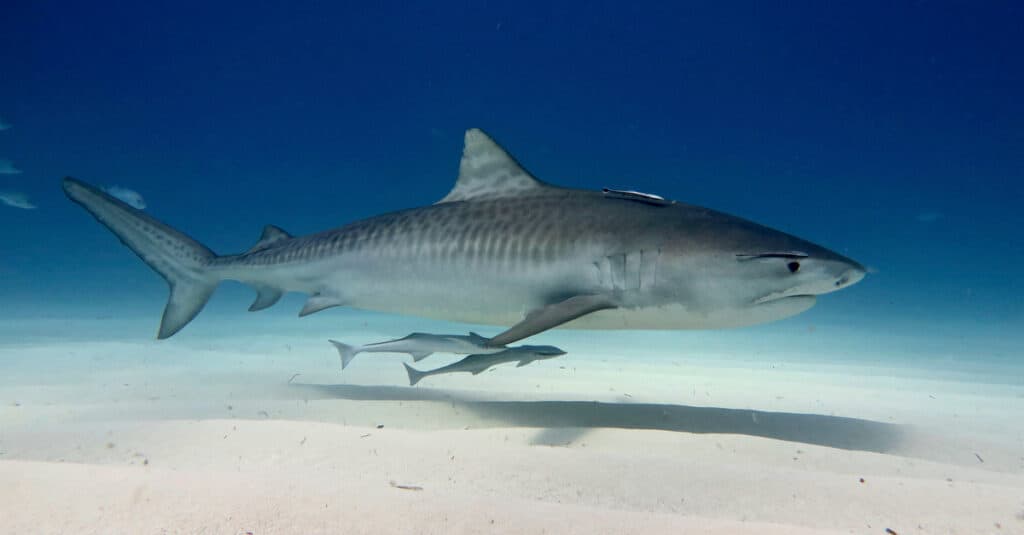
The tiger shark gets its name from the vertical lines that run along the side of its body.
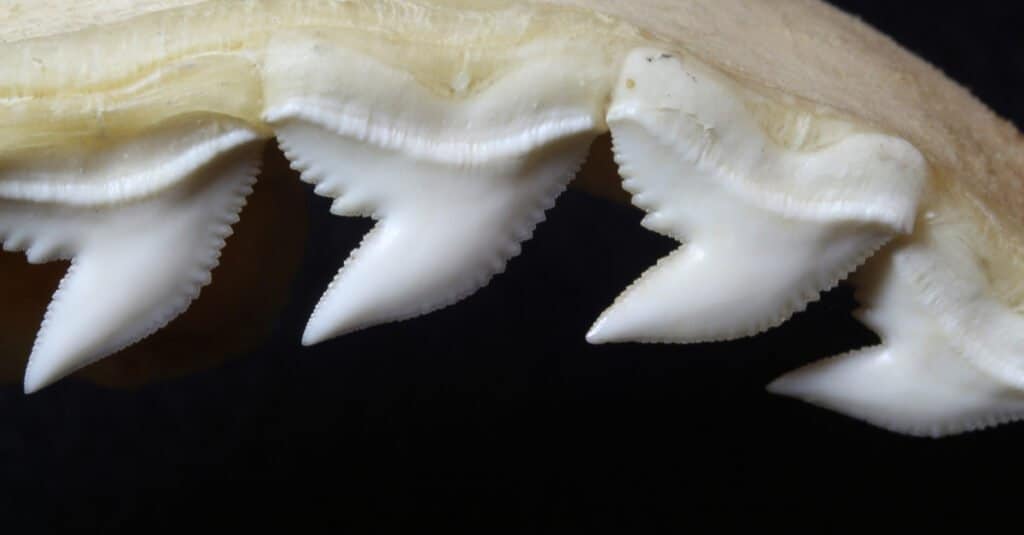
Tiger sharks have about 24 teeth which allow them to cut and grip onto prey.
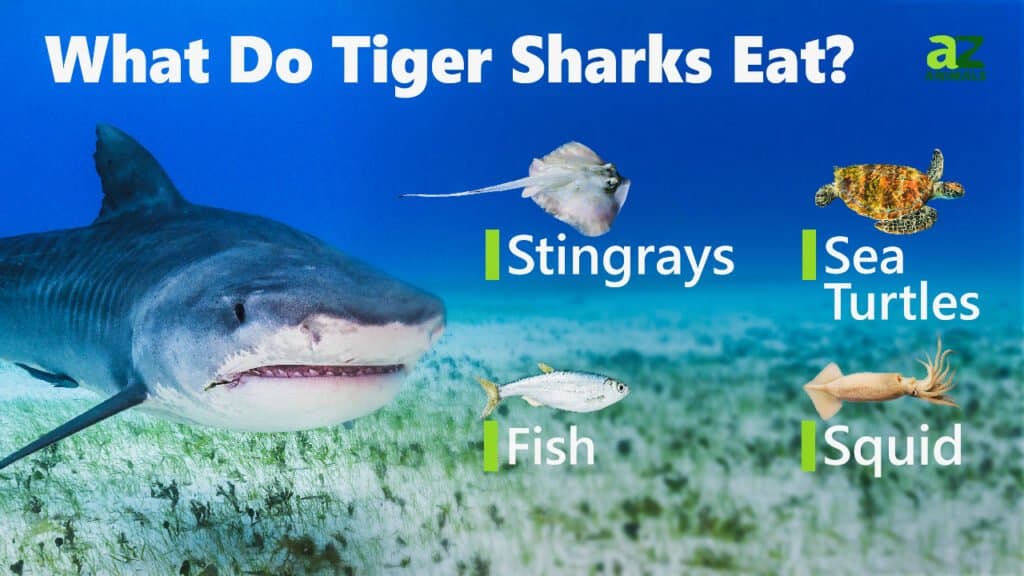

Female tiger sharks are larger than males.
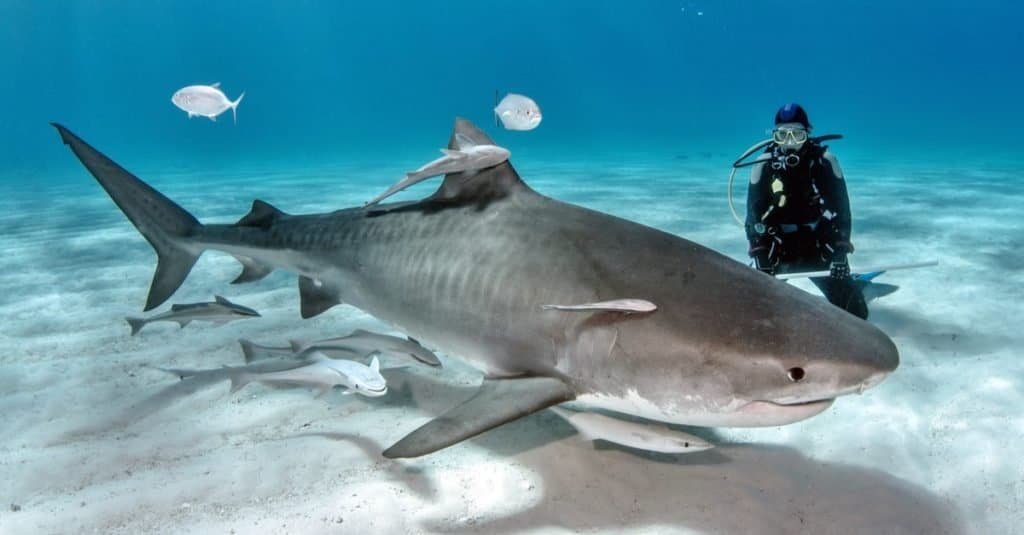
A lady diver with a Tiger Shark. Tiger sharks may be the only sharks that regularly hunt sea turtles.
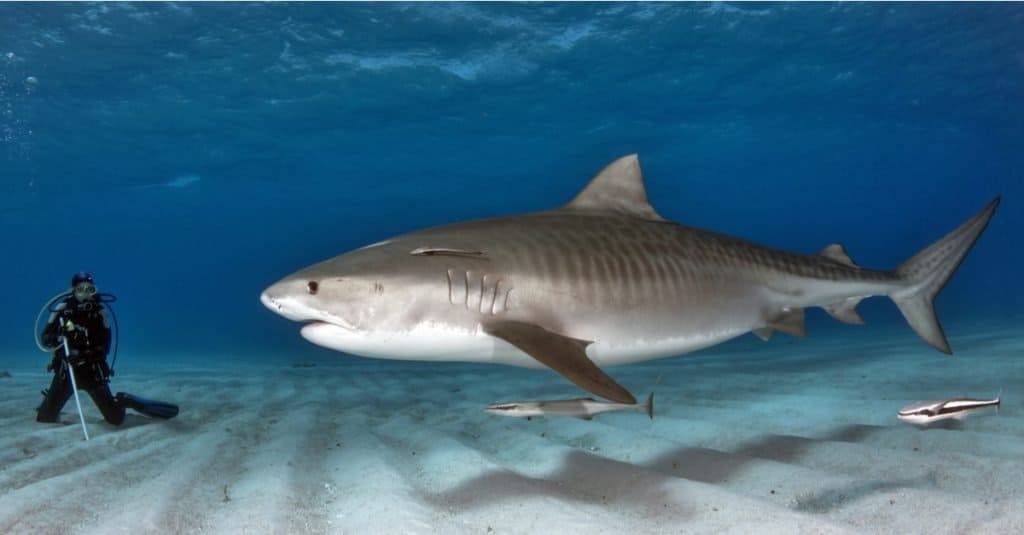
Tiger Shark interacting with Scuba Diver. Tiger sharks are named for the dark, vertical stripes found mainly on juveniles. As these sharks mature, the lines begin to fade and almost disappear.

A Tiger Shark (Galeocerdo cuvier) swimming over the reef. Sharks have been swimming in the ocean for more than 400 million years.
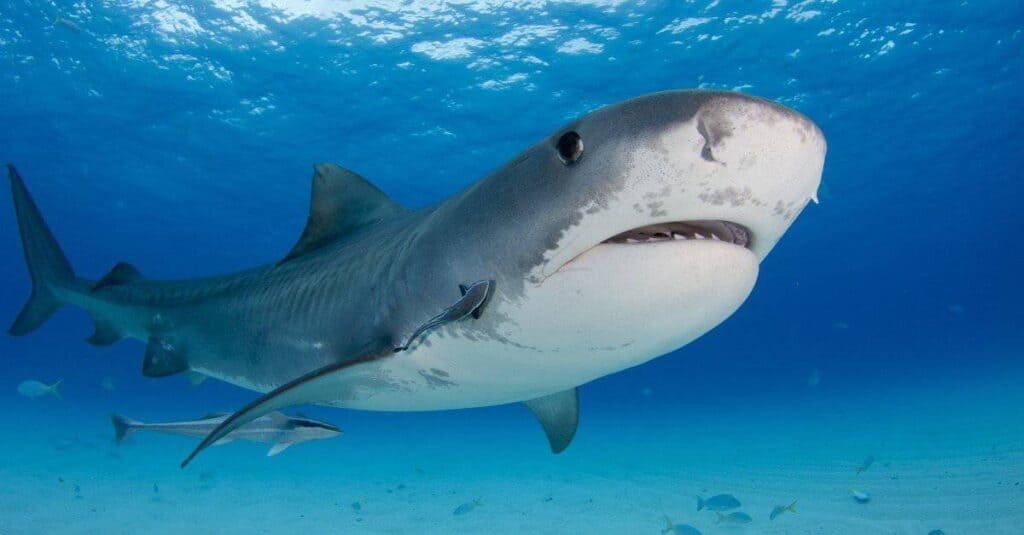
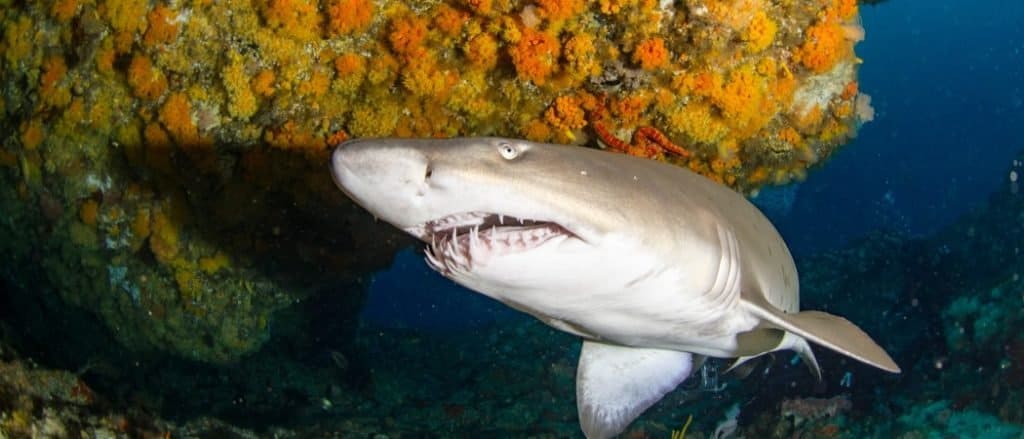
Giant sand tiger shark swims in a cave.
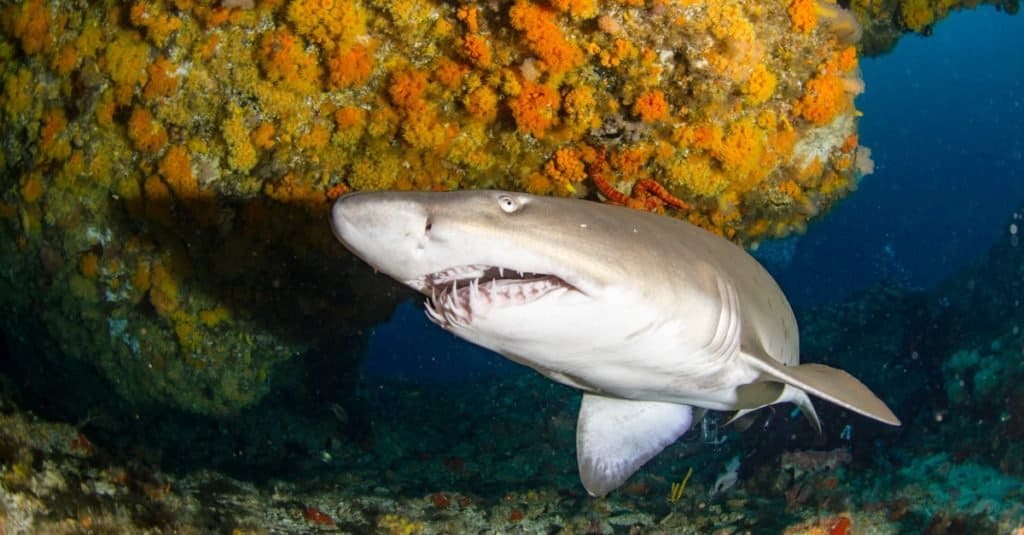
A giant sand tiger shark swims in a cave.
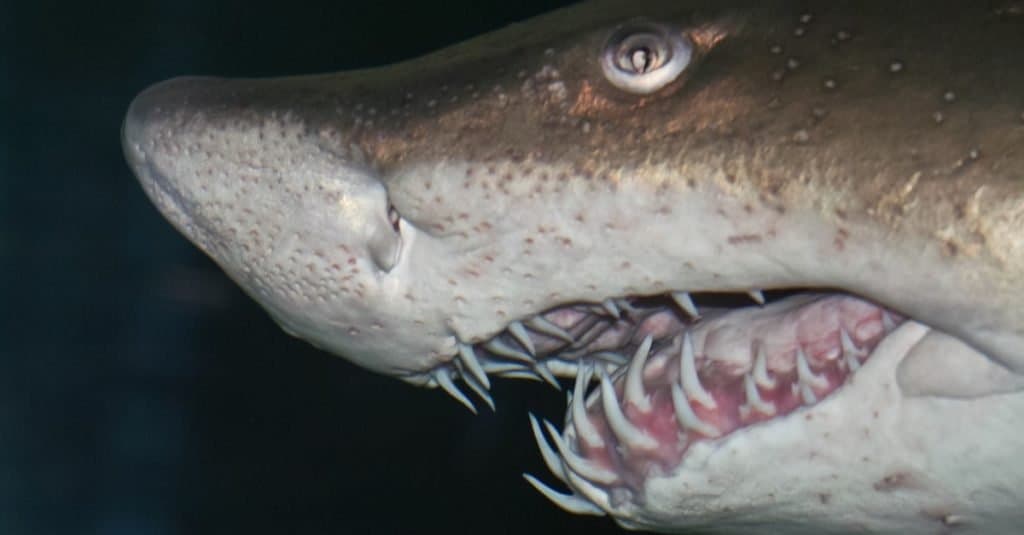
The head of a big sand tiger shark in detail with a dark background.
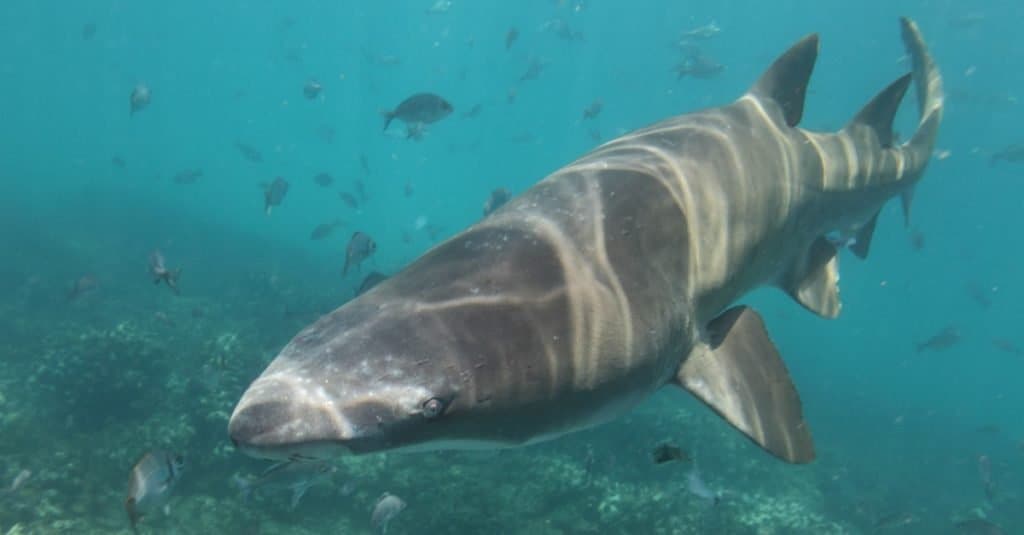
Sand tiger shark or grey nurse shark or spotted ragged-tooth shark, Carcharias taurus, Cape Infanta, South Africa, Indian Ocean
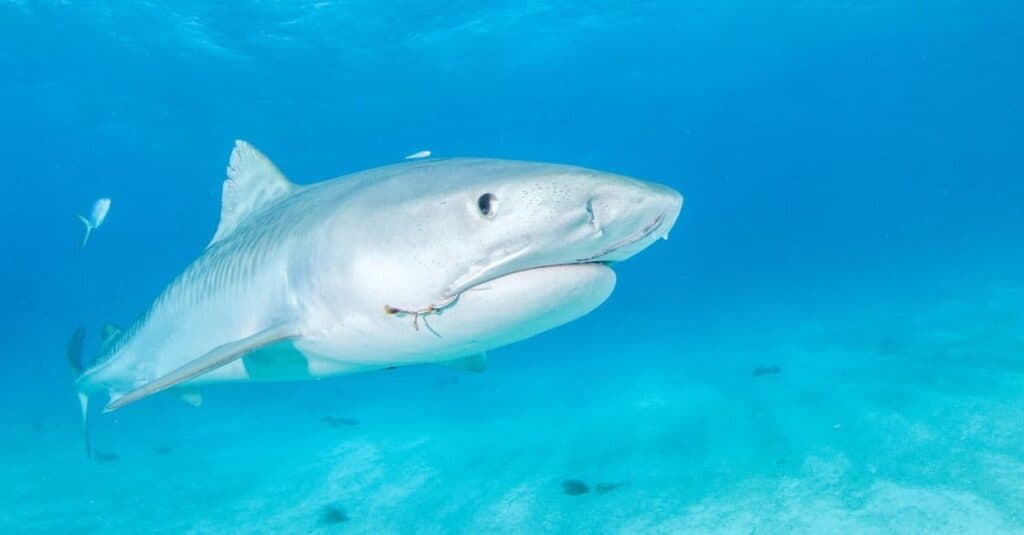
Tiger sharks eat almost anything, including other sharks.
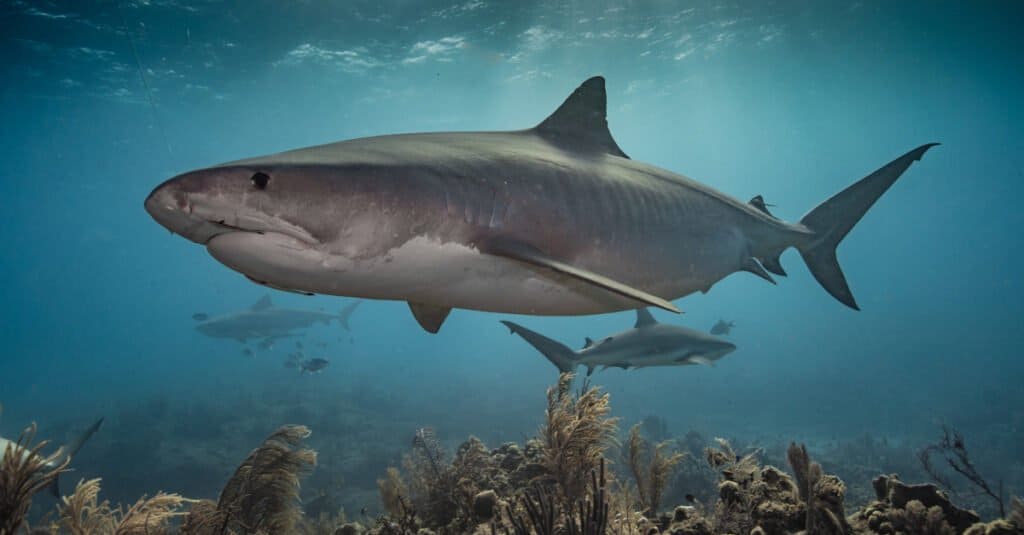
The Tiger shark is one of the deadliest sharks in the world.

Female tiger sharks are larger than male tiger sharks.

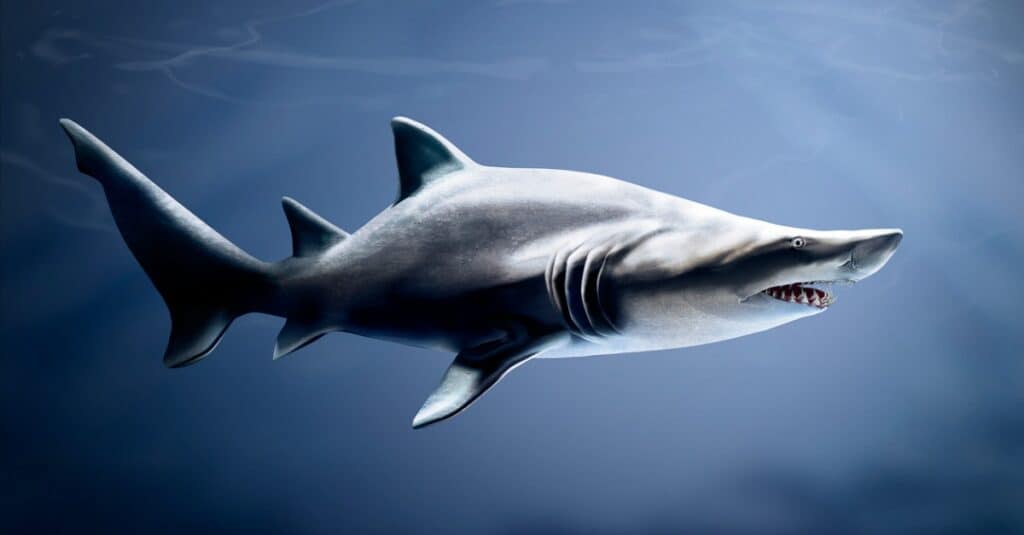
Sand Tiger Shark mothers eat their young while they are still in utero.
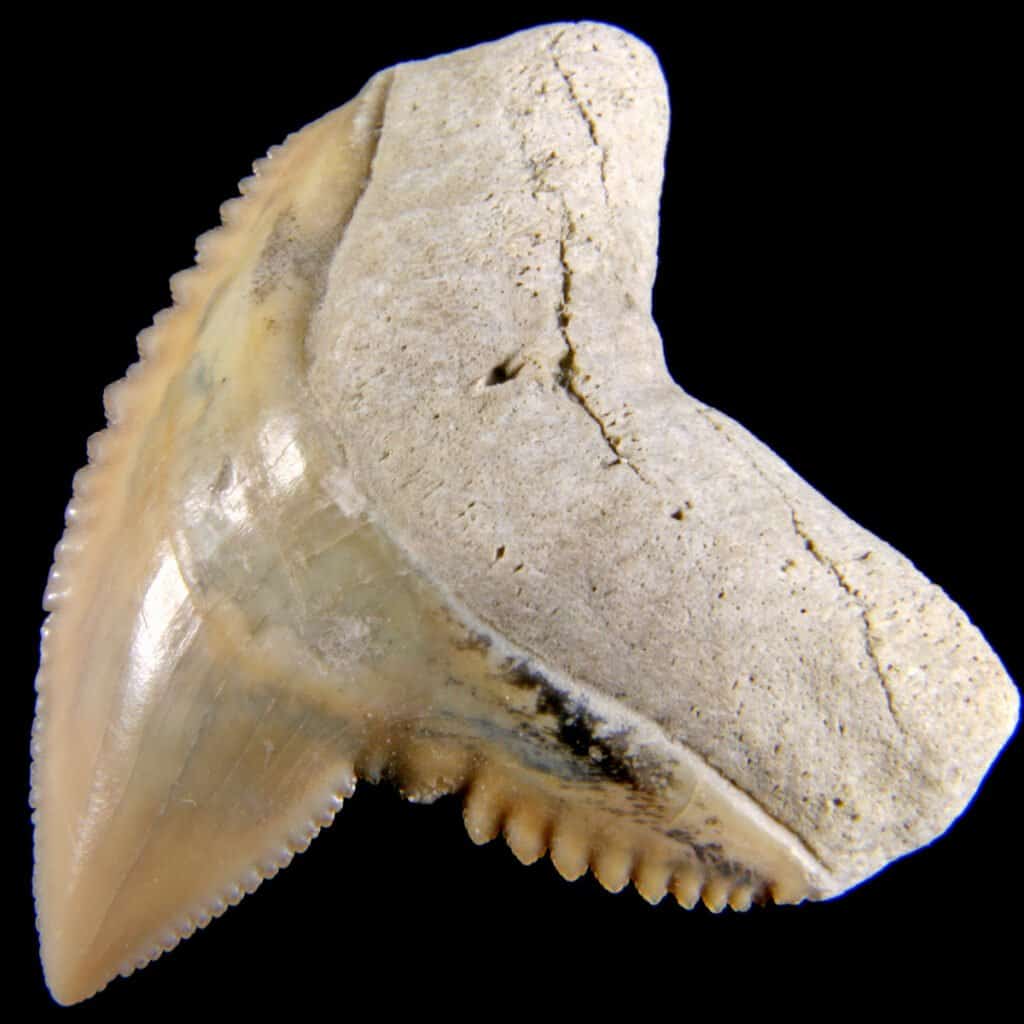
Tiger sharks can have a bite pressure of more than 6,000 pounds per square centimeter.
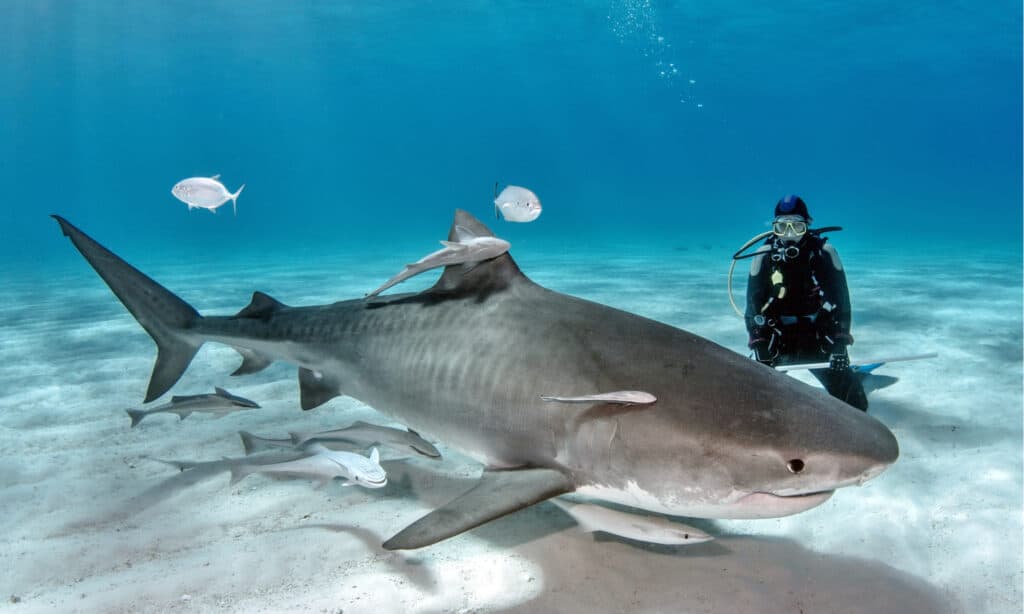
Lady Diver with Tiger Shark
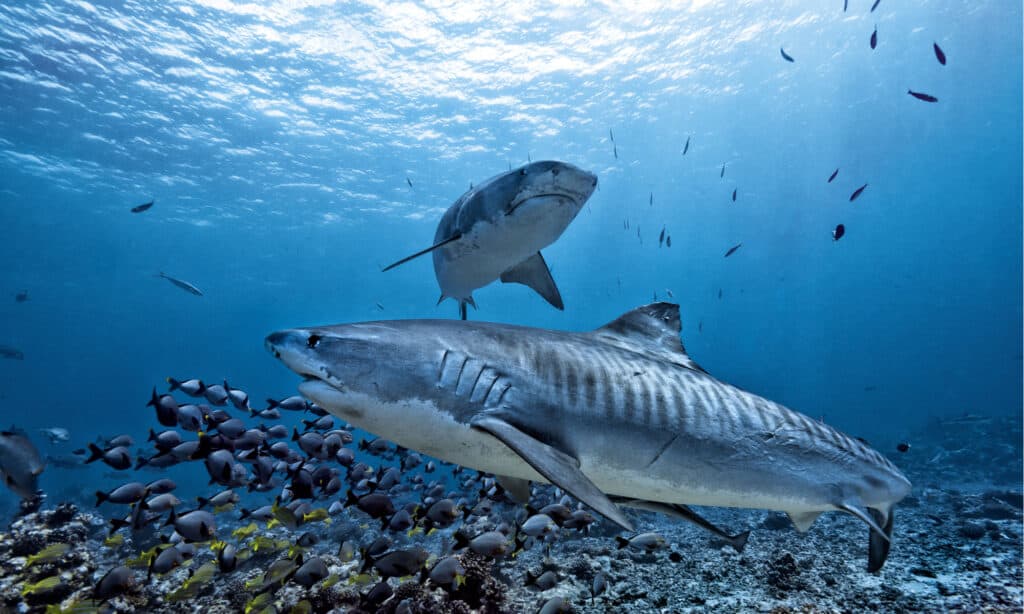
Tiger shark swimming on reef.
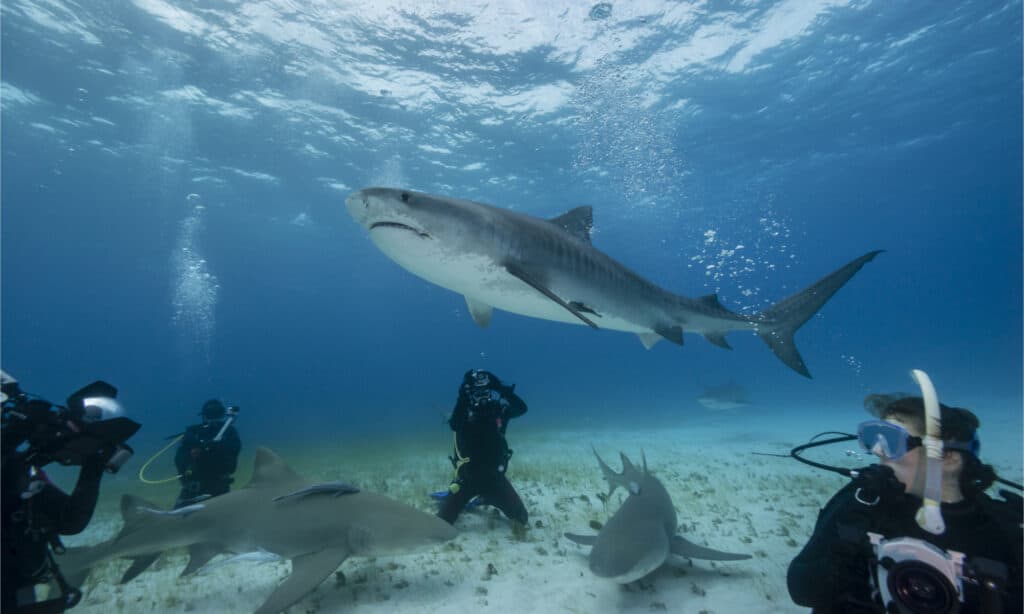
Tiger shark
Thank you for reading! Have some feedback for us?
We appreciate your help in improving our content.
Our editorial team will review your suggestions and make any necessary updates.
There was an error submitting your feedback. Please try again.