Viper - Photo 1
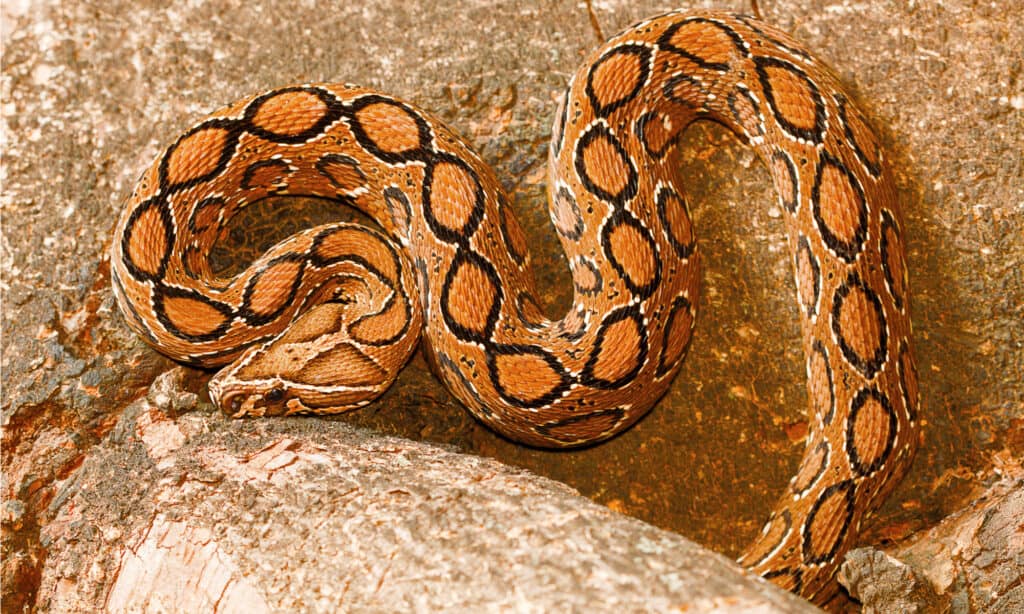
These vipers don't hesitate to approach a person, and are considered aggressive.
RealityImages/Shutterstock.com

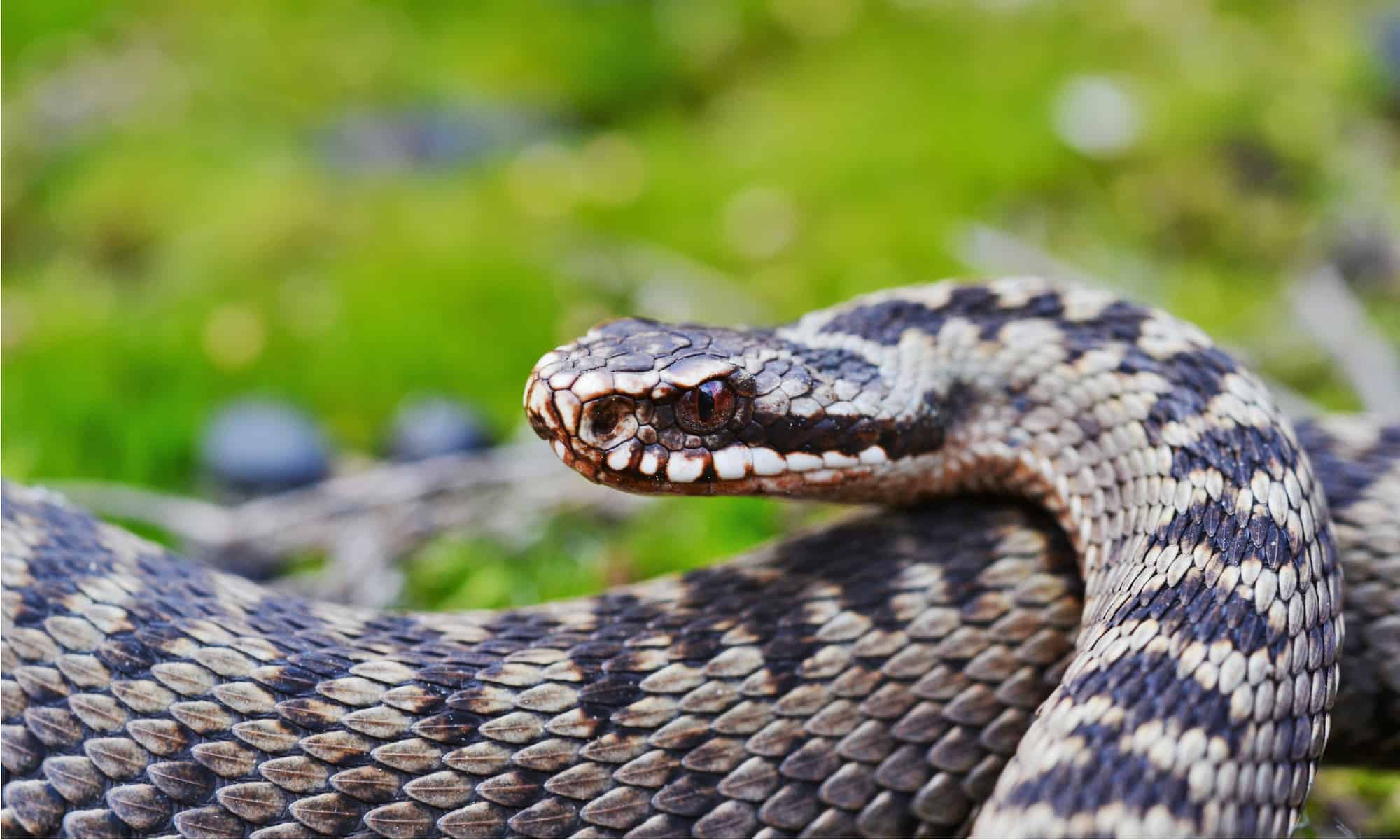
Viperidae
These vipers don't hesitate to approach a person, and are considered aggressive.
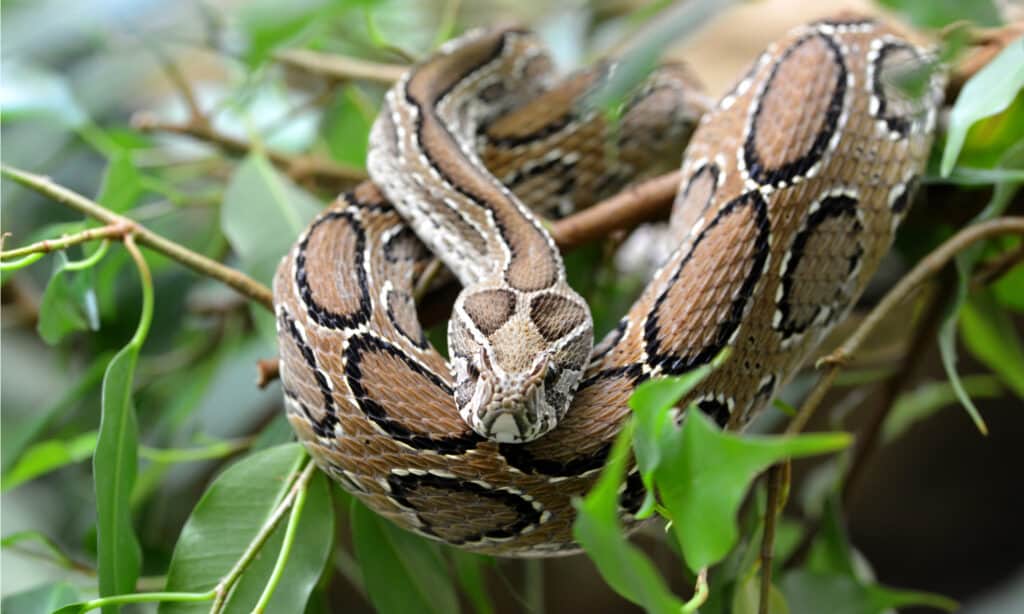
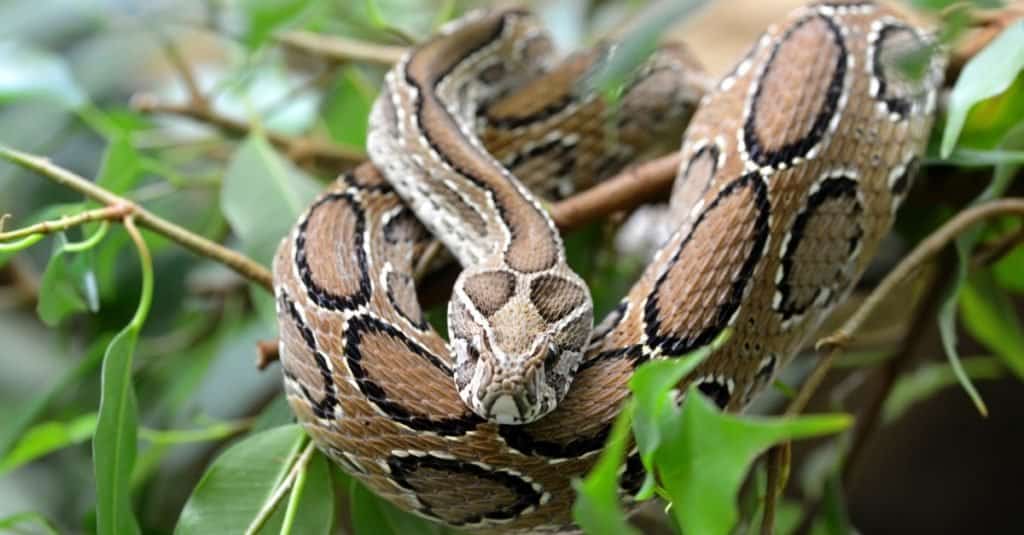
This venomous snake is one of India's "Big Four" snakes that are responsible for the most bites.
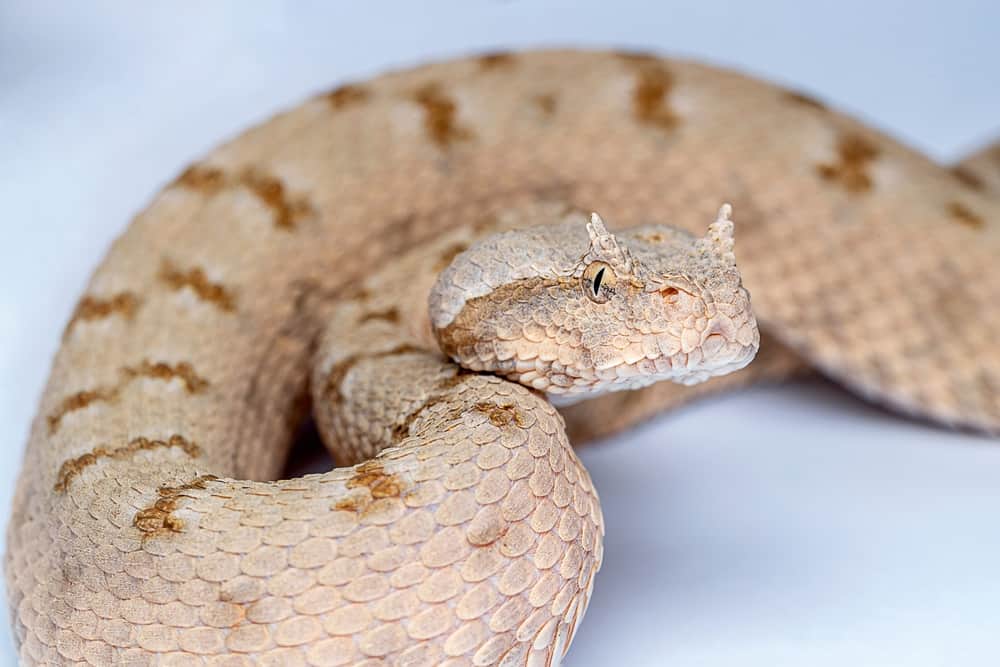
False Horned Viper or Persian horned viper (Pseudocerastes persicus) is a species of venomous vipers endemic to the Middle East and Asia
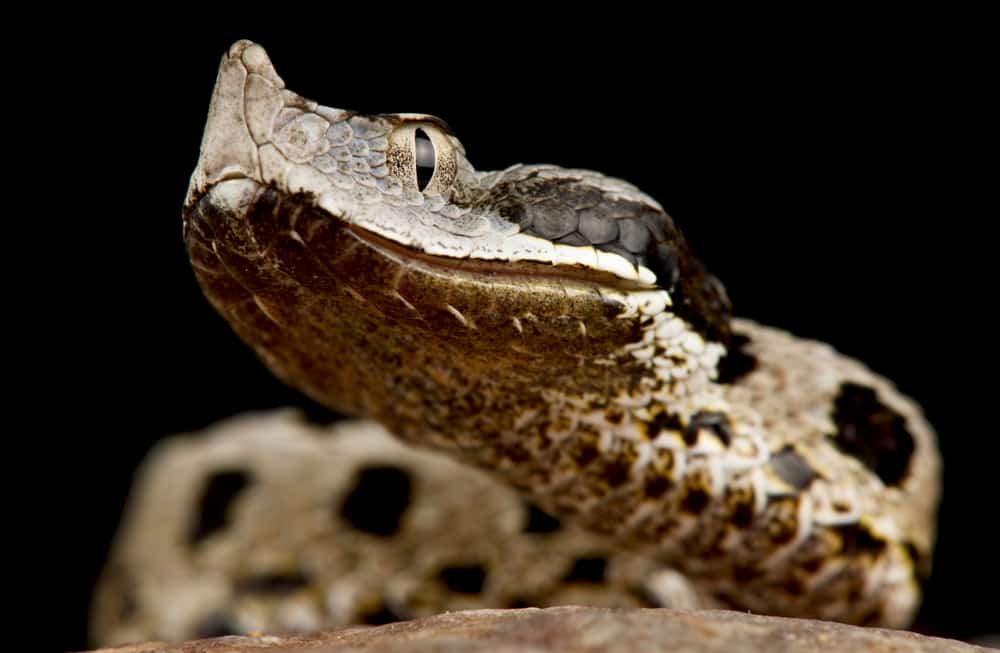
The Lataste’s Viper (Vipera latastei gaditana)
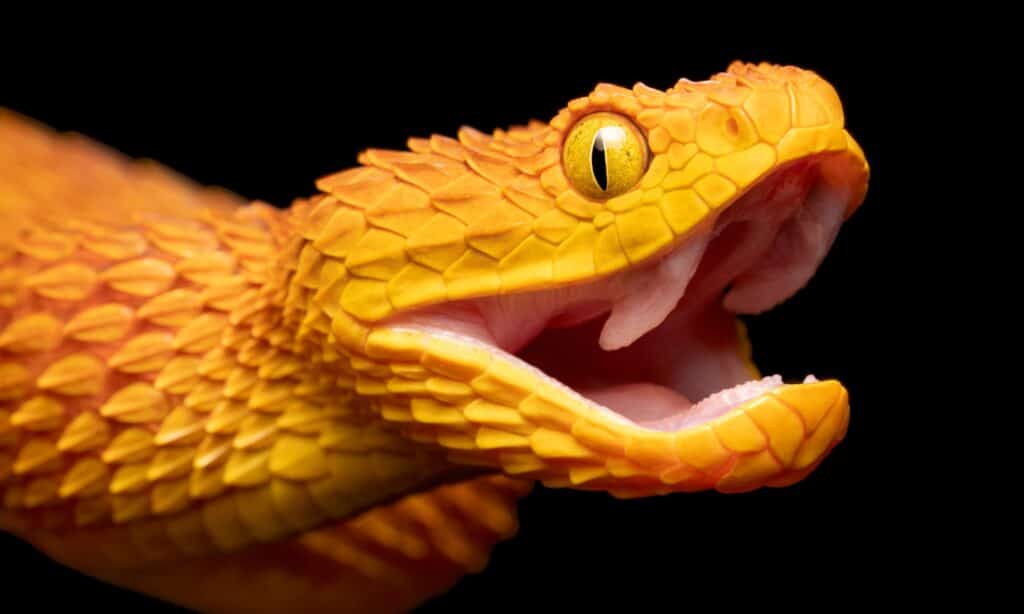
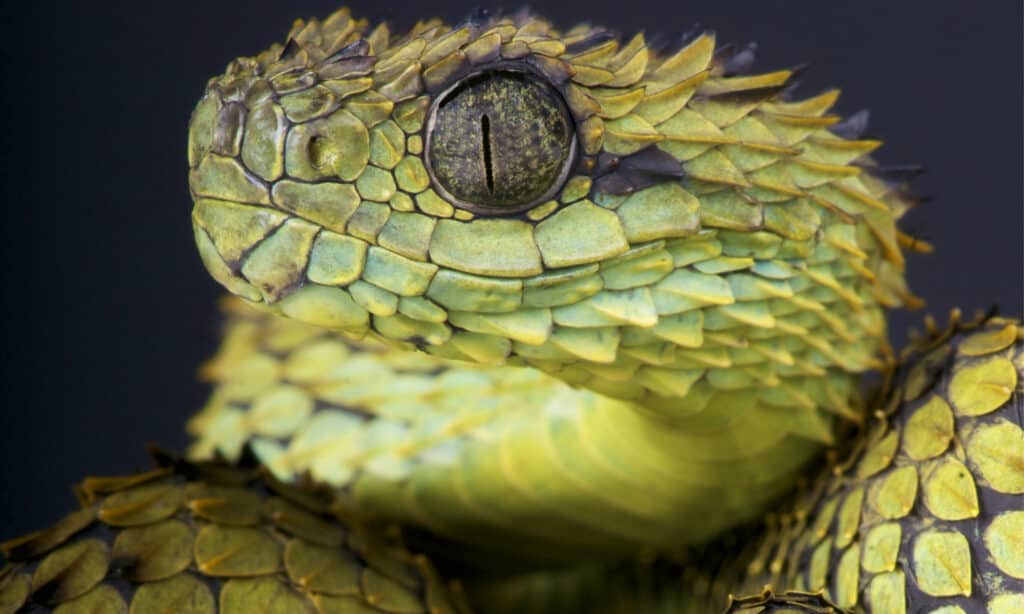
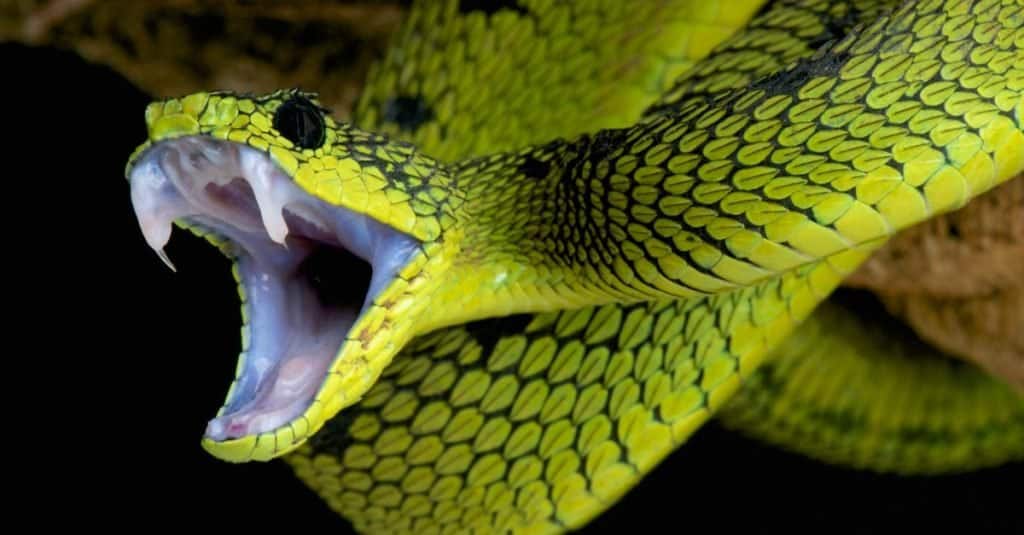
African Bush Viper (Atheris squamigera) with open mouth showing fangs.
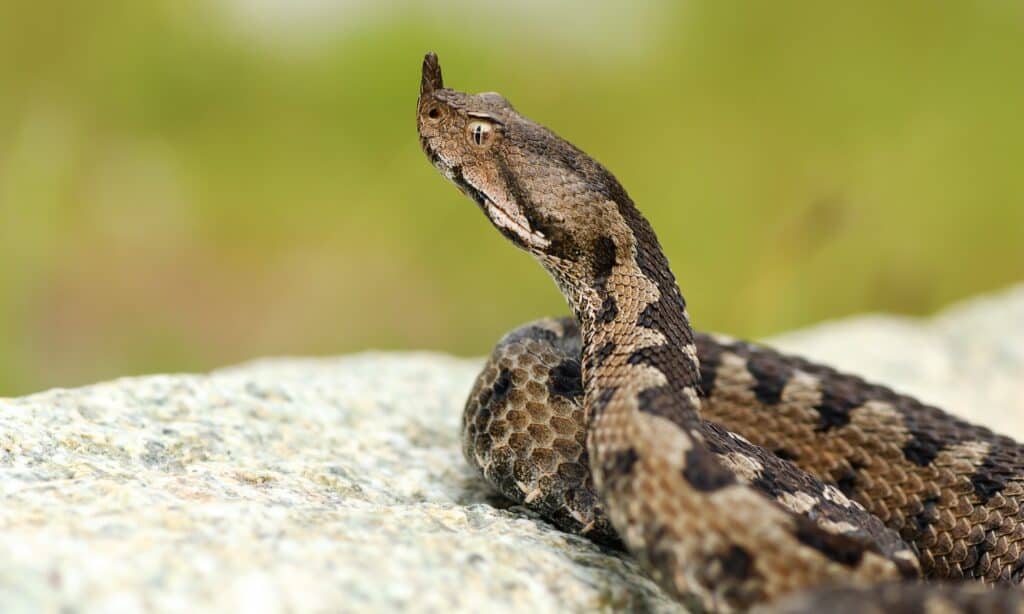
An aggressive male nose-horned viper on a rock ( Vipera ammodytes ). Males have a background of gray or brown scales with a pattern of dark brown or black zigzags running down its back.
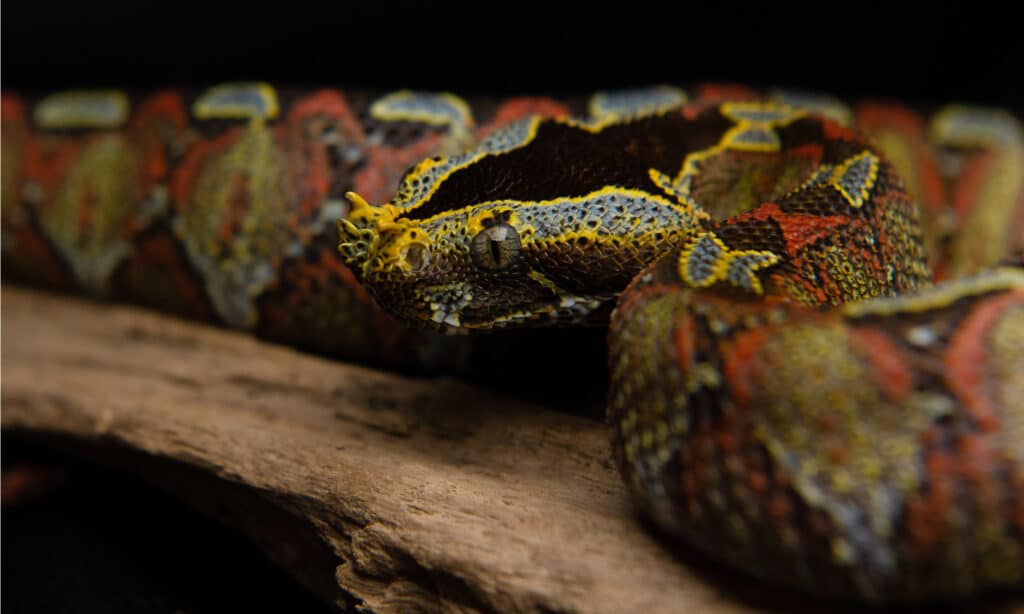
River Jack Snake or Rhinoceros Viper
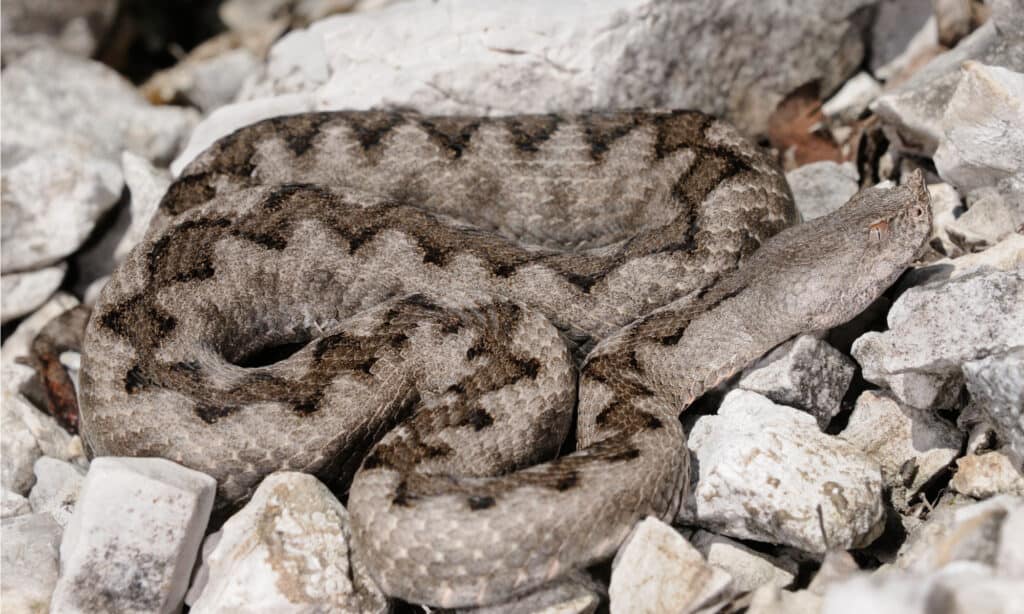
Female Nose-Horned Viper (Vipera ammodytes) lying on some rocks. This snake’s belly is cream or yellow scattered with dark spots.
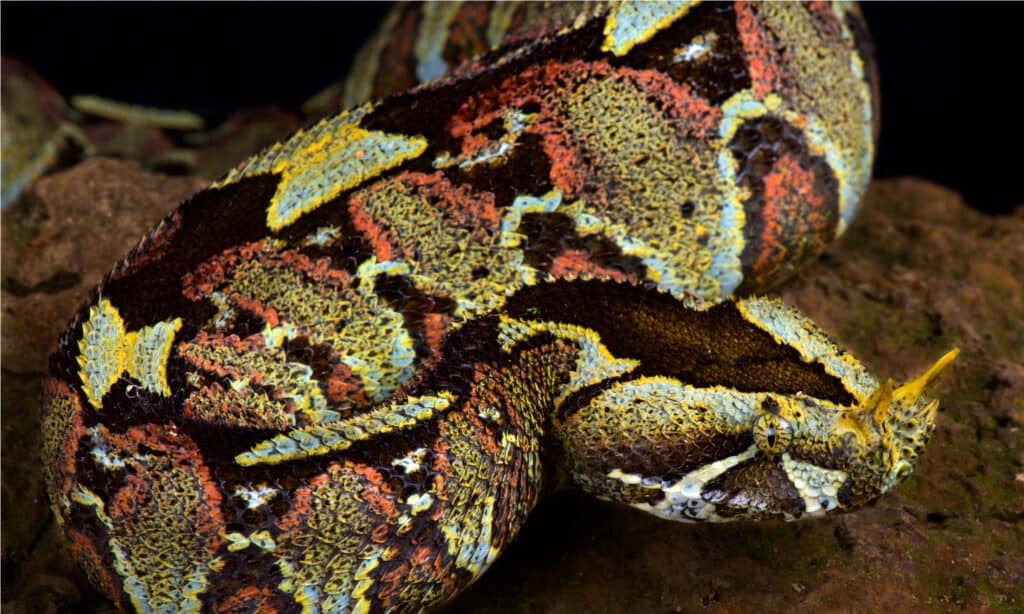
River Jack Snake or Rhinoceros Viper
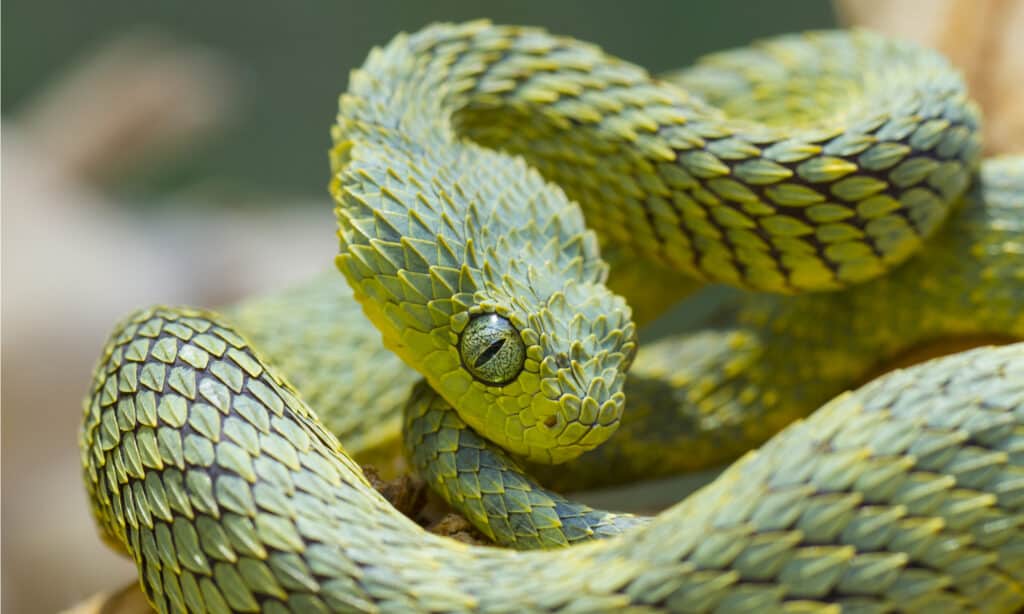
Green Bush Viper
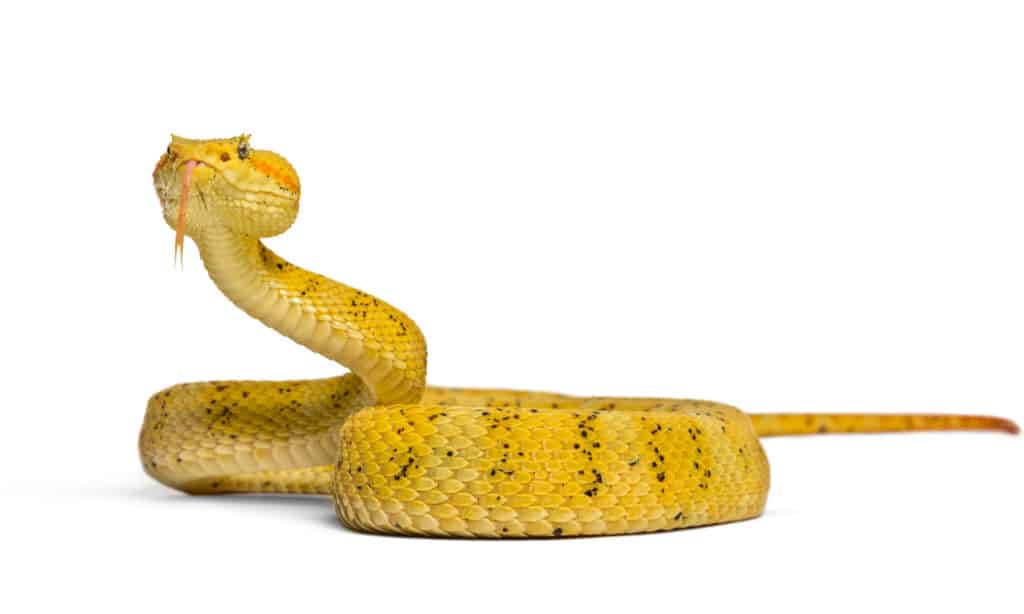
Eyelash Viper isolated against white background.
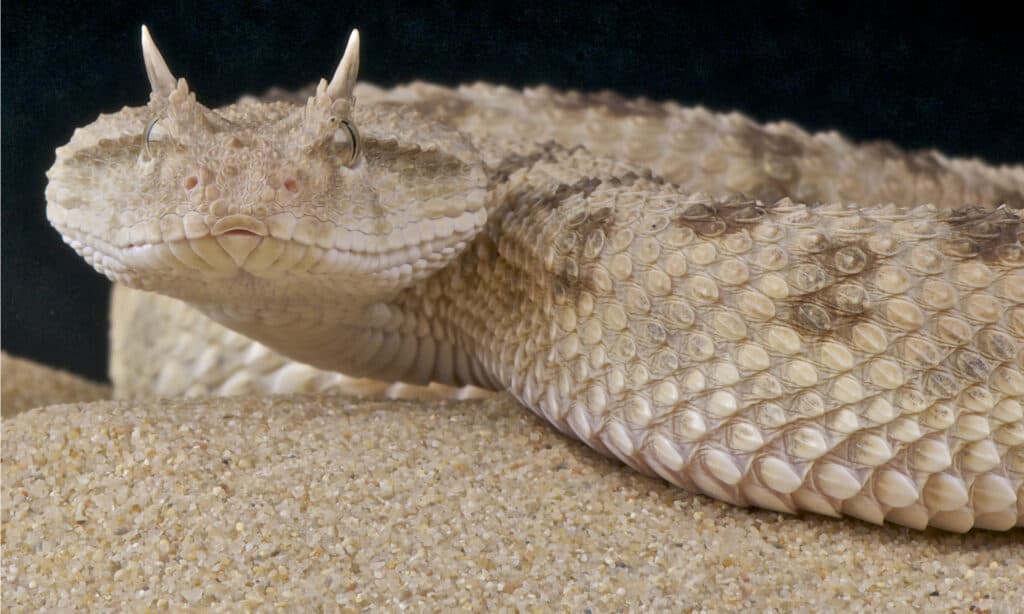
Horned desert viper / Cerastes cerastes
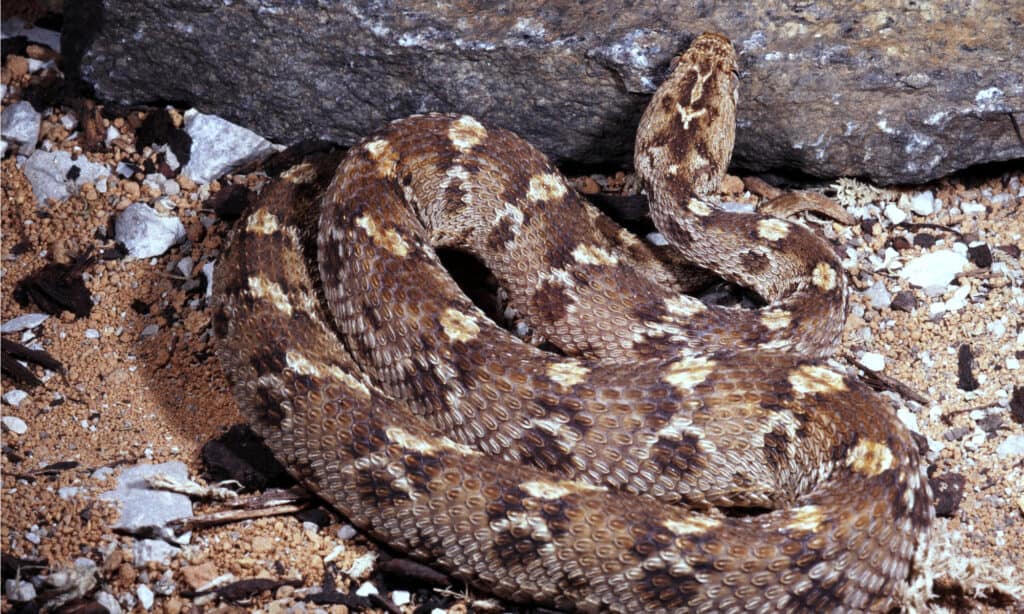
Northeast African carpet viper, Echis pyramidum, small but poisonous viper
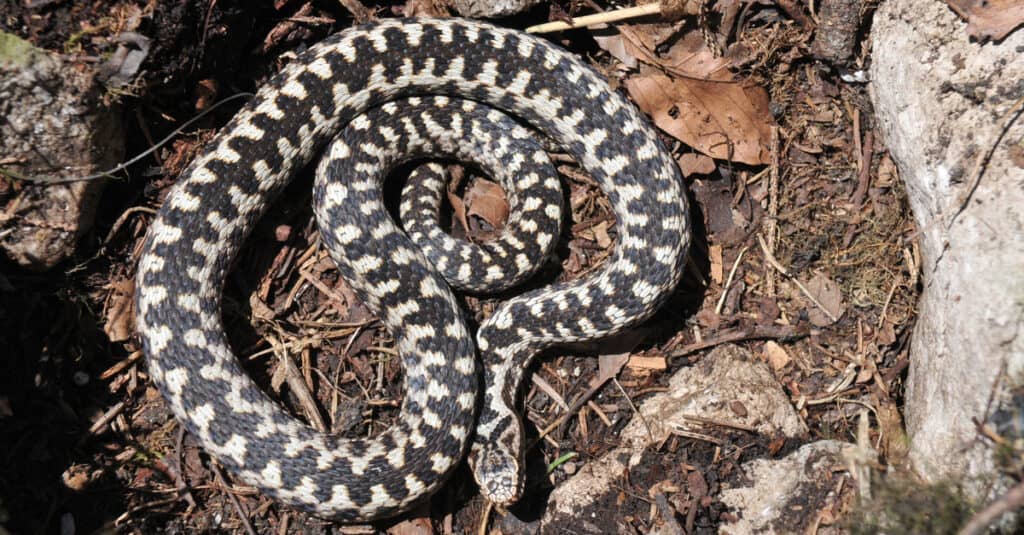
Male European adders are usually silvery-gray in color, and thinner than the females.
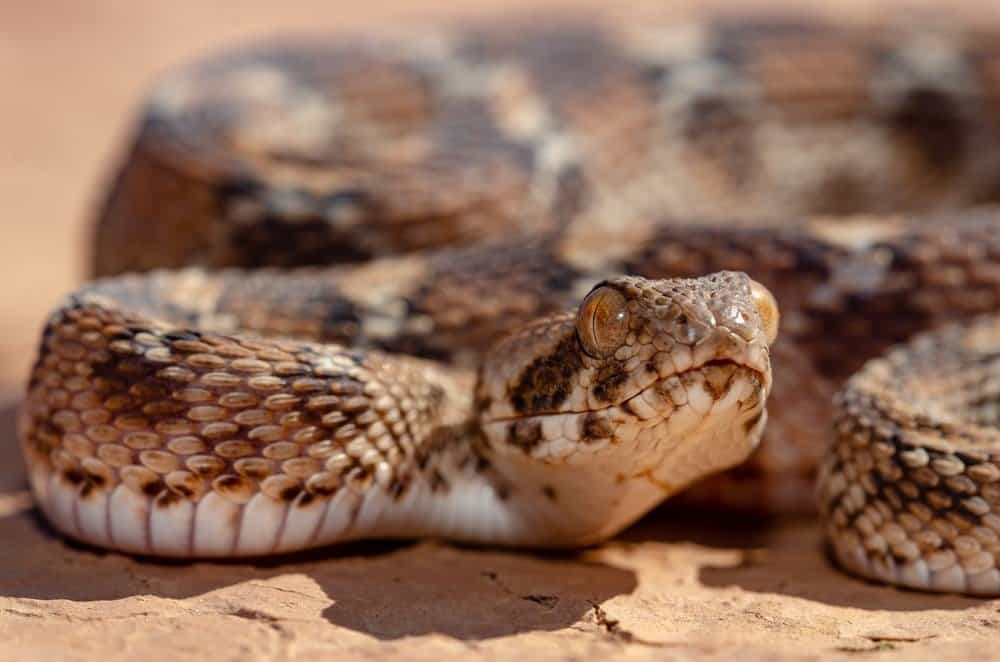
The Roman's Saw scaled Viper is the most dangerous snake in Africa and Asia
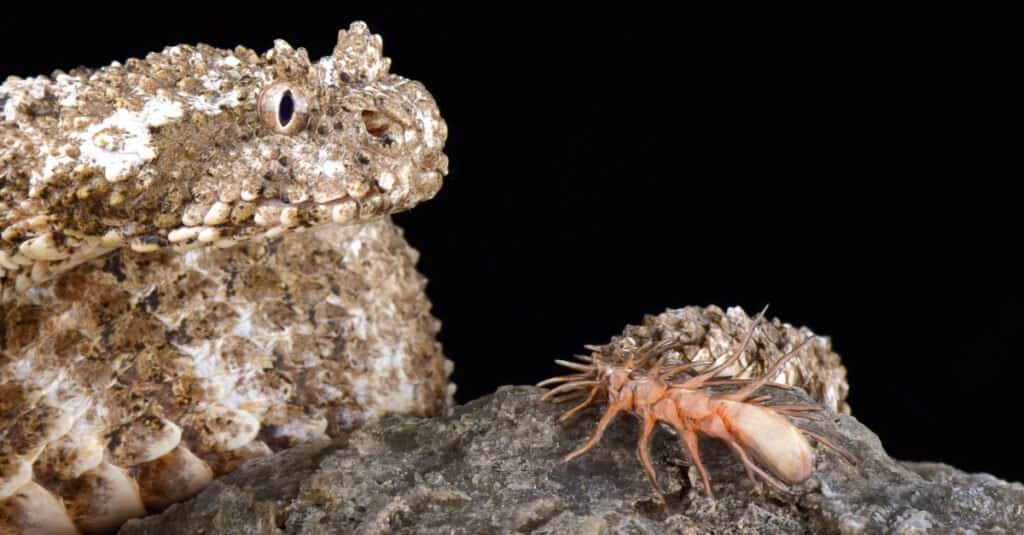
With a spider-like tail, the spider-tailed horned viper lures in birds that feed on insects.
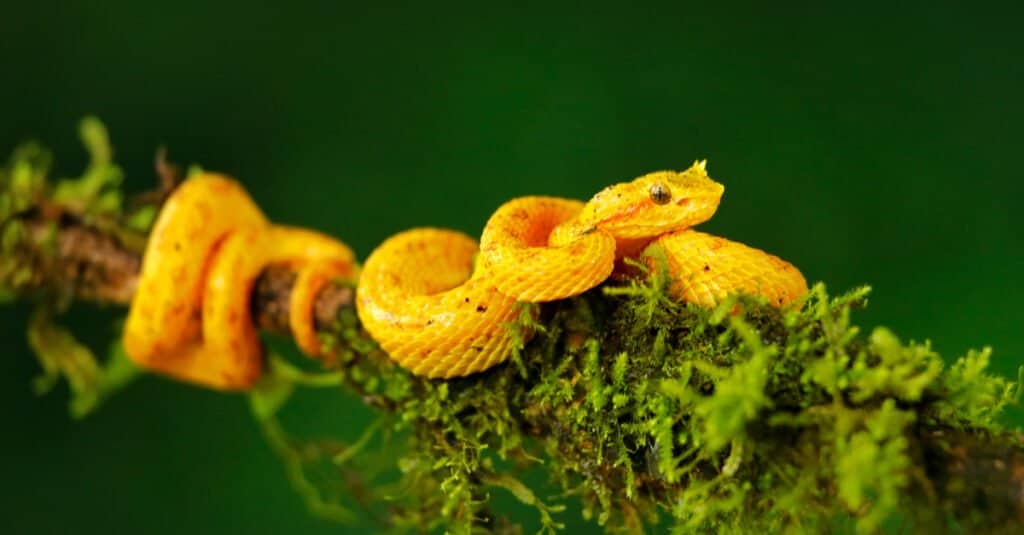
This pit viper is small and beautiful but venemous.
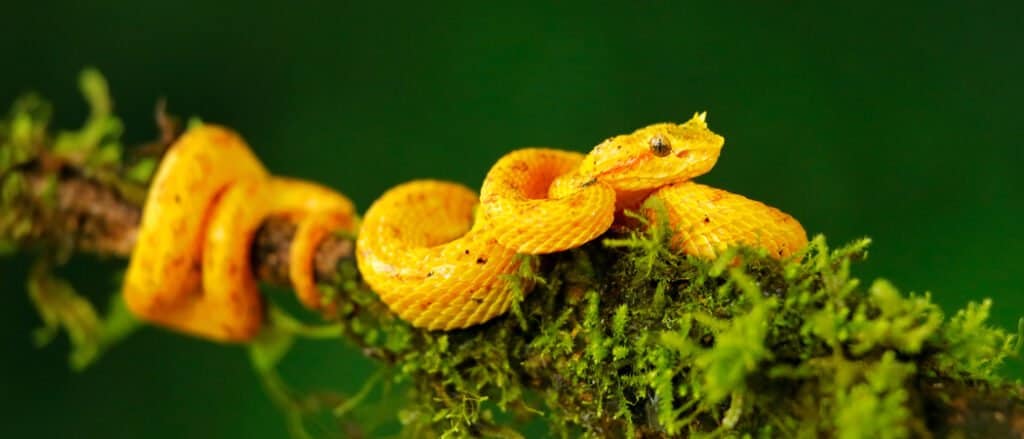
This pit viper is small and beautiful but venemous.
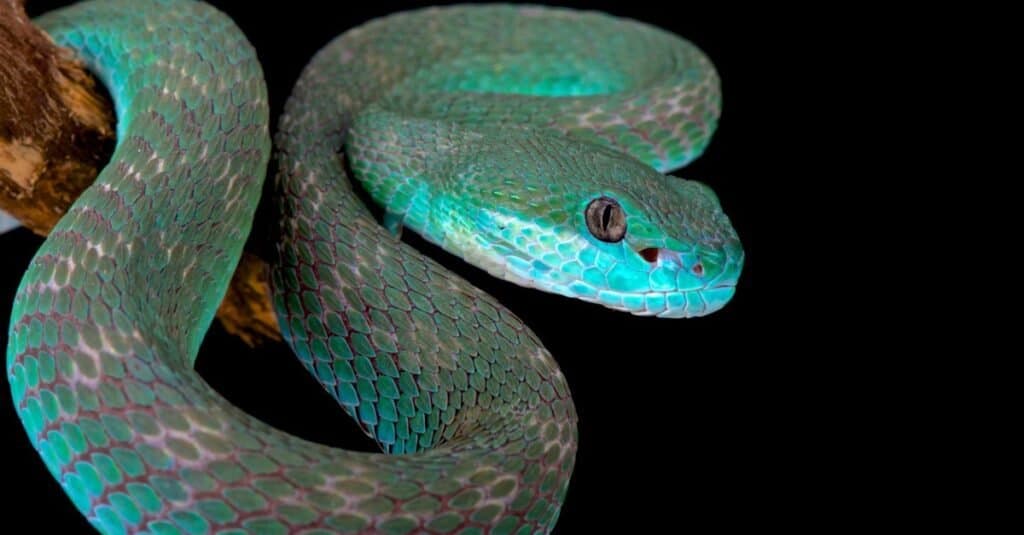
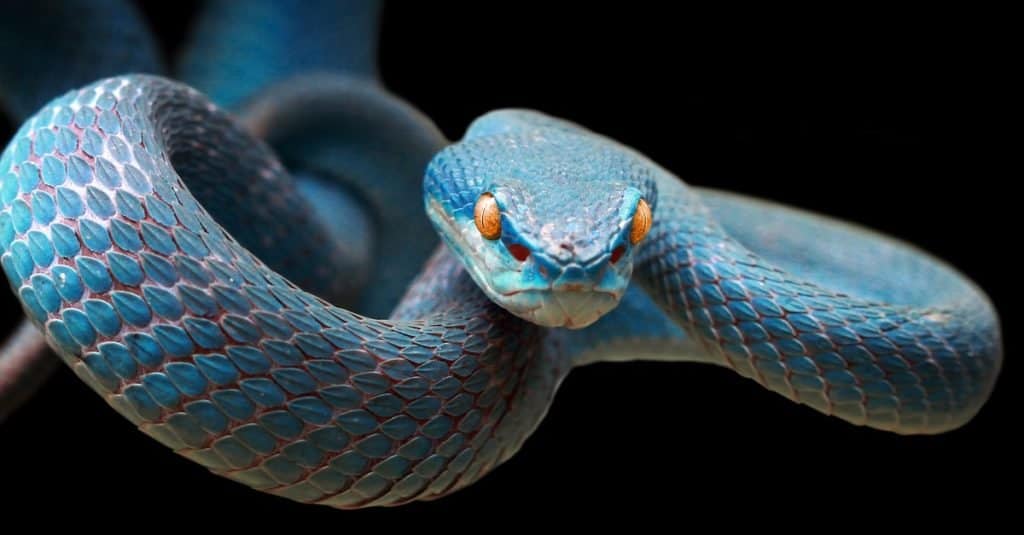
The blue White-lipped Island pitviper (Trimeresurus albolabris insularis) is endemic to Komodo island and surrounding islands.
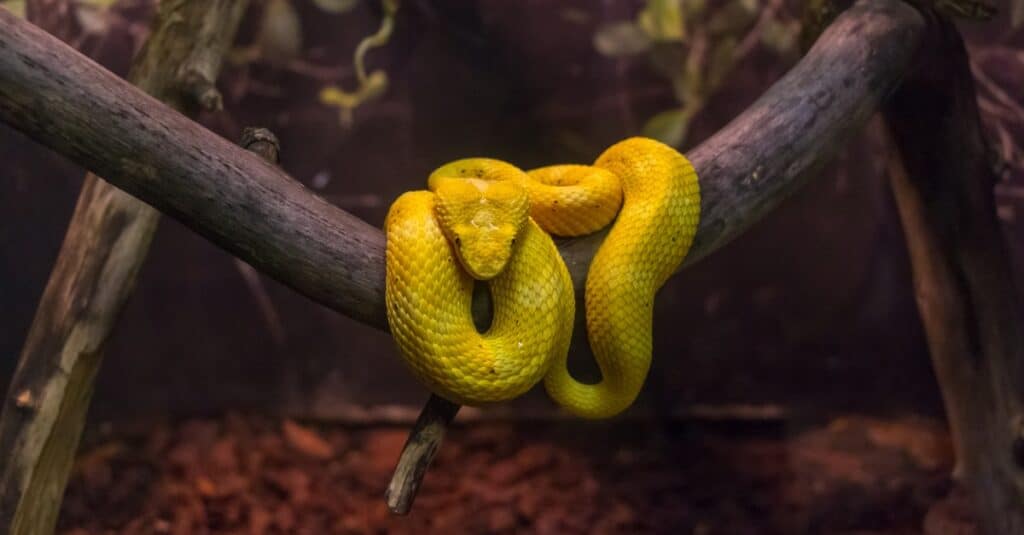
The amount of bones a snake has helps determine how flexible it is.
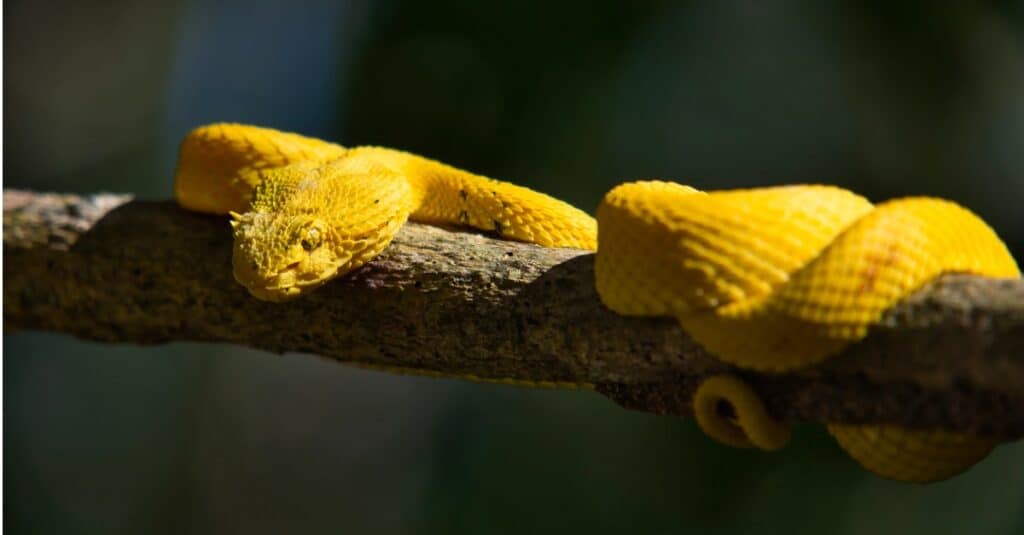
Snakes do not eat more to store fat before entering brumation.
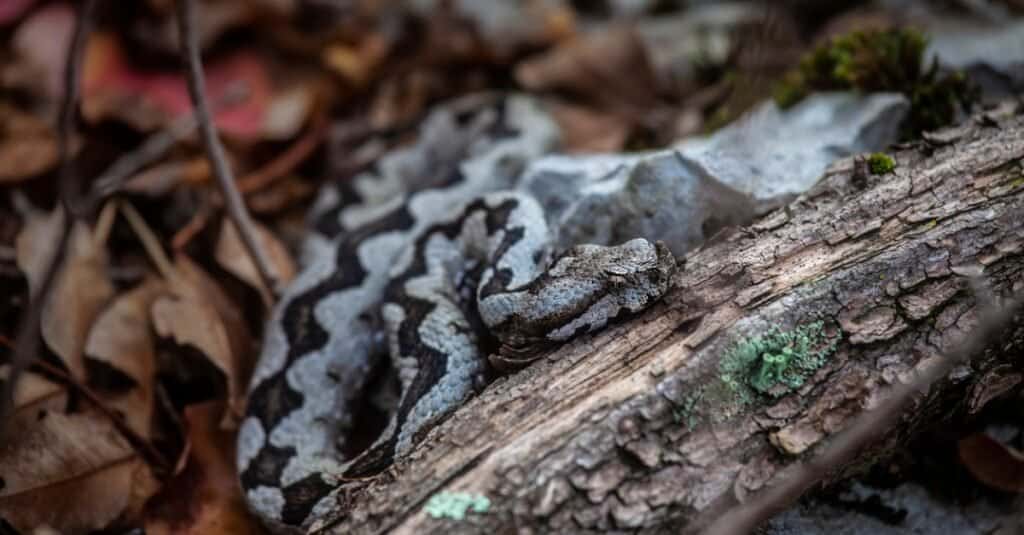
There is no specific time for when and how long snakes go into brumation.
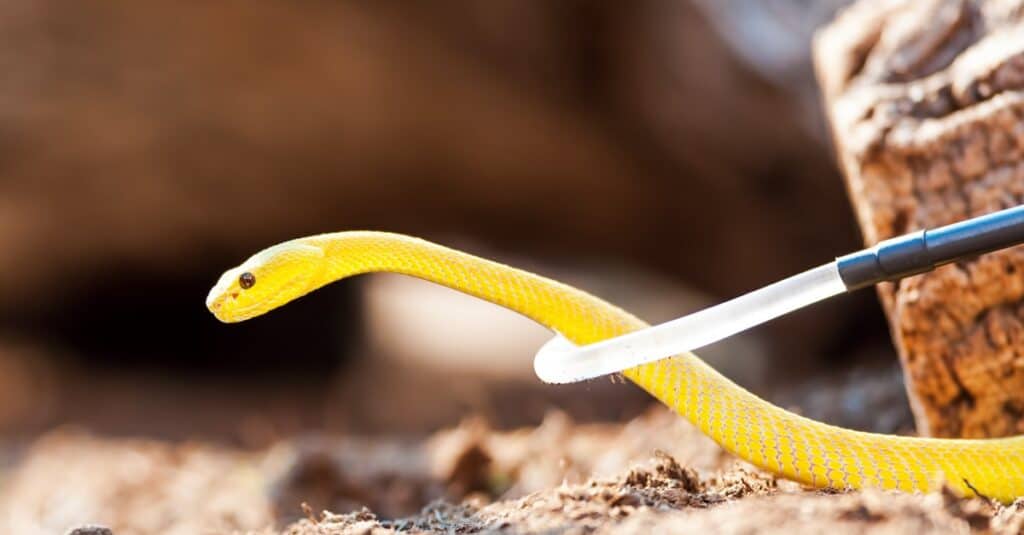
Fun fact: snakes don't have eyelids.
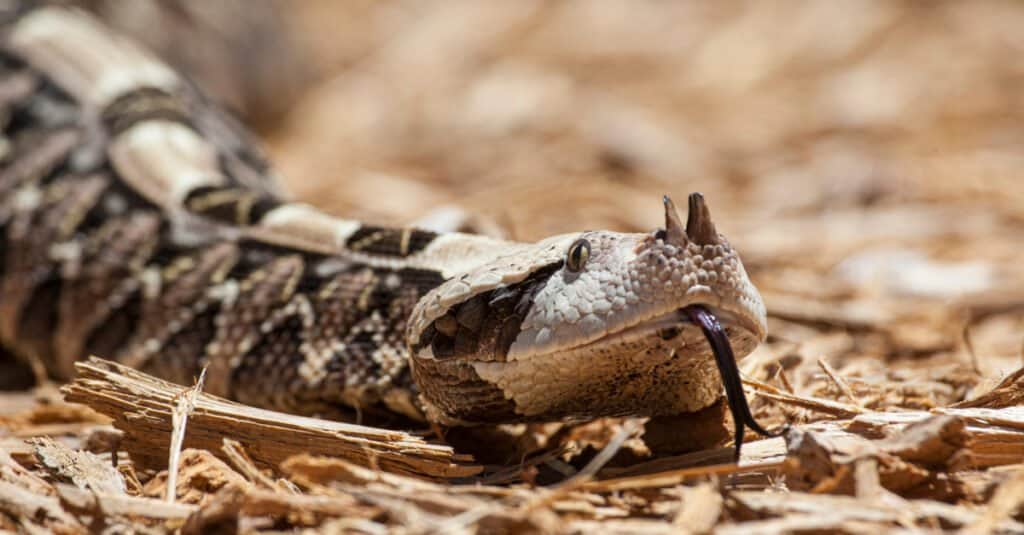
The venomous Gaboon viper uses its tongue to smell. It has the longest fangs of any snake. Like many members of Bitis, it has horns between its nostrils.
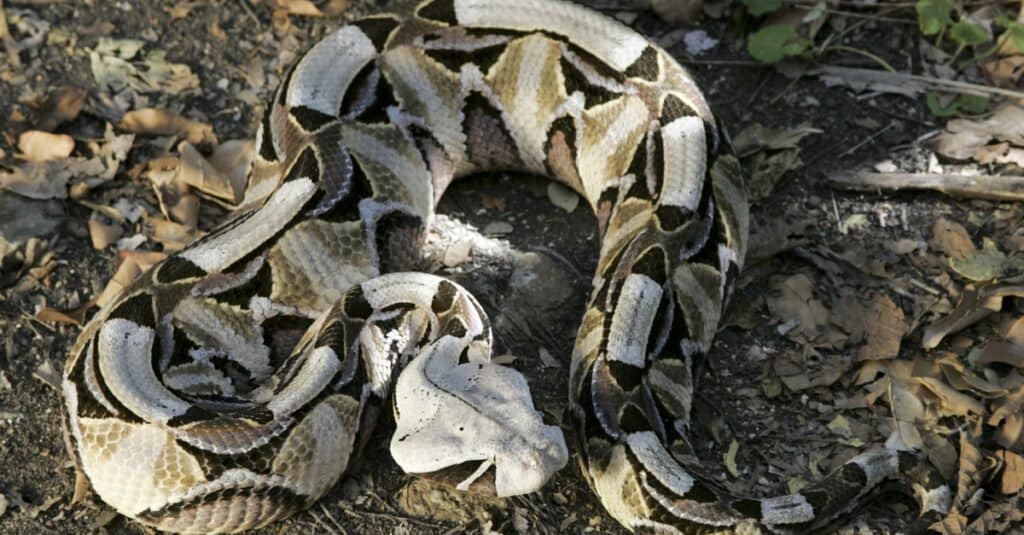
Gaboon Viper (Bitis gabonica), on leaf litter. Its upper body is made up of beautiful diamonds, triangles, and hourglasses in neutral colors that mimic the colors of leaf litter.
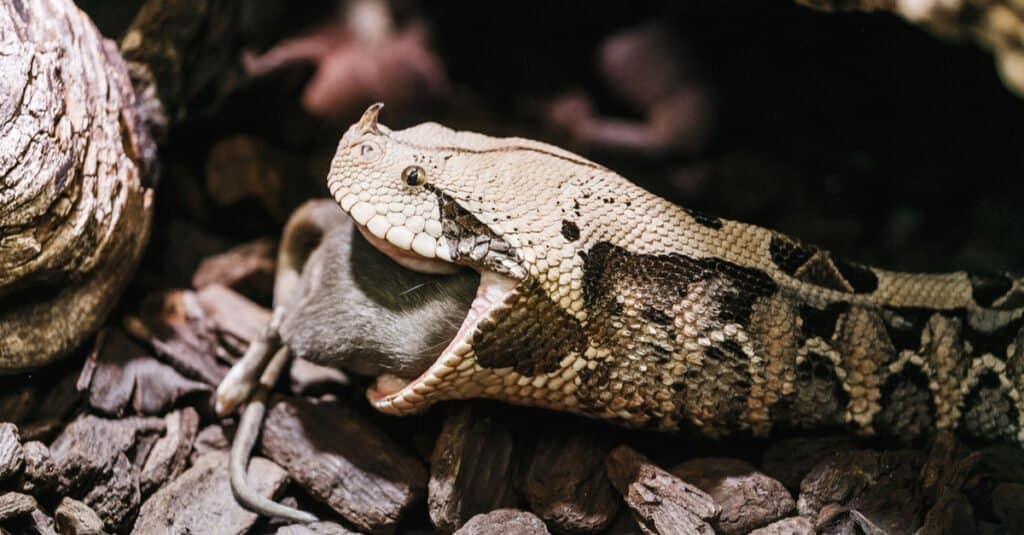
Gaboon Viper eating a big rat. This is the heaviest venomous snake on the African continent.
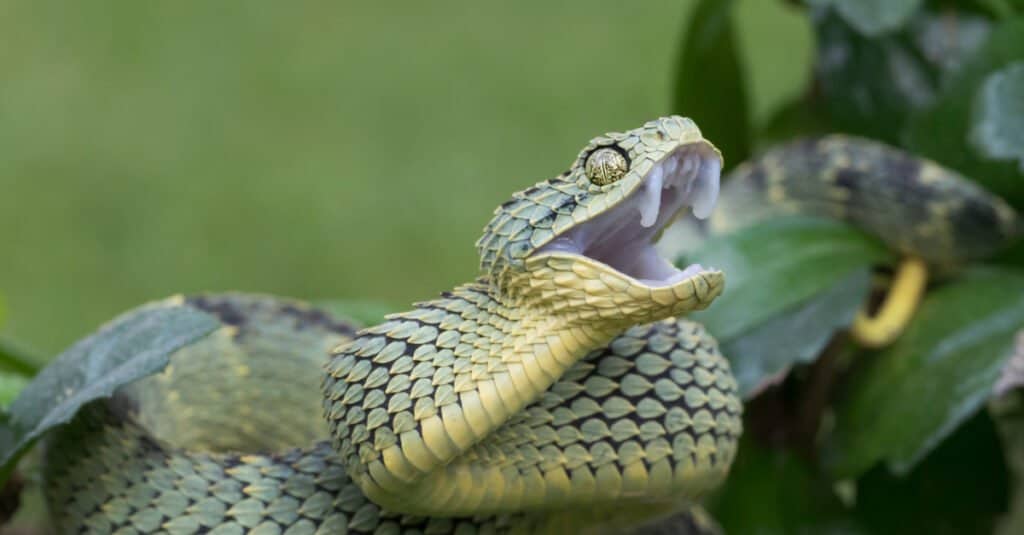
Bush Viper (Atheris squamigera) in tree. The average size of the snake is 18 to 24 inches.
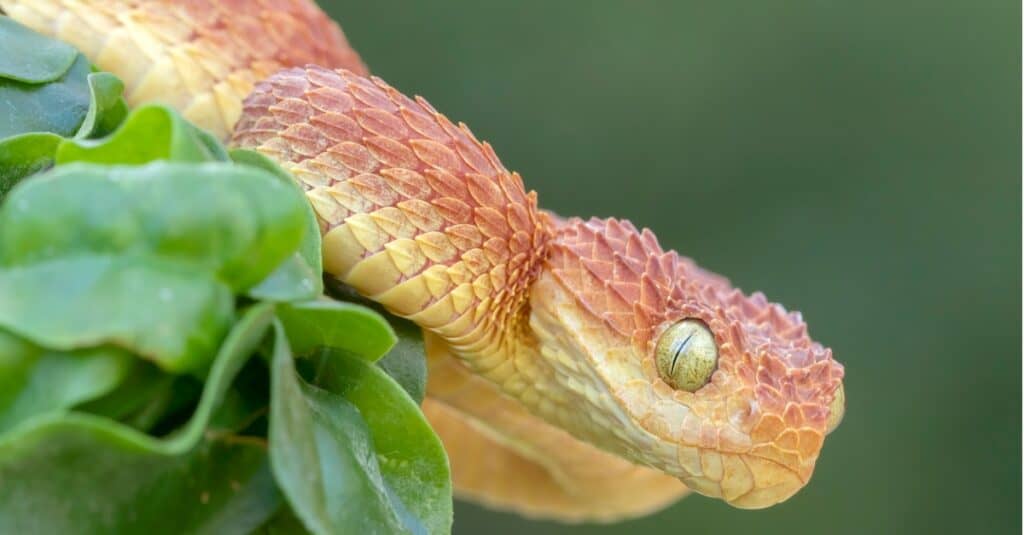
Red Venomous Bush Viper in African Rainforest. The viper comes in variations of orange, red, gray, black, yellow, blue, brown and olive.
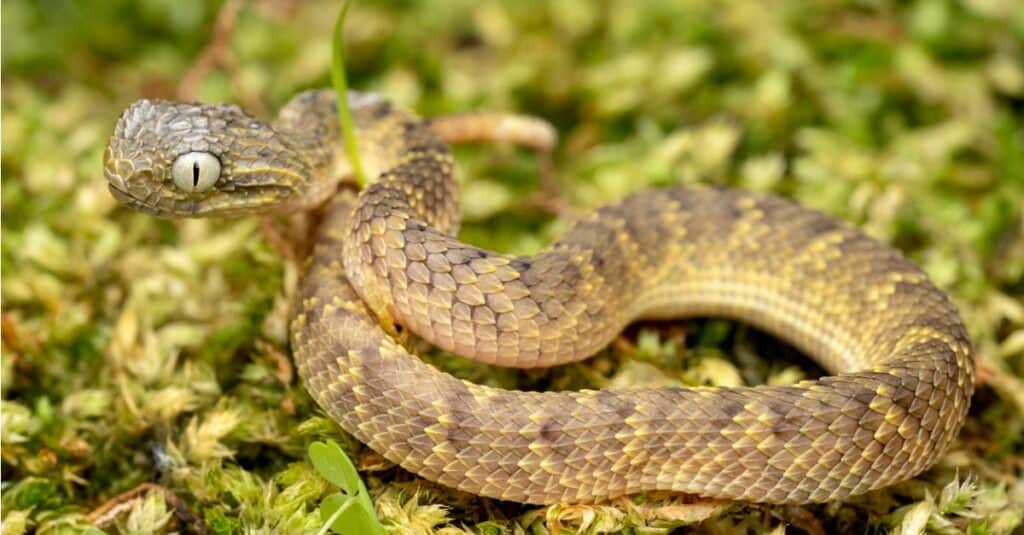
A day old venomous baby Bush Viper snake (Atheris squamigera).
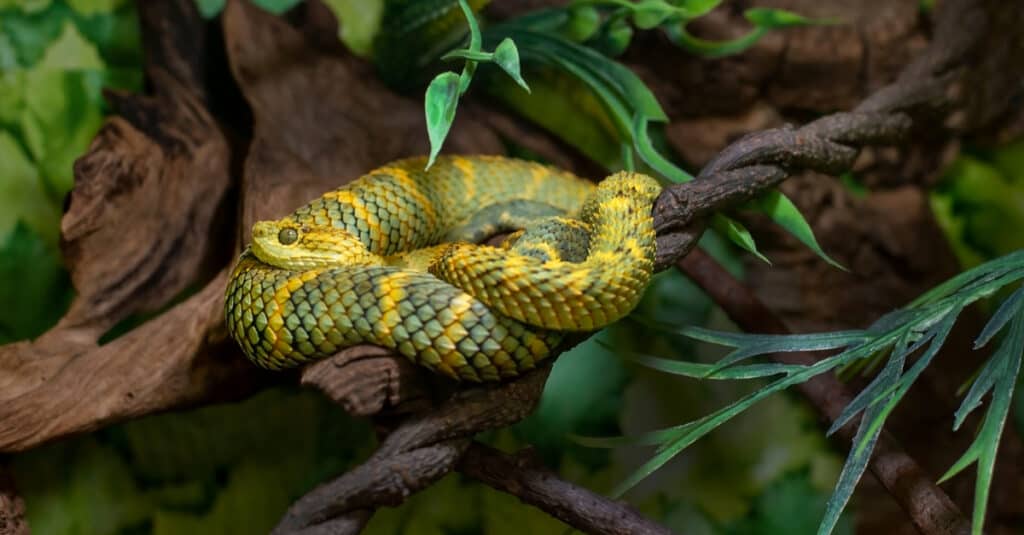
The colors of the Bush Viper can be uniform or mottled with blackish spotting.
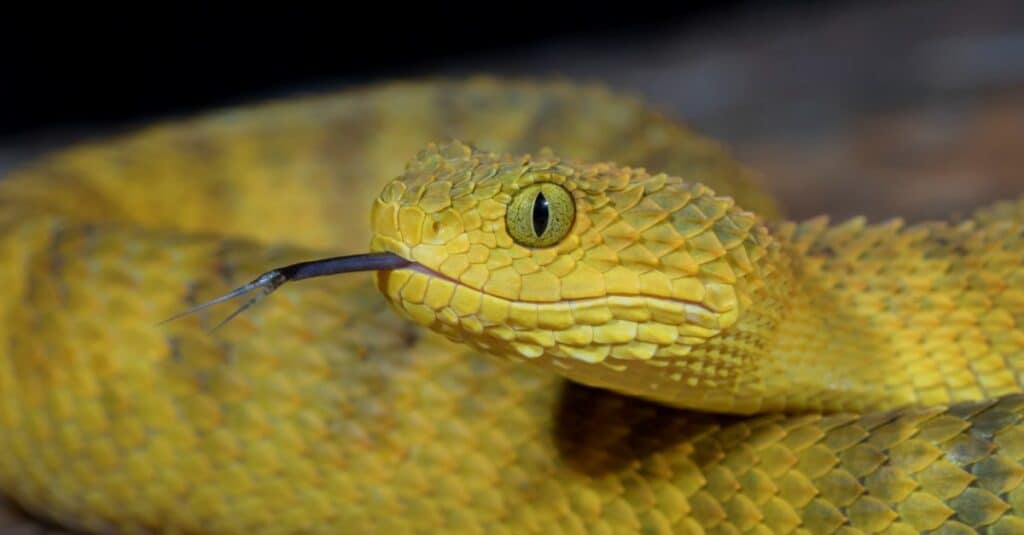
The head of the Bush viper, like the rest of the body, is thickly covered with imbricate, keeled scales.
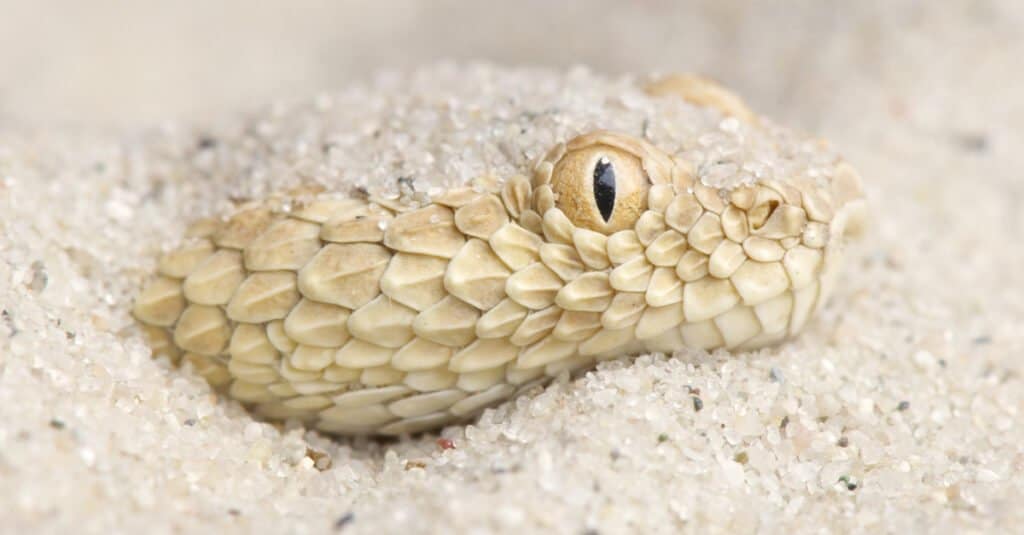
The color of the sand viper helps it to blend in with its habitat where it hunts for prey.
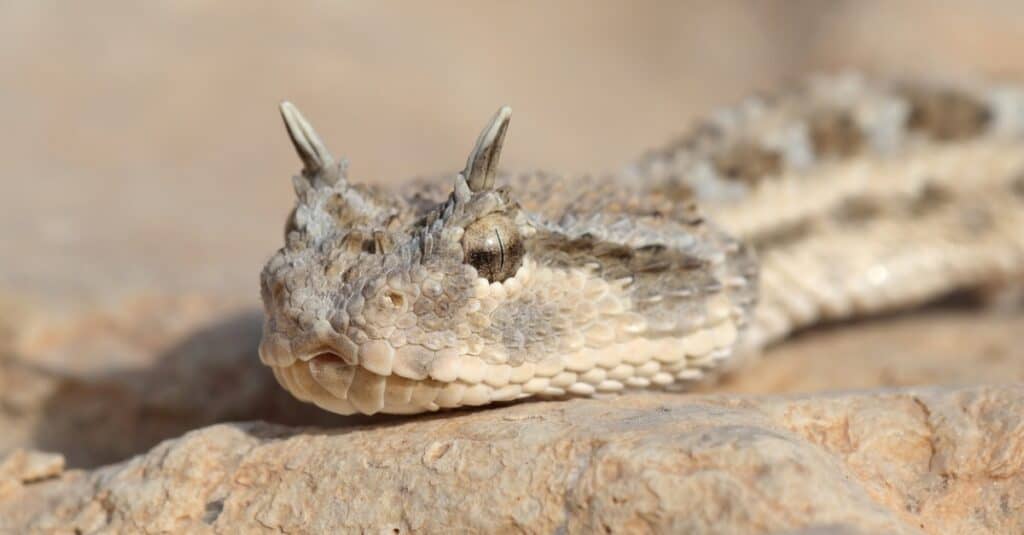
The horns over the eyes are the most distinctive feature of the horned viper.
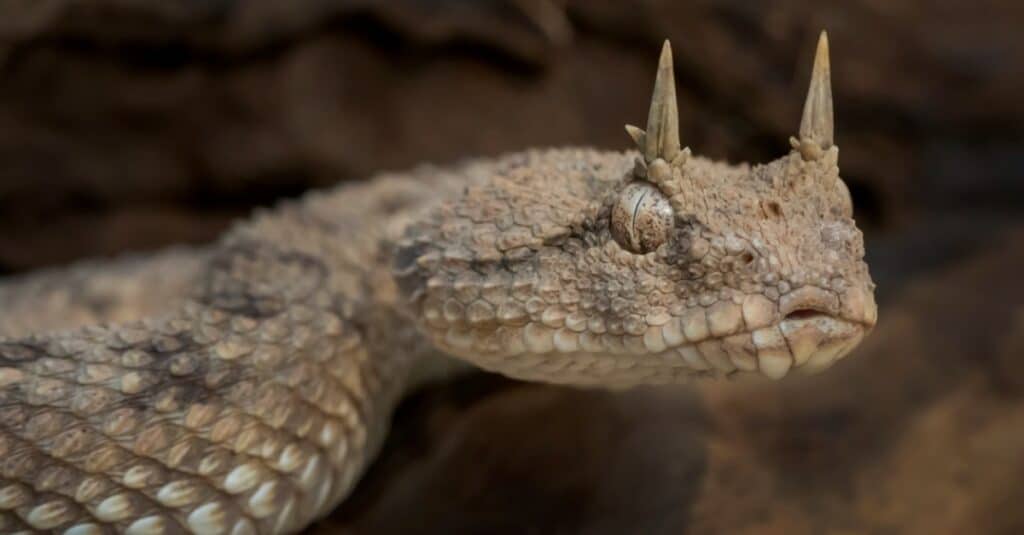
Horned vipers can grow as large as 33 inches in length.
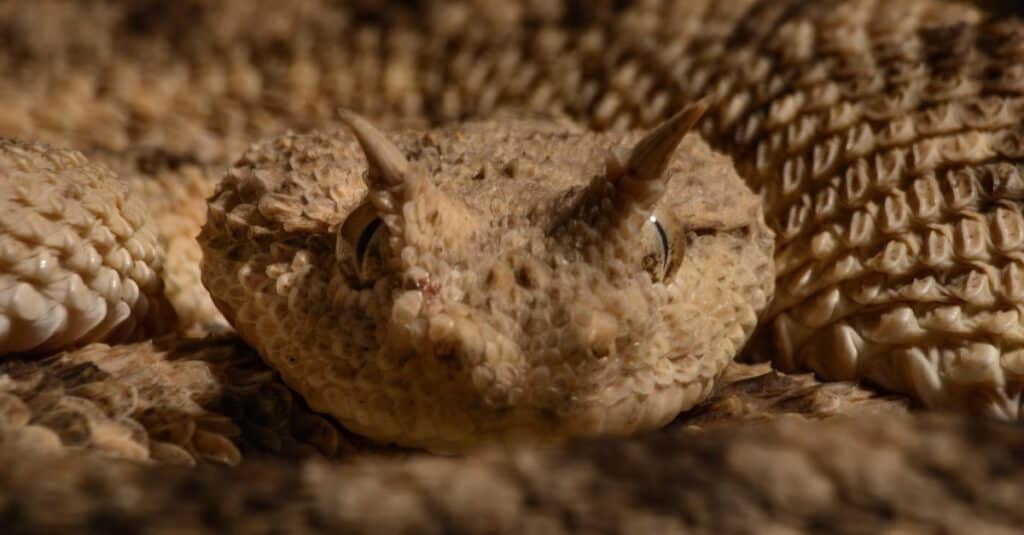
The color of the horned viper generally matches its habitat.
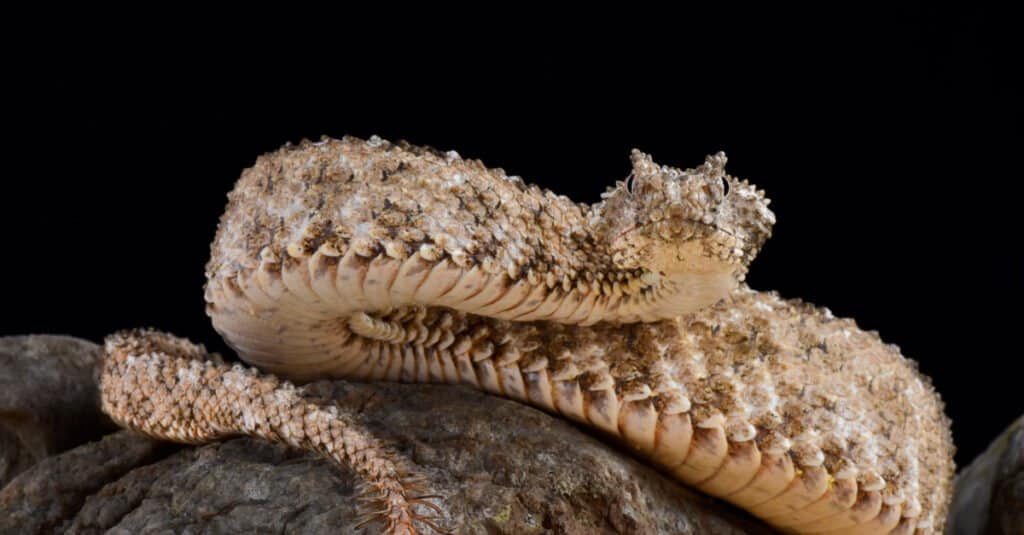
The spider-tailed horned viper (Pseudocerastes urarachnoides) lures prey with its tail.
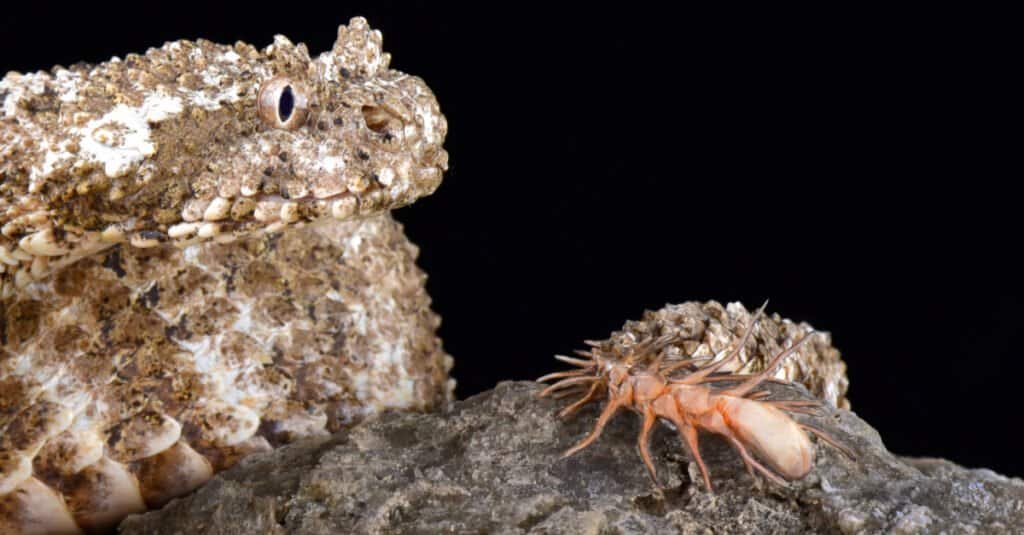
The spider-tailed horned viper (Pseudocerastes urarachnoides) has a unique tail that has a bulb-like end and that is used to catch birds. It lives in Iran.
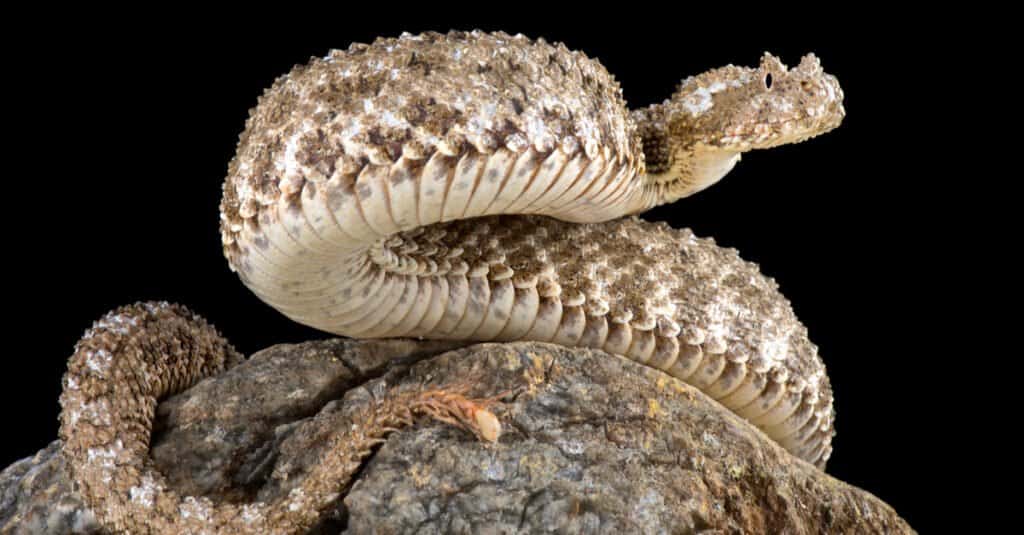
The coloration of the spider-tailed horned viper depends the locality in which it is found, but generally they have grayish-brown scales.
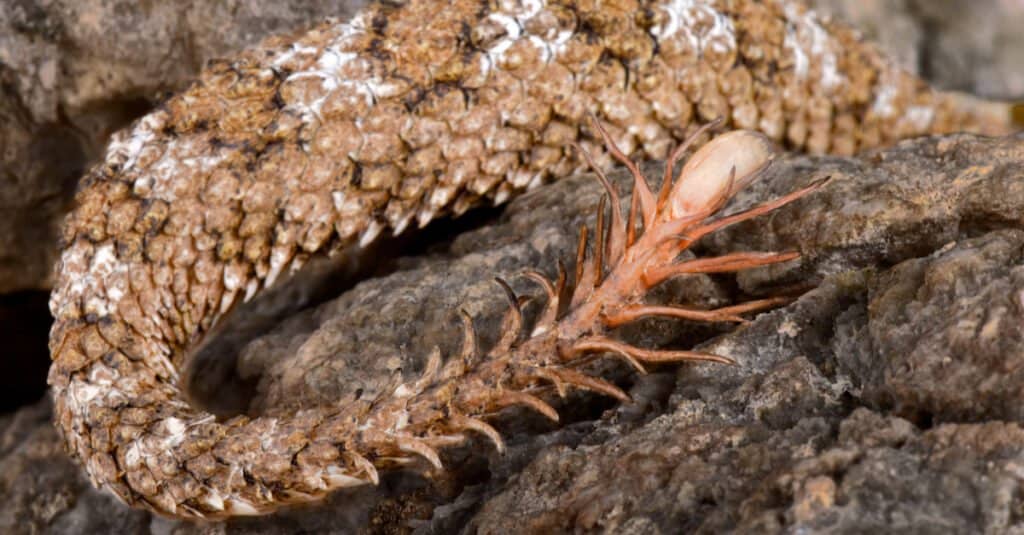
The tail of the spider-tailed horned viper (Pseudocerastes urarachnoides) has the appearance of a spider and is used to lure unsuspecting birds or other prey within reach of the viper.
Thank you for reading! Have some feedback for us?
We appreciate your help in improving our content.
Our editorial team will review your suggestions and make any necessary updates.
There was an error submitting your feedback. Please try again.