
Quick Take
- The volcano gets the blame, but the real extinction story started long before Martinique's skies turned red. See the full extinction story →
- Europeans introduced one animal to solve the rat problem, and it worked devastatingly well. The only trouble was that it did not work in the way anyone had intended. How mongooses backfired →
- A species that rode vegetation rafts across open ocean for six million years was erased from an entire region in roughly two centuries. Two centuries of devastation →
- Locals found a use for these giant rats that involved a very unusual two-step cooking process, and this was not at all considered a last resort. Discover the unusual cooking method →
The islands of the West Indies were once home to a group of rats of nightmarish proportions. These super-rats, some as large as domestic cats, thrived in the steamy island swamps. However, their existence was threatened by a combination of human interference and a brutal volcanic eruption, which ultimately led to their downfall. We tell the sad story of the Martinique giant rice rat.
What Do We Know About the Martinique Giant Rice Rat?
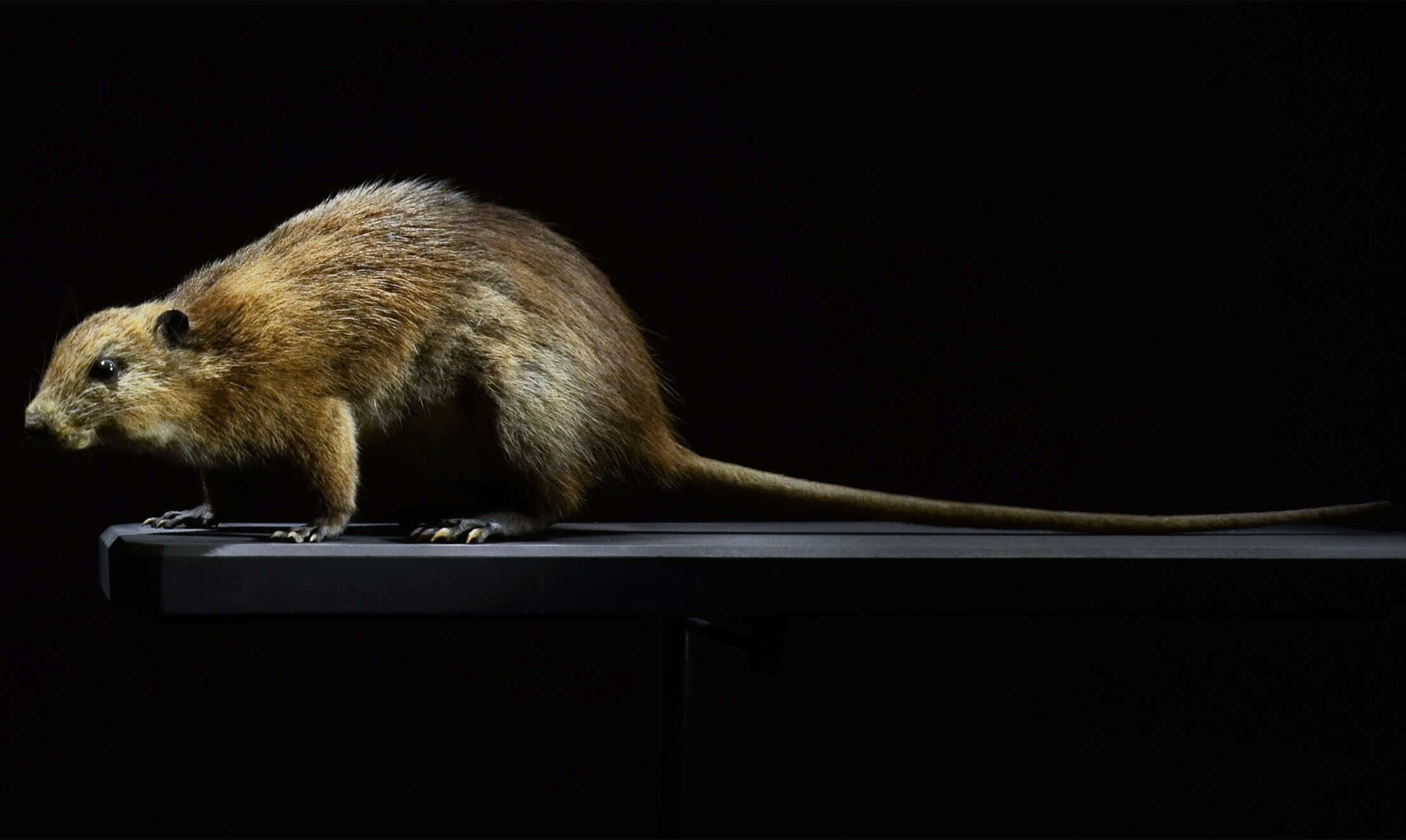
Martinique is part of the Lesser Antilles and is located in the eastern Caribbean Sea. It was home to the Martinique giant rice rat. This was an impressive black and white rodent around the size of your pet cat. It was the largest and most abundant of all the giant rice rats of the West Indies. They were once a common sight around the coconut plantations of Martinique.
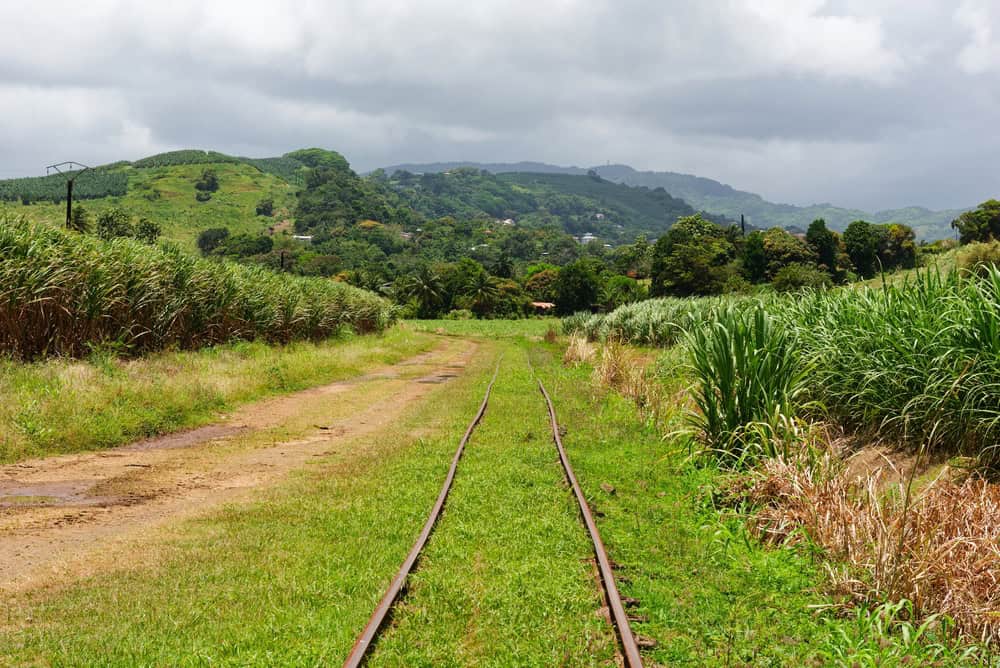
Martinique giant rice rats once roamed sugar plantations.
©Adrien Le Toux/Shutterstock.com
These rats were good swimmers, which made it hard to kill them by driving them into water. They were also enthusiastic eaters and destroyed large sections of coconut plants. In turn, they were feasted on by humans. However, preparing them required burning off their hair and boiling them in two batches of water.
What Killed Off These Rats?
The downfall of the Martinique giant rice rat is often attributed to a single catastrophic volcanic eruption, but that is not the whole picture. In truth, their fate was sealed way before that by the arrival of European settlers.
Genetic studies have indicated that the giant rats first arrived on Caribbean islands about six million years ago, in the late Miocene. They hitched a ride on vegetation rafts, flushed out of rivers that entered the ocean on the north coast of South America.
At one point, between 15 and 20 different giant rat species likely existed, as rats on different islands evolved in isolation. Then, Europeans arrived.
Settlers changed the rats’ habitat by cutting down trees and, crucially, introducing the mongoose to keep sugar plantations free of rodents. The mongooses were effective, but settlers also introduced brown and black rats to the islands, which competed with the native species for food.
Along with many other mammal species, rice rats were obliterated from the Lesser Antilles in the space of around 200 years. This represents a significant regional extinction event in recent history.
The final nail in the coffin of the Martinique giant rice rat was the eruption of the Mount Pelée volcano at 7:52 a.m. on 8th of May, 1902. The eruption was so ferocious that it devastated the whole island. Already weakened by the actions of European settlers, the entire population of Martinique giant rice rats was wiped out. The combination of human development and natural disaster proved too much for them to survive.