
Quick Take
- One animal on this list sleeps for days at a stretch, though not out of laziness. See the python's sleep →
- For several of these champion sleepers, snoozing is not simply rest but a survival strategy that keeps predators at bay. Opossum's sleep as defense →
- The animal most famous for being lazy actually sleeps fewer hours than you'd expect. Sloth's surprising sleep hours →
- Diet explains why some of these animals spend nearly their entire lives unconscious, and the logic behind it is stranger than it sounds. Diet behind koala's sleep →
Sleep is essential for nearly all animals. These periods of rest help conserve energy, support brain function, and aid in physical recovery. But some species take slumber to extraordinary levels. While humans typically spend about a third of their lives asleep, certain animals can snooze for most of the day. Long sleep periods are necessary for a multitude of reasons, including a species’ diet, metabolism, or lifestyle. Here are eight animals that spend more time sleeping than almost any other creatures on Earth.
1. Koala
©slowmotiongli/Shutterstock.com
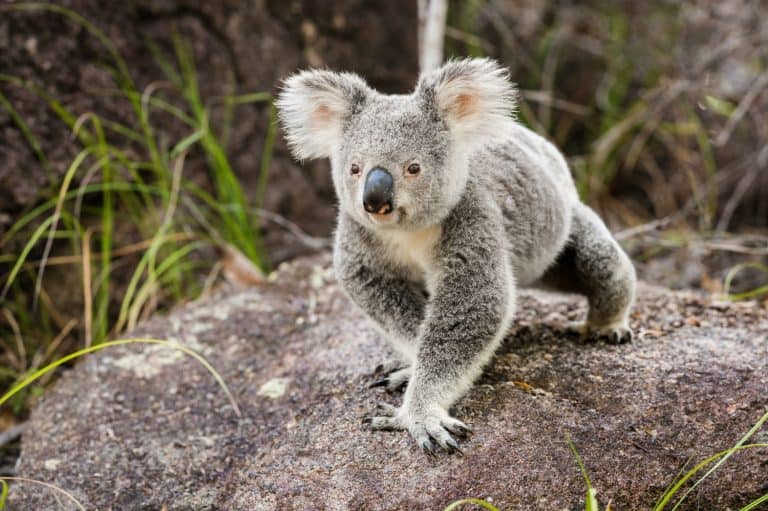
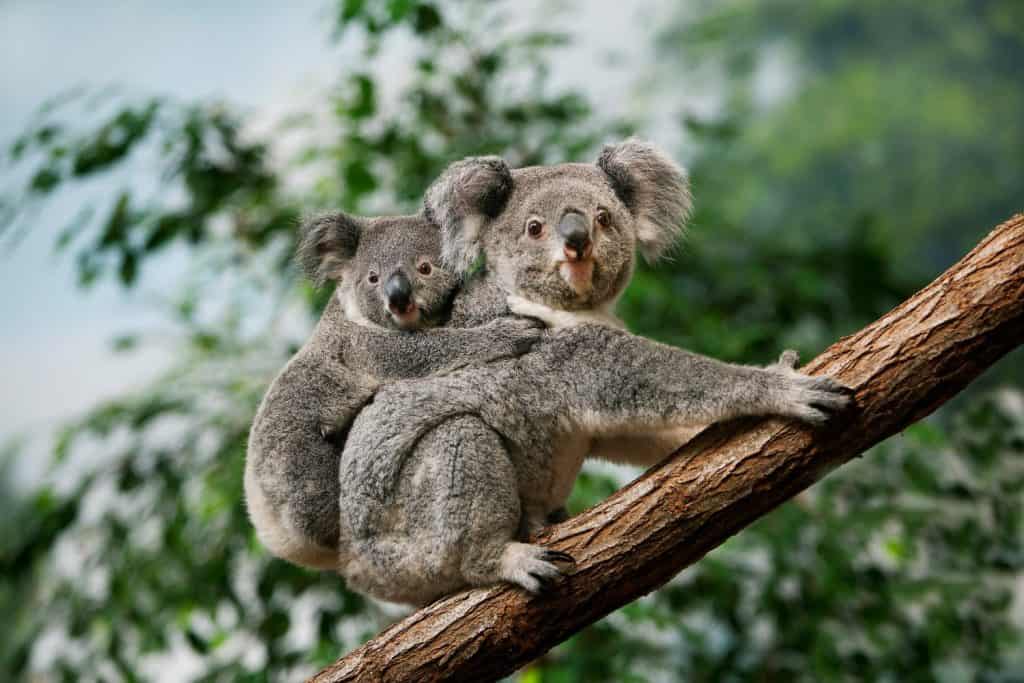
Koalas are famous for their sleepy ways, often spending between 18 and 22 hours a day asleep. Because their diet is almost exclusively difficult-to-digest eucalyptus leaves, sleeping is necessary to help them conserve the energy needed to process this challenging food source. They usually snooze high in the branches of eucalyptus trees, curled into a cozy ball of fur. They wake up to continue eating before settling back down for another nap.
2. Little Brown Bat
©Bernd Wolter/Shutterstock.com
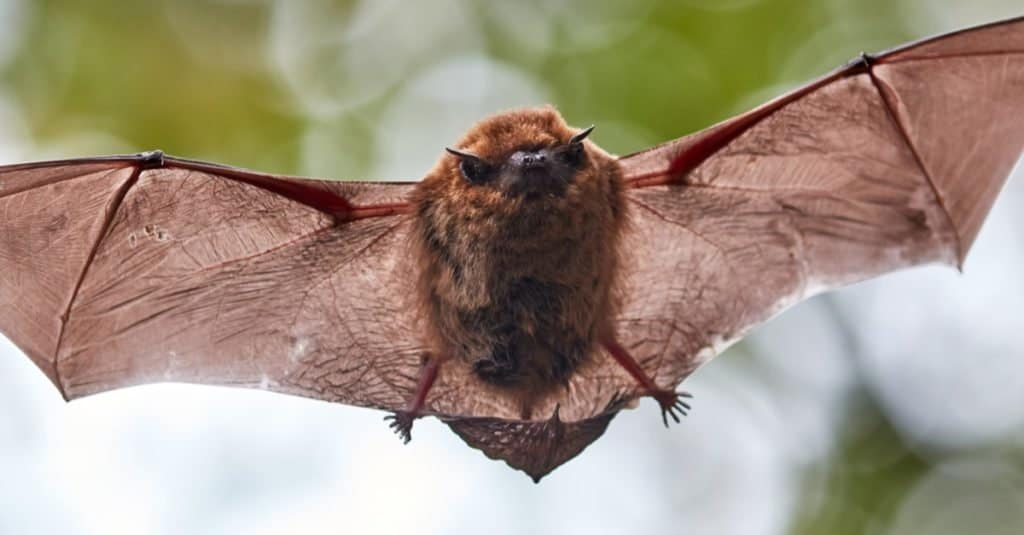
The little brown bat can sleep for around 19 hours per day. During the day, they rest safely in places like caves, attics, and hollow trees. They spend their nights hunting insects, which requires bursts of intense energy. Such energy expenditure is taxing, and their restful periods help them save valuable energy between feeding sessions. In colder months, they may enter extended states of torpor or hibernation that involve even more sleepy time.
3. Opossum
©galinast/iStock via Getty Images
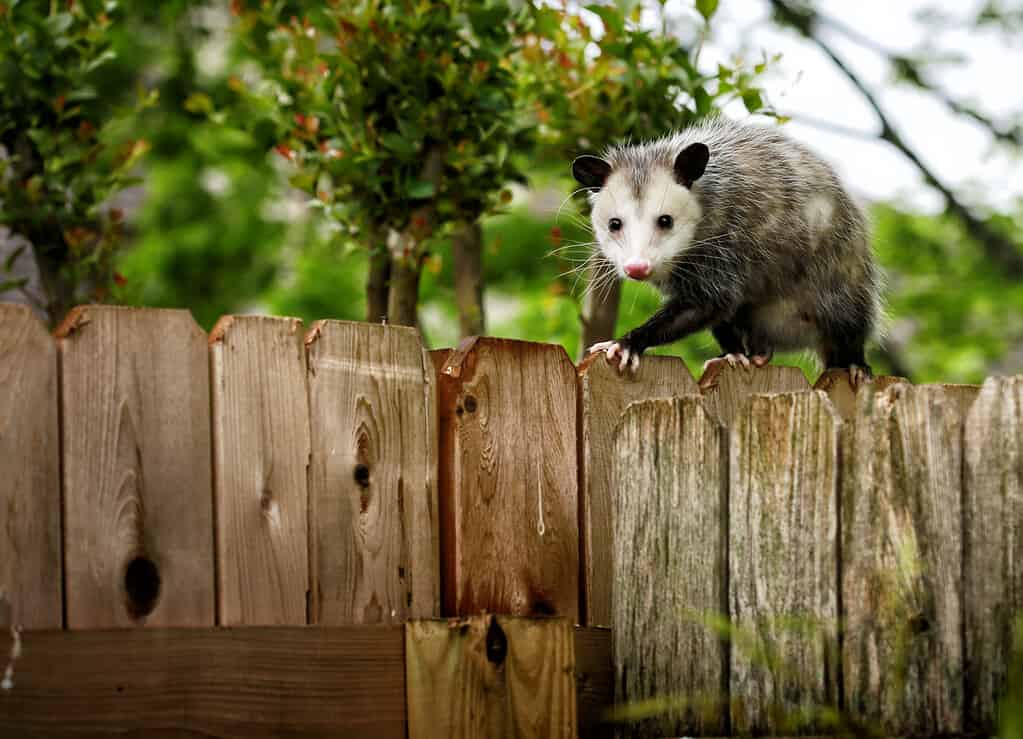
Opossums often sleep between 18 and 20 hours each day. When they are awake, it is mainly at night, when the marsupials look for insects, fruits, and small animals. During daylight hours, they hide in dens, hollow logs, or abandoned burrows where they nap for hours on end. Their slow metabolism allows them to spend a lot of time dozing, which also helps them avoid predators that are active during the day.
4. Sloth
©iStock.com/Kung_Mangkorn
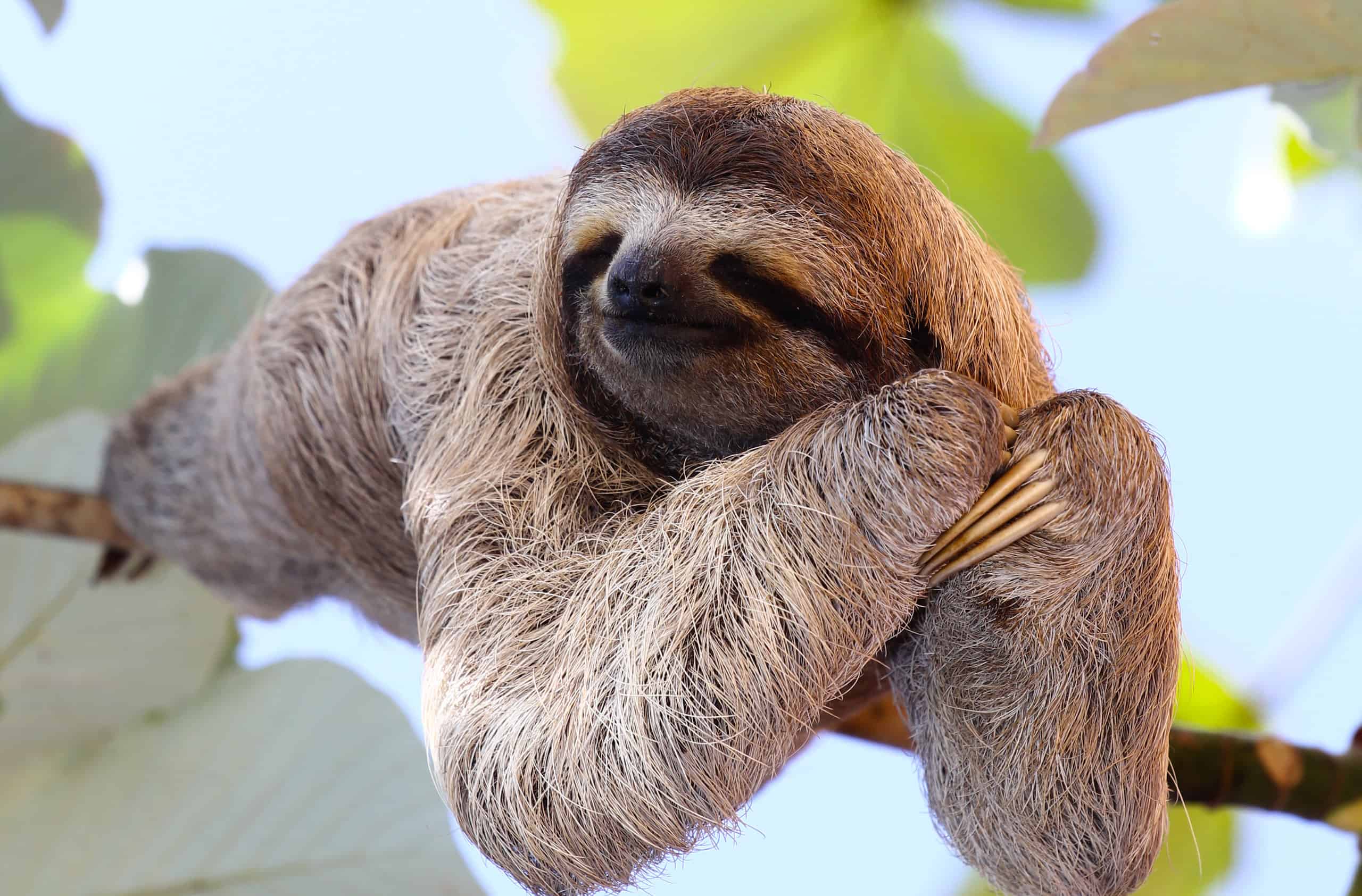
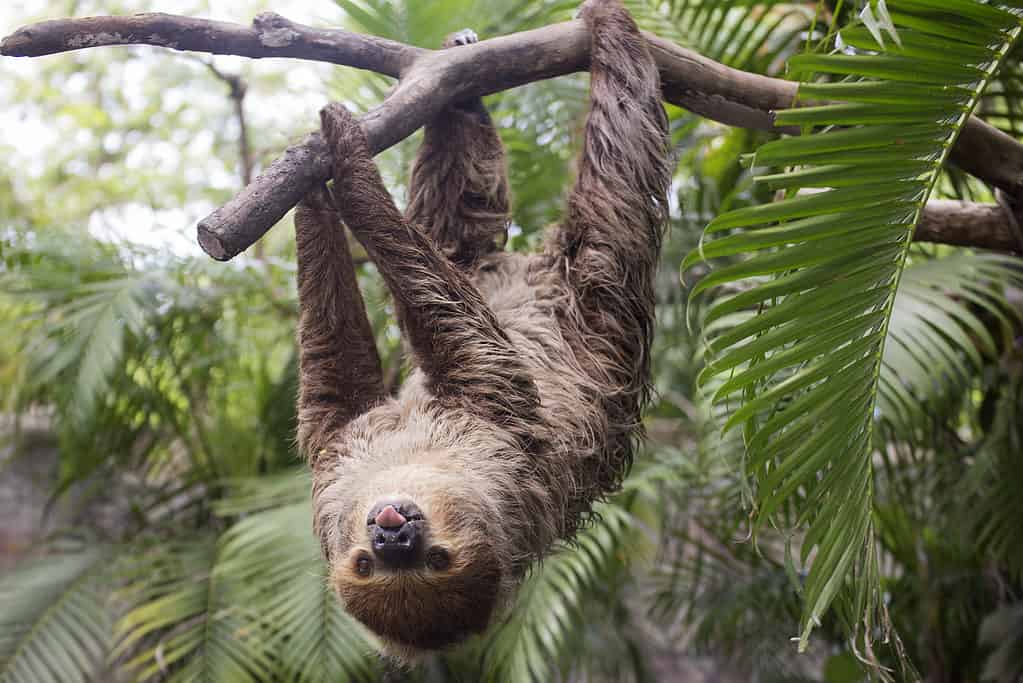
Sloths have a reputation for laziness, but their seemingly unbearable slow movements are actually an adaptation to their low-energy diet. Wild sloths generally sleep around 10-15 hours daily, while captive sloths can sleep even more. Their leaf-heavy diet provides few calories. Without excess calories, they can’t expend excess energy, making energy conservation important. Sloths move so ridiculously slowly that algae often grow on their fur! Their laidback lifestyle and plenty of shut eye helps them survive on limited nutritional resources.
5. Armadillo
©Heiko Kiera/Shutterstock.com
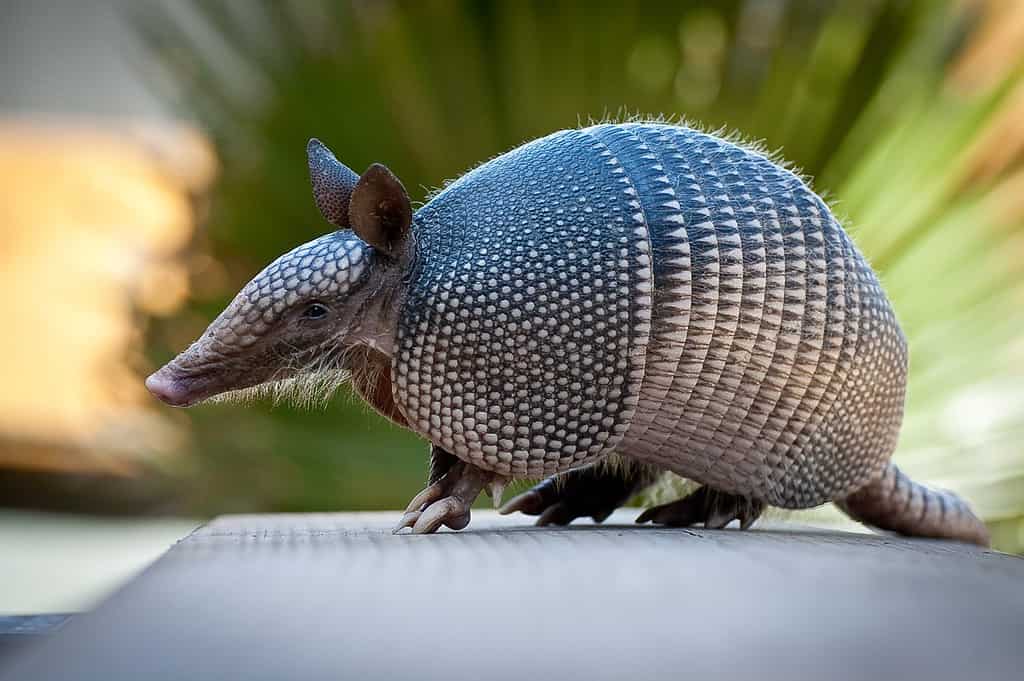
Many armadillo species sleep up to 18 hours each day. These armored mammals spend the great majority of their waking time digging for insects and other invertebrates. To slumber, they tuck away in underground burrows where temperatures are consistent and predators are less likely to find them. Their long naps conserve needed energy in difficult-to-survive environments. During especially harsh temperatures, they may spend even more time sheltered and asleep.
6. Python
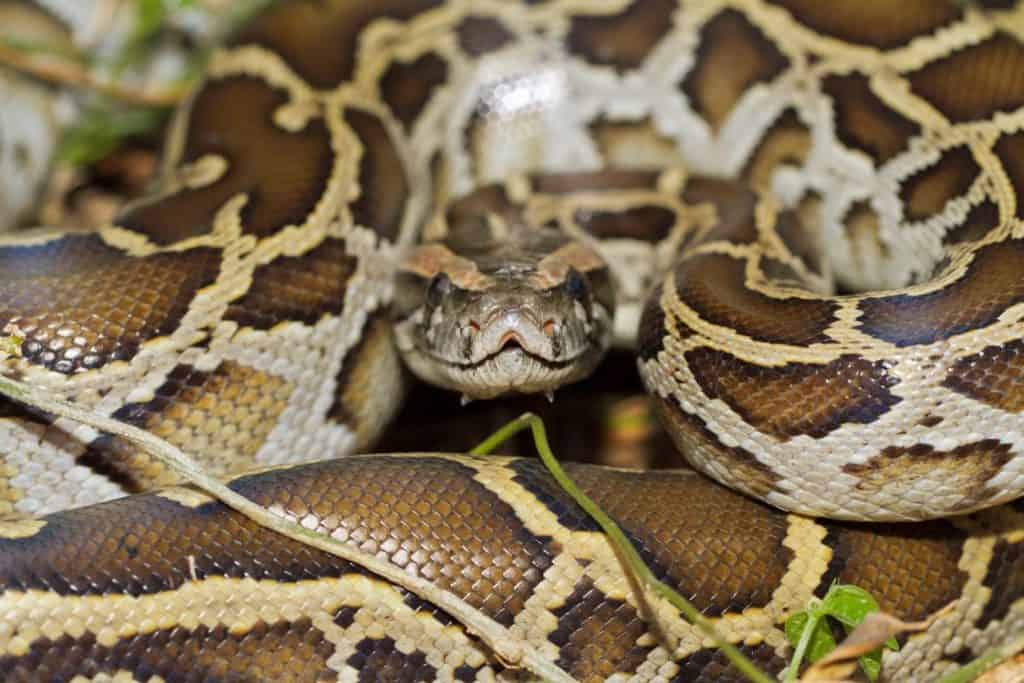
©dwi putra stock/Shutterstock.com
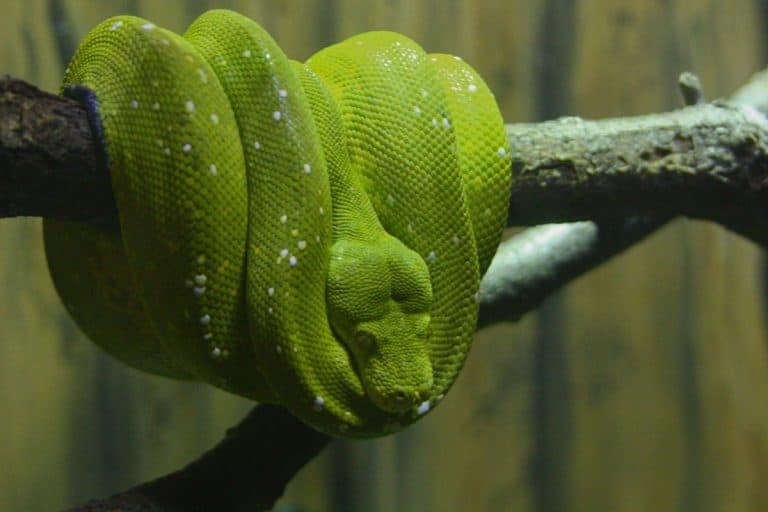
Large pythons can spend enormous amounts of time sleeping off heavy meals. After consuming a large prey item, they may remain inactive and sleep for days while a taxing digestion process takes place. Since snakes do not need to eat frequently, they can afford to spend long periods snoozing away. Pythons typically rest in secure hiding places where they are difficult to spot. Their sedentary lifestyle is actually a key part of their hunting strategy.
7. Night Monkey
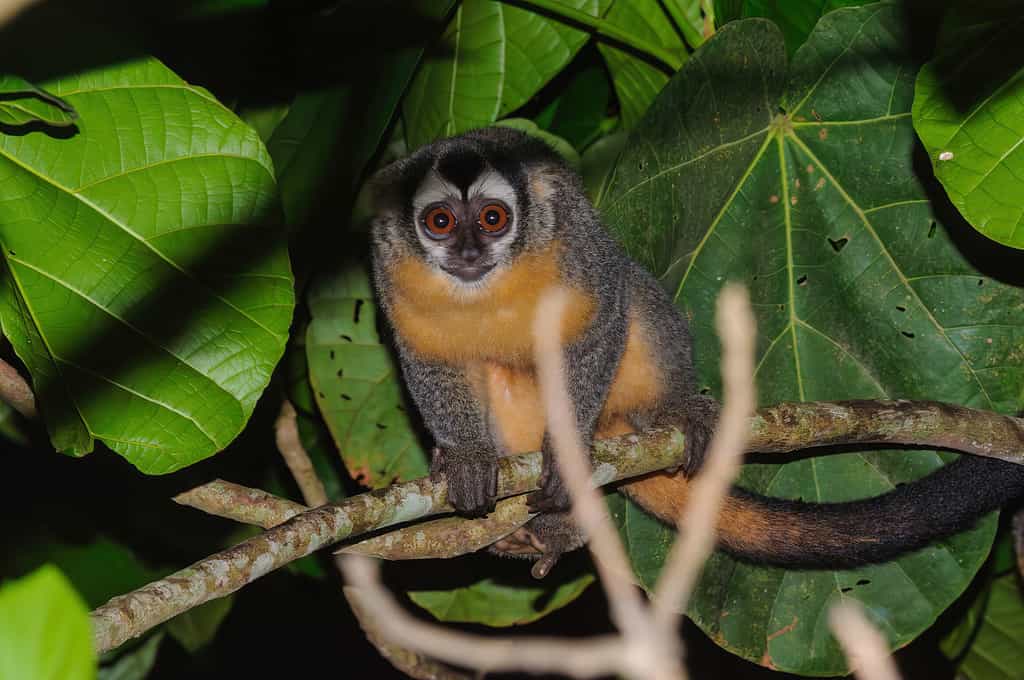
©Marek Stefunko/iStock via Getty Images
The night monkey, also called the owl monkey, is named for its nighttime activity and is one of the few nocturnal primates. These little monkeys sleep for around 17 hours each day, nestled among the treetops and thick vegetation. After sunset, they are wide awake, using their huge eyes to help them navigate the dimly lit habitat. Like other daytime sleepers on our list, napping the day away helps them avoid roaming daytime predators.
8. Giant Panda
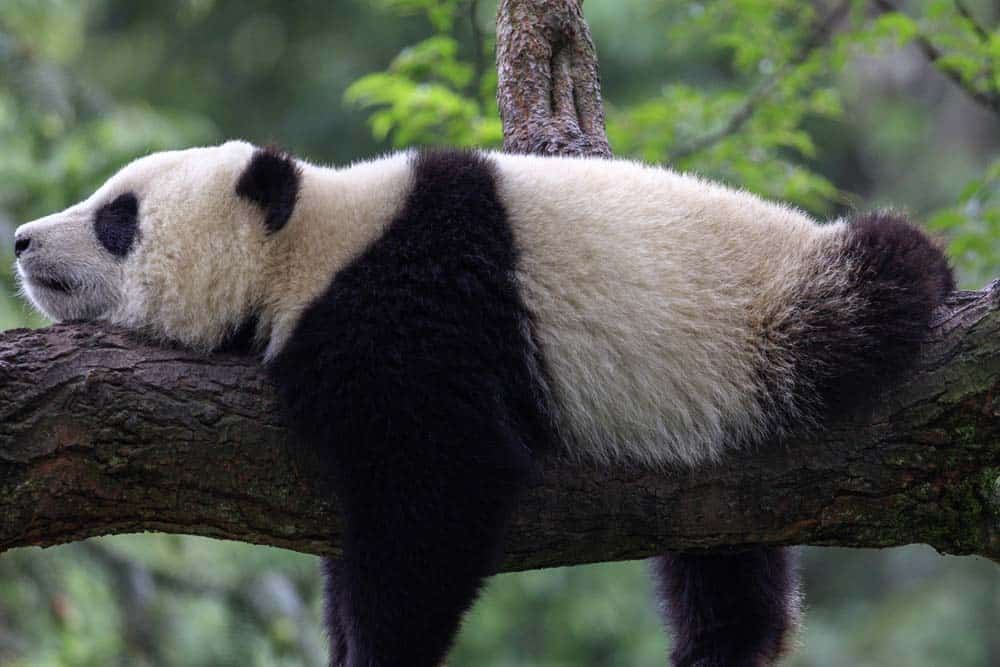
©clkraus/Shutterstock.com
Giant pandas may sleep 10 to 16 hours per day. They do not get this rest all in one chunk; Instead, they take numerous naps throughout the day between snacking on bamboo. Their fibrous diet is time-consuming to eat and low in calories and nutrients. To compensate, pandas eat enormous amounts of bamboo and sneak in plenty of siestas to recoup lost energy. This is why pandas are so often spotted either snoozing or munching. Their relaxed lifestyle helps them cope with a diet offering relatively little fuel.