
Quick Take
- Rat lungworm never intends to infect humans, and that biological wrong-turn is precisely what makes the infection so devastating. See how the cycle breaks →
- The most common way people pick up this parasite is not from eating snails. It is something nearly everyone does without a second thought. Discover the common exposure route →
- A beloved aquarium hobby animal turns out to be one of the parasite's most efficient carriers, a fact that most owners have no idea about. Learn about aquarium carriers →
- Frogs, freshwater prawns, and crabs can carry rat lungworm without being its true host, creating a hidden path straight to your plate. Explore paratenic host risks →
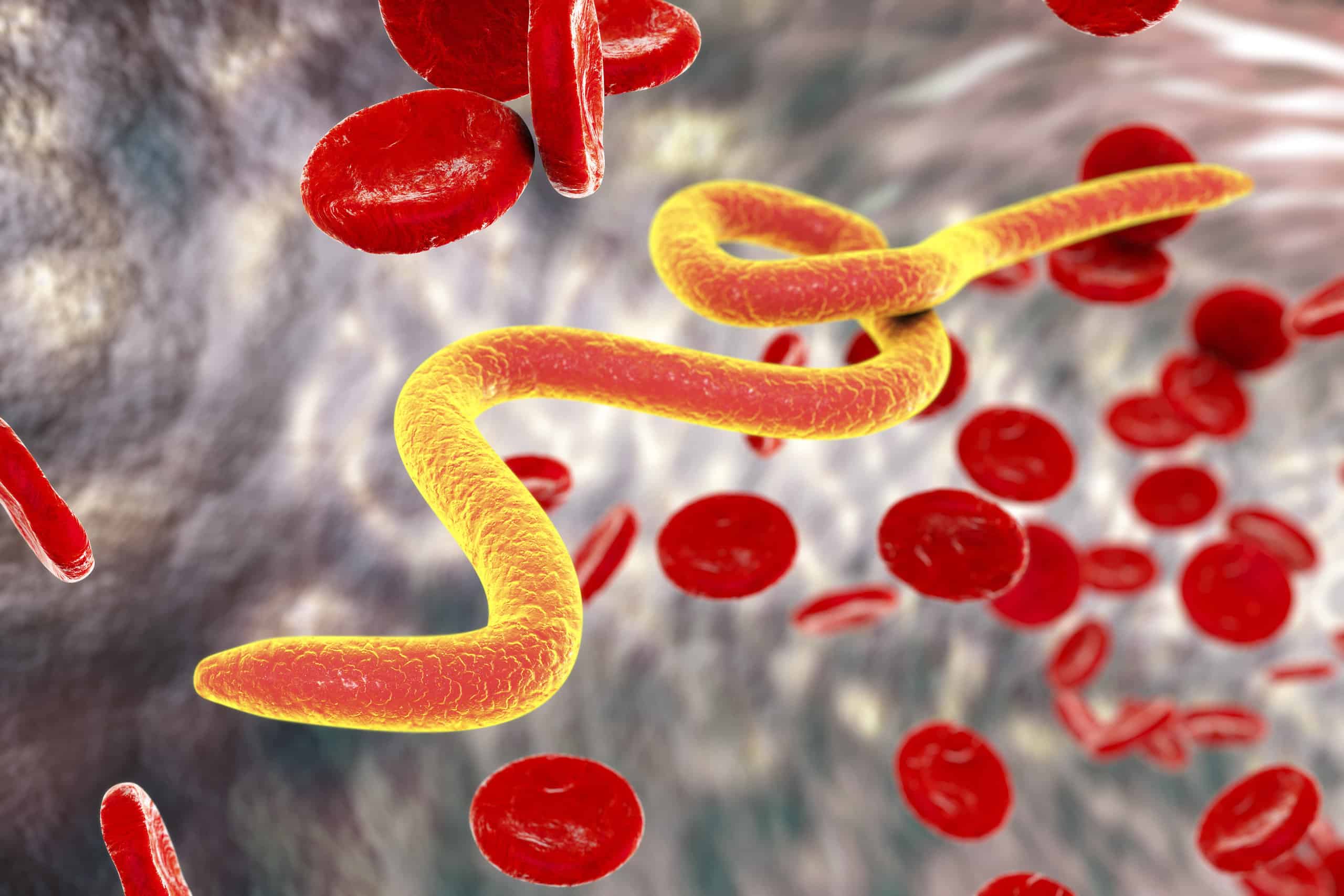
When Professor H.T. Chen returned home to China from the United States in the late 1920s, he was well-prepared to study a subject that repulses most of us: animal parasites. Having received an M.Sc. from the University of Minnesota and a PhD from Harvard University, he would go on to publish over 150 academic journal articles and help shape his nation’s response to schistosomiasis. In 1933, in Canton, now known as Guangzhou, he became the first to describe a nematode infecting rats; today, we know it as Angiostrongylus cantonensis, or rat lungworm. Though at the time it seemed like a small but interesting addition to our species’ knowledge of mammalian parasites, Dr. Chen would live to see this small worm become a worldwide health concern: a consequence of an increasingly connected world and a very strange fluke of biology.
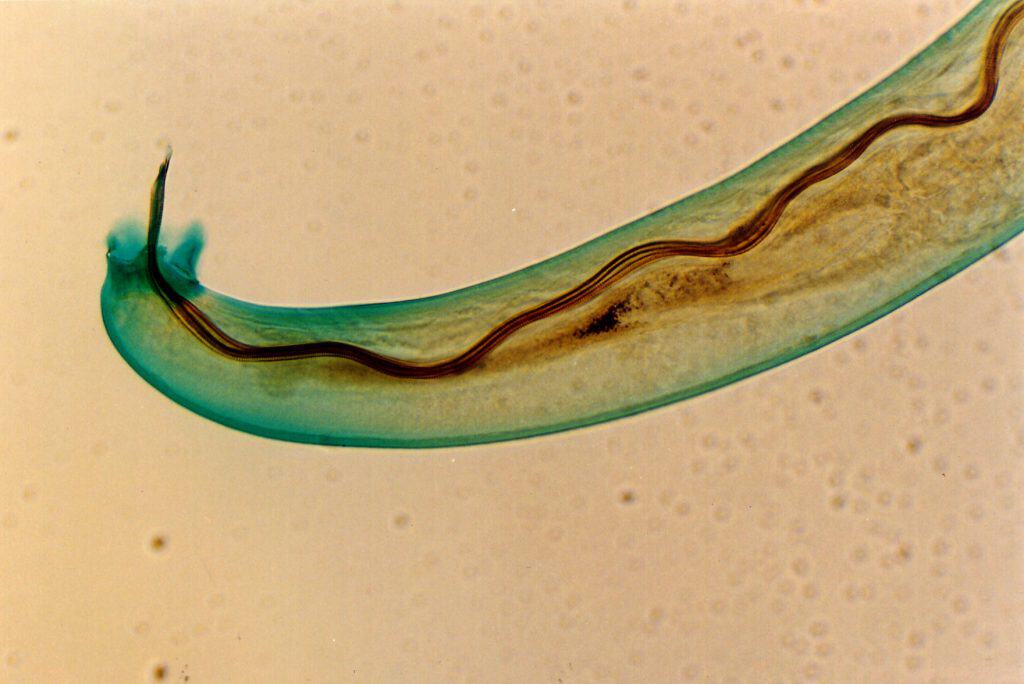
A male rat lungworm. © Punlop Anusonpornperm
Eleven years later, on the island of Taiwan, Dr. Nomura and Dr. Lin made a startling discovery. Examining the cerebrospinal fluid of a 15-year-old boy who had died of suspected meningitis, they found A. cantonensis larvae squirming beneath their microscopes. Hundreds of similar cases would be reported over the next decade throughout China and Southeast Asia, and before long, cases were showing up further afield as doctors and public health specialists scrambled to understand how a rat parasite was appearing in their patients–and why it was spreading around the world.
Life Cycle, Interrupted

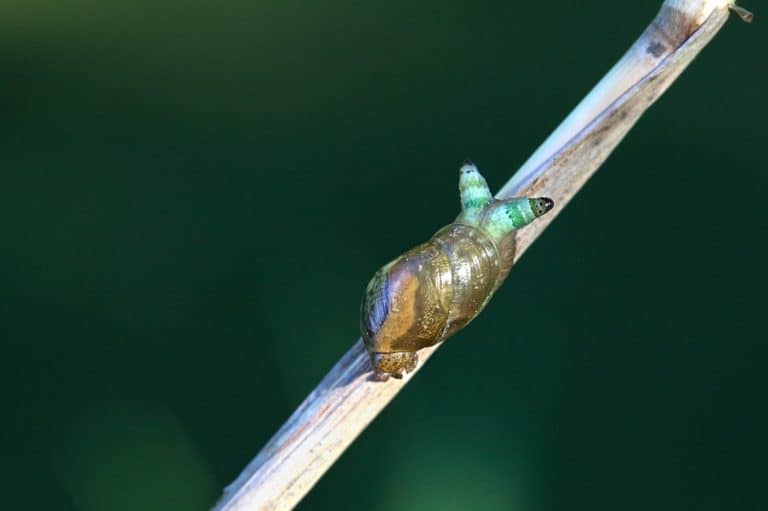
Giant African Land Snails are excellent intermediate hosts of rat lungworm.
©Dave Montreuil/Shutterstock.com
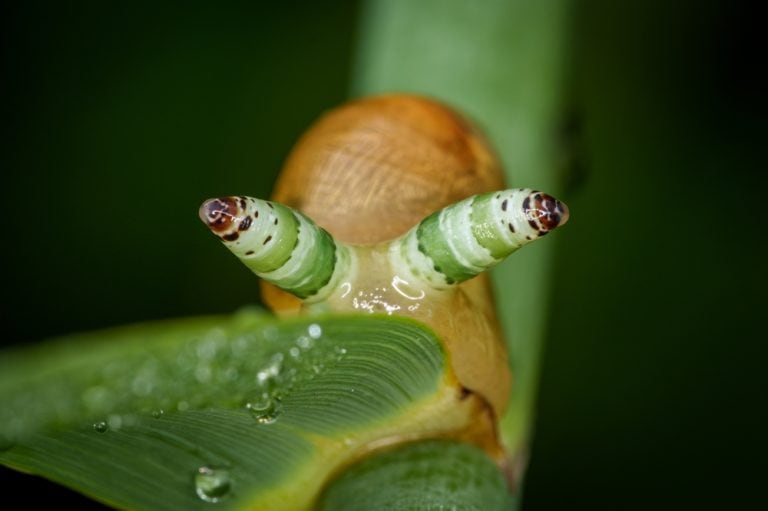
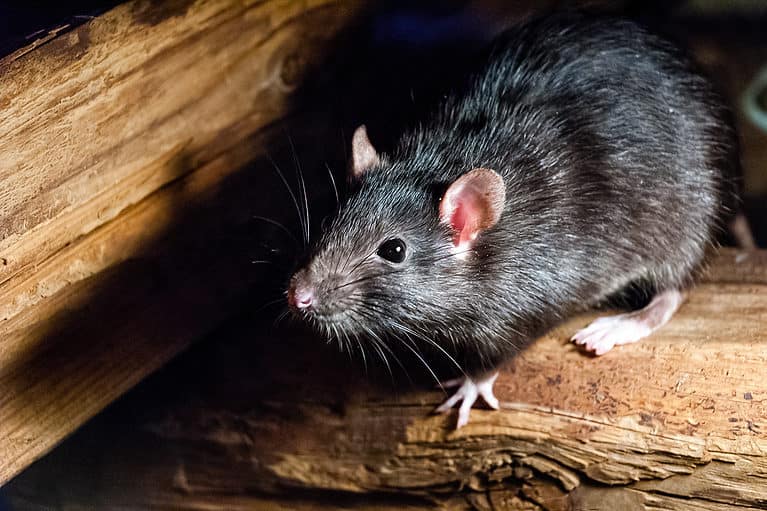
The last place a rat lungworm is trying to get is into a human. A. cantonensis larvae hatch in the pulmonary artery of a rat and promptly chew their way into the animal’s lungs, where they are coughed up and swallowed. Exiting the rat, its definitive host, amidst fecal material, the nematodes must then be consumed by a snail or slug to continue their life cycle. Feeding on the gastropod’s innards, the larvae will then develop into their 3rd stage–the infective stage. To reproduce, their slimy host must be consumed by a rat. Once the parasites have been digested out of the slug or snail, they will penetrate the wall of the intestine, access its circulatory system, and navigate to the brain, where they will feed and develop into adults. Ready to reproduce, they will reenter the rat’s circulatory system and travel to the pulmonary artery, where they will mate and lay larvated eggs–eggs that will hatch ready to travel and feed.
But it’s not always a rat that gets to the slug or snail first. Many discoveries about this parasite were made by veterinarians working with dogs, especially puppies that had been exploring their environment by eating parts of it. When A. cantonensis is consumed by a non-host creature, it will not develop into an adult and will remain in the animal’s central nervous system, feeding until death. This leads to a wide spectrum of symptoms in dogs and people. Humans report initial symptoms including neck pain, numbness, light sensitivity, headache, fever, fatigue, and an immune response resembling an allergic reaction. If left untreated, an infection can lead to eosinophilic meningitis. Severe cases can lead to loss of coordination, paralysis, coma, disability, and death.
A Parasite on the Move
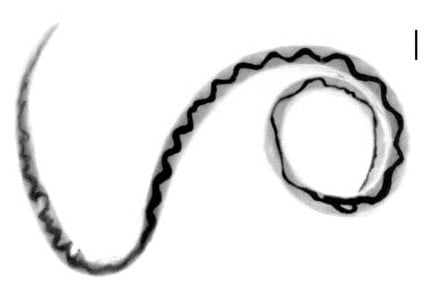
Adult female worms display a characteristic barber-pole appearance. © John F. Lindo
Since its discovery in present-day Guangzhou, A. cantonensis has been found across Southeast Asia and the Pacific Islands, Latin America, Australia, and warm, humid parts of the United States such as Hawaii, Florida, and the Gulf Coast. The parasite travels inside slugs, snails, and rats that are inadvertently brought across seas and borders as food and other goods are shipped. All three groups of species have highly invasive representatives–rats are invasive worldwide, and A. cantonensis has been hitching rides on invasive snails and slugs throughout North and South America.
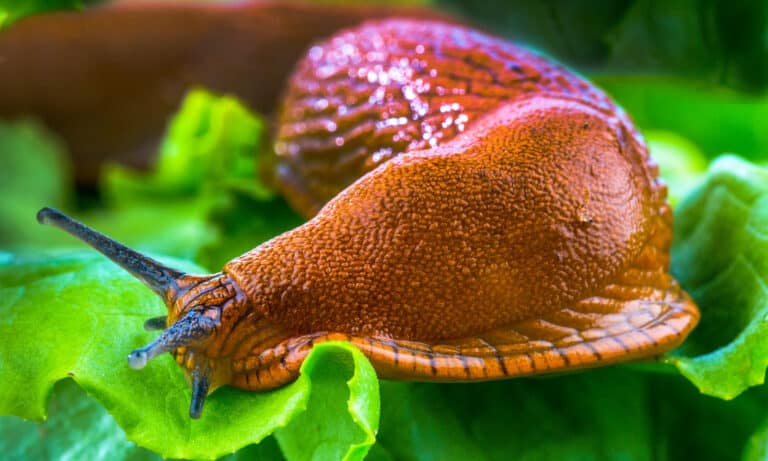
The international pet trade plays a part, too. Giant African land snails (Achatina fulica) and apple snails (Pomacea) are popular worldwide, the former as a pet and the latter as a cleaner animal for aquarium owners. Studies have shown these species to be highly efficient hosts of A. cantonensis. Climate change is making the world a more hospitable place for the parasite’s primary and intermediate hosts, too; rats, snails, and slugs thrive in a warmer world.
A. cantonensis is finding human hosts even in areas where snails and slugs aren’t a part of the local diet. For one thing, A. cantonensis can take advantage of paratenic hosts: if a slug or snail carrying the nematode is eaten by a frog, freshwater fish, or crustaceans like freshwater prawns, it can reside–but not fully develop– inside these host animals, also called transport hosts. These animals can be a place for the parasite to accumulate before it reaches its definitive host, or dead-end hosts like humans.
Preventing Exposure
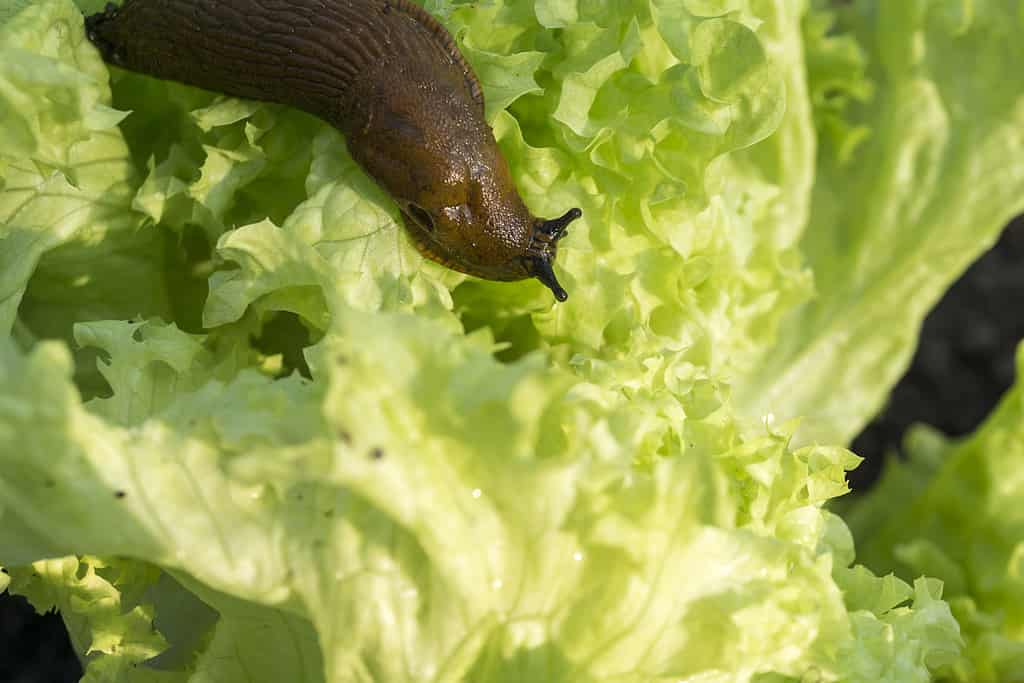
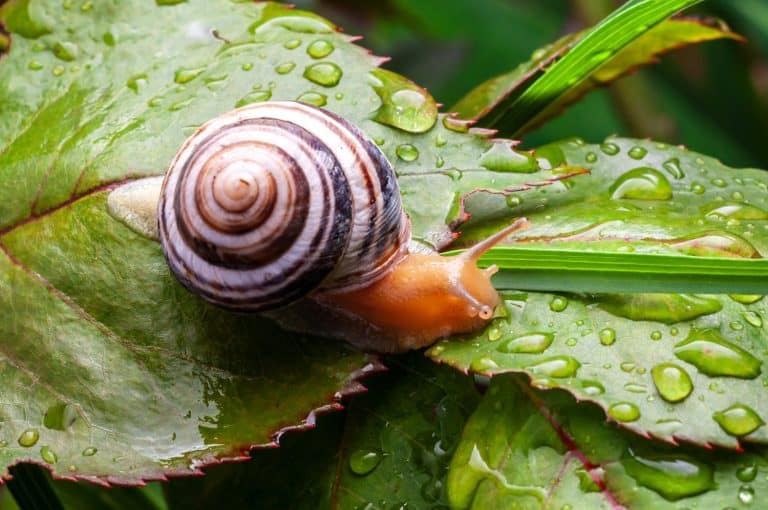
Many human cases of rat lungworm have been traced to people consuming produce contaminated with snails or slugs.
©gabort71/iStock via Getty Images
Slugs and rats aren’t going away anytime soon, so knowing how to avoid contact with A. cantonensis is crucial. The most common route of infection in humans is the consumption of unwashed produce, especially lettuce. Even a small and easy-to-miss slug or snail can contain a dangerous parasite load. The parasite can also be contracted through its paratenic hosts, so freshwater prawns, frogs, crayfish, snails, and crabs must always be cooked to the required 165° F (74° C).
Unfortunately, there is no simple test for A. cantonensis. Initial testing involves testing cerebrospinal fluid for eosinophils, a type of specialized white blood cell produced by the body when it is fighting a parasitic infection. This gives the arising condition its name, eosinophilic meningitis. To confirm the presence of A. cantonensis, fluids are tested for the nematode’s DNA. Corticosteroids and deworming drugs are used as a first line of treatment.
The good news is that human infection with rat lungworm is still exceedingly rare–most of what we know about the parasite comes from veterinary studies, as dogs are much more commonly infected. Around 10 cases are discovered in the U.S. every year, mostly in Hawaii, where the parasite is found in 20-50% of snails and slugs. 7,000 cases have been documented since the disease was first found in humans. Governments around the world are tracking the spread of A. cantonensis by monitoring gastropods.
Though many experts are concerned that rat lungworm could become more problematic in a more interconnected world with a warming climate, prevention doesn’t require anything new: cleaning produce and cooking foods above 165° F is a recommended practice to prevent a wide variety of other pathogens. For dog owners, look out for hind leg weakness and sensitivity to touch, especially around the head or neck, especially if you think your dog has eaten snails or slugs recently.