
Quick Take
- Fossil bones in a Dominican cave reveal the earliest known bees nesting inside natural bone cavities.
- Bees reused tooth sockets and hollow bones as ready-made brood chambers.
- This rare behavior likely evolved due to limited soil in harsh limestone terrain.
- The discovery highlights surprising adaptability and ecological chain reactions across species.
Thousands of years ago, an owl’s messy leftovers became prime real estate for some very determined bees. Deep inside a cave on the Caribbean island of Hispaniola, burrowing bees turned fossil bones into ready-made nursery chambers, leaving behind the first known fossil evidence of bees nesting inside natural cavities in bones. The discovery does more than add a weird twist to bee behavior. It shows how animals can bend their normal habits when a tough landscape forces them to get creative.
A Cave Stuffed With Bones and Clues
The story begins in Cueva de Mono, a cave in the southern Dominican Republic that once served as a long-term dining room for giant barn owls. These big night hunters carried prey like hutias, which are stocky Caribbean rodents, back to the cave again and again. Over many generations, their leftovers piled up as skulls, jaws, vertebrae, and other bones mixed with fine, clay-rich silt on the cave floor. The cave slowly turned into a natural bone archive.
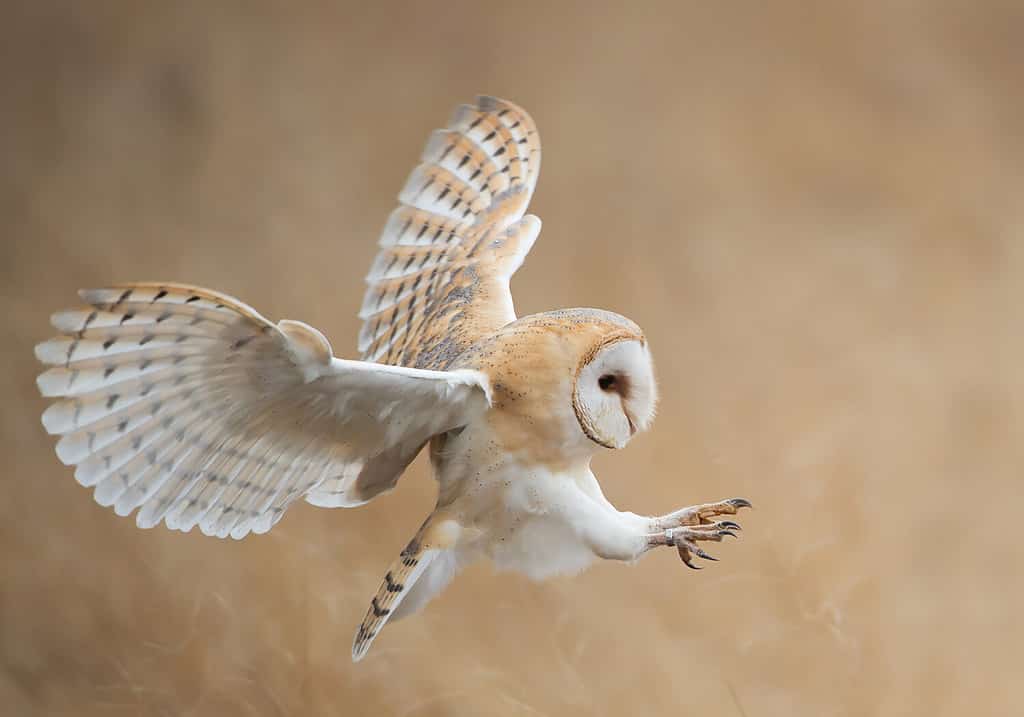
Barn owls brought their kills to the cave, leaving thousands of bones behind.
©MZPHOTO.CZ/Shutterstock.com
When paleontologists from the Florida Museum of Natural History excavated the site, they uncovered thousands of hutia fossils, along with bones from other animals, all layered in the cave sediment. The sheer number of remains showed that owls had used the cave as a feeding site for a very long time.
A Smooth Cavity That Changed Everything
While cleaning hutia jawbones from the cave, researcher Lázaro Viñola López noticed something odd inside one empty tooth socket. Instead of the usual rough texture of bone, the inner walls looked smooth and polished. That detail set off alarm bells. In the past, he had seen insect cocoons preserved with dinosaur fossils, so he suspected the strange material might be an ancient nest.
At first, the team thought they had found wasp nests, because wasps sometimes build in sheltered cracks. But when they compared the structures to known ichnofossils—trace fossils of behavior like burrows and nests—the textures did not match. Wasp brood cells can resemble bee cells, but these structures had smooth inner walls more consistent with bee brood cells, which are often finished with an organic waterproof lining. That smooth lining, together with the cells’ size and shape, indicated that the trace maker was more likely a burrowing bee than a wasp.
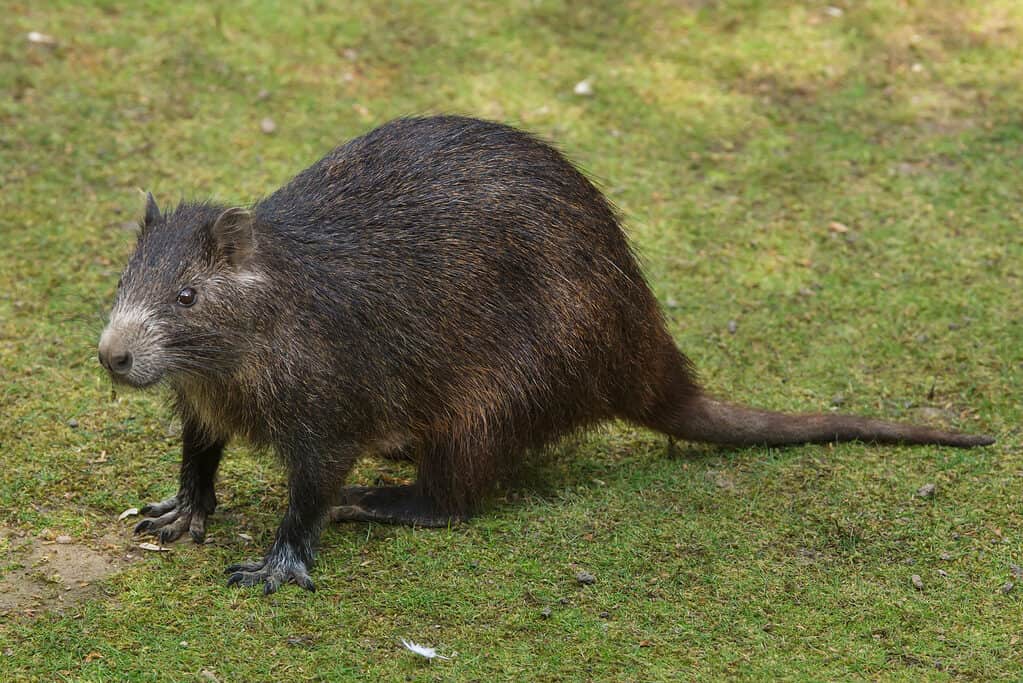
Some of the bones in which the nests were found belonged to hutias, Caribbean rodents.
©iStock.com/wrangel
Bees That Reused Ready-Made Bone Cavities
Once the team recognized the builders as bees, they took a closer look at the fossils and CT-scanned promising bones. They found that bees had nested in several types of fossil cavities, not just a single jaw. Many nests sat inside the tooth sockets, or alveoli, of hutia mandibles, where teeth once anchored into the bone. Others appeared in the canal of a hutia vertebra and in the pulp cavity of a fossil sloth tooth, a hollow space that had held blood vessels and nerves.
Instead of excavating deep new tunnels, the bees dug short passages through the cave silt and then slipped into these natural openings in the bone, treating them like prebuilt rooms. Some alveoli contained multiple generations of nests stacked inside each other like Russian nesting dolls, showing that bees returned to the same tiny chambers again and again instead of starting from scratch each time. Researchers dated the bones to roughly 20,000 years ago, during the Late Pleistocene epoch. Temperatures in Hispaniola at the time were drier and more temperate than they are today.
What Species of Bee Did This?
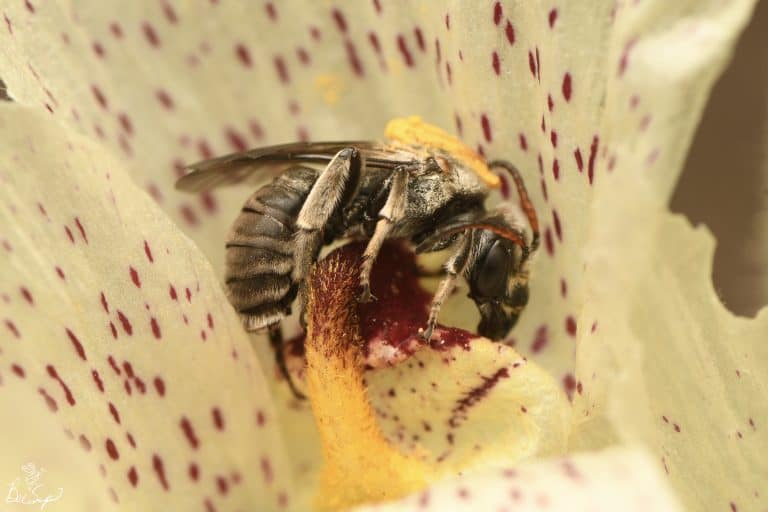
Because only trace fossils of the brood cells survived and no bee bodies were preserved, the researchers could not identify an exact species, but they concluded the trace maker was likely a medium-sized burrowing bee in the family Halictidae. This is a huge, varied family of mostly small “sweat bees” that nest in the ground and help pollinate many plants. Today, Halictidae is generally described as the second-largest bee family, with nearly 4,500 described species worldwide. They occur on every continent except Antarctica. Many species are attracted to human sweat, which is why people call them sweat bees.
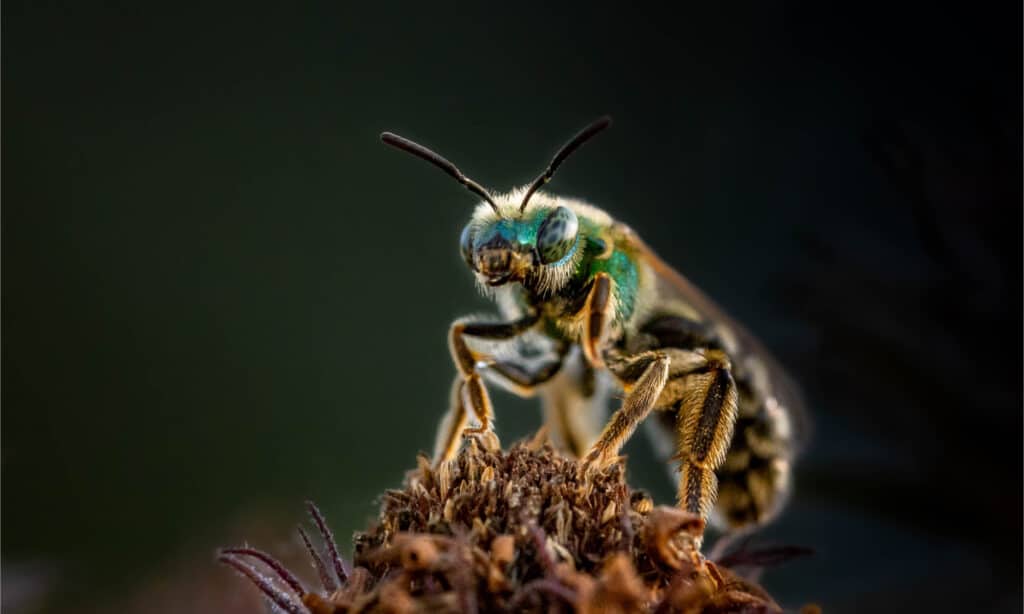
Green-headed sweat bees are found across North America today.
©d murk photographs/Shutterstock.com
Why This Behavior Is So Unusual
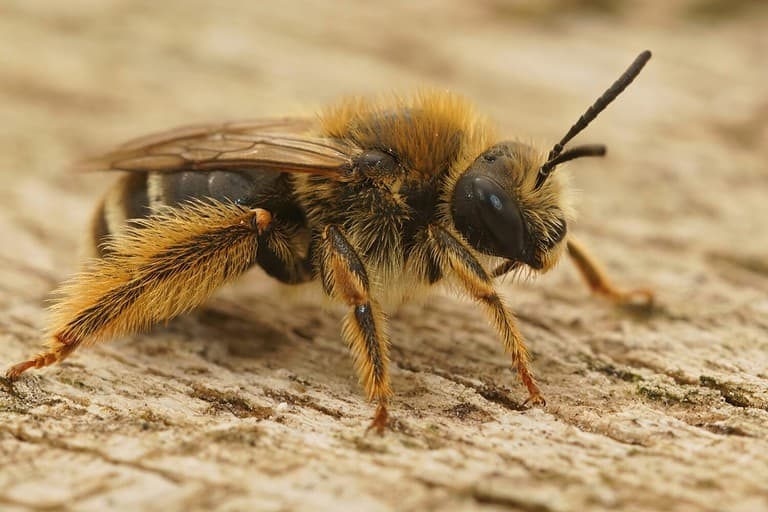
Most bee species are solitary rather than hive-forming, and many nest in the ground or in preexisting cavities such as hollow stems or wood. Even among burrowing bees, nesting inside caves is extremely rare, and using natural cavities in fossil bones had never been documented before this study. In almost every other known case, bees either dig their own tunnels in open soil or chew into softer materials to create brood cells.
Here, the bees did something new: they used bone spaces that already existed and lined them without reshaping the bone itself. That means the fossils preserve not just bones from long-gone animals but also tiny architectural decisions made by insects that lived thousands of years later. The find gives scientists a unique window into behavior that usually disappears without a trace once the nest collapses.
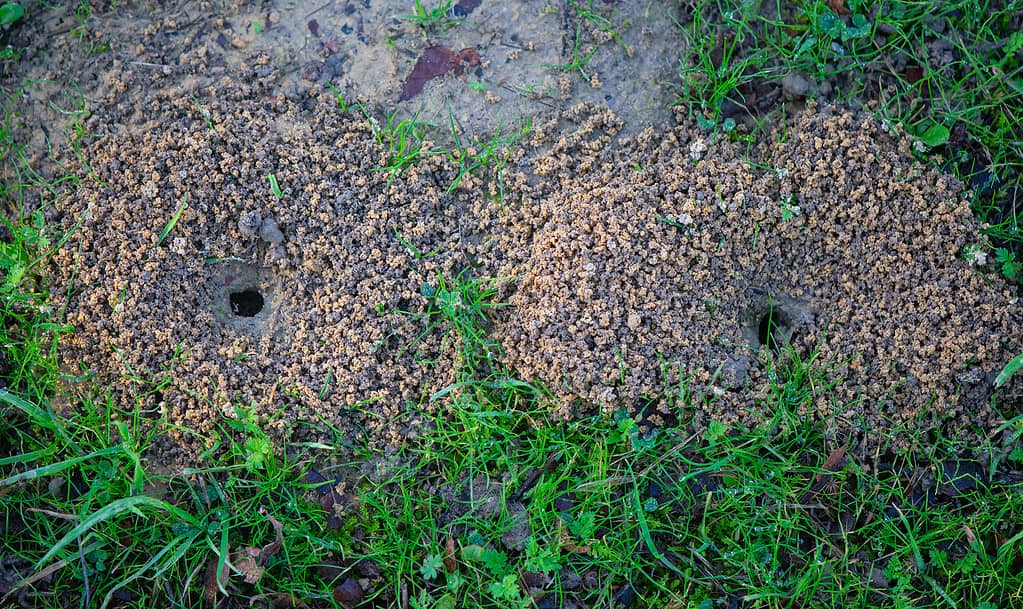
Ground-nesting bees, like these plasterer bees of the family Colletes, typically build their own tunnels.
©Diane N. Ennis/Shutterstock.com
A Harsh Limestone Landscape Forced Adaptation
To understand why bees ended up in a cave at all, the researchers studied the landscape around Cueva de Mono. Much of Hispaniola, including this area, is covered in jagged limestone karst. This kind of terrain tends to lose its topsoil as rainwater washes fine material into cracks and underground cavities. For burrowing bees that rely on stable, loose soil to dig nests, that creates a serious problem. The surface simply does not offer many safe places to raise young.
Inside the cave, however, things looked very different. Over time, water carried fine silt into sheltered pockets, forming compact but workable sediment that bees could tunnel into. The combination of soft cave sediment and abundant fossil bones created a rare set of nesting opportunities. Researchers think these conditions nudged the bees to move indoors, where they could start their tunnels in the silt and then expand into bone cavities that fit their brood-cell size almost perfectly.
From Owl Meals to Bee Nurseries
The fossils also reveal how tightly linked different species can become through simple chain reactions. Giant barn owls hunted hutias and other animals outside the cave, then brought them back to feed their chicks. Their feeding habits produced piles of bones and sometimes compacted pellets full of fragments, which slowly became part of the cave floor.
Long after the owls and some of their prey species, including Caribbean sloths, disappeared from the island, bees arrived to exploit the new habitat those bones helped create. They took the last step in a sequence that turned a feeding site into a nesting ground. As bees reused and relined the cavities across multiple soil layers, they left behind a vertical record of their presence. When paleontologists finally uncovered these bones, they were not just cataloging extinct mammals and birds. They were also tracing how insects had quietly reshaped a space built from leftovers.
Other Insects That Make Bones Their Home
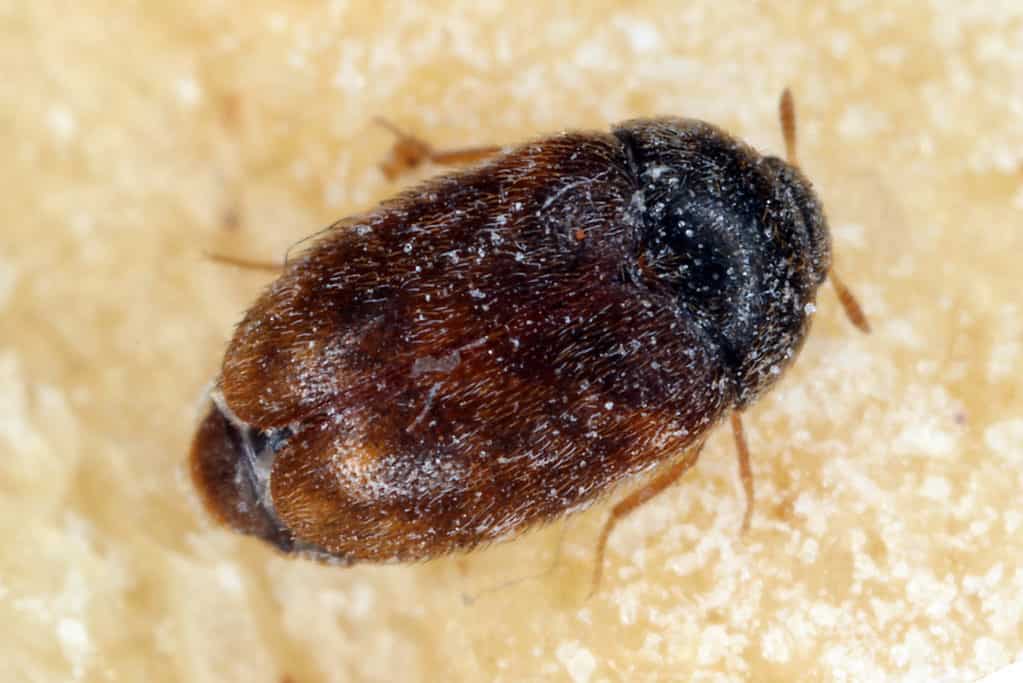
This khapra beetle is in the Dermestidae family, which lives and reproduces on carcasses and temporarily uses the bones in its life cycle.
©iStock.com/Tomasz Klejdysz
Other insects sometimes make bones their temporary home, though they use them differently. Dermestid beetles, for example, lay eggs on dried carcasses, and their larvae wriggle into cracks and hollows in bones as they eat leftover flesh and cartilage, occasionally pupating inside those spaces. Skipper flies and various scavenger beetles may also cluster, shelter, or mate on exposed skulls and skeletons late in decomposition. These insects treat bones as shelter and a food source, not as carefully lined nurseries. That contrast helps show why the Hispaniola bee nests stand out: they turned ancient bones from simple hiding places into long‑term, purpose‑built homes for developing young.
What These Tiny Nests Teach Us
The Cueva de Mono bee nests might be small, but the story they tell is surprisingly big. They show that even tiny animals can respond flexibly when their environment changes, shifting from typical open-ground nests to a cave full of bone hollows when soil becomes hard to find. The discovery also highlights the value of careful fieldwork and close observation; a single smooth tooth socket sparked a project that revealed a behavior scientists had never seen before in the fossil record. For readers, these bone-filled bee nurseries offer a memorable reminder that nature rarely follows a single script. When conditions get tough, creatures often find inventive ways to survive—even if that means turning an owl’s leftovers into the perfect place to raise the next generation.