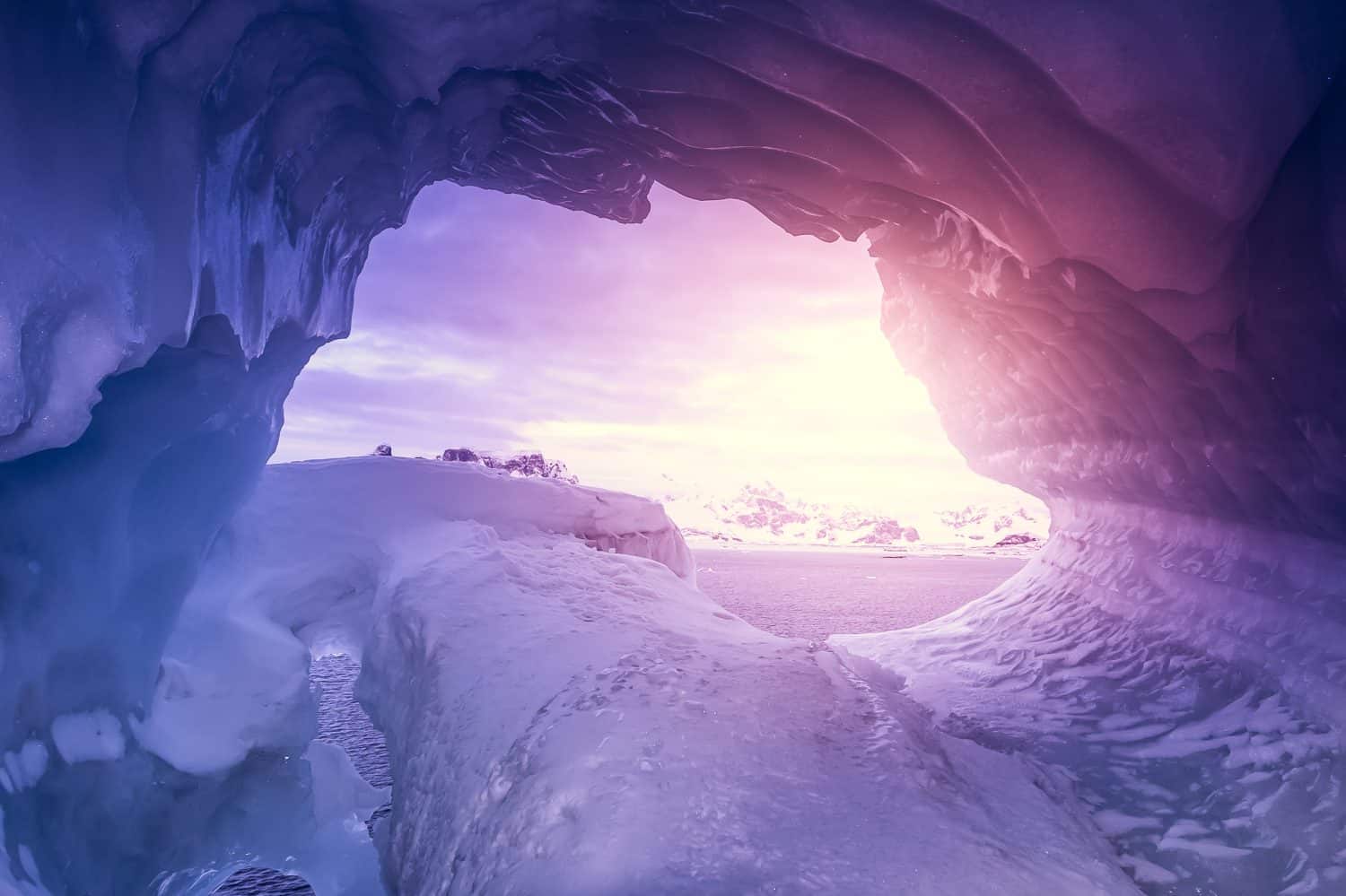

Most of what is known about the Ice Age comes from evidence found at the end of the era. Unfortunately, fossils from much earlier periods are rare, as preservation has long been an issue. Additionally, geological and environmental changes have hidden fossils from this time period, making them difficult to uncover. However, thanks to an accidental drill into a karst cave, an unbelievable animal discovery was made in an Arctic cave. This discovery may help to fill the gaps of the earlier portions of the Ice Age, about which scientists still know very little.
Arctic Cave Reveals Animals That Have Remained Undisturbed for 75,000 Years

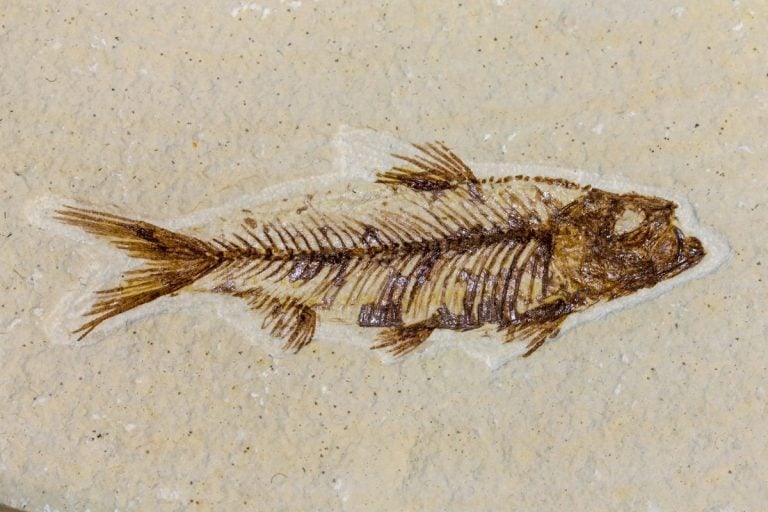
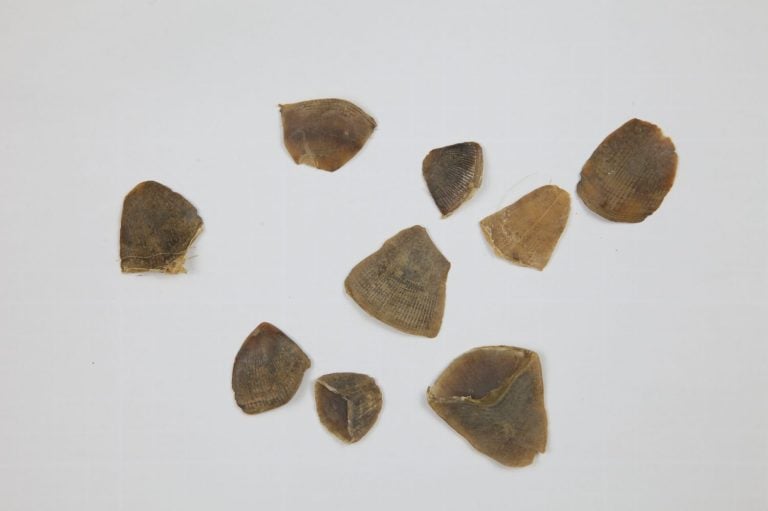
Thousands of fossils, like these, were found in the Arne Qvamgrotta cave in the Arctic.
©krugloff/Shutterstock.com
A cave in the Arctic region of Norway has held secrets for over 75,000 years. Those secrets were discovered in 2021 and 2022 when scientists put together an expedition to explore a karst cave that had been found decades before.
Within the confines of the cave, named Arne Qvamgrotta, a treasure trove of fossils had been covered in silt and debris over the tens of thousands of years. While scientists expected to find some fossils in the cave, they did not anticipate that their discoveries would reveal so many unknown secrets about the Arctic, especially since fossils from that timeframe are generally not preserved. What scientists found were fossils that dated back 75,000 years ago. In total, there were 6,000 bone fragments from 46 different types of animals. These animals were mammals, fish, and birds. Some of the animals that scientists discovered included:
- Third-oldest polar bear ever discovered
- Walrus
- King eider
- Arctic grayling
- Atlantic cod
- Puffin
- Reindeer
- Arctic fox
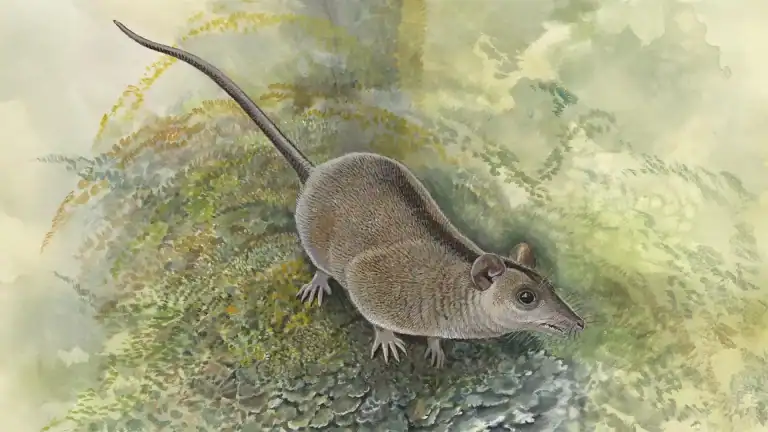
What was most exciting for the scientists was the discovery of a now-extinct collared lemming that had never before been seen in Scandinavia. These animals are a far cry from what is typically found during the Ice Age, with the woolly mammoth most often coming to mind. The animals in the cave required warmer weather to survive. As the Ice Age became colder, these animals were unable to migrate and eventually became extinct.
Arne Qvamgrotta Cave Was Discovered in the Early 1900s
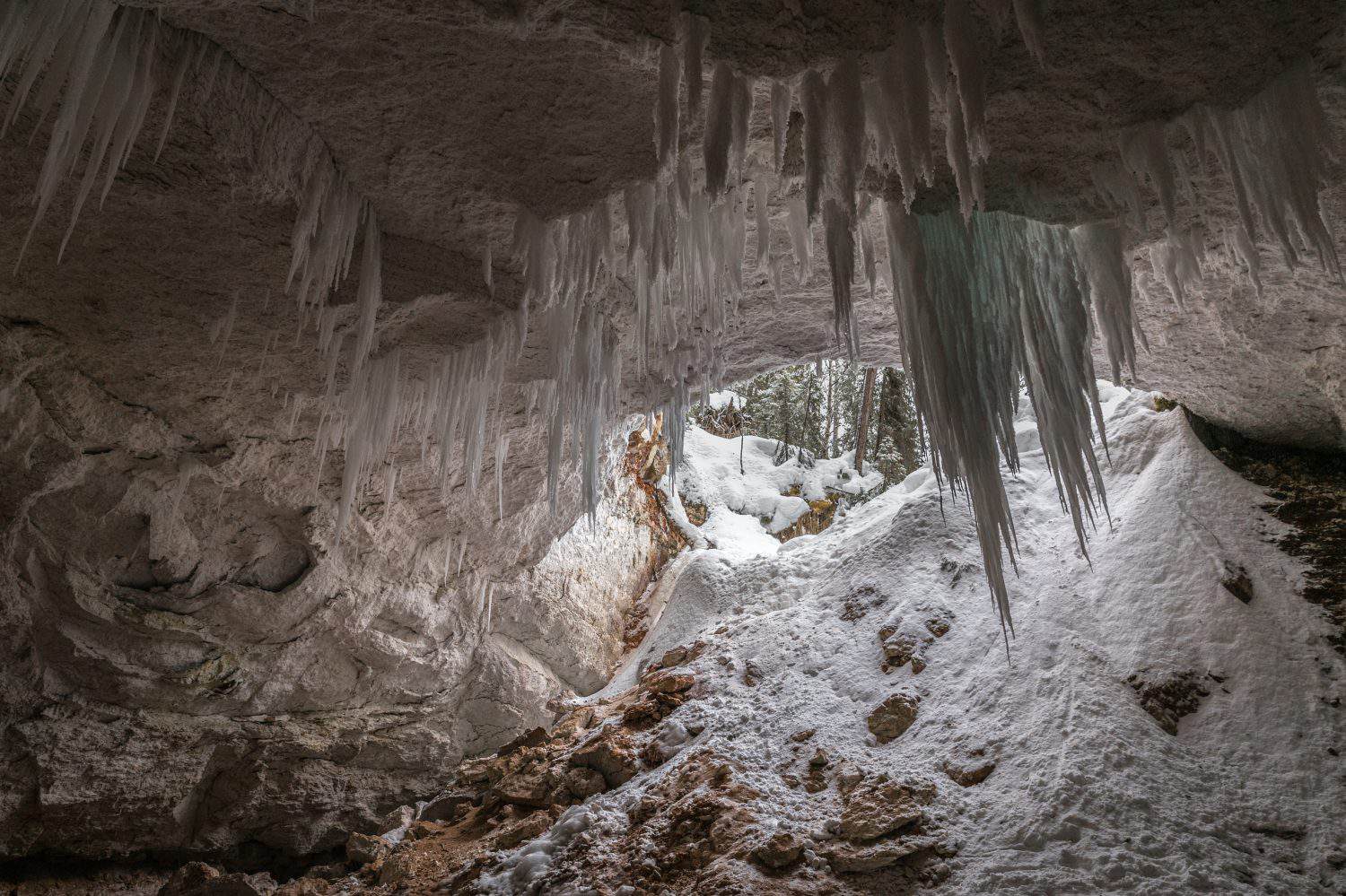
A karst cave, similar to this one, was accidentally discovered in the 1990s, only to be found to hold a massive number of fossils decades later.
©Fotoksa/Shutterstock.com
Arne Qvamgrotta cave was discovered over 30 years ago. A mining company found it by accident as they were boring through another mountain in the Arctic Circle. But even as the cave was found, not much was thought about it, given the number of karst caves in the area. Karst caves are created as limestone is eroded underground by water. In some instances, there will be underwater streams or sinkholes formed in addition to the caves. In the case of Arne Qvamogrotta, there is no obvious water source, which likely saved the fossils found there from eroding further.
Despite the cave being found in the early 1990s, it was not until 2021 that a scientific research team from the University of Oslo returned to Arne Qvamgrotta to study the sediments there and collect any fossils. The fossils that were collected after months of digging were far older than scientists had anticipated. Consequently, much more has been learned about the animals that lived during the Ice Age in the Arctic 75,000 years ago.
Bones Discovered Dated Back to the Warmer Periods of the Ice Age
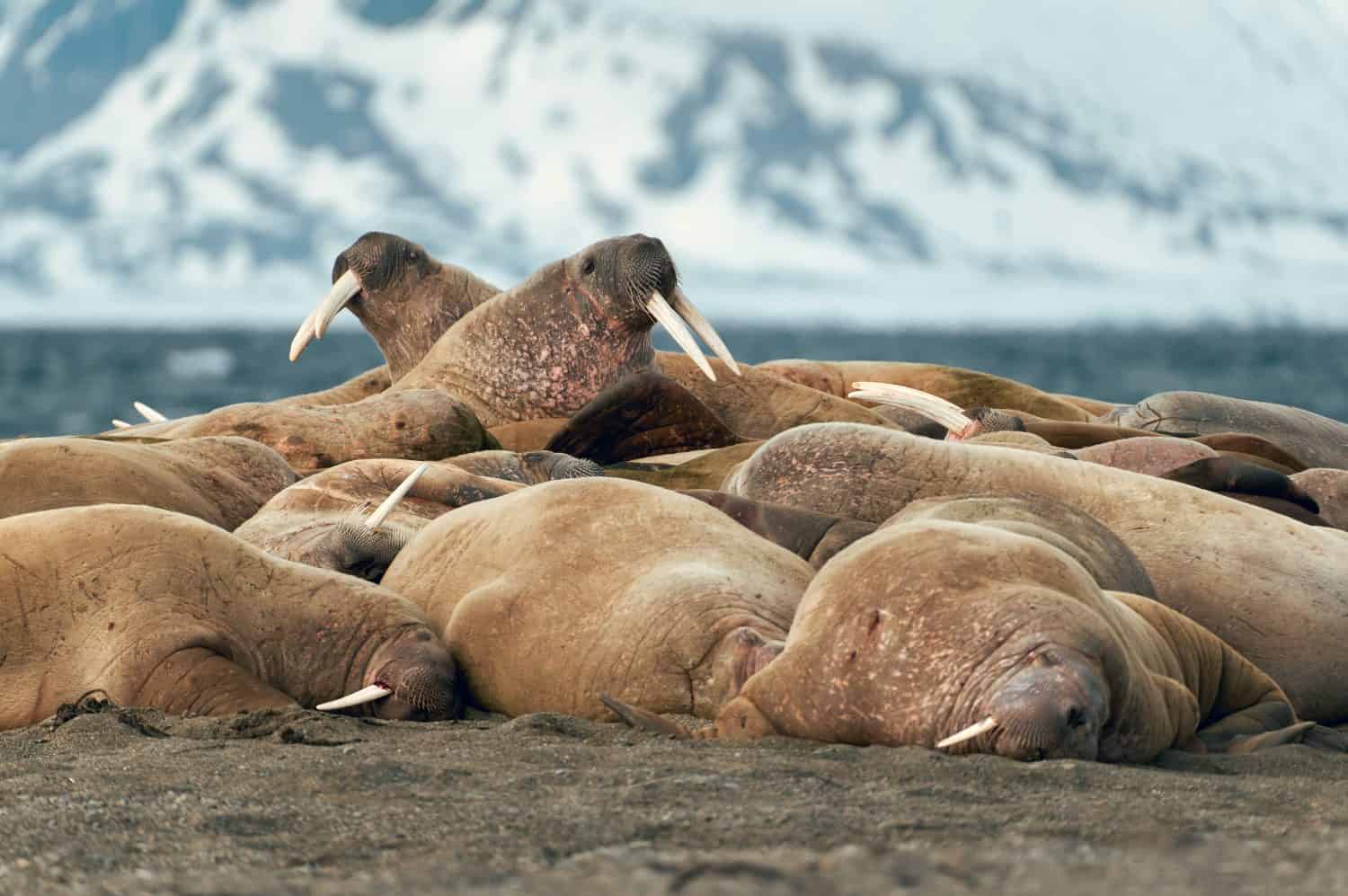
Walruses, like these, were alive and thriving during the warmer part of the Ice Age.
©Jiri Soural/Shutterstock.com
Very little is known about the Ice Age, given how little has been preserved over time. Consequently, the most reliable information from the time is generally 10,000 years old. This has led to large gaps of information that may be better understood with the discovery of the bones in the Arne Qvamgrotta cave. According to Professor Sanne Boessenkool of the University of Oslo and co-author of the study, the finding of the bones in the Arne Qvamgrotta cave gives a snapshot of at least what one portion of the Arctic was like as the Ice Age transformed thousands of years ago.
“We have very little evidence of what Arctic life was like in this period because of the lack of preserved remains over 10,000 years old,” Boessenkool explains to EurekAlert. “The cave has now revealed a diverse mix of animals in a coastal ecosystem representing both the marine and the terrestrial environment.”
The environment in the Arctic 75,000 years ago was ice-free and had freshwater lakes and streams, according to researchers. While the Earth undergoes an ice age every 100,000 years or so, it is not yet known how long it took for the milder Arctic temperatures to drop and freeze the landscape again. What is known is that as the landscape froze, these animals were unable to migrate. Consequently, the animals were unable to survive the cold and eventually became extinct.
Descendants of Arctic Animals Were Unable to Survive the Ice Age
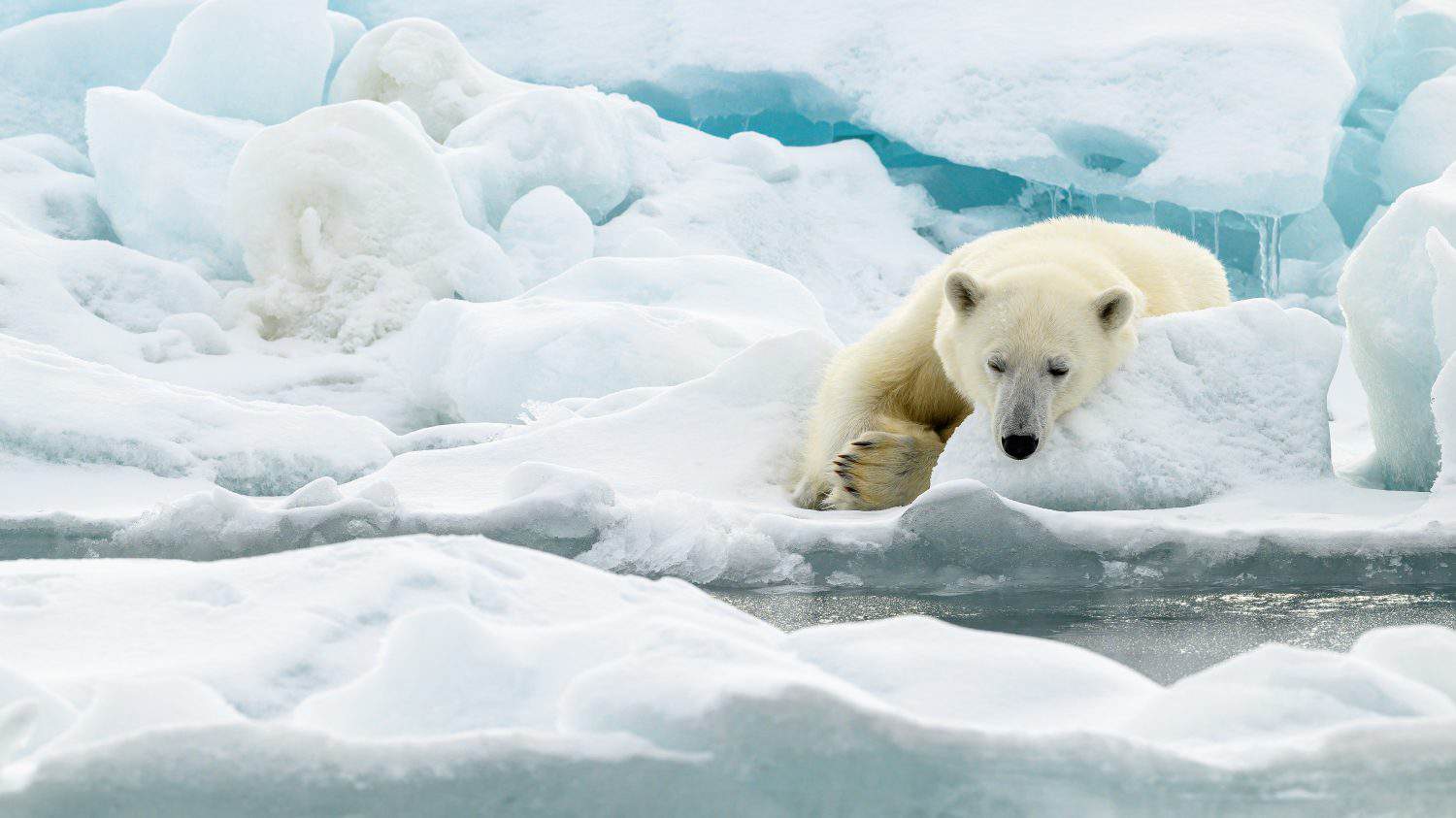
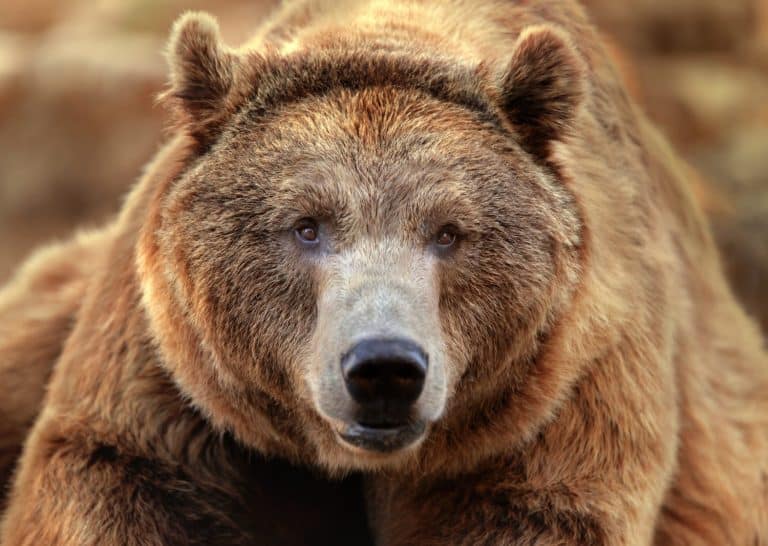
Polar bears, similar to this one, from the warmer portion of the Ice Age were unable to survive when the Ice Age got colder.
©Bjorn H Stuedal/Shutterstock.com
The discovery of the different species of animals in the cave was an exciting find. However, it was also a wake-up call that Arctic animals do not fare well with environmental changes, as there are no descendants of the animals found in the Arne Qvamgrott cave.
Of the 46 different species of birds, fish, and mammals identified by their bones in the cave, none survived as the Ice Age transitioned from a warmer climate to freezing temperatures. This meant that entire species or sub-species were lost forever as the Arctic conditions fluctuated. According to first author of the study, Samuel Walker of Bournemouth University, these now-extinct animals provide critical information about how animals in the Arctic adapt to climate change.
“These discoveries provide a rare snapshot of a vanished Arctic world,” Walker explains to EurekAlert. “They also underscore how vulnerable cold-adapted species can be under changing climate conditions, which can help us to understand their resilience and extinction risk in the present.”
This is important to note, as conditions in the Arctic have been changing at a rapid rate due to climate change. This time, however, it is not the Arctic getting colder that is causing the problem. The problem comes from the fact that it is warming and warming at a rate that is detrimental to the animals that call the region home.
What the Discovery Means for Migratory Animals in the Arctic Today
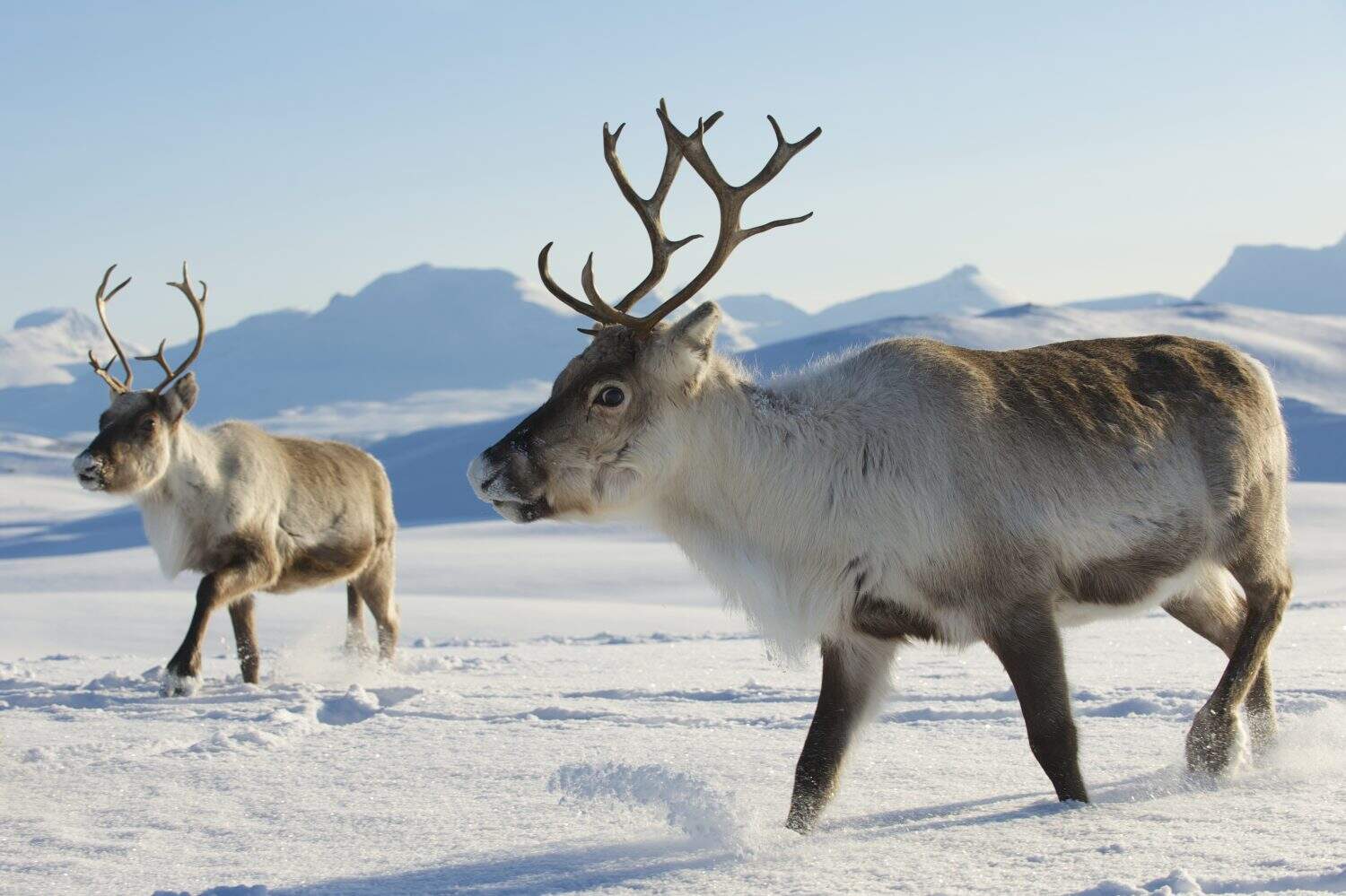
Caribou and other migratory animals in the Arctic are changing their traditional migratory patterns because of climate change, making the environment warmer.
©Dmitry Chulov/Shutterstock.com
The animals discovered in the Arne Qvamgrotta cave were unable to migrate as conditions got colder in the Arctic. The animals living in this remote area today are also finding difficulties with traditional migration patterns. This is not from the temperatures plummeting in the region, however. It instead has to do with the Arctic becoming too warm.
The Arctic is warming at a rate four times faster than the rest of the world. The ice that animals rely on not only for hunting but for migration is disappearing at an alarming rate. Consequently, animals have had to change their migratory patterns in terms of both where they migrate and when. But migration is not the only thing affected by the rising temperatures. The timing of when animals breed and how and where they forage has been impacted as well.
A 2020 study published in Science reviewed the migratory movements of 86 different species of animals in the Arctic over three decades. Everything from the arctic fox to caribou, golden eagles, bowhead whales, and more has been negatively affected by increasing worldwide temperatures. Most notable is the population decline of these animals.
According to Gil Bohrer, the leading author of the study, the change in temperature is creating a “large imbalance” in the Arctic.
“There are changes everywhere you look — everything is changing,” Bohrer explains to CBC. “When you see the big picture, it’s kind of scary that everything’s changing — so many different aspects … every component of the system is changing in a different way. We’re going towards a large imbalance, I think.”
To make matters worse, it is not only the summer that is shifting in the Arctic. The winters are no longer as cold, which has further changed the landscape and animal populations alike.
The Arctic Is No Longer Frozen in the Winter
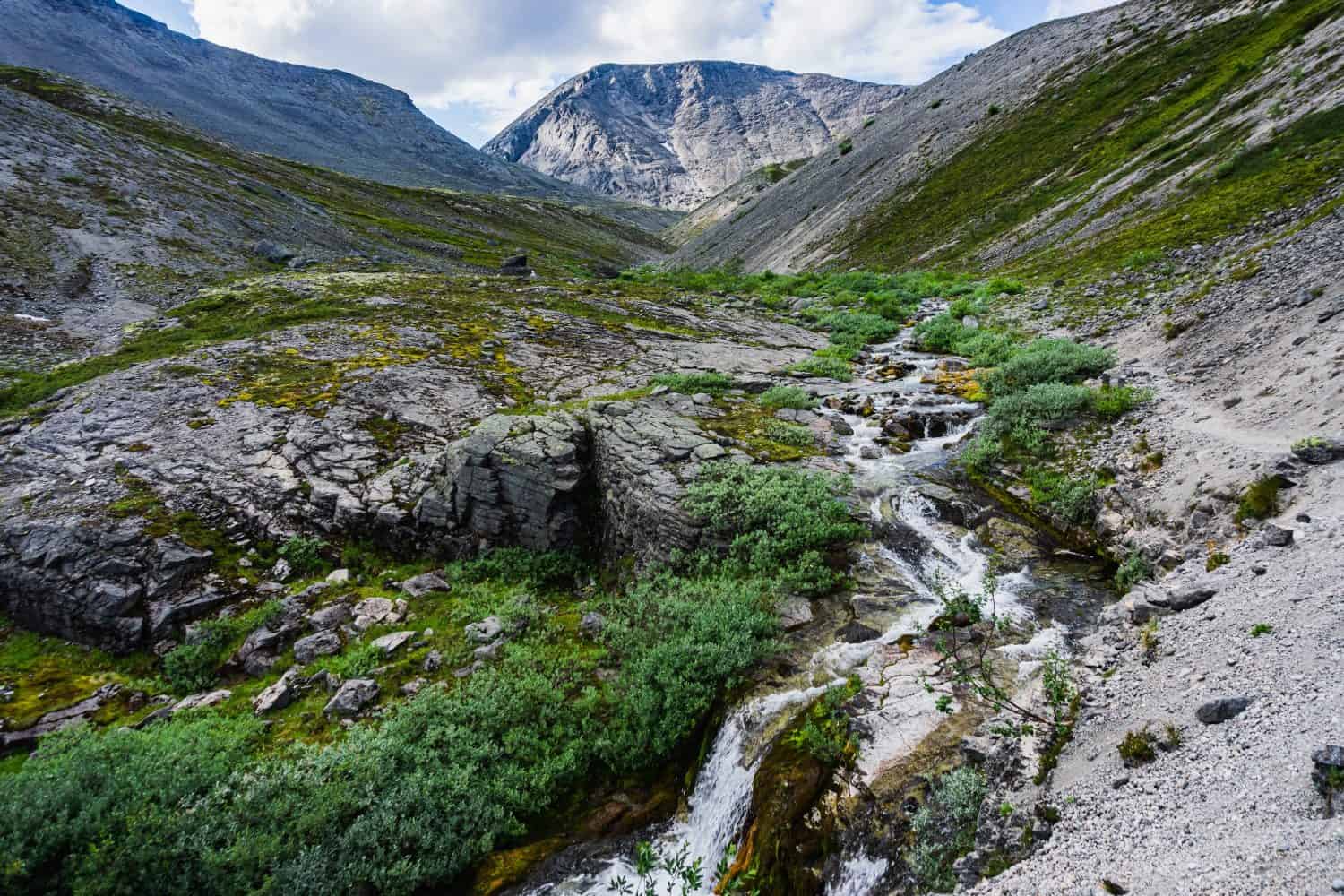
The Arctic is no longer frozen by the time summer rolls around.
©Digital Photo/Shutterstock.com
Wintertime in the Arctic is cold. It was so cold in the past that the region remained below freezing temperatures for the season. However, according to a 2025 study published in Nature Communications, this is no longer the case. Consequently, the region and soon the rest of the world will be suffering for it. It has always been taken for granted that the Arctic would be cold during the winter. The ground as well as the waterways would be frozen. But as researchers discovered in early 2025, the Arctic, as it was once known, is no longer.
Instead of snowpack covering the Arctic, it is now covered by ice formed from rain, not snow, falling during the winter. Rain is problematic because when it freezes, it turns to ice. The ice then covers the vegetation that the animals, specifically the caribou, need to forage on. When there is not enough food, the animals starve. Rain also causes the ground to thaw, allowing once-dormant microbes to become active. As this happens, more greenhouse gases are released into the atmosphere. This creates a cycle of further warming in the Arctic that is disastrous to both the animals and people who live there.
At the rate the Arctic is melting, it will likely not have any sea ice left by the summer of 2050. The call has been made to reduce carbon emissions, but change is not coming quickly enough. Without significant changes soon, the Arctic is destined to follow the same fate it did 75,000 years ago, when a multitude of animals went extinct due to their inability to adapt to environmental changes in the region.