
Quick Take
- Rats do laugh, but there is a reason humans have never heard it. Hear why humans can't →
- When the tickling stops, rats do something unexpected, and this behavior is the strongest proof that they actually enjoy it. See the surprising behavior →
- One brain region decides whether a rat laughs or not, and its role turns out to be more surprising than you would expect. Explore the brain region →
- Tickling changes how rats treat each other, and the social ripple effect is difficult to explain away. See the social effects →
Rats are used for experiments of all sorts. Whether it’s testing behavior or chemical reactions, they have been beneficial for scientific developments. One of these tests looked at what happens when the rodents are tickled, and the results are much more interesting than you might think. This YouTube video from National Geographic discusses the fascinating details.
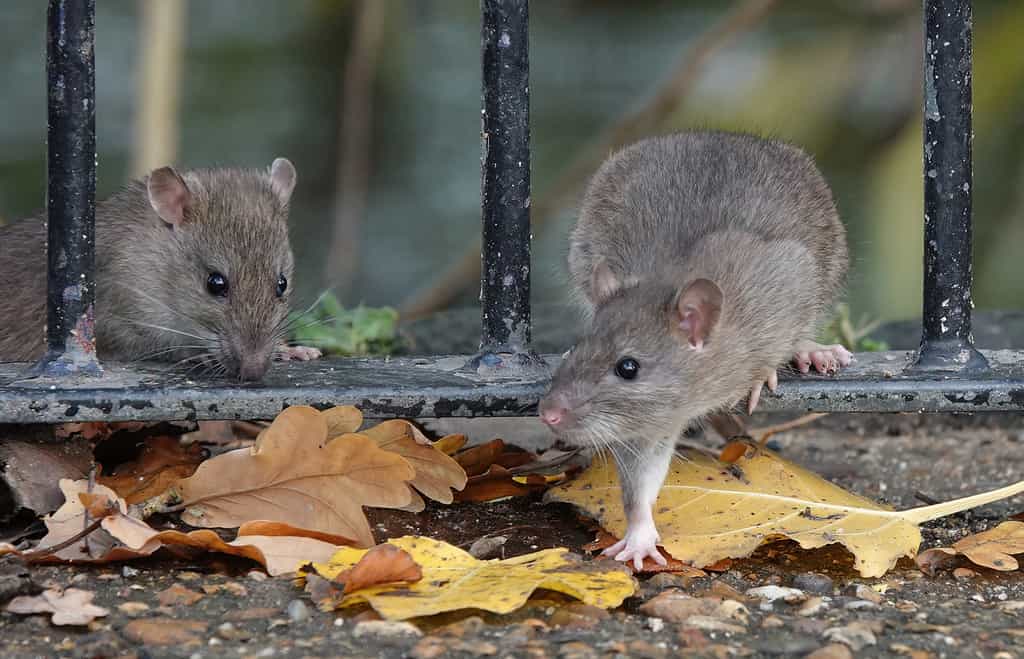
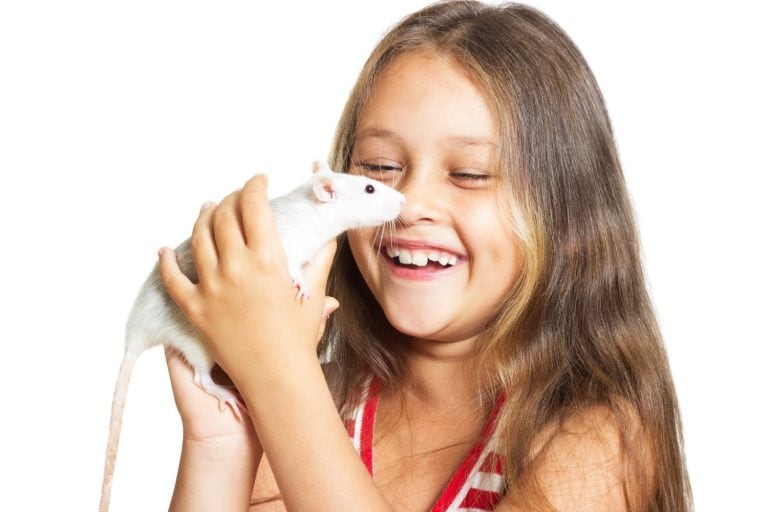
After tickling, rats become more social with other rats, and often engage in play.
©Nigel Harris/iStock via Getty Images
Do Rats Laugh When Happy?
Science sometimes chooses the cutest things to study, and in this case, it was whether rats laugh when tickled or not. This video above is a great look at this in-depth study. So, do rats really laugh when they’re tickled? The answer is most likely yes, just not in the same way that humans laugh. When tickled, like in the video above, they produce a high-pitched vocalization at roughly 50 kilohertz. This is far above the range of hearing for humans, so researchers needed a special microphone to listen.
Researchers refer to the vocalizations as laughter-like because they often occur under the same circumstances that human laughter does. This includes during playing, interacting with other rats, or during tickling. Interestingly enough, tickling can be fun for the rats. These highly intelligent animals enjoy playing with other rats, engaging with toys, solving puzzles, and exploring new environments. Tickling is another way they engage in play.
Just like humans, not all rats will like to be tickled, as it can raise stress. But evidence has shown that most may enjoy it! One of the strongest pieces of evidence is that they often go back for more. On multiple occasions, when the experimenter stopped tickling the rat and moved his hand away, the animal ran after the experimenter’s hand! They may also engage in more solitary play afterward, and research suggests a neuronal link between tickling and play behaviors, which ultimately indicates a level of enjoyment. This is not just a behavioral observation, but also a neural one. The somatosensory cortex, a region of the brain that processes touch, becomes active during tickling. It is this part of the brain that responds to tickling and determines whether the rat will laugh or not.