
Quick Take
- Entanglement in fishing nets and habitat loss are the greatest threats to dolphins.
- River dolphin populations are severely fragmented due to the building of dams.
- Some subpopulations of dolphins are at serious risk of extinction.
- It is possible that the baiji river dolphin is already extinct.
There are around 40 species of dolphins alive today. They are found all over the world and live in both freshwater and marine habitats. However, although many species are thriving with populations in the thousands, some species are not as fortunate. Some dolphin species face threats such as fishing and habitat loss. This puts them at serious risk of extinction—and one species may already be extinct. So, keep reading to learn about the most endangered dolphins in the world!
Amazon River Dolphin
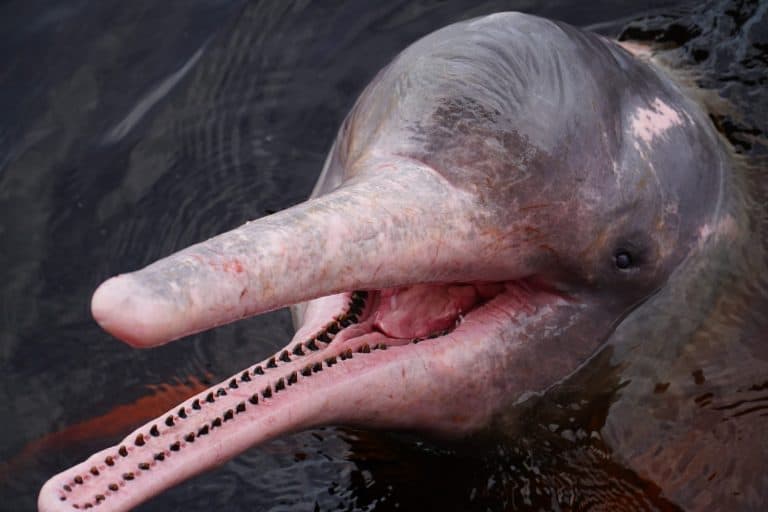
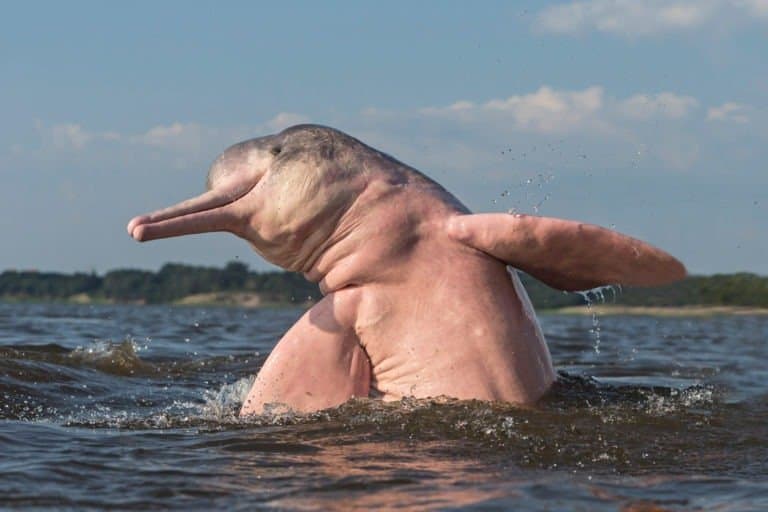
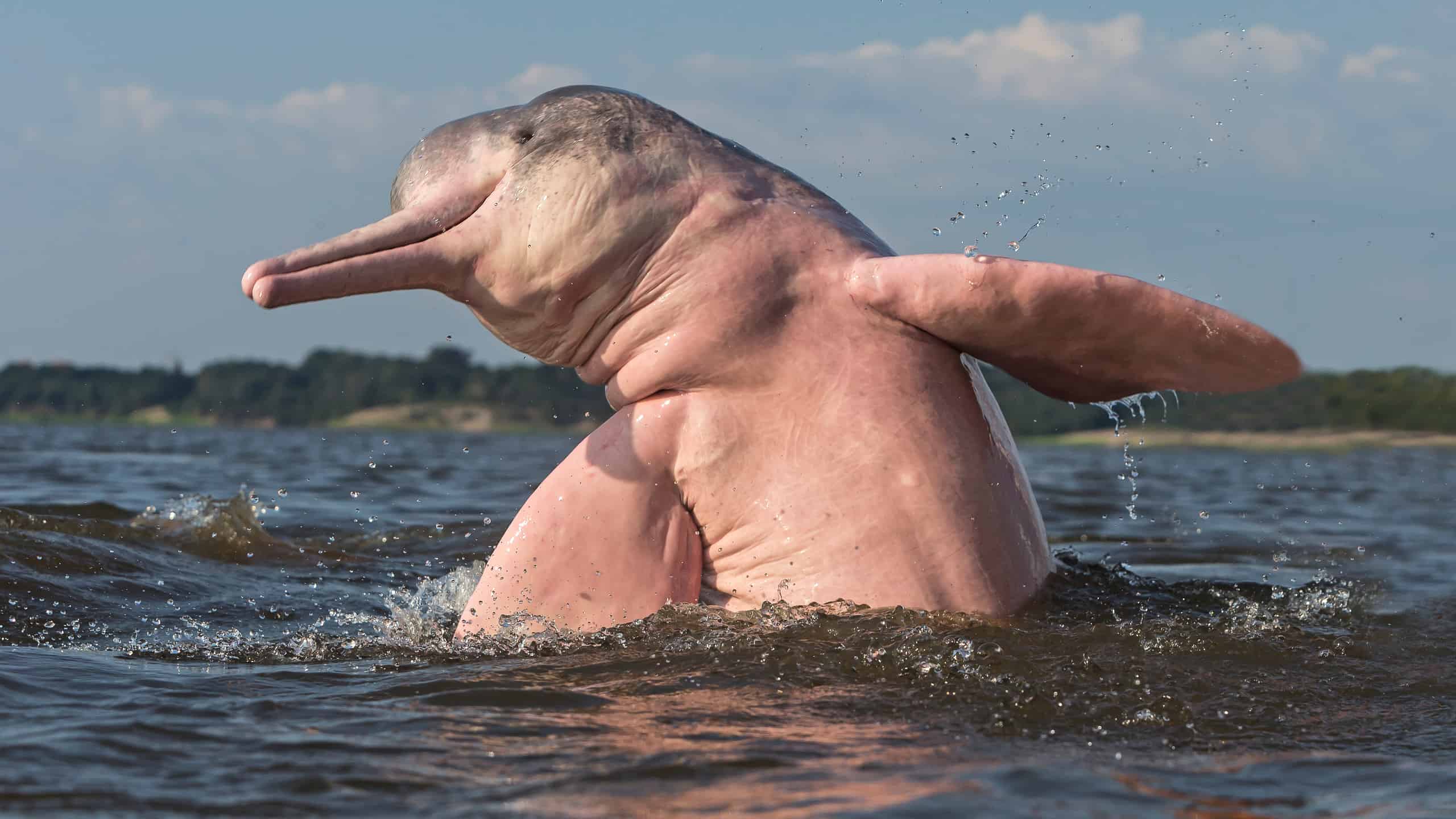
Amazon river dolphins (Inia geoffrensis) are also known as the pink river dolphin or the boto. They are the largest of the river dolphins, reaching up to 8.5 feet in length. They are famous for their appearance, as they turn pink as they age. Amazon river dolphins are classified as an endangered species, and their population is declining.
They live in the Amazon basin, and three subspecies are recognized—the Amazon river dolphin, the Bolivian river dolphin, and the Orinoco river dolphin—although populations are severely fragmented due to the building of dams. Incredibly, these dolphins have been known to swim through the forests during the rainy season when the rivers overflow.
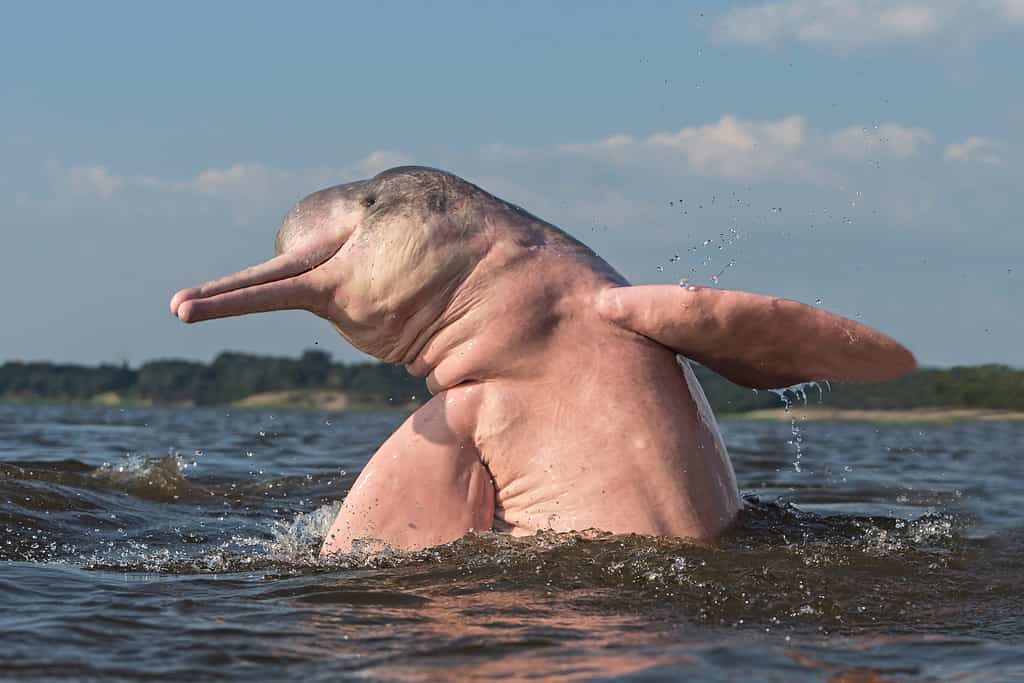
The population of Amazon River dolphins is declining.
©COULANGES/Shutterstock.com
Indian Ocean Humpback Dolphin
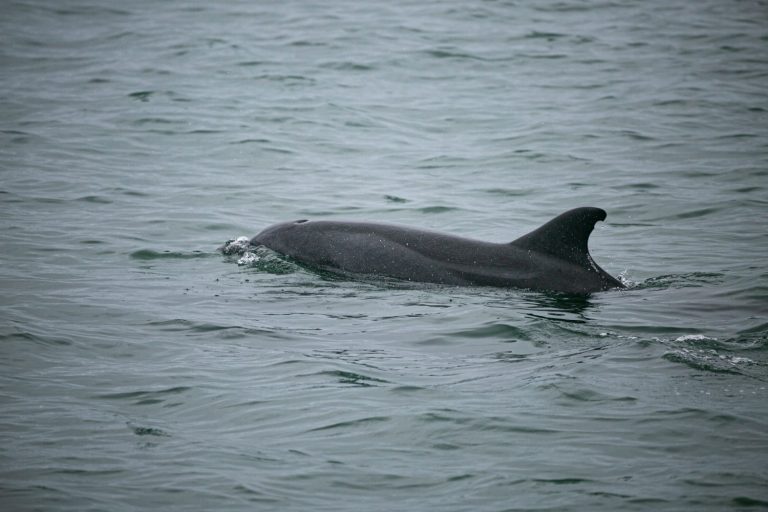
Indian Ocean humpback dolphins (Sousa plumbea) are medium-sized, ranging from about 6.5 to 10 feet long, and have a distinctive hump on their back, which gives them their name. They often live in small groups of up to 12 individuals, although larger groups have been observed. Indian Ocean humpback dolphins inhabit shallow coastal areas in the Indian Ocean, with most living at depths less than 82 feet.
As they live in shallow water near the coast, they are often in busy shipping and fishing areas. Although pollution and boat strikes are also threats, their main danger is being caught as bycatch in gillnets. Unfortunately, they usually either drown in the nets or are actively killed when found. As a result, their population is declining, and they are classified as an endangered species.
Tucuxi
Another dolphin classified as endangered is the tucuxi (Sotalia fluviatilis), which is a species of river dolphin living in the Amazon Basin. Tucuxis are fairly small, with most being less than five feet long. They often have a pinkish appearance on their belly, but their upper parts are grey. They typically live in pods of 10 to 15 individuals and prey on a wide variety of fish. Tucuxis face several threats, but drowning due to entanglement in fishing nets is the primary factor in their decline. Other factors include habitat loss and fragmentation from dam construction, as well as river pollution, which causes health issues.
Ganges River Dolphin
Another river dolphin under threat is the Ganges River dolphin (Platanista gangetica), which inhabits the Ganges River and its tributaries. Ganges River dolphins are approximately seven to eight feet long. They have a broad head, an elongated snout, and a rectangular dorsal fin. They live in very small groups—usually consisting of only two to four individuals—and prey on a wide variety of fish and crustaceans. A 2025 survey revealed that there are just 6,324 Ganges River dolphins left in India.
The majority live in the Ganges River, with 584 in the Brahmaputra and 51 in its tributaries. These populations are severely fragmented due to numerous dams being built in their historical range. Other factors contributing to their declining population and endangered status are pollution and entanglement.
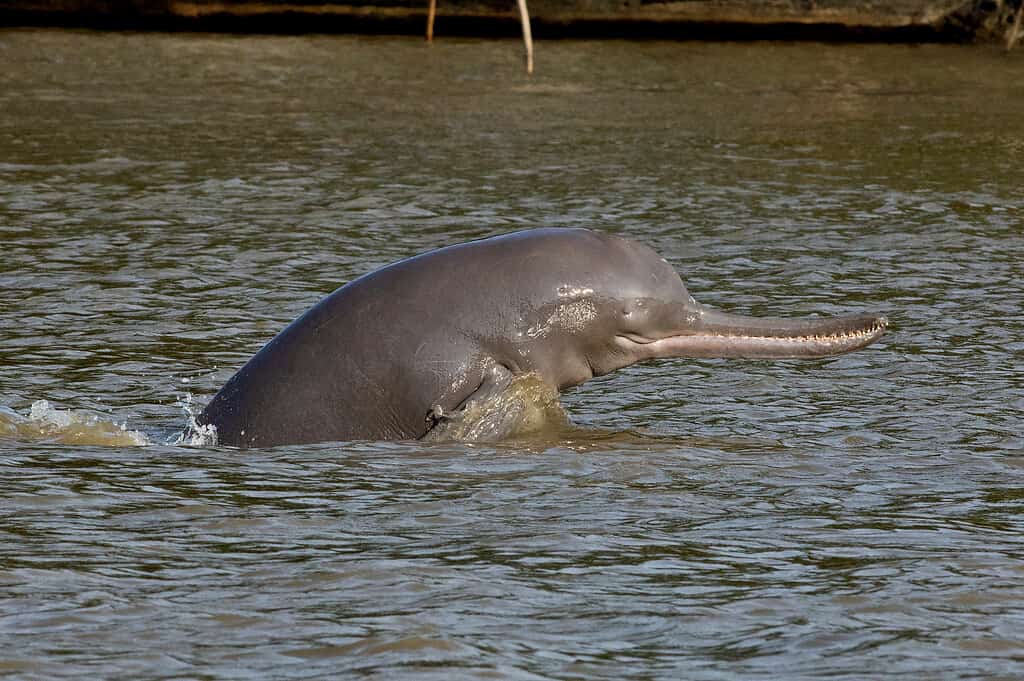
The population of Ganges River dolphins is seriously fragmented.
©Ranjan Barthakur/Shutterstock.com
Indus River Dolphin
Indus River dolphins (Platanista minor) are closely related to the Ganges River dolphin and were once classified as the same species. However, they have since been reclassified as separate species due to distinct genetic and physical differences. Indus River dolphins historically occupied more than 2,000 miles of the Indus River and its tributaries. However, today they inhabit only around 430 miles of it. Habitat loss due to dam construction is the leading cause of their decline, resulting in severely fragmented populations. There are fewer than 2,000 Indus River dolphins left today. This includes a very small and isolated population living in the Beas River, which is at high risk of extinction.
Hector’s Dolphin
Hector’s dolphins (Cephalorhynchus hectori) are an endangered species endemic to New Zealand, where they inhabit coastal waters at depths of up to 330 feet. They are among the smallest dolphin species in the world, reaching only 3 feet, 11 inches to 5 feet, 3 inches in length. Hector’s dolphins have a particularly blunt snout, without a prominent beak.
There are two subspecies of Hector’s dolphin: South Island Hector’s dolphins and Māui dolphins. The Māui subspecies is critically endangered and is found only along the west coast of the North Island. There are fewer than 55 mature individuals left. Based on sightings, their range appears to have decreased, and they are now only found between Maunganui Bluff and Whanganui. Entanglement in gillnets is the primary cause of decline for both Māui dolphins and the Hector’s dolphin species as a whole.
Atlantic Humpback Dolphin
One of the rarest species is the Atlantic humpback dolphin (Sousa teuszii), which is critically endangered. They inhabit the tropical and subtropical waters around western Africa, often in shallow waters less than 66 feet deep. Atlantic humpback dolphins reach just over nine feet long at maximum and have a distinctive hump near their dorsal fin.
Due to their preference for coastal waters, they have a higher chance of encountering fishermen. As a result, the risk of entanglement in fishing nets is high, and there have also been some reported cases of deliberate capture. They are also susceptible to illnesses caused by pollution of the water. It is estimated that there are fewer than 3,000 of these dolphins left in the world today.
Irrawaddy Dolphin
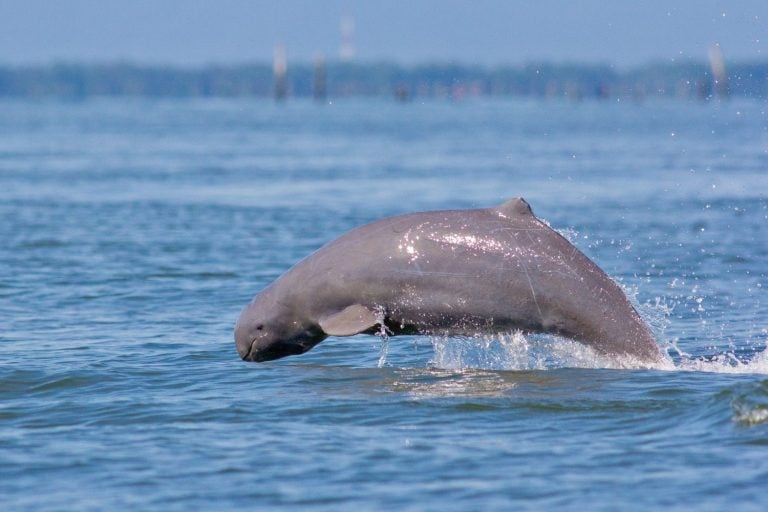
Another endangered dolphin is the Irrawaddy dolphin (Orcaella brevirostris), which inhabits brackish water in rivers, estuaries, and coastlines around Southeast Asia. Irrawaddy dolphins have a rounded forehead and lack a prominent beak. They also have a short dorsal fin. Irrawaddy dolphins usually live in small groups of fewer than six individuals and prey on a variety of fish and crustaceans.
Due to living in close proximity to shores, Irrawaddy dolphins tend to come into contact with humans fairly often, which can result in entanglement in fishing nets. This is the main threat that they face. However, habitat loss from river dams also contributes to population fragmentation.
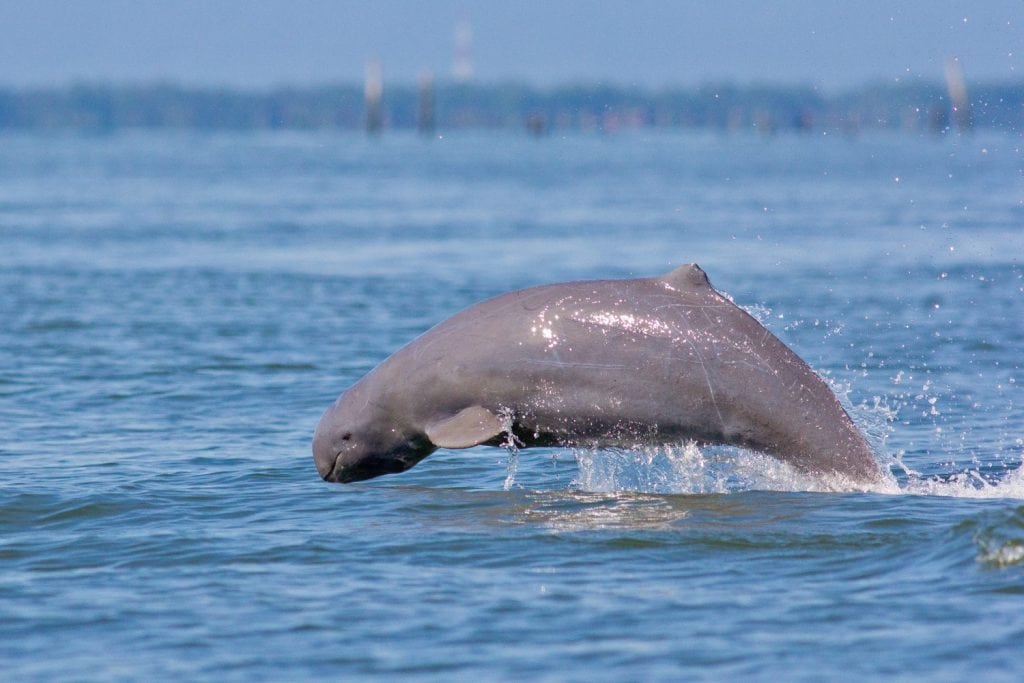
Irrawaddy dolphins are declining due to entanglement in fishing nets.
©aDam Wildlife/Shutterstock.com
Baiji
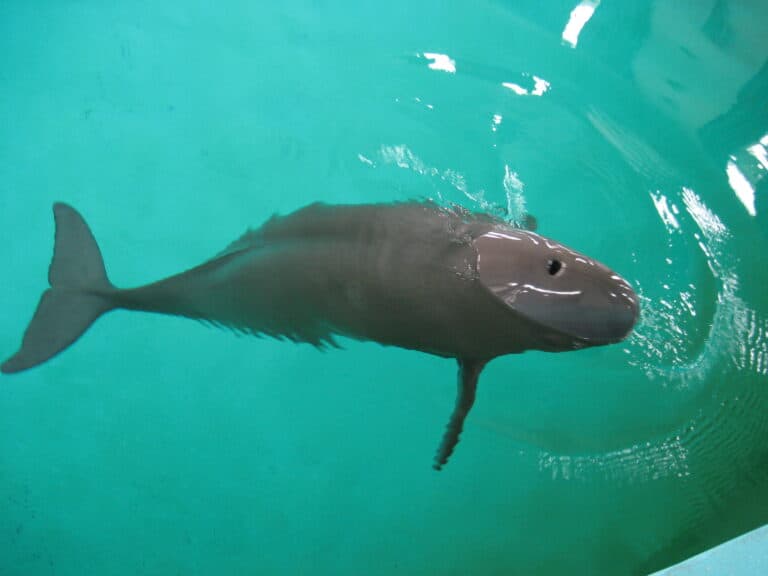
The final dolphin on the list is the baiji (Lipotes vexillifer), which is officially classified as critically endangered and possibly extinct by the IUCN. The last confirmed sighting of a baiji was from a photograph taken in 2002. There have been several possible sightings since, including one as recent as 2024. However, it’s speculated that some of these sightings may have been misidentified. Baiji are river dolphins native exclusively to the Yangtze River in China. This limited range, along with threats such as entanglement and pollution, is the main factor that has contributed to the species’ dramatic decline. Experts expect that they will be officially classified as extinct in the near future.