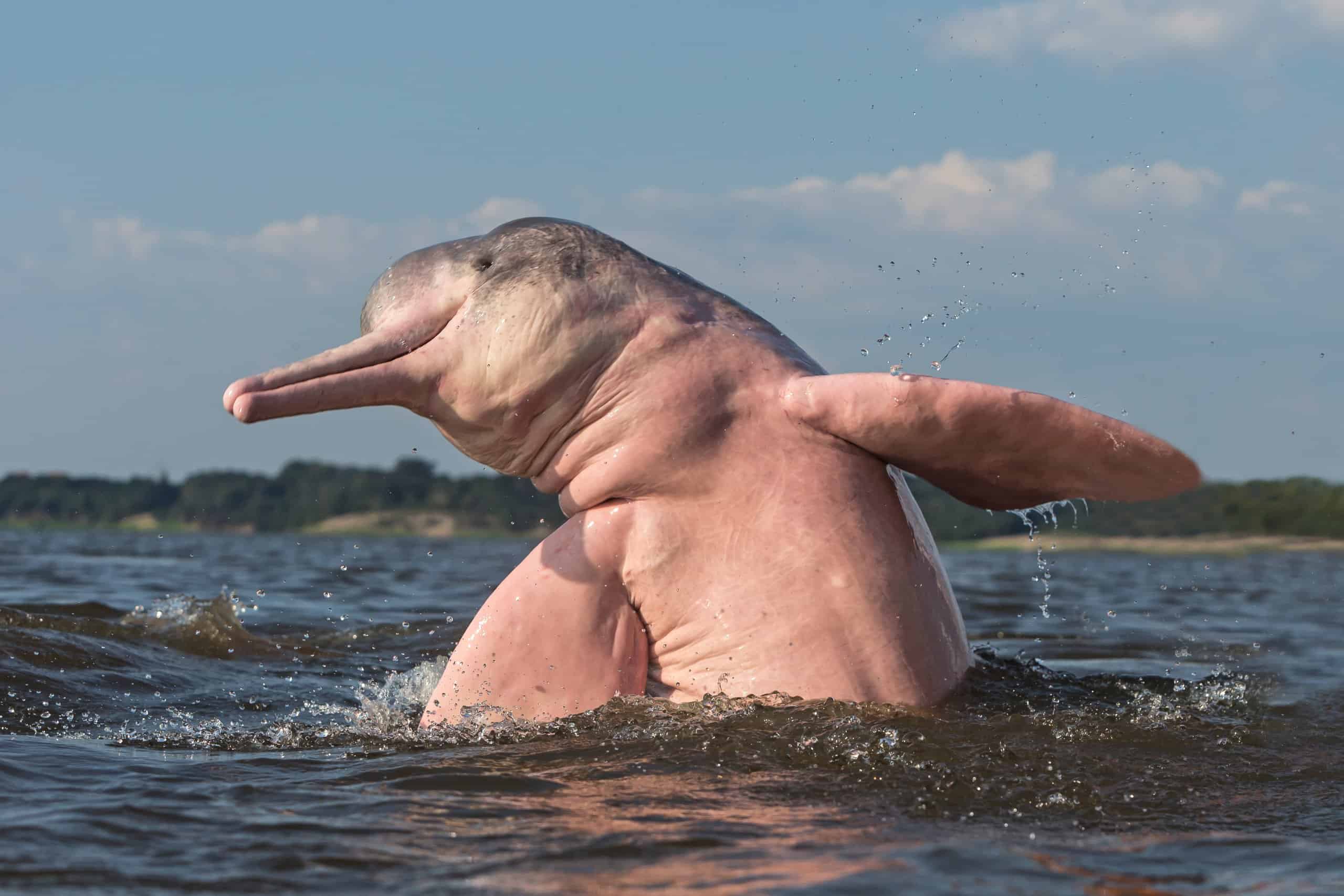

River dolphins are some of the most unique, yet at-risk, animals in the world. Often restricted to small distribution areas, river dolphins unfortunately face many threats. However, advocates for these stunning animals are trying to help them, and International River Dolphin Day is the annual event that’s the driving force for this move. The event takes place every year on October 24, and the day is dedicated to both celebrating river dolphins and educating and informing the public about the plight of these animals and the threats that they face. With this in mind, let’s take a look at some of the threats that river dolphins are facing and discover what is being done to help them.
What Are River Dolphins?
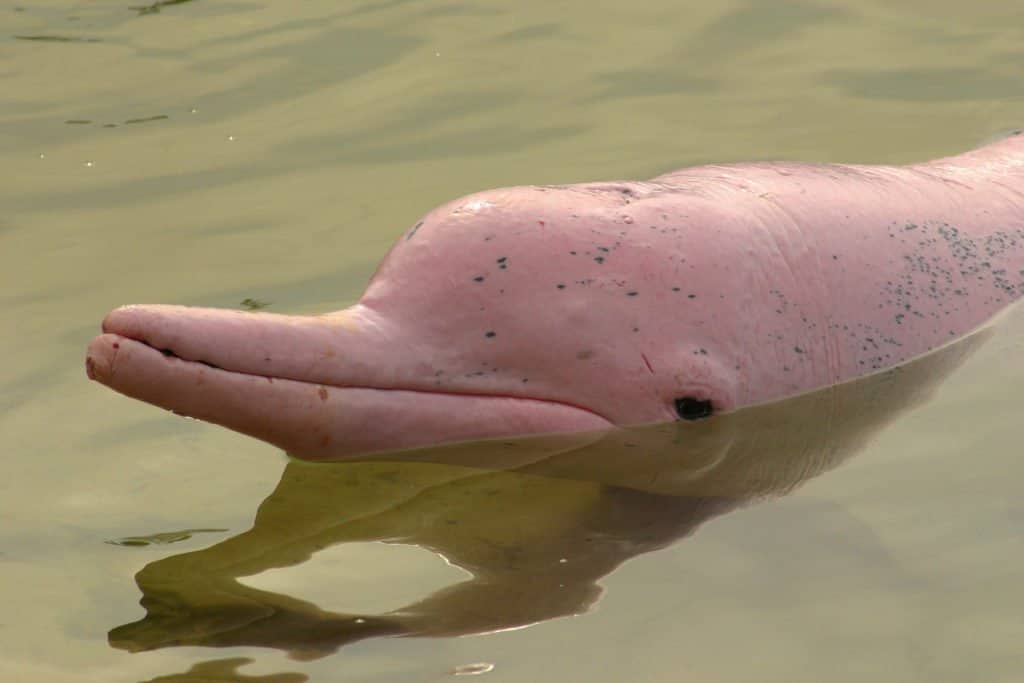
River dolphins have a longer snout than oceanic dolphins.
©Ivan Sgualdini/Shutterstock.com
As their name suggests, river dolphins inhabit rivers, rather than seas. However, some species can also be found in brackish water. River dolphins inhabit several major rivers and their tributaries around the world, including the Amazon, Ganges, Orinoco, and Yangtze rivers.
In addition to living in different habitats, river dolphins also have some physical differences compared to their oceanic counterparts. River dolphins tend to have longer, more slender snouts than oceanic dolphins. This is an adaptation that helps them hunt for prey in the murky rivers where they live. They also have smaller eyes and poorer eyesight. They have gradually lost this feature because they don’t rely as much on their eyesight when hunting due to poor water visibility. Another significant difference is that river dolphins do not have fused vertebrae in their necks, unlike oceanic dolphins. This gives river dolphins greater flexibility and means they can turn their heads without needing to turn their entire bodies.
Are River Dolphins Under Threat?
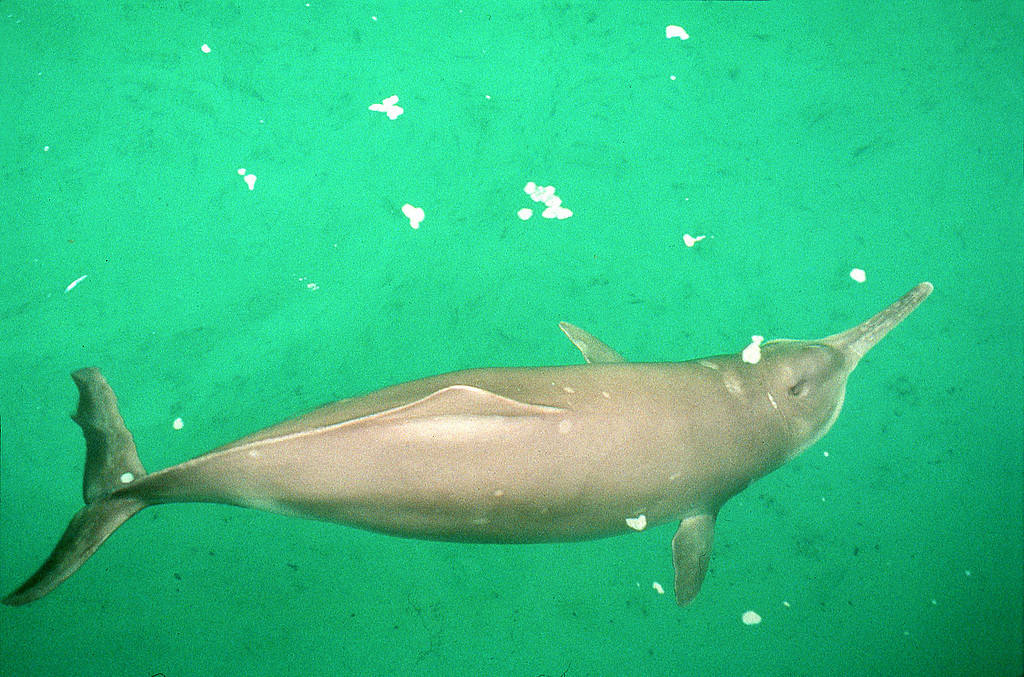
Baijis are classified as “functionally extinct” as they have not been seen for more than twenty years.
©iStock.com/EarthViews Productions
Unfortunately, river dolphins face a number of serious threats, which have resulted in all of the remaining species of river dolphins being classified as endangered or critically endangered by the IUCN. There are also several species that have either been recently classified as extinct or are believed to be extinct. One such species is the baiji (Lipotes vexillifer), which is officially classified as critically endangered. However, studies in recent years have failed to confirm the presence of any living individuals. The last confirmed sighting was more than twenty years ago, in 2002.
The other species of river dolphins aren’t quite in the same position as the baiji yet, but unless we take steps to limit the risks these dolphins face, they could meet the same fate in the near future.
Habitat Loss
One of the biggest threats endangering river dolphins is habitat loss caused by activity on and around the rivers where they live. Although it might seem strange that deforestation can affect the habitat of a dolphin, the effects are surprisingly stark. Deforestation, particularly in areas like the Amazon Rainforest, can disrupt the water cycle in the area, which can, in turn, affect the river levels. It also contributes to climate change.
River dolphins also face threats from habitat loss in the more literal sense, whereby the construction of new infrastructure, such as dams, restricts their viable range. It can also lead to fragmentation within populations. This puts further pressure on populations that are already dwindling or lack genetic diversity. The Amazon river dolphin (Inia geoffrensis), also known as the boto, is one of the species that has a fragmented population due to the dams on the tributaries of the river.
Pollution
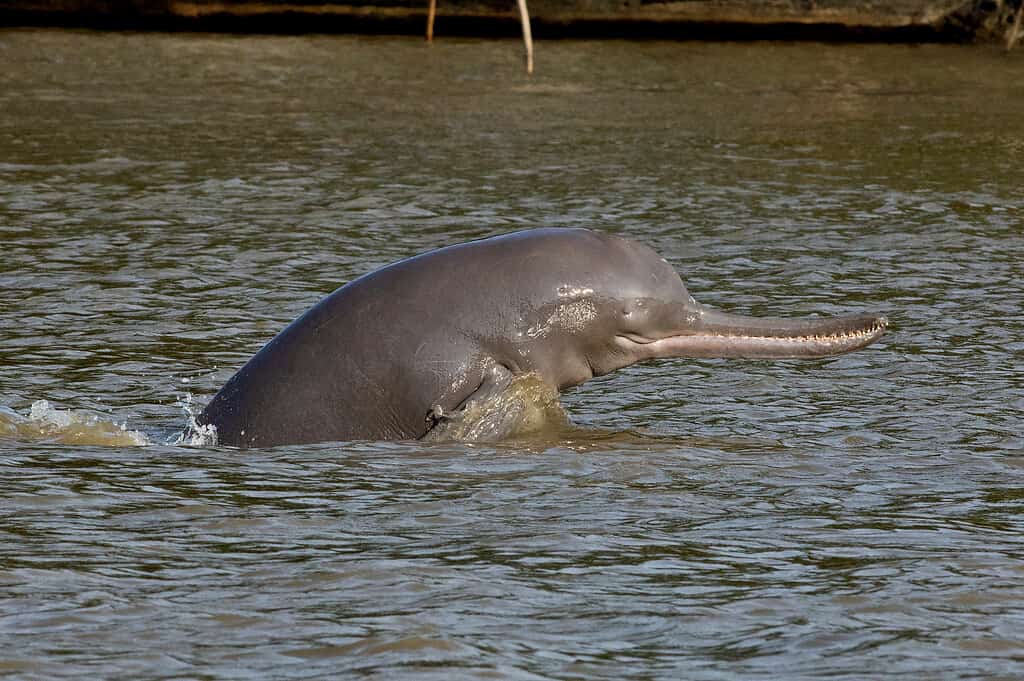
Pollution from industrial runoff is one of the biggest threats to river dolphins.
©Ranjan Barthakur/Shutterstock.com
Another major factor that affects the lives of river dolphins is pollution. Many of the rivers that these dolphins live in flow through industrial or agricultural areas, and these industries use chemicals that run off into the rivers. In the agricultural sector, the biggest threats are fertilizers and pesticides, both of which contain strong chemicals. A similar threat comes from industrial waste and mining operations, where chemicals or plastic waste are allowed to enter the water.
These chemicals cause multiple effects when they enter the water. The immediate impact is that they can make the dolphins sick, although it’s not always evident straight away. Although some dolphins can become sick and die soon after ingesting toxins, in other cases, exposure can have long-term effects on their longevity by affecting their immune system, organs, reproductive system, or causing calf mortality.
Pollution in the river can also affect the fish that dolphins eat. In some cases, the fish become sick, and the dolphins become ill from eating the contaminated food. However, in other cases, it can cause the fish to die, impacting the availability of food for the dolphins.
Entanglement
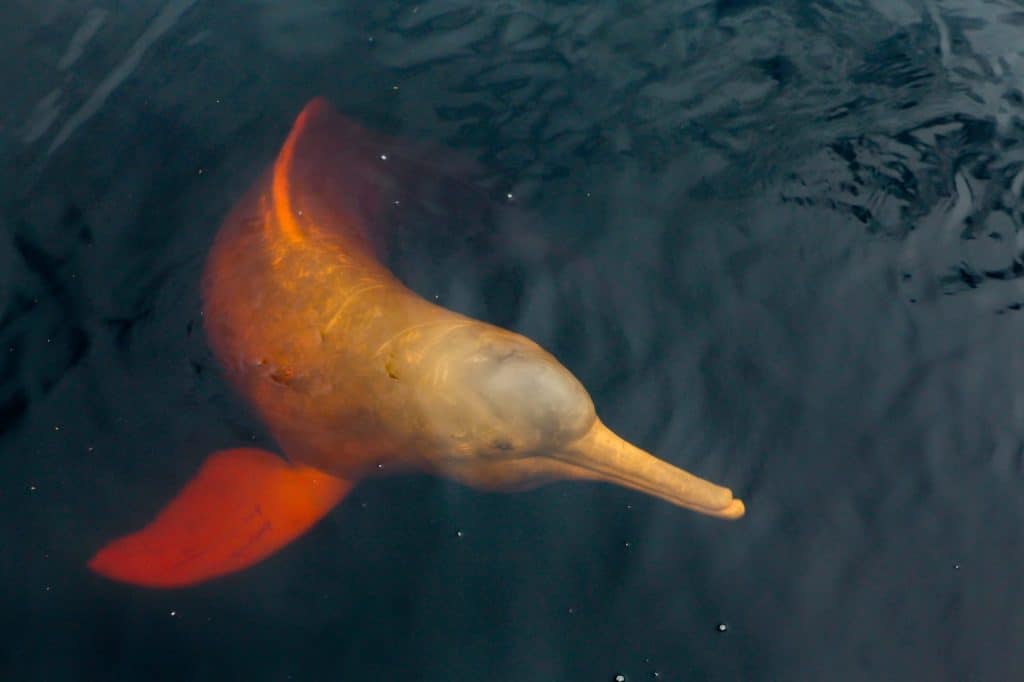
River dolphins often become tangled in fishing nets and drown.
©PARALAXIS/Shutterstock.com
Entanglement is another significant concern for river dolphins. Fishing is a major part of these river systems, and there are thousands of people whose livelihoods rely on the rivers. Unfortunately, river dolphins can often become entangled in fishing nets or lines. Once entangled, dolphins are at serious risk of injuring themselves while trying to escape. They can also drown if the net prevents them from rising to the surface to breathe. In many cases, fishermen kill the dolphins when they find them in their nets.
Food Scarcity
Another threat that river dolphins face is a lack of food. This often occurs as a result of a combination of several of the factors we’ve already mentioned. Pollution and habitat loss affect the population of fish, and the reduced stock levels mean there’s less food available for the dolphins. However, unsustainable fishing practices on the rivers also play a part. These practices include overfishing, capturing immature fish, and using controversial fishing methods.
What Is Being Done to Help River Dolphins?
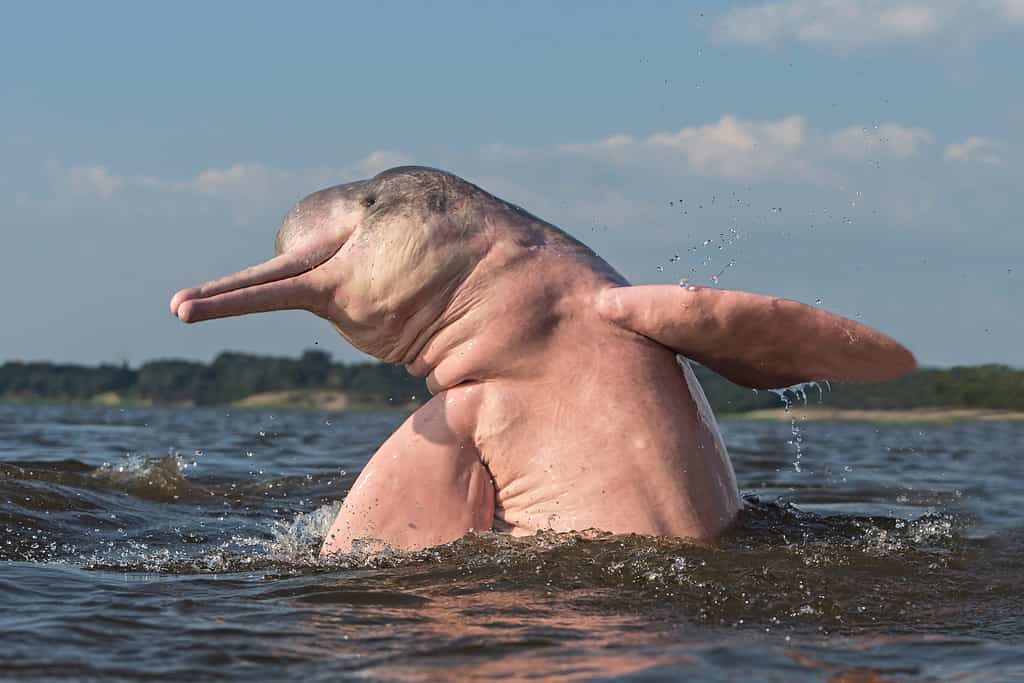
International River Dolphin Awareness Day aims to educate people about the plight of the river dolphins.
©COULANGES/Shutterstock.com
Although river dolphins face serious threats, there are steps that can be taken to help them. One of the first steps is to raise the public’s awareness about their plight. River dolphins are far less well-known than their more popular sea-dwelling relatives. In fact, many people aren’t even aware that they exist, let alone that they are under threat. That’s where initiatives like the River Dolphin Awareness Day come in.
Also known as International Freshwater Dolphin Day, the day is dedicated to river dolphins. There are various events held around the world to help spread the word about river dolphins. These include lectures, workshops, rallies, and educational visits to schools. Educating people about these dolphins is a major step toward helping them, because only when people understand the threats they face can they begin to make the changes needed to reduce or eliminate them.
Organizations such as the WDC support education in communities where the river dolphins are present. Their aim is to encourage communities to reduce the amount of pollution and plastic waste that goes into the water. They also encourage more sustainable fishing practices, which will ultimately lead to fewer dolphins being caught and killed in fishing nets.