
Our oceans have been experiencing a plastic crisis for decades. We have now reached a pivotal moment in ocean pollution, where the numbers are no longer abstract and time is running out to make an impact. As of late 2025, the world finds itself balancing data with difficult choices. We’re facing down rising plastic production, global negotiations going nowhere, endangered wildlife in our seas, and potential solutions that may take too long to implement. What can be done about the plastics in our seas, and are there any true solutions in sight?
Today, we’ll discuss the true scope of plastic pollution in our seas, what is being done to address it, and which animals are suffering as a result. Regardless of our current position, the oceans are sending us a clear message: they need our help. What we do next will determine whether marine ecosystems stabilize or slide further toward collapse. Let’s learn more about this devastating situation now.
How Much Plastic Is Entering the Ocean Now?
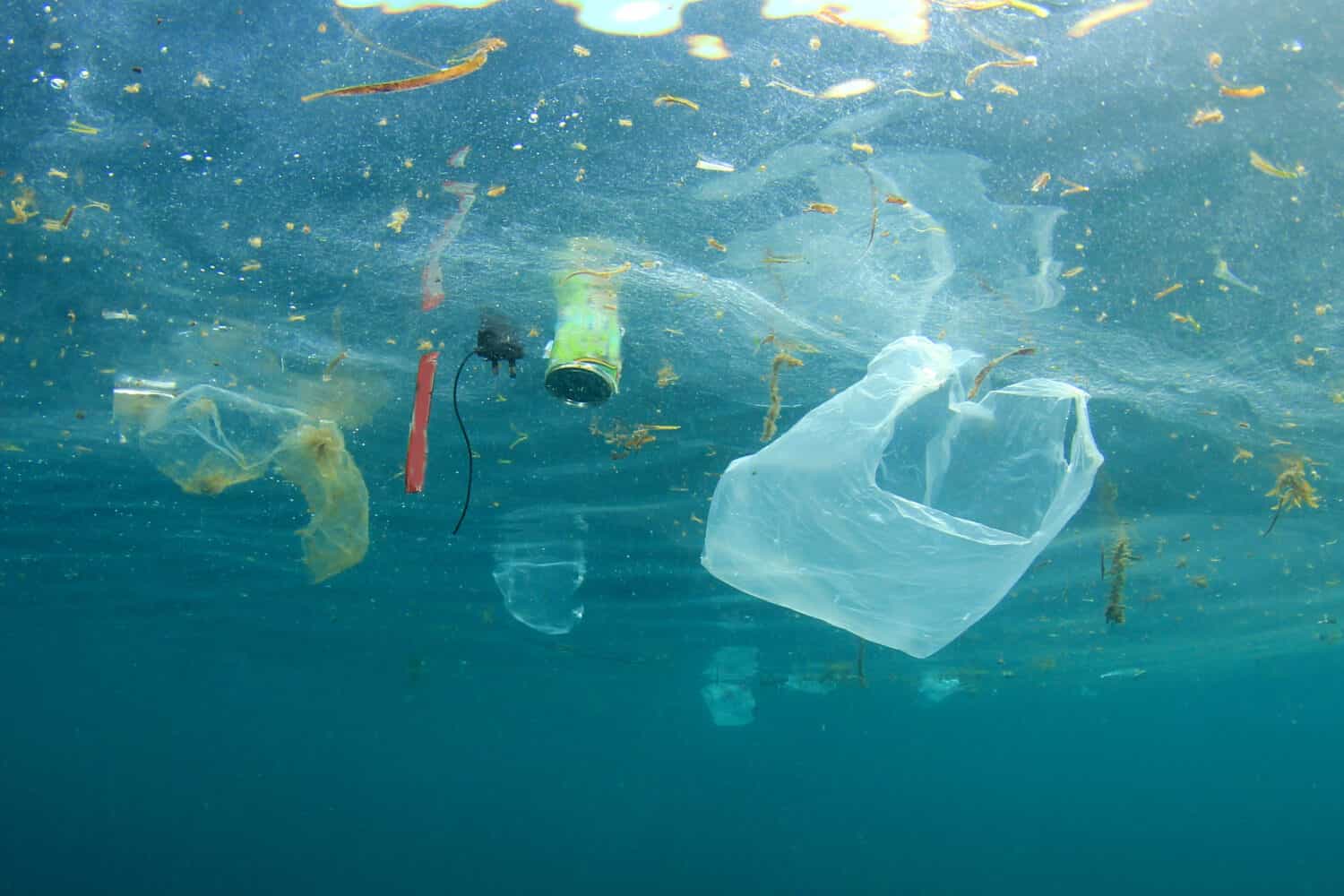
Approximately 19–23 million metric tons of plastic enter lakes, rivers, and oceans every year.
©Rich Carey/Shutterstock.com
The latest reports from the United Nations Environment Programme, which summarizes the current state of plastics in our waters in its Plastic Pollution report, estimate that 19–23 million metric tons of plastic enter lakes, rivers, and oceans every year.
That figure is hard to visualize, so UNEP offers a helpful, albeit terrifying, analogy: it’s roughly equivalent to dumping two full garbage trucks of plastic into aquatic ecosystems every single minute.
Why the Number Keeps Rising
There are a number of factors at work behind the scenes, leading to increased plastics in our waters. Here are some of the reasons why:
- New, non-recycled plastic production continues to climb, projected to more than double by 2050
- Waste infrastructure gaps in urbanizing regions allow huge amounts of plastic to enter waterways
- Disposable plastic packaging makes up the bulk of global plastic demand, and there are very few alternatives available
Without intervention across many levels and systems, UNEP modeling suggests plastic in our seas could triple by mid-century. But which types of plastic are most commonly found in our waters, and what can individuals do to address them?
What Types of Plastic Are the Biggest Culprits?
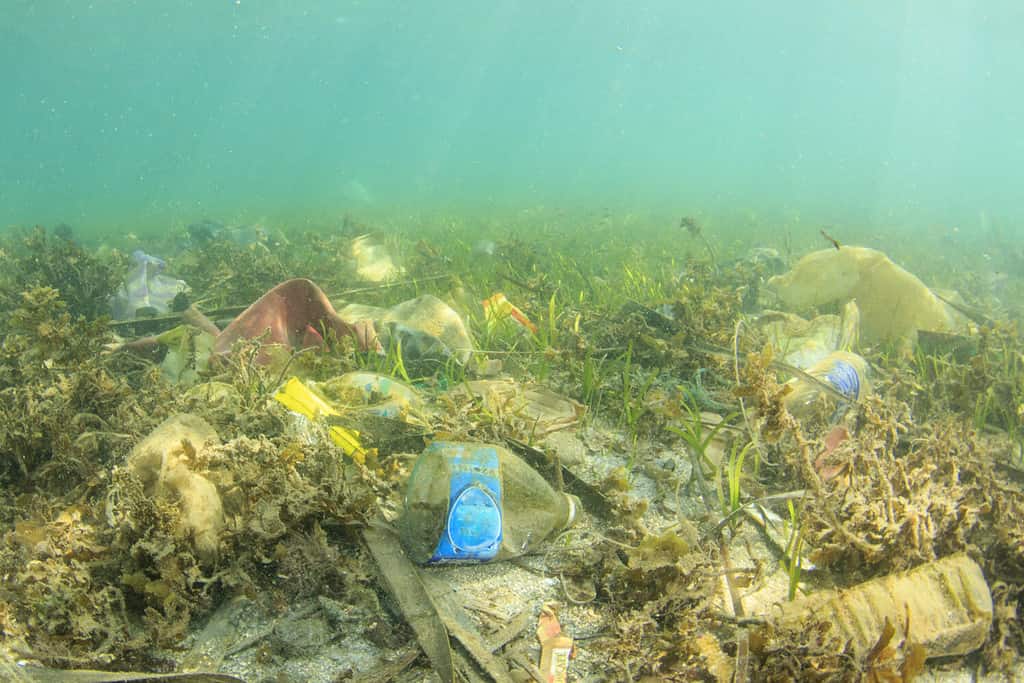
Single-use packaging largely contributes to plastic pollution in oceans.
©seamind224/Shutterstock.com
Plastic is present in every aspect of our lives and around the world. There is little we can do at the consumer level to address the sheer volume of waste, especially when considering the main sources of plastic pollution.
Single-Use Packaging
Lightweight packaging like bags, wrappers, and bottles remains the most common form of identifiable ocean debris. Because these items break up easily, they quickly turn into microplastics, which the NOAA Marine Debris Program labels as a pervasive pollutant in its global marine debris overview.
Ghost Gear
In many regions around the globe, lost fishing nets and lines, also known as ghost gear, dominate ocean debris in terms of mass. Surveys of the North Pacific show that up to 46% of the Great Pacific Garbage Patch consists of abandoned fishing gear. These nets and lines drift for decades, trapping sea turtles, dolphins, sharks, and seabirds year after year.
Microplastics
Microplastics are now appearing in sea ice, deep-sea sediments, marine mammals, shellfish, and even human bloodstreams. NOAA’s Ocean Pollution resource collection states that microplastics are present in nearly every marine habitat on Earth, making them one of the most insidious pollutants. Our typical plastic waste breaks down quickly into microplastics, which is just one reason why they’re so prevalent.
Nanoplastics
Nanoplastics are small enough to pass through cell membranes, even smaller than microplastics. Labs continue to document their ability to interfere with fish development and immune responses, and it’s a field of research that is accelerating fast.
Which Animals Are Paying the Price?
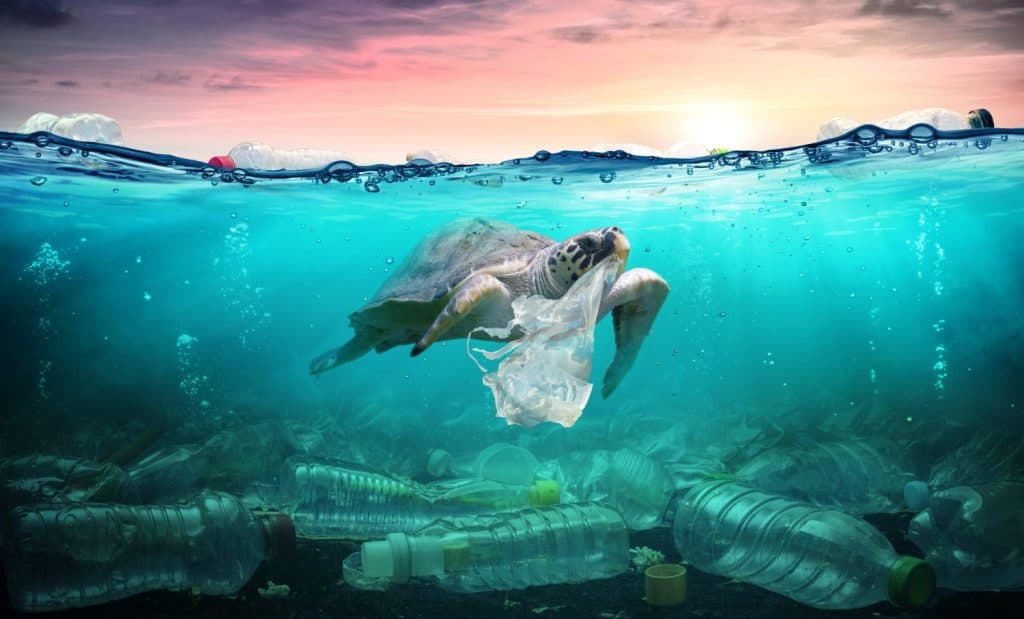
Animals are suffering due to plastic pollution.
©Romolo Tavani/Shutterstock.com
NOAA, through its marine wildlife impacts guidance and reporting, confirms that hundreds of oceanic species suffer from plastic ingestion or entanglement. These are the most heavily impacted animals when it comes to plastic pollution.
Sea Turtles
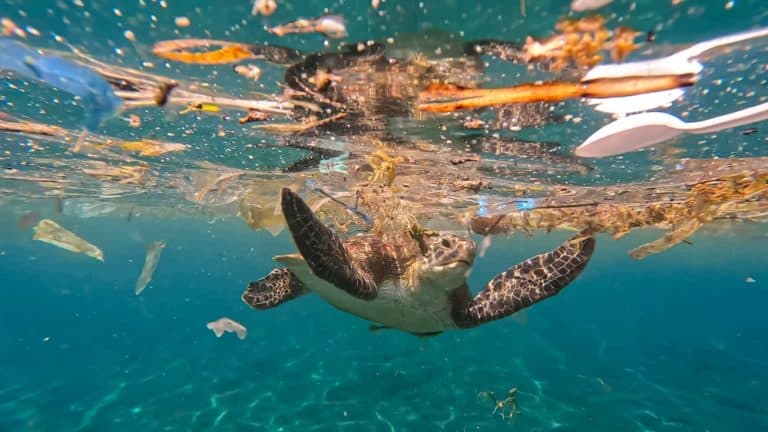
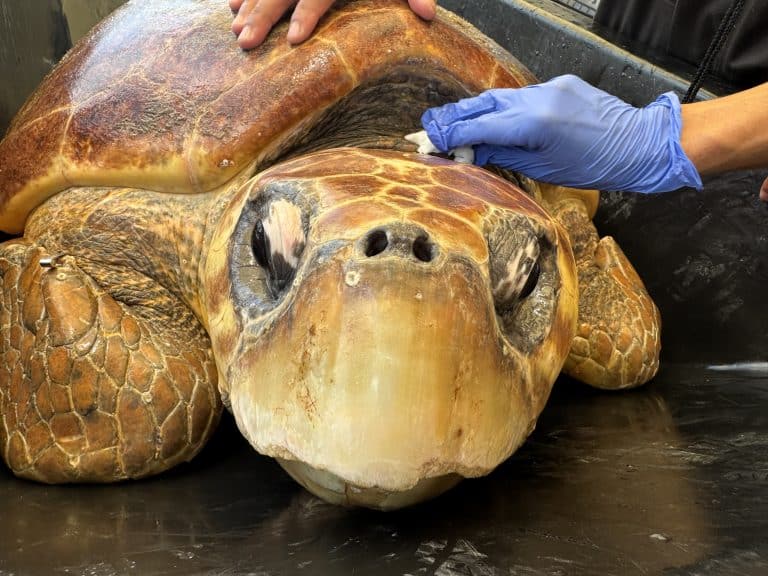
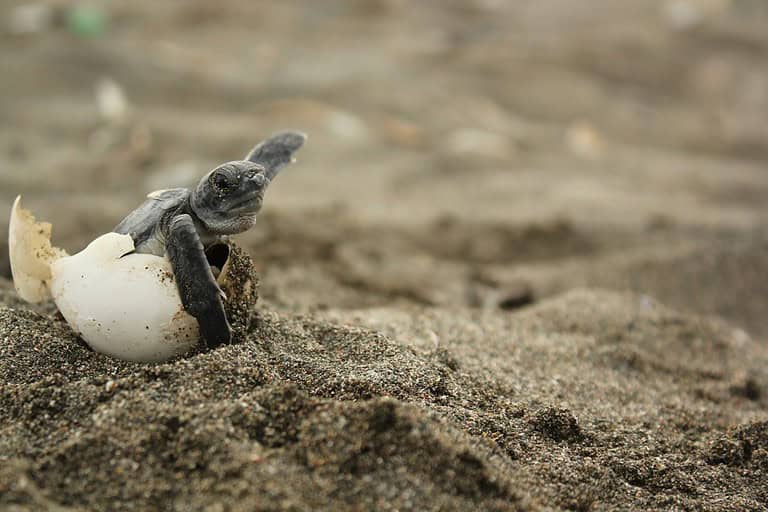
Six of seven global sea turtle species are endangered or threatened, and all seven have documented ingestion of plastic in some form or another. Bags and other plastic products resemble common food items turtles eat, which is why they easily develop fatal blockages or become buoyant from trapped gases, making them unable to dive for food.
Seabirds
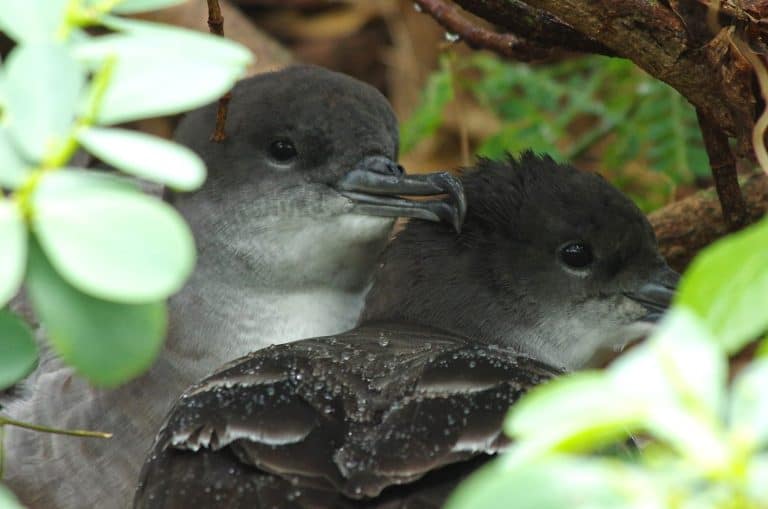
Research over the decades has shown that as many as 90% of seabirds have plastic in their stomachs. Adult birds often regurgitate this debris to chicks, reducing their survival during their critical fledging period.
Marine Mammals
Dolphins and seals routinely become entangled in ghost nets or eat plastics. NOAA’s Why Marine Debris Is a Problem collection documents multiple cases of entanglement that have led to amputation, drowning, or long-term injury.
Whales
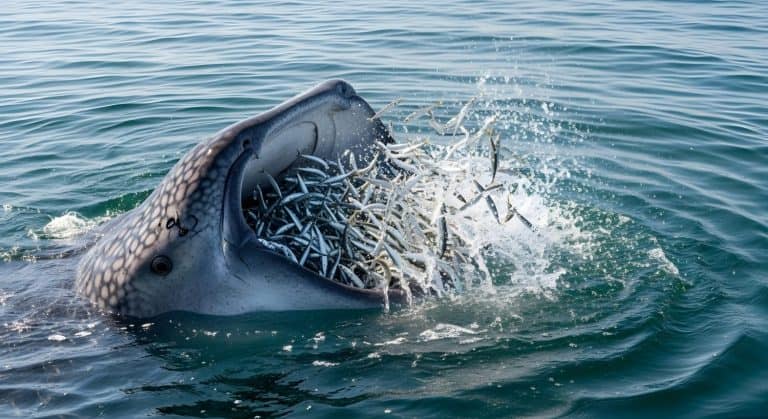
Whales have been battling plastic pollution in their own heartbreaking way. In 2018, a sperm whale stranded in Spain carried nearly 29 kilograms of plastic in its stomach, with much of it being nets, ropes, and sheeting. This is just one reported case among potentially hundreds of unobserved deaths, particularly among deep-diving species whose bodies sink and go unnoticed.
“Five Grocery Bags Per Foot of Coastline”: A Devastating Statistic
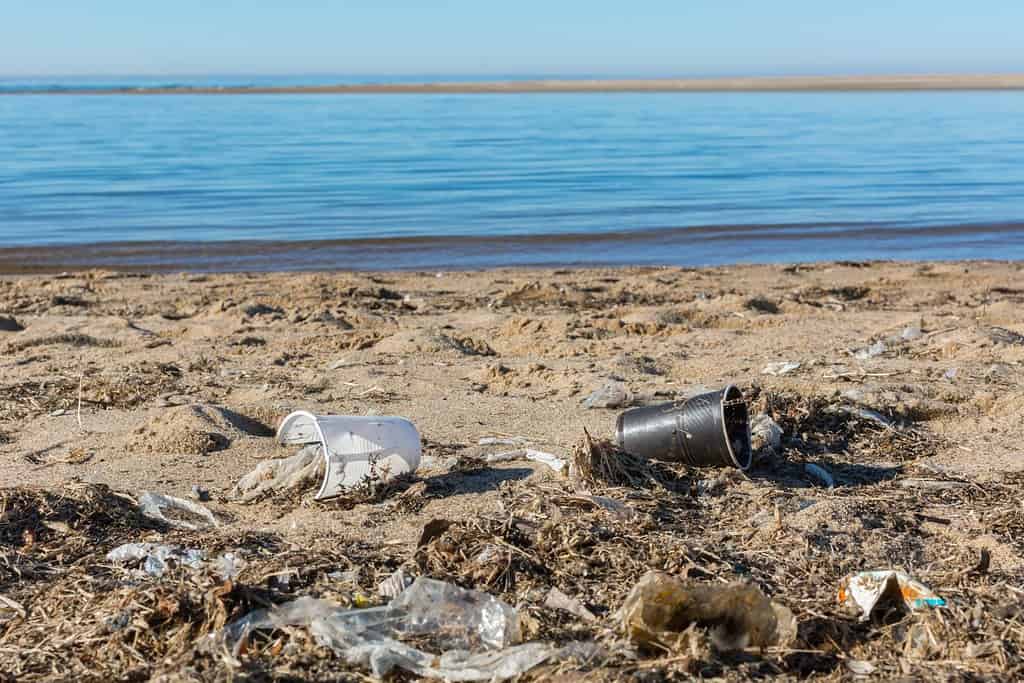
Ocean coastlines are full of plastic.
©Agata Kowalczyk/Shutterstock.com
Dr. Jenna Jambeck’s research in 2015 transformed our global understanding of plastic leakage, and she once summarized the crisis with a vivid analogy: “For every foot of coastline in the world, the ocean receives the equivalent of five grocery bags of plastic each year.”
This framing has been used widely in policy circles and remains one of the clearest illustrations of the scale of plastic we’re dealing with in our seas. Jambeck ended her initial paper and study by saying, “Without waste management infrastructure improvements, the cumulative quantity of plastic waste available to enter the ocean from land is predicted to increase by an order of magnitude by 2025.”
It’s now 2025. Where do we stand, and where do we go from here now that we see how devastating plastic is to our seas?
The Global Plastics Treaty: A 2025 Attempt That Failed
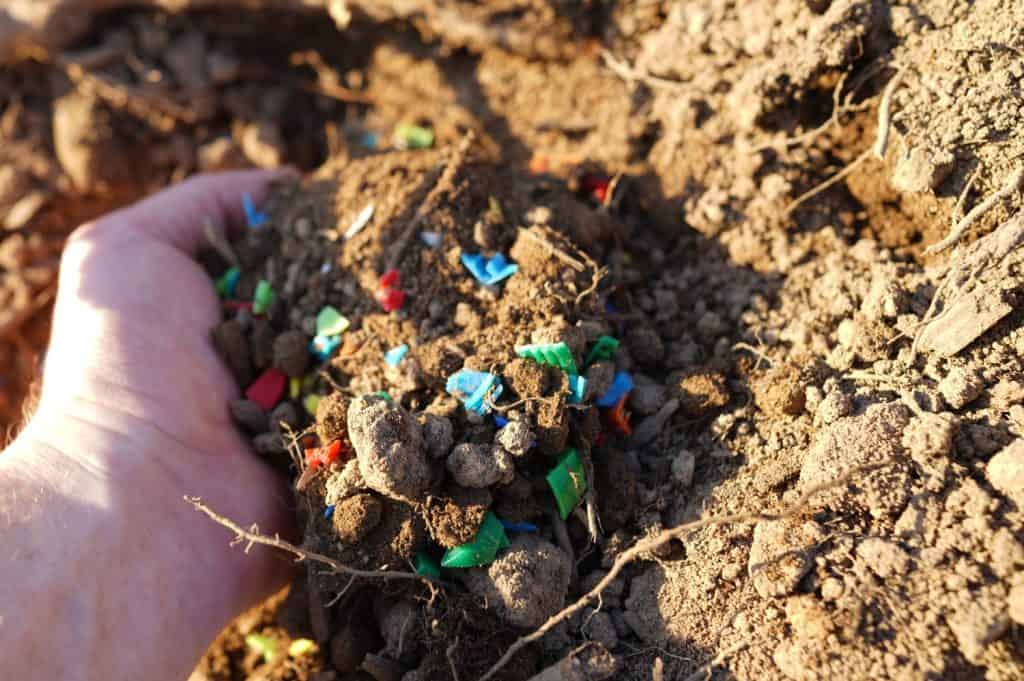
A global plastics treaty has failed to reach a consensus.
©Maksim Safaniuk/Shutterstock.com
In August 2025, countries negotiated a binding global plastics treaty, but it failed to reach a consensus. The roadblocks in the way of passing this treaty included:
- Disagreements over capping plastic production
- Debates over toxic additives to products
- Difficulty financing waste systems in low-income nations
- Industry resistance to enforcing an overall reduction
While the treaty negotiations will continue into 2026, the process is losing crucial momentum and support. The initial debates were unproductive, and it remains to be seen whether opinions will shift in the future. However, certain things have been set in motion that appear hopeful in the battle against plastics.
For example, the EU launched its €3 billion Clean Oceans Initiative Phase Two, a project aimed at building wastewater treatment, river barriers, and circular-economy infrastructure in Asia, Africa, and Latin America. Unlike the treaty talks, funding is already flowing, with priority given to high-leakage river basins.
And this isn’t the only positive. Here are some additional initiatives in the works that are helping to keep our oceans clean.
What’s Actually Working to Keep Plastic From Our Oceans?
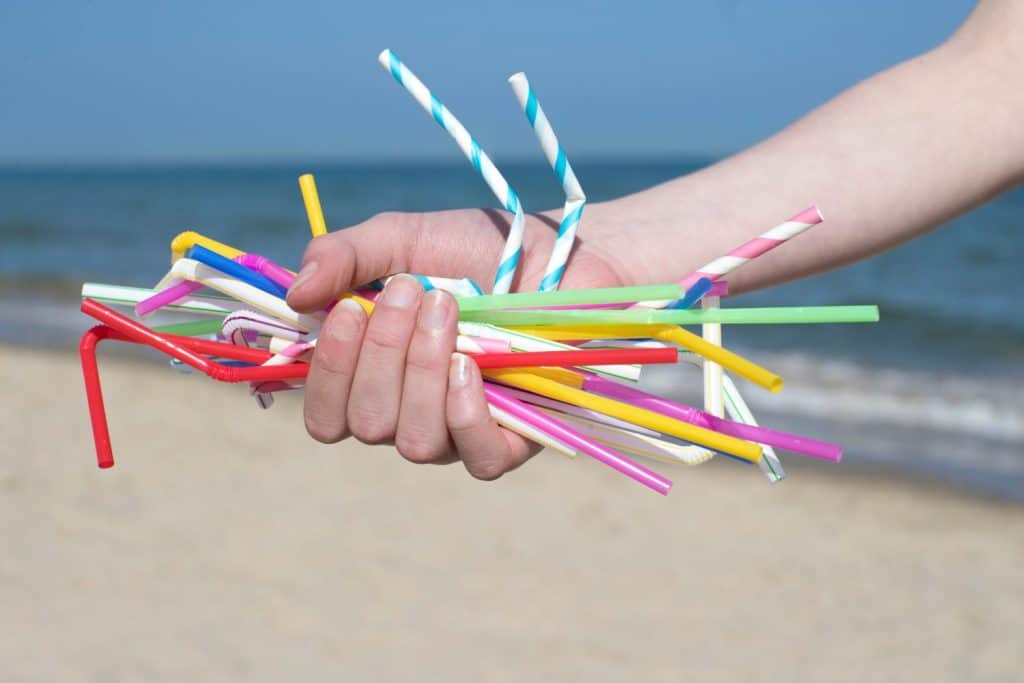
Some initiatives are helping to reduce plastic pollution.
©Daisy Daisy/Shutterstock.com
While much more needs to be done globally to protect our seas, these projects and initiatives are making a positive impact.
River Interceptors
The Ocean Cleanup’s “Interceptor” devices capture floating debris in major rivers before it can reach the sea. Field data from Indonesia, Jamaica, and Malaysia report consistent removal of both macroplastics and organic debris.
Gear Marking and Ghost Gear Retrieval
Many countries and regions encourage fishing gear to be clearly marked with vessel or owner identifiers, both to support enforcement and to discourage abandoning nets and traps. As of 2025, it’s one of the most wildlife-protective solutions available, rooted in holding fishing industries and individuals accountable.
National Producer Responsibility Laws (EPR)
France, South Korea, Japan, and other countries now require companies to fund or manage the disposal and recycling of the plastics they produce. Studies show these systems significantly increase recycling rates and reduce litter; again, countries are holding more industries and corporations accountable in an attempt to make a real difference.
Community-Based Coastal Cleanups
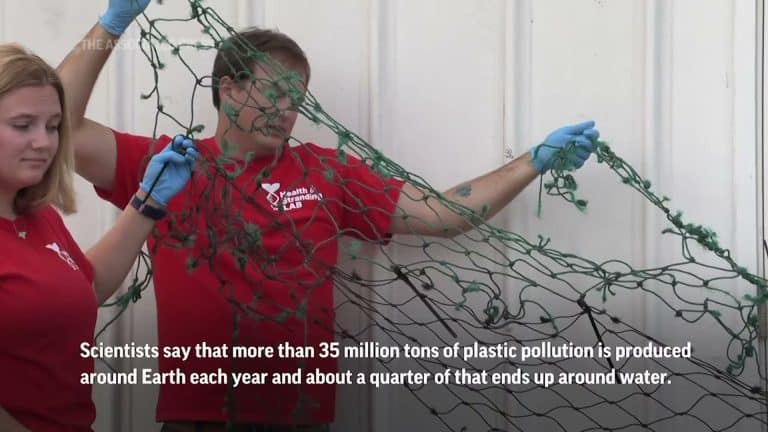
NOAA-backed efforts on all U.S. coastlines have volunteers involved in large-scale collection projects, with any gathered data fed back into monitoring programs. They remove debris and also provide essential insight into regional pollution sources and other plastics data.
What’s Still Falling Short and Keeping Plastics in Our Waters?
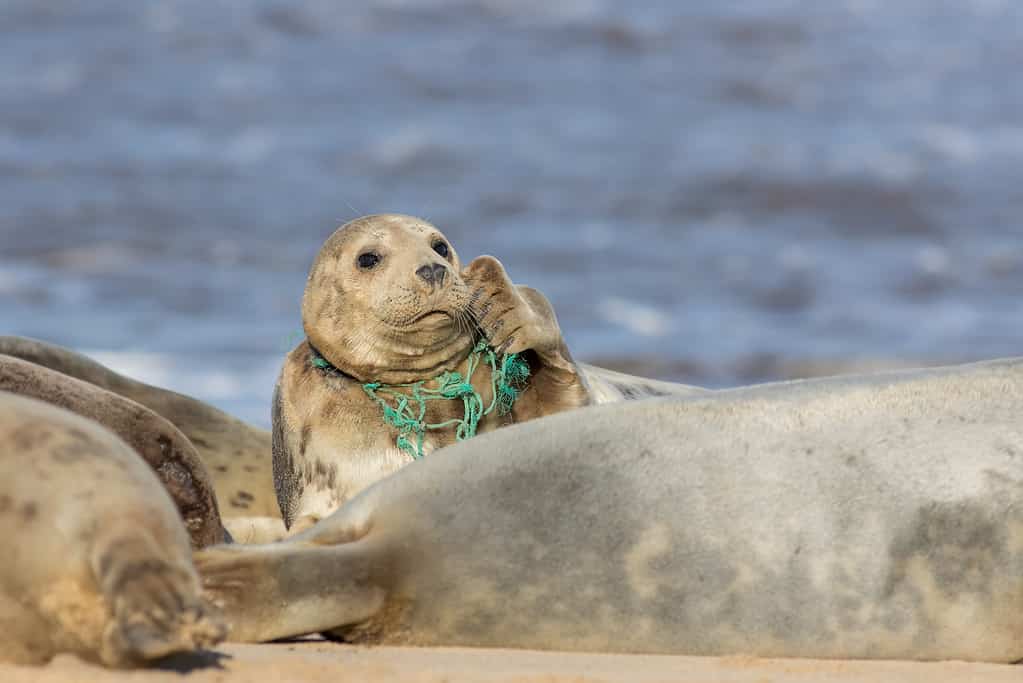
Our oceans are sadly full of plastic.
©Ian Dyball/iStock via Getty Images
While these investments and innovations are changing the game, there are still plenty of systems failing our seas. Plastic is pervasive, and these issues prove it. Here’s how we’re still falling short in terms of cleaning ocean pollutants.
Chemical Recycling
Despite recent marketing gambits, most chemical recycling plants operate on too small a scale, struggle with contamination, and produce fuels rather than new plastics, which makes long-term viability questionable.
Bioplastics
Many plastics considered compostable do not actually degrade in marine environments. Studies repeatedly show that polylactic acid (PLA) behaves similarly to conventional plastics underwater, which means it does not break down as intended.
Corporate Pledges Without Accountability
Voluntary commitments from major corporations and plastic producers have not translated into significant reductions in global plastic production. While not entirely a surprise, it is a disappointment.
What Can Individuals and Communities Do Right Now?
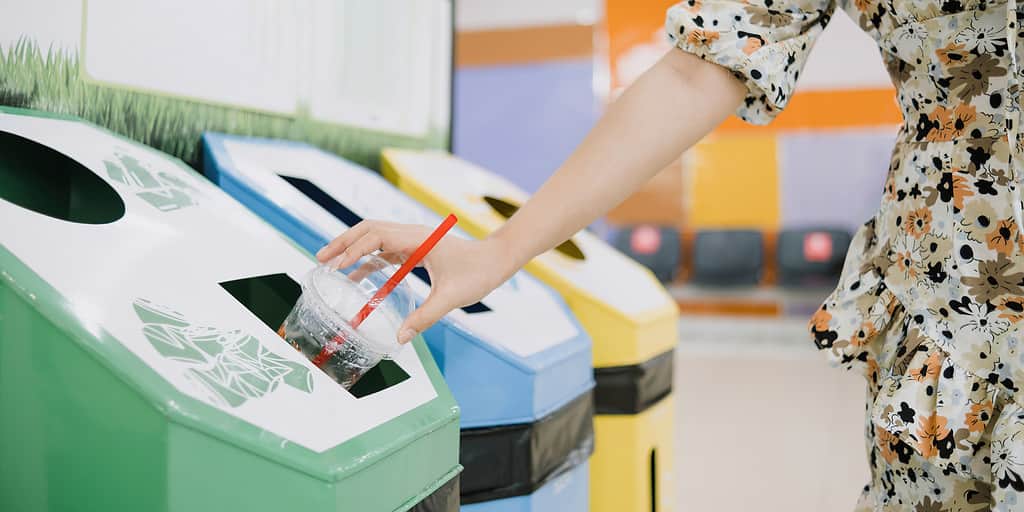
Individual actions like recycling matter.
©somboon kaeoboonsong/iStock via Getty Images
Given that so much of our plastic waste is being ignored by those causing the majority of it, is there anything we can do to save our seas within our individual or communal power? Check out some of these potential solutions if you’re hoping to make a difference, no matter how small.
1. Support Producer-Responsibility Policies
These laws shift the burden from consumers to manufacturers; by supporting these policies, corporations are held more responsible in the long run.
2. Advocate for Ghost Gear Reform
Gear marking, mandatory reporting, and retrieval funding directly reduce the deadliest form of ocean plastic. Join some local initiatives or protests when you can.
3. Join NOAA-Backed Community Cleanups
As previously mentioned, these programs hosted through NOAA offer training, support, and data tools that scientists can use to prevent future plastic pollutants.
4. Reduce Single-Use Packaging
Even modest reductions in packaging at the community level can have meaningful impacts on local waterways. Reuse when you can, and avoid plastic packaging whenever possible.
5. Support River Interceptor Deployment
Many river interceptor corporations now allow public contributions to fund new units in impacted rivers. If you have the ability to donate monetarily, this is a great option to consider.
6. Choose Sustainable Seafood
Responsible fisheries that harvest sustainable seafood often use safer gear and participate in loss-reduction efforts. It’s a small impact, but always a worthwhile one.
While we can and should remain hopeful, ocean plastic will not disappear in a single year or two. However, 2026 could become a vitally important year for plastic pollution if global policy, local action, and industry responsibility converge at last. We’ll see what happens and what effort is made to save our seas; at the very least, our individual choices can make a difference.