
Quick Take
- North Carolina hosts a range of endangered species across mountains, rivers, and coasts, each tied to specific habitats under pressure from development, pollution, and climate change.
- Mammals, reptiles, fish, plants, and mussels all face survival challenges due to habitat loss, fragmentation, and human activity.
- Conservation efforts include habitat restoration, legal protections, captive breeding, and community cooperation.
- Protecting ecosystems ensures these species remain part of North Carolina’s future.
For such a wild and beautiful state, North Carolina is a surprisingly risky place to be a rare animal or plant. From misty Appalachian ridges to blackwater rivers and windswept beaches, native species are squeezed by development, pollution, and climate change. Yet people across the state are working hard to protect these fragile species, proving that with enough effort, North Carolina’s most endangered wildlife and plants can still have a future.
Red Wolf
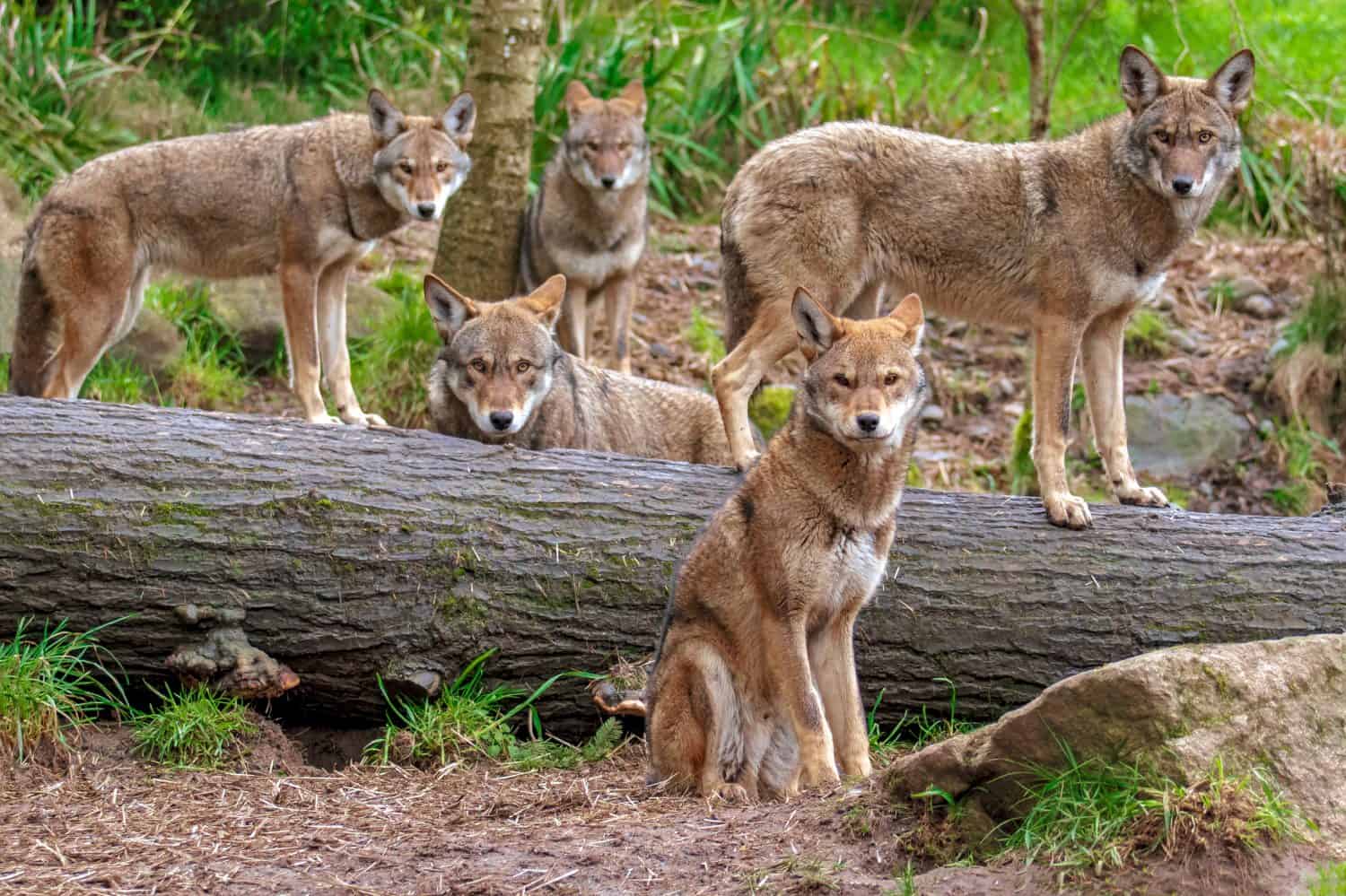
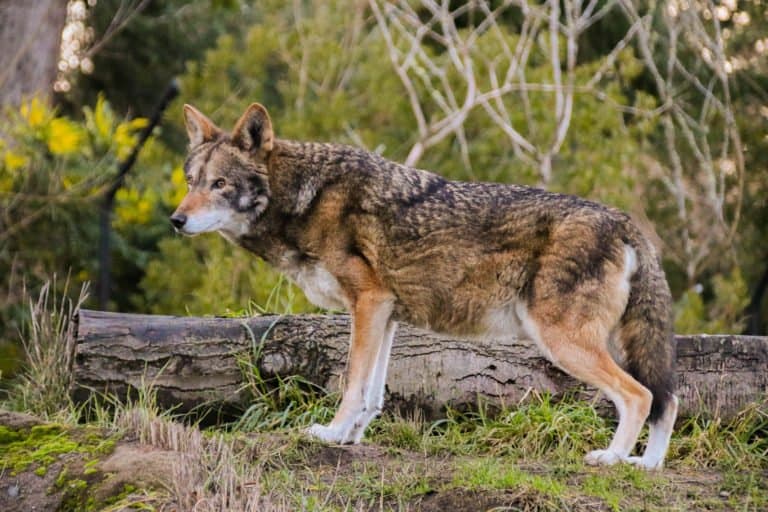
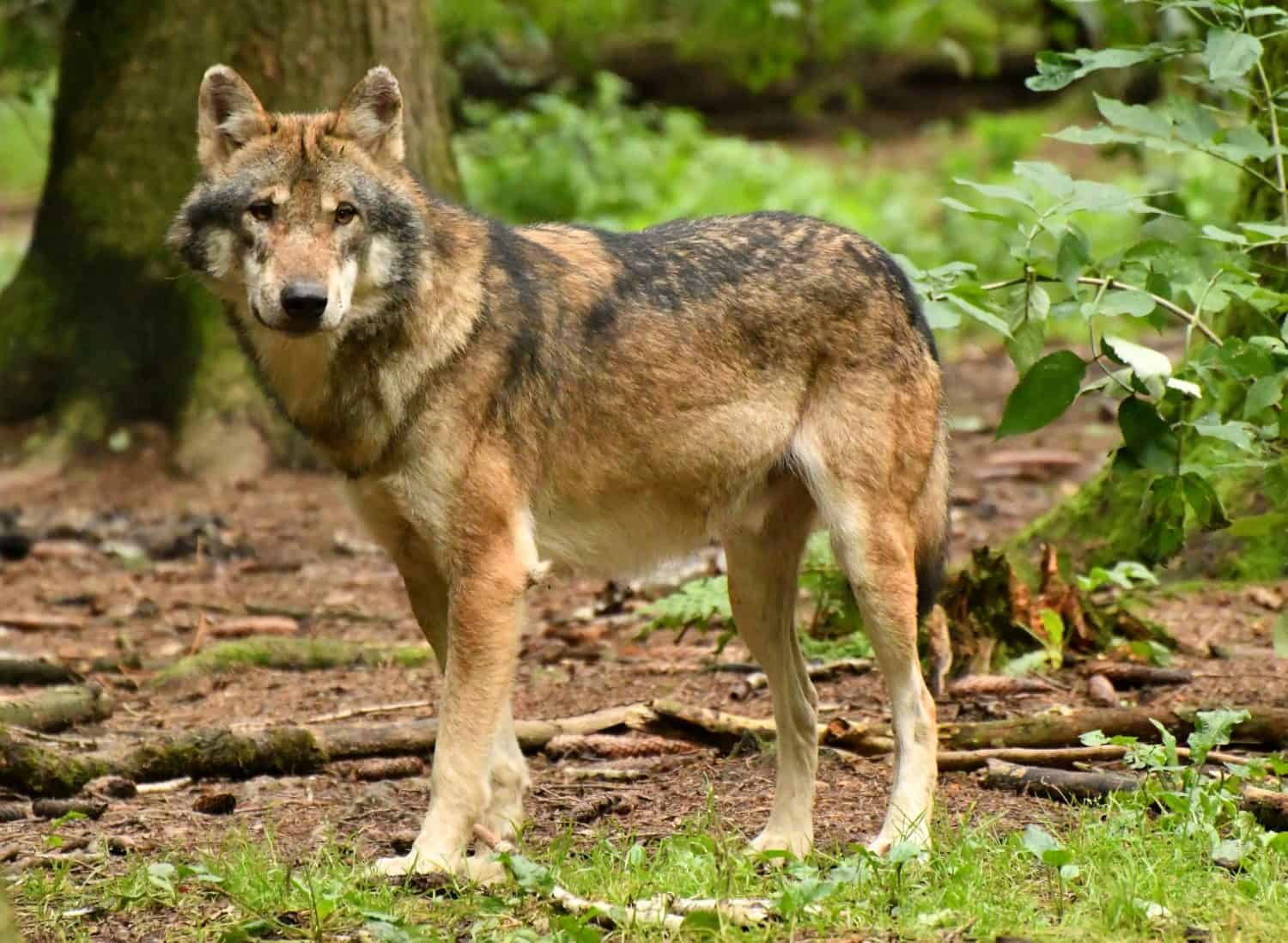
Red wolves have been nearly wiped out in North Carolina by hunting and hybridization with coyotes.
©karen crewe/Shutterstock.com
The red wolf is often called North Carolina’s “ghost of the coast” because so few remain in the wild and they move mostly at night through dense swamp and forest. Once roaming across the entire Southeast, this lean, long‑legged wolf was nearly wiped out by hunting, trapping, and habitat loss, then later by hybridization with coyotes.
Today, only 20-25 individuals are left in and around Alligator River National Wildlife Refuge and other public lands on the Albemarle Peninsula in eastern North Carolina. A carefully managed recovery program, including captive breeding, pup fostering, and close tracking of individuals, aims to rebuild a stable pack structure, reduce conflicts with local landowners, and give this uniquely American wolf a real chance at long‑term survival.
Carolina Northern Flying Squirrel
High in the coolest mountaintop forests of the southern Appalachians, the Carolina northern flying squirrel glides silently on a loose flap of skin stretched between its front and back legs. This endangered subspecies lives only in scattered “sky islands” in western North Carolina, Tennessee, and southwest Virginia, especially on peaks with red spruce and Fraser fir. It depends on mature, moist forests where lichens and fungi grow on trees and in the soil, providing important food and nesting materials. Biologists estimate there could be less than 1,500 of these squirrels left.
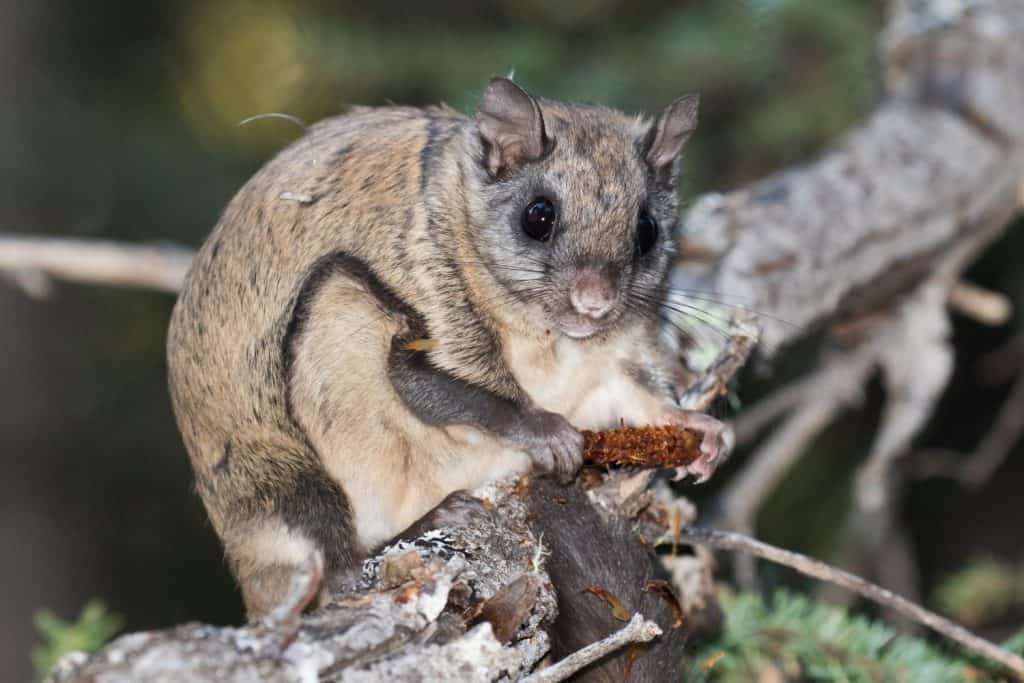
The Carolina version of northern flying squirrels, like this one in Canada, is exceedingly rare.
©Jukka Jantunen/Shutterstock.com
Logging, air pollution, invasive tree‑killing insects, and a warming climate have shrunk and fragmented these spruce‑fir forests, squeezing the squirrel into smaller areas. Biologists are restoring red spruce stands, protecting old‑growth patches, and monitoring nest boxes so they can reconnect forest fragments and keep this shy glider from vanishing from North Carolina’s skyline.
Sea Turtles
When most people think of sea turtles in North Carolina, they picture sandy beaches on barrier islands where nests are tucked above the high‑tide line. Several endangered and threatened species use the state’s coast and offshore waters, including loggerhead, green, leatherback, and Kemp’s ridley sea turtles.

A leatherback sea turtle makes its way back to the ocean.
Adult turtles spend most of their lives in the Atlantic Ocean, feeding on crabs, jellyfish, and seagrass, but females return again and again to the same stretch of beach where they hatched to lay eggs. Coastal development, bright lighting, beach driving, plastic debris, and entanglement in fishing gear all threaten these ancient reptiles by destroying nesting areas, confusing hatchlings, or causing serious injuries and drowning.
Volunteer turtle patrols and conservation groups now walk the beaches at night, relocate nests at risk of flooding, fence off nesting sites, dim unnecessary lights, and promote turtle‑safe fishing practices so more hatchlings can reach the waves, and more adults survive at sea.
Sturgeons
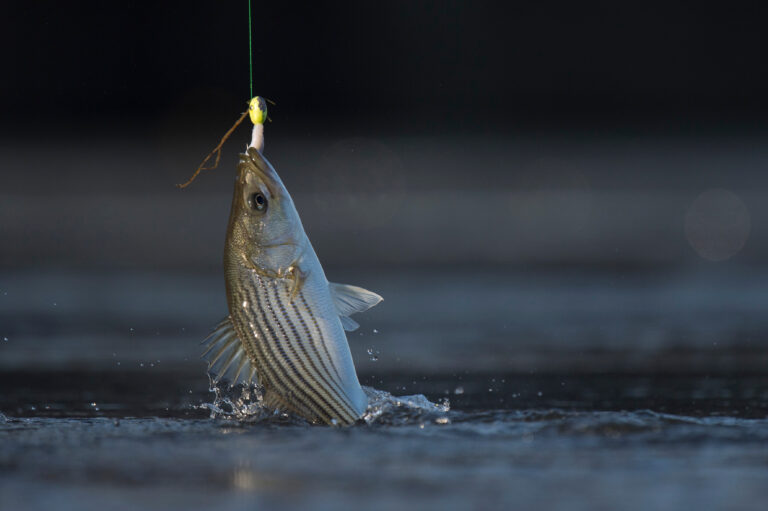
The Atlantic sturgeon and the shortnose sturgeon look like something from a prehistoric ocean, with bony plates instead of typical fish scales and long, pointed snouts they use to vacuum food from river bottoms. In North Carolina, these large, long‑lived fish split their lives between the ocean and big coastal rivers like the Cape Fear, Neuse, and Roanoke. They migrate upstream to spawn in fresh water, laying eggs on riverbeds before drifting back toward the estuaries and sea.
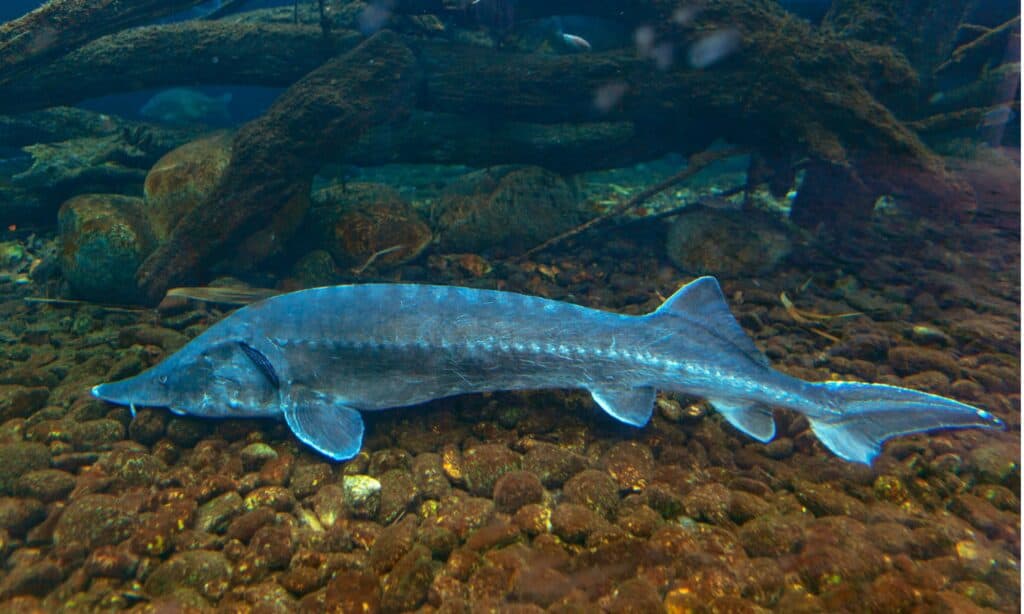
Atlantic sturgeon lay their eggs on rock and gravel on river bottoms.
©iStock.com/RussieseO
For many decades, heavy commercial fishing, pollution, and dams that blocked upstream migration hammered sturgeon populations, causing numbers to plummet. Even today, they face propeller strikes from boats, poor water quality, and altered river flows. Harvest is now banned, and conservation efforts include improving water quality, modifying or removing dams, restoring spawning habitat, and using acoustic tags to track movements so managers can better protect key migration routes. Numbers are slowly recovering, currently estimated in the hundreds to low thousands.
Carolina Madtom
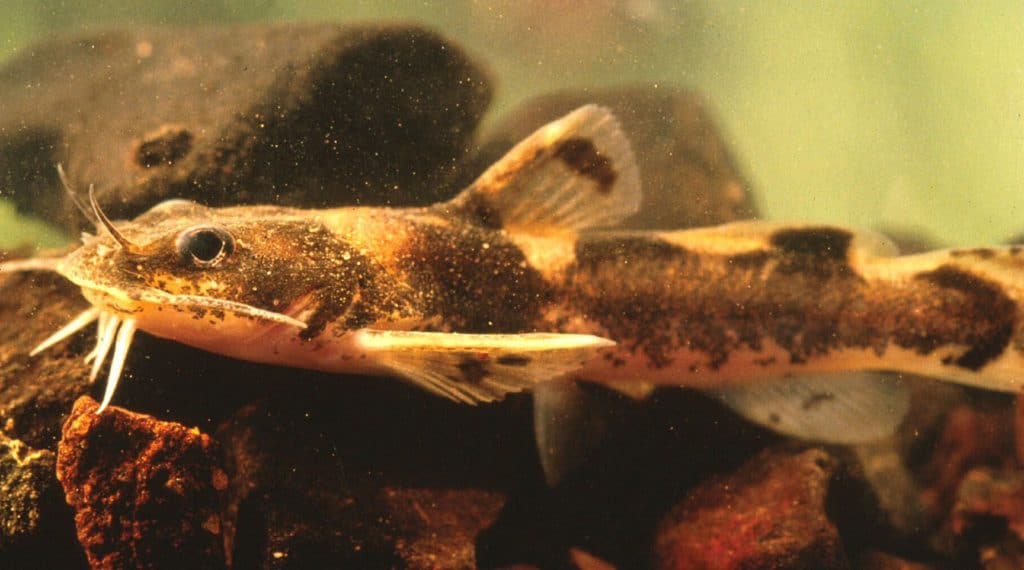
This Carolina madtom lives in only one small stretch of river basin in North Carolina.
©USFWS Headquarters, Public domain, via Wikimedia Commons – Original / License
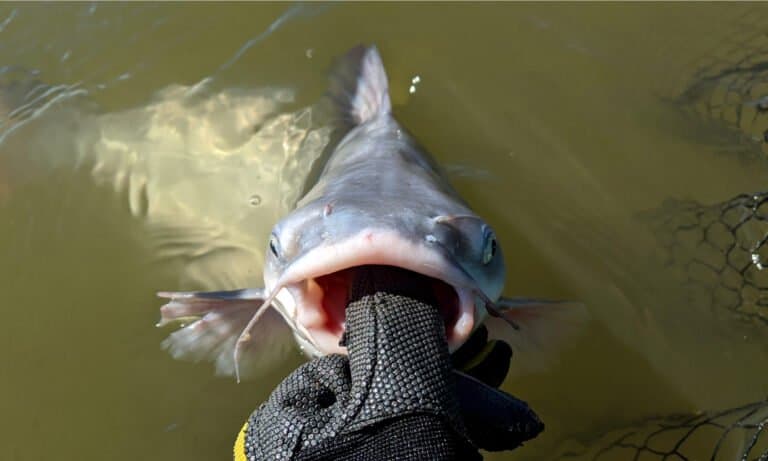
The Carolina madtom is a small, secretive catfish with bold dark patches and a venomous spine, giving it a surprisingly tough personality for such a tiny fish. It lives only in a limited stretch of the Tar and Neuse River basins in North Carolina, making it a true local native. The madtom prefers clean, flowing streams with rocky or gravel bottoms where it can hide under stones and feed on aquatic insects and small invertebrates. Because of its limited range, it is thought to be extremely rare, with only a few small populations remaining and no comprehensive population estimate available.
Urban growth has harmed its habitat. Sediment from construction sites and farms has also caused damage. Pollution and dams that change natural flows have made conditions worse. These forces cover clean gravel with silt and reduce oxygen-rich riffles. The species has a very small range. A single chemical spill or poorly designed development project could wipe out an entire local population. Conservation groups now work with towns, farmers, and transportation agencies to reduce runoff. They reshape streambanks and protect key sections of river so this fierce little catfish has a fighting chance.
Bog Turtle
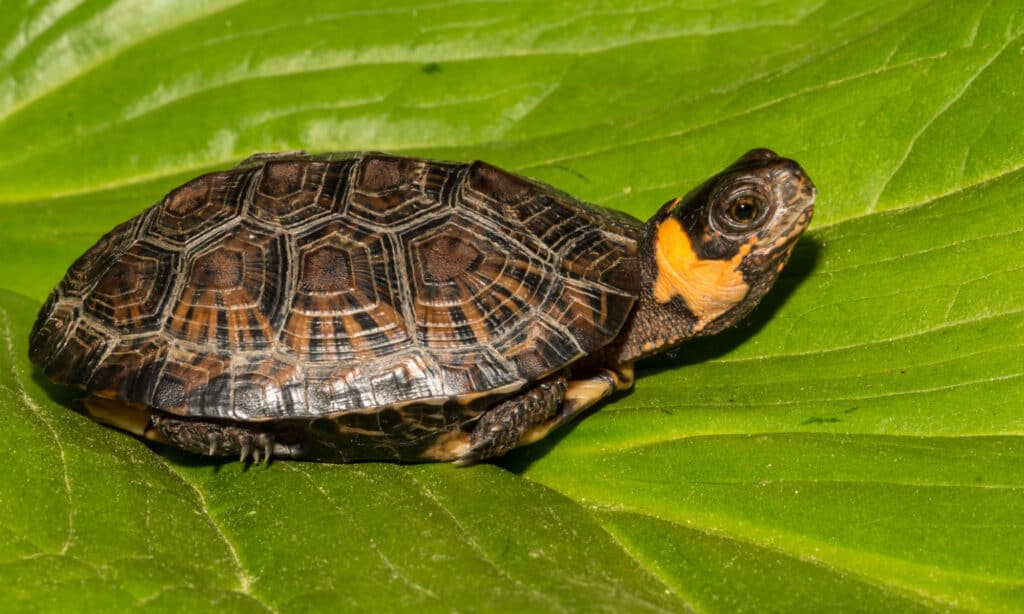
The large bright patch on the side of the bog turtle’s head makes this species easy to identify.
©Jay Ondreicka/Shutterstock.com
The bog turtle is the smallest turtle in North America and often fits in the palm of a hand. You can easily recognize it by the bright orange or yellow patch on each side of its head. In North Carolina, it lives in rare mountain and foothill wetlands. These include spring-fed bogs and wet meadows with soft mud, shallow water, and open, sunny areas. People drain or ditch wetlands for pasture, development, and roads, destroying much of this habitat. Invasive plants and shrubs also overgrow many remaining bogs. They shade out the grassy openings bog turtles need to bask and nest. Illegal collection for the pet trade makes things worse. Even removing a few turtles from a small population can cause a steep decline.
Conservationists say that only about 2,000-4,000 individuals have survived across the species’ entire distribution in the eastern United States. Wildlife agencies and land trusts now work with willing landowners to fence cattle out of sensitive bogs, control invasive plants, restore natural water levels, and keep turtle locations confidential, all to help this tiny reptile hang on in the North Carolina mountains.
Freshwater Mussels
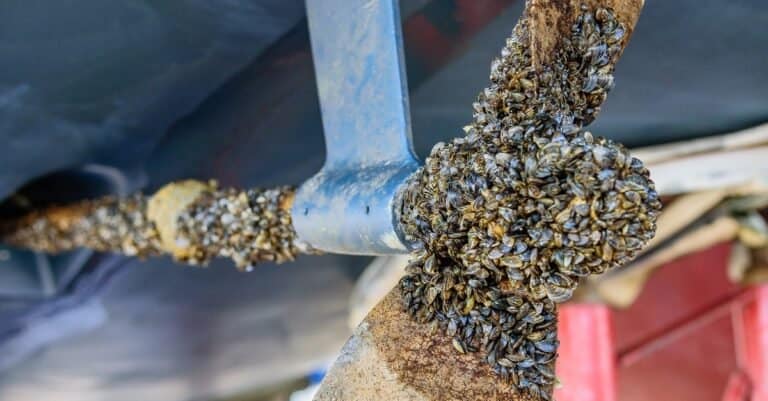
At first glance, freshwater mussels may look like plain, dark shells half-buried in riverbeds. In reality, these animals quietly help keep North Carolina’s streams clean. Species such as the Appalachian elktoe, Tar River spinymussel, and dwarf wedgemussel live in cool, well-oxygenated rivers and creeks. There, they filter water and create habitat for other small organisms. Many of these mussels rely on complex life cycles. They depend on specific fish hosts to carry their tiny larvae upstream. If those host fish disappear, the mussels disappear as well. Depending on the species, their populations range from fewer than one hundred to several hundred individuals.
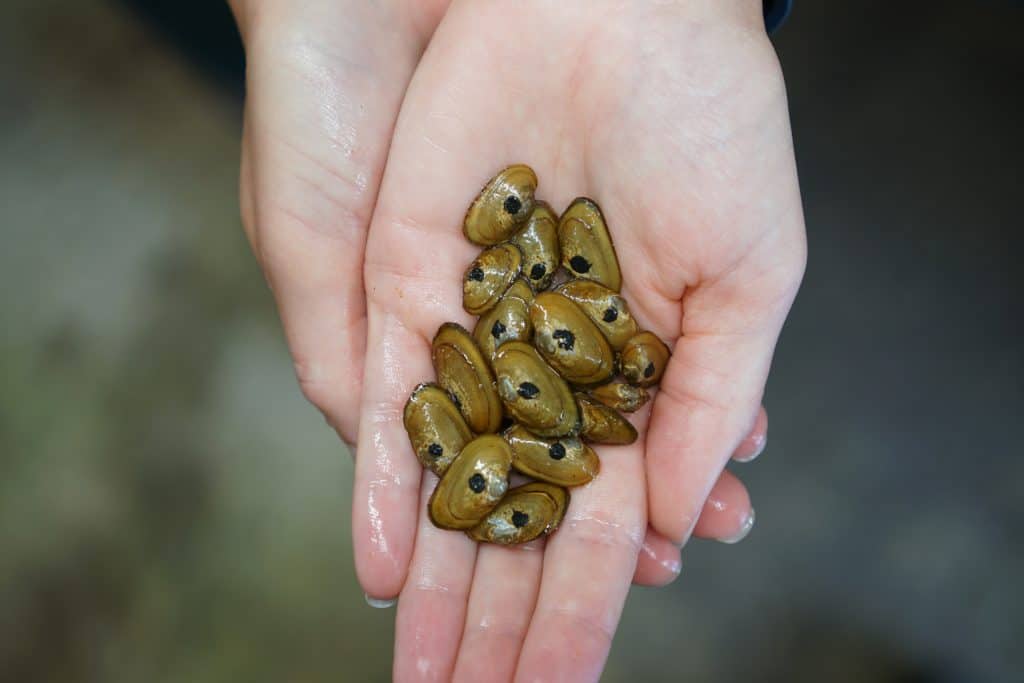
Appalachian elktoe mussels, found in a North Carolina river.
©U.S. Fish and Wildlife Service Headquarters, Public domain, via Wikimedia Commons – Original / License
Dams, pollution, and runoff from farms and roads have destroyed or degraded much of their habitat. Channel straightening has also caused damage. As a result, only scattered populations remain in a few clean stretches of river. Conservation projects focus on improving water quality and repairing streambanks. They also remove or modify outdated dams and breed some species in captivity for later release. Protecting these mussels often means protecting entire river systems, which benefits people, fish, and many other creatures.
Schweinitz’s Sunflower
Schweinitz’s sunflower is a tall, striking plant with bright yellow flowers that can tower over a person when fully grown. It is found mainly in a small area around Charlotte, North Carolina, and extends into nearby parts of South Carolina. It usually grows in sunny, open habitats such as roadsides, old fields, and powerline corridors. These areas mimic the natural prairies and woodlands that once dominated the region. They persist in about 25-30 natural and transplanted populations.
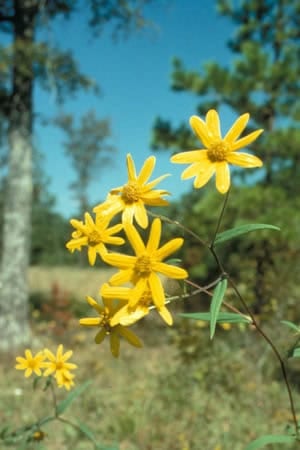
Schweinitz’s sunflower in the North Carolina countryside.
©USFWS Asheville, Public domain, via Wikimedia Commons – Original / License
Many remaining plants grow in areas that are regularly mowed or disturbed. Entire colonies can be wiped out if maintenance schedules do not account for their blooming and seed-setting times. Conservationists work with transportation departments, utility companies, and private landowners to adjust mowing practices. They also set aside protected easements, collect seeds, and relocate plants when necessary, all to keep this rare wildflower blooming in the rapidly growing Piedmont.
Mountain Sweet Pitcher Plant
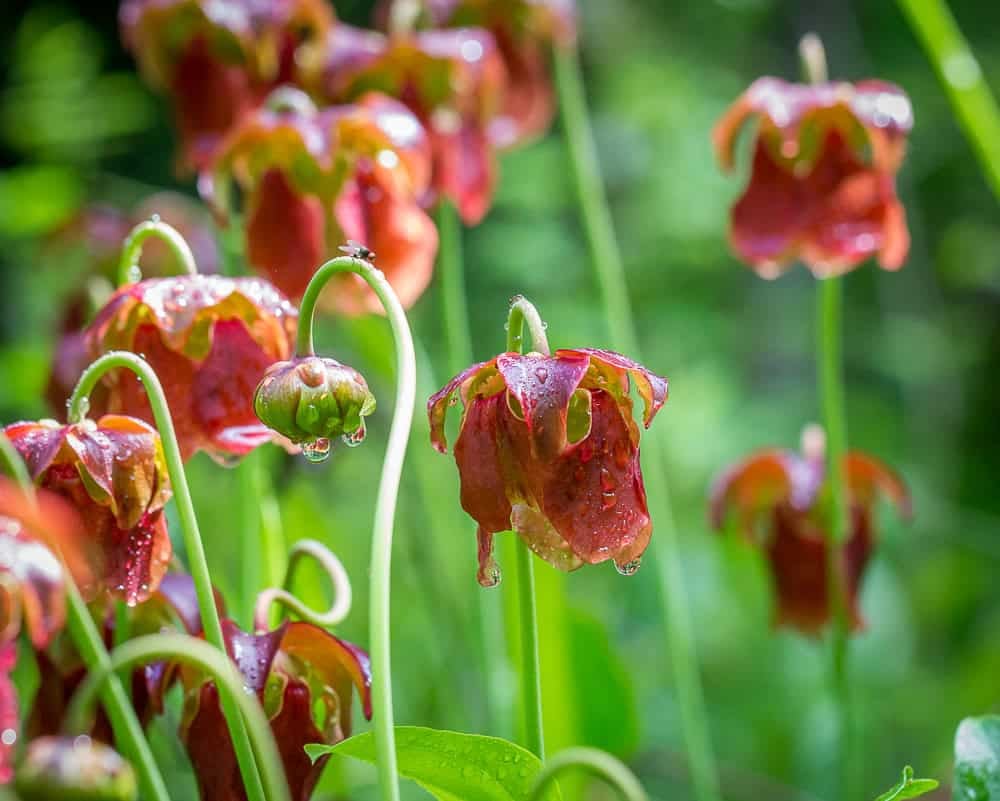
Blooms of the rare mountain sweet pitcher plant.
©USFWS/Southeast, Public domain, via Wikimedia Commons – Original / License
The mountain sweet pitcher plant looks like something from a science‑fiction story, with tall, tube‑shaped leaves that form “pitchers” filled with digestive liquid. Native to a handful of mountain bogs and seepage wetlands in North Carolina and South Carolina, this carnivorous plant lures insects with sweet nectar and then traps them inside its slippery pitchers. In the wild, it grows in sunny, wet areas with clean, slow‑moving water and nutrient‑poor soils, conditions that keep larger plants from taking over. There are fewer than 20 sites in the Carolinas where they survive, with some sites having just a few dozen plants.
Draining wetlands has destroyed much of its habitat. Converting land to pasture or development has also caused major losses. Allowing shrubs and trees to grow in once-open bogs has further reduced suitable areas. Poaching by plant collectors has taken a toll, and plants dug from small populations rarely survive transplanting. Today, land trusts and government agencies protect many known sites with conservation easements. They restore natural water flow and remove encroaching shrubs, and they also raise pitcher plants in nurseries for carefully managed reintroduction into secure wetlands.
Rebuilding North Carolina’s Wild Future
North Carolina’s endangered animals and plants show how fragile even familiar landscapes can be when habitats shrink and human activity goes unchecked. From mountain spruce‑fir forests and rocky rivers to hidden bogs, Piedmont roadsides, and sea turtle nesting beaches, each species depends on a specific piece of the state’s natural puzzle. By supporting habitat restoration, using less lawn and more native plants, keeping rivers clean, obeying wildlife‑friendly rules at the beach, and backing strong conservation laws, everyday people can help ensure that these rare species remain a part of North Carolina’s future story instead of fading into history.