
Quick Take
- K9 Veterans Day (March 13) honors the service and sacrifice of U.S. military working dogs since the 1942 War Dog Program.
- Military dogs have served from WWI to today, performing lifesaving roles like detecting explosives, scouting, and guarding troops.
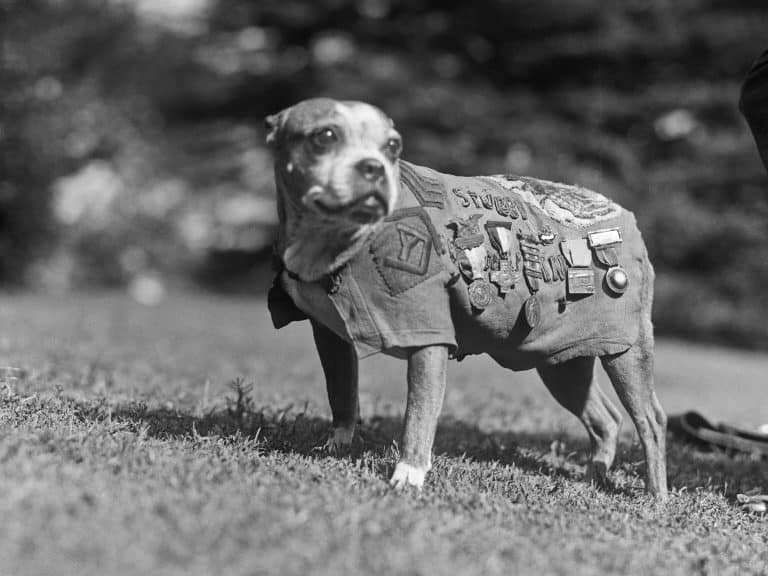
- Heroes like Sergeant Stubby showed extraordinary bravery, helping cement war dogs’ legacy.
- Retired military dogs may face canine PTSD, and organizations like Mission K9 Rescue support their rehabilitation and rehoming.
On March 13, 1942, the United States launched the War Dog Program during World War II, later known as the Army K-9 Corps. However, even before that, loyal dogs had been accompanying soldiers to war. One famous dog, Sergeant Stubby, achieved such acts of bravery during World War I that he arrived home a war hero. Held every year since 1987, March 13th has been a day to honor the dogs, as we celebrate the courageous military canines that serve and have served the U.S. military with K9 Veterans Day.
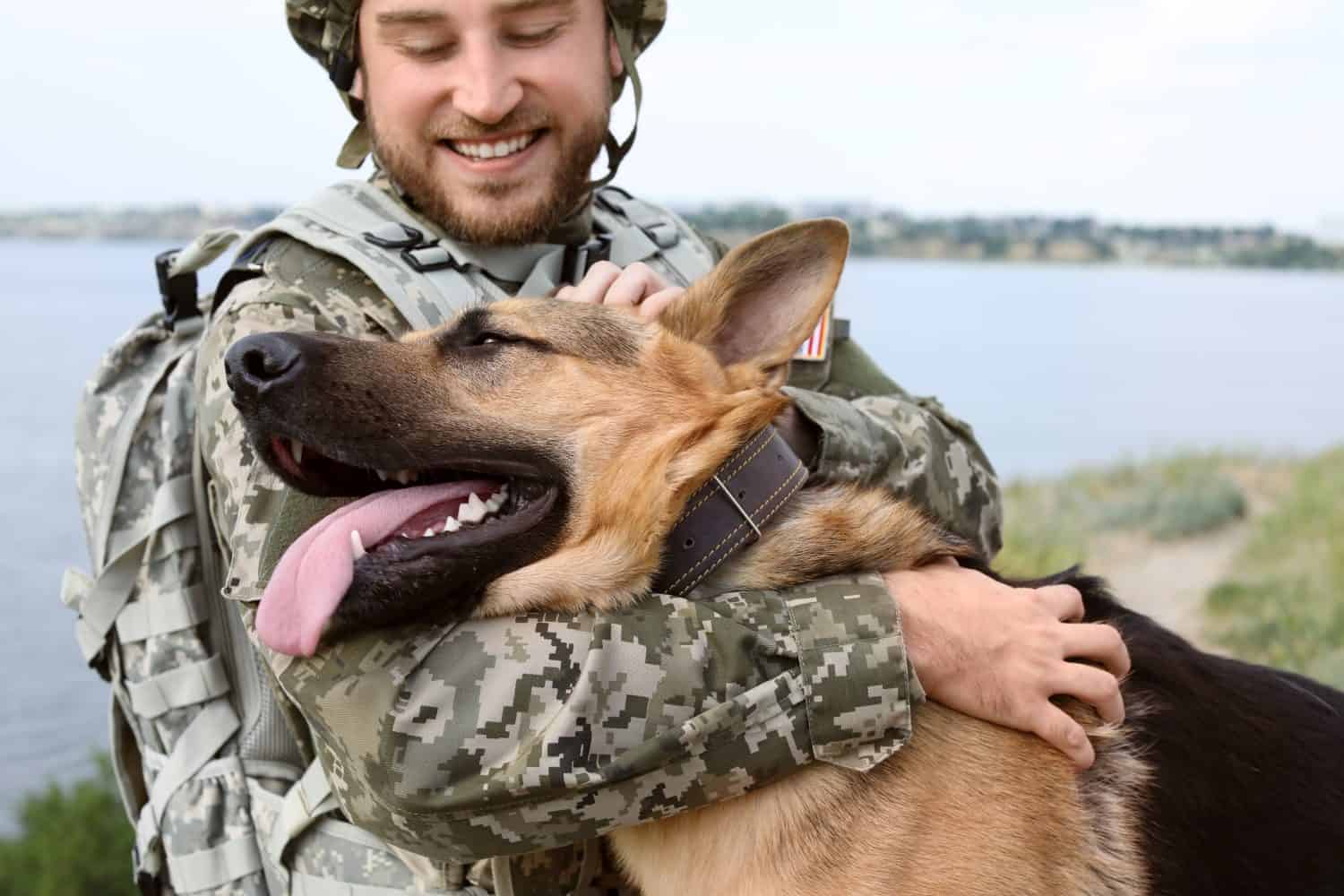
K9 Veterans Day honors the brave sacrifices of the many military working dogs.
©Liudmila Chernetska/iStock via Getty Images
The First Military Working Dogs
The first dogs to officially work for the U.S. military were sled dogs. In the early 1900s, military personnel relied on sled dog teams to transport them through the Alaska wilderness. During WWI, the American Red Cross used messenger dogs to carry ammunition and rations to soldiers in dangerous conditions.
One heroic and well-known war dog is Sergeant Stubby, a pitbull terrier mix with a stubby tail. Sgt. Stubby performed many heroic duties, including stopping a German spy from escaping and warning troops of enemy attacks. Sgt. Stubby returned home to victory parades and an adoring public.
In WWII, the War Dog Program began, where trained dogs were sent to combat zones around the world. The dogs delivered messages, detected mines, worked as scouts and guard dogs, and helped keep up morale among the troops. Since then, dogs continued to work on the front lines in combat zones, including Korea, Vietnam, Iraq, and Afghanistan.
Today’s Military Dogs
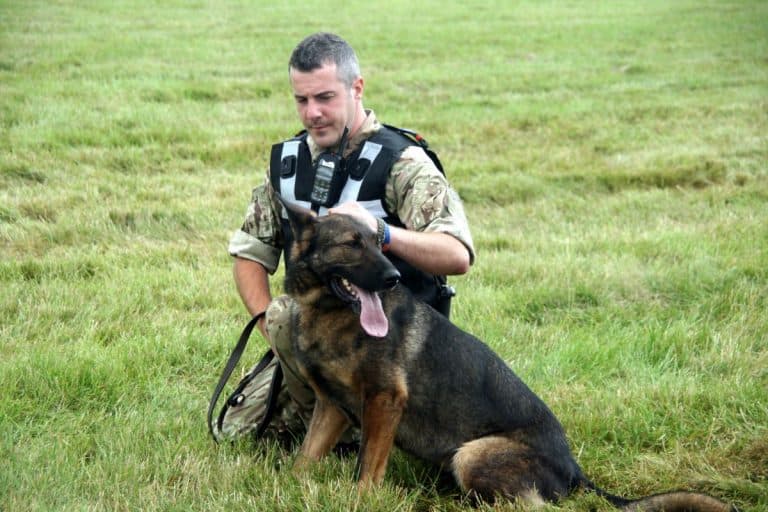
Today, there are around 1,600 working dogs in the Army, Navy, Air Force, and Marine Corps. Training depends on the type of work the dog will be doing. Some dogs are trained to alert warfighters to chemical and physical attacks. Others can detect explosives or narcotics. One important aspect of a military dog’s training is the ability to stay focused in chaotic situations.
Alisa Chmielinski, director of training and operations for 3DK9 Detection Services, explained the importance of the work of military dogs in a statement: “These animals serve a multitude of purposes. The No. 1 purpose they serve is saving lives.”
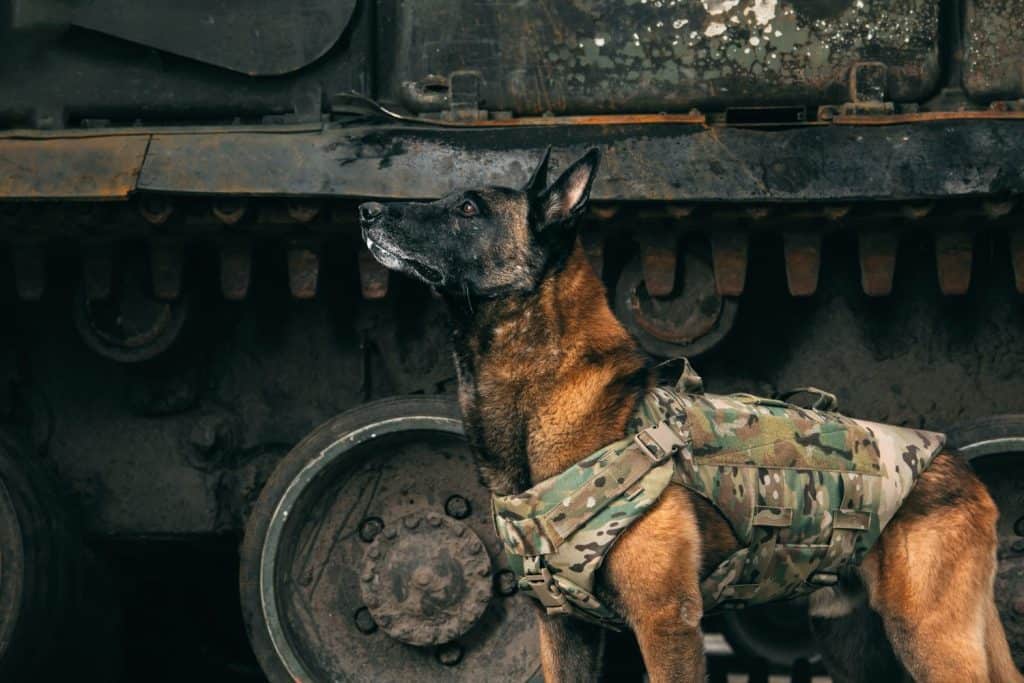
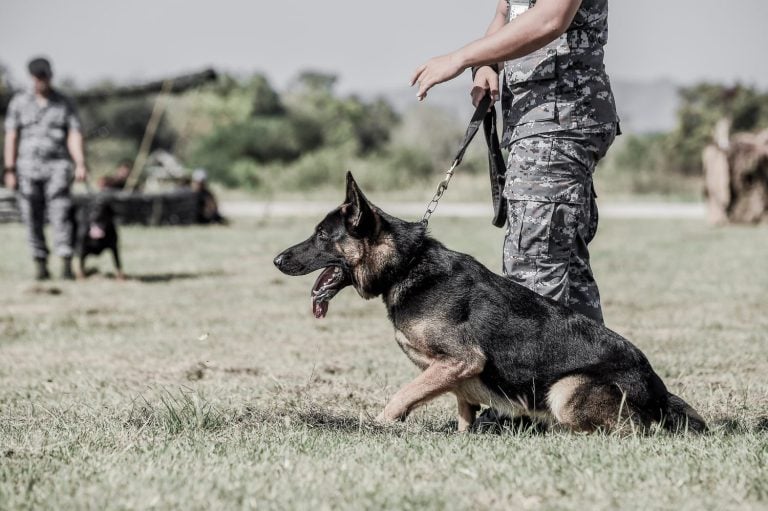
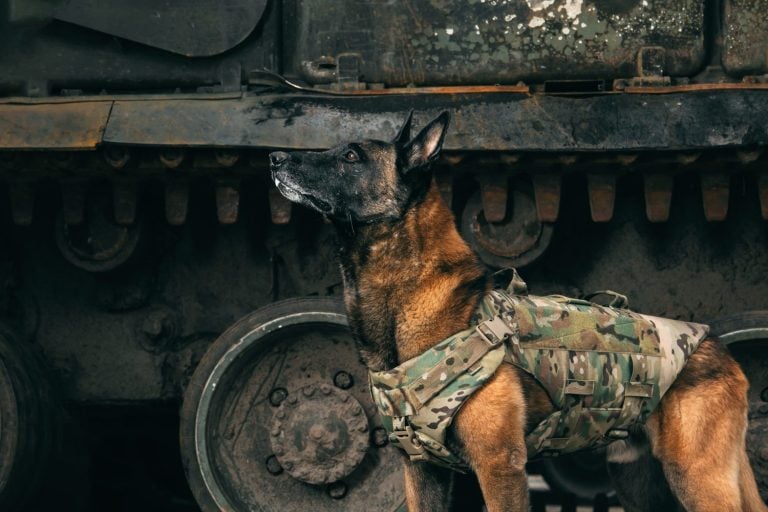
Belgian Malinois dogs are a top breed for military working dogs.
©OlgaOvcharenko/Shutterstock.com
A dog needs just the right temperament, trainability, and energy level to serve in the military. There are several key breeds that are commonly used. These include large, intelligent breeds such as German Shepherds, Belgian Malinois, Labrador Retrievers, and Doberman Pinschers. A Belgian Malinois named Cairo was part of the SEAL team responsible for the raid that resulted in the death of Osama Bin Laden.
Just Like Humans, Military Dogs Can Get PTSD
Human veterans are not the only ones who can suffer from post-traumatic stress disorder. Dogs who have served alongside the men and women of the armed forces can also develop severe symptoms of anxiety after living through stressful or dangerous situations. When it occurs in dogs, it’s called canine-PTSD.
Dogs with PTSD can exhibit different symptoms, such as aggression and fearfulness. Treatment includes giving the dogs a quiet, safe space (away from loud noises) to begin their recovery. Bob Bryant, co-founder of Mission K9 Rescue, told U.S. Veterans Magazine, “If they cower or show aggression, we’ll take more time with them, working to gain their trust and love.” Although PTSD cannot be cured, its symptoms can often be managed or reduced. However, many dogs with PTSD symptoms can recover enough to be adopted into loving homes.
Some of the Organizations Dedicated to Transitioning Military Working Dogs to Civilian Life
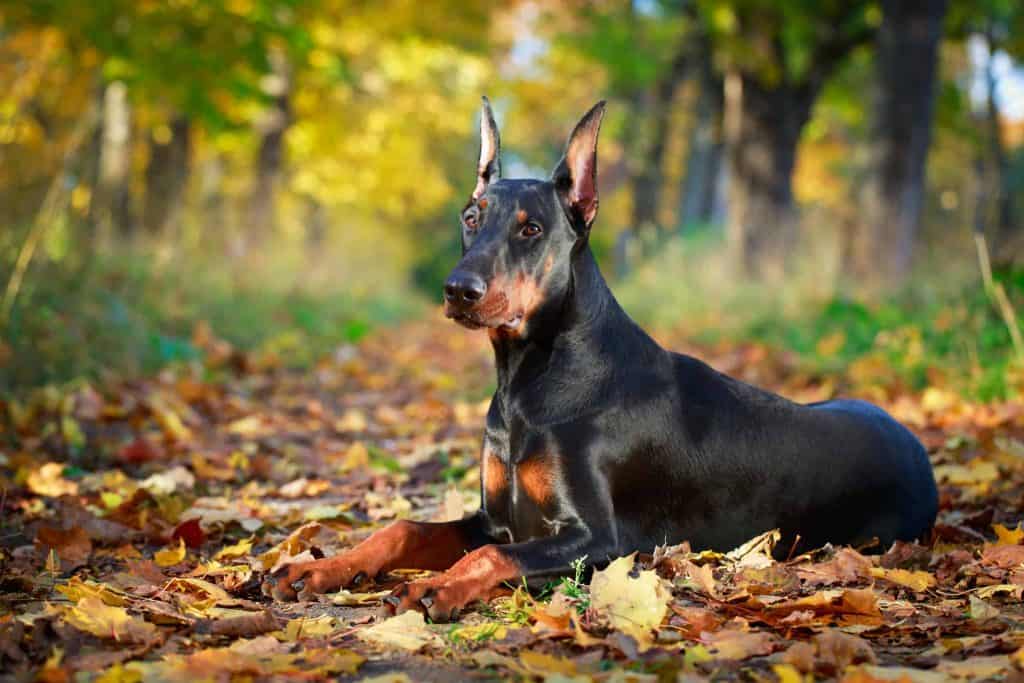
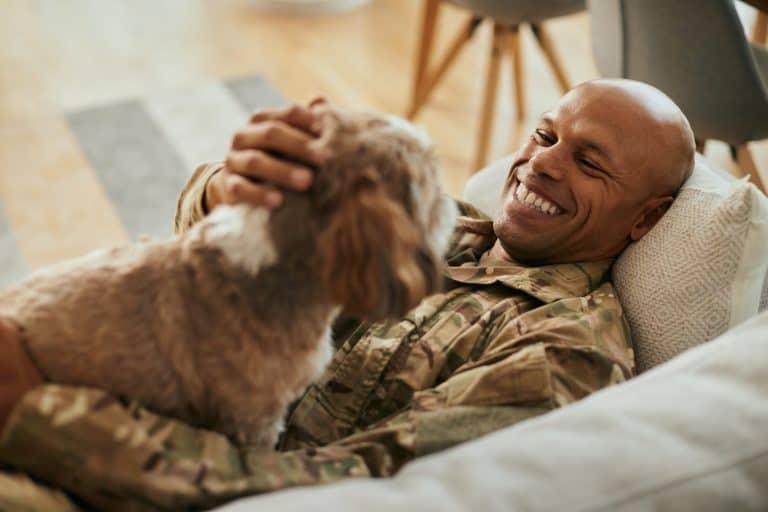
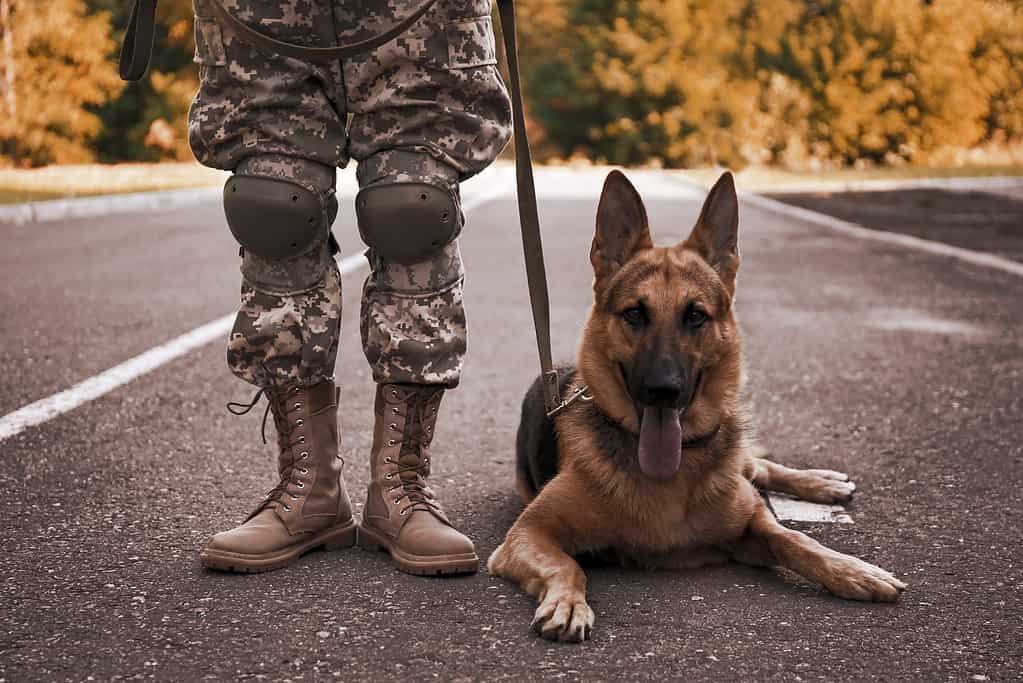
Providing a loving home to a retired military working dog can be a rewarding experience.
©mesut zengin/Shutterstock.com
Several organizations focus on caring for retired military dogs by rehoming, rehabilitating, or reuniting them with their handlers.
Mission K9 Rescue
Mission K9 Rescue is a Texas-based organization that rehabilitates and finds homes for retired military and contract working dogs. They always prioritize placing the dog with its handler, provided the handler wants the dog and can offer a suitable home.
Warrior Dog Foundation
The Warrior Dog Foundation cares for and rehabilitates former working military dogs that have retired but cannot be adopted. If a dog can’t recover enough to be rehomed, the foundation provides sanctuary.
K9 Hurricane’s Heroes
K9 Hurricane’s Heroes provides financial assistance to handlers for the care of retired military dogs. After a dog retires, the financial responsibility shifts to the handler, which can make adoption a difficult financial decision. The non-profit organization sponsors retired military dogs, including their day-to-day expenses and medical care.