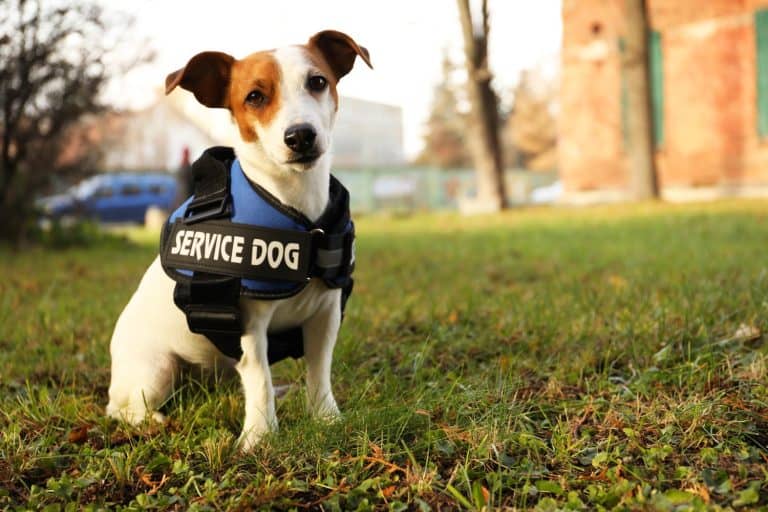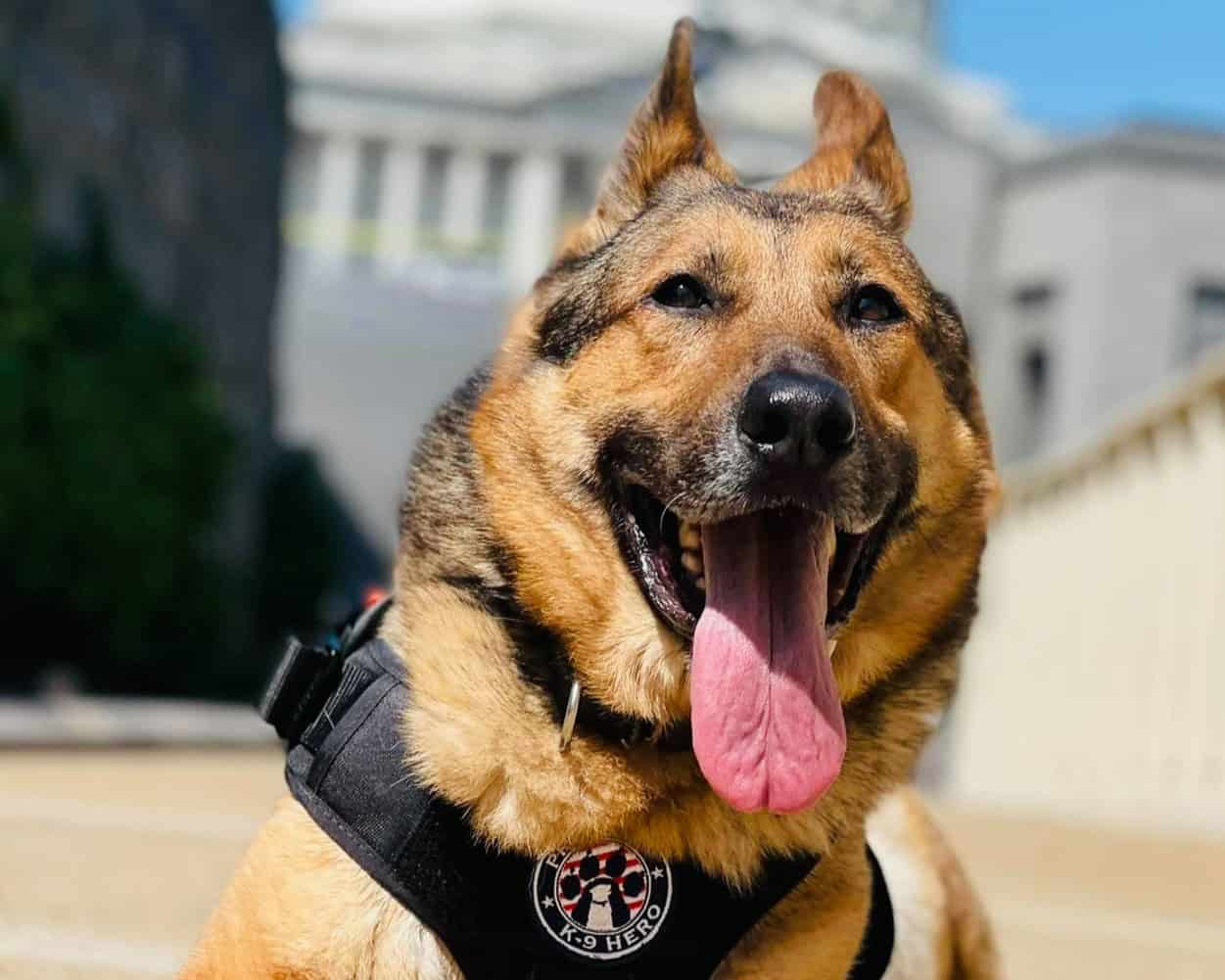

Police dogs, often referred to as K9s or K-9s, are specially trained to assist law enforcement officers in tasks ranging from tracking suspects and detecting narcotics to locating missing persons. These highly skilled animals form close bonds with their handlers and become trusted partners in some of the most dangerous and demanding situations. But what happens when their service comes to an end? According to the National Police Association, approximately 10,000 police dogs retire each year, leaving many to face an uncertain future after years of dedication and service.
A-Z Animals was extremely fortunate to speak with Chris Bingham, a dedicated law enforcement officer with over two decades of service, leadership, and K9 expertise. Bingham has spent the majority of his career handling, training, and advocating for working dogs, including his retired K9, Tambo. As Bingham explains, “After more than two decades in law enforcement — most of that in K9 operations — I’ve learned that the bond between a working dog and their handler doesn’t end when the leash comes off. It simply evolves into something deeper.”
Officer Chris Bingham and K9 Hero Tambo
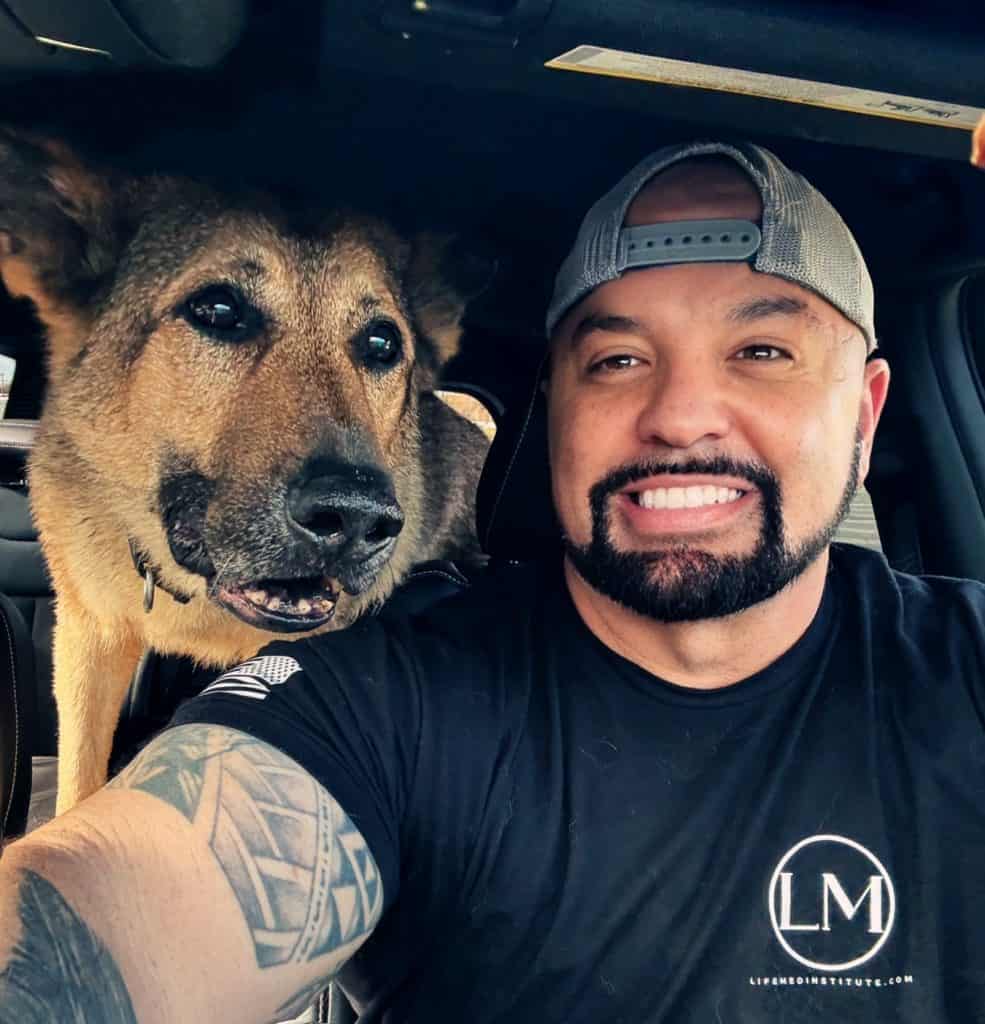
Tambo and Bingham served together for over seven years.
©Courtesy of Chris Bingham
A graduate of the Northwestern University School of Police Staff and Command, Chris Bingham rose through the ranks to become a K9 commander, leading, training, and shaping high-performance K9 programs and championing the legacy of working dogs nationwide. For over 17 years, he has handled, trained, and personally retired three exceptional working dogs, each leaving a lasting imprint on his life. More than just former partners, these K9s are family, and their stories fuel his mission.
While all three have left a lasting impact, Bingham’s bond with K9 Tambo has captured national attention. Tambo, who now battles hemangiosarcoma, has inspired thousands with his resilience and determination. His story exemplifies both the extraordinary contributions of police K9s and the challenges they face long after their working days are over.
“Retirement isn’t the end of the story — it’s the continuation of a legacy,” Bingham says. “These dogs may no longer wear the badge, but they never lose their purpose. Our responsibility as handlers is to make sure they live out their final years with structure, care, and the dignity they’ve earned through a lifetime of service.”
Through public outreach, interviews, and national collaborations, Bingham has used his platform to shine a light on the realities retired K9s face, and to raise awareness for organizations like Project K9 Hero, which has provided more than $30,000 in medical support for Tambo alone.
When and Why K9s Retire
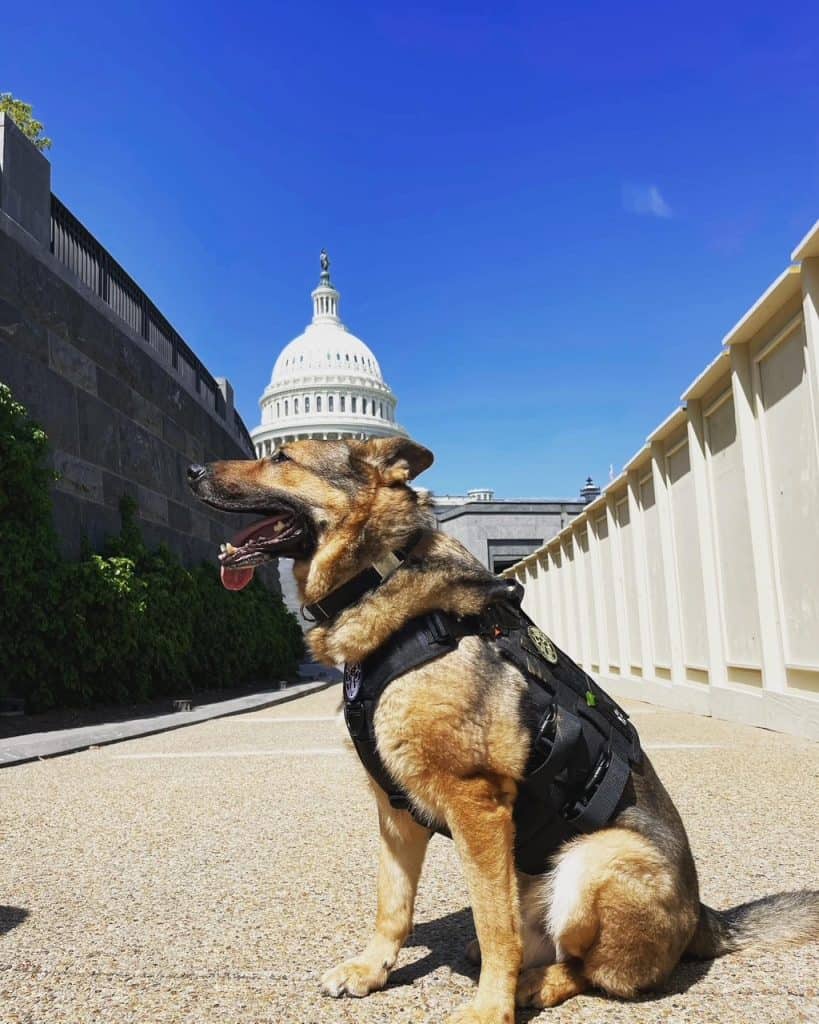
Tambo served as an explosive detection dog.
©Courtesy of Chris Bingham
The exact timing of a police dog’s retirement depends on the individual dog and departmental policy. Handlers begin watching closely for signs of aging in their dogs at around age seven or eight, though some dogs continue working until they are 10 or 11. The decision to retire a dog is based on ability, enthusiasm, safety, and quality of life.
Signs such as decreased energy, slower recovery, or injury can trigger retirement earlier than expected. Many departments conduct annual re-evaluations to ensure each K9 remains willing, healthy, capable, and safe to continue working.
Handler Adoption
Throughout his career, Tambo protected top U.S. officials and conducted an unprecedented 10,000 detection searches.
©Courtesy of Chris Bingham
Most retired police dogs are adopted by their handlers — the ideal outcome, given the trust and communication the two have built over years of partnership. Bingham explains, “When a K9 retires, most departments will offer the dog to their handler as long as that handler is in good standing. The process involves transferring custody from the department to the handler, who then assumes full ownership, liability, and all costs — including healthcare.”
Not long ago, many retired police dogs were euthanized once they could no longer work because they were categorized as ‘equipment.’ Fortunately, that changed with Robby’s Law (2000), which ensures K9 handlers or other suitable service members can adopt their military and police dogs.
If a handler cannot adopt the dog, another officer from the unit may step forward. Civilian adoption is extremely rare and typically limited to dogs with special needs. In rare cases where a K9 cannot be placed safely, Robby’s Law ensures they receive lifelong care in specialized facilities.
What many people don’t realize is that once a working dog retires, the entire financial burden of care falls on the handler.
Chris Bingham, dedicated law enforcement officer with over two decades of K9 expertise
Transition to Civilian Life
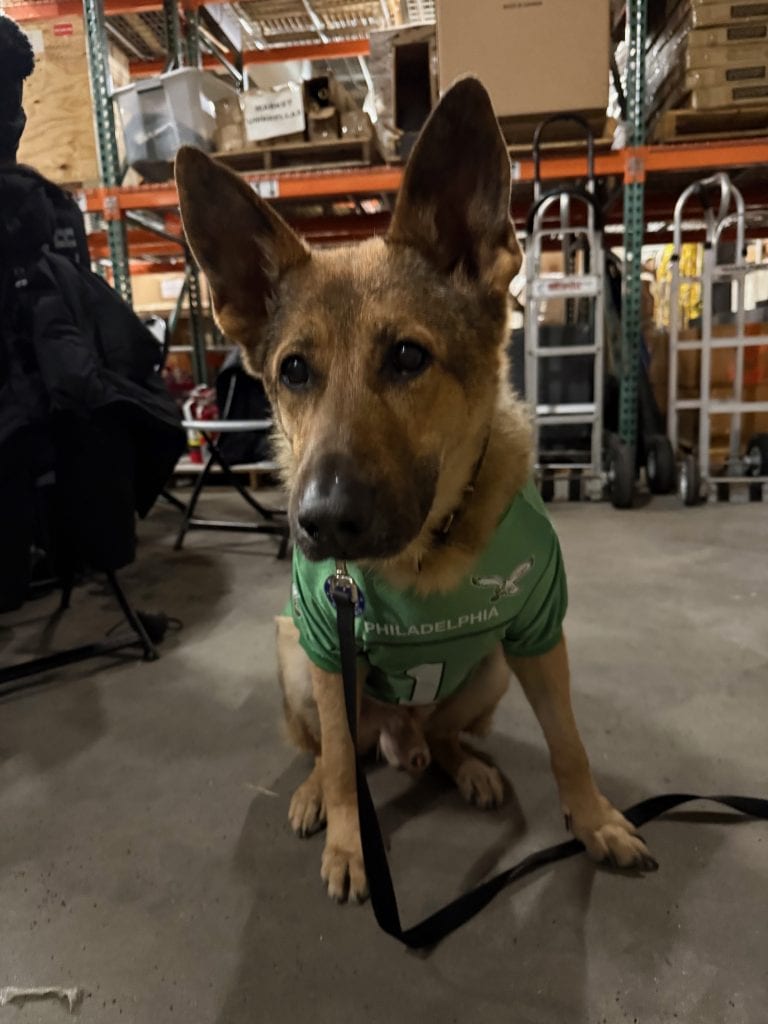
Tambo served as an Explosive Detection K9 within the Federal Police’s Law Enforcement Intelligence Community.
©Courtesy of Chris Bingham
The shift from a life of structure and constant purpose to a slower pace can be difficult for retired K9s. “These dogs live their entire lives by structure, discipline, and purpose. Suddenly, that all changes,” Bingham explains. “For handlers, it’s emotionally tough — you go from being with your partner 24/7 to leaving them at home while you work. For the dog, it’s learning to slow down without losing their drive.”
Many retired K9s still react to sounds or routines associated with work, expecting to head out on a mission at any moment. “Even after almost four years of retirement, Tambo is still regimented,” Bingham notes. “He expects breakfast at 5 a.m. sharp, even on my days off. Despite his age and ongoing cancer treatment, he still tries to come to work with me every day. That mentality never leaves them — it’s who they are.”
Given their lifetime of discipline and regimented service, retired K9s need families that understand their unique needs. Bingham shares, “From the moment [Tambo] retired, I made a promise to stay committed to his health and well-being. I kept him on a high-quality diet, stayed on top of vet visits, and made sure he remained physically and mentally active… A handler owes that to their K9 partner — they gave everything to us, and we owe them the same in return.”
With consistency, enrichment, and patience, many retired K9s adapt well and enjoy the comforts of civilian life — lounging in the sun, playing fetch, and spending time with their families. However, they never quite lose their drive; instead, retirement simply becomes a new kind of mission.
In Tambo’s case, that mission is clear. “[Tambo] found new purpose in retirement. He took on the role of protector to my newborn son and became an ambassador for Project K9 Hero… His mission didn’t end when his service career did — it just changed shape.”
Health and Financial Realities
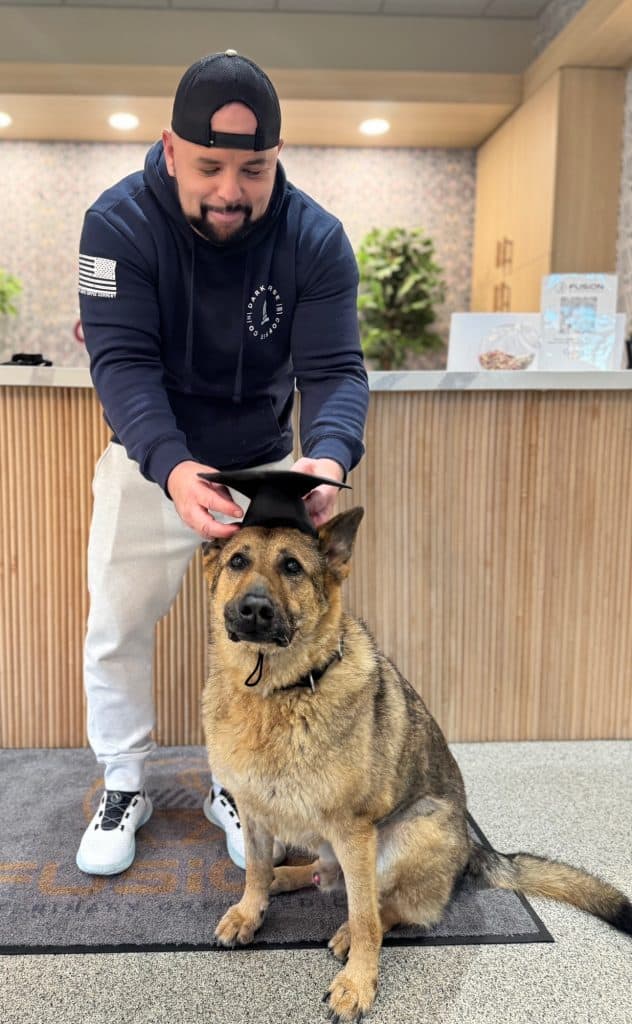
Tambo successfully graduated from rehabilitation, having suffered a torn ligament and two ACL tears.
©Courtesy of Chris Bingham
Years of intense physical work leave many retired police dogs with chronic health issues. Retired K9s commonly suffer from arthritis, hearing loss, depression, anxiety, post-traumatic stress disorder (PTSD), and long-term injuries.
However, unlike human officers, K9 officers do not receive pensions, benefits, or retirement coverage. “What many people don’t realize is that once a working dog retires, the entire financial burden of care falls on the handler,” Bingham explains. This reality places immense emotional and financial strain on the individuals caring for these retired heroes.
Fortunately, organizations like Project K9 Hero, Missing K9, Thin Blue Paw, and others can provide assistance. “It’s a lifeline for handlers who want to give their partners the quality of life they deserve but are often faced with overwhelming veterinary costs,” Bingham says. “Project K9 Hero has been that lifeline for Tambo. With his torn ligament, double ACL tears, and now his battle against cancer, they’ve funded over $30,000 toward his care — and because of that, he’s still here fighting today.”
Tambo’s Retirement Journey
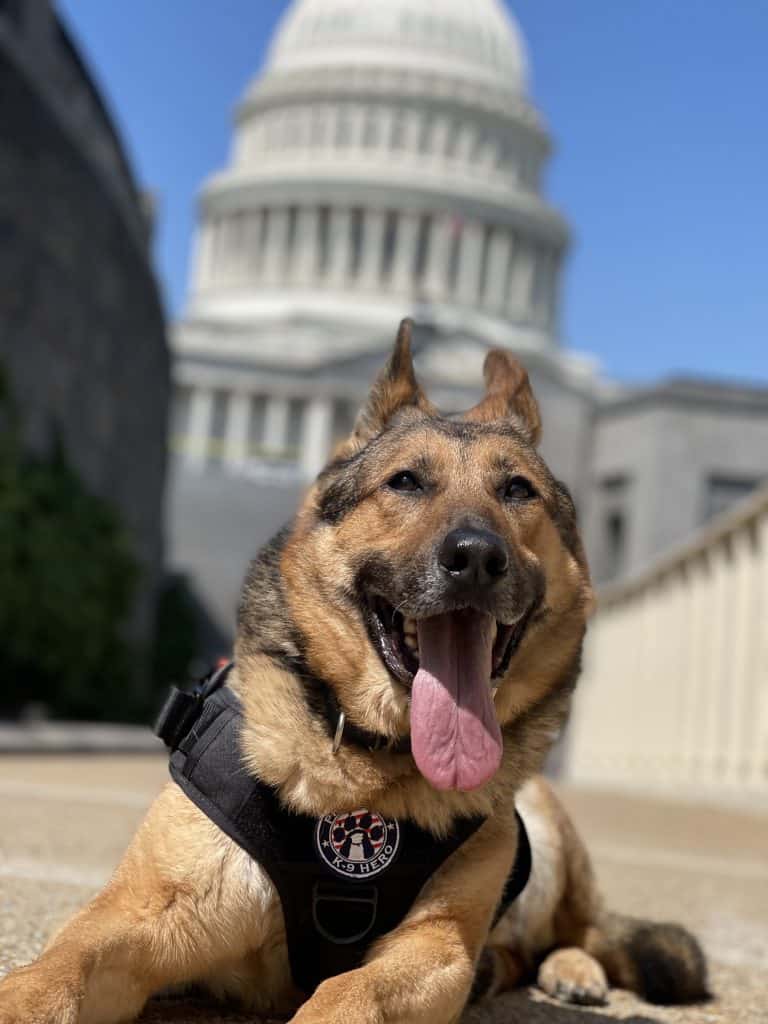
Tambo was diagnosed with an aggressive cancer at 11 years old.
©Courtesy of Chris Bingham
Tambo served alongside Bingham for seven years until a torn ACL forced him into retirement. Thanks to Project K9 Hero, he recovered from surgery and enjoyed several pain-free years.
In July 2025, Tambo was diagnosed with hemangiosarcoma with several masses on his spleen. “Tambo was given only two weeks to live,” Bingham recalls. Miraculously, the cancer had not spread and could be treated with chemotherapy. Once again, Project K9 Hero stepped in to assist with Tambo’s medical expenses.
Today, Tambo continues his treatment and continues educating others alongside his beloved handler. “[Tambo] is still fighting, still inspiring, still defying the odds… his story is a testament to resilience, loyalty, and love,” Bingham says.
Common Misconceptions About Retired K9s
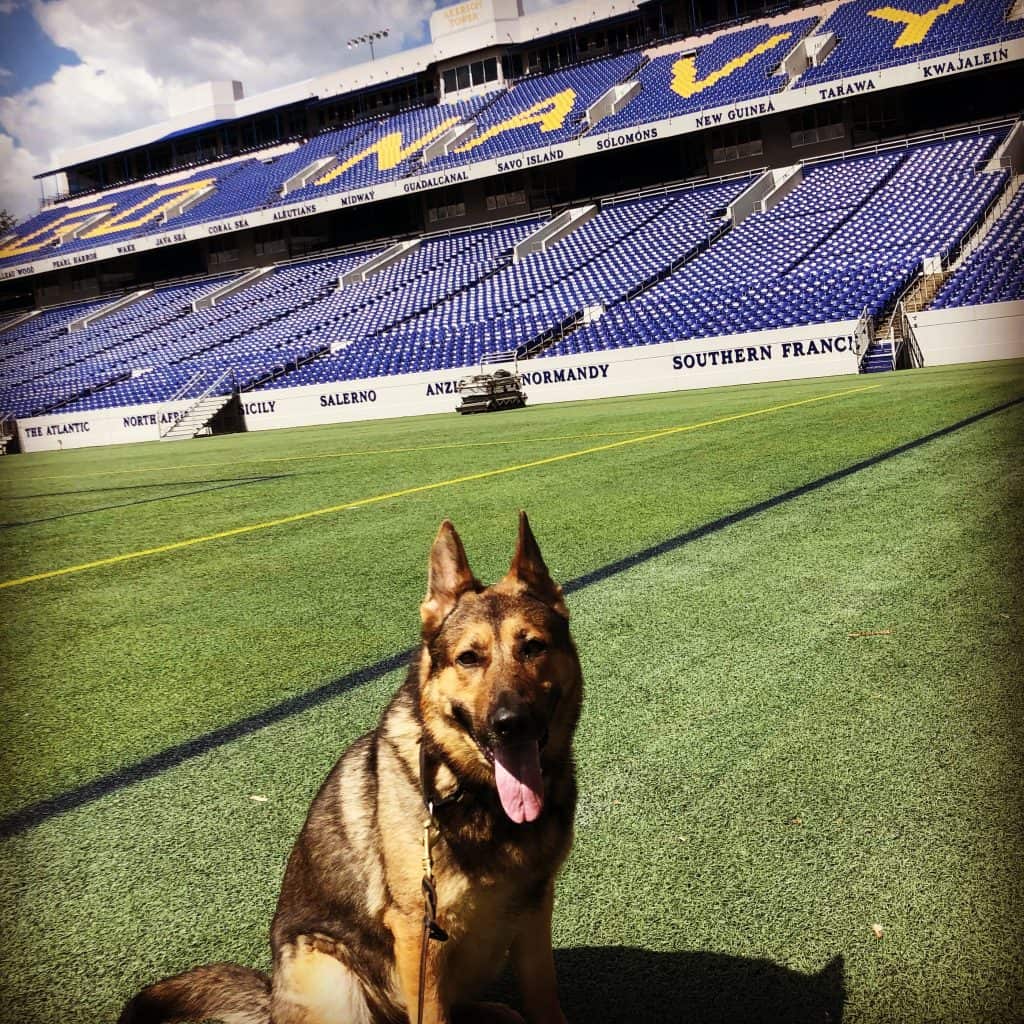
Tambo served in one of the busiest and most successful K9 units on the East Coast.
©Courtesy of Chris Bingham
Bingham notes that despite growing public support for working dogs, many people still misunderstand what retirement looks like. Having lived this chapter with all three of his retired K9s, he shared several misconceptions he wishes more people understood:
“The department keeps supporting them after retirement.”
This is one of the biggest assumptions — and one of the most incorrect. “They don’t,” Bingham says. “When a K9 retires, the entire financial responsibility — from routine care to emergency surgeries to cancer treatments — shifts entirely to the handler.”
“Retirement is easy for them.”
“Many of a working dog’s toughest health battles begin in retirement,” Bingham explains. “Years of service take a toll on their bodies, and that often shows up later.”
“They receive benefits or a pension.”
“They don’t,” Bingham emphasizes. “Once the leash is handed over, so are all expenses, and many handlers carry that burden silently.”
“They just become pets.”
In reality, the relationship between human and dog deepens. “In retirement, you see their vulnerability, their personality, their fight,” Bingham says. “And you take on not just the role of handler, but caretaker, advocate, and family.”
These misconceptions are why organizations like Project K9 Hero are so essential. “Organizations like Project K9 Hero step into a gap that most people don’t know exists… I truly believe [Tambo] wouldn’t be here without them.” In Tambo’s case alone, they have contributed over $30,000 in support.
How Civilians Can Support Retired K9s
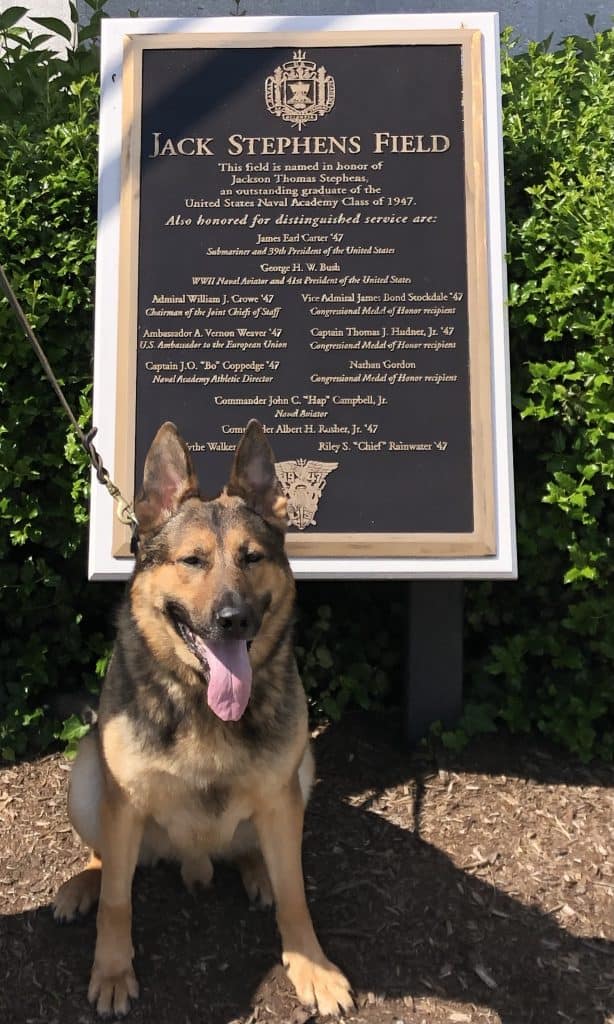
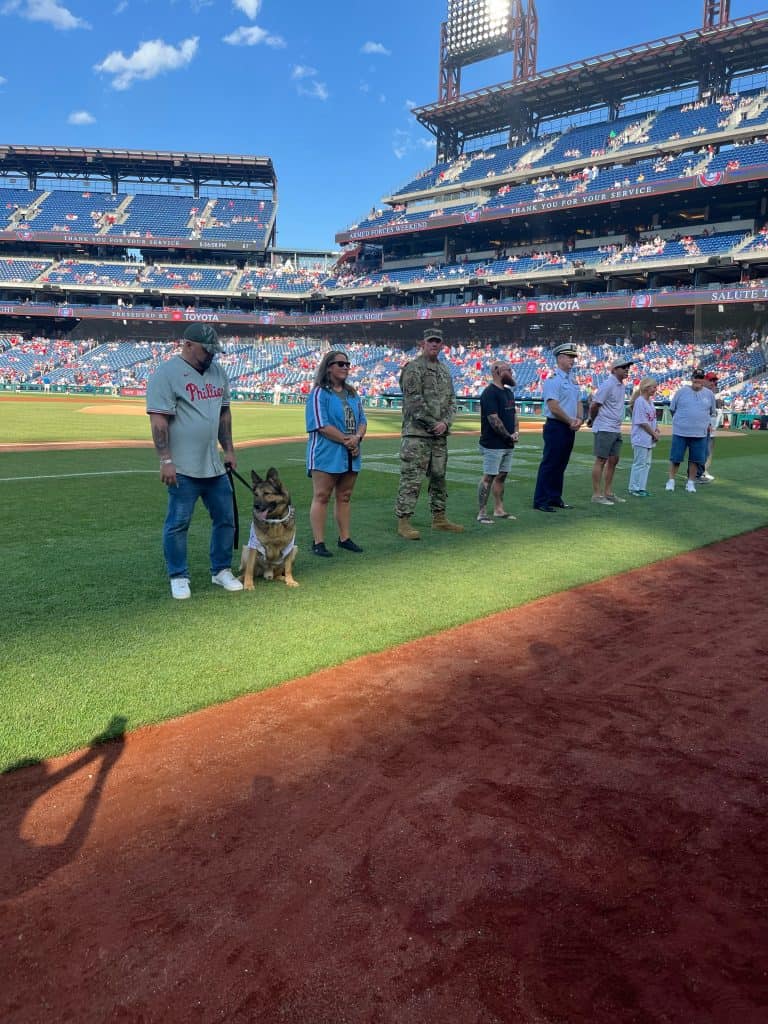
Bingham and Tambo are dedicated to helping retired K9s across the nation.
©Courtesy of Chris Bingham
Bingham’s dedication to retired working dogs extends far beyond Tambo. “Even though I don’t deploy with a police K9 anymore, the K9 community is still very much my home — and advocating for retired heroes has become one of the most meaningful parts of my life.”
From his experience, Bingham highlights several meaningful ways the public can help:
- Support nonprofits that fund medical care. “Groups like Project K9 Hero take on the financial burden that falls on handlers when these dogs retire,” Bingham explains. “Donations directly pay for chemo, surgeries, rehab, medications — the things that literally keep dogs like Tambo alive.”
- Share their stories. “Awareness is huge,” Bingham explains. “Most people don’t know what retirement really looks like for these dogs. When their stories are shared, it brings visibility, understanding, and hope.”
- Engage with fundraisers. Even small purchases can help. “Purchasing shirts, coffee collaborations, or K9-related items isn’t just merchandise,” Bingham says. “It’s life-support funding for retired heroes.”
- Advocate for better laws. Advocating for better laws can quite literally save lives, just as Robby’s Law did. “Support legislation that helps provide medical coverage for retired working dogs,” says Bingham. “Their service shouldn’t end with their benefits.”
- Encourage and support handlers. Handlers carry the emotional and financial weight of caring for their retired K9 partners, but even simple gestures can make a meaningful difference. “A message, a comment, or simply acknowledging the bond between a handler and their retired partner goes further than most people realize,” Bingham explains. “A lot of these battles are fought quietly, and knowing people care genuinely helps.”
You can follow Chris Bingham and Tambo on their journey through their Instagram account, @k9tambo.
You can also donate to help Tambo and other retired police dogs through Project K9 Hero.