
Quick Take
- The Bull Shark reaches 358 ng/ml, a mandatory threshold for its predatory status.
- Rainbow Trout levels drop to 3 ng/ml, causing severe vulnerability after their spawning season.
- Dairy Bulls show more aggression than Beef Bulls, counter-intuitively defying industry expectations.
- African Elephants must enter Musth to facilitate reproductive competition during specific seasons.
Testosterone is an androgen, a type of steroid hormone present in most vertebrate species. It helps regulate male characteristics, plays a key role in reproduction, and influences muscle mass and fat distribution. Testosterone also contributes to the production of red blood cells. In females, it helps regulate fertility.
Testosterone is one of the primary factors causing aggressive behavior. The higher the steroid hormone levels, the more aggressive the animal is. This is why many animals fight with other male animals during their mating season.
Testosterone levels in animals fluctuate. During the breeding season, the males of the species will have a higher testosterone level than normal. Animals with high levels of testosterone are usually predatory. The hormone is found in fish, birds, and land-dwelling animals. Let’s discover which animals have the highest testosterone levels during mating season.
10. Bulls
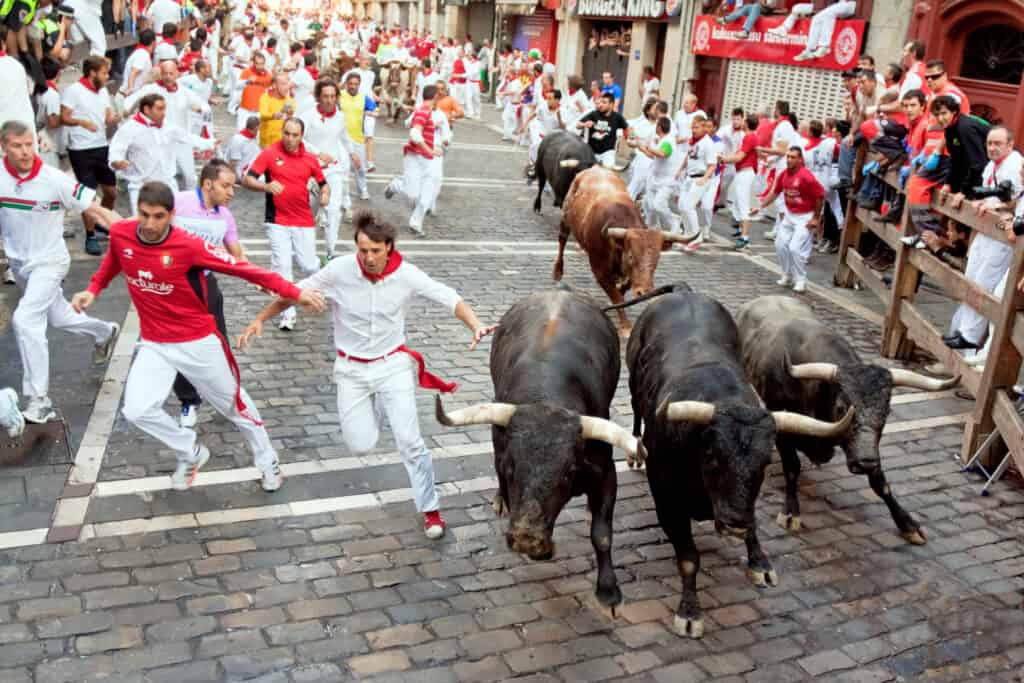
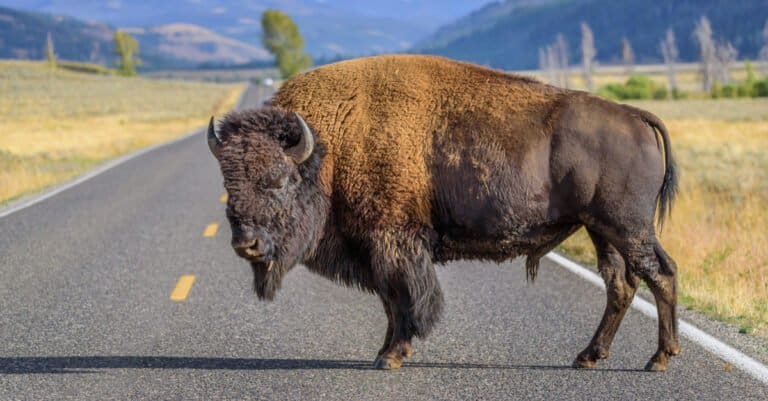
The tenth animal with high levels of testosterone is a bull.
©Migel/Shutterstock.com
Bulls have a reputation for being mean and aggressive. Anyone who has spent time around these animals can be unpredictable. Their testosterone levels are low compared to those of many animals on this list, suggesting that bulls’ aggression may not be solely due to the influence of this hormone. The average bull testosterone level is 2.7 ng/ml during mating season.
It might surprise you that dairy bulls show more aggression than bulls raised for beef. The dairy bulls are larger and more muscular than the beef bulls. When a bull becomes aggressive toward another bull, they can injure their opponent with their horns. They are also known to mount the other bulls and cause serious injury and death to them.
9. Asian Elephant
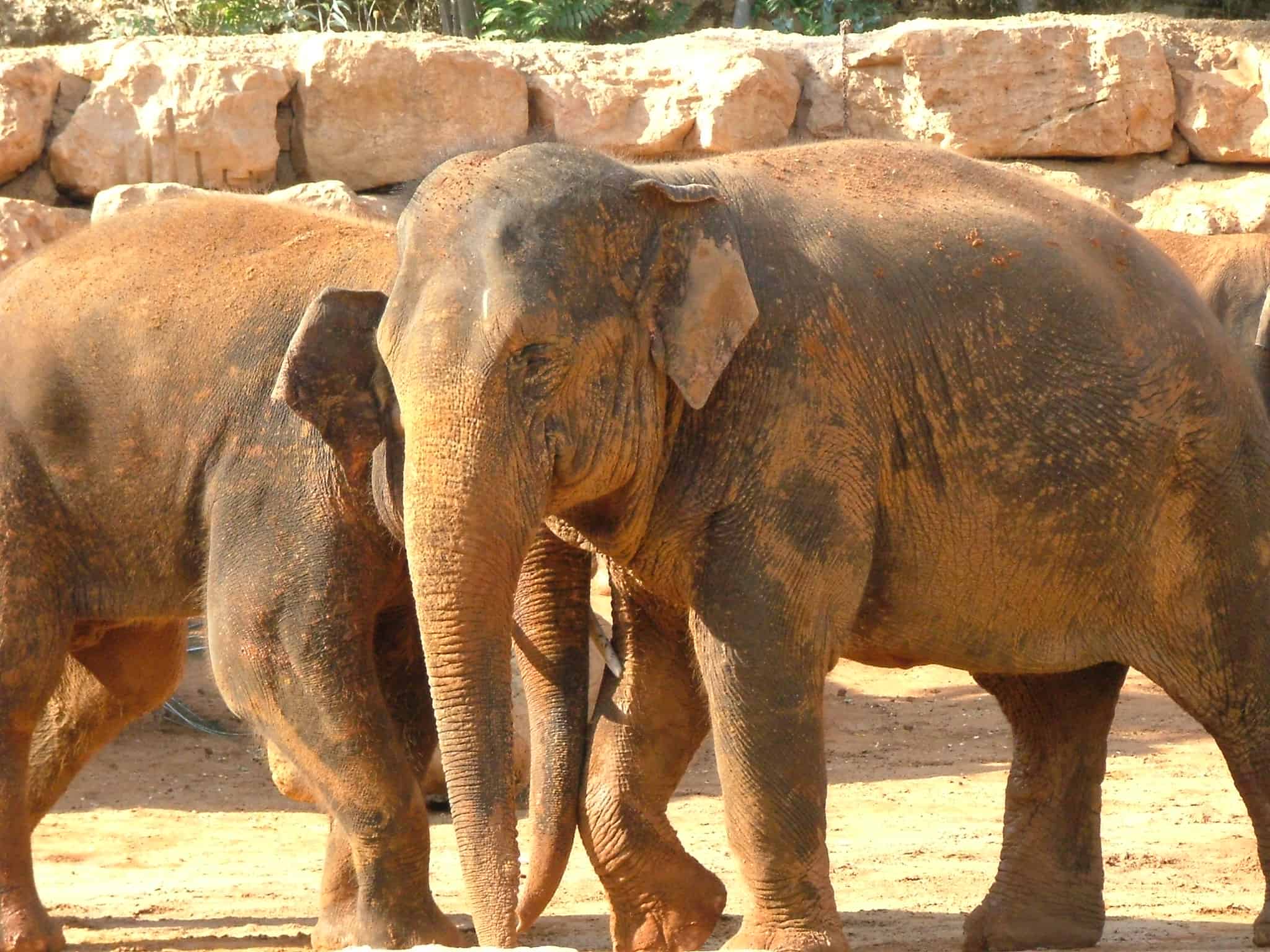
Asian elephants have lower testosterone levels than those of African elephants.
©SuperJew, CC BY-SA 3.0, via Wikimedia Commons – Original / License
Asian elephants are smaller than African elephants. The Asian elephant is between 6 and 12 feet tall at the shoulders and weighs between 6,000 and 12,000 pounds. This species has a lower testosterone level compared to African elephants. Their levels reach 5.35 ng/mL during mating season.
The mating season for Asian elephants corresponds with the rainy season. In the first half of the rainy season, the bull elephants become more aggressive and seek the cows out. The females do not start their estrous cycle until the second half of the rainy season.
8. Bears
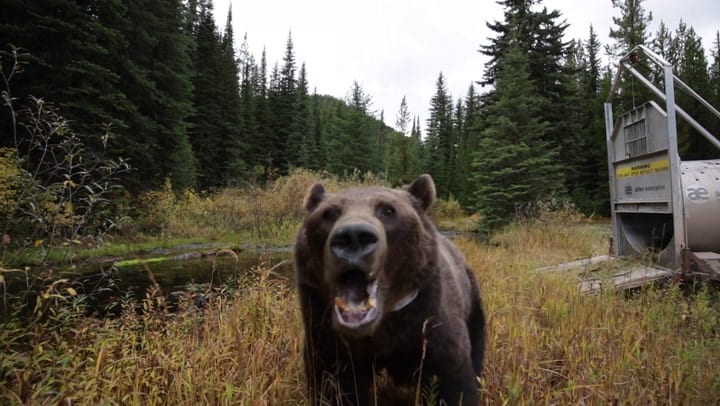
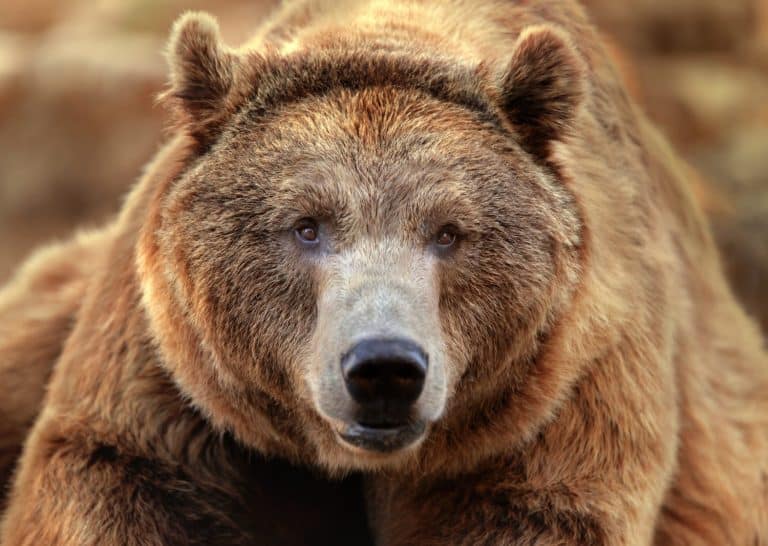
Grizzly bears are the most aggressive bears. Their testosterone levels reach 15.3 ng/ml during their breeding season. Their mating season runs from May until July, but reaches its peak in the middle of June. During this time, the bears are more aggressive toward the same sex. At other times, the bears are equally aggressive toward the opposite sex.
Bears that live closer to the coast were found to be more aggressive than the ones that live further inland. Grizzly bears have increased testosterone levels during the spawning season of salmon. At this time, the bears become more aggressive as they defend their territory and food sources.
7. Tigers
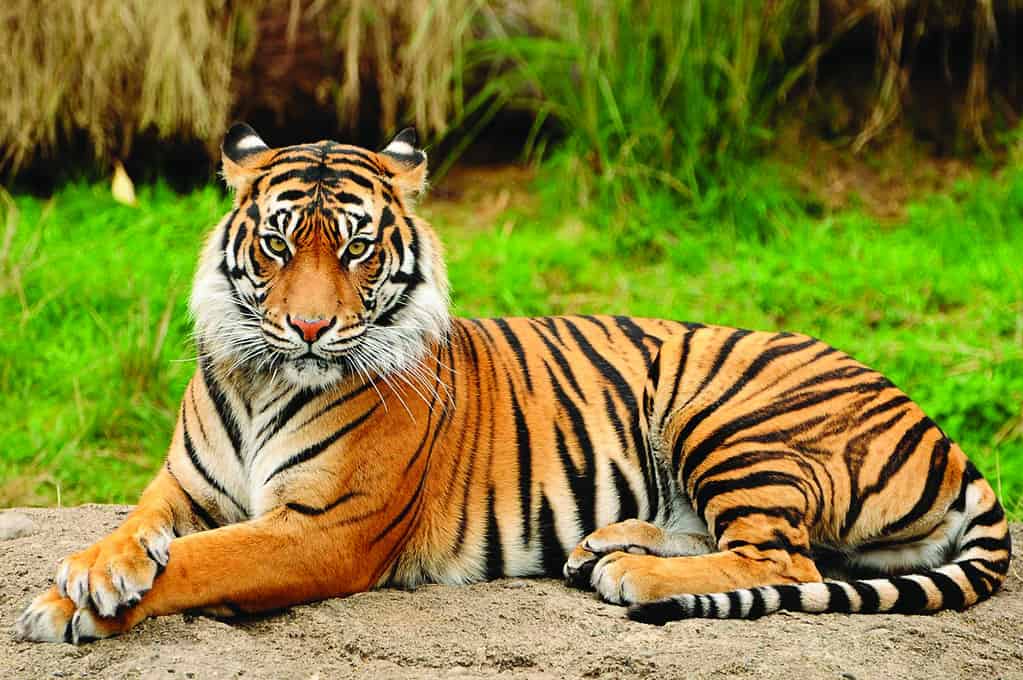
The seventh animal to make the list of animals with high testosterone levels is the tiger.
©Thinker360/iStock / Getty Images Plus via Getty Images
Tigers are the largest of the big cats. These cats have greater muscle mass than the other big cats. They also have higher testosterone levels. Testosterone levels as high as 17.60 pg/mL have been recorded in these big cats during their mating season. Their mating season runs from November to April.
They are solitary animals who move silently while hunting, and they can jump higher than most other big cats. They are generally not aggressive toward other animals or males of their species except during mating season or when protecting their food.
6. Lions
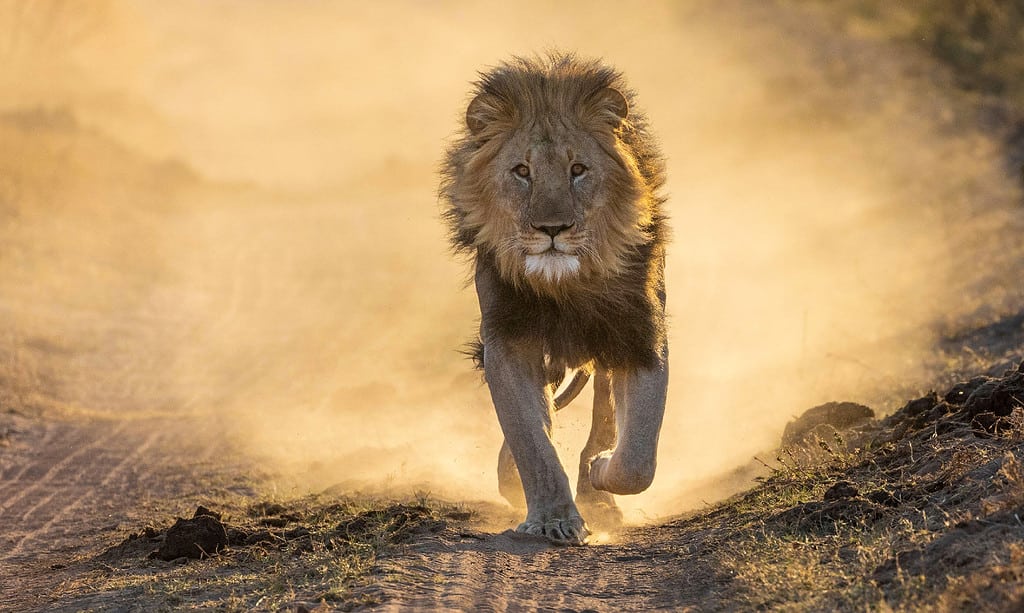
Lions’ testosterone levels are consistent whether or not they are in mating season.
©iStock.com/Wirestock
The lion is known as the king of beasts. Their testosterone levels are different from those of most animals because lions do not have a specific breeding season. They breed after taking over a pride, and male lions can be so aggressive that they may kill females who refuse to mate. Their testosterone levels are around 25.00 pg/ml, and they do not fluctuate when their mating times are over.
Male lions are aggressive with other male lions to show who is dominant. They often form coalitions of male lions after they are forced to leave their birth pride. These lions can be unpredictable and aggressive toward other species of animals.
5. Dusky Salamander

The dusky salamander is highly territorial during mating season.
©HWall/Shutterstock.com
Dusky salamanders mate in both the spring and the fall. This is when their testosterone levels are the highest. The testosterone level of a dusky salamander is 58.50 ng/ml during the mating season. The males become territorial when their testosterone levels rise, and they attack all habitat intruders.
Dusky salamanders do not have lungs. They absorb oxygen through their skin. They grow to 5 inches in length. The skin on these salamanders is mildly toxic as a defense against predators.
4. African Elephant
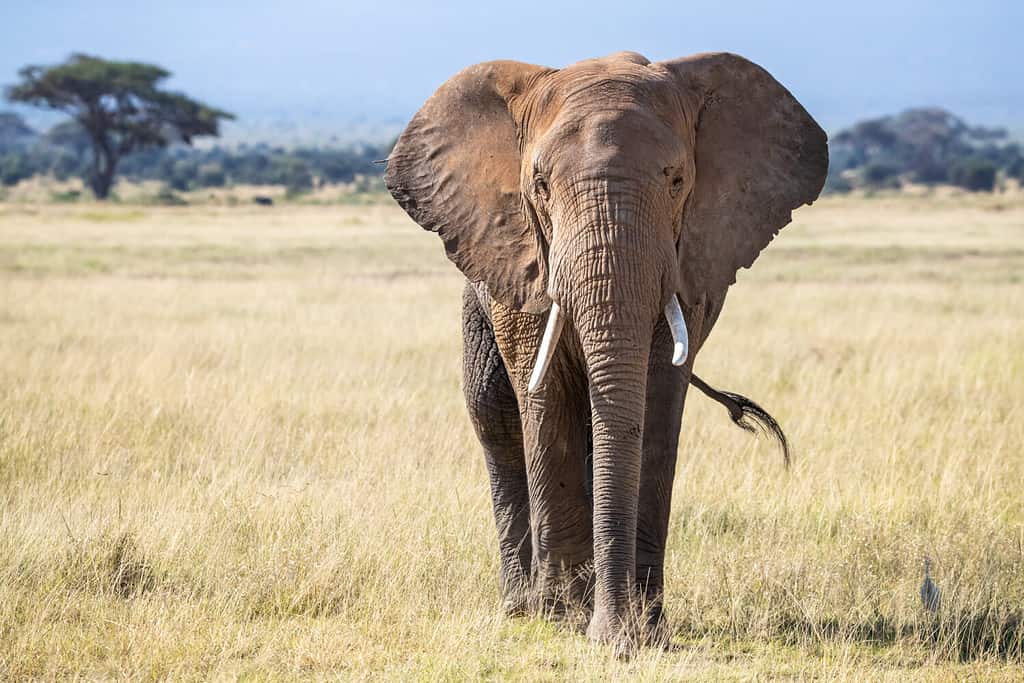
African elephants become agitated and will fight during mating season.
©Jane Rix/Shutterstock.com
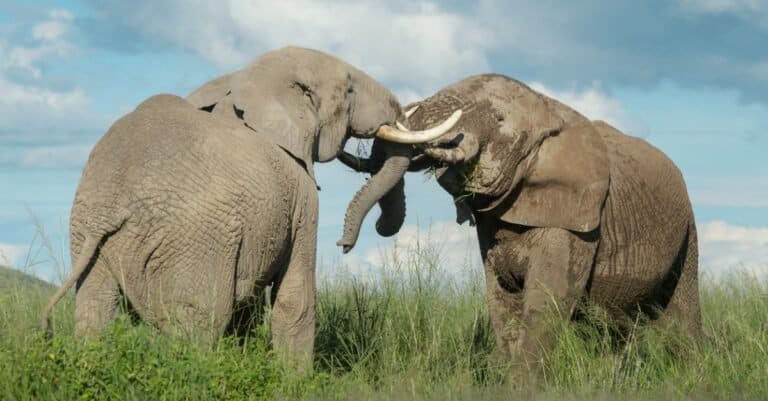
These elephants have testosterone levels of 64.4 ng/ml during their mating season. They are generally peaceful animals, but during their mating season, or season of musth, like other animals with high testosterone levels, the African elephant becomes agitated and ready to fight when their hormone levels increase.
Musth lasts from December until March for African elephants. This species of elephant stands between 8.2 and 13 feet tall at the shoulder and weighs between 5,000 and 14,000 pounds. They are intimidating and capable of doing significant damage to an opponent.
3. Rainbow Trout
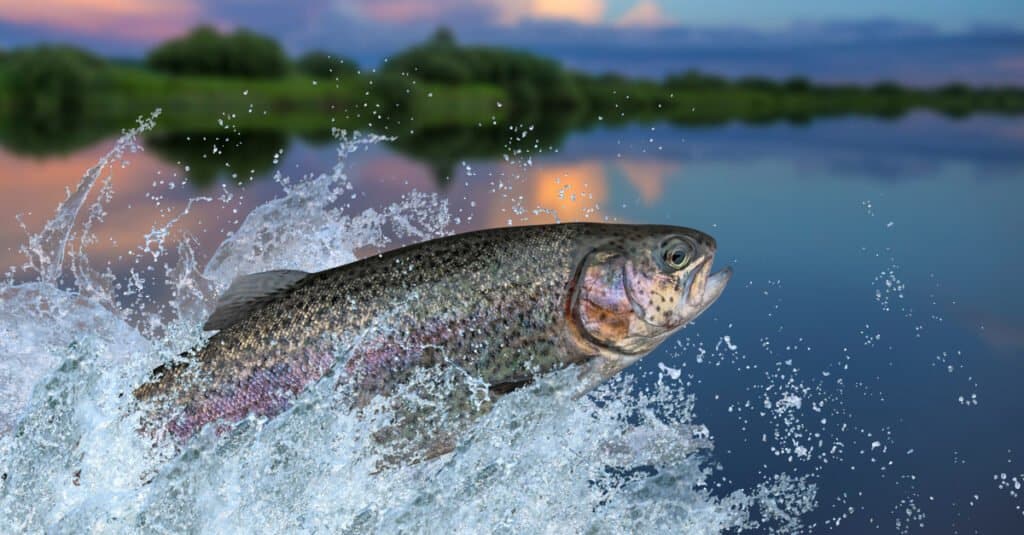
The rainbow trout’s testosterone level drops from 70 ng/ml to 3 ng/ml after the spawning season.
©FedBul/Shutterstock.com
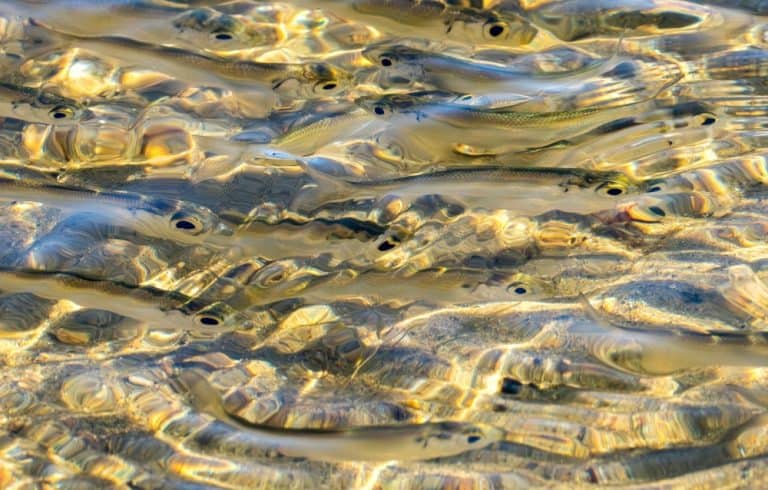
Rainbow trout are among the group of animals with high testosterone levels. During the mating or spawning season of the rainbow trout, their testosterone levels reach 70 ng/mL. Their spawning season occurs from January to June. The rest of the year, their testosterone levels drop to 3 ng/mL.
This trout species can reach weights of 43 pounds if it has access to the sea. They grow to lengths as great as 20 inches. Males are very aggressive toward other males of their species and other fish species during the height of their testosterone levels.
2. Marbled Salamander
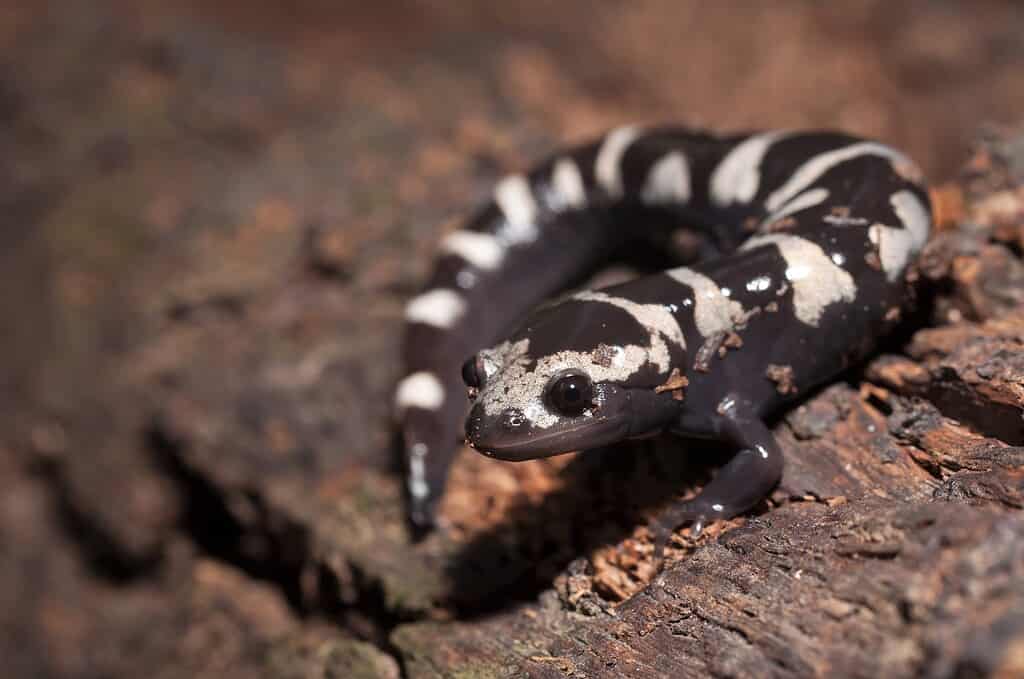
The marbled salamanders have high hormone levels, ranking them second on our list.
©Mike Wilhelm/Shutterstock.com
Marbled salamanders have exceptionally high testosterone levels for their size, reaching 7,830 ng/ml during mating season and dropping to 500 ng/ml at other times. Their mating season occurs in the fall, which is unusual since most salamanders mate during the winter.
Another thing that sets the marbled salamander apart from other species is that it breeds on land rather than in water. They are between 3 and 4.5 inches in length as adults. They are solitary animals that live in moist areas and deciduous woodlands.
1. Bull Shark
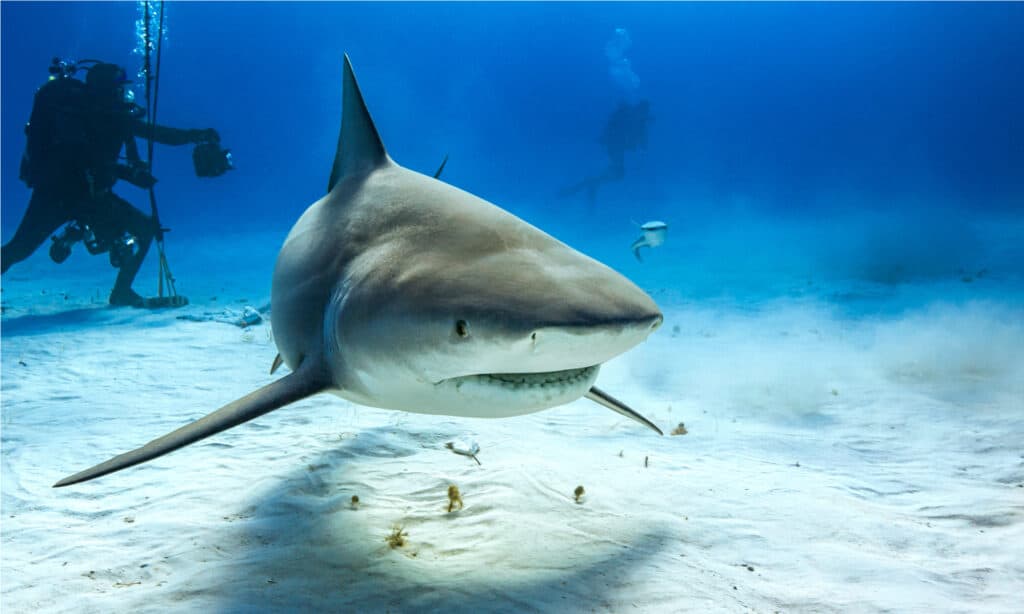
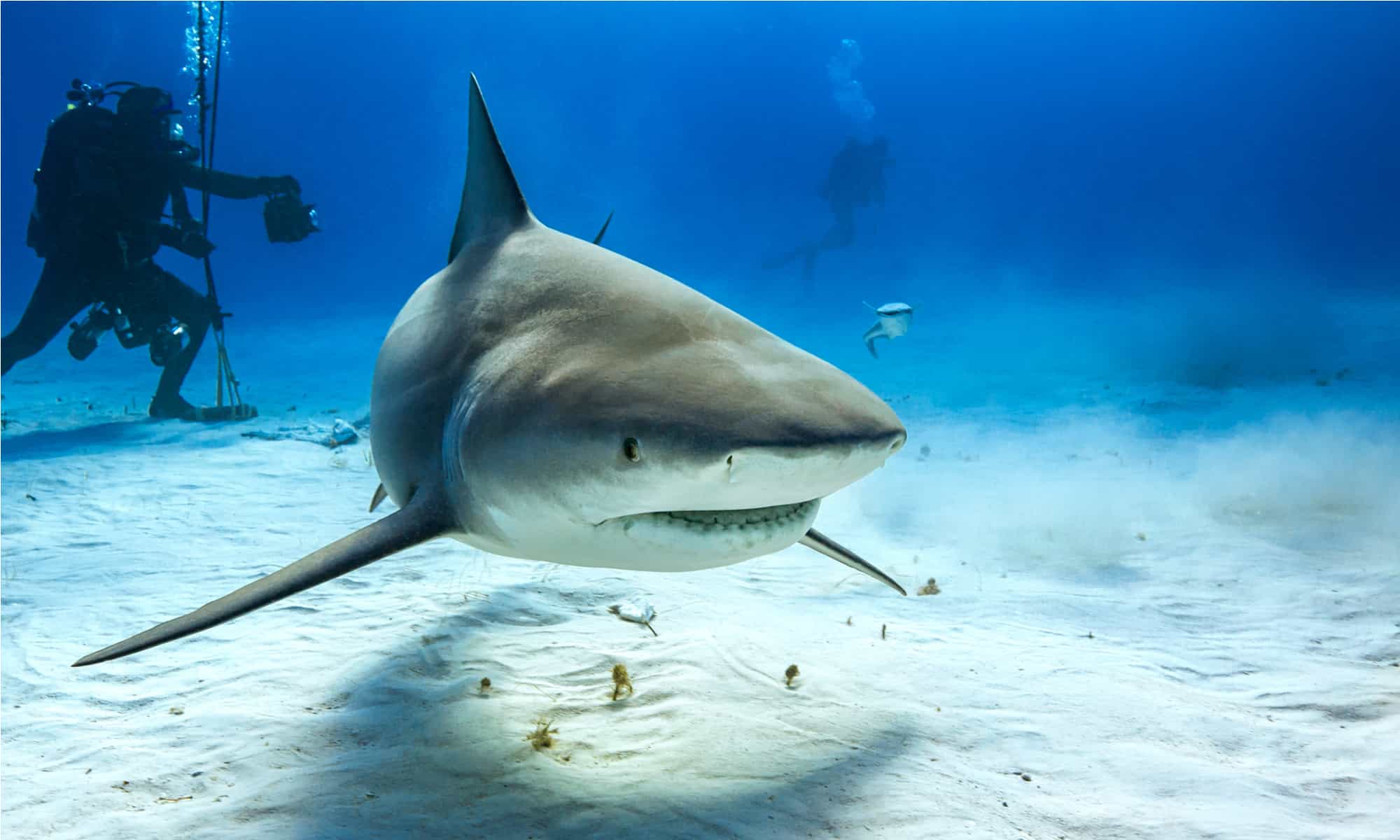
The animal with the highest levels of testosterone during mating season is the bull shark.
©Carlos Grillo/Shutterstock.com
Bull sharks have extremely high testosterone levels, reaching 358 ng/ml (nanograms per milliliter). Aggressive behavior toward other animals and even humans is a hallmark of this shark species. They are unpredictable and will attack for no apparent reason.
Testosterone levels in both tiger and bull sharks peak in the spring, coinciding with their natural mating season. Bull sharks usually hunt alone. They are agile and can swim quickly, even in shallow waters.