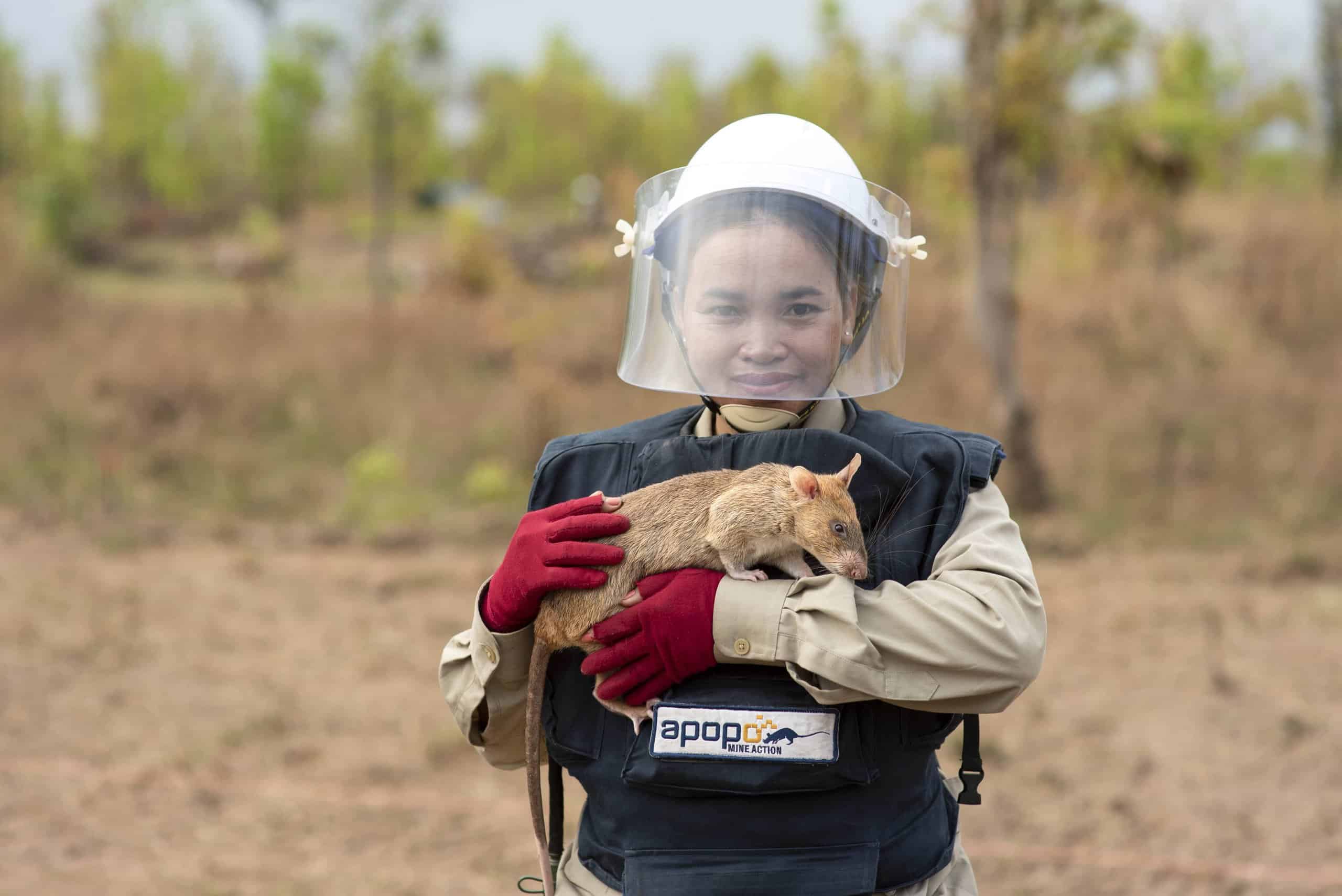

Landmines are one of the most dangerous legacies of war, continuing to kill and injure long after the fighting has ended. These hidden threats lurk beneath roads, villages, and fields. Tragically, they are often triggered by unsuspecting civilians — nearly half of whom are children. Landmines also hinder community development by blocking access to vital resources like water, food, land, and healthcare.
One person using a metal detector can spend up to four days clearing landmines from a plot of land the size of a tennis court. However, a surprising new approach is drastically changing this timeline, reducing the process to just 30 minutes! The non-profit organization APOPO (Anti-Persoonsmijnen Ontmijnende Product Ontwikkeling, or “Anti-Personnel Landmines Detection Product Development”) is training an army of rats to find landmines.
That’s right: rats. But not just any rats. APOPO’s HeroRATs are highly trained African giant pouched rats (Cricetomys gambianus), and they’re proving to be a game-changer. These incredible rodents are also being trained to detect tuberculosis and rescue people from natural disasters. A-Z Animals was incredibly fortunate to get a behind-the-scenes look into the HeroRATs program from Dr. Cindy Fast, APOPO’s Head of Training and Innovation.
The Hidden Power of Rats
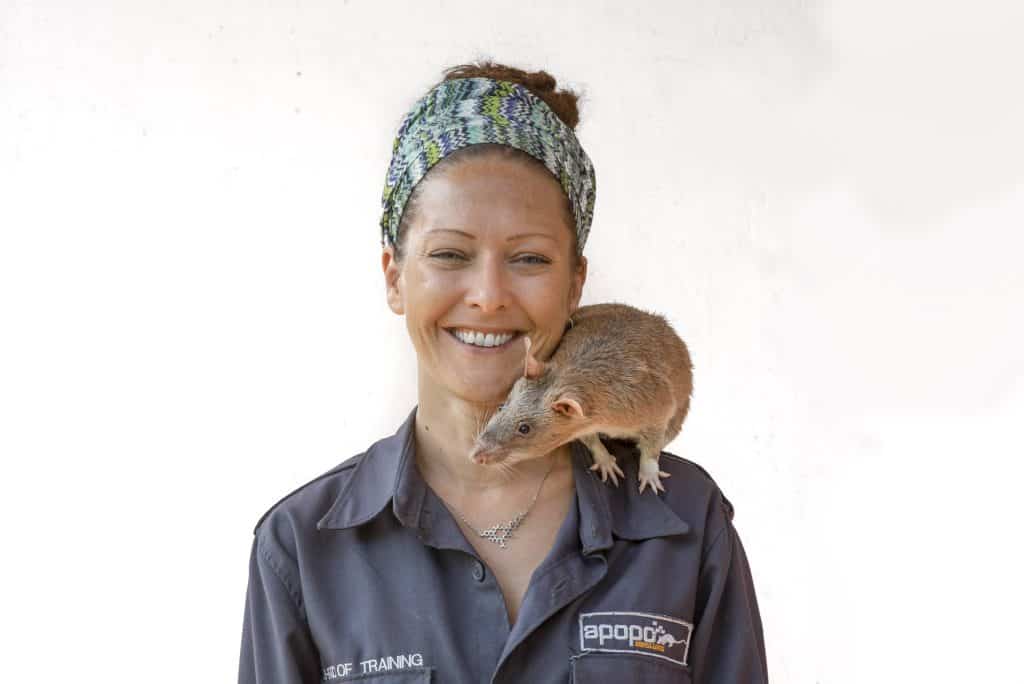
Dr. Cindy Fast is the Head of Training and Innovation at APOPO.
©© APOPO
Dr. Cindy Fast holds a Ph.D. in psychology with a specialization in animal learning, behavior, and behavioral neuroscience. “I have always been an avid animal lover,” she explains. “As a scientist, I always hoped my research would someday translate to the real world to improve lives. APOPO was a perfect fit for me. Here, I have the pleasure of working with amazing animals (and colleagues) that are respected and cared for, and who directly have a positive impact on lives and livelihoods.”
It might be hard to imagine a rat being a life-saving hero, but once you see these creatures in action, your perspective can quickly change. “I love hearing stories of how people’s views on rats have changed after learning about our HeroRATs or seeing them in action,” Dr. Fast says. “The most common misconception I hear is that the rats are sent as a sort of kamikaze to randomly run through a minefield and locate danger by accidentally detonating them (and themselves in the process). This couldn’t be further from the truth!”
Perhaps this idea stemmed from the often-negative perception that many people have about rats. “Of course, rats also have a bad reputation as vermin and pests,” says Dr. Fast. “But they are not dirty or evil animals and (when properly cared for), do not carry disease. They are friendly and curious and serve an important role in their ecosystems. Our HeroRATs are saving people’s lives every single day.” And rest assured, the rats are not harmed in the process.
Why Rats Are the Perfect Animal for the Job
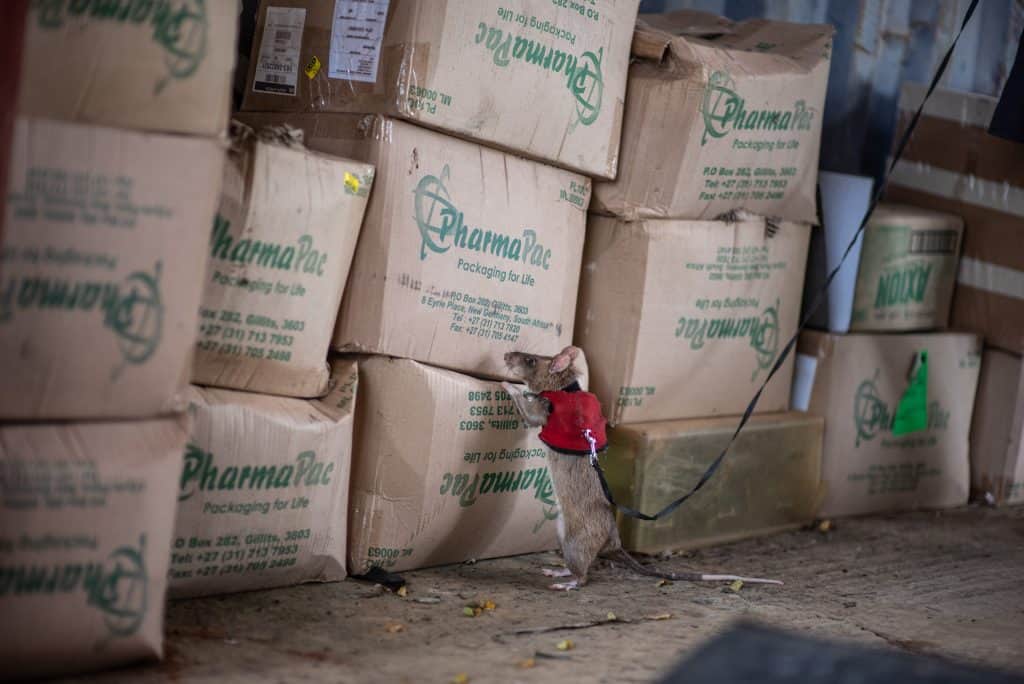
African giant pouched rats grow up to 3 feet long and typically weigh between 2 and 4 pounds.
©© APOPO – Original
African giant pouched rats are one of the largest rat species on Earth. They have remarkable skills and adaptations that make them perfect for detecting landmines and tuberculosis (TB). While APOPO also trains dogs, the HeroRATs play their own unique role in saving lives. As Dr. Fast notes, “We don’t see our HeroRATs as competing with other technologies (including sniffer dogs), but rather complementing them with their unique characteristics.”
Native to Sub-Saharan Africa, African giant pouched rats are hardy creatures. Adapted to life at hot temperatures, they are also naturally resistant to many tropical diseases. According to Dr. Fast, their lifespans are similar to those of many dogs, as they live for about eight years on average, with some reaching up to 11 years.
The rats’ most valuable asset is their incredible sense of smell. These rats can detect the odor of explosives, such as TNT, from around 3 feet away. Their accuracy can locate a specific scent even in concentrations as low as one trillionth of a gram. Because their bodies are so low to the ground, they can also pick up scent molecules that taller animals might miss. African giant pouched rats are especially adept at identifying millions of different scents. This is due in part to their large brain cortex, olfactory bulb, and potentially several gene expansions not found in other rats or mice.
A Superior Sense of Smell
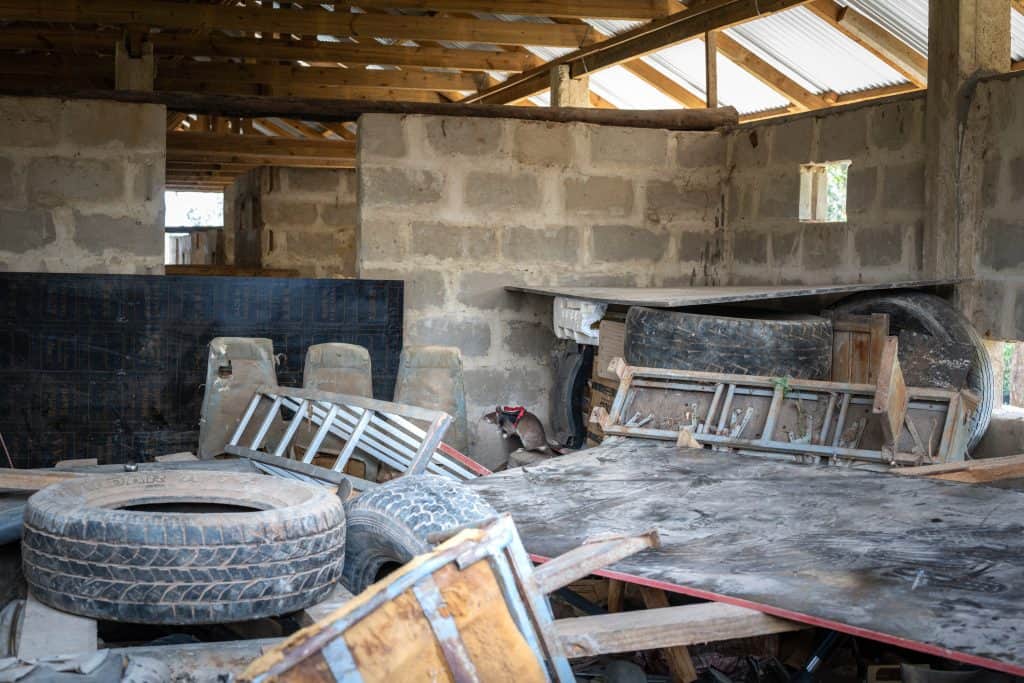
HeroRATs locate landmines, detect TB, and identify scents in shipping containers, warehouses, hangars, ports, and ventilation systems.
©© APOPO – Original
Dr. Fast explains that the rats’ intelligence and food-motivated nature also make them easy to train. “Our rats are quick learners and ‘master puzzle-solvers’ when it comes to finding food,” she says. “They can be socialized by humans (particularly when handled at a young age). In short, they are trainable.”
While the rats can cover a lot of ground thanks to their larger size and strength, they are not heavy enough to detonate pressure-sensitive landmines. Unlike metal detectors, HeroRATs detect the scent of explosives, not just metal, which prevents false alarms.
The rats’ smaller size also allows them access to areas that working dogs and other technologies cannot reach. For instance, sniffer dogs can only search for survivors from the surface of a collapsed building. Camera probes and robots have a limited range and can’t transmit signals through concrete and debris. However, as Dr. Fast explains, “The rats can penetrate deep into many layers of debris and are being trained to specifically seek out people within these environments.”
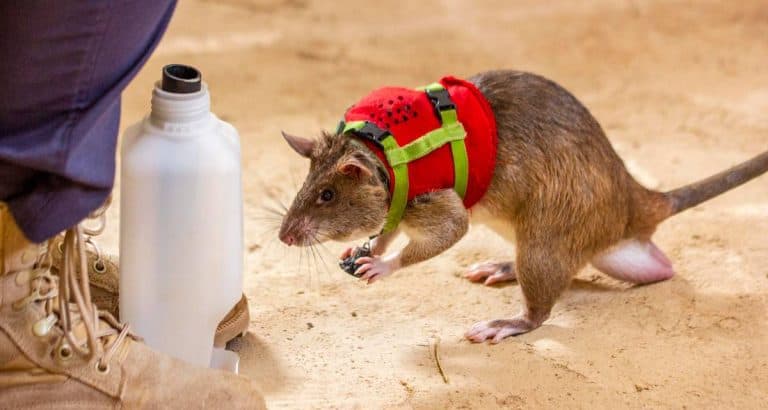
To aid in their rescue missions, the rats wear miniature backpacks. These contain wireless transmission equipment, including a camera, microphone, speaker, and position sensors. This gear allows the rescue crew on the surface to monitor and communicate with the rats during missions.
I love hearing stories of how people’s views on rats have changed after learning about our HeroRATs or seeing them in action.
Dr. Cindy Fast, Head of Training and Innovation at APOPO
Trainability and Teamwork
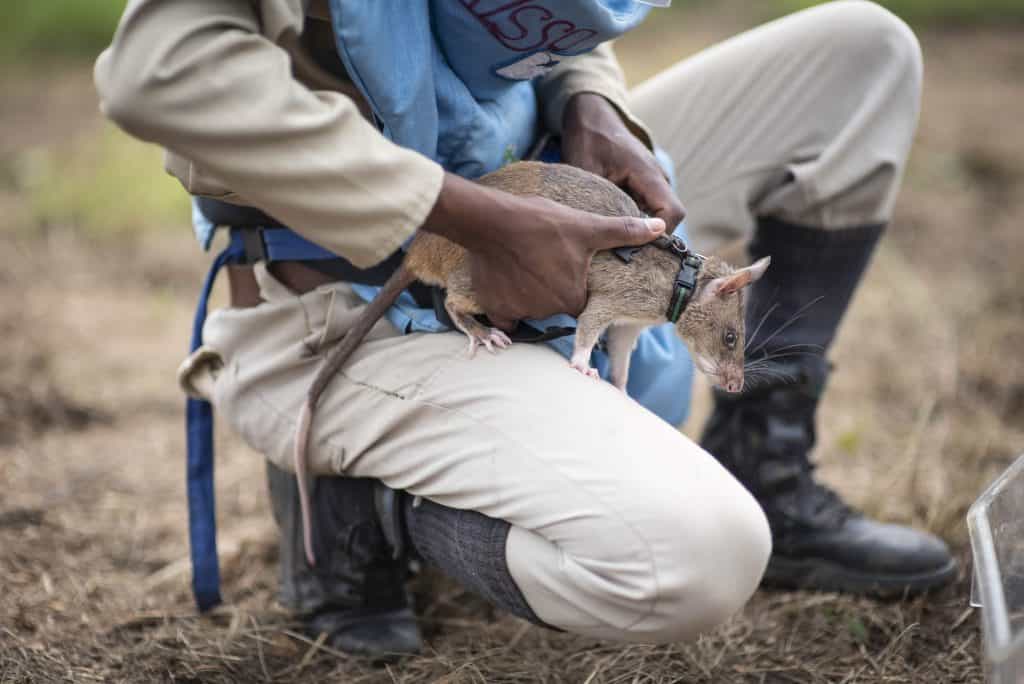
Handlers take great care to ensure the health and safety of their HeroRATs.
©© APOPO – Original
While dogs are also highly trainable, they often require more variety in their tasks than African giant pouched rats do. “The rats are content to perform repetitive, systematic tasks,” Dr. Fast explains. “This means they can be trained to search every square half-meter of a minefield, or screen over 100 patient samples in succession — a scenario that might bore a dog.”
Additionally, African giant pouched rats do not form the same exclusive attachments with humans that dogs often do. In contrast to domesticated dogs, rats haven’t been selectively bred for obedience or to bond with a single human. Instead, these trained rats can be easily transferred between different people, making them much more adaptable.
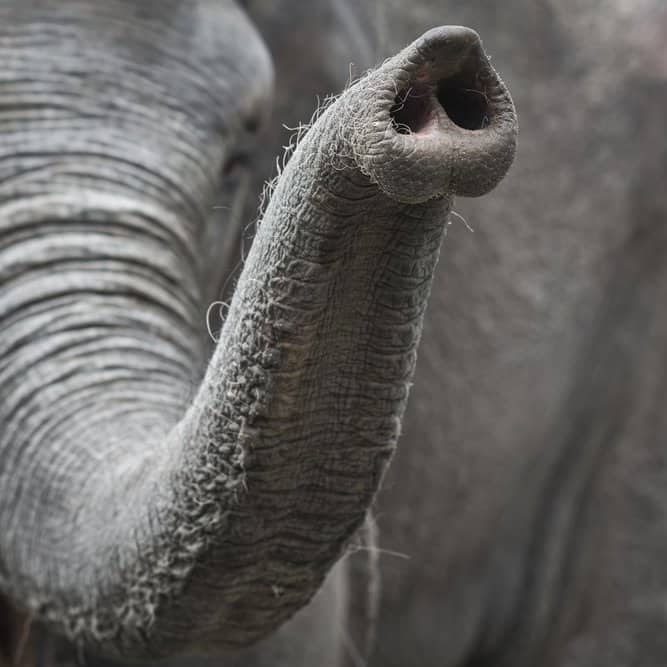
Rats also have a distinct advantage over dogs when it comes to costs and logistics. Training a HeroRAT is much cheaper and faster, and rats are significantly easier and more affordable to transport. Dr. Fast explains that a single passenger vehicle can carry a team of ten or more rats, while the same vehicle could only hold two to four dogs. This difference is even more dramatic for air travel. “Imagine the plane cost of flying 20 dogs!” she says. “I always joke that it’s a good thing we don’t train elephants for this line of work with this particular advantage in mind.” Rats, with their small size and lighter weight, make international deployment far more practical and economical. APOPO can deploy its rodent teams to countries around the world with relative ease.
Early Life and Socialization
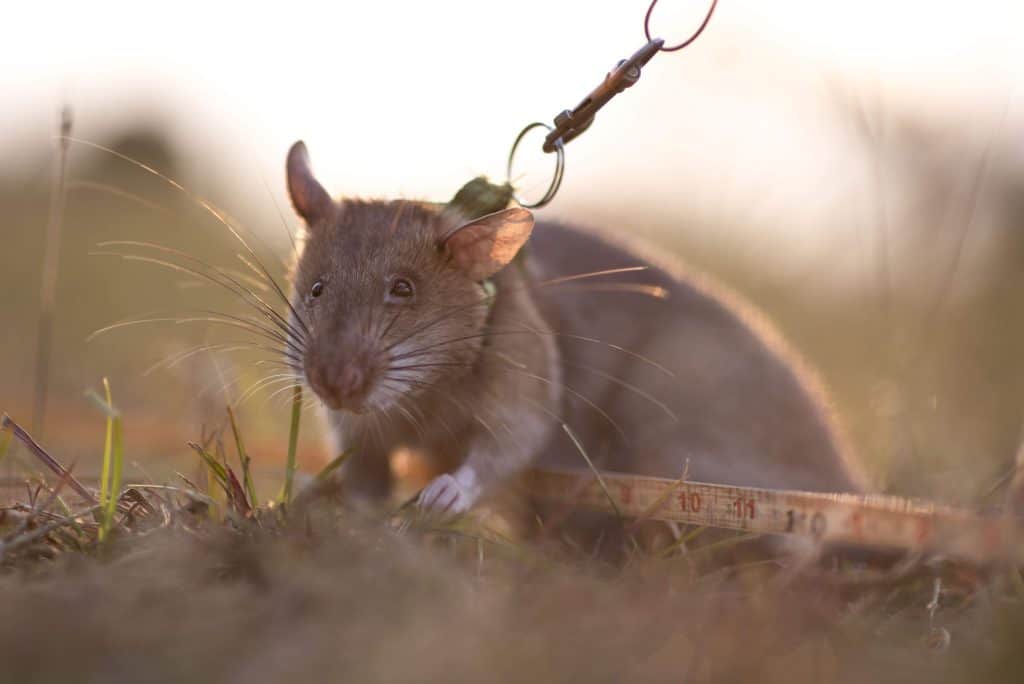
HeroRAT Ronin set a new world record by uncovering over 100 landmines and other explosives in Cambodia.
©© APOPO – Original
APOPO has its own colony where skilled caretakers breed and raise HeroRATs. While their formal training doesn’t begin until they are 10 weeks old, the pups’ education starts much earlier.
As Dr. Fast explains, “Training unofficially begins when their eyes first open, around four weeks old, with gentle handling by humans to socialize them to our scent and presence.” During this phase, handlers carry the pups through the training environment to expose them to new sights and sounds. Dr. Fast continues, “This exposure habituates the rats to these environments so they are more comfortable within them and can confidently express their natural curiosity to drive learning and stress-free working.”
Clicker Training
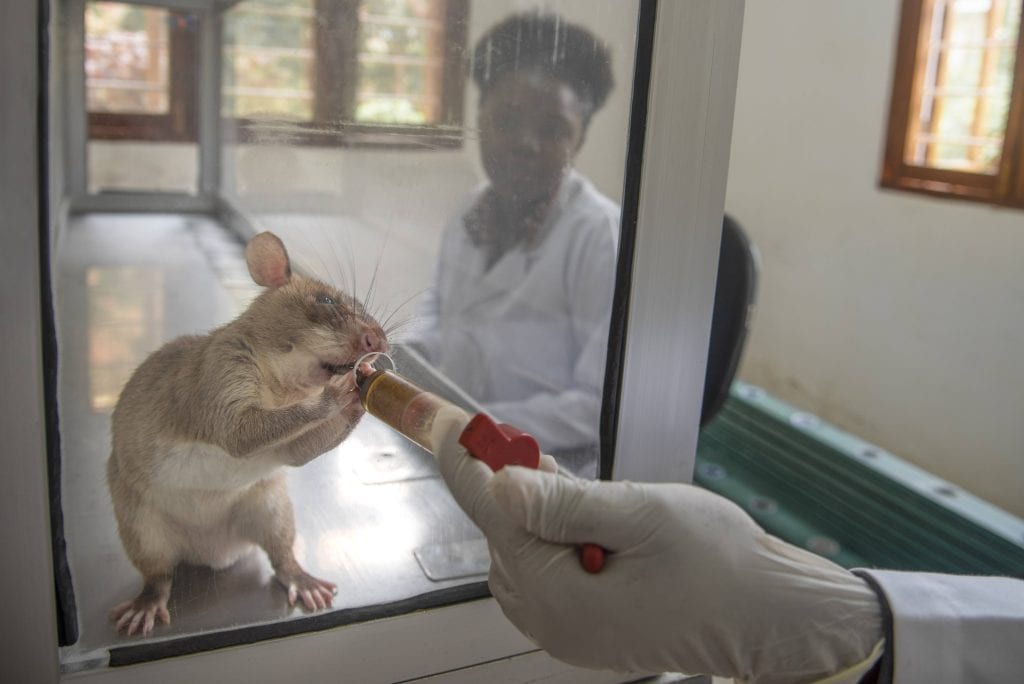
African giant pouched rats are highly intelligent animals.
©© APOPO – Original
Once they are weaned at 10 weeks old, the pups begin their formal clicker training. This process, based on classical conditioning, teaches the rats to associate a specific sound (the clicker) with a reward.
A trainer clicks a handheld device and immediately gives the rat a tasty treat, such as mashed banana and avocado mixed with rodent pellets. “By pairing these two events (the click and food) repeatedly, the juvenile rat learns that delivery of food can be predicted by the sound of the click,” Dr. Fast explains. In essence, the process creates a shared language between the rat and its handler.
Scent Detection and Differentiation
African giant pouched rats can be trained to detect things like pangolin scales and other items of illegal wildlife trafficking.
©© APOPO – Original
After mastering the clicker, the rats move on to scent differentiation. For mine detection, they learn to identify the smell of explosives like TNT. For tuberculosis, they learn the scent of the bacteria in patient samples. Trainers hide the target scent in a metal tea diffuser. When a curious rat sniffs the diffuser, the trainer clicks and rewards the rodent with a banana-avocado smoothie. This process, known as operant conditioning, trains the rat to associate a specific action (sniffing the diffuser) with a positive outcome. “This can be thought of as adding vocabulary,” explains Dr. Fast. “The rat now has a way of communicating its desire for the food.”
After mastering a target scent, the rat then learns to discriminate it from other smells. For example, if a rat approaches a tea diffuser that’s empty, it won’t hear a click or receive a reward. This teaches the rat that its “indication behavior” — sniffing the correct item — is only rewarded when the target scent is present. A key advantage of this method is that a rat, unlike a metal detector, can learn to ignore common, harmless scrap metal and only signal its handler when it smells explosives.
After learning to discriminate scents, the rats’ training progresses to a more realistic scenario: finding buried targets. The trainers hide containers with the target scent in the soil, and the rats, now highly motivated by the promise of a treat, use their noses to locate them.
Simulated Fieldwork
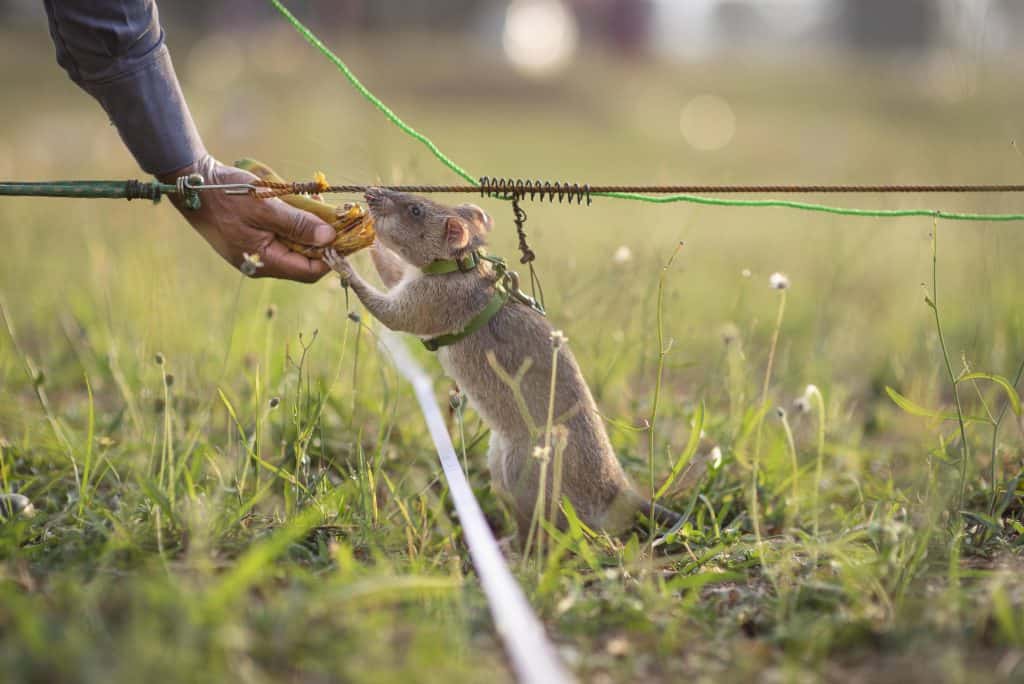
African giant pouched rats are omnivores and enjoy a variety of fruits, vegetables, nuts, and insects.
©© APOPO – Original
Training progresses by making searches more complex, introducing distractions and real, deactivated landmines in larger areas. Dr. Fast explains that they mimic real-world conditions with varying soil types and vegetation, and to ensure the rats rely solely on their sense of smell, trainers don’t mark the locations of all the mines. This also builds endurance and resilience, as the rats learn to work without immediate confirmation or reward.
Finally, each rat must pass a rigorous accreditation test that follows International Mine Action Standards (IMAS). Over two consecutive days, a rat must search a 400-square-meter area without missing a single unmarked mine. Once they pass, the rats are ready for international deployment to places like Angola, Azerbaijan, or Cambodia, where they undergo a final accreditation by the national mine action authority before beginning their life-saving work in a real minefield.
TB-Detection Rats

APOPO ensures that it protects all its tuberculosis detection rats from disease exposure.
©© APOPO – Original
In addition to landmine detection, APOPO is also tackling another global crisis: tuberculosis (TB), a disease that kills someone every six minutes. Although treatable, TB often goes undetected because conventional laboratory testing is expensive and time-consuming.
While the training of TB detection rats is similar to that of the mine-detection rats, there are no international standards for using animals to detect diseases. To solve this, APOPO has developed its own accreditation process based on World Health Organization (WHO) guidelines. The rats must prove their accuracy by demonstrating high sensitivity (correctly identifying true positive cases) and specificity (correctly rejecting true negative cases). They also have to be fast, evaluating 100 samples in under 20 minutes — a task that would take a human lab technician four days to complete. Dr. Fast proudly explains, “Most of our rats are currently doing this in 10 minutes or less.”
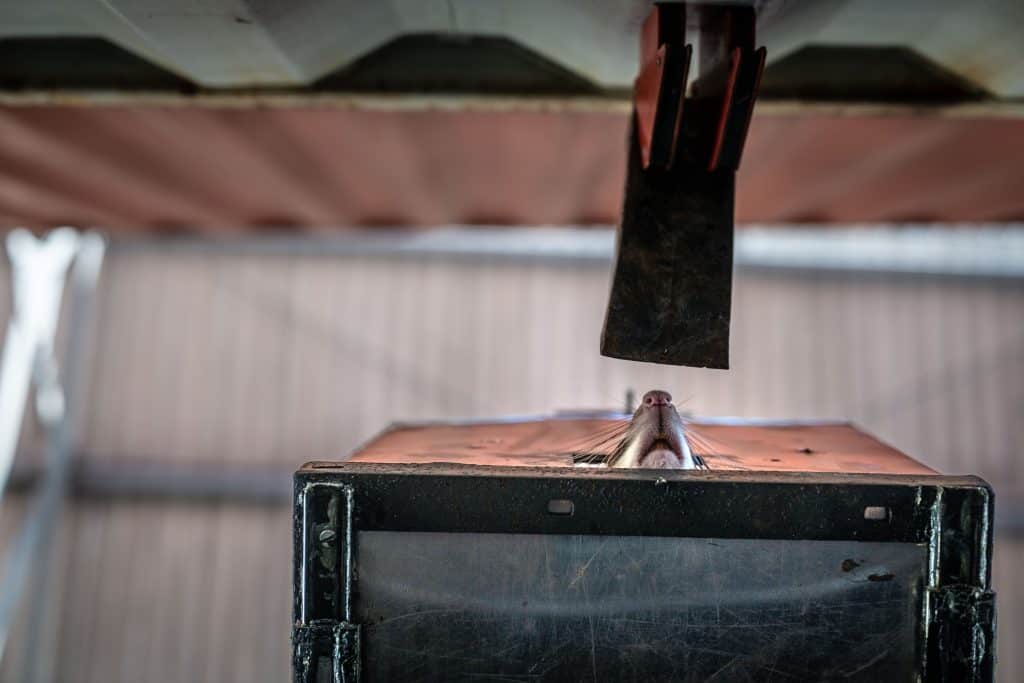
For TB detection, patient samples are placed under the floor of a special chamber. Handlers slide open metal plates to expose the holes for the rat to sniff. If a sample is positive, the rat holds its nose in the hole for at least three seconds to signal detection.
The Hero Treatment
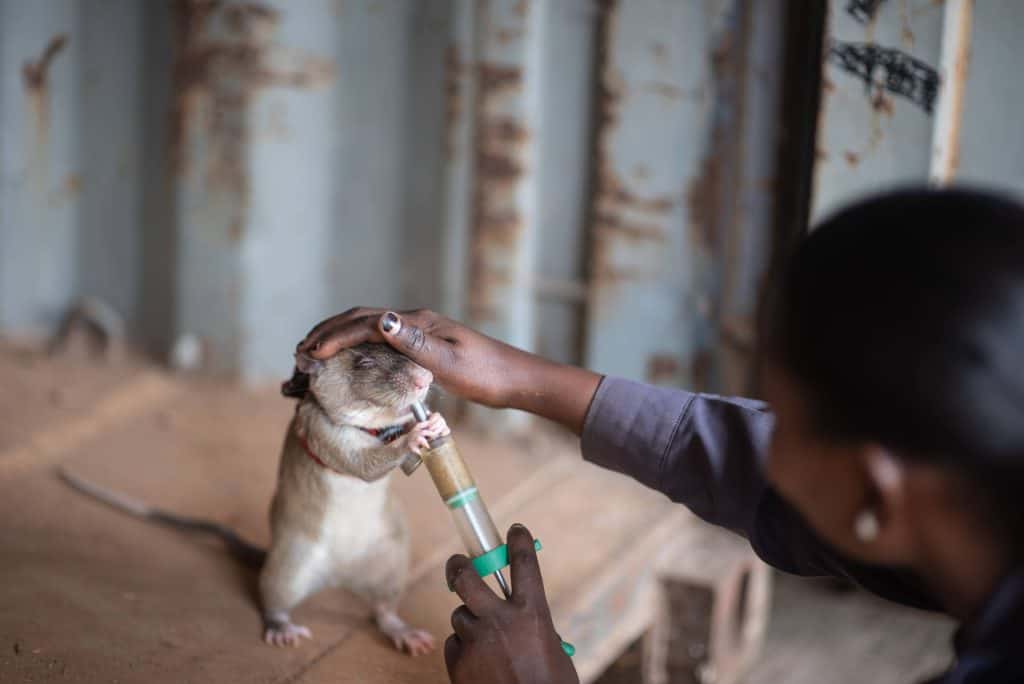
African giant pouched rats get their name from their large cheek pouches.
©© APOPO – Original
Becoming a certified HeroRAT requires extensive training, but the well-being of these special rodents is always a top priority. Dr. Fast says, “Animal Welfare is one of our core values that we uphold in all we do. We view our rats as valuable colleagues and strive to give them the ‘hero treatment.'”
HeroRATs are provided custom housing that mimics their natural burrows, including clay pots and wooden tripods for climbing and gnawing. To ensure they are well-rested and happy, the rats also receive routine health check-ups, a balanced diet, and water infused with multi-vitamins.
The rats also enjoy free-play in a large, outdoor enclosure. This space contains enrichment items, such as custom-made running wheels to encourage the rats’ natural behaviors of climbing, digging, and exploring. This dedication to their well-being ensures the rats are comfortable and content, allowing them to perform their life-saving work effectively.
Safety First
For HeroRATs working in the field, safety is always a top priority. Mine-detection rats are always accompanied by a human handler to ensure their safety. Dr. Fast further explains, “Because they are naturally nocturnal, we also apply sunscreen to their ears and tails to minimize risk of sun exposure and ensure they are positioned in shady and/or temperature-controlled environments when not working.”
She paused and stuck her nose straight up in the air, then moved her head side to side — a telltale sign that she had caught the scent of her target.
APOPO’s scientists also ensure that TB-detection rats are completely protected from infection. According to Dr. Fast, “All patient samples are autoclaved (heat-inactivated) before they are presented to the rats to avoid any risk of contagious infection.”
Stories from the Field
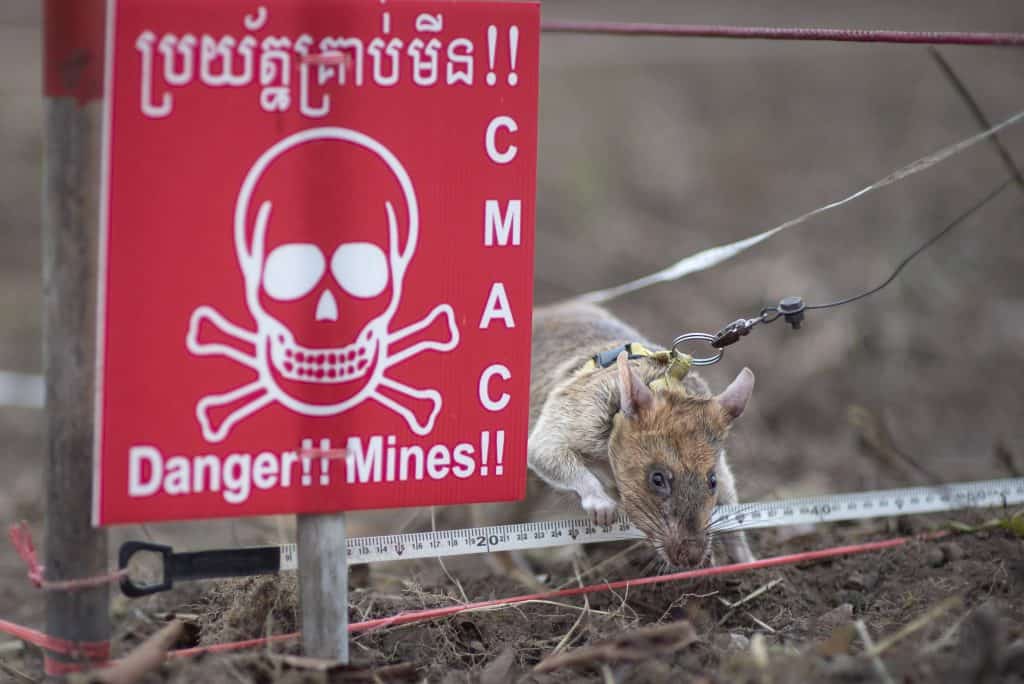
APOPO has cleared tens of thousands of landmines and explosives in Cambodia.
©© APOPO – Original
Dr. Fast shared a remarkable story that illustrates the heroic work these rats are doing in the field:
“The first time I visited our program in Cambodia and stepped onto a real minefield, the weight of the work our teams and HeroRATs are doing was palpable. We parked just outside the minefield next to an elementary school teeming with young children. Many of the rats working on the team had recently graduated from our training program in Tanzania, so I felt like a proud mother watching them put all they had learned to good use.
“As I watched a recent graduate, Queen Elizabeth, dutifully search an area right before me, her whiskers sweeping intently back and forth as she walked, the hair on the back of my neck stood on end. She paused and stuck her nose straight up in the air, then moved her head side to side — a telltale sign that she had caught the scent of her target. She walked forward a few steps, repeated the nose-in-the-air pattern, then reversed direction for a few steps and circled with her nose high. In an instant, she put her nose to the ground, whiskers moving vigorously as she seemed to freeze in motion for just a split second before her front paws began quickly digging at the ground.
“It took about a minute for the handler to coax her away from this spot as she continued to repeat bouts of sniffing and scratching. I knew in an instant she had found an explosive — a mere 1 meter [just over 3 feet] away from where I stood. Later, we were allowed to return to the area where I saw a newly exposed unexploded mortar lodged in the ground.”
Rodent Retirement
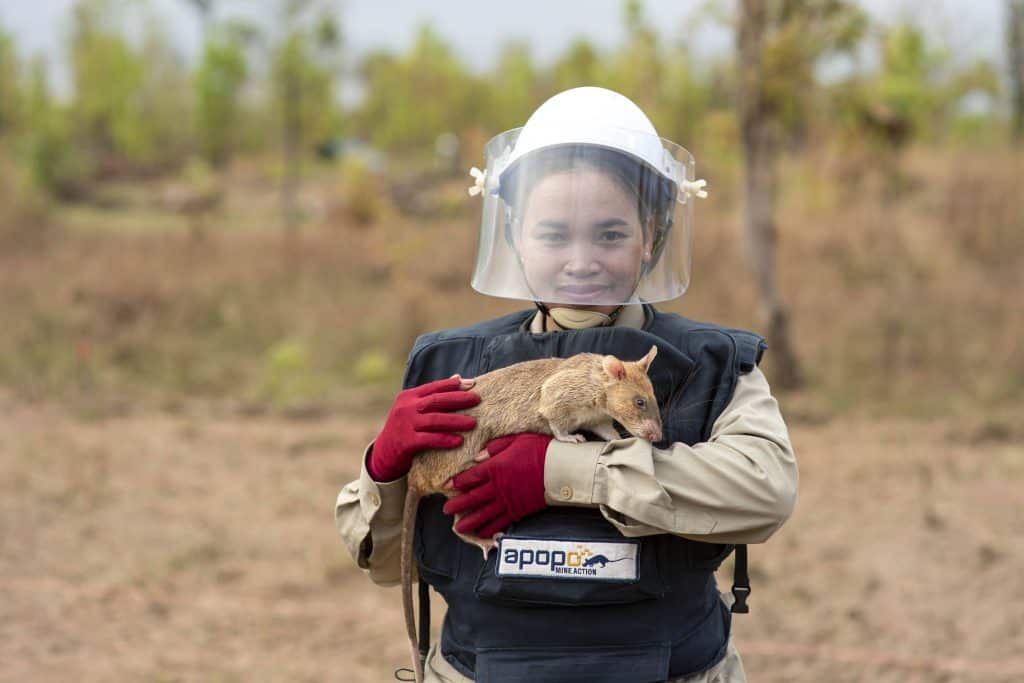
When they’re not working, HeroRATs receive plenty of pets, playtime, and attention.
©© APOPO – Original
APOPO’s trainers and health staff monitor each HeroRAT daily for any signs of injury, illness, or readiness for retirement. Dr. Fast explains that a simple but effective indicator is how the rat greets them; instead of eagerly rushing to the cage door, a rat that’s ready to retire might be slow to approach or not wake from its nap.
If the team notices these signs, they perform a full veterinary check. If the rat is healthy, it gets to retire to a special community where it can enjoy spacious enclosures and plenty of enrichment. The retired rats stay busy with climbing ropes, running wheels, and toys, and continue to receive a balanced diet, daily interaction with staff, and regular vet checkups. As Dr. Fast says, “Basically, they are given everything to just live as a ‘happy rat’ until the end of their days.”
The Future of HeroRATs
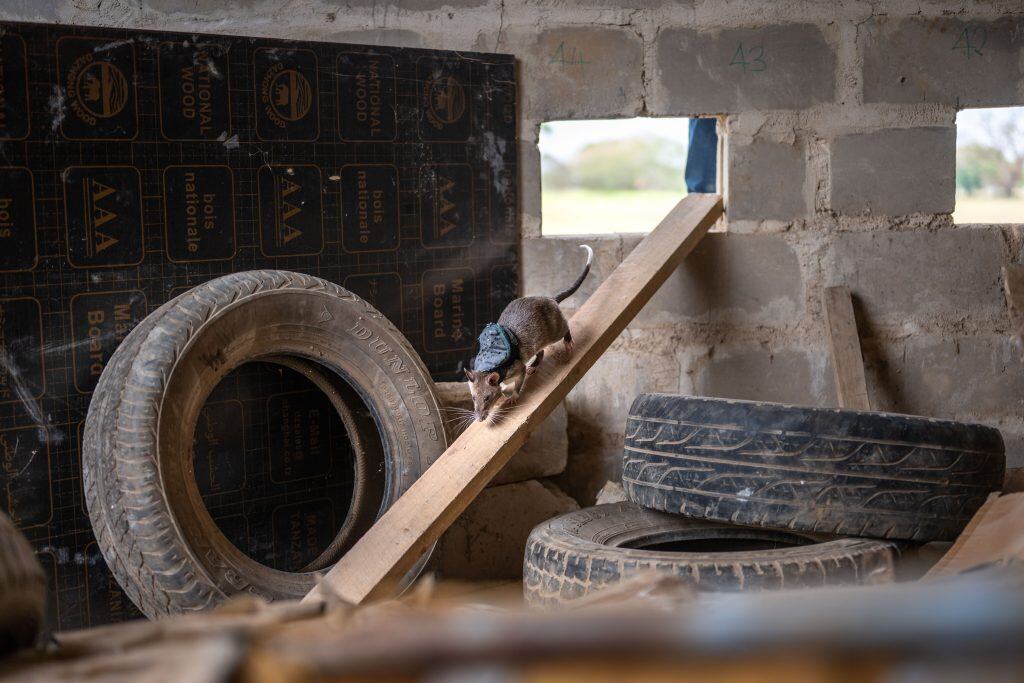
When a Search and Rescue HeroRAT locates a human survivor, it pulls on a small pendant on its harness to signal the discovery.
©© APOPO – Original
APOPO’s HeroRATs have already proven their value in detecting landmines and TB, but their potential extends much further. “We have an entire Innovation Department dedicated to exploring new areas where our rats can put their noses to good use,” Dr. Fast says. “Current research is focused on training rats to detect illegal wildlife trafficking and survivors trapped after natural disasters. Other recent studies have shown they can reliably detect soil contamination and even other disease-causing pathogens. There are really limitless opportunities and potential for rats to help protect people around the world and the planet itself.”
In the video below, you can see how APOPO continues to explore new ways to assist people worldwide.
Want to learn more? Visit APOPO’s website to learn more about the program or consider adopting a HeroRAT!