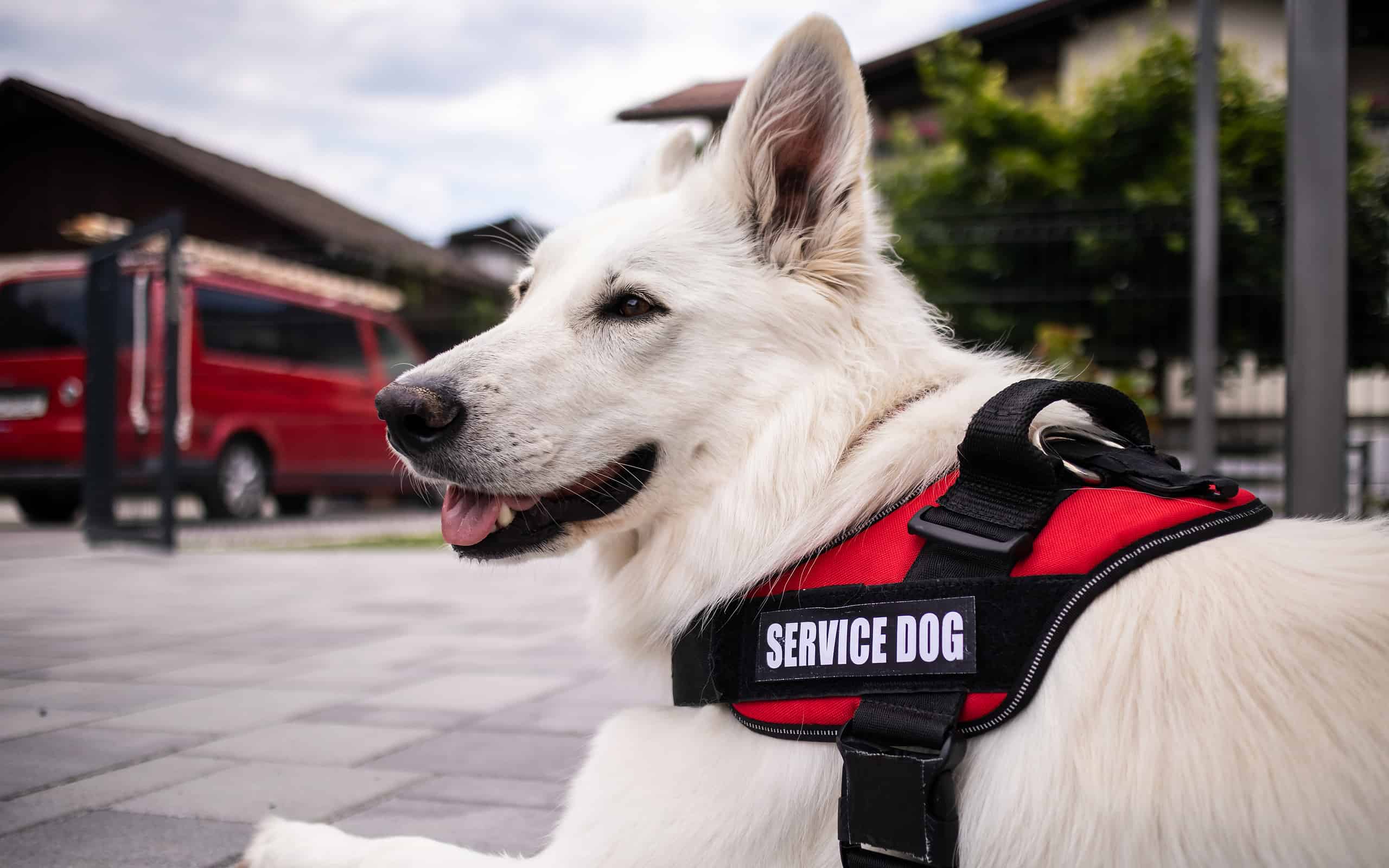

People are often shocked when they learn that a fully trained service dog can cost as much as a new car, and a nice one at that. To the average person, these numbers seem unbelievable and a process that isn’t worth paying for. However, once you understand what goes into turning a puppy into a highly trained medical tool, this cost makes all the sense in the world.
Service dogs exist to help people lead safe, comfortable, and normal lives. The factors involved in both finding and training a service dog are extensive, and all these factors add up. How much does a service dog cost, and what services wind up costing the most over time? Are there any ways to obtain a service dog through health insurance benefits or other means?
To dig into the real cost, the work behind it, and how people can obtain service dogs through alternative means, I spoke with Teagan Coleman, lead trainer and founder of NLR Explore Dog Training. She has trained dozens of service dogs across the U.S. and in multiple medical categories, including diabetic alert, cardiac alert, mobility work, PTSD response, and survivor support.
This is what people are really paying for if they choose a service dog, and most would agree: the costs are always worth it.
How Much Do Service Dogs Cost?
©Africa Studio/Shutterstock.com
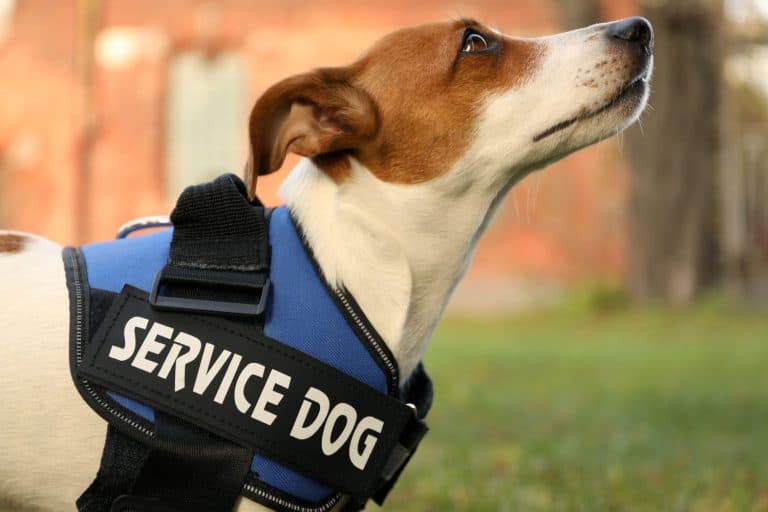
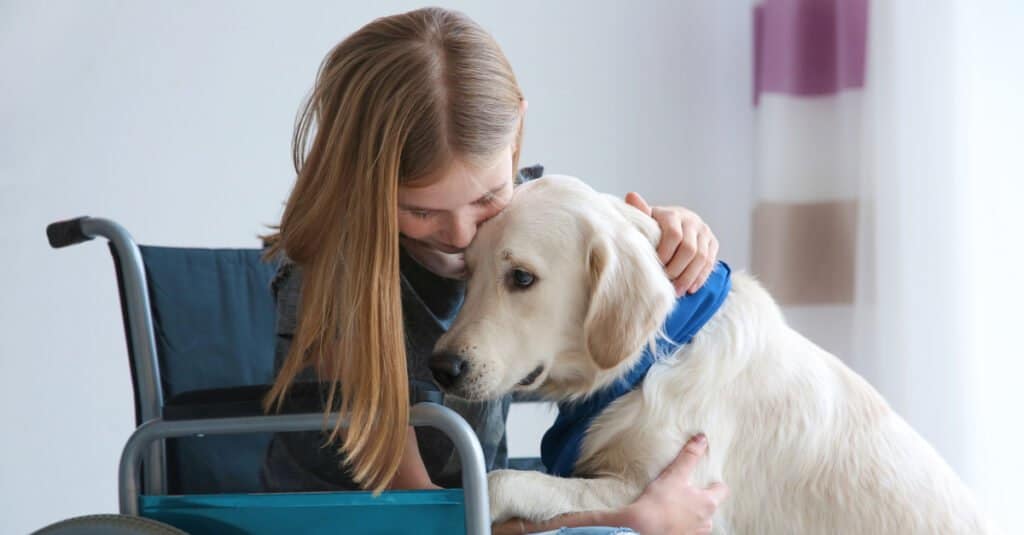
When it comes to service dogs, the cost can differ depending on where you live and the services you need assistance with. Prices vary the most depending on the dog’s specialty. Many programs charge between $20,000 and $60,000, though highly specialized medical-alert dogs can exceed even that price.
For example, scent-based detection service dogs (vital for folks with diabetes or other internal, subtle alert needs) can reach costs of $70,000, especially when you consider all of the factors necessary to train and support this dog for the entirety of its life.
“That’s what most people don’t think about when looking at service dogs for their medical needs,” Coleman explained, “because these dogs will need routine training and consistent skill-building, both at the beginning of life and through ongoing check-ins.”
Here’s the why and how when it comes to service dogs, including detailed breakdowns of what you’re paying for in the long run.
Every dog is trained for one specific person. No two programs look exactly alike, which is why it can take so long and cost so much.
Teagan Coleman, lead trainer and founder of NLR Explore Dog Training
Why Service Dogs Cost So Much
©New Africa/Shutterstock.com
Coleman explained that many people never see the multiple years of training behind a service dog’s polished and public-facing behavior. The costs of a service dog are rooted in the intensity of this work, the specificity of the training involved, and the long list of skills a dog must reliably perform again and again.
Here’s a breakdown of the specifics at work during service dog selection, training, and consistency.
1. Breeder and Genetics
Effective service work begins long before training; it actually begins by choosing a reliable breeder with a history of dogs bred specifically for service work. “You don’t necessarily have to get a service dog puppy from a breeder with this type of history, but you’ll be taking more chances should you opt for a breeder without proof of successful service dog lineages.” Coleman explained.
No matter what route you choose, an ideal service dog must display strong nerves, a stable temperament, and excellent health. Opting for purpose-bred puppies or carefully screened dogs from reputable breeders ensures you’re not making a risky decision.
Coleman confirmed that genetics matter more than people realize. “You can teach tasks,” she said, “but you can’t train away deep-seated fears, noise sensitivity, or environmental reactivity, things that a good breeder with a strong line of dogs won’t have to worry about.”
2. Early Foundation Training
From eight weeks to six months, service puppies undergo socialization, basic manners training, exposure to noises and surfaces, and early scent games for future alert work. This phase creates confident, curious dogs ready for advanced training. It’s important to time your service dog selection right so that you ensure your new pup is old enough by the time its training is complete.
3. Advanced Task Training

©iStock.com/Biserka Stojanovic
Specific tasks form the core of service dog training and represent the largest portion of your overall cost. This is a topic that an experienced trainer will have more advice and insight on, as the average person may not understand everything involved in training a dog for their needs.
Depending on the dog’s specialty, tasks may include:
- detecting changes in blood sugar
- alerting to cardiac irregularities or seizures
- interrupting panic attacks
- performing deep-pressure grounding
- completing room checks
- retrieving medication
- opening doors or turning lights on and off
- providing balance support
- waking an owner from night terrors
For trauma survivors, tasks often require even more individualized customization, given how specific triggers can be. Coleman explained that, “PTSD-related needs differ drastically from one owner to the next, and a good trainer should be capable of training for that.”
4. Public Access Skills
A dog must behave impeccably in public. This includes ignoring food on the floor, staying focused on their owner in crowds, navigating airports and stores, and maintaining composure around children and reactive dogs. Public access training alone can take six months to a year, let alone any other advanced training necessary.
According to Coleman, “this phase separates a good dog from a dependable medical partner. If a dog is distracted or overwhelmed in public, the owner’s safety will be at risk. That’s why there is such a thing as a failed service dog, and also why you should never attempt to say hi to an active service dog. They could miss a life-threatening medical alert.”
How Long Training Really Takes
©AnnaStills/Shutterstock.com
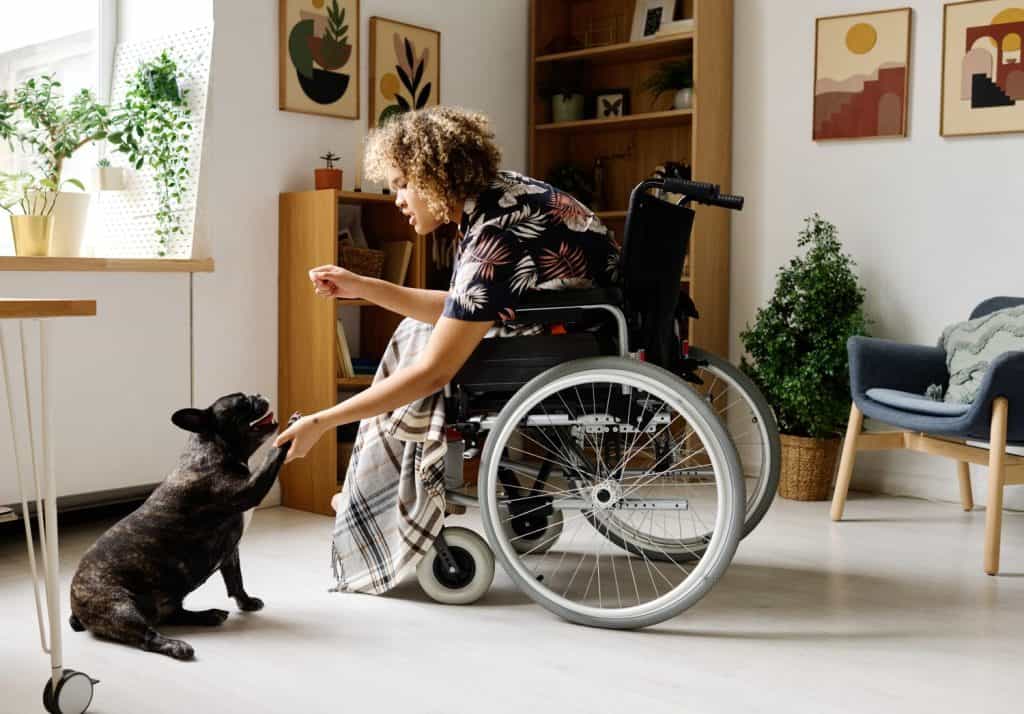
A fully trained service dog typically requires at least 18 to 24 months of structured, professional training. Medical-detection dogs and mobility-support dogs sometimes need even longer. Coleman emphasized that training cannot be rushed; the stakes are too high, as these dogs become a lifeline for their owners.
“Every dog is trained for one specific person.” Coleman explained. “No two programs look exactly alike, which is why it can take so long and cost so much.”
Finding a Reputable Trainer

©Aleksandr Zotov/iStock via Getty Images
“Given that there’s a growing demand for service dogs, there are unqualified trainers out there who are advertising misleading promises.” Coleman explained, advising her clients and anyone interested in obtaining a service dog to ask trainers:
- how many service dogs they have trained
- what tasks their graduates perform
- how they test dogs for temperament
- whether they offer public-access evaluations
- what training methods they use
“Never work with trainers who guarantee fully trained dogs that are less than one year old or rely exclusively on punishment-based methods,” Coleman added, “because you may not get the dog you expect or need when the job is done.”
Which Service Dogs Cost the Most?

©Romvy/Shutterstock.com
Not all service dogs cost the same, given the wide variety of service needs there are in the world. The price varies widely depending on the complexity, rarity, and training intensity of the tasks required. Here are some examples of common service dogs, how much they cost, and the services they are trained to perform.
Medical-Alert Dogs
Diabetic and cardiac alert dogs tend to be among the most expensive categories. Many diabetic-alert programs estimate out-of-pocket training fees in the $8,000–$20,000 range, with some organizations pegging the true value of a fully trained medical alert dog closer to $20,000–$70,000 once breeding and raising costs are included, as outlined by WebMD.
These dogs require:
- advanced scent-detection training
- precise timing training
- ongoing reinforcement throughout their lives
- specialized testing protocols, also ongoing
“The unpredictable nature of human medical conditions means these dogs must be exceptionally reliable,” Coleman explained, “and my own dog is trained for cardiac alerts. She’s saved my life before.”
Mobility and Stability Dogs
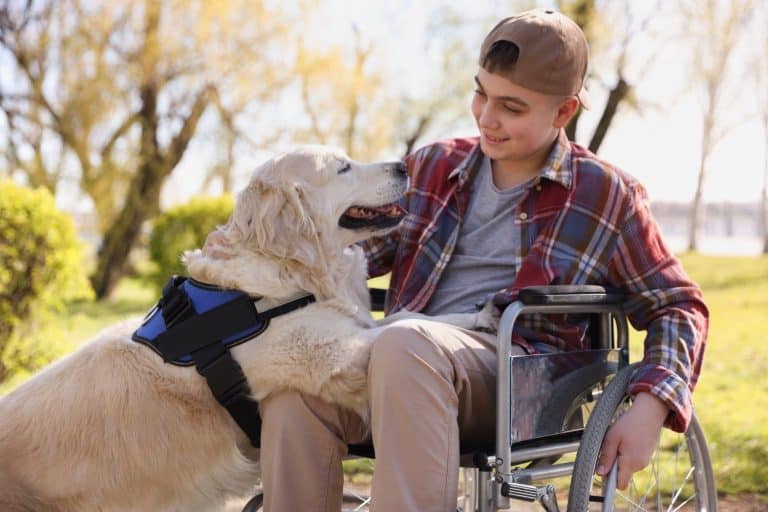
Mobility dogs generally fall in the $15,000–$30,000 range for training, with many dogs ending up in a higher cost bracket once you factor in full program costs and breeding; GoodRx’s cost breakdown places mobility dogs alongside other task-trained dogs in this range.
Mobility dogs often cost this amount because they require:
- additional physical conditioning
- reinforcement of large-muscle tasks
- specialized harness training
- joint evaluations and orthopedic screening
Breed limitations also narrow the pool and increase expenses, as mobility service dogs need to correspond to the size and weight of their owner.
Psychiatric Service Dogs

©iStock.com/Monoliza21
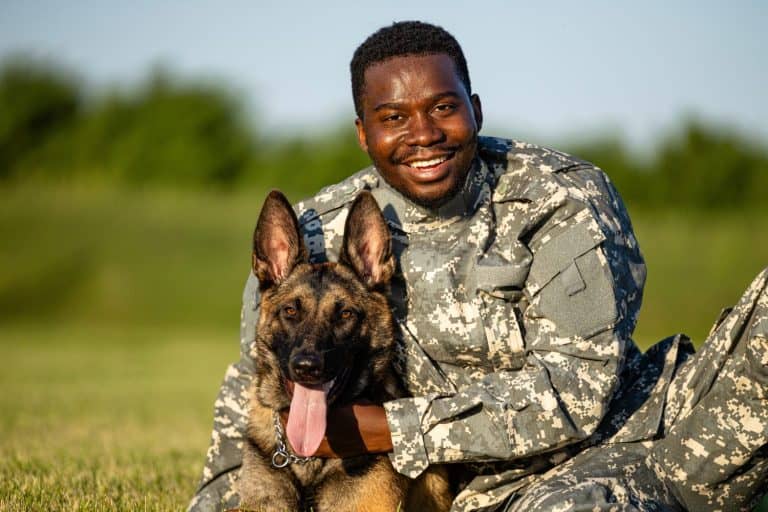
Psychiatric service dogs, including PTSD and trauma-response dogs, commonly cost $20,000–$30,000 when all is said and done. Some veteran-focused nonprofits estimate the total cost to raise and train a PTSD dog at roughly $35,000, according to organizations like Northwest Battle Buddies.
PTSD and trauma-response dogs can be costly due to highly individualized training, especially as trauma responses get more specific. These dogs may be trained to learn:
- perimeter and room-checking behaviors
- nightmare interruption
- crowd-buffering
- grounding and dissociation prevention
- environmental scanning
Multi-Task Dogs
Some handlers need a combination of alerts, mobility tasks, and psychiatric support. Dogs trained across multiple categories tend to sit at the top of the spectrum, with many programs valuing complex dogs in the $30,000–$70,000+ range once all breeding, raising, and training time is included.
For example, Little Angels Service Dogs notes that the total program cost per dog can exceed what clients are asked to fundraise. Because multi-task dogs must reliably perform several distinct roles, they often require longer training timelines, more handler-specific customization, and ongoing adjustments as the person’s medical or mobility needs change.
Can Insurance Cover a Service Dog?
©24K-Production/Shutterstock.com
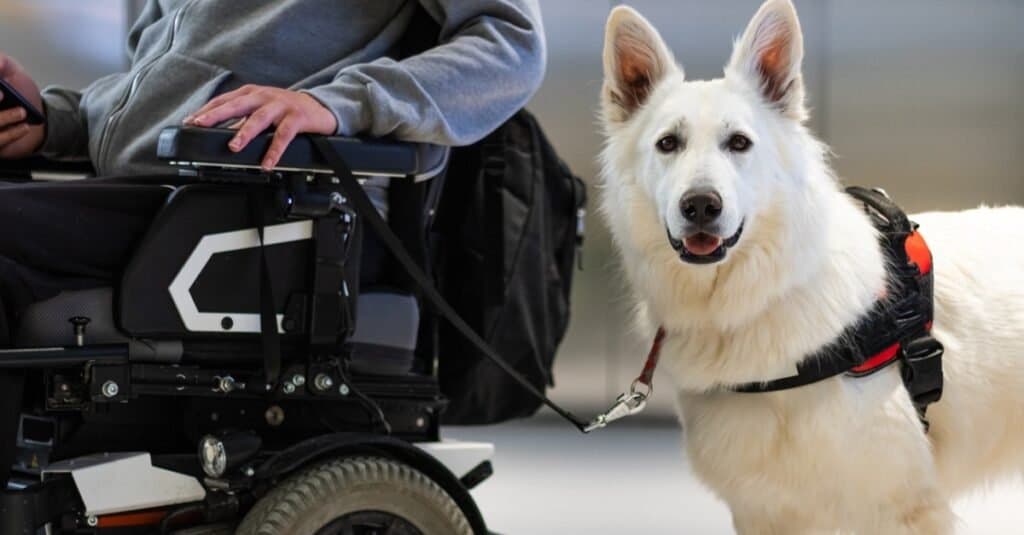
Because trained service dogs are legally categorized as medical equipment, some costs may be eligible for assistance through:
- certain private insurance policies
- specific Medicaid programs
- disability-focused nonprofits
- military veteran benefits (including psychiatric service dogs)
Coverage depends heavily on location and the handler’s medical documentation. Coleman encourages clients to ask their insurance provider directly. “I know the work I do can be prohibitively expensive, which is why I always tell my clients to do their research using their insurance plans first.”
Breeds Best Suited for Service Work

©svetadep/Shutterstock.com
While individual temperament matters far more than breed, certain breeds consistently perform well. Some of these breeds include:
- Labrador Retrievers
- Golden Retrievers
- Standard Poodles
- Labrador–Golden crosses
- Smooth Collies
- Select purpose-bred service lines with proven service records
Coleman explained that “The ideal service dog is steady, adaptable, and unfazed, regardless of their breed. I actually have a pit bull lab mix as my service animal, and I think pit bulls can make amazing service dogs because of the empathy found in their breed.”
Service Dogs Are Ultimately Priceless
©iStock.com/Jason Hohnberger
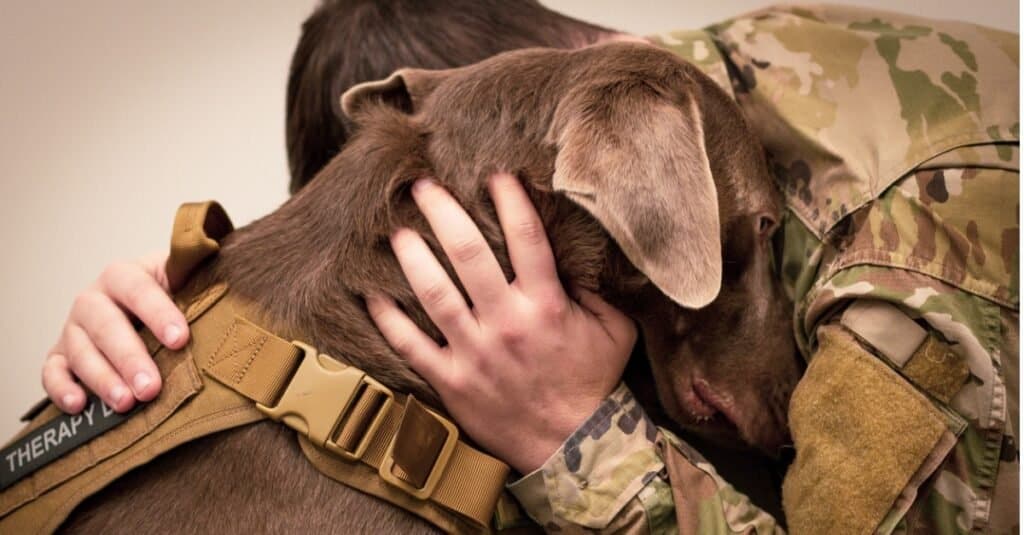
While cost is indeed a factor for most people when it comes to service dogs, the highly skilled canine you get in return is priceless. These dogs are trained to protect, alert, support, interrupt, guide, and stabilize, requiring a multi-year investment from experienced trainers, veterinarians, behaviorists, and handlers that all work together to create a trustworthy medical partner.
Coleman put it perfectly: “A trained service dog gives someone their independence back. You’re not paying for a pet or a dog you can legally bring with you everywhere. You’re paying for a life-changing and life-saving tool.”