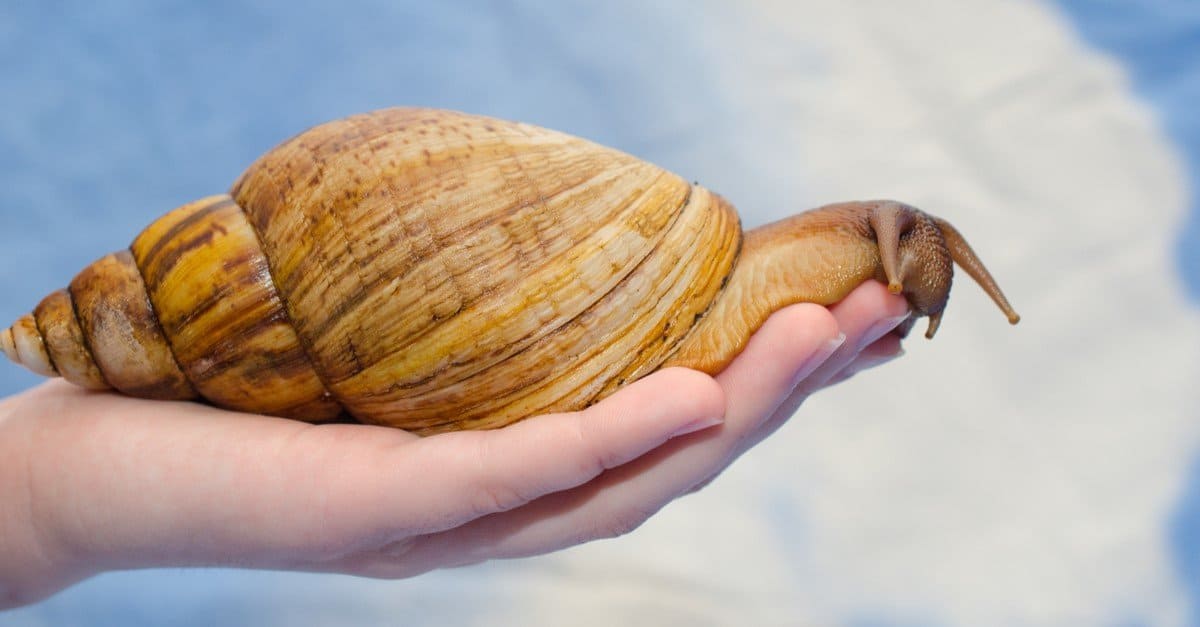

Giant African land snails are phenomenal creatures. As you can see from the magnificent specimen in this Instagram post, they can grow the length of an adult human hand. The person in the image looks like they are cuddling a small cat! So, what do we know about these extraordinary creatures? Read on to find out.
How Big Can Giant African Snails Get?
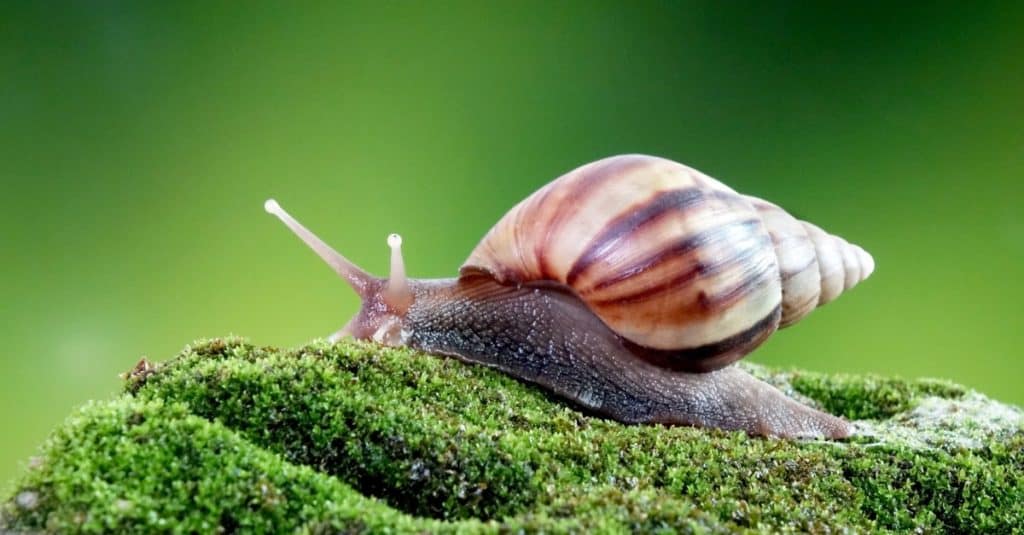
These snails are docile but have huge appetites.
©Mark Brandon/Shutterstock.com
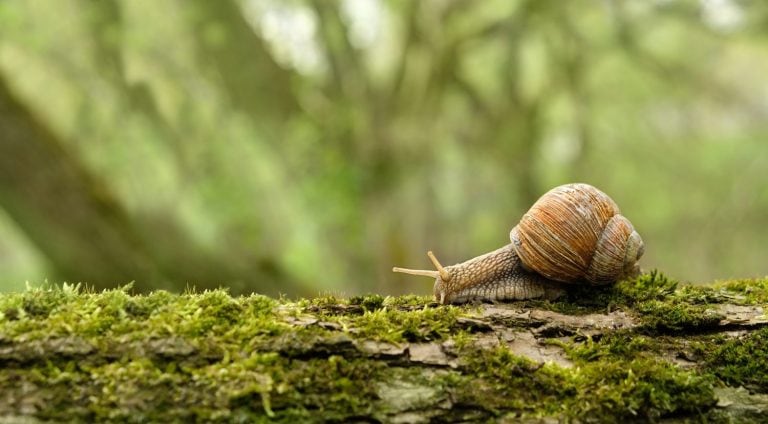
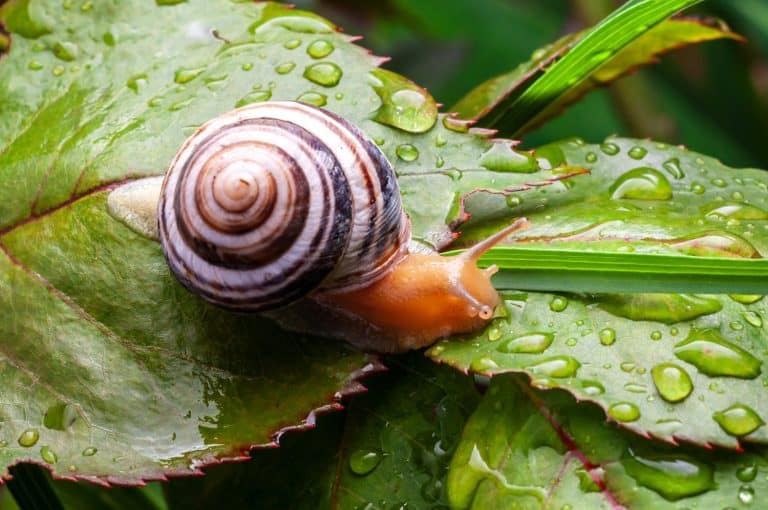
Giant African snails (Achatina fulica) can grow up to 8 inches in length and weigh up to 1.13 ounces. Their cone-shaped shell is pointed and has between 7 and 9 spirals when fully grown. The color of their shell is variable; some are dark with even darker stripes, but others are reddish-brown with pale yellow markings.
They are native to the coastal areas and islands of East Africa. However, they are now found in other countries, including several areas in the U.S. Sometimes, they are introduced accidentally when they become caught in cargo shipments. At other times, however, they are smuggled in as pets and then released into the wild. These are very docile animals that move slowly and cannot bite. They prefer warmer climates but can cope with colder ones, hibernating underground if necessary. In the US, they pose a threat to agricultural crops thanks to their enormous appetites. This can cause huge losses for farmers.
What Do Giant African Snails Eat?
As herbivores, these snails eat plant material. When they are younger, they consume algae, decaying matter, and soft fruits such as bananas. As adults, however, they eat living plants. They will also eat lichens, fungi, animal matter, and even other snails!
When they eat, they use a tongue-like structure called a radula that is covered in tiny teeth and scrapes off food particles before drawing them into their mouth. These snails are preyed upon by rodents, wild boars, terrestrial crustaceans, and other snail species.