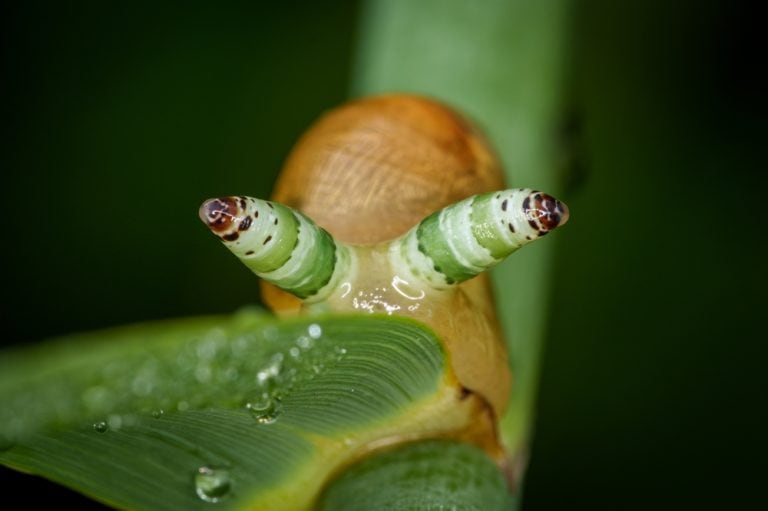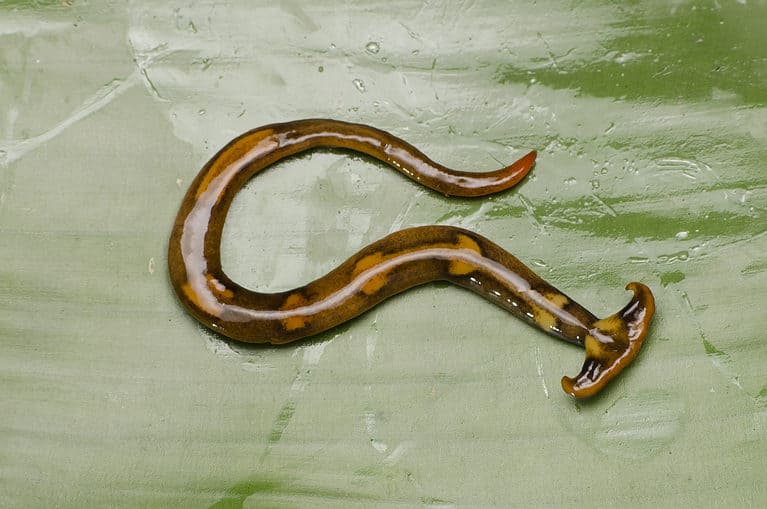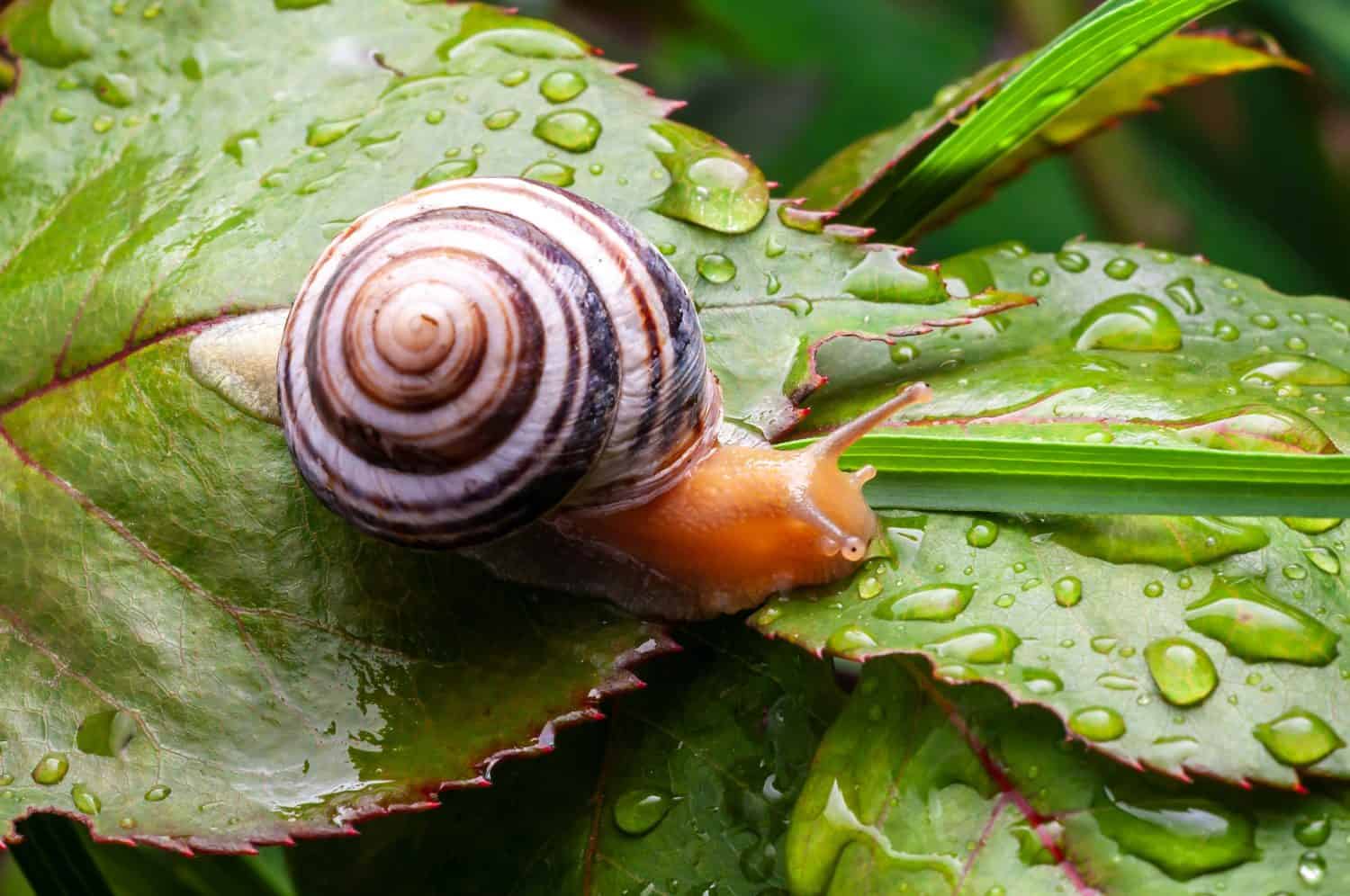

Snails and slugs are familiar and often reviled creatures in gardens, forests, and even underwater habitats. At first glance, the main difference seems obvious: snails have shells, slugs do not. But is the relationship really that simple? Are snails just slugs with shells? Or are there other significant differences between these gastropods? Let’s follow the trail of evidence to uncover what sets snails and slugs apart.
Gastropods: Family Ties
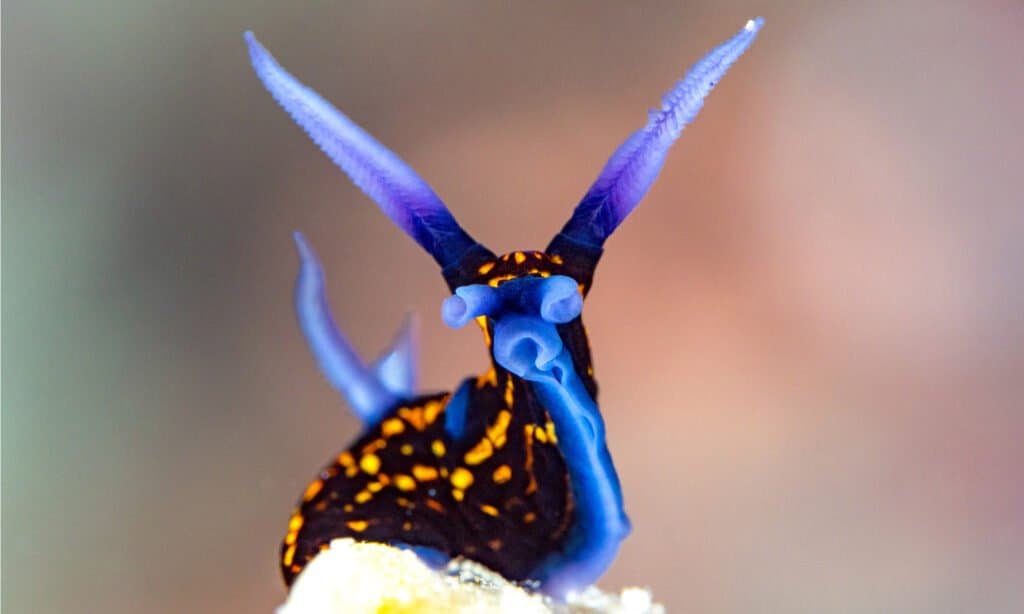
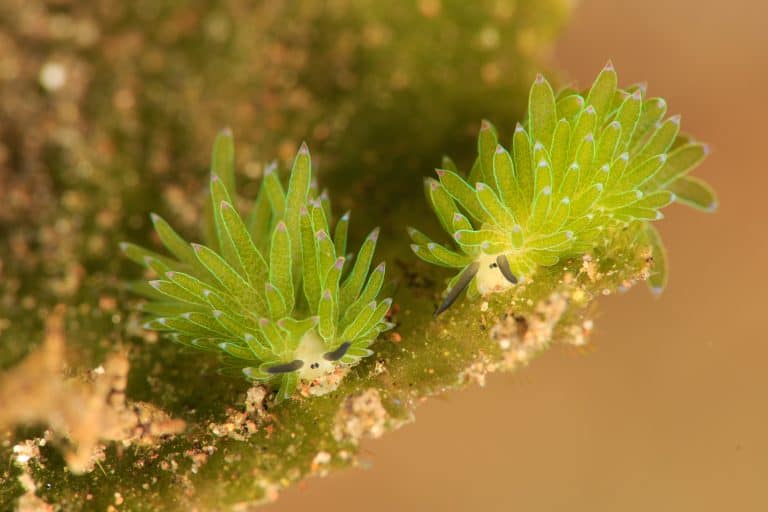
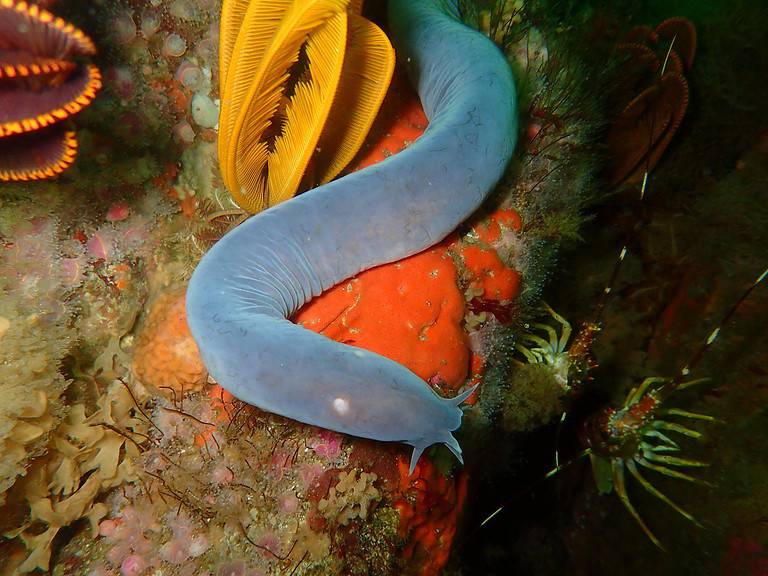
The nudibranch is also known as the sea slug. As a shell-less gastropod, this undersea species is related to snails and slugs.
©Mike Workman/Shutterstock.com
Snails and slugs belong to the class Gastropoda, part of the phylum Mollusca. This enormous family includes not just land snails and slugs, but also sea snails, pond snails, sea slugs, limpets, and more. Scientists estimate there are more than 60,000 gastropod species worldwide, each with its unique adaptations for crawling, feeding, and surviving. The most obvious difference is that snails have an external shell, while slugs have little or no shell. Otherwise, their bodies are quite similar: both are soft and moist, have tentacles for sensory input (usually two pairs, with eyes perched high), and possess a broad, muscular foot used to glide along shiny trails of mucus.
How Big Can They Get?
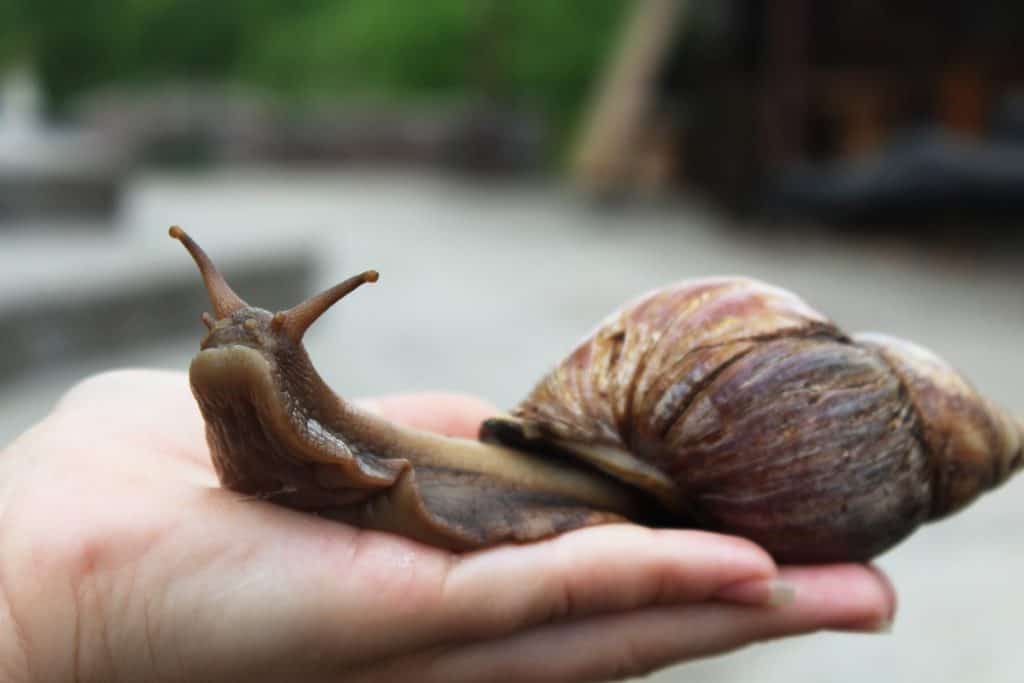
This giant African land snail is still a baby. Full-grown, it will be three times larger.
©KazarinaSofiia/Shutterstock.com
Most snails and slugs are only a few inches long, but some species grow to mind-blowing sizes. The leopard slug, common in Europe, can stretch up to 8 inches, while the giant African land snail reaches nearly a foot in length! Even larger are the sea snails: the Australian trumpet holds the record, with shells that can grow over 30 inches long, making it the largest living snail in the world.
In Florida, giant African land snails have become a serious invasive pest. These huge snails grow nearly as large as a football and can weigh nearly a pound. They eat hundreds of different plants, making them a major threat to farms and gardens, but their damage doesn’t stop there. They also gnaw on plaster and stucco to get the calcium they need, leaving behind costly building damage. Additionally, they can carry parasites such as rat lungworm, which may cause eosinophilic meningitis—a rare but serious brain infection in humans. Because of the risks, Florida has launched several multi-million-dollar eradication campaigns to try to wipe them out whenever outbreaks appear.
How Slugs and Snails Are Alike
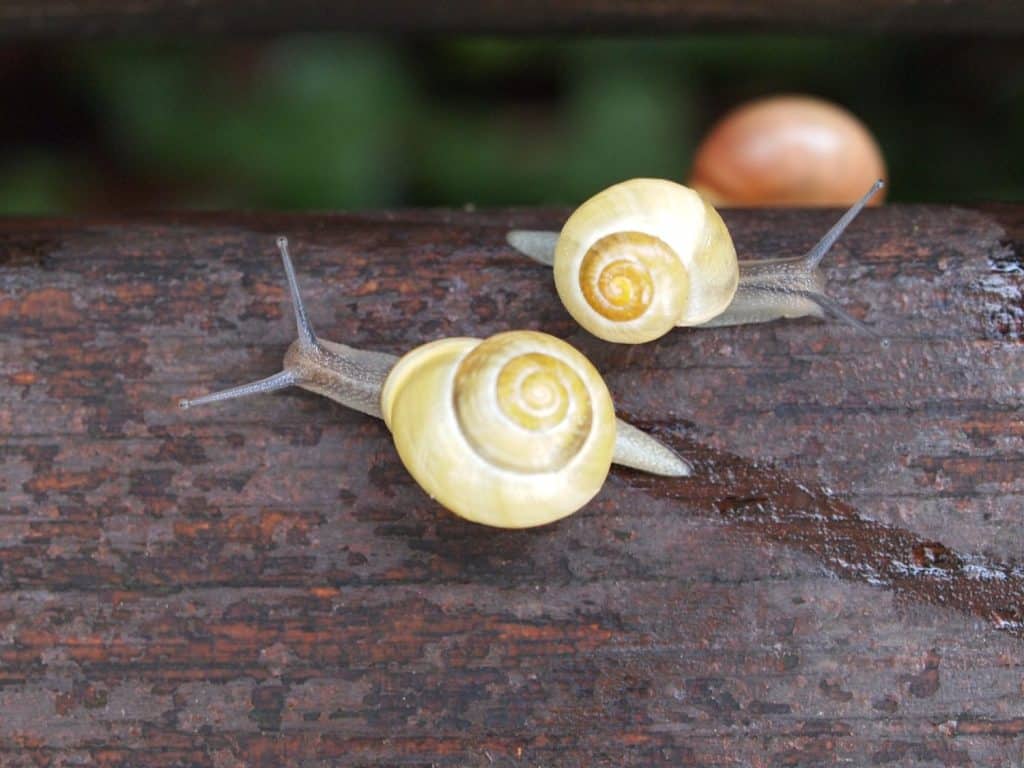
Snails and their cousins, slugs, leave behind a trail of slime wherever they go.
©Dietrich Leppert/Shutterstock.com
When you look past their differences, snails and slugs are almost the same animal. They both have two pairs of tentacles on their heads—the top pair with tiny eyes that can sense light and movement, and the lower pair for touch and smell, helping them find their way around. Their bodies run on a broad, muscular “foot” that does all the work of moving them along. By tensing and relaxing in waves, that foot lets them glide slowly forward, while the slime they produce keeps them from drying out, cuts down friction, and protects their skin.
Moreover, they even share the same unusual mouthpart, called a radula—a ribbon-like tongue lined with rows of tiny teeth. With it, they scrape bits of food off leaves, bark, or whatever surface they’re crawling over. Put all that together—the foot for motion, the slime for smooth travel, and the radula for feeding—and you’ve got a simple but clever design that helps snails and slugs live their slow, steady lives.
A Common Ecological Niche
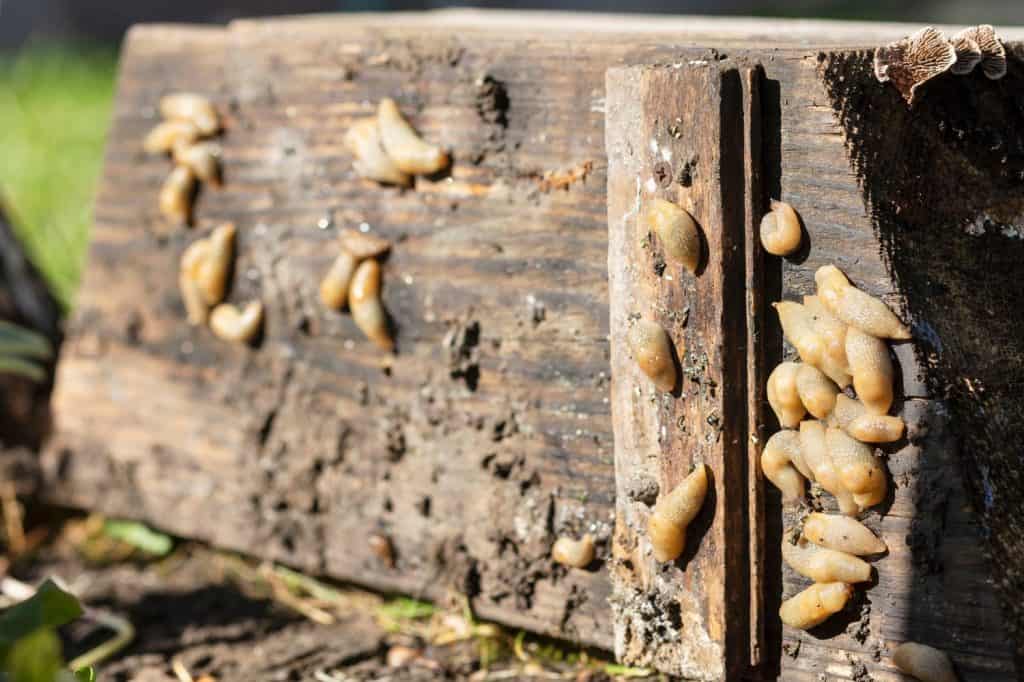
You’ll sometimes find slugs under logs or boards feeding on decaying organic matter.
©Mariana Serdynska/Shutterstock.com
Snails and slugs fill the same ecological role, recycling nutrients and feeding countless other animals. Their diet of tender leaves, seedlings, fruits, fungi, and especially decaying plant matter helps break down organic debris and return vital nutrients to the soil, enriching the ground for new growth. A few species even eat other small invertebrates, adding variety to their impact. At the same time, they are an important food source for many creatures, including birds, frogs, toads, snakes, beetles, hedgehogs, and small mammals, all of which rely on them as a steady supply of protein. While snails use their shells as protection and slugs depend on hiding places and thick mucus, both serve the same purpose in the food web—converting plants and waste into energy for others and keeping ecosystems balanced.
How Snails and Slugs Differ
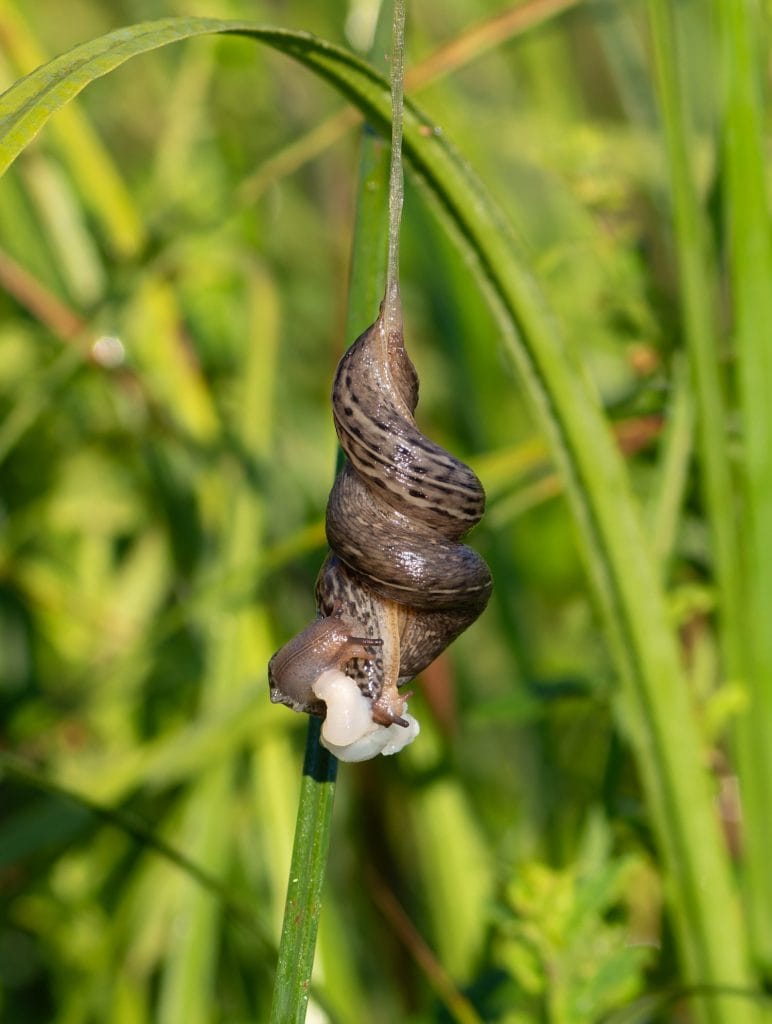
Leopard slugs mate while hanging from a thread of slime.
©Yuriy Balagula/Shutterstock.com
Although snails and slugs share the same basic anatomy, they are different in several important ways.
- Shell: Snails have an external coiled shell made of calcium carbonate; slugs have little or no external shell.
- Flexibility: Slugs are slimmer and can squeeze into tight spaces; snails are bulkier and less flexible.
- Moisture tolerance: Slugs dry out more easily and stay in cool, damp, shaded places; snails can endure drier or more exposed habitats by retreating into their shells.
- Defense: Snails rely on their shell as armor and for sealing in moisture; slugs defend themselves by hiding, squeezing into crevices, and producing thick mucus that can taste unpleasant to predators.
- Mobility: Without a heavy shell, slugs are lighter and more agile; snails are slower and weighed down but more resilient in the open.
- Lifespan: Many snails can live for several years; most slugs survive only one or two seasons.
- Reproductive quirks: Some snails use “love darts” during courtship; certain slugs, like the leopard slug, perform aerial mating while suspended from a thread of mucus.
The Biggest Difference: The Shell
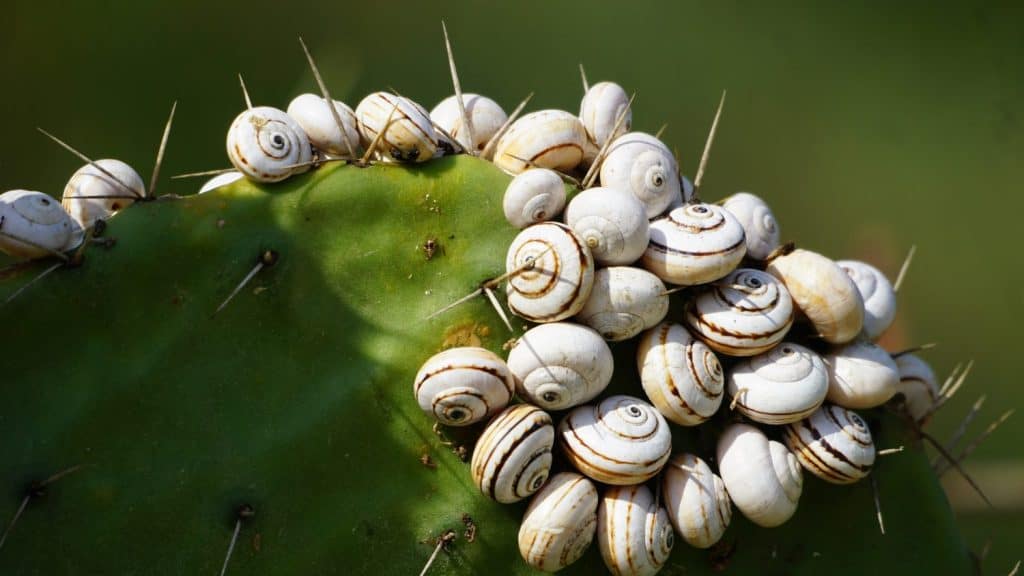
Snails can live in drier climates because their shells help them retain moisture more easily.
©Oleg Kudrya/Shutterstock.com
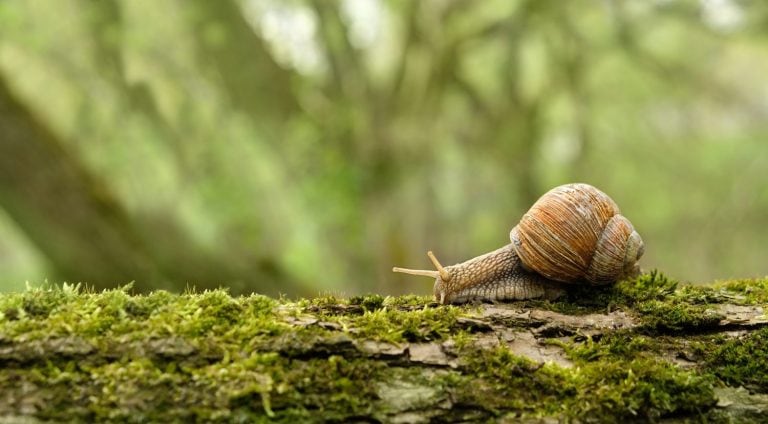
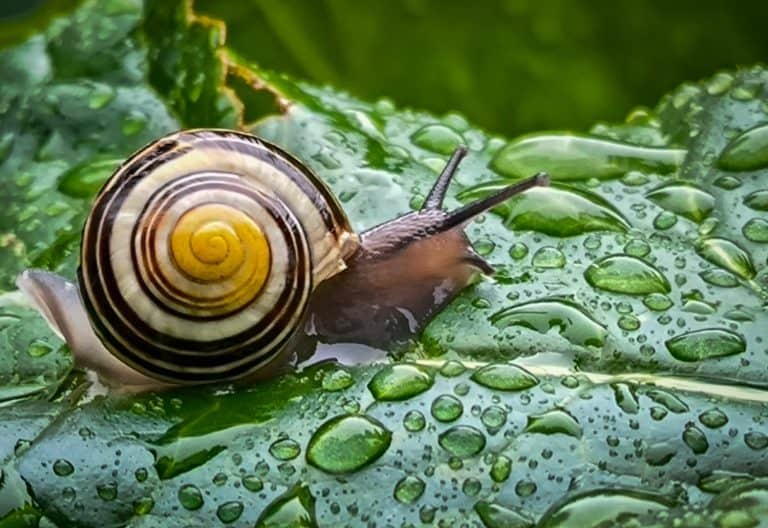
The biggest difference between snails and slugs is easy to spot: the snail’s shell. This tough spiral, made mostly of calcium with a bit of protein, starts forming when the snail is still developing and sticks with it for life. Unlike crabs or insects that can shed their coverings, a snail never leaves its shell—it grows right along with the animal, layer after layer, thanks to a living tissue called the mantle.
The shell is way more than just decoration. It works like armor against predators, keeps the snail from drying out, and gives it a safe place to hide during winter or in summer heat. In a lot of ways, it’s a fortress, a water jug, and a shelter all at once. Because of this built-in protection, snails can survive in places where slugs can’t—out in dry fields, on mountain slopes, or in open ground—sometimes even being the only gastropods tough enough to make it.
What If the Shell Is Damaged?
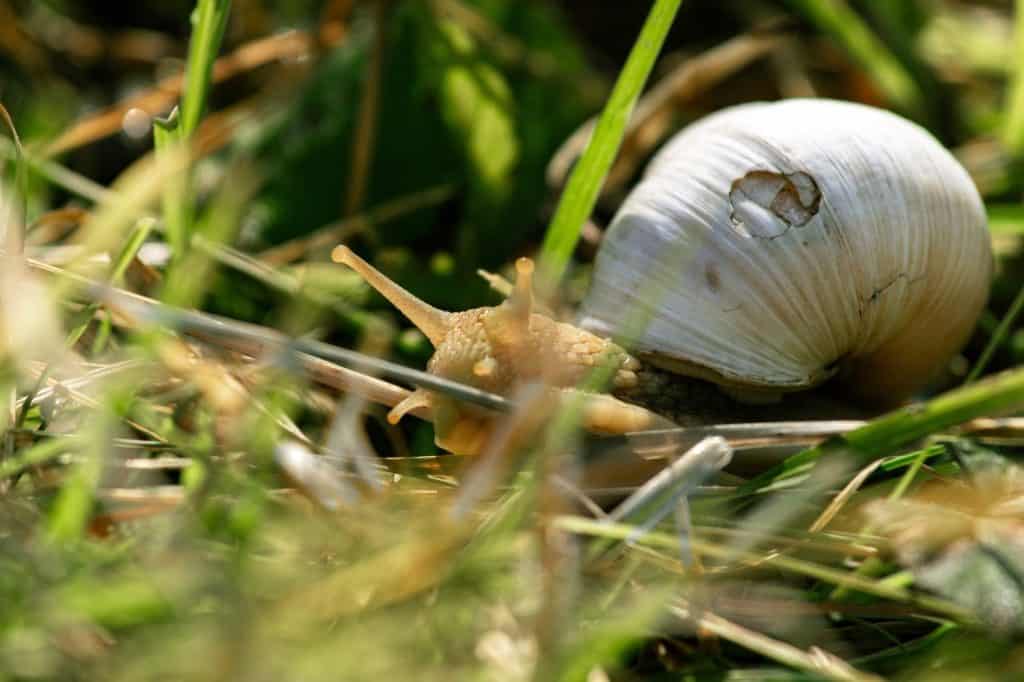
Snails are able to gradually patch small holes and cracks in their shell.
©KaosNature/Shutterstock.com
A snail’s shell isn’t just a backpack it totes around—it’s more like a skull, a hard case that protects its vital organs. Tucked inside the spiraled walls are parts of the heart, lungs, digestive system, and reproductive system. That’s why a snail can’t live without its shell. If the shell is smashed or removed, the soft body inside is left exposed, and the snail quickly dies from drying out, injury, or infection. Small cracks or chips, though, can sometimes heal. The mantle—a living layer of tissue inside—keeps adding calcium and proteins to grow the shell as the snail gets bigger, and it can also patch over minor damage, leaving scar-like marks. Even so, a weakened shell makes the snail much more vulnerable to predators and bad weather. The shell isn’t just an extra feature—it’s the snail’s skull, shield, and shelter all in one.
Are Slugs Just “Snails Without Shells?”
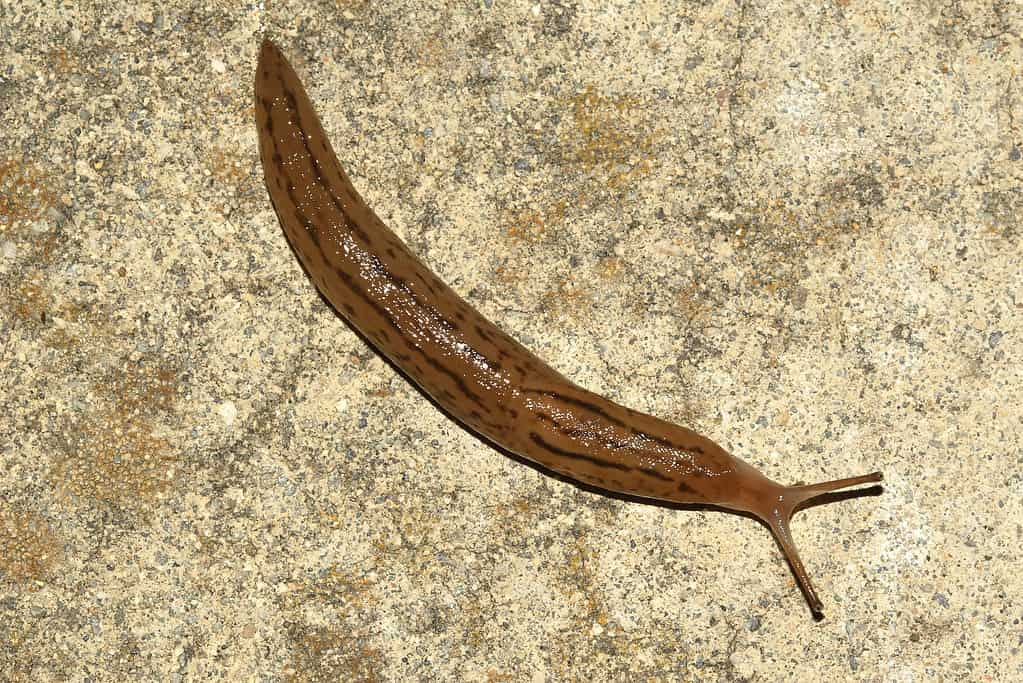
Slugs are not just shell-less snails. They are similar but use different survival strategies.
Not exactly—even though that’s how people usually think of them. Slugs and snails are both gastropods, and under the surface, they share almost all the same parts: tentacles, a muscular foot for crawling, a coating of slime for protection, and a radula (a tongue covered in tiny teeth) for scraping up food. The difference is that some types of gastropods gradually lost their shells over time, and those are the ones we now call slugs.
So it’s not quite right to call a slug “just a snail without a shell.” They’re really more like cousins that went down different evolutionary roads. Snails kept their shells for safety and for holding in moisture, while slugs gave up the shell to become lighter, more flexible, and better at squeezing into tight spaces. Both are built from the same basic blueprint, but the shell—or lack of it—shapes everything about how they live.
Keeping Them Out of Your Garden
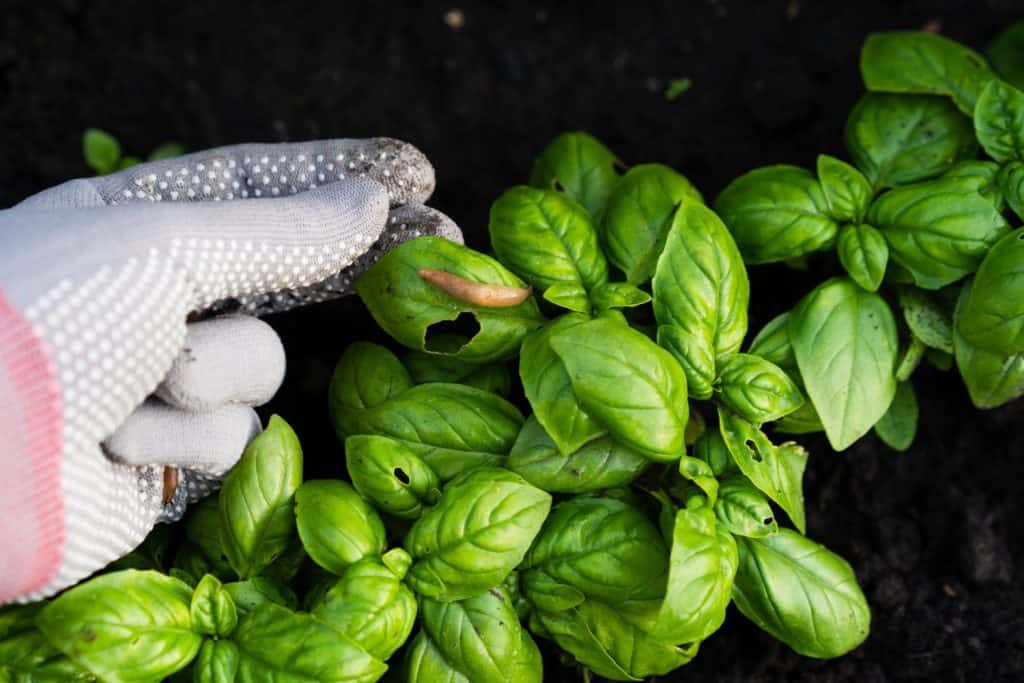
Hand-picking is a time-consuming but effective way of removing snails and slugs from the garden.
©Uryupina Nadezhda/Shutterstock.com
What They Eat
Both slugs and snails can be troublesome in gardens, as they both eat garden plants. They are especially fond of tender growth like seedlings, young leaves, stems, flowers, and fruits such as strawberries, lettuce, basil, and hostas. When other food is scarce, they may also attack roots, bulbs, or bark. Along with fresh vegetation, they will eat decaying organic matter, which is why they often hide in compost piles. Typical signs of their presence include large, irregular holes in leaves, missing seedlings overnight, and silvery slime trails across soil, plants, or garden paths.
What Not To Do
In the past, some gardeners poured table salt on them.. It kills them by causing intense dehydration, a painful process comparable to suffering a chemical burn. And it leaves a salt residue that is not good for your garden. There are many more humane ways to eliminate them.
Options for Control
Hand-picking them at night or early morning is effective, and barriers like copper tape, crushed eggshells, or gritty sand can deter them from reaching plants. A popular option is the beer trap: a shallow dish or container sunk into the soil and filled with beer. The yeasty smell attracts slugs and snails, which crawl in and drown. Beyond traps, encouraging natural predators such as birds, frogs, and beetles helps keep numbers down. Reducing hiding spots, watering in the morning to keep the soil drier at night, and using wildlife-safe slug pellets (iron phosphate rather than metaldehyde) are also reliable strategies. Finally, there are plants they tend to avoid, such as lavender, rosemary, foxglove, ferns, and ornamental grasses, which can serve as natural deterrents in your garden’s design.
Two Paths, One Purpose
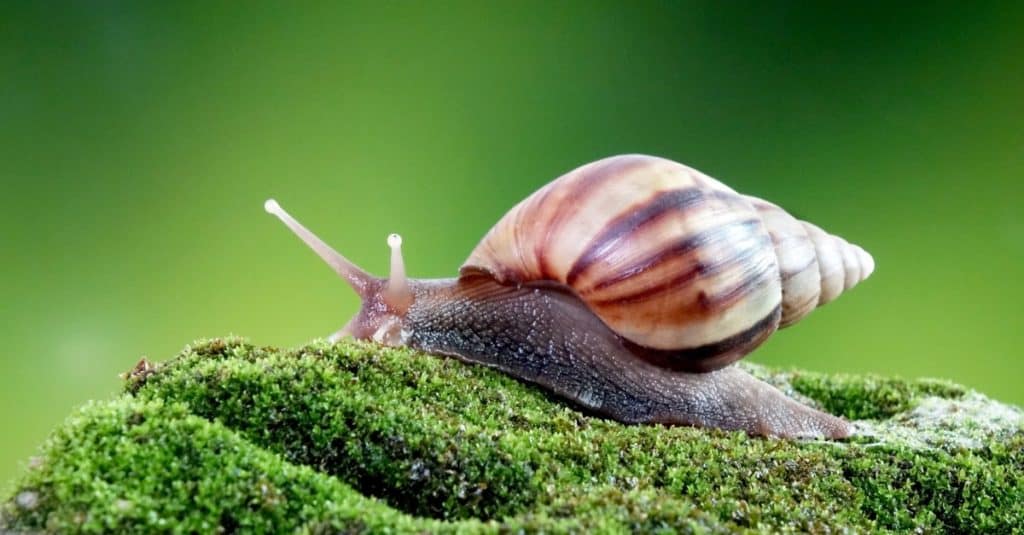
Although snails and slugs look so much alike, somehow the shell on a snail makes people more likely to go “aw!” than “ew!”
©Mark Brandon/Shutterstock.com
Snails and slugs have plenty in common but just as many fascinating differences. A snail isn’t simply a slug with a shell. The two are evolutionary relatives that use different survival strategies: a shell for protection and endurance or a streamlined body for slipping through the shadows. Whether shelled or shell-free, each shows a different way to solve the same challenges of survival. In their quiet, slimy way, snails and slugs remind us that there’s never just one path to thrive in the natural world.