
Colorado’s weather can vary a lot across the state. However, November is the time when the temperatures begin to cool, and some areas may even get an early snowstorm. As the days grow shorter and the air is crisp and cool, Colorado’s wildlife begins to prepare for the cold season ahead. Many animals bulk up to build fat reserves that help them survive the months when food is scarce. For others, the changing weather is a signal to migrate south to warmer climates. Take a look with us to learn the fascinating survival strategies that help Colorado’s wildlife survive the state’s harsh winters.
Black Bears Prepare for Torpor
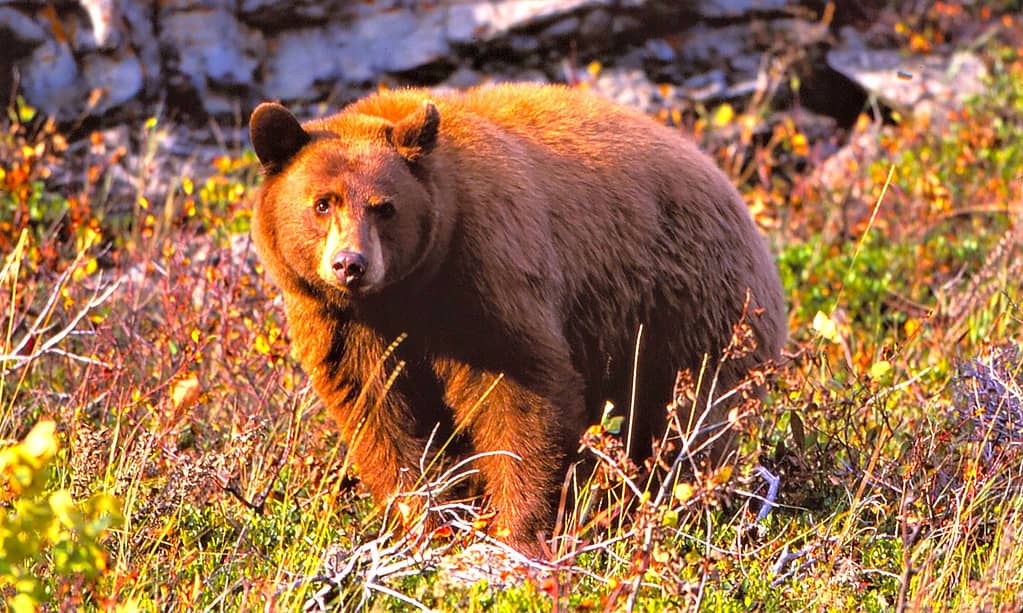
Cinnamon bears are a subspecies of American black bears and live in eastern Colorado.
©Richard Jackson/iStock / Getty Images Plus via Getty Images
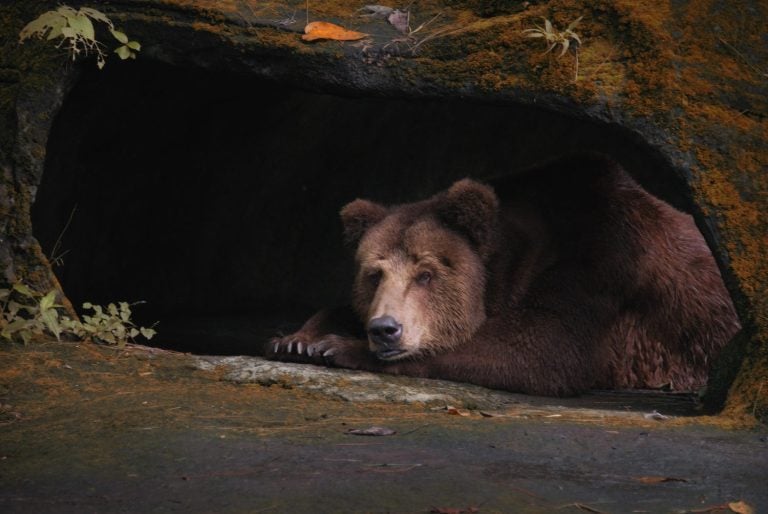
Around 17,000 to 20,000 black bears live in Colorado. The bears survive the winter by going into a light type of hibernation called torpor. Similar to animals in hibernation, bears in torpor have decreased metabolism, body temperatures, and respiratory rates. By slowing everything down, bears can sleep peacefully in their dens without needing to hunt for food during the cold months when food is scarce.
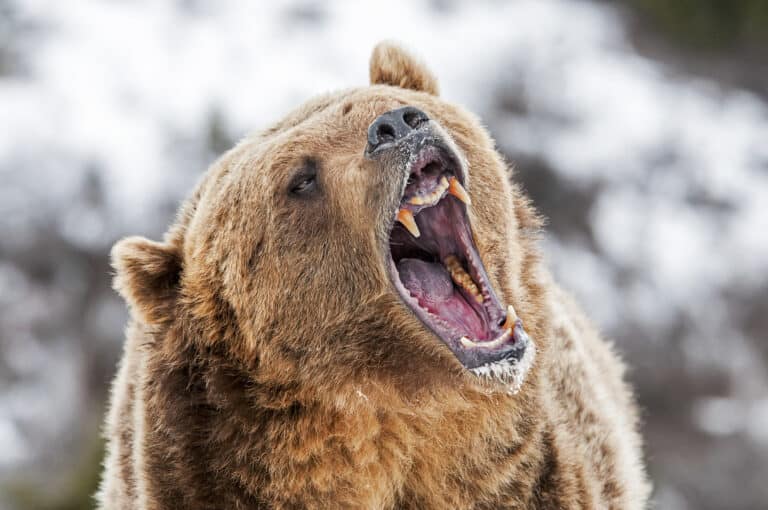
In the fall, black bears are active as they bulk up for the coming lean months. They may eat 15,000 to 20,000 calories per day to fatten up. That’s equivalent to around eight large cheese pizzas. Bears often enter cities and residential areas in search of food. Coloradans who live in bear territory are advised to keep their windows and doors locked overnight and secure trash cans and dumpsters.
Bighorn Sheep, Deer, and Elk Begin to Migrate to Lower Elevations
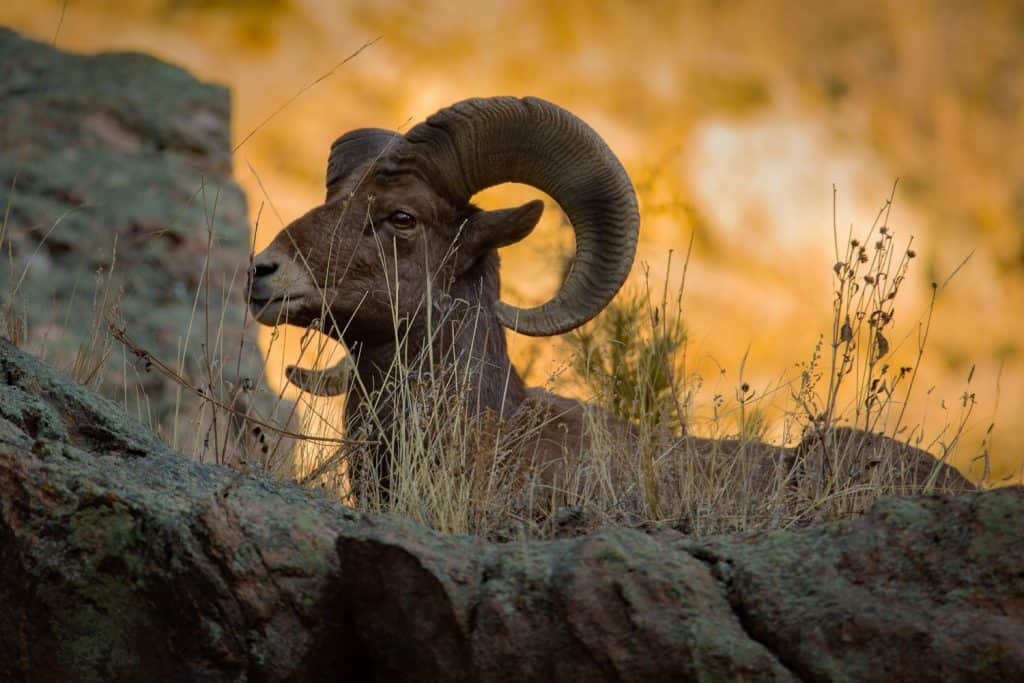
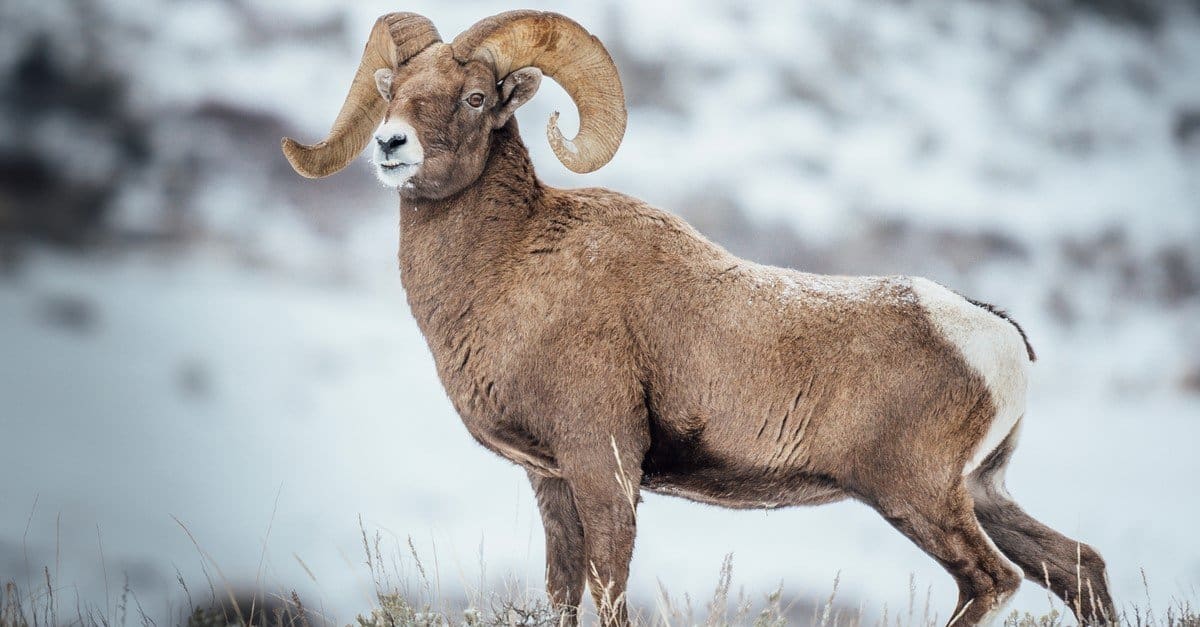
Bighorn sheep survive winter by changing their diets from soft grass to woody plants.
©Wirestock Creators/Shutterstock.com
As winter sets in, many animals that live in higher elevations in the mountains begin to migrate to the lower foothills. High in the mountains, where the weather is coldest, food becomes scarce. The bighorn sheep, deer, and elk that live in high elevations follow the plant life down the mountain to more fertile areas as winter sets in. You may see them on south-facing slopes, where sunshine brings warmth. They also have to change their diets. Although they prefer to eat grass, in the winter, they will eat woody shrubs.
Snowshoe Hare and Other Small Mammals Grow Their Winter Coats
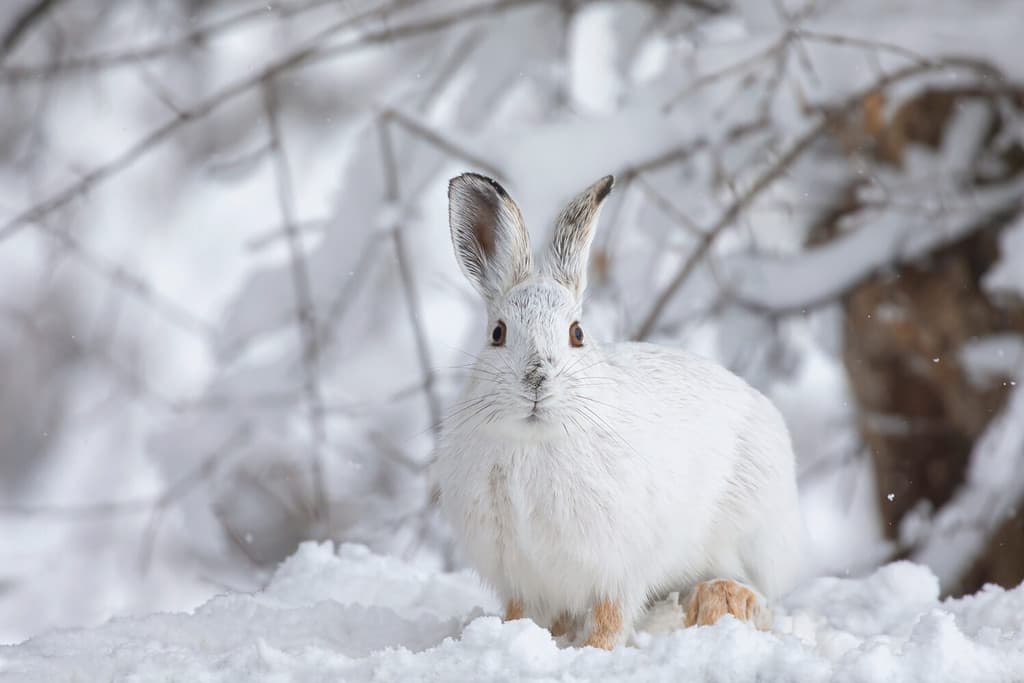
In winter, it can be hard to spot a snowshoe hare against the white snowy ground.
©Jim Cumming/Shutterstock.com
Animals like the snowshoe hare survive predators by blending into their environment. It’s much harder for a hawk to spot a hare in the snow when the hare’s fur is bright white. During November, some animals, like the snowshoe hare, begin to grow their winter coats, which change color to provide camouflage against the changing landscape. Short-tailed weasels and ermines are other small mammals that replace their darker coats with a pure white coat during winter.
Some Small Mammals Shrink to Survive Winter
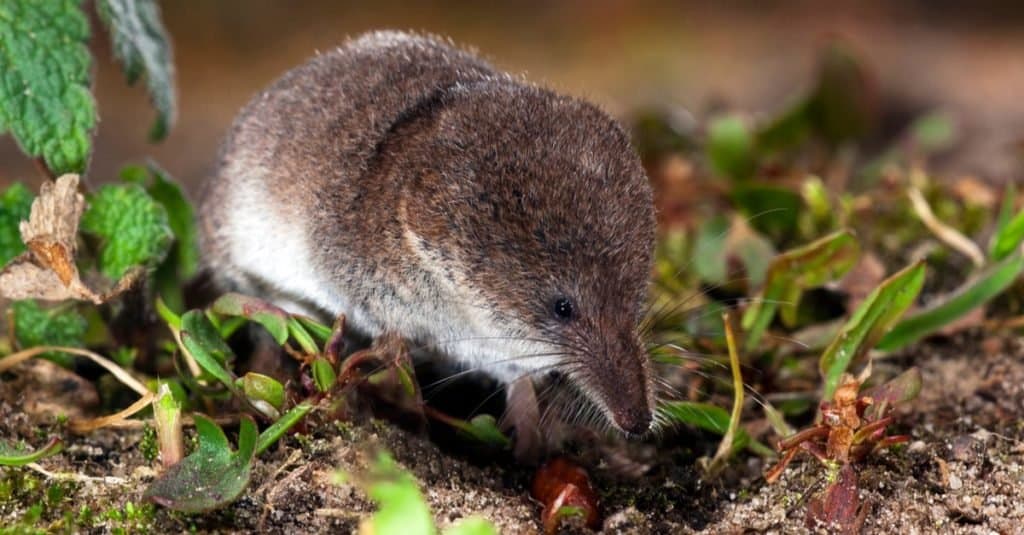
Pygmy shrews actually shrink their brain and head size during winter to conserve energy needs.
©Agami Photo Agency/Shutterstock.com
Many small mammals, such as moles, weasels, and shrews, will actually grow smaller as winter sets in, and then regrow to their full, summer size. It’s not just their bodies that get smaller. Studies have shown that shrews’ heads and brains shrink as the weather grows colder. A smaller brain means the small animals will burn less energy and need less food during winter. But it’s entirely reversible, and the animals grow to their usual size in the spring.
Small Mammals Like Mice and Squirrels Gather Food in the Fall
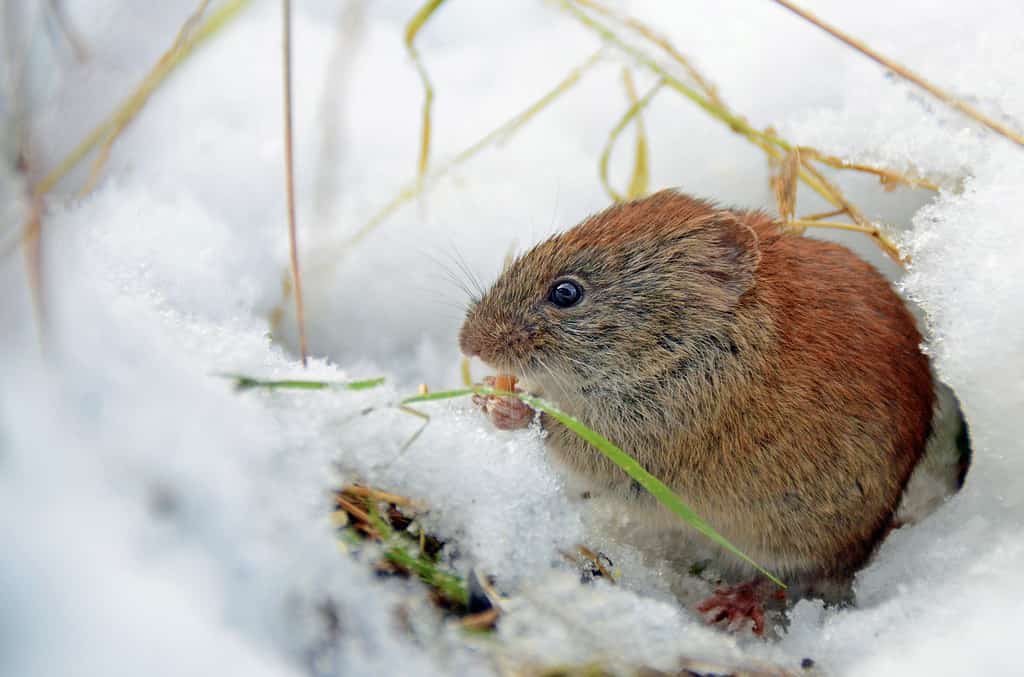
Small mammals find warmth underground during the winter.
©Lev Frid/Shutterstock.com
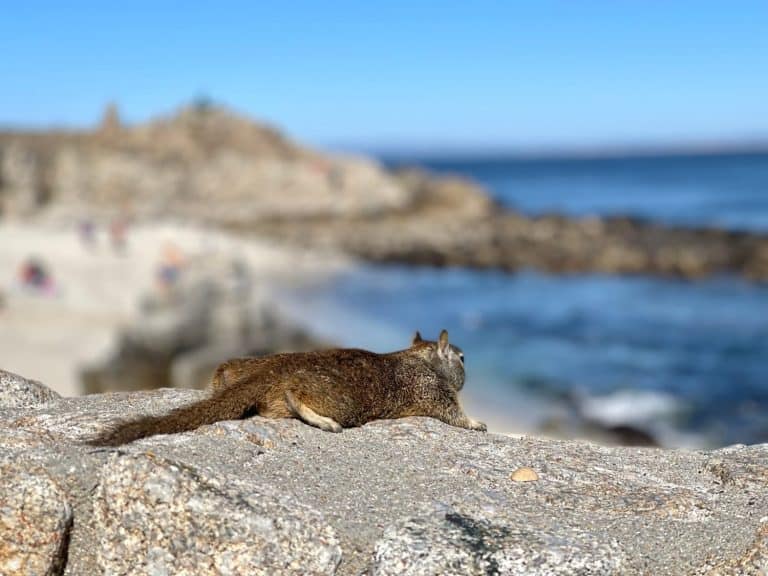
Many small mammals don’t hibernate or migrate, but stay active in the fall. Animals such as porcupines, mice, squirrels, pocket gophers, and voles begin to gather and store food as the weather changes. Many of these little animals keep their food stored in burrows underground. They also eat heavily in the fall to build up their fat reserves. During winter, they can stay warm and toasty in their burrows under the insulating layer of snow.
While ground squirrels dig burrows to live underground, tree squirrels tend to seek shelter in tree cavities or other warm places, such as attics. Fall is the time when homeowners may struggle with unwelcome house guests like rodents and squirrels who are looking for a warm place to spend the winter.
Bats and Some Rodents Begin Hibernation in November
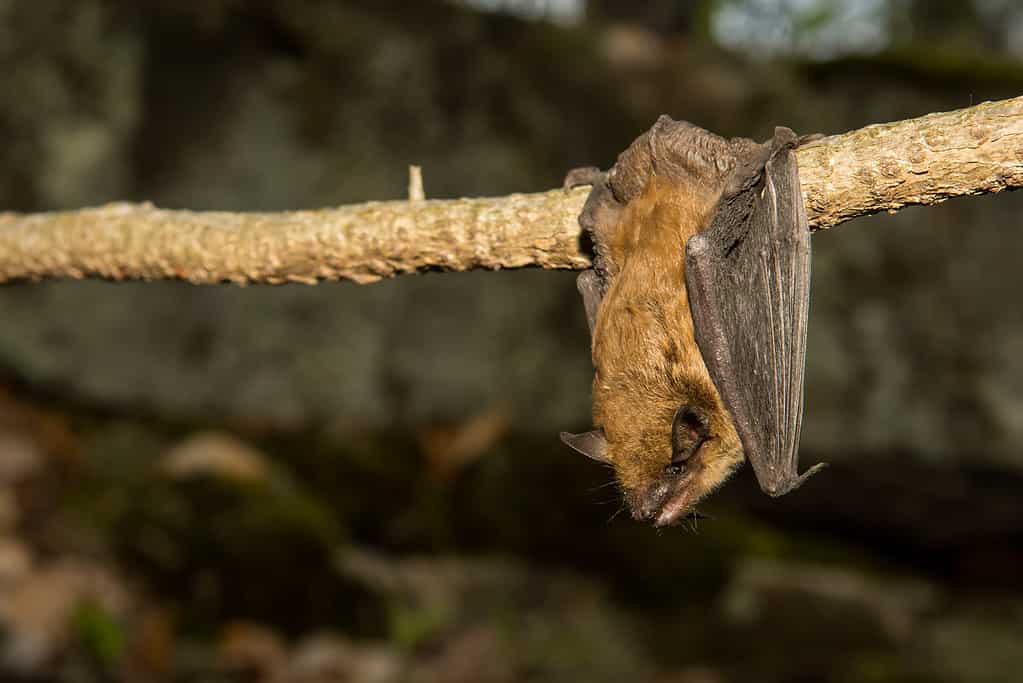
Big brown bats are one of the bat species living in Colorado that spend their winters in hibernation.
©JasonOndreicka/ via Getty Images
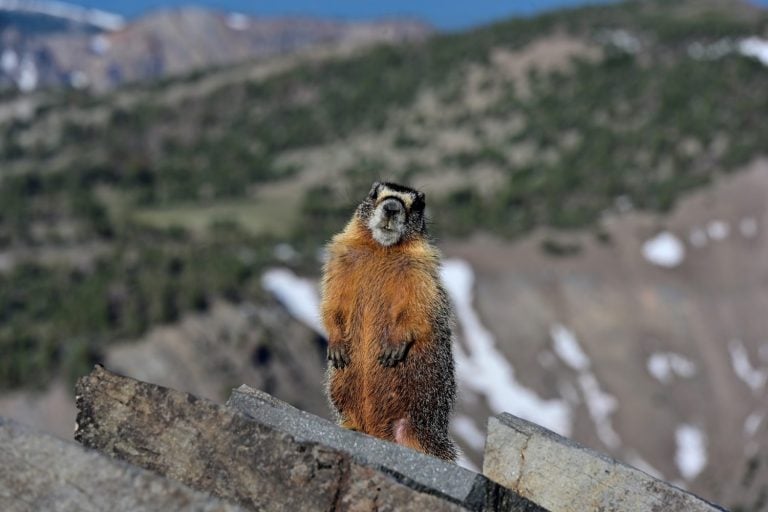
It’s not just bears that sleep through the Colorado winter. Some smaller mammals go into hibernation, during which their metabolism and body temperatures drop significantly. By November, many of these animals, such as bats, marmots, and chipmunks, may already be in a state of hibernation, which they remain in until March or April.
How each animal hibernates depends on the species. For example, chipmunks may wake up from time to time and grab a bite to eat. Bats, like the big brown bat, cluster together for warmth in large colonies in caves and mines, where they hibernate through the winter. Not all of Colorado’s bats find caves to hibernate in. Some species hibernate in trees, buildings, or under bridges. Other species of bats in Colorado don’t hibernate but migrate south for the winter. For example, Colorado’s Brazilian free-tailed bat flies 1,000 miles to Mexico to spend the winter.
Reptiles Undergo Brumation
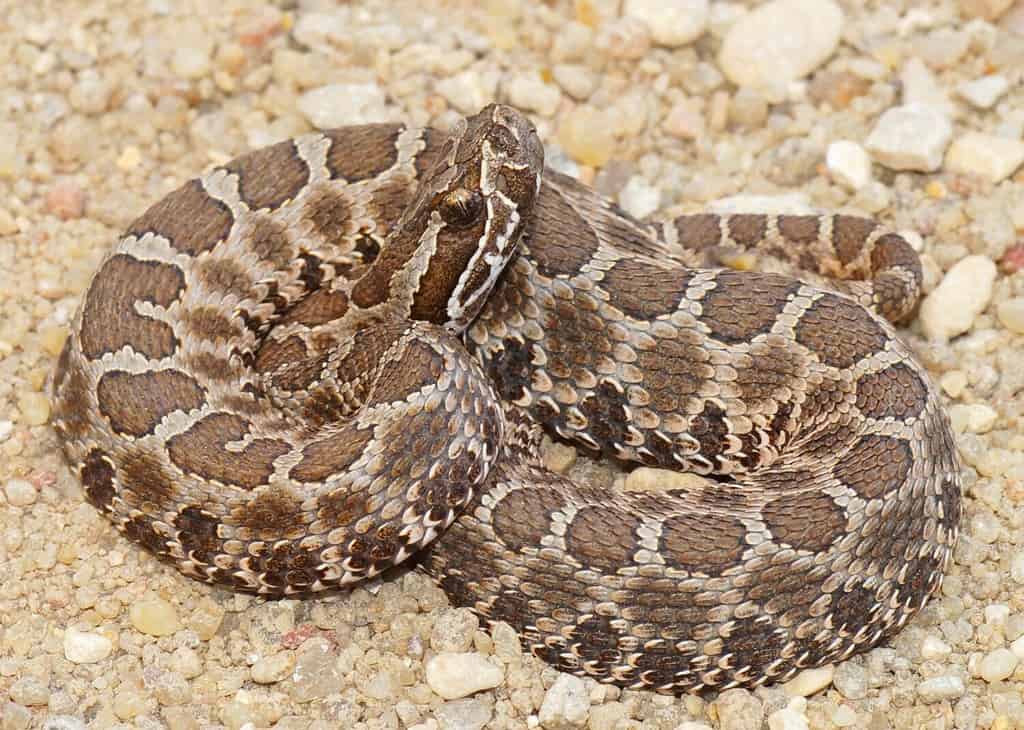
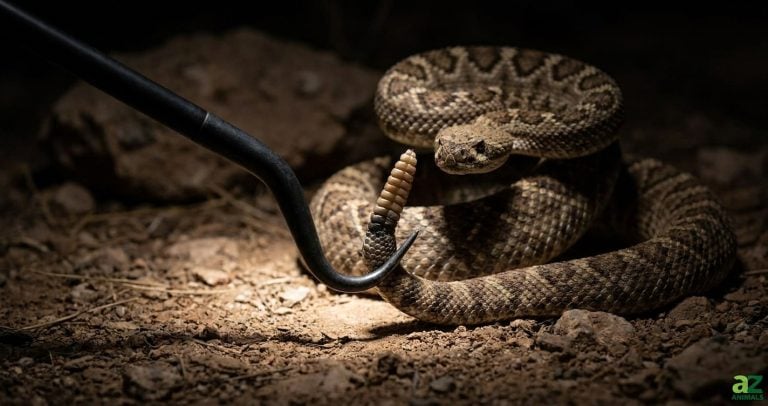
Western Massasauga rattlesnakes in Colorado head to underground burrows in the fall to enter a state of brumation.
©Matt Jeppson/Shutterstock.com
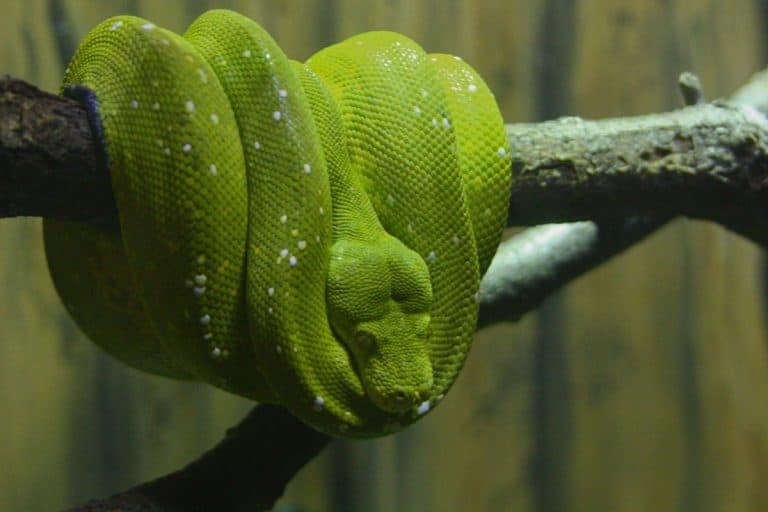
Reptiles are ectothermic, or cold-blooded. Many of Colorado’s reptiles enter a state of hibernation called brumation during November, and they won’t be active again until spring. Snakes, lizards, and other reptiles drop their body temperature to just above freezing. Turtles burrow underground, lizards find crevices inside logs, and snakes head to their communal winter dens. Sometimes reptiles will wake up to drink small amounts of water or eat during brumation.
While hibernating mammals bulk up and live off fat stores during the winter, reptiles that brumate slow their metabolism so much that they don’t require much energy to survive. Instead of gaining weight like mammals, reptiles will increase their glycogen stores before brumation.
Raccoons, Skunks, and Badgers Have Mini-Hibernations
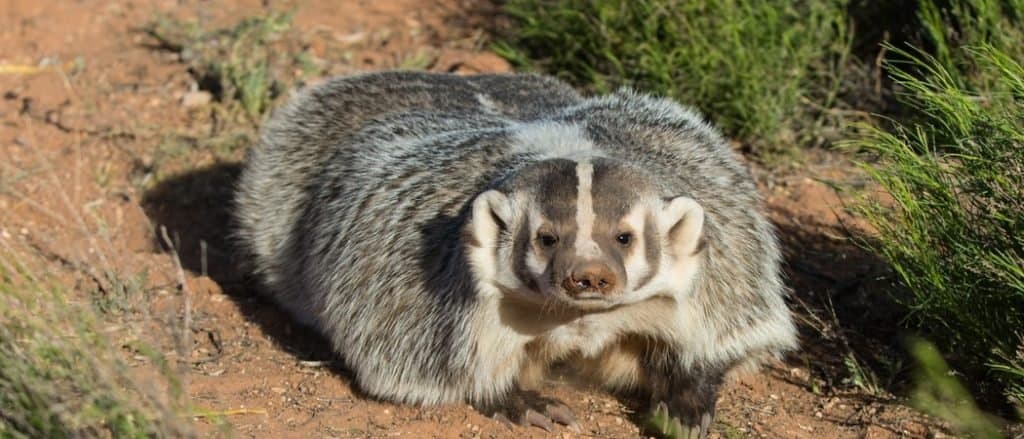
American badgers in Colorado spend much of the winter sheltering in their burrows underground.
©Warren Metcalf/Shutterstock.com
Animals such as raccoons, skunks, and badgers are much less active during winter, but it’s not a true hibernation. During late summer and into fall, they eat more food to build up fat reserves for the winter. In winter, they will mainly take shelter inside their warm dens, sometimes going into a mini-hibernation called torpor, similar to black bears. They may even wake up and venture outside on warmer days. While badger dens are underground, skunks and raccoons may be found trying to get inside a warm, heated attic during winter.
Some Birds Migrate South, While Others Adapt to the Cold
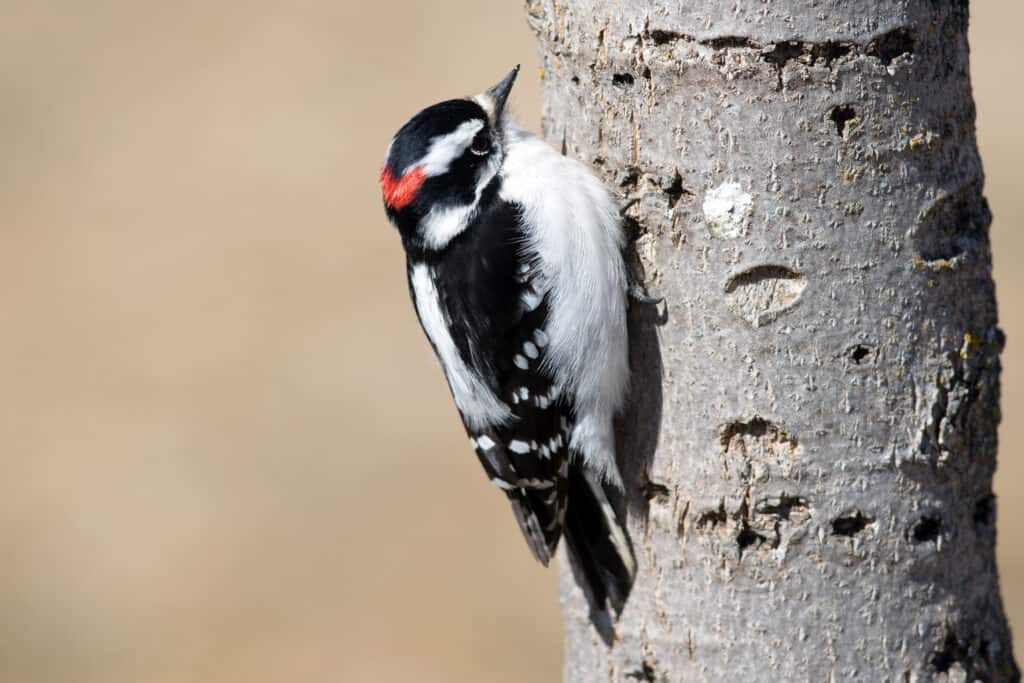
Downy woodpeckers in Colorado roost in small, insulated cavities to stay warm during cold, winter nights.
©Northernguy/Shutterstock.com
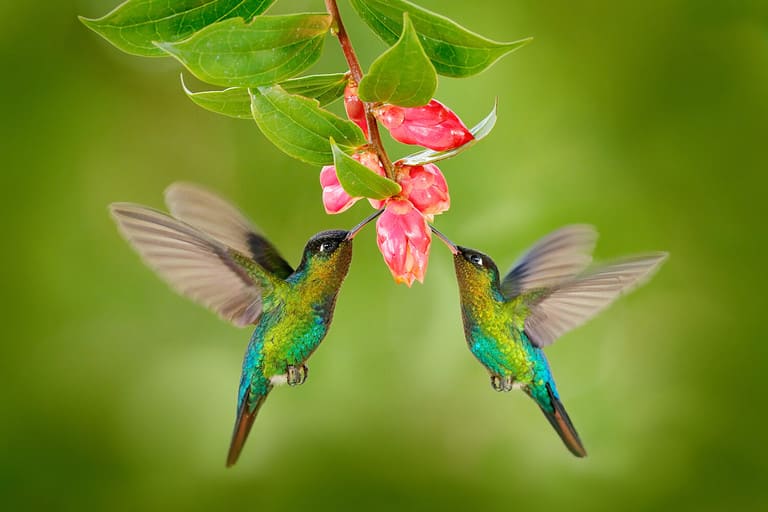
There are over 500 species of birds that live in Colorado. Some migrate south in the winter, while others adapt to the cold weather. By November, the birds that migrate have probably already left the state. Hummingbirds and mountain bluebirds start flying south in the late summer to early fall.
The birds that live in Colorado year-round have developed physical adaptations that help them survive frigid temperatures. For example, the downy woodpecker lives all year in the state. Their metabolism slows during winter to conserve energy. They keep warm by nesting in cavities of trees, and they supplement their diets by finding backyard bird feeders when there are fewer insects to eat in the forest. Just like humans, many birds shiver to keep warm. They also grow down feathers to help insulate them from the cold.
Fish Go Into a Dormant Stage and Move to Deeper Waters
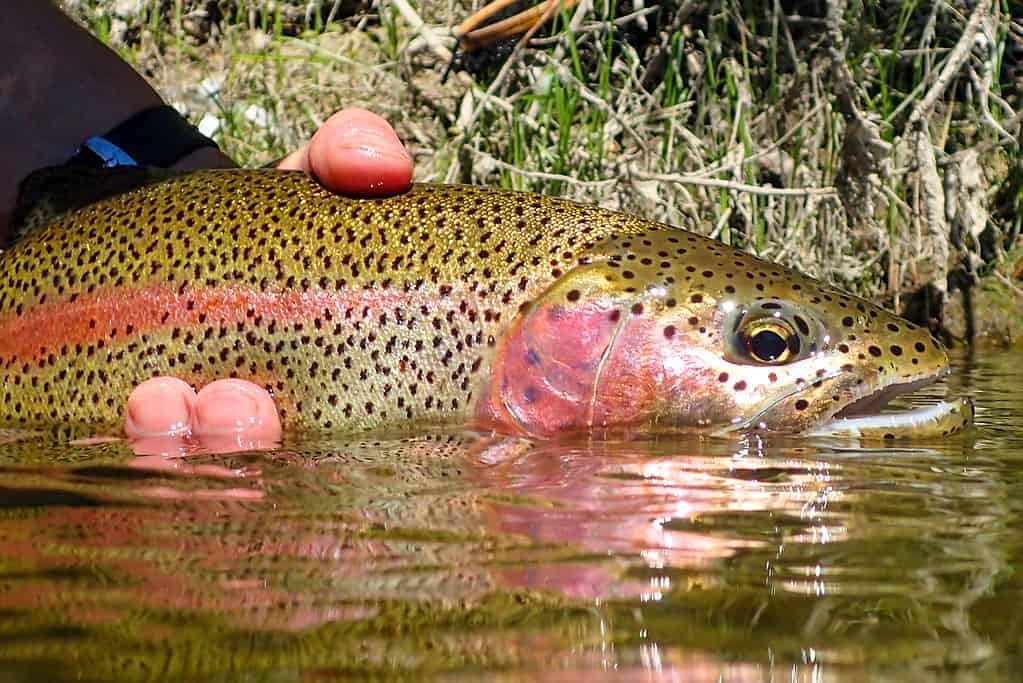
Trout move to deeper pools of water in the winter and slow their metabolism to conserve energy.
©christiannafzger/iStock via Getty Images
By November, many Colorado fish are preparing for the cold winter months. According to anglers, November can be a great time for fishing in areas where it hasn’t iced over yet. As the weather changes, many fish move to deeper waters where the ice doesn’t reach, and they go into a dormant stage. Though they don’t enter hibernation, they do go into torpor to conserve energy. Some fish, including trout, may migrate downstream to avoid ice. Many fish head to deeper pools where the water may be warmer.