
Quick Take
- Seagulls are skipping a food-rich hunting ground for reasons that stumped a team of marine ecologists, and the leading explanation is stranger than anyone predicted.
- Scientists thought they had the answer, but GPS data from 58 birds tore their theory apart entirely. See the GPS findings →
- Wind turbines sit in some of the richest feeding waters these gulls will ever find, and yet the birds treat them like a no-fly zone. Explore the avoidance behavior →
If you’ve ever walked past a wind farm, then you know how imposing the twisting turbines can be. Modern offshore wind turbines typically generate between 8 and 15 megawatts per turbine. The largest models reach up to 18-20 megawatts, which can power up to 20,000 homes. And while they produce plenty of clean energy, their effects on surrounding wildlife are not as well measured.
When ecologists at the Royal Netherlands Institute for Sea Research began paying close attention to seabirds near Zeeland’s wind farm, they found something surprising. Lesser black-backed gulls seem to actively avoid the turbines, even though they stand in prime hunting ground.
The Birds and Their Bycatch
Just off the coast of Zeeland sits its wind farm, and not far from that are trawler boats. These boats often toss bycatch, or unwanted fish, back into the ocean. For some time, NIOZ ecologists theorized that this bycatch drew birds to the trawlers and away from the wind turbines. That is, until ecologist Rosemarie Kentie and her team decided to test this hypothesis.
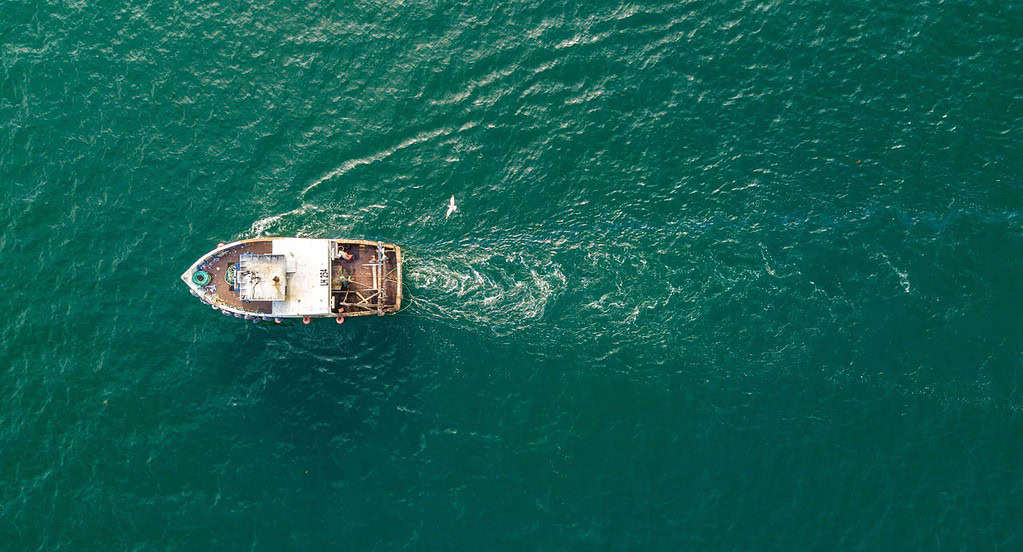
Trawlers are known to attract seabirds, but in this case, it’s the only thing lesser black-backed gulls were interested in.
©NORRIE3699/Shutterstock.com
As a result, 58 lesser black-backed gulls were fitted with GPS tracking devices. The goal was to measure when and how far they flew and compare the data with the distance to the wind farm. The test was to see if the gulls would enter the wind farm park, even on days when the trawlers were not fishing. And while the gulls were heavily attracted to the trawlers during weekdays — and prime fishing time — they would disappear on weekends when no boats were around.
Disproving a Theory with Another Mystery
This effectively disproved that gulls were being lured away from wind parks by trawler bycatch. While the birds found sufficient food from the boats, they were left to hunt on off days. However, they continued to steer clear of the wind turbines that sit right in the middle of their hunting ground.
“With the Global Fishing Watch website, you can see where and when fishing takes place. We linked our data to this. But they didn’t,” Kentie told EurekaAlert!. There is something that makes them prefer not to enter the wind farms at the weekend either. No idea why, it fascinates me enormously.”
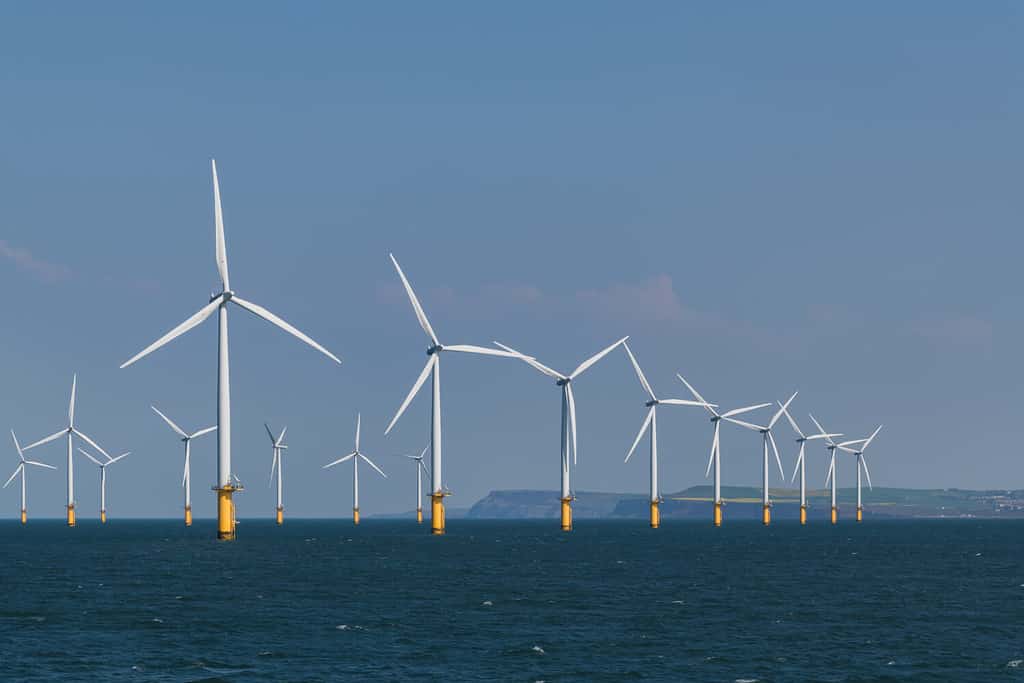
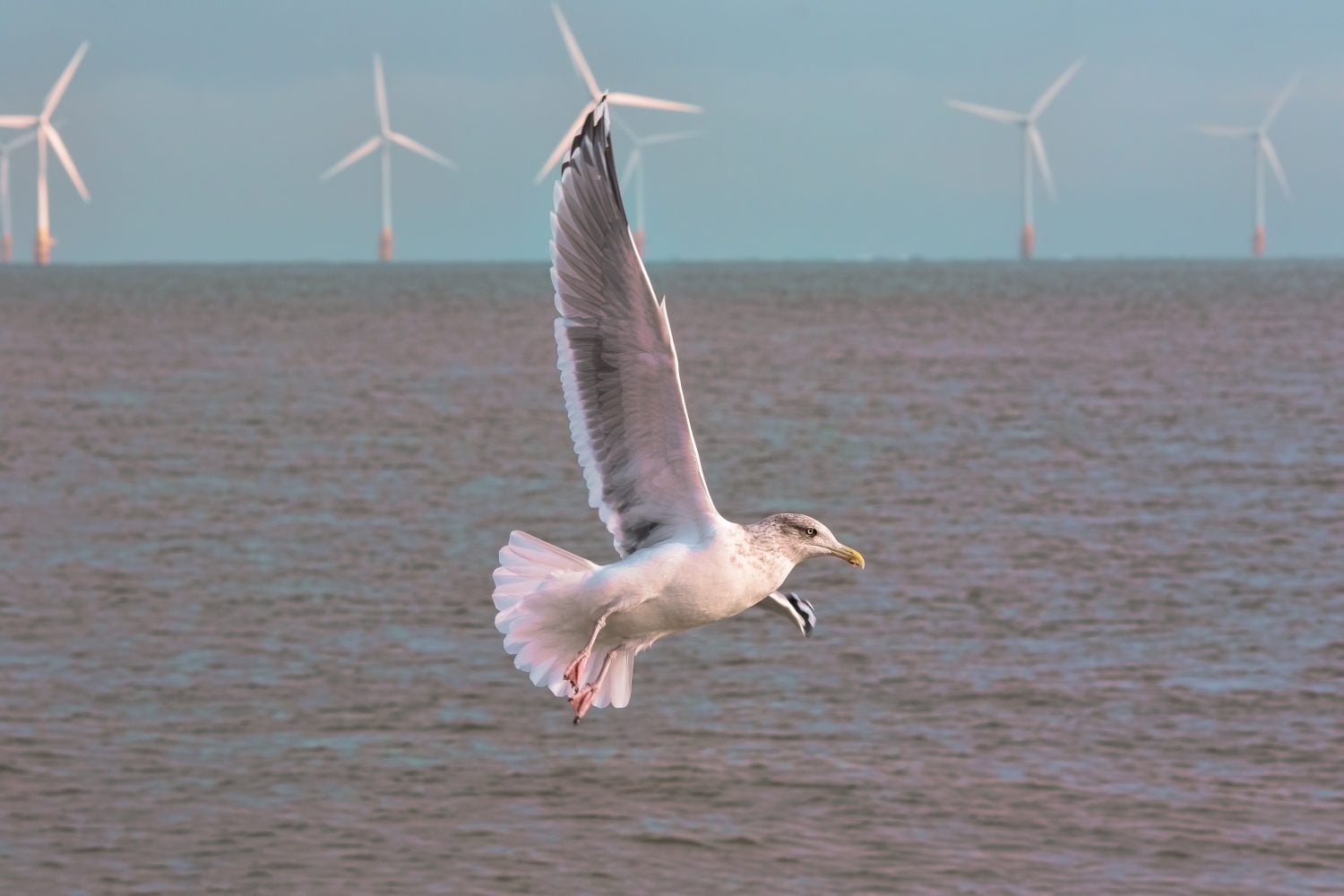
Wind farms are common in the North Sea of England, where they can span for miles.
©Riekelt Hakvoort/Shutterstock.com
One theory for gulls avoiding wind turbines is that it stems from their unpredictability. The rotating blades pose an unknown threat to birds, one that remains widely understudied. It could be that the gulls are fearful of this movement, or that the motion interferes with their line of sight. When a gull looks down at the water to hunt, they lose track of the turbine’s blades, which could inadvertently strike them. Despite Zeeland’s wind farm being in an off-limits fishing area where prey is abundant, the mystery continues to confound NIOZ ecologists. They plan on doing more research on the gulls’ habits in the future, if only to confirm whether wind farms are a cause for increased conservation of these marine habitats.