
Quick Take
- MPAs protect seabirds by reducing local environmental stressors and boosting prey availability in ecologically rich areas.
- In certain sanctuaries, these protections have allowed for higher seabird breeding success when forage fish and krill are abundant.
- MPAs are necessary but not sufficient on their own; expand connectivity and pair these protected areas with bycatch reforms, climate measures, and pollution controls for a truly helpful solution.
Observing seabirds in their natural habitats along the surf and the waves, it’s hard to imagine anything harming them. But, out at sea, there’s a different reality waiting for these animals. Seabirds face daily threats, which continue to increase over time. For many species, those threats are now big enough that populations are shrinking, even among protected breeding colonies and areas.
Marine protected areas (MPAs) are considered one of the main tools used to protect seabirds. Along U.S. coasts, national marine sanctuaries, national monuments, refuges, and state MPAs now cover vast areas of ocean, many of which are located beneath seabird flyways and feeding grounds. Today, we’ll take a close look at MPAs, including how NOAA defines and identifies MPAs, what protection in these places really means for seabirds, and how a few high-profile U.S. MPAs are turning ocean conservation into real gains for these birds.
What Does NOAA Mean by a Marine Protected Area?
Marine Protected Areas have formal boundaries.
©James G Andrews/Shutterstock.com
NOAA’s Marine Protected Areas Center stated that an MPA is a clearly defined marine area that is recognized and managed through legal or other effective means to achieve a long-term conservation status in line with cultural values.
In practice, that definition (which was adapted from the International Union for Conservation of Nature) covers everything from prohibited access reserves to multiple-use sanctuaries where fishing, shipping, and recreation still occur under specific rules.
NOAA also lists these key pieces at work behind the scenes of Marine Protected Areas:
- MPAs have formal boundaries and objectives with goals in sight.
- They’re created to protect specific values like biodiversity, habitats, fisheries, cultural sites, or ecological processes.
- In the U.S., MPAs are managed by a mix of agencies and partners, including NOAA, U.S. Fish and Wildlife Service, National Park Service, tribal governments, and relevant states.
When it comes to seabirds and their survival in MPAs, they need habitats built around ecologically rich ocean features, where the prey they depend on is naturally concentrated. But what else do seabirds need to thrive in any given habitat?
How MPAs Are Chosen and How They Help Seabirds
Protecting seabirds requires a lot of personnel and resources.
NOAA’s MPA Center explains that protected sites are chosen using a mix of science and a bit of stakeholder input. Managers look for areas that achieve the following:
- Support high biodiversity or rare habitats.
- Serve as nursery or spawning grounds for key species.
- Function as migration corridors or feeding areas for wide-ranging marine life.
- Hold unique cultural or historical resources in need of protection.
For seabirds, MPAs can help in several ways if executed effectively. Some of those ways include:
- Protecting prey: Many sanctuaries and state MPAs limit disruptive fishing methods or protect forage-fish spawning grounds. Doing this can stabilize or rebuild populations of anchovy, sardine, herring, sand lance, and krill, which are exactly the foods murres, auklets, loons, scoters, and other seabirds rely on.
- Reducing bycatch: In some MPAs, gear restrictions, such as limits on gill nets or certain longline practices, reduce the incidental capture of diving birds during fishing.
- Lowering pollution risk: Sanctuaries often restrict seabed mining, oil and gas development, and certain discharges, cutting down on the likelihood and severity of oil or other chemical spills.
- Managing disturbance: Shore-based MPAs are responsible for managing vessel traffic, anchoring, and access around nesting islands, reducing harm and threats during the seabird breeding season.
However, despite so many benefits, NOAA doesn’t present MPAs as a cure-all. In fact, they frame these areas as tools that reduce local stressors and build ecosystem resilience, especially when combined with sustainable fisheries, climate action, and certain pollution controls. While helpful and doing far more good than bad, it isn’t everything seabirds need to thrive.
Why Seabirds Need Protection at Sea, Not Just on Land
Seabird protection must extend to land and sea.
©Sophia Granchinho/Shutterstock.com
Historically, seabird conservation focused solely on nesting islands, which is a type of work that has saved species. However, as tracking technology has improved, satellite tags and geolocators have shown something sobering: many seabirds spend the majority of their lives far offshore, and they are most threatened out there rather than on land.
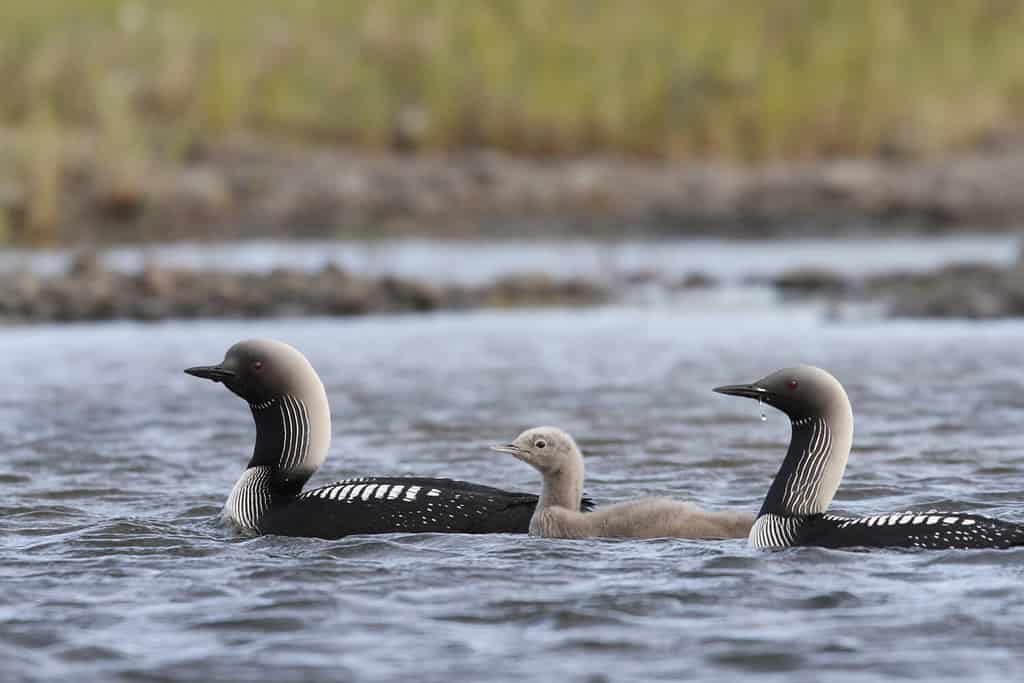
Species like Pacific loons and sea ducks migrate thousands of miles and use very specific staging and molting areas along the Pacific and Atlantic coasts. Those same areas are often areas full of the following threats:
- Heavily fished for the schooling fish and invertebrates that birds need.
- Crisscrossed by shipping lanes and oil traffic.
- Noise, pollutants, and rapidly changing temperatures.
Many don’t realize that NOAA’s National Marine Sanctuaries program was explicitly created to protect “special places in the ocean and Great Lakes,” places that tend to overlap seabird foraging hotspots. Despite this necessary program and its details, seabirds still face plenty of dangers offshore, away from protected shorelines.
Greater Farallones & Cordell Bank National Marine Sanctuaries (California)
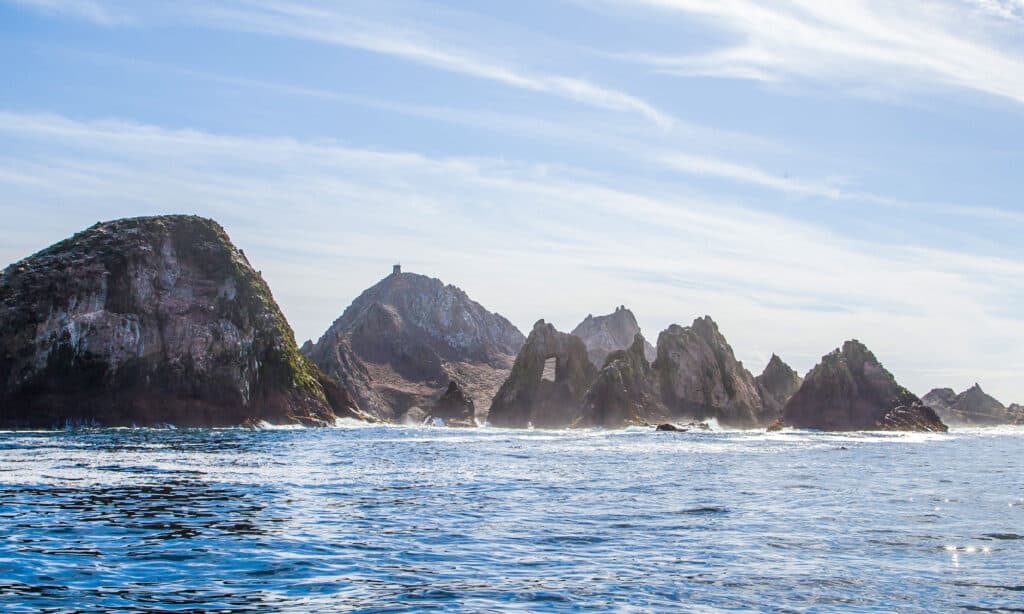
NOAA prohibits oil and gas exploration in two sanctuaries near San Francisco.
©iStock.com/LouieBaxter
Located near San Francisco, the Greater Farallones National Marine Sanctuary and Cordell Bank National Marine Sanctuary sit in one of the most powerful upwelling regions on the U.S. West Coast. Cold and nutrient-rich water fuels plankton blooms that, in turn, support plenty of krill and schooling fish.
NOAA’s sanctuary profiles demonstrate that these waters feed the following species:
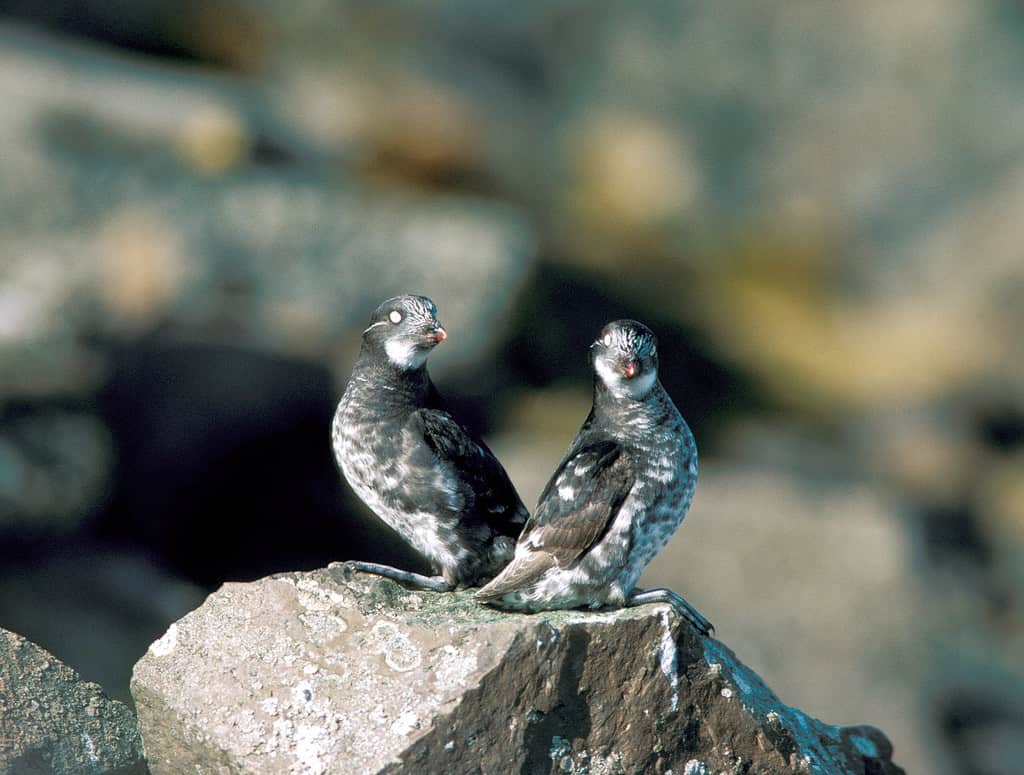
- Massive colonies of common murres, Cassin’s auklets, rhinoceros auklets, and Brandt’s cormorants are breeding on the Farallon Islands.
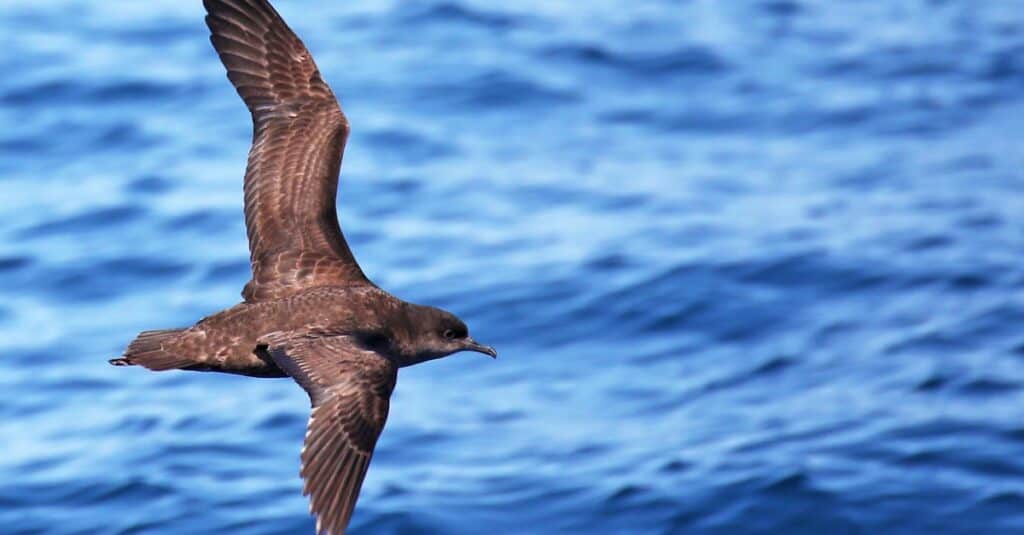
- Migrating shearwaters and albatrosses.
- Wintering rafts of Pacific loons and sea ducks that use the nearby zone for feeding and molting.
Within these two sanctuaries, NOAA prohibits oil and gas exploration, dredged-material dumping, and seabed mining. They also work with local fishery managers to reduce the impacts of certain gear types. Long-term seabird monitoring in the Greater Farallones and Cordell Bank National Marine Sanctuaries documents the importance of high krill and fish years for breeding success and the potential for MPAs to support seabird populations when prey is abundant.
Monterey Bay & Channel Islands National Marine Sanctuaries (California)
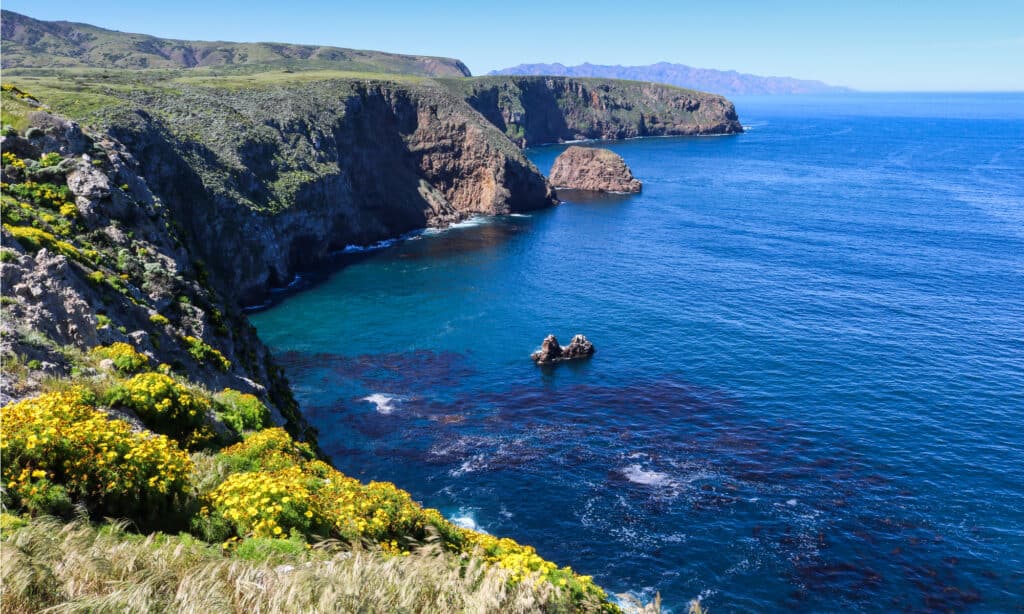
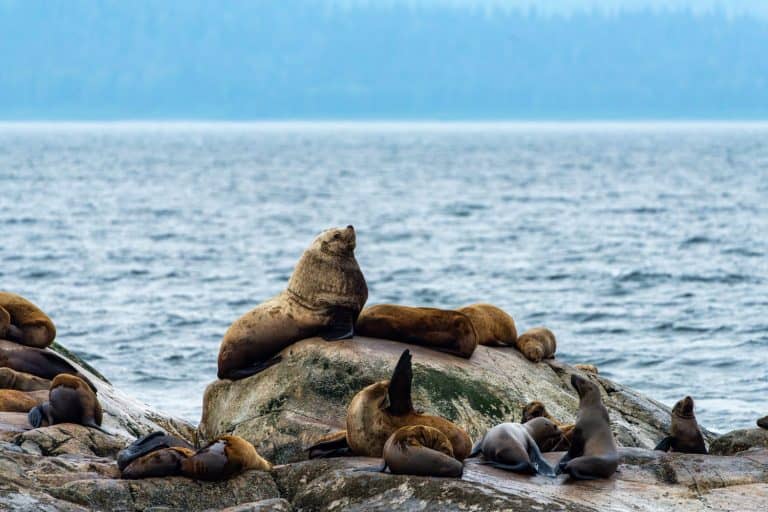
The Channel Islands are home to many marine mammals and seabirds.
©Bram Reusen/Shutterstock.com
Monterey Bay National Marine Sanctuary covers a spectacular stretch of central California and is widely associated with the Monterey Bay Aquarium. This sanctuary supports dense and unique populations of marine mammals and seabirds, including:
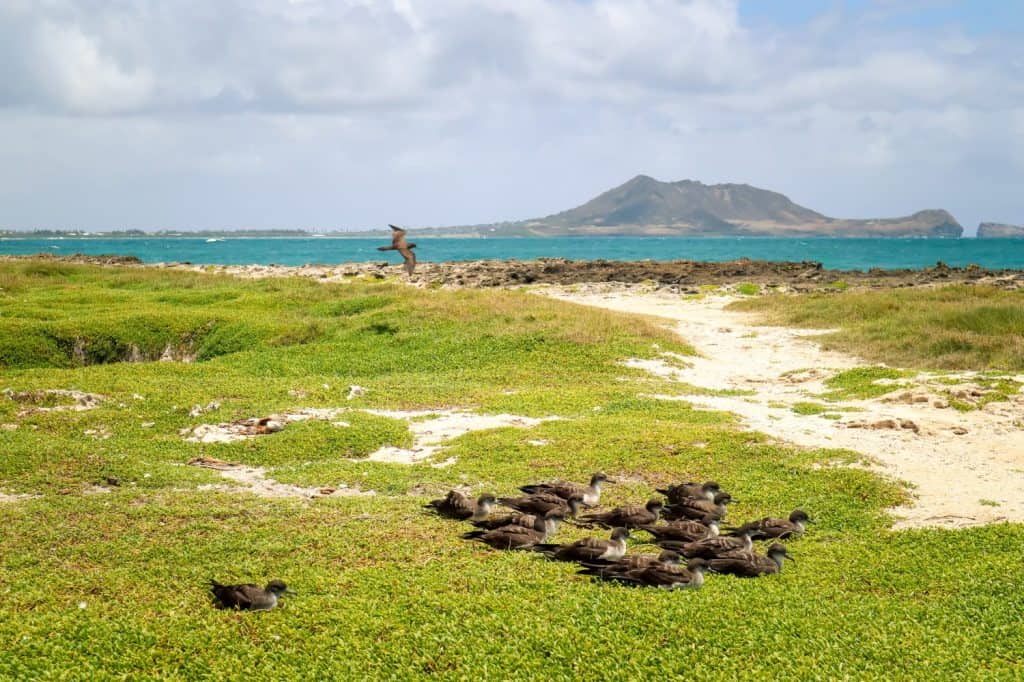
- Sooty shearwaters, pink-footed shearwaters, common murres, and cormorants during feeding.
- Wintering Pacific loons and various scoter species gather in the bay each year.
South of this prime location, Channel Islands National Marine Sanctuary and adjoining Channel Islands National Park protect key breeding islands for:
- California brown pelicans.
- Cassin’s auklets and Scripps’s murrelets.
- Several cormorant and gull species.
Within and around these sanctuaries, state and federal protections limit the most damaging fishing practices, reduce disturbance around nesting islands, and guard against offshore drilling, creating an oasis for seabirds.
Olympic Coast National Marine Sanctuary (Washington)
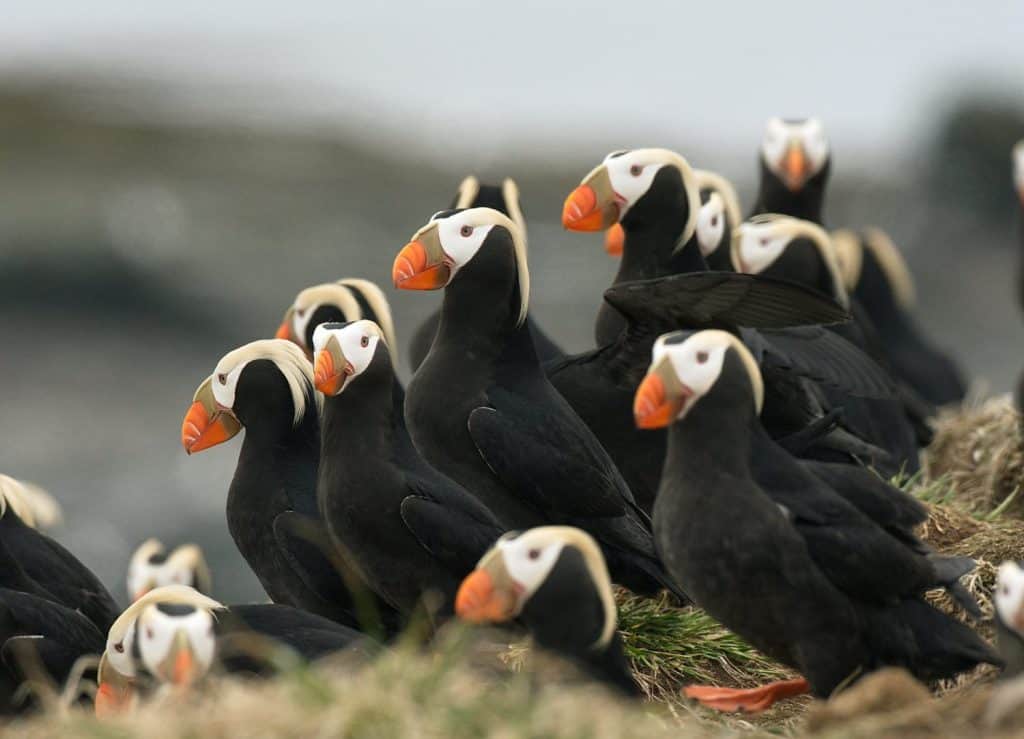
The Olympic Coast National Marine Sanctuary is located in Washington.
©tryton2011/Shutterstock.com
Heading north along the outer coast of Washington, the Olympic Coast National Marine Sanctuary overlaps with a dense cluster of seabird colonies on sea stacks and islands, which are managed jointly by Olympic National Park and local tribal nations. Like other MPAs, the Olympic Coast Sanctuary protects:
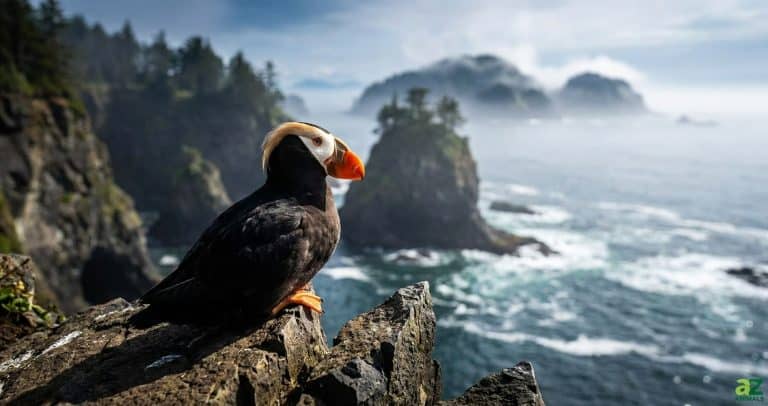
- Breeding common murres, tufted puffins, pigeon guillemots, and auklets.
- Large seasonal concentrations of Pacific loons and sea ducks.
Management plans ensure that there are vessel re-routing measures and spill-response planning in place to reduce the risk of catastrophic events in an area that NOAA explicitly recognizes as critical for seabirds, marine mammals, and culturally important resources for the Quinault, Hoh, Quileute, and Makah tribes.
Stellwagen Bank National Marine Sanctuary (Massachusetts)
A sanctuary in Maine coordinates with shipping companies to reduce the risk of ship strikes and noise pollution.
©iStock.com/Manakin
Between Cape Cod and Cape Ann on the other side of the nation, Stellwagen Bank National Marine Sanctuary protects a shallow, banked region that rises from the deeper Gulf of Maine. While Stellwagen is famous for its whale watching, NOAA’s wildlife descriptions also list:
- High numbers of shearwaters.
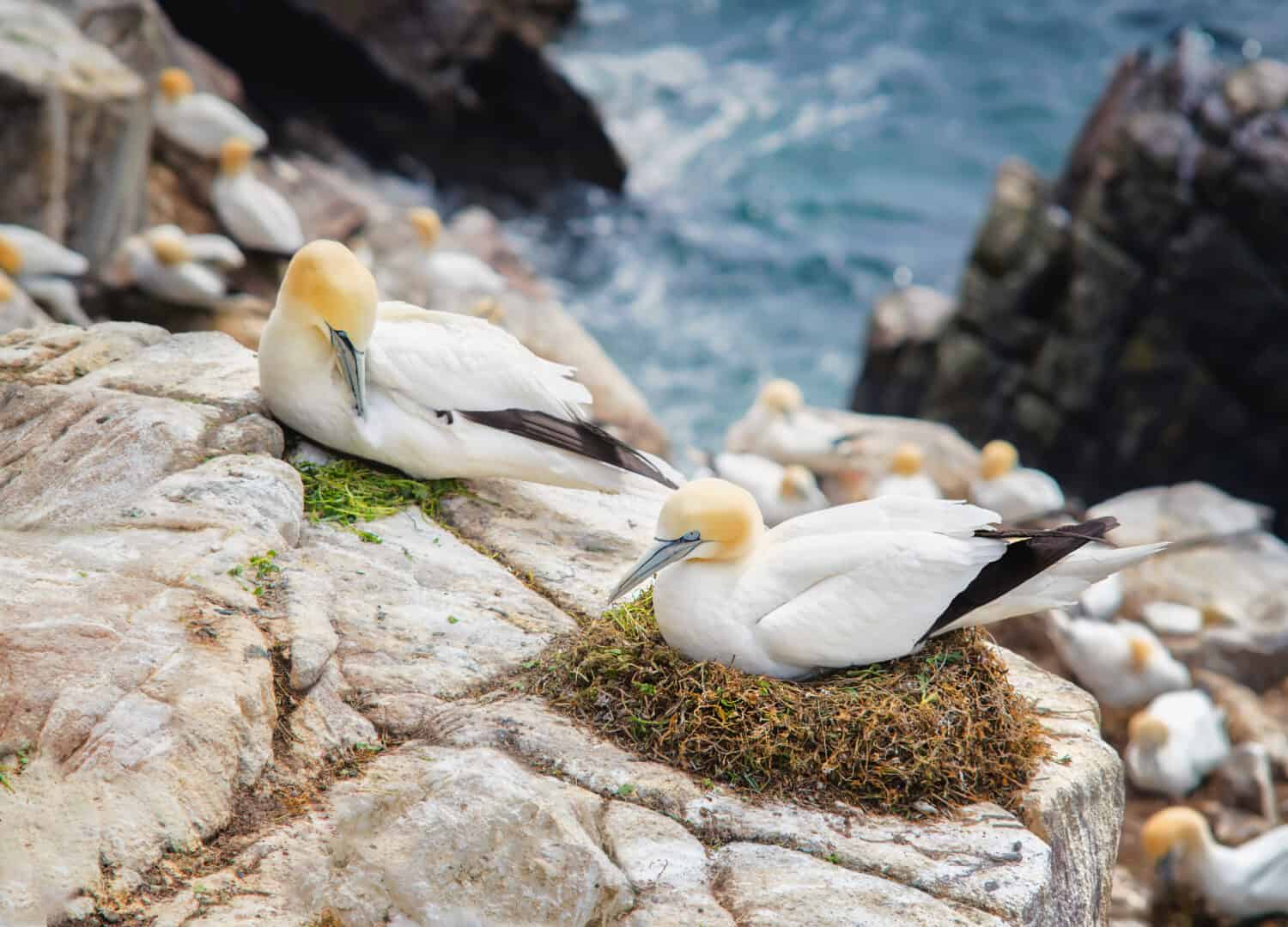
- Northern gannets.
- Seasonal appearances of alcids.
The sanctuary has coordinated with the International Maritime Organization and various shipping companies to shift and narrow shipping lanes and encourage slower vessel speeds, reducing the risk of ship strikes and noise in whale and seabird areas.
Papahānaumokuākea Marine National Monument (Northwestern Hawaiian Islands)
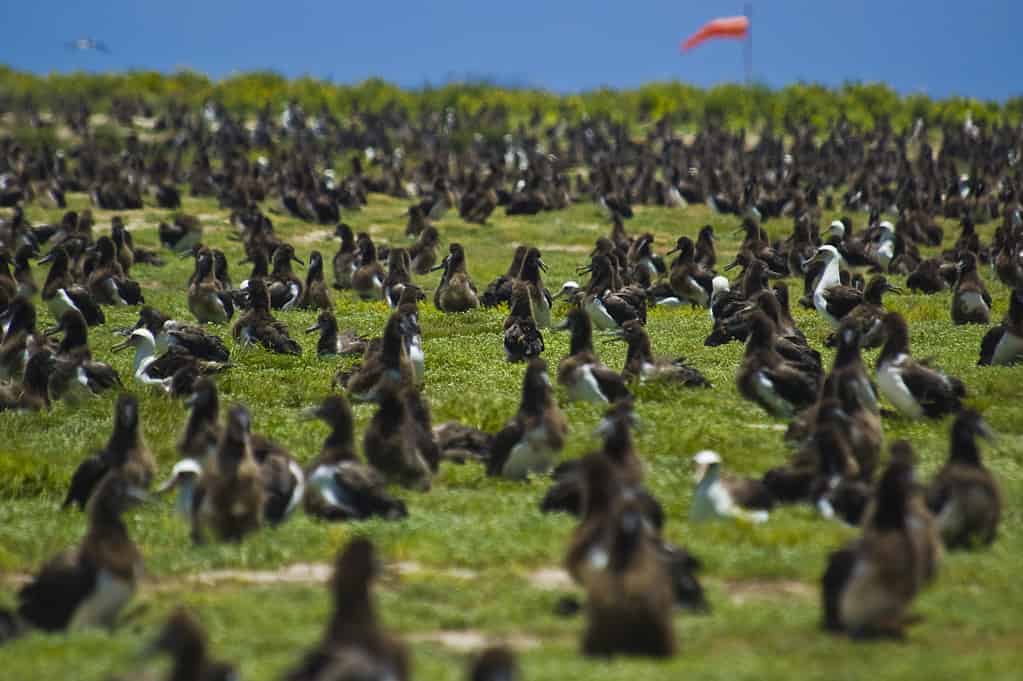
One of the world’s largest marine protected areas is in Hawaii.
©U.S. Navy photo by Mass Communication Specialist 2nd Class Mark Logico / Public Domain – Original / License
The Papahānaumokuākea Marine National Monument, co-managed by NOAA, the U.S. Fish and Wildlife Service, and the State of Hawaii, is one of the world’s largest marine protected areas. Its official site notes that the monument:
- Supports the world’s largest populations of Laysan albatross and black-footed albatross.
- Hosts hundreds of thousands of Bonin petrels, Tristram’s storm-petrels, and other rare, tropical seabirds.
- Protects breeding and foraging habitat for more than 14 million seabirds across dozens of species, including endangered ones.
Like other MPAs, the monument bans all commercial fishing and most extractive industries across most of the central Pacific and tightly controls access to its islands and atolls. While albatrosses and petrels still face threats from longline bycatch and plastic ingestion outside the monument, NOAA and partner agencies cite Papahānaumokuākea as a core, vital refuge where adult seabirds can breed and forage with far fewer direct human pressures.
So, Are MPAs Actually Helping Seabirds?
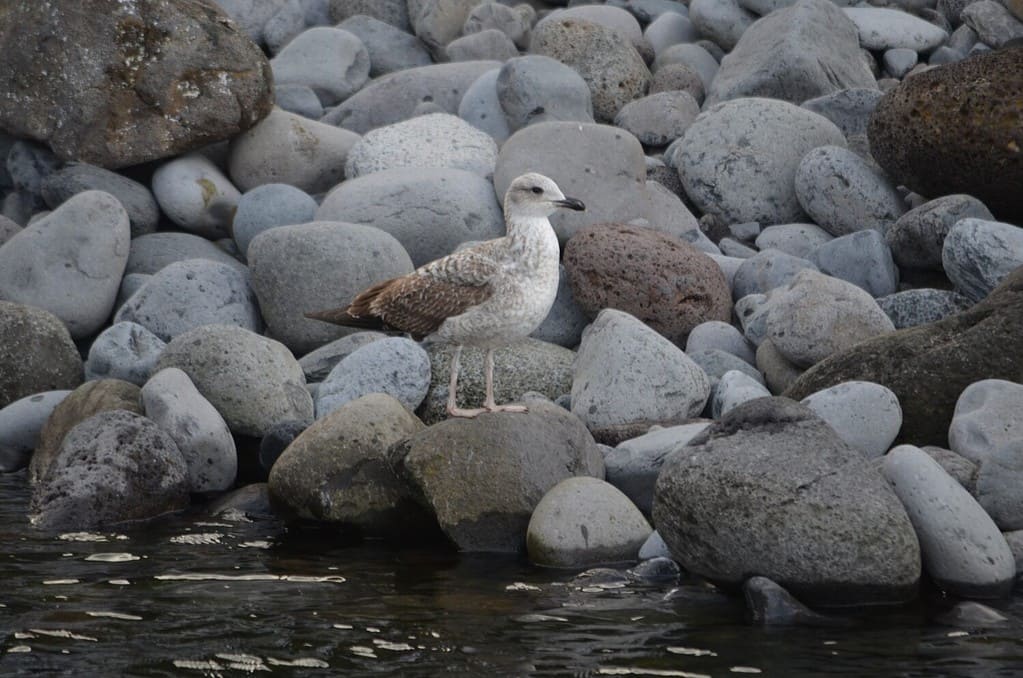
Many seabird species range beyond the protected areas where many of them live.
©Monika Polackova/Shutterstock.com
The short answer is: yes, when they’re in the right places and have the right rules, and these rules are being followed in cooperation between many different agencies and organizations. However, even NOAA understands that they’re not the whole solution.
Because so many seabird species range far beyond any single protected area, there’s only so much that MPAs can truly do. In addition, climate-driven changes in ocean temperature and productivity can still harm population numbers, even when MPAs are in place.
That’s why seabird scientists and NOAA managers increasingly talk about MPAs as necessary but not truly sufficient. While they’re a foundation for many birds currently, they are designed to be built upon, working in tandem with international bycatch reforms, climate mitigation, pollution control, and future ideas not yet put into motion.
For Pacific loons, scoters, murres, shearwaters, albatrosses, and countless other seabirds, well-designed MPAs are already making parts of their seas safer and more predictable. The challenge now? Scaling that success by expanding and connecting protected areas. That way, seabirds are protected not just at their colonies, but along the full length of the seas and flyways they’ve known for thousands of years.