
Quick Take
- The HOA announced a cull of around 200 geese, but the USDA ended up killing more than twice that number. How did that happen? See the full count →
- Board members kept the exact date of the operation completely secret, and the reason why is darker than a scheduling conflict. Read about the death threats →
- This same lake was cleared of geese before, and that effort didn't work, for a reason experts have a specific name for. Learn about the vacuum effect →
- The USDA issued prevention recommendations after the cull, but conservationists aren't convinced they'll change anything. See the USDA recommendations →
An HOA board in Alabama recently made good on its vote to cull hundreds of geese. The mass killing occurred after members claimed the gaggle was too large for the available habitat, raising concerns about disease and avian flu.
HOA Orders Killing Of 550 Geese
An overpopulation problem led to the planned mass culling of Canada geese from an Alabama neighborhood, placing residents at odds with the HOA board.
On June 30, 2026, an HOA that oversees the Heritage Plantation community in Madison, Alabama, took matters into its own hands and culled 550 wild Canada geese. The geese that live in and around Lady Ann Lake had grown to a population of “five times the safe threshold” that the U.S. Department of Agriculture recommends. Due to concerns over disease transmission, including avian influenza, the board decided that extermination was necessary.
During the initial hearing and subsequent vote, the HOA board stated that just over 200 geese would be culled. That number jumped to over 500 by mid-June, according to a memo the HOA sent to residents.
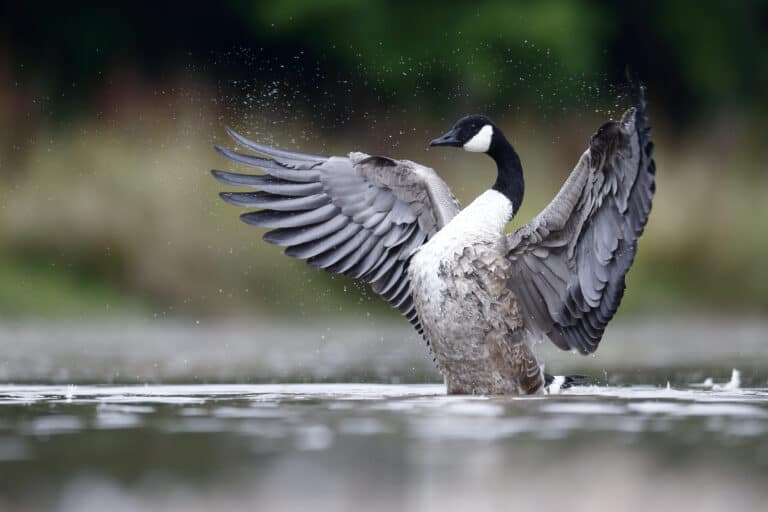
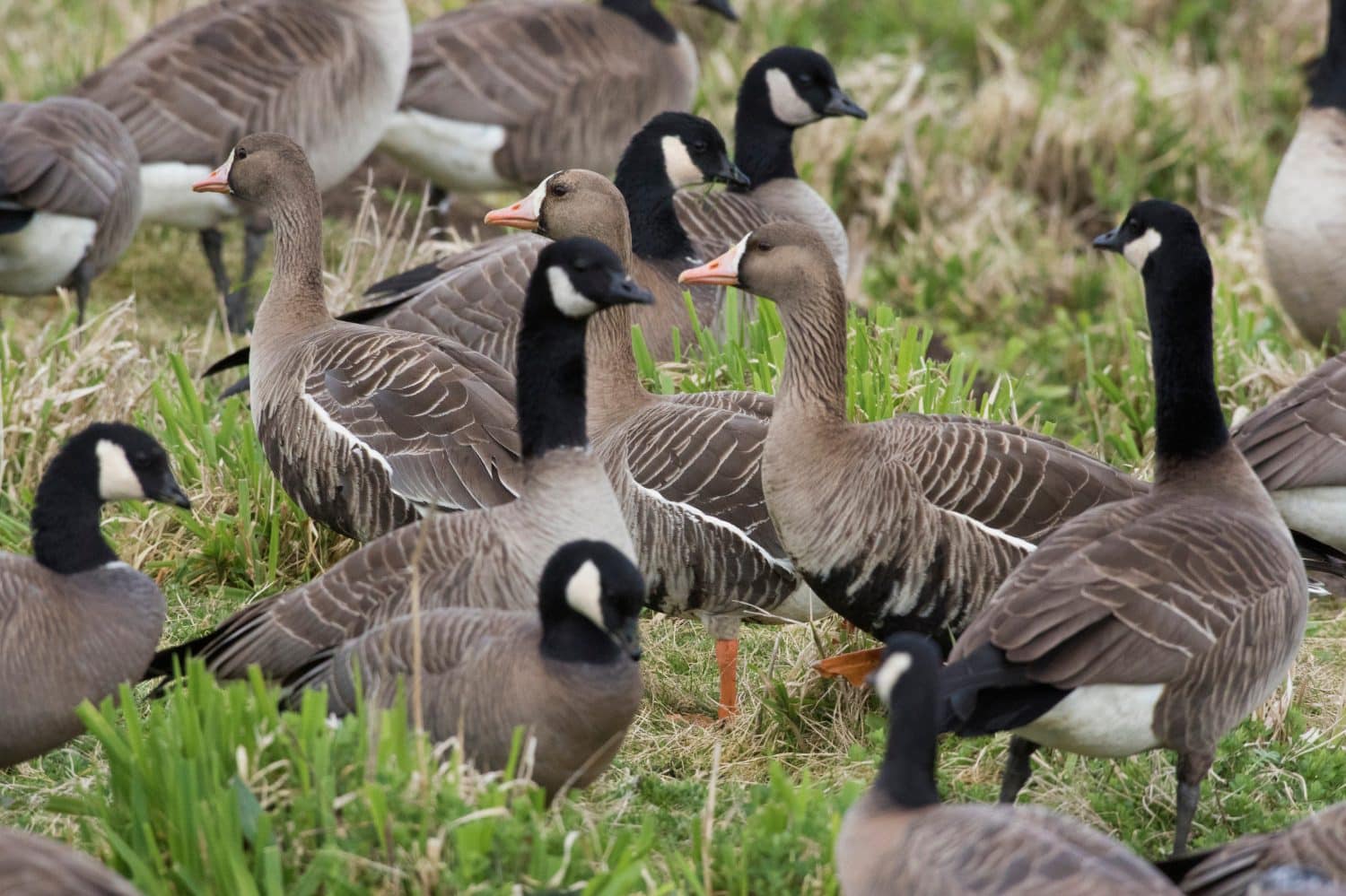
A group of 550 Canada geese was recently culled in Alabama.
©frantic00/Shutterstock.com
The culling operation was authorized by the USDA and carried out by a contracted wildlife management team, according to WAFF. Residents were unaware of the exact timing of the culling. However, they were told it would take place before July 1. Conservationists and residents urged the HOA board to reconsider, stating that not all non-lethal methods had been tried. The HOA board declined those requests, and the birds were euthanized.
Why the Timing of the Culling Was Not Announced
While the HOA board voted to cull the geese on June 8, no announcement was made about when the operation would take place. This is because members of the HOA board received death threats in the weeks after the vote took place.
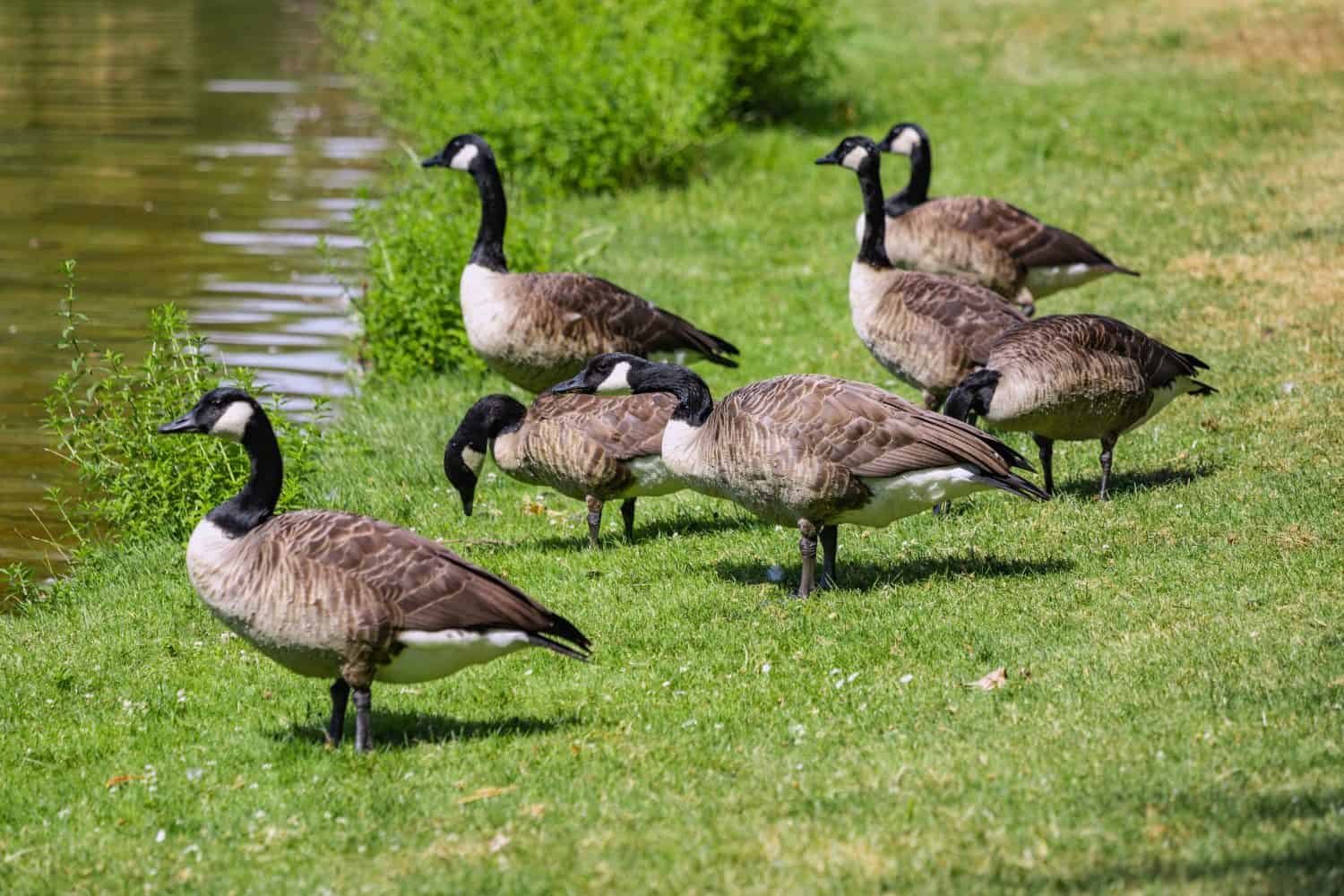
The exact date and time of the culling were not released after HOA board members received death threats.
©Lecia Michelle/Shutterstock.com
Initially, the HOA board sent a memo to residents stating that the geese would be culled before July 1. Shortly after that memo went out in mid-June, the death threats via email and social media came flooding in. Additionally, protests occurred almost daily.
To prevent interference, the HOA board did not disclose the date of the culling. As a result, the USDA was able to capture and euthanize the geese without interruption.
Culling Did Not Stop the Problem in 2020
This is not the first time that an HOA has voted to cull the geese living in and around Lady Ann Lake. In 2020, an unspecified number of geese were euthanized after the Edgewater HOA board voted in favor of the culling. However, within weeks, the geese returned.
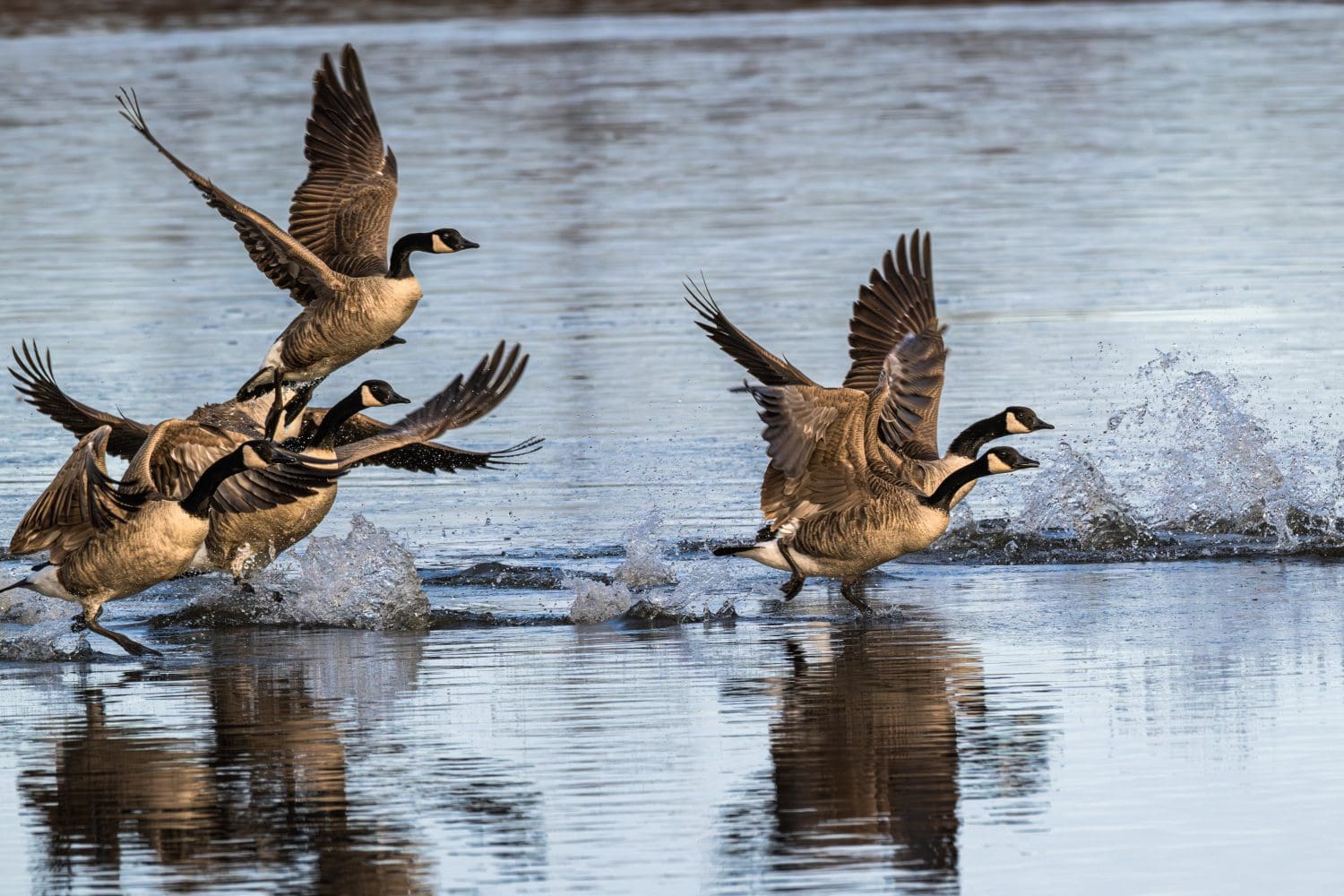
After Canada geese were culled in an Alabama community in 2020, another population of Canada geese took their place weeks later.
©Kittyfly/Shutterstock.com
According to conservation ecologist and associate professor at the University of Alabama in Huntsville, Matthew Niemiller, a different goose population took over the area as a result of the “vacuum effect.”
“The recolonization in 2020 is a textbook example of this,” Niemiller explained to USA Today. “These are resident, non-migratory Canada geese that have boomed across the suburban South because we’ve created ideal goose habitat: open water like Lady Ann Lake ringed by short, fertilized lawn with clear sight lines. Empty good habitat doesn’t stay empty for long.”
Despite this, the USDA acted. Whether their efforts prove to be effective this time around remains to be seen.
What Residents Can Do to Prevent an Overpopulation of Geese Again
To help prevent Canada geese from returning to Lady Ann Lake in the large numbers they were seen before the cull, the USDA has issued recommendations to residents. Conservationists, however, remain skeptical that these recommendations will prove to be effective.
The recommendations the USDA issued include:
- Do not feed the geese under any circumstances; anyone caught doing so will be fined.
- Geese should be scared away from gathering areas to discourage them from returning.
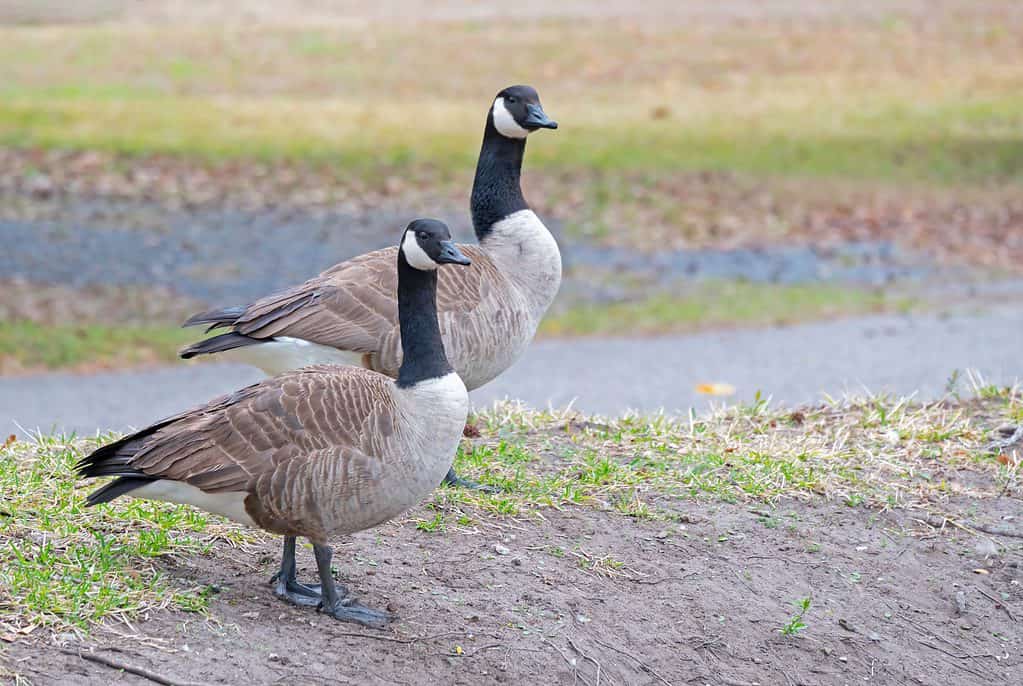
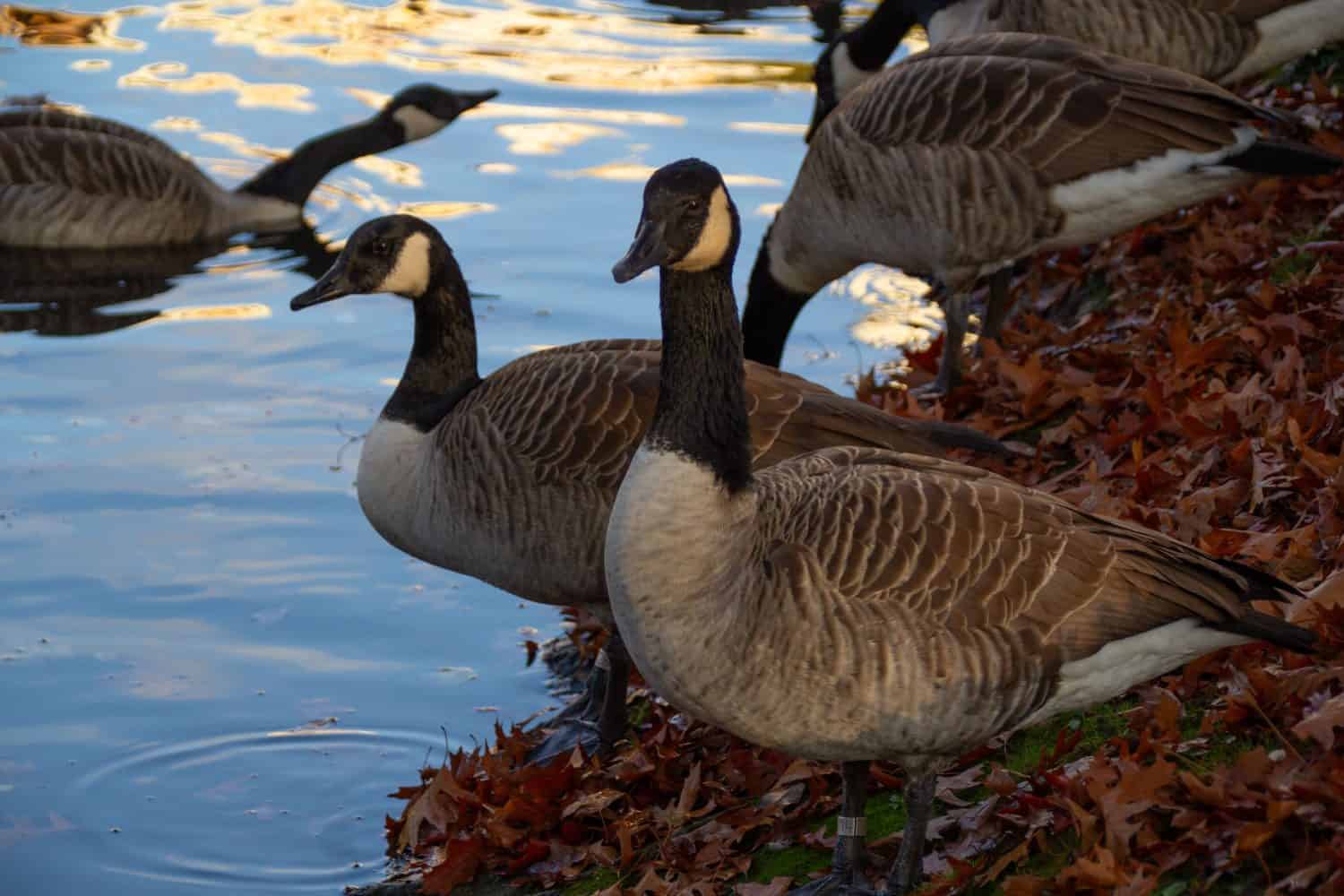
Residents are not to feed the geese and are to scare them off from community gathering areas.
©Daniel Wright98/Shutterstock.com
In addition to these steps, the HOA board stated it would be “oiling” any eggs found. This is being done to stop the egg from developing into a gosling.
While the goose population had grown to unsustainable levels, there is no telling whether culling hundreds will reduce future populations. If geese return in large numbers despite these measures, debate over lethal versus non-lethal management is likely to continue.